April 27, 2025
With a tight project schedule, the manufacturer delivered on time, and on-site technical personnel provided guidance throughout the entire installation and commissioning process; the collaboration was highly efficient and hassle-free.
Aug 7, 2026
When outdoor power infrastructure demands durability under extreme weather, thermal stress, and long operational lifespans, choosing the right Oil-Immersed Transformer Supplier becomes a strategic priority. These specialized manufacturers design and produce liquid-filled transformers where core windings remain submerged in insulating oil, solving critical challenges like thermal runaway in high-capacity grids, dielectric failure in humid coastal environments, and the need for decades-long reliability. By bridging complex engineering specifications with stable voltage regulation, a professional supplier ensures your equipment withstands localized overheating and transient overvoltages through advanced fluid-based cooling systems.
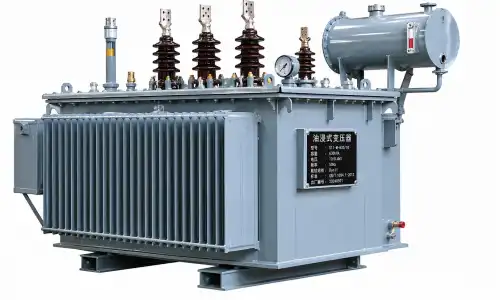
Learn about oil-immersed transformers and the benefits they offer.
There are several important parts inside oil-immersed transformers that all work together to make power conversion stable. The magnetic core and copper or aluminum windings are buried in mineral or manmade insulating oil that is kept in a steel tank that can't be opened. This oil does two things at once: it prevents electrical breakdown as a dielectric medium, and it also cools things down by soaking up heat from operation and letting it escape through radiators or cooling fins on the outside of the tank.
The insulating oil is constantly moving through natural convection or forced cooling systems, which keeps the machine running at its best temperature even when it's under a lot of stress. Because they can manage heat better, oil-filled units can handle higher power levels than air-cooled ones. The oil also keeps the inside parts from getting wet and rusty, which makes the equipment last a lot longer in places where it is subject to rain, humidity, and changes in temperature.
When you compare liquid-filled transformers to dry-type models, you can see that the latter perform better in outdoor settings. As an insulator, oil is about 25 times better at getting rid of heat than air, so oil-immersed units are better at managing heat. This means smaller physical footprints for the same amount of power and better overload capacity during times of high demand.
When used in harsh environments, oil-filled transformers show how much longer they last. The sealed tank design keeps dust, salt spray, and industrial pollution from getting into the interior parts, which are what weaken dry-type insulation systems over time. This protection is especially helpful for installations near the coast, mines, and heavy industrial sites where airborne pollutants make equipment wear out faster.
From the perspective of lifecycle costs, oil-immersed transformers usually provide strong energy efficiency advantages at higher voltage levels. Working with a reliable Oil-Immersed Transformer Supplier helps customers obtain transformer solutions with optimized performance, lower operating costs, and long-term reliability. Lower no-load losses and improved load loss characteristics mean that less electrical energy is consumed throughout the equipment’s 30-year service life. An experienced Oil-Immersed Transformer Supplier can provide high-quality oil-immersed transformer designs that are suitable for demanding power applications while reducing overall lifecycle expenses. For medium to ultra-high voltage applications above 35kV, liquid-filled transformer technology often delivers a lower total cost of ownership because it requires less maintenance, offers excellent thermal performance, and typically has a longer service life before replacement is needed. Choosing the right Oil-Immersed Transformer Supplier ensures access to efficient transformer systems, professional technical support, and reliable solutions that maximize investment value. A trusted Oil-Immersed Transformer Supplier can help utilities and industrial users achieve stable operation, reduced energy consumption, and improved cost efficiency over decades of service.
These days, oil-immersed transformers can handle a lot of different voltage levels and power levels. Most of the time, 10kV to 35kV distribution models with 100kVA to 20MVA capacities serve industrial parks, renewable energy substations, and urban power networks. Transmission-class units that work at 110kV, 220kV, and 500kV move large amounts of power for utility grids. For ultra-high voltage uses, their ratings can reach hundreds of MVA.
Specialized designs meet the needs of certain industries. Electric furnace transformers provide high current for making steel, rectifier transformers provide direct current (DC power) for electrochemical processes, and mining transformers are built to withstand explosions for use underground. Because it can be used in so many different ways, liquid-filled technology can be used in power grids, the integration of green energy, heavy manufacturing, and building structures.
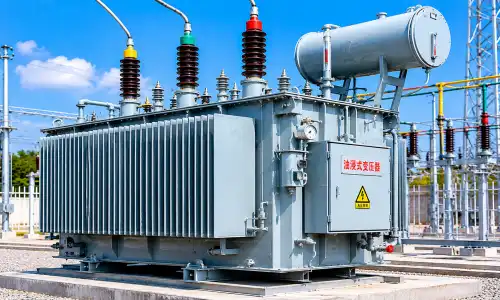
To choose an Oil-Immersed Transformer Supplier, you have to look at a number of qualification criteria that have a direct effect on the stability of the supply chain and the reliability of the product. International quality standards are the basis for judging a seller. Getting certified as an ISO 9001:2015 Quality Management System shows that your production processes are standardized and that you are always looking for ways to make things better. Compliance with IEC standards makes sure that transformers meet safety and performance standards that are known all over the world. CE marking shows that the transformers meet European safety standards, and UL certification proves that the transformers are safe for use in North American markets.
Advanced production skills set experienced providers apart from basic fabricators. Look for facilities that have computer-controlled oil filling systems that keep moisture out, vacuum impregnation systems that make sure there are no holes in the insulation, and automatic wrapping tools that keep the coil geometry and tension constant. Modern testing labs that can do routine, type, and special tests according to IEC 60076 standards make sure that equipment works as it should before it is shipped.
When managing infrastructure projects that last for years, full after-sales support is very important. Suppliers who are capable keep technical service teams that help with installation, commissioning, and fixing problems throughout the lifecycle of the equipment. They keep important extra parts like joints, tap changers, and cooling parts on hand so that there is as little downtime as possible during maintenance. This service infrastructure is especially helpful for projects that are done overseas and don't have a lot of technical resources available in the country.
There are a number of different types of transformer supplies, and each one has its own set of benefits. Global multinational companies usually have the widest range of products and the most research and development resources. However, their prices reflect their high-end standing, and their wait times may be longer because they plan their production all in one place. Regional specialized makers can often respond more quickly and offer more customization options. They can also keep quality standards high by focusing on a few key product lines.
Compare Oil-Immersed Transformer Suppliers to dry-type experts by looking at how specialized they are in certain products and how well they know how to use them. Oil-Immersed Transformer Suppliers usually have more scientific understanding of fluid mechanics, oil treatment systems, and how to make the best tanks. Their prices are based on economies of scale in the tools they use to handle oil and the radiators they make, which means that bigger units are often a better deal. Lead times depend on how much of the production capacity is being used. For standard ratings, established suppliers keep a buffer stock, but it takes 12 to 16 weeks for customized specifications.
A supplier's name in the market is a good way to tell how consistent they are. Look into past projects that have been used in similar situations, read testing reports from unbiased labs, and make sure that the product has been installed successfully in the areas you want to reach. Suppliers who have done well in utility-scale projects have the production capacity and quality control needed for buying in big quantities.
When making strategic buying choices, it's common to have to weigh global quality standards against the benefits of regional delivery. International companies that make things in more than one country can offer versions of their products that meet IEC, ANSI, and GB standards from the same platform. This makes it easier to define requirements for projects that span multiple countries. But localized providers might be able to serve smaller orders faster and offer more flexible payment terms that are in line with how business is done in the area.
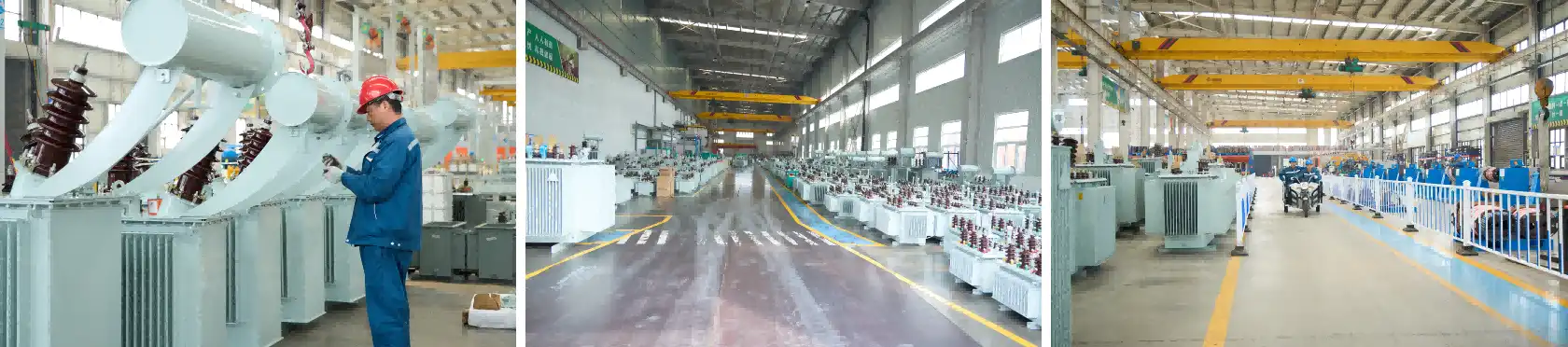
When it comes to big building projects, consolidated buying methods are very helpful. When you order in bulk, you can get volume discounts that lower the cost of each unit by 10 to 15 percent compared to buying them one at a time. In addition to lower prices, batch production allows for better quality control because the process settings are kept the same throughout the production run. This makes the electrical characteristics of all the units more uniform.
Working with makers on framework deals opens up more ways to customize. Temperature profiles in the environment can be used to customize cooling setups, ranges of tap changers can be changed to meet voltage regulation needs, and tank designs can be changed to fit shipping or installation restrictions. This adaptability makes sure the best performance for each site's conditions instead of settling for standard catalogue items.
Lifecycle economics are an important part of effective negotiation that goes beyond the original buying price. When comparing quotes, you should figure out how much energy will be lost over the next 30 years that the transformer is supposed to last. When projected energy costs are taken into account, a unit with 5% lower load losses may be worth the extra 10% in up-front cost. When you use amorphous metal cores or low-loss electrical steel in energy-efficient designs, you can see a difference in the project's return on investment.
Another part of total ownership cost is warranty coverage and service agreements. Standard warranties usually cover problems with the way the product was made for 24 to 36 months. For important projects, longer safety plans can add extra peace of mind. Full service packages that include regular oil checks, dissolved gas analyses, and preventative maintenance make it less likely that something will break down without warning, which would mean having to pay for a substitute.
To avoid delays and damage, managing shipments of transformers across international borders needs careful coordination. Large power transformers often take up more space than a standard container, so they need special heavy-lifting tools and route surveys to find places where they can't go. When you work with providers who know about export operations, you can be sure that the right packing methods are used to protect the porcelain bushings and stop oil from leaking during ocean transport.
Different countries have different regulations and procedures for clearing goods through customs, but in general, importing transformers requires technical documentation such as test reports, material certifications, and declarations of country of origin. A professional Oil-Immersed Transformer Supplier understands international shipping requirements and prepares complete documentation to support smooth customs clearance. Reputable Oil-Immersed Transformer Supplier companies maintain export compliance teams that are familiar with regional import regulations, harmonized tariff classifications, and required safety certifications. By working with an experienced Oil-Immersed Transformer Supplier, customers can reduce administrative risks, avoid delays, and ensure that all necessary paperwork is prepared correctly before shipment. This expertise helps speed up the clearance process and lowers the possibility of goods being held at ports due to missing or incorrect documents. A reliable Oil-Immersed Transformer Supplier provides not only high-quality transformer products but also professional export support, making international procurement more efficient and secure. Choosing the right Oil-Immersed Transformer Supplier ensures a smoother global supply chain and better project execution.
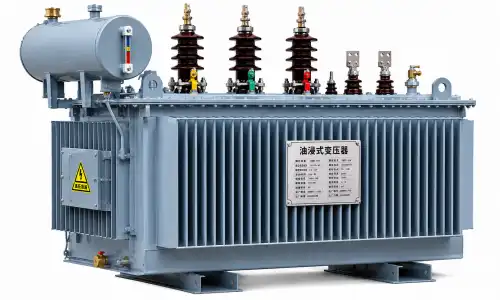
Using systematic repair methods is important for keeping transformers reliable for as long as they are used. Routine oil testing is the most important thing that needs to be done for tracking. Distribution transformers should be sampled once a year, and key gearbox assets should be analyzed every three months. In the lab, studies check the dielectric strength to make sure the insulation is still good, the amount of wetness to see if it lowers the breakdown voltage, and the acidity levels to see if oil is oxidizing and the insulation is getting old.
Filtration and reclamation of oil can return contaminated fluid to usable condition without having to be replaced completely. Portable filtration units get rid of particles and dry out oil through vacuum dehydration, which can add 10 to 15 years to the life of many installations. If dissolved gas analysis shows fault gases like acetylene or ethylene, oil reclamation gets rid of these impurities while keeping the electrical properties of the base fluid.
Visual checks done during planned repair windows find problems early on, before they get so bad that they break. Technicians look for oil leaks around gasket seals, check the state of the bushings for cracks or tracking marks, make sure the cooling fan works, and make sure the tap switch mechanism can move all the way to the end. These simple checks find problems that can be fixed during planned downtime instead of having to be fixed right away.
Proactive asset management strategies that can predict failures before they happen are made possible by advanced diagnostic tools. Online dissolved gas monitoring systems keep an eye on fault gas concentrations all the time and let operators know when there are any strange patterns that could mean that insulation is breaking down or connections are getting too hot. With this early warning system, repair teams can plan their work for times when demand is low instead of having to respond to unexpected outages.
Through thermal imaging surveys, hotspots that show bad connections, uneven loading, or cooling system blockages are found. Infrared cameras find changes in temperature that can't be seen with the naked eye. This lets focused fixes be made that stop small problems from getting worse and causing catastrophic failures. When these technologies are paired with acoustic sensors that pick up partial discharge activity, they give a full picture of the state of valuable gearbox assets.
By adding efficiency changes to old transformers, you can save a lot of energy without having to buy new ones. Installing cooling fans with varying speeds lowers the amount of extra power used because they fit their cooling power to the load that's being used instead of running at full speed all the time. Adding electronic voltage regulation to the controls of a tap changer makes the load-side voltage more stable and cuts down on reactive power losses.
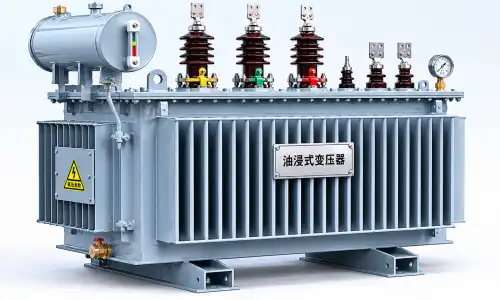
Transformers that are filled with liquid are the backbone of the transmission and distribution networks used by electric companies. Power from power plants or connecting points is stepped down to subtransmission voltage levels by 110kV to 500kV substation transformers. This allows power to be sent all over the area. Power flows through these units are measured in hundreds of megawatts, and they work continuously with changing loads while keeping voltage regulation within very tight limits.
Distribution transformers that serve homes and businesses usually work at main voltages between 10kV and 35kV, stepping down to levels that are needed. Single-phase units placed on poles and three-phase transformers mounted on pads make up the last part of the power supply chain. For these outdoor projects that are subject to lightning hits, extreme temperatures, and years of wear and tear, oil-filled building works perfectly.
For solar farms and wind power plants to connect to utility grids at transmission voltage levels, they need transformers. Collector substations take the output from multiple turbines or inverter arrays and add it all together. They then boost the voltage to keep transmission losses as low as possible over long distances to load centers. Oil-immersed transformers are great for remote renewable energy installations where space is limited, and energy loss has a direct effect on the project's economics because they have a small footprint and are very efficient.
For energy storage systems to work, the transformers need to be specially made so that power can run in both directions and the load can be quickly switched between charging and discharging. Oil-filled units with better thermal capacity can handle the high duty cycles that come with grid-scale storage uses. They will keep working well for thousands of charge-discharge cycles over the life of the project.
To melt scrap metal, steel plants use electric furnace transformers that send high currents at low voltages. The strong mechanical design of these specialized units lets them handle the strong electromagnetic forces that are created by arc strikes and short circuits. Oil cooling makes it possible for small designs to fit into production facilities with limited space, while also getting rid of the large amounts of heat that are produced by running all the time.
In mines, flame-proof transformers are used because they are made to work in explosive environments where coal dust or methane gas can start a fire. When a tank is sealed, internal arcs can't start fires in the outside atmosphere, and pressure release devices let fault currents escape safely without breaking the cage. Because of these safety benefits, oil-immersed technology is the best choice for deep power plants that power extraction equipment.
To find a good Oil-Immersed Transformer Supplier, you need to look at their technical skills, quality certifications, and service infrastructure to make sure they meet the needs of your project. For outdoor power applications, oil-immersed transformers have been shown to be reliable thanks to their better thermal management, environmental protection, and lifecycle economics. Procurement teams build a basis for decades of reliable electrical infrastructure performance by working with experienced providers who offer full support from specification to commissioning. Making smart choices about where to get things that balance quality standards, delivery dependability, and total ownership costs sets projects up for operational success.
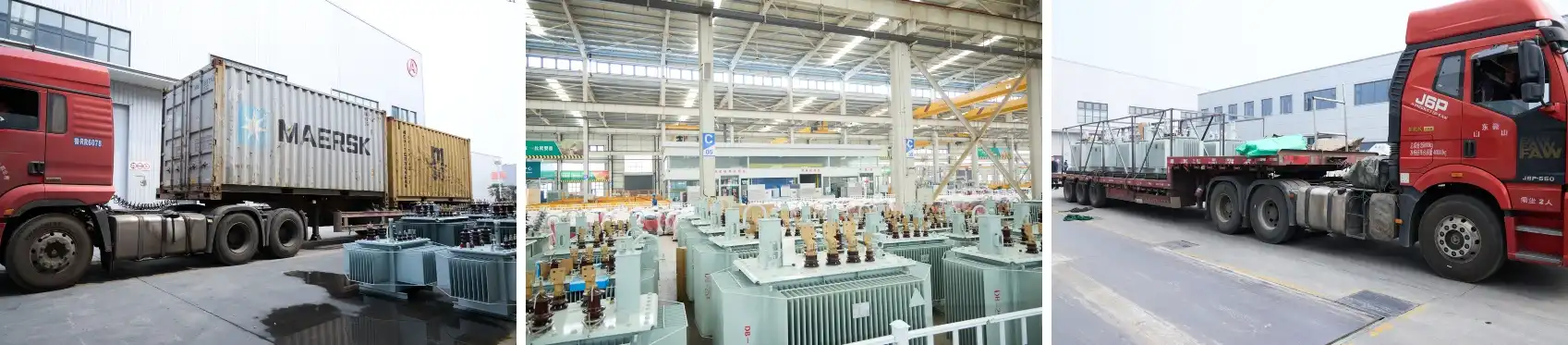
Liquid-filled transformers are better at controlling temperature because they use oil cooling, which lets them pack more power into smaller spaces. The sealed design keeps the inside parts from getting dirty from the environment, which increases their service life in outdoor settings. In most cases, they use less energy when the voltage is above 35kV and have lower lifetime costs for transport and high-capacity distribution.
Check for international certifications like ISO 9001, compliance with IEC standards, and regional approvals like CE or UL marking. Ask for project references from similar applications and do your own study to make sure the installation track record is correct. Check the factory's testing and quality control methods to make sure that the standards of production are the same from one batch to the next.
Standard distribution transformers usually take 8 to 12 weeks to ship after the order is placed. Customized transmission-class units, on the other hand, can take up to 14 to 18 weeks, based on how complicated the specifications are and how busy the production line is. Large orders placed under framework agreements can shorten lead times by planning production ahead of time and allocating material for parts of the project that are expected to happen.
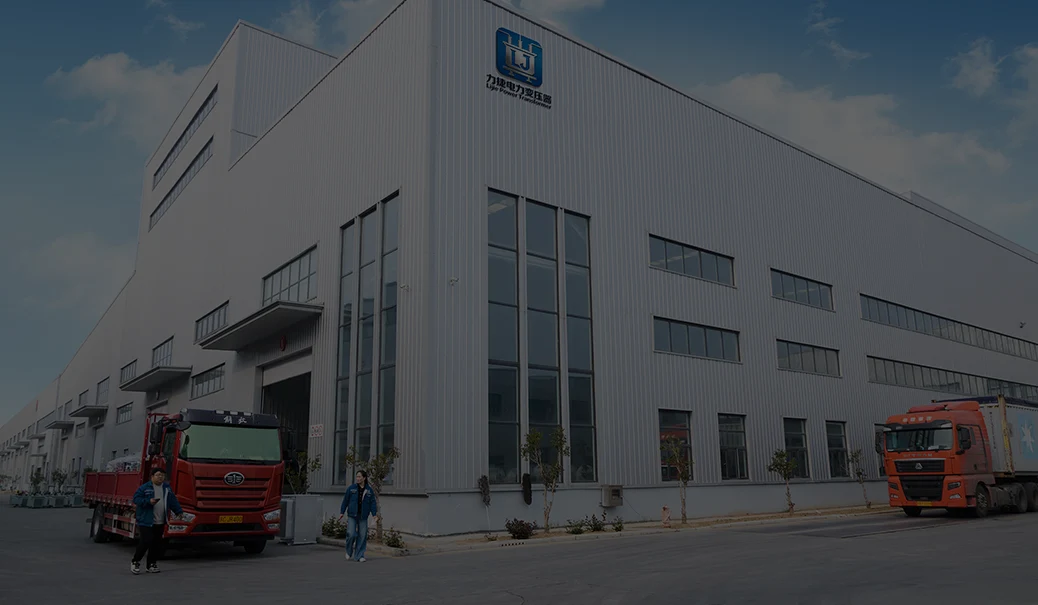
Lijie Electric Power Technology Group can help you with your outdoor power projects because they have decades of experience making oil-immersed transformers. Over 2,000 professionals work in our 500,000-square-meter factories in Xuzhou and Nantong. This includes 160 engineers with graduate and master's degrees whose sole job is to improve transformer technology. All of the products we make are certified to meet ISO 9001:2015, IEC, CE, and UL standards. They range from 10kV distribution units to 500kV ultra-high voltage systems.
As a reliable Oil-Immersed Transformer Supplier and manufacturer serving utility companies, renewable energy developers, and industry customers on six continents. We offer unique solutions that are based on your voltage needs, the conditions of the environment, and your delivery plans. Our expert team can help with every step of the project, from creating the specifications to putting the system into service, making sure it works perfectly with your power system.
Our engineering consultants can be reached at lijieelectrical@gmail.com to talk about your transformer buying needs and get detailed quotes for your next project. You can look through our full product catalogue at lijie-electrical.com and learn how our focus on quality helps us provide reliable power solutions for tough situations.
1. Chen, W., & Zhang, L. (2021). Modern Power Transformer Design and Application. Electric Power Press, Beijing.
2. International Electrotechnical Commission. (2018). IEC 60076 Series: Power Transformers Standards and Testing Requirements. Geneva: IEC Publications.
3. National Electric Power Corporation. (2020). Technical Guidelines for Oil-Immersed Transformer Selection and Maintenance. China Electric Power Research Institute.
4. Reynolds, M. (2019). Transformer Engineering: Design, Technology, and Diagnostics. CRC Press, Boca Raton.
5. Smith, J., & Anderson, R. (2022). Lifecycle Cost Analysis of Power Transformers in Utility Applications. IEEE Transactions on Power Delivery, 37(4), 2856-2864.
6. Wang, H., Liu, Q., & Park, S. (2023). Thermal Management and Cooling Optimization in High-Capacity Oil-Immersed Transformers. Journal of Electrical Engineering & Technology, 18(2), 445-458.
YOU MAY LIKE
10%20type%20dry-type%20distribution%20transformer.webp)


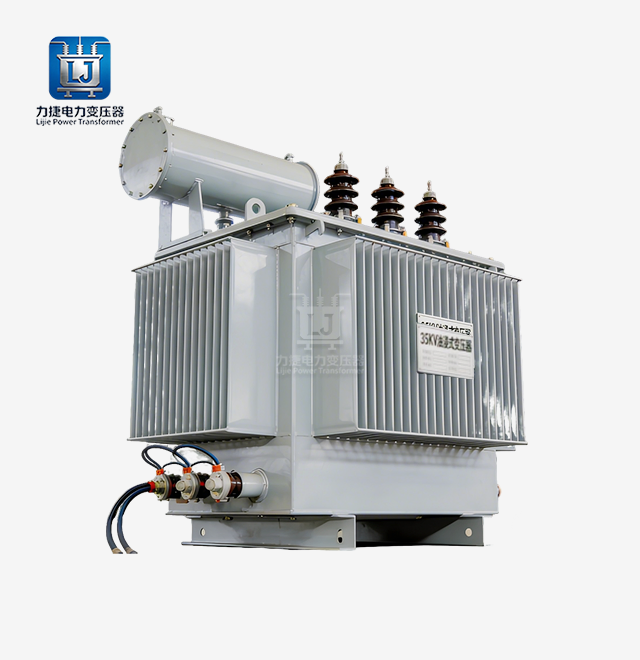
%20H15%20Series%20Oil-immersed%20Amorphous%20Alloy%20Transformer.webp)


April 27, 2025
With a tight project schedule, the manufacturer delivered on time, and on-site technical personnel provided guidance throughout the entire installation and commissioning process; the collaboration was highly efficient and hassle-free.
July 2, 2025
During the preliminary phase, a selection plan was custom-tailored based on the actual site load requirements, resulting in a high degree of parameter compatibility. After-sales support responds within two hours, and ongoing technical support for operation and maintenance is comprehensive; we feel completely confident in a long-term partnership.
November 18, 2025
Deployed as a supporting component for a 35kV grid-connection project at a photovoltaic power station, the equipment operates for an average of 16 hours daily. It demonstrates excellent control over no-load losses, ensures smooth power generation and grid integration, and effectively reduces the station's overall energy consumption.
January 30, 2026
Under the continuous, high-load operating conditions of a factory production line, the equipment maintains stable electrical parameters and exhibits strong overload resistance, thereby guaranteeing an uninterrupted power supply for industrial production.
April 3, 2026
Integrated as a supporting component for a new energy photovoltaic grid-connection system, the manufacturer provided professional technical coordination and timely after-sales support, ensuring seamless adaptation to the specific electrical operating conditions required for grid integration.