April 27, 2025
With a tight project schedule, the manufacturer delivered on time, and on-site technical personnel provided guidance throughout the entire installation and commissioning process; the collaboration was highly efficient and hassle-free.
Aug 7, 2026
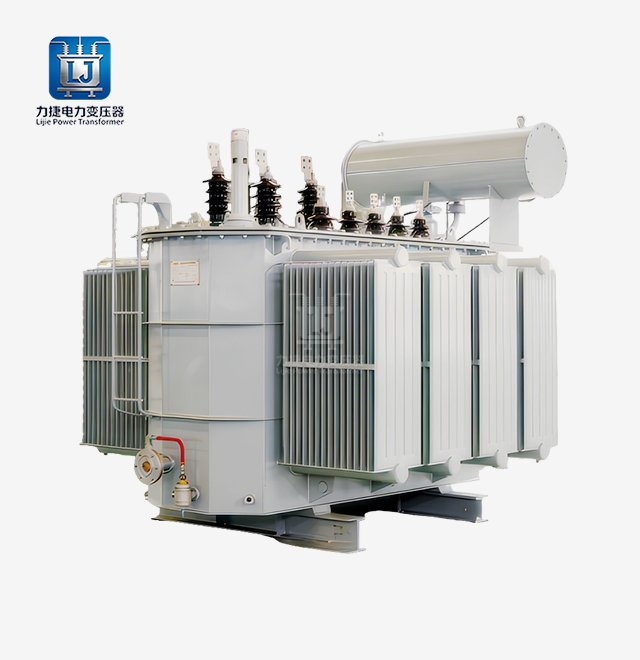
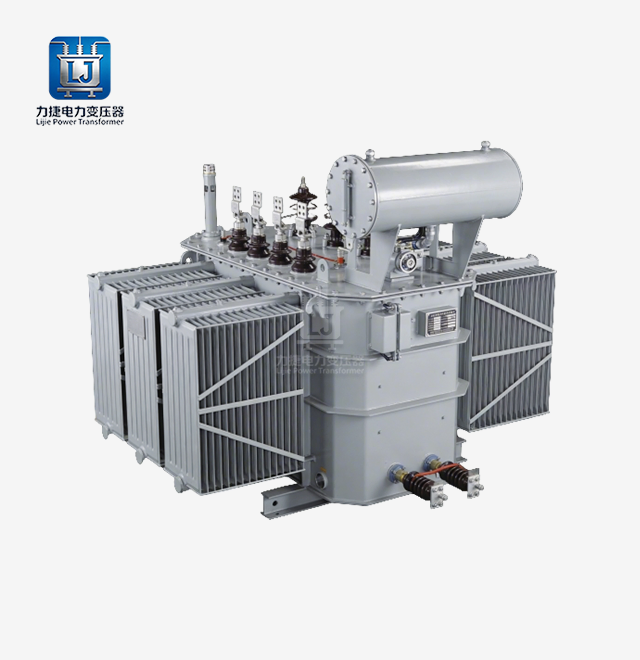
A High Voltage Transformer Supplier is an engineering-driven organization specializing in designing, manufacturing, and supplying voltage transformation equipment capable of handling power levels from 35kV to 1100kV and beyond. These suppliers bridge critical infrastructure gaps by delivering transformers that minimize transmission losses, stabilize grids during peak demand fluctuations, and support seamless integration of renewable energy sources into existing utility frameworks. Their products form the essential backbone of substations, solar and wind farms, and industrial facilities worldwide, ensuring reliable electricity distribution across vast geographic spans.
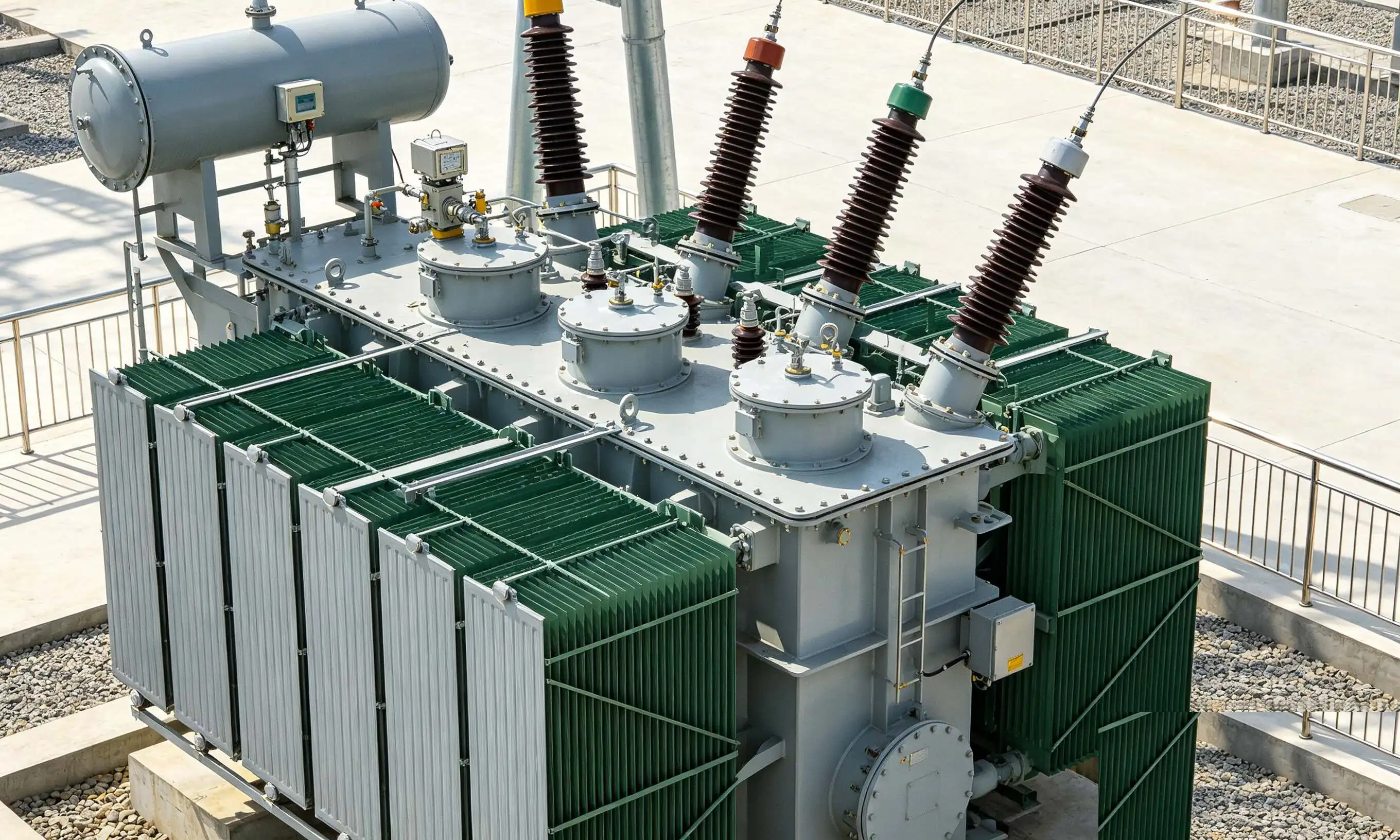
As the production of renewable energy grows and factories need more reliable electricity, modern power grids are under more stress than ever before. High-voltage transformers are very important parts of these networks because they change and control the flow of electricity to meet the exact needs of different uses. Electrical experts and procurement managers know that the performance of transformers has a direct effect on the cost of a project, the stability of the grid, and the safety of operations in the long run. Renewable and industrial facilities will either meet their design performance goals or experience expensive downtime and efficiency losses if they don't choose a provider with a track record of technical depth, manufacturing consistency, and global certification compliance.
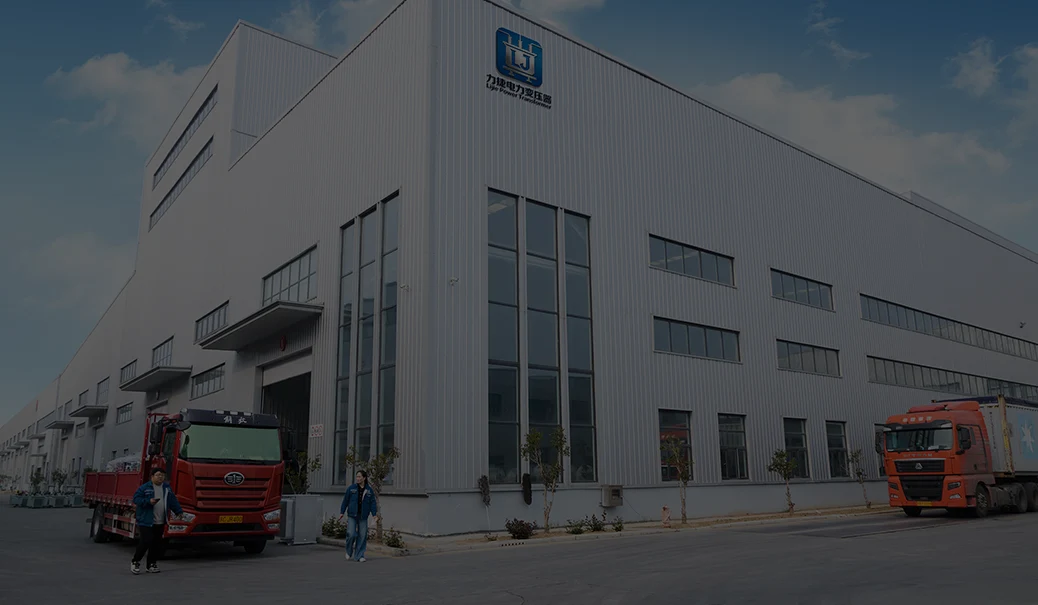
We at Lijie Electric Power Technology Group know how important these things are. Our team of over 2,000 professionals, including 160 engineers with advanced degrees, works out of two huge factories that cover 500,000 square meters. They make transformers that range from ultra-high-voltage 500kV units to specialised mining and rectifier models. Our ISO 9001:2015, CE, UL, and IEC certifications show that we strictly follow international standards. Also, the fact that we have supplied projects in Asia, Africa, and Oceania in the past shows that we can meet tight deadlines and technical requirements.
High voltage transformers use electromagnetic induction to move electricity between circuits and change the voltage levels to meet the needs of transport or distribution. Voltage ratings usually range from 35kV for small substations in cities to 500kV for power corridors that run over long distances. Modern designs usually have efficiency ratings above 99%. Core losses and copper losses are kept to a minimum by using advanced materials like amorphous alloy and better winding configurations. Insulation withstand capabilities—which are thoroughly tested to handle lightning strikes and switching surges—protect equipment further down the line and stop catastrophic failures that could spread across regional grids.
Wind farms use step-up transformers to increase the electricity generated by turbines from medium voltage to high voltage levels that are compatible with the grid. Working with an experienced High Voltage Transformer Supplier ensures that renewable energy projects receive reliable transformer solutions designed for efficient power transmission over long distances. These transformers make it possible for electricity to be delivered effectively to load areas hundreds of kilometres away while maintaining system stability and reducing transmission losses. Dry-type transformers provided by a professional High Voltage Transformer Supplier are often integrated into prefabricated substations as part of solar power systems. These substations feature compact designs and strong fire resistance, making them suitable for installation in remote desert environments and other challenging locations. Electric furnace transformers and rectifier units supplied by a qualified High Voltage Transformer Supplier are widely used in heavy industries such as steel smelting and chemical processing, where they convert alternating current to direct current and withstand high temperatures, demanding operating conditions, and harmonic distortion. Custom engineering is required for each application, including selecting appropriate cooling systems, configuring tap changers, and optimizing transformer performance. A trusted High Voltage Transformer Supplier with strong technical expertise can provide customized designs, professional support, and reliable equipment to meet the complex requirements of renewable energy, industrial, and grid infrastructure projects. Choosing the right High Voltage Transformer Supplier helps ensure long-term efficiency, safety, and dependable power system operation.
Grids are also kept stable by transformers, which control the flow of unstable power. Along with transformers, utilities place capacitor banks and voltage regulation equipment at substations. This keeps voltage profiles within acceptable ranges as load trends change throughout the day. This ability to compensate for reactive power becomes more and more important as intermittent green sources make output profiles more variable.
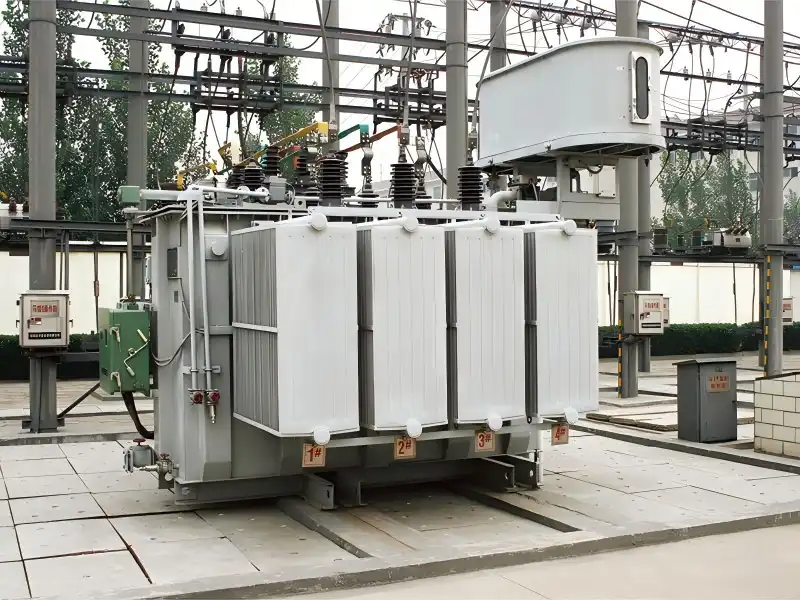
The size of the project determines whether off-the-shelf generator designs are enough or if unique engineering is needed. A 50MW solar farm needs different harmonic filters and voltage ratios than a 500MW coal-to-gas conversion project. The environmental requirements depend on where the site is located. For example, installations near the coast need better protection against corrosion, and sites at high elevations need altitude derating calculations to make sure they meet thermal performance requirements. Technical needs go beyond basic voltage ratings and include goals for energy saving, noise limits for substations in cities, and standards for seismic resistance in places where earthquakes are common.
Product quality is shown by how well it is made and what materials are used. When compared to units that are put together by hand, suppliers with automatic winding equipment and vacuum oil filling systems make transformers with better insulation quality and lower partial discharge levels. Industry certifications are objective standards. For example, ISO 9001 makes sure that the process is consistent, and IEC 60076 compliance makes sure that the design meets international electrical standards. Customisation skills set suppliers who can change standard designs apart from those who have to design transformers from scratch to fit specific needs, such as non-standard voltage ratios or unusual insulation fluids.
Warranty terms show how confident the source is in the product's long-term dependability. Standard warranties cover flaws in the production process for 18 to 24 months after the product is put into use. However, top providers offer longer-term protection through performance promises that are tied to specific limits on temperature rise and efficiency. After-sales service support includes technical hotlines, field service workers for troubleshooting, and the availability of spare parts. These are all very important things to think about when equipment breaks down and threatens to shut down whole production lines or green installations.
When comparing local suppliers to manufacturers from other countries, procurement professionals look at lead times and total landed costs. Most domestic suppliers can deliver within 12 to 16 weeks, but during busy construction seasons, delays may happen due to limited capacity. Because of economies of scale, international sellers, especially those who have been exporting for a long time, can keep their production buffers bigger and offer reasonable prices. It's important to plan your logistics ahead of time. Shipping dry-type transformers in containers is easier, but moving oil-filled units needs special handling and clearance through customs. Compliance with regulations varies by market. For example, UL certification is important for projects in North America, while CE marking lets products be used in Europe.
Checking the factory's production capacity through audits, looking over test reports from recognised labs, and checking the company's financial stability through credit ratings or bank references are all useful things to include on an evaluation checklist. Reference projects in related applications show if a provider can actually do what they say they can do by showing if the stated lead times and technical standards are met in the field.
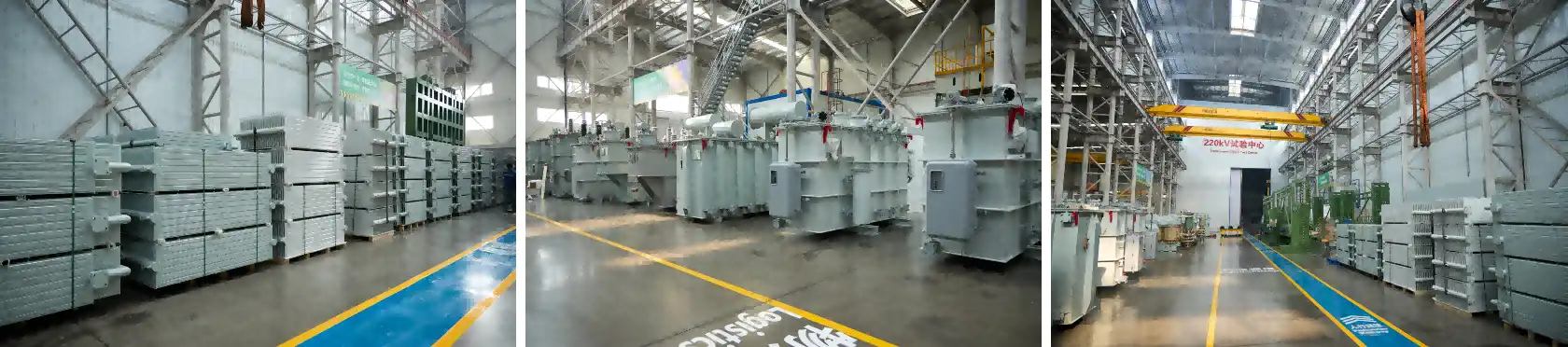
When buying electrical equipment, operational stability is one of the most important factors because transformer failures can lead to grid outages, production interruptions, and penalty costs in power purchase agreements. Choosing a reliable High Voltage Transformer Supplier helps reduce these risks by ensuring that products undergo strict factory acceptance testing procedures that simulate years of temperature cycling, short-circuit conditions, and dielectric stresses before delivery. An experienced High Voltage Transformer Supplier provides high-quality transformer solutions designed for long-term reliability, safety, and stable performance in demanding power systems. Lifecycle economics are also directly influenced by energy efficiency. For example, a transformer operating at 99.5% efficiency instead of 98.8% efficiency can generate significant energy savings throughout its 30-year service life, especially in high-load applications involving hundreds of megawatts. A professional High Voltage Transformer Supplier can offer advanced technologies such as condition monitoring sensors, sealed-for-life bushings, and corrosion-resistant tank coatings, which help reduce inspection frequency, maintenance requirements, and unexpected repair costs. By working with a trusted High Voltage Transformer Supplier, utilities and industrial operators can achieve better asset management, improved operational efficiency, and greater long-term value from their transformer investments. Selecting the right High Voltage Transformer Supplier ensures dependable power transmission and supports the continuous operation of critical infrastructure.
The engineering team at Lijie Electric works with clients from the first idea to the final installation. Not only do we sell normal 110kV and 220kV power transformers, but we also have mine transformers that are rated for areas with flammable gases underground and rectifier transformers that are best for smelting aluminium. OEM partnerships let people who work on renewable energy co-create prefabricated substations that house transformers, switchgear, and control systems in weatherproof housing. This cuts the time it takes to build something on-site from months to weeks.
Every version of the design is checked by strict testing methods. Our transformers are regularly tested according to IEC standards, which include checking the winding resistance, turns ratio, and insulation resistance. They are also tested for type, which includes temperature rise verification, short-circuit withstand capacity, and lightning impulse tests at approved facilities like the National Transformer Quality Supervision and Inspection Center. These approvals show that the equipment meets or goes beyond the requirements set by the specifications. They are accepted by both internal quality control procedures and external engineering reviews.
Projects in a variety of locations show how flexible we are. For installations in Kazakhstan's harsh continental climate, transformers with better cold-start capabilities and wider operating temperature ranges were needed. For tropical deployments in Indonesia and Vietnam, better cooling systems and coatings that don't grow fungus were needed to deal with the high humidity and temperatures. For every customisation, decades of experience in the field are used to make sure that theoretical plans work reliably in the field under real working conditions.
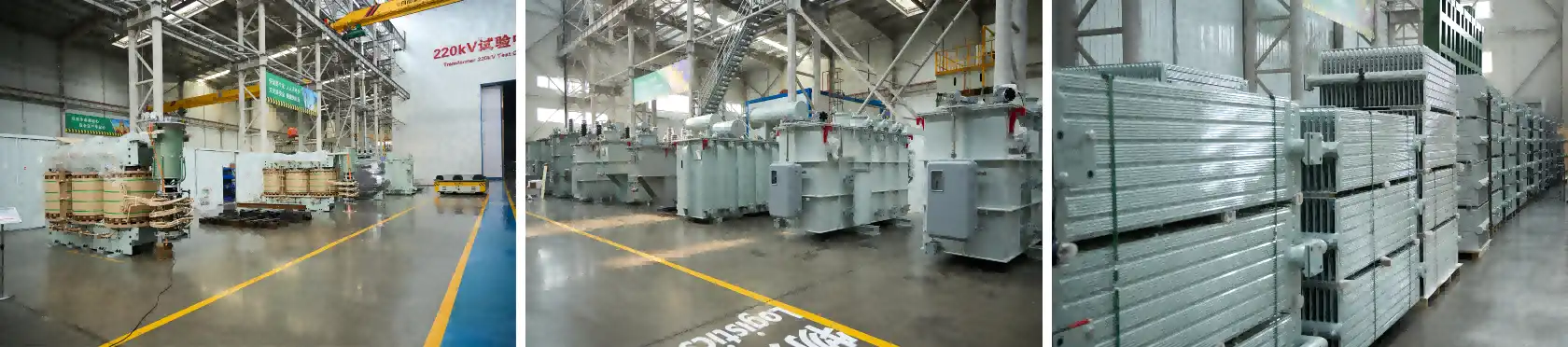
Regular checks are the key to making transformers last a long time. Visual checks every three months find oil leaks, cracked bushings, and broken cooling fans before they become big problems that need to be fixed. An annual study of the dissolved gases shows the start of faults; high levels of acetylene show that there is internal arcing, and high levels of ethylene show that the wires are getting too hot. These diagnostic tools allow condition-based maintenance, which means that parts are only replaced when they are worn down enough to need to be fixed. This is better than following random schedules that replace working parts too soon or miss failures that are starting to happen.
When installing a transformer, you have to pay close attention to the environment. Enough space around radiators is needed for convective cooling to work right, and foundation plans need to take earthquake loads and machine weight distribution into account. Electrical safety rules include grounding connections, security relay settings, and arc flash risk estimates that tell you what safety gear to give workers. Key parameters like winding temperatures, oil levels, and load currents are tracked by operational monitoring. When readings go above certain limits, alarms go off, which lets operators lower the load before thermal limits are exceeded.
One common misunderstanding is that sealed transformers don't need any upkeep. While sealed designs don't allow for regular oil sampling through external ports, infrared thermography can still find hotspots that show connections that aren't tight enough or cooling circuits that aren't working right. Another misunderstanding is thinking that all transformers can handle harmonic distortion the same way. Rectifier and arc furnace applications produce large harmonics that need specific winding configurations and derating calculations to keep the insulation from wearing out faster.
Neglecting maintenance shortens transformer lifespan dramatically. The Electric Power Research Institute did a study that showed transformers that were properly maintained lasted an average of 35 years. On the other hand, units that weren't maintained broke down after only 18 years, often in terrible ways that caused fires and cost a lot of money to clean up the environment after insulating oil was spilt.
Detailed technical specifications make it easier to obtain accurate quotations from a qualified High Voltage Transformer Supplier. In request-for-quote documents, procurement teams should clearly list voltage ratios, rated power, impedance tolerance, preferred cooling methods, and applicable industry standards. A professional High Voltage Transformer Supplier can use this information to evaluate project requirements, recommend suitable transformer designs, and provide accurate pricing based on technical conditions. By clearly defining delivery locations, installation elevations, and expected operating temperature ranges, customers allow the High Voltage Transformer Supplier to complete necessary design adjustments in advance, reducing the risk of costly change orders during manufacturing. An experienced High Voltage Transformer Supplier can also provide technical guidance to ensure that transformer specifications match site conditions and long-term operational requirements. Payment terms should be negotiated carefully so that the buyer’s financial policies do not negatively affect the supplier’s production schedule or cash flow needs. Common structures include 30% advance payment upon order confirmation, 60% payment after shipment documentation, and 10% retention released after commissioning. Working with a reliable High Voltage Transformer Supplier helps ensure smooth project execution, transparent communication, and successful transformer installation from initial planning to final operation.
Framework deals are helpful for big infrastructure projects because they lock in prices across multiple delivery tranches and give suppliers insight into production so they can make the best use of manufacturing plans. To make custom solutions for complicated industrial uses, like transformers with harmonic filters or on-load tap changers for precise voltage regulation, engineers have to wait longer, but the end result is better performance than adapting standard products by making changes in the field.
There are many things that can go wrong with global shipping, from crowded ports to incorrect customs paperwork. Experienced High Voltage Transformer Suppliers work with freight forwarders who specialise in moving large electrical equipment. They set up special ships for transporting transformers and make sure that regulations are followed for insulating oils that are considered hazardous materials. Delivery schedules should match up with project building goals. Deliveries that happen too early cost more to store and pose weather exposure risks, while delays can keep whole project teams from working. Real-time tracking of shipments and proactive communication help lower these risks, making sure that transformers arrive exactly when the site is ready for installation.
Building smart ties with suppliers is better than just doing business with them because the benefits keep growing. When suppliers know what a client needs for their operations, they can predict those needs and suggest ways to improve efficiency or reliability based on new technologies. As providers use user feedback to create new products, ongoing technical teamwork makes the product-market fit better. With this method, providers go from being vendors to being integrated partners who care about each other's success.
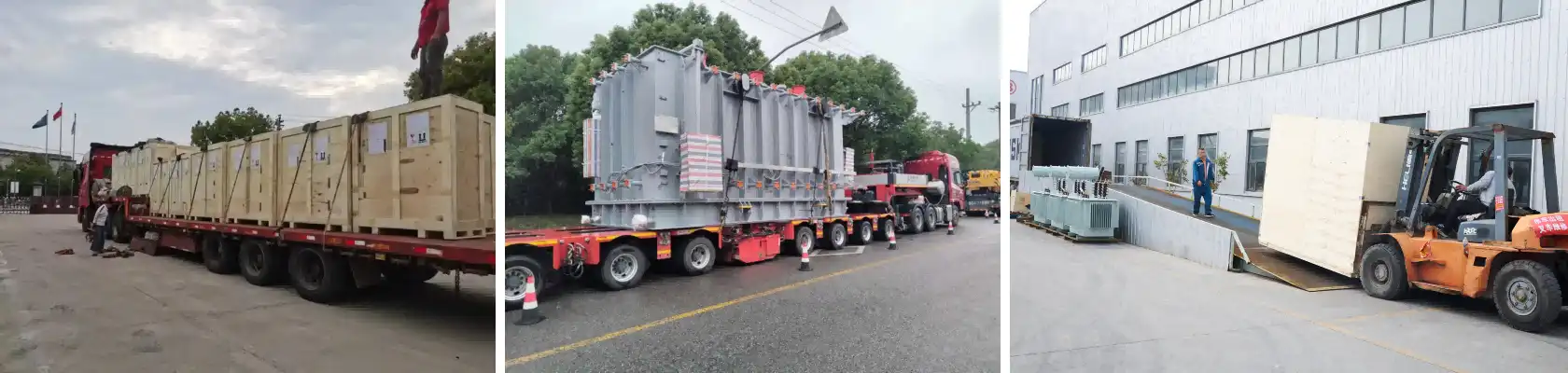
Choosing a High Voltage Transformer Supplier is a big strategic choice that goes beyond just comparing unit prices. The best partner has both great technical skills and a large production base. They can deliver certified goods that meet strict international standards while still letting you change designs to fit the needs of each project. Lijie Electric has a wide range of skills, from making ultra-high-voltage gearbox transformers to custom industrial units. These skills allow us to help with a wide range of tasks related to integrating renewable energy and bringing electricity to factories. Our global reach, shown by completed projects in several countries, shows that we are good at logistics and know the rules that are needed for smooth cross-border purchasing. When purchasing professionals want qualified, reliable, and efficient transformer solutions, they should work with providers who have a history of success and a focus on long-term partnerships.
IEC 60076 compliance shows that international standards for transformer design and testing are followed, and ISO 9001 approval shows that quality management processes are consistent. Regulatory approval is possible with regional certifications, such as UL in North America or CE marking in Europe. Getting a CQC energy efficiency license shows that you are committed to using sustainable design methods.
The economics of renewable installations are very tight, and any improvements in efficiency directly lead to higher project returns. When compared to regular silicon steel designs, transformers with amorphous alloy cores have up to 70% less no-load losses. Over the life of a 25-year solar farm, these savings can be many times the original equipment costs. This improves the total economics of the project and shortens the time it takes to get paid back.
Standard configurations usually ship 14 to 18 weeks after the order is confirmed. Lead times are extended to 20 to 24 weeks for custom designs that need special materials or voltage ratios that aren't common. Rush orders with faster production can cut down on wait times by about 20%, but there are extra fees. During the quotation phase, clear communication sets reasonable delivery standards that are in line with project plans.
With years of experience making transformers, Lijie Electric Power Technology Group is ready to help you with your industry and green energy projects. Our large production facilities, which are staffed by more than 160 engineering experts, consistently deliver high quality on orders ranging from prototypes of a single unit to bulk purchases of more than hundreds of units per year. As a High Voltage Transformer Supplier with ISO 9001, IEC, CE, and UL certifications, we meet the strict compliance standards needed for foreign projects and keep our prices low by using efficient manufacturing methods. Procurement managers looking for reliable partners will like our full after-sales support, which includes expert advice, help with field setup, and quick access to spare parts. Please email our team at lijieelectrical@gmail.com to talk about your unique needs and get a quote that is tailored to your job. You can look at our whole product line at lijie-electrical.com and learn why top utilities, renewable energy developers, and industrial operators trust Lijie Electric with their most important power infrastructure needs.
1. Institute of Electrical and Electronics Engineers, "IEEE Guide for Loading Mineral-Oil-Immersed Transformers and Step-Voltage Regulators," IEEE Standard C57.91-2011, 2012.
2. International Electrotechnical Commission, "Power Transformers – Part 1: General," IEC 60076-1:2011, Geneva, Switzerland, 2011.
3. Electric Power Research Institute, "Transformer Life Extension: Condition Assessment and Maintenance Strategies," Technical Report 1019521, Palo Alto, California, 2009.
4. National Renewable Energy Laboratory, "Best Practices for Operation and Maintenance of Photovoltaic and Energy Storage Systems," NREL/TP-7A40-75283, Golden, Colorado, 2020.
5. American National Standards Institute, "Requirements for Liquid-Immersed Distribution, Power, and Regulating Transformers," ANSI C57.12.00-2015, New York, 2015.
6. International Energy Agency, "Grid Integration of Large-Capacity Renewable Energy Sources and Use of Large-Capacity Electrical Energy Storage," IEA Technology Roadmap, Paris, France, 2018.
YOU MAY LIKE
12%20type%2035kV%20distribution%20transformer.webp)

18%20type%20dry-type%20distribution%20transformer.webp)
14%20Epoxy%20Resin%20Dry%20Type%20Transformer.webp)

12%20type%2035KV%20dry-immersed%20transformer_1778136610496.webp)
April 27, 2025
With a tight project schedule, the manufacturer delivered on time, and on-site technical personnel provided guidance throughout the entire installation and commissioning process; the collaboration was highly efficient and hassle-free.
July 2, 2025
During the preliminary phase, a selection plan was custom-tailored based on the actual site load requirements, resulting in a high degree of parameter compatibility. After-sales support responds within two hours, and ongoing technical support for operation and maintenance is comprehensive; we feel completely confident in a long-term partnership.
November 18, 2025
Deployed as a supporting component for a 35kV grid-connection project at a photovoltaic power station, the equipment operates for an average of 16 hours daily. It demonstrates excellent control over no-load losses, ensures smooth power generation and grid integration, and effectively reduces the station's overall energy consumption.
January 30, 2026
Under the continuous, high-load operating conditions of a factory production line, the equipment maintains stable electrical parameters and exhibits strong overload resistance, thereby guaranteeing an uninterrupted power supply for industrial production.
April 3, 2026
Integrated as a supporting component for a new energy photovoltaic grid-connection system, the manufacturer provided professional technical coordination and timely after-sales support, ensuring seamless adaptation to the specific electrical operating conditions required for grid integration.