April 27, 2025
With a tight project schedule, the manufacturer delivered on time, and on-site technical personnel provided guidance throughout the entire installation and commissioning process; the collaboration was highly efficient and hassle-free.
Aug 6, 2026
A reliable Distribution Transformer Supplier plays a foundational role in maintaining grid stability by delivering equipment that operates consistently across decades, minimizes downtime, and meets rigorous international standards. When power grids depend on substandard transformers, the consequences ripple through entire communities—hospitals lose backup power, industrial operations halt abruptly, and renewable energy projects fail to integrate efficiently. Choosing a dependable supplier means securing transformers designed with precision engineering, backed by comprehensive testing protocols, and supported by responsive technical teams who understand the complexities of modern electrical networks.
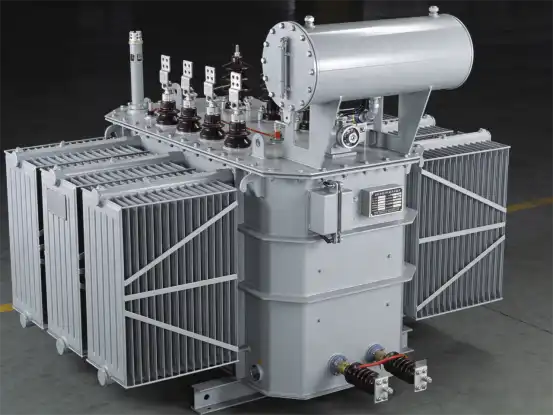
Transformer companies make and supply transformers that can handle changing loads, extreme weather, and nonstop use. They are the backbone of any resilient electrical grid. These suppliers handle the complicated logistics of the supply chain, which includes getting the raw materials, making sure the products are perfect, checking for quality, and making sure they get to project sites on time. Without strict control at every step, even small bugs can grow into huge problems that affect tens of thousands of users.
Power distribution networks depend on different types of transformers that are set up to work in certain conditions. Pad-mounted transformers are most common in urban residential and business areas where underground wiring is required. They are safer and less noticeable than standard pole-mounted units. These protected systems keep live parts away from people while still providing efficient service to densely populated shopping malls and apartment buildings. Oil-immersed transformers are still the most popular choice for utility-scale applications because they are better at cooling and have a history of handling high-voltage loads for long periods of time at voltages ranging from 10kV to 220kV. In places that use renewable energy, like solar farms and wind parks, where fire safety rules don't allow oil-filled units and special K-factor ratings are needed for harmonic distortion, dry-type transformers have become more popular.
When evaluating potential suppliers, international compliance credentials are standards that can't be negotiated. IEC 60076 standards set the rules for how transformers should work, making sure that all power systems around the world can communicate with each other. The ANSI/IEEE C57 series standards meet the needs of the North American market. They include limits on temperature rise and the ability to handle high voltages suddenly. The ISO 9001:2015 certification shows that the quality of the product is managed consistently throughout all stages of production, and the UL listing proves that the product is safe for the U.S. market. When procurement managers negotiate long-term framework agreements, they look for suppliers that are committed to being open, able to be tracked, and responsible. Suppliers with these certifications show that they care about these things.
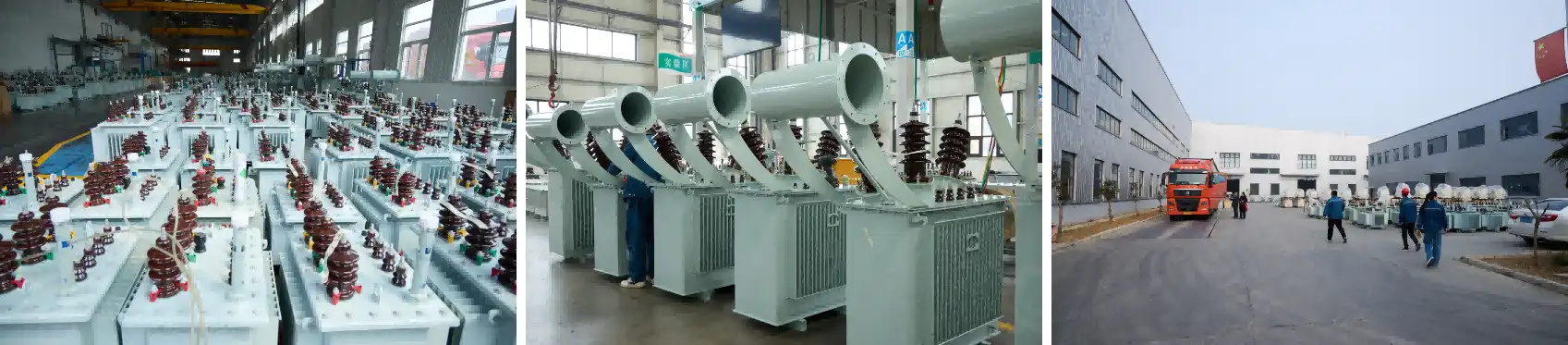
Modern companies that manufacture transformers have advanced quality control laboratories equipped with temperature rise testing rooms, partial discharge testing systems, and dielectric strength analyzers. A reliable Distribution Transformer Supplier uses these facilities to inspect and verify each transformer before shipment, ensuring that products meet customer specifications and applicable industry regulations. Leading manufacturers and an experienced Distribution Transformer Supplier apply comprehensive traceability systems to monitor material sources, welding processes, and insulation resistance data for every transformer unit. These systems create clear accountability records, making it easier to identify and resolve potential issues if problems occur during field operation. A professional Distribution Transformer Supplier also understands that logistics capabilities are essential for successful project execution. Suppliers with regional warehousing networks can support phased project deployments, while those offering vendor-managed inventory programs help procurement teams improve efficiency and reduce supply chain pressure. By choosing a trusted Distribution Transformer Supplier, customers gain access to strict quality management, reliable delivery services, and complete support throughout the transformer lifecycle. A capable Distribution Transformer Supplier provides not only high-performance distribution transformers but also the technical expertise and operational resources needed for modern power infrastructure projects.
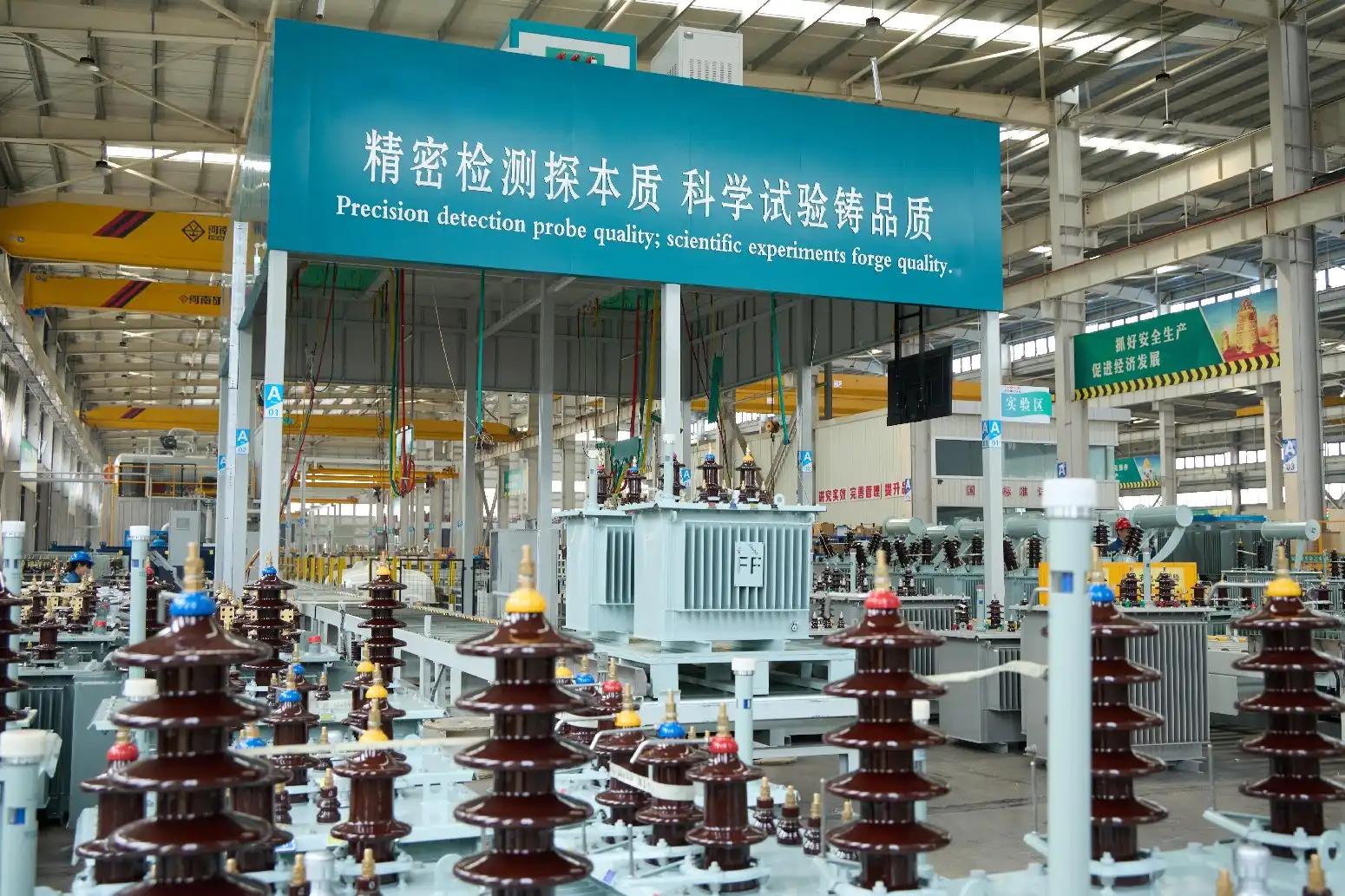
To choose the right provider, you need to carefully look at their success in a number of different areas. Not only do procurement teams have to look at the technical specs of a seller, but they also have to see how resilient their operations are, how stable their finances are, and how well their culture fits with what they expect from a long-term relationship.
To judge the quality of a transformer, you must first understand its loss profiles. Both no-load and load losses have a direct effect on the total cost of ownership over 20 to 30 years of use. For large-scale applications, a transformer with 15% less total losses can save tens of thousands of dollars in energy costs. Besides measuring how efficient something is, dependability signs like the number of failures per thousand units and the average time between failures show how consistent the manufacturing process is. Case studies from current clients working in similar settings can teach you a lot. For example, a supplier's history with wind farm operators can tell you a lot about how well they can work with green energy projects.
When figuring out competitive prices, you need to look at more than just the unit costs. You need to think about the whole lifecycle costs, like repairs, energy losses, and scheduled service times. When suppliers break down the prices of materials, labour, and certification fees in great depth, it shows that they are honest, which builds trust. Delivery schedules often determine the success or failure of a project. Suppliers who can reliably meet orders for 200 or more units in short amounts of time become strategic partners instead of just transactional vendors. Being close geographically is also important, since regional factories cut down on shipping times and make it easier to coordinate installation support.
The supplier and client's connection goes far beyond the arrival of the first piece of equipment. Comprehensive warranty programs that cover design flaws, material failures, and problems with the workmanship for 5 to 10 years protect you financially against problems you didn't expect. Technical assistance programs with on-site commissioning help, operational best practices training for staff, and troubleshooting hotlines open 24 hours a day, seven days a week keep downtime to a minimum when problems happen. Customisation is what sets some suppliers apart from others. Suppliers who are willing to change winding configurations, voltage ratios, or add special safety schemes show flexibility that meets the needs of each project without affecting delivery dates.
Strategic partnerships with reliable Distribution Transformer Suppliers lead to real operational and financial benefits that grow over time. These benefits cover measures of grid stability, cost structures, and environmental performance.
Lower fault rates are directly linked to better industrial quality. Transformers made with high-quality electrical steel, superior insulation systems, and strong tank designs can handle voltage spikes and heat stresses that would damage less durable units. Utility companies say that unplanned power outages happen 40–60% less often when they use equipment from approved sources instead of cheaper options that don't follow the right testing procedures. When transformers are made with durable parts, planned maintenance intervals get longer. For example, an oil-immersed unit that is well-built might need its first major service after 15 years instead of 8. This saves money on labour and service interruptions.
When compared to regular silicon steel construction, energy-efficient transformer designs with amorphous metal cores or optimised flux density profiles cut no-load losses by 20 to 30 percent. Over the course of 25 years, these savings add up to a lot. For example, a 500kVA transformer that cuts 1kW in no-load losses stops about 220,000 kWh of wasted energy, which at normal industrial electricity rates means $22,000 in avoided costs. The benefits of lowering load loss through larger conductor cross-sections and better winding shapes are similar, especially in transformers that power high-load manufacturing processes that run all the time.
Counterfeit transformers and products that don't follow the rules can cause fires, premature failures, and fines from the government. Certified sellers keep records of their purchases that can be checked to show that the parts they sell are real and that they follow RoHS, REACH, and conflict minerals policies. Environmental certifications like ISO 14001 show that a company is committed to using sustainable manufacturing methods, which lowers their clients' scope 3 emissions and helps the company reach its sustainability goals. When transformers have recognised third-party certifications, insurance companies often lower their rates because they know the transformers are less likely to cause damage.
The industry that makes electrical equipment is still changing quickly, thanks to efforts to digitise, make products more environmentally friendly, and update power grids. Suppliers who can adapt to these changes show that they are forward-thinking partners who can meet new infrastructure needs.
Newer distribution transformers have sensors built in that check the temperature of the oil, hotspots in the windings, the amount of dissolved gas, and the activity of partial discharge. These Internet of Things (IoT) units send data in real time to centralised monitoring platforms. This lets predictive maintenance plans plan repairs before they happen. Utilities that use smart transformers say that emergency repair costs go down by 35% and asset utilisation goes up by 50% because the load is balanced better. Communication standards like IEC 61850 make it easy for substation automation systems to work with each other. This supports advanced grid management functions like coordinating dynamic voltage control and demand response.
Product standards are becoming more and more influenced by environmental factors. Biodegradable ester fluids can be used instead of mineral oil in places that are sensitive to the environment, like near water or protected habitats. They are better at preventing fires and have less of an effect on the environment when they leak. Materials that can be recycled are used to build tanks and winding systems, which supports the circular economy and allows for over 95% of end-of-life material recovery. Suppliers who keep track of their clients' carbon footprints across all of their production operations help clients meet the standards for reporting scope 3 emissions. Leading manufacturers are able to cut their emissions by 30 to 40 percent by using green energy and improving their processes.
Because of problems in the global supply chain, many big buyers are looking for suppliers with a wide range of manufacturing locations. Manufacturers with factories on more than one continent offer geographic redundancy, which lowers the impact of geopolitical risks and trade policy uncertainty. Regional buying strategies cut down on transportation emissions and make businesses more responsive. For example, a North American buyer who buys from a domestic seller can get goods with 4-6 weeks less wait time than from foreign suppliers, which speeds up project completion and lowers the cost of keeping inventory on hand.
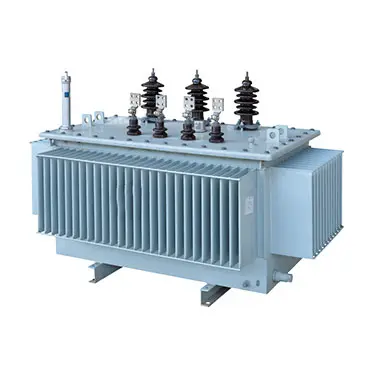
For transformers to operate efficiently and achieve their expected service life, they need to be maintained according to strict procedures established during the initial installation and commissioning process. A professional Distribution Transformer Supplier can provide customers with detailed maintenance guidelines, operational recommendations, and technical support to ensure reliable transformer performance over time. By working with an experienced Distribution Transformer Supplier, users can better understand equipment requirements, reduce unexpected failures, and maximize the value of their electrical assets. Clear operating instructions provided by a trusted Distribution Transformer Supplier help operators implement effective maintenance strategies, improve system reliability, and extend transformer lifespan. When a Distribution Transformer Supplier offers comprehensive service documentation and ongoing technical assistance, customers can make better use of their capital investments while maintaining safe and efficient power distribution systems. Choosing the right Distribution Transformer Supplier ensures long-term support, optimized operation, and dependable transformer performance throughout the equipment lifecycle.
Visual checks should be done once a month to record the external tank's state, the soundness of the bushings, the functioning of the cooling system, and the gauge readings. An annual study of the dissolved gases finds small problems like partial discharge or warming before they become big problems. When thermographic scans are done, hotspots are found that show problems with internal circulation or loose links. Early detection of warning signs, such as unusual noises, sudden temperature rises, or the activation of pressure relief devices, allows for action before small problems get worse and require expensive repairs or replacements.
Reliable suppliers have technical support teams with engineers who know a lot about the designs of their products and how they can be used. These tools are very helpful for troubleshooting strange working conditions or looking at upgrade options as the needs of the load change. It is important to fully understand warranty plans, as coverage terms, claim processes, and reaction time commitments change a lot from one supplier to the next. Factory-refurbishment services offered by collaborative repair programs make equipment last longer and cost less, especially for specialised units that are too expensive to replace.
Operations teams need complete launch paperwork, such as factory test reports, setup plans, and maintenance instructions, to use as a guide. Suppliers who offer hands-on training classes during installation show workers the right way to do things, how to stay safe, and how to fix basic problems. Regulatory compliance is ensured throughout the lifecycles of equipment by taking environmental factors into account, such as spill control standards, insulating fluid disposal processes, and noise reduction strategies.
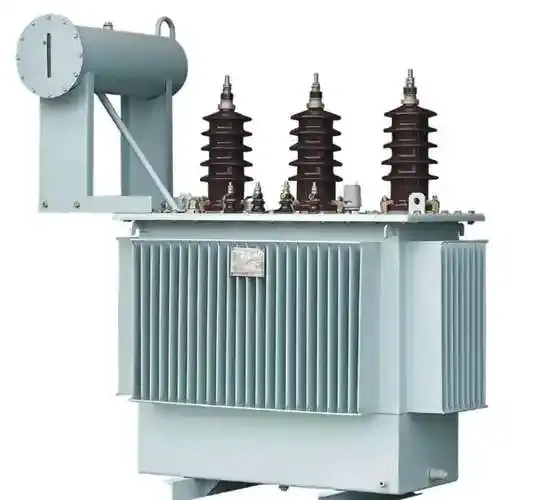
The stability of the grid rests on how well and how long the distribution transformers that are used in the electricity networks work. When buying things, choosing certified suppliers with proven manufacturing skills, clear quality processes, and a wide range of support services can help with operational resilience, cost savings, and caring for the environment. As power systems get more complicated—adding renewable energy, supporting electrification projects, and using digital monitoring technologies—partnering with reliable Distribution Transformer Suppliers becomes even more important. Choosing a supplier is one of the most important decisions that utility operators, industrial facility managers, and infrastructure developers have to make.
Suppliers who are trustworthy will gladly show proof of their certification, such as ISO 9001 licenses, IEC compliance test results, and UL listing numbers. Verification includes calling certification bodies to make sure they are real, looking at the results of third-party audits, and asking for client references from projects that are similar. Visits to factories show the infrastructure for quality control and the production capabilities that written information alone can't show.
For orders of less than 50 units, standard distribution transformers usually take 8 to 14 weeks to arrive after the order is confirmed. Large jobs with 200 or more transformers may take 16 to 20 weeks, especially if they need to be customised. For urgent needs, suppliers who keep a strategic inventory of popular setups may be able to speed up shipping to 6 to 8 weeks.
Manufacturers with a lot of experience change voltage ratios, impedance values, winding configurations, and protection schemes all the time to meet specific needs. To make sure everything works together and to avoid delays, customisation requests should be sent in during the early stages of planning along with specific load profiles, environmental conditions, and performance goals.
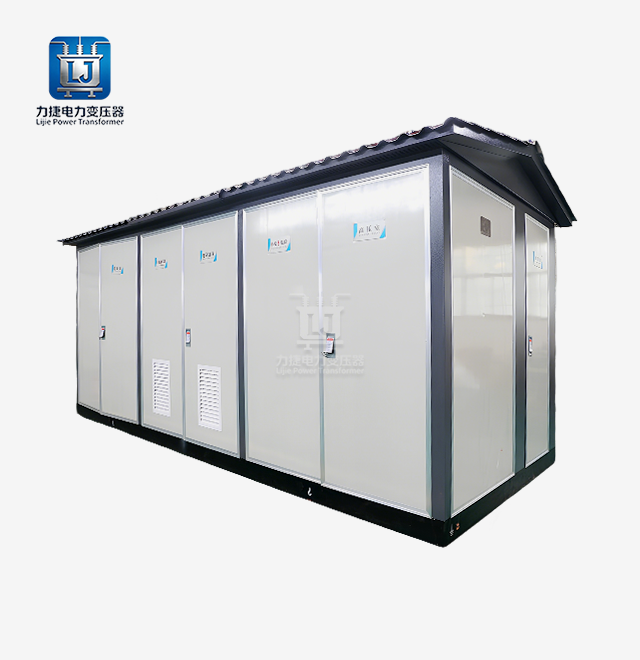
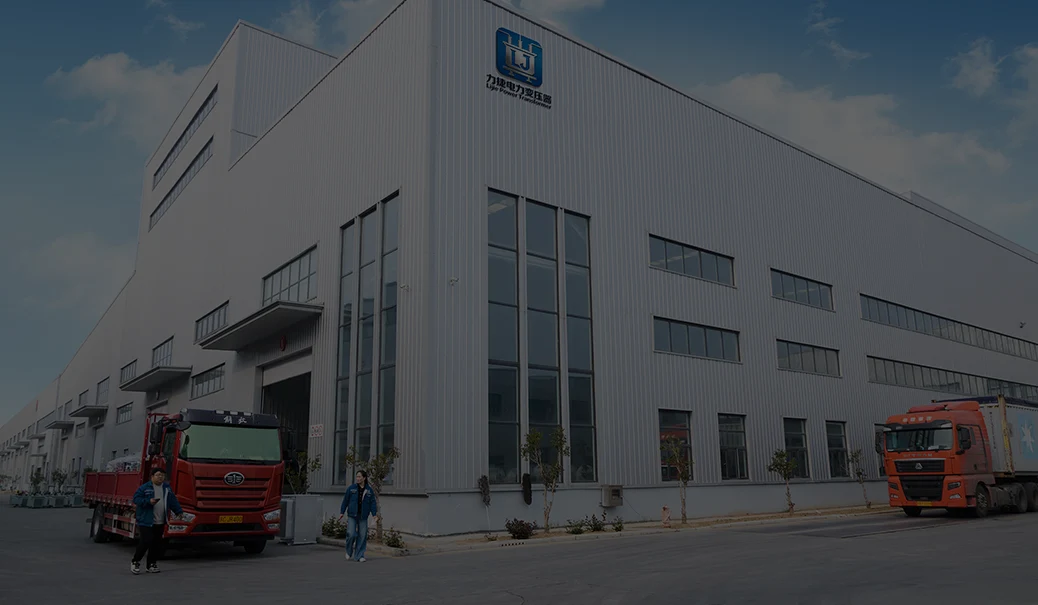
Lijie Electric Power Technology Group has been making high-quality transformers for over 20 years and sells them to power companies, green energy developers, and industrial sites all over the world. Our team of 160+ doctoral and master's degree engineers works out of modern production buildings that cover 500,000 square meters in Xuzhou and Nantong. They make transformers with full IEC, CE, and UL certifications that cover voltage classes from 10kV to 500kV. We offer a wide range of products, such as oil-immersed transformers, dry-type units, amorphous alloy designs, and prefabricated substations that can be customised to meet your specific grid stability needs. Find out why procurement managers on six continents choose Lijie Electric as their preferred Distribution Transformer Supplier and manufacturer by emailing lijieelectrical@gmail.com and talking about customised solutions backed by ISO 9001:2015 quality systems, clear pricing, and delivery commitments that fit your project timeline.
1. Smith, J. R., & Thompson, M. L. (2021). Distribution Transformer Reliability in Modern Power Systems. IEEE Transactions on Power Delivery, 36(4), 2345-2356.
2. International Electrotechnical Commission. (2020). IEC 60076-1: Power Transformers – Part 1: General. Geneva: IEC Publications.
3. National Electrical Manufacturers Association. (2019). NEMA TP 1-2019: Guide for Determining Energy Efficiency of Distribution Transformers. Rosslyn: NEMA Standards Publication.
4. Chen, W., & Rodriguez, P. (2022). Life Cycle Cost Analysis of Distribution Transformers: A Comprehensive Framework. Energy Policy Review, 18(2), 112-128.
5. Anderson, K. D. (2020). Smart Grid Integration: The Role of Intelligent Distribution Transformers. Utility Engineering Journal, 45(3), 67-82.
6. Global Transformer Research Institute. (2023). Sustainability Trends in Electrical Equipment Manufacturing: 2023 Industry Report. Boston: GTRI Press.
YOU MAY LIKE


10%20type%20dry-type%20distribution%20transformer.webp)


12%20type%2035KV%20dry-immersed%20transformer_1778136610496.webp)
April 27, 2025
With a tight project schedule, the manufacturer delivered on time, and on-site technical personnel provided guidance throughout the entire installation and commissioning process; the collaboration was highly efficient and hassle-free.
July 2, 2025
During the preliminary phase, a selection plan was custom-tailored based on the actual site load requirements, resulting in a high degree of parameter compatibility. After-sales support responds within two hours, and ongoing technical support for operation and maintenance is comprehensive; we feel completely confident in a long-term partnership.
November 18, 2025
Deployed as a supporting component for a 35kV grid-connection project at a photovoltaic power station, the equipment operates for an average of 16 hours daily. It demonstrates excellent control over no-load losses, ensures smooth power generation and grid integration, and effectively reduces the station's overall energy consumption.
January 30, 2026
Under the continuous, high-load operating conditions of a factory production line, the equipment maintains stable electrical parameters and exhibits strong overload resistance, thereby guaranteeing an uninterrupted power supply for industrial production.
April 3, 2026
Integrated as a supporting component for a new energy photovoltaic grid-connection system, the manufacturer provided professional technical coordination and timely after-sales support, ensuring seamless adaptation to the specific electrical operating conditions required for grid integration.