April 27, 2025
With a tight project schedule, the manufacturer delivered on time, and on-site technical personnel provided guidance throughout the entire installation and commissioning process; the collaboration was highly efficient and hassle-free.
Aug 6, 2026
When selecting a Power Transformer Supplier, procurement managers, electrical engineers, and project leaders face the complex challenge of balancing technical specifications with long-term reliability. As a specialized provider of high-voltage electromagnetic induction devices, a qualified supplier addresses critical infrastructure challenges—from grid instability and transmission inefficiencies to the integration of renewable energy sources. We understand that your transformer selection directly impacts operational uptime, lifecycle costs, and regulatory compliance. This comprehensive guide shares practical insights drawn from decades of industry experience, helping you evaluate vendors systematically and make confident sourcing decisions for utility-scale grids and demanding industrial environments.
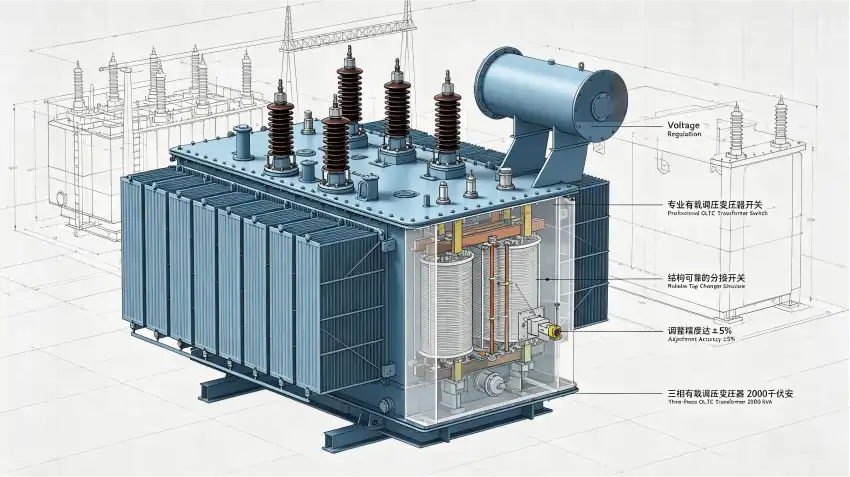
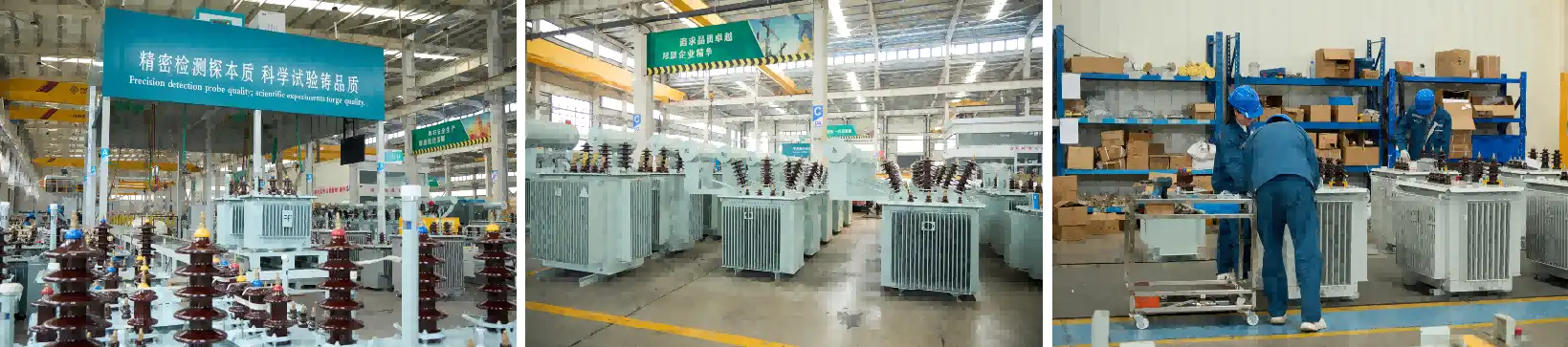
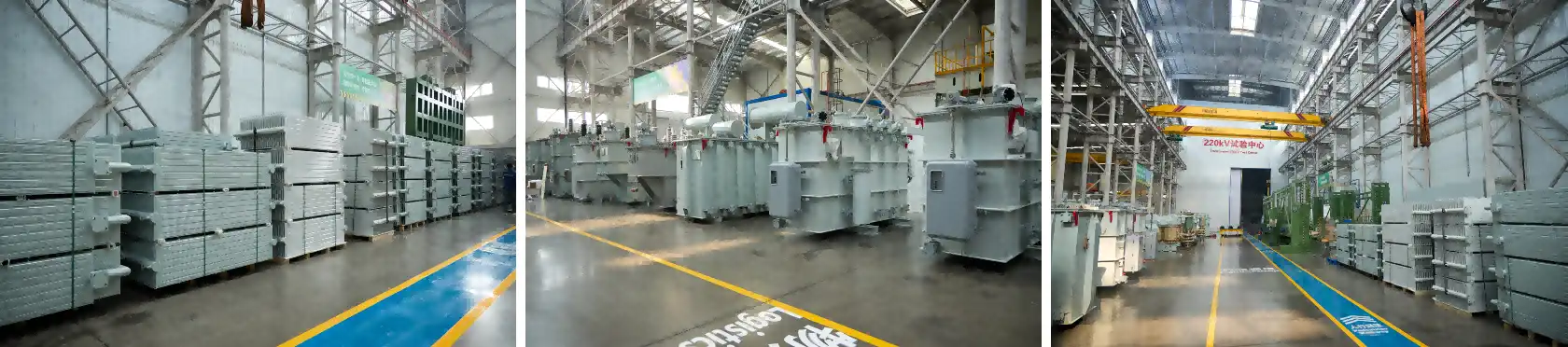
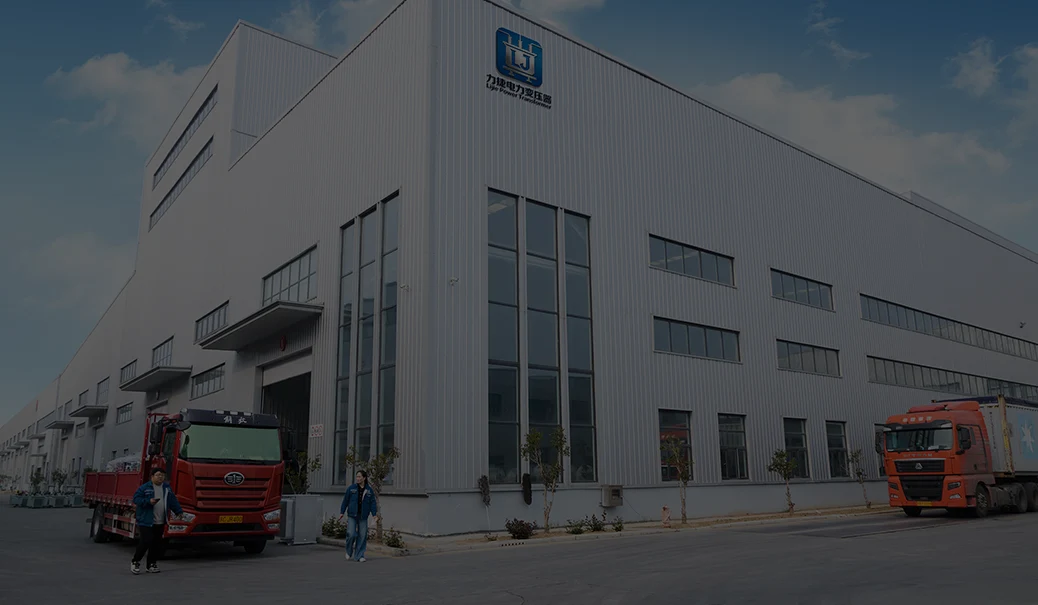
A professional Power Transformer Supplier does more than just deliver equipment. As engineers, it is our job to help with everything, from the initial design consultation to production, testing, logistics coordination, and technical support after the sale. Lijie Electric has two advanced industrial bases in Xuzhou and Nantong that cover 500,000 square meters and have more than 2,000 skilled workers. We can meet the batch supply needs of utility and industrial procurement on this scale, and we can keep strict quality controls in place at all stages of production.
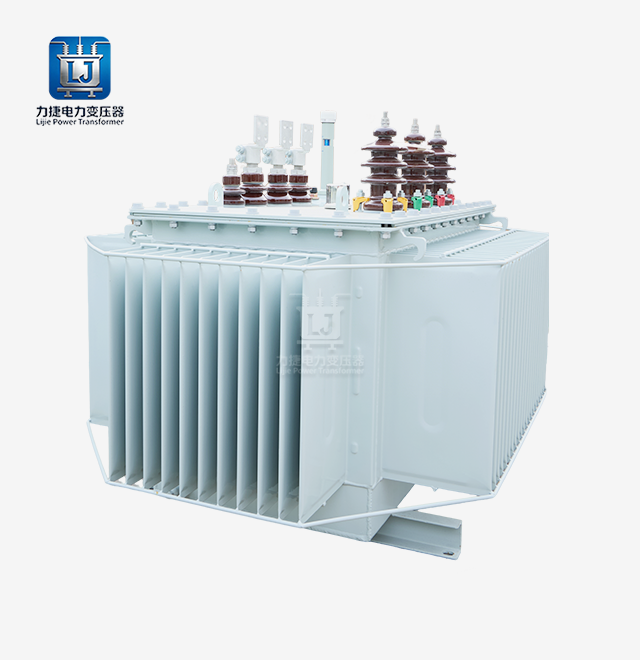
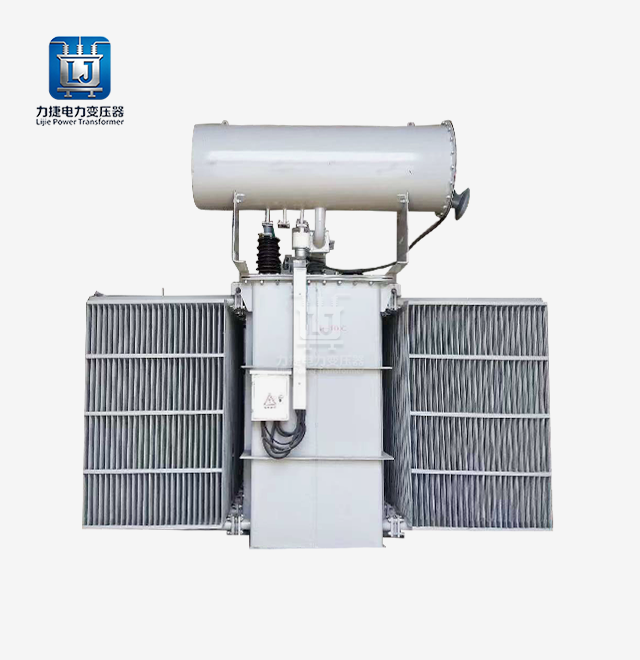
For different uses, different transformer types are needed. Distribution transformers with ratings of 35kV or less bring energy safely to people who use it in cities and industrial parks. Ultra-high-voltage transformers with ratings of 220kV and 500kV make it easier for national grid operators to send power over long distances. Steel mills, mines, and chemical plants are all examples of industrial facilities that need specialized units like electric furnace transformers, rectifier transformers, and mining transformers that can handle rough working conditions. Dry-type transformers and prefabricated substations that can handle variable loads from solar arrays and wind farms are being used more and more in renewable energy installations. Understanding these differences helps buying teams be clear about what they need and find a Power Transformer Supplier who has experience in that area.
Leading vendors set themselves apart by offering wide ranges of certifications and the ability to make changes to products. The National Transformer Quality Supervision and Inspection Center and the Wuhan High Voltage Research Institute put all of Lijie Electric's products through very strict tests. We have ISO 9001:2015 certification, IEC compliance for 10kV and 35kV units, CE marking for European markets, and UL certification for projects in North America. These credentials show that we are dedicated to meeting international quality standards and make sure that we can easily work with projects that are governed by different sets of rules.
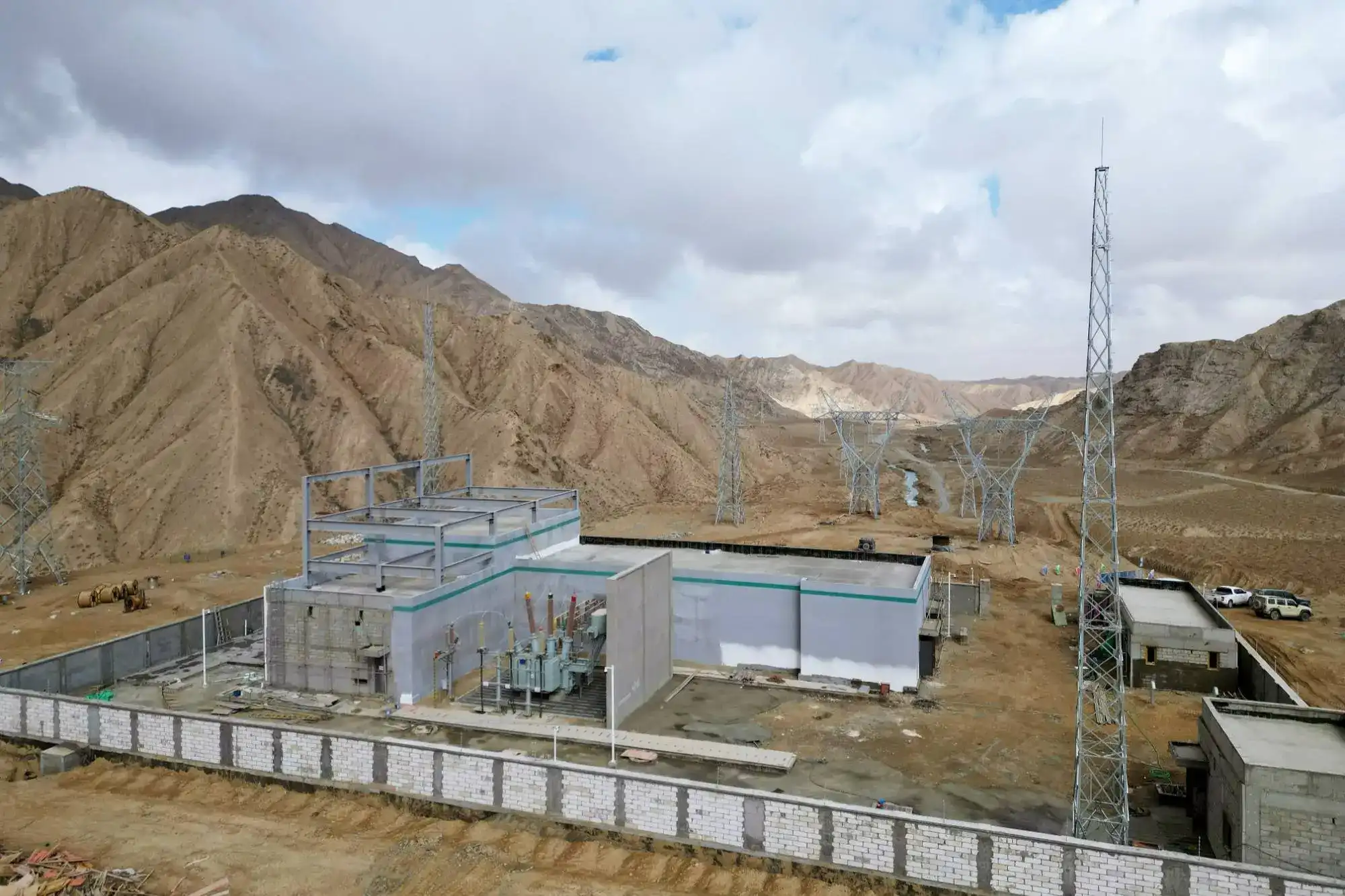
To choose a good vendor, you must first have a clear picture of your technology needs and business limitations. Voltage levels, capacity needs measured in MVA, environmental factors like height and weather, and local compliance rules should all be taken into account. Our engineering team often helps clients turn project parameters into thorough technical specs. This makes sure that the solutions they offer are exactly what the application needs.
We suggest using an organized decision strategy that puts important factors in order of importance based on the specifics of the project. The foundation is technical compatibility. Transformers must meet voltage levels, efficiency goals, and operational lifespan expectations that range from 20 to 30 years. When it comes to cost, it is not just about the unit price; the total cost of ownership, which includes things like energy losses, upkeep costs, and reliability measures, must also be taken into account. When building plans are tight for big projects, delivery guarantees are very important. Portfolios of certifications show that a product meets IEC, IEEE, and ANSI standards. Service capabilities, such as the ability to adapt to customization requests, the availability of expert help, and the commitment to customer satisfaction after the sale, often set similar products apart.
By making a weighted scorecard, buying teams can compare a Power Transformer Supplier in a fair way. Based on the project's priorities, give each criterion a level of importance. Then, use these levels to compare potential suppliers. With this method, subjective opinions are turned into measurable ratings.
When asking for quotes, be sure to include full details about the rated power, voltage class, cooling method, placement location, and any standards that apply. Ask a Power Transformer Supplier to include scores for energy efficiency, estimates for energy loss, dimension drawings, and testing procedures in their bids. Ask for client references from similar projects and find out how much production they can handle to figure out how much of a batch you can supply. As you evaluate suppliers, make sure they have quality management systems in place and the technical staff—at Lijie Electric, we have over 160 engineers with doctoral and master's degrees—to meet your specific needs.
Comprehensive providers offer services that cover the whole process of buying something. Custom engineering lets you make changes to the design that fit the needs of a specific spot or improve performance. Our technical teams work with design schools and electrical engineers to make sure that the standards of our transformers are the best they can be for each application. This could mean making special winding arrangements to reduce harmonics or custom cooling systems for places with extreme weather. Logistics management is especially useful for foreign projects because it helps us plan shipping, handle export paperwork, and make sure we follow the rules of the target country.
Certification compliance makes sure that transformers meet well-known standards for safety and performance. IEC standards set the rules for foreign trade and how to test things for things like electrical properties, thermal performance, and mechanical power. In North American markets, IEEE standards are most common. These standards set the criteria for design and the testing procedures. ANSI guidelines cover things like how to place things and how to keep workers safe. Management system qualifications, such as ISO 9001, show that a company is committed to quality in all of its business processes, not just for products. Our approvals from the China Quality Certification Center and the National Electric Power Certification Center show that both our products work well and our production is consistent.
Installation, commissioning, and continued upkeep can be made easier with detailed paperwork. Electrical ratings, impedance values, loss calculations, and size requirements should all be written in datasheets. Performance guarantees are legal promises about things like noise levels, temperature rise, and efficiency. Testing standards spell out how to do factory acceptance tests and how client quality teams can do witness tests. For regulatory approvals, this paperwork is necessary, and it can also be used as a guide for troubleshooting during the transformer's lifetime.
For long-term dependability, technical help that responds quickly and limits downtime when problems happen is essential. With remote diagnostics, a Power Transformer Supplier can quickly look at problems with operations and suggest ways to fix them. Scheduled maintenance programs help keep things from breaking down by inspecting, analyzing, and evaluating parts on a regular basis. Parts that are easy to get allow for quick fixes when parts need to be replaced. At Lijie Electric, our service philosophy stresses being proactive with clients and seeing after-sales support as a relationship rather than a business duty.
Transformer prices are based on the cost of materials, how hard they are to make, and how much customization is needed. Bulk purchases usually qualify for bulk savings, especially when framework deals are made for multi-year supply. The terms of payments, from fees to development payments to final settlement, affect how cash flows and should match up with how projects are financed. To really do an economic analysis, you need to figure out the total cost of ownership, which includes the initial purchase price, the cost of installation, the amount of energy lost over the life of the system, the cost of upkeep, and the predicted service life. High-efficiency transformers cost more, but they save a lot of money because they use less energy, especially in continuous-duty uses.
The terms of the warranty show that the maker trusts the product's trustworthiness and protects you financially if it breaks down too soon. For periods usually ranging from two to five years, comprehensive warranties cover flaws in both the materials and the work. Some suppliers cover important parts like windings and core assemblies for longer periods of time. If you look at the terms of your guarantee, you will notice some important differences. For example, coverage may not cover certain types of failure or may require regular upkeep in order to be valid. Client reviews from similar applications can tell you a lot about how reliable something is in the real world. Utilities and industry users like working with a Power Transformer Supplier like Lijie Electric, which Jiangsu Province has named a "Quality-Trusted Enterprise" because of its reputation for reliability.
Production plans change depending on how complicated the transformer is, how much customization is done, and how much of the supplier's capacity is being used. Standard distribution transformers can be sent out within a few weeks, but it can take several months from the time an order is confirmed until it is delivered for special ultra-high-voltage units. Total lead times are affected by where the suppliers are located. For example, domestic suppliers offer shorter shipping times, while international suppliers may offer lower prices that make up for longer shipping times. For procurement timelines to be managed, there needs to be clear communication about production milestones and proactive coordination with shipping logistics. Lijie Electric has two factories, which gives us the ability to keep our production flexible and meet pressing needs without lowering quality standards.
To make buying work smoothly, you need to ask a Power Transformer Supplier specific technical questions that give them enough information to make accurate quotes. Send in specifications that include all the important details and ask for clarity on any standards that are not clear. When you get proposals, you should carefully look at their technical and business aspects. Talk to the seller about payment terms that meet both their cash flow needs and your needs as a buyer. Common payment arrangements include advance deposits, progress payments based on manufacturing milestones, and final payment upon successful launch. Acceptance criteria, testing methods, guarantee conditions, delivery schedules with fines for late deliveries, and ways to settle disagreements should all be spelled out in the contract terms.
When you buy something from another country, things like customs paperwork, shipping processes, and following the rules become more complicated. Make sure that suppliers have the right export licenses and know what the import rules are for the destination country. Pick a sending method (ocean freight for big items, air freight for urgent needs) based on your time frame and budget. Damage that happens during transit is covered by insurance. A Power Transformer Supplier with a lot of experience, like Lijie Electric, who has established export networks in Australia, New Zealand, Southeast Asia, Central Asia, and Africa, makes these steps easier by working with trusted logistics partners and being familiar with a wide range of regulatory environments.
For early detection of possible delays or technology problems, keeping in touch during production is essential. Ask for updates on the progress of production at regular times and set up plant checks before shipping. Make sure that the shipping time fits in with the plans for site preparation and installation. Set up store buffer strategies for ongoing buying programs that keep projects from running late and keep carrying costs as low as possible. Our team is open to discussions about planning together because we know that the success of procurement relies on everyone knowing each other and sharing information in a clear way.
To find a trustworthy Power Transformer Supplier, you need to find a balance between scientific know-how, quality guarantee, cost-effectiveness, and service commitment. By checking partners' certifications, customization options, production capacity, and customer service after the sale, procurement teams can find partners who will provide long-term value throughout long project lifecycles. At Lijie Electric, we have a customer-centered philosophy that we have developed over decades of working with the utility, industrial, and renewable energy sectors. We also have advanced manufacturing infrastructure. Our wide range of products, including ultra-high-voltage units and specialized industrial transformers, lets us meet a wide range of application needs while keeping the consistency and dependability that are key to good long-term supply relationships.
Manufacturers with a good reputation keep their ISO 9001 quality management certification and product-specific approvals from groups like IEC, CE, and UL. These credentials show that the company follows internationally recognized rules for designing, making, and testing products. Performance claims are supported even more by extra certifications, like energy-saving scores from well-known testing organizations.
Ask for thorough testing records that show the outcomes of regular, type, and special tests carried out by approved labs. Ask for client references from similar applications and find out how often applications fail and how many guarantee claims have been made in the past. When you visit a factory, you can see the production processes and quality control methods up close. This gives you more confidence in the production capabilities.
Standard distribution transformers usually take 8 to 12 weeks to deliver from the time the order is confirmed. Custom designs and ultra-high-voltage units can take anywhere from 16 to 24 weeks, based on how complicated the specifications are. By making production planning more efficient, framework deals with dedicated suppliers can help cut down on lead times for future orders.
Lijie Electric is ready to help you buy a transformer because they have a lot of experience with both large-scale utility grid infrastructure and tough industrial applications. As a high-tech company with annual sales of more than 5 billion RMB and a long list of certifications, such as ISO 9001, IEC, CE, and UL, we sell certified equipment that is built to last for decades. In our state-of-the-art factories, we make a wide range of products, from 500kV ultra-high-voltage transformers to specialized units for mining, heavy industry, and green energy. Contact our engineering team at lijieelectrical@gmail.com or go to lijie-electrical.com to look at full specifications, get personalized quotes, and learn how our dedication to quality and technical progress can make your next project better.
1. IEEE Standards Association. IEEE C57 Series: Standards for Transformers, Regulators, and Reactors. Institute of Electrical and Electronics Engineers, 2020.
2. International Electrotechnical Commission. IEC 60076: Power Transformers – General Requirements and Test Procedures. IEC Publications, 2018.
3. Smith, J.R. and Anderson, M.K. Power Transformer Procurement Strategies for Utility and Industrial Applications. Electric Power Research Institute, 2019.
4. National Electrical Manufacturers Association. ANSI/NEMA Standards Publication: Guide for Transformer Purchasing and Installation. NEMA, 2021.
5. Chen, W. and Liu, H. Quality Management Systems in Large-Scale Transformer Manufacturing: Case Studies from Asian Markets. Journal of Electrical Engineering and Technology, 2022.
6. Global Energy Council. Transformer Lifecycle Cost Analysis and Procurement Best Practices for Grid Modernization Projects. International Energy Publications, 2023.
YOU MAY LIKE
H15%20distribution%20transformer.webp)
14%20Epoxy%20Resin%20Dry%20Type%20Transformer.webp)
H15%20Amorphous%20Alloy%20Distribution%20Transformer.webp)


April 27, 2025
With a tight project schedule, the manufacturer delivered on time, and on-site technical personnel provided guidance throughout the entire installation and commissioning process; the collaboration was highly efficient and hassle-free.
July 2, 2025
During the preliminary phase, a selection plan was custom-tailored based on the actual site load requirements, resulting in a high degree of parameter compatibility. After-sales support responds within two hours, and ongoing technical support for operation and maintenance is comprehensive; we feel completely confident in a long-term partnership.
November 18, 2025
Deployed as a supporting component for a 35kV grid-connection project at a photovoltaic power station, the equipment operates for an average of 16 hours daily. It demonstrates excellent control over no-load losses, ensures smooth power generation and grid integration, and effectively reduces the station's overall energy consumption.
January 30, 2026
Under the continuous, high-load operating conditions of a factory production line, the equipment maintains stable electrical parameters and exhibits strong overload resistance, thereby guaranteeing an uninterrupted power supply for industrial production.
April 3, 2026
Integrated as a supporting component for a new energy photovoltaic grid-connection system, the manufacturer provided professional technical coordination and timely after-sales support, ensuring seamless adaptation to the specific electrical operating conditions required for grid integration.