April 27, 2025
With a tight project schedule, the manufacturer delivered on time, and on-site technical personnel provided guidance throughout the entire installation and commissioning process; the collaboration was highly efficient and hassle-free.
Jul 22, 2026
The S13 type three-phase distribution transformer is a high-tech, oil-filled power distribution system that meets IEC60076 and GB/T10228 standards. This transformer line has 25–30% less no-load losses than S11 models. This is made possible by cold-rolled grain-oriented silicon steel cores and a fully sealed corrugated tank design that doesn't need any regular upkeep. The S13 type three-phase distribution transformer is designed to solve important operational problems like wasteful energy use, environmental concerns about oil oxidation, and the need for consistent performance over 25 to 30 years of use. It is ideal for industrial manufacturing, integrating renewable energy, and utility-scale power distribution networks.
Modern electricity infrastructure needs equipment that is both reliable and efficient in the short term. Transformer technology has changed a lot, especially in the distribution networks that serve business buildings, industrial sites, and green energy installations. The S13 type three-phase distribution transformer was created because the older S11 and S9 types could not be used for large-scale projects because of rising energy costs and stricter environmental rules.
Now, people who work in procurement have higher expectations: transformers must save measurable amounts of energy, need little upkeep, and keep working well in a wide range of load circumstances. Engineering teams look at not only the initial cost of capital but also the total costs over many years of business. This guide gives technical details about S13 type three-phase distribution transformer features, data on how they compare to other products, and buying plans that work with project deadlines and budgets.
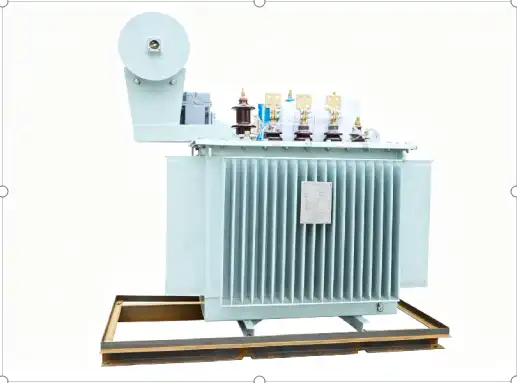
As voltage conversion points in electrical grids, oil-immersed distribution transformers step down transmission voltages to levels that equipment and buildings can use. The S13 type three-phase distribution transformer line is designed for uses where constant operation, exposure to the environment, and changing loads make working conditions difficult. In steel factories, these transformers handle the high-inrush currents that come from electric arc furnaces. In solar farms, their ability to handle the changing input from photovoltaic panels is very important.
The S13 type three-phase distribution transformer's small size makes it possible to place it on poles in crowded rights-of-way, which is good for urban power distribution networks. Chemical processing plants like the fully sealed design because it keeps wetness out of acidic environments. Units that are marked for high and low temperatures are used in mining. For each use case, the volume, voltage ratios, and environmental safety features need to be carefully matched.
The S13 type three-phase distribution transformer line has power ranges from 30kVA to 3150kVA, and it can work with both single-phase and three-phase systems. Voltage levels range from 6kV to 12kV main values, and non-excitation tap changers offer adjustment ranges of ±5% or ±2×2.5% to account for changes in the supply. Operating rates work with both 50Hz and 60Hz grid standards, which lets them be used in countries with different types of power systems.
Connection group names include Dyn11 for three-phase units and Yyn0 setups, which are chosen based on the need for grounding and reducing harmonics. The impedance voltage follows the scientific specs that have been made public. It usually falls between 4% and 6%, based on the capacity. Insulation systems can handle AC power frequency voltages of up to 35kV and impulse voltages of up to 75kV. This makes them very good at protecting against lightning hits and switching transients. With the oil-immersed self-cooling method, there is no need for forced air, which cuts down on extra power use and technical complexity. The operating temperature rates are based on temperatures up to 40°C, but they can be changed to fit harsh climes.
The basic idea behind it is electromagnetic induction: alternating current in the primary windings creates magnetic flux in the silicon steel core, which then causes equal voltage to be generated in the secondary windings. The S13 type three-phase distribution transformer line makes this process better by using 0.23mm to 0.30mm grain-oriented silicon steel laminations that reduce eddy current losses to a minimum. When compared to aluminium options, all-copper windings have lower resistive losses. Precise winding methods also make sure that the impedance is equal across all stages.
The corrugated tank shape is a big step forward in creativity. For traditional flat-wall tanks to work, they need conservatories with silica gel breathers that need to be checked and replaced on a frequent basis. The corrugated walls bend to suit the oil's expansion and contraction as the temperature changes. This keeps the pressure even without letting the shielding oil come into contact with moisture in the air. This fully sealed design makes the oil last longer than 30 years under regular working conditions, so it doesn't need to be maintained as often as older designs do.
During production, vacuum oil-filling methods get rid of dissolved gases that speed up the breakdown of insulation. Mineral shielding oil of good quality transfers heat from the core and windings to the tank surface and is strong at blocking electricity flow. Tight core clamps and optimised magnetic flux distribution are two ways to lower noise. These steps achieve sound levels 3–5dB below industry standards, which is very important for sites near homes or facilities that are sensitive to noise.
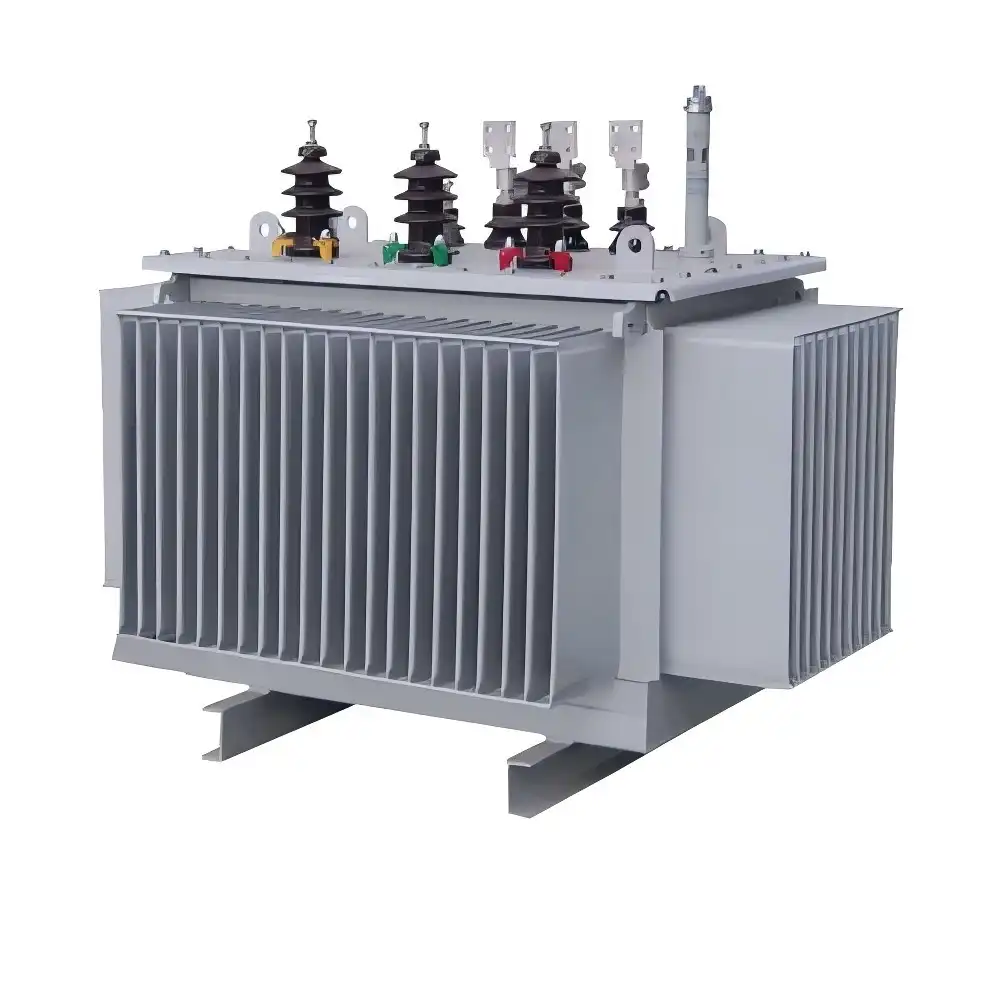
The S13 type three-phase distribution transformer is different from earlier types because it uses energy more efficiently. Compared to S11 units of the same size, no-load losses—the amount of energy used to keep the magnetic flow steady no matter what the load—drop by about 30%. A 1000kVA S13 type three-phase distribution transformer usually loses about 1300W when it's not loaded, while S11 models lose 1850W. At normal electric load factors, this difference adds up to about 190,000 kWh of energy per unit over 20 years of use.
Better design of the conductors and less random flux also lower load losses. Many years ago, S9 series transformers were the norm. But now, because they have higher core losses and worse thermal management, they can't be used in new installations where energy costs are a big part of the choice to buy. The S11 model made small changes, but it kept the flat-wall tank designs that needed regular repair. Noise traits are becoming more important as factories become more like cities. The S13 type three-phase distribution transformer cuts noise by an average of 20% below JB/T10088-2004 national norms. This is possible with better core construction and damping methods. At a distance of one metre, a 1600kVA unit makes about 55dB of sound pressure, while similar S11 types make 60dB.
Dry-type transformers don't use flammable fluid, so they don't pose fire risks. However, they give up heat performance and environmental protection. When the capacity goes above average, dry-type units need forced air, which uses extra power and adds mechanical failure points. Because they can't handle too much pressure, they can't be used in industrial areas where loads change. Designs that are immersed in oil, like the S13 type three-phase distribution transformer, naturally get rid of heat through convection. They can also handle short-term overloads well and fight external contaminants that damage dry insulation systems.
Amorphous core transformers have very low no-load loss numbers, but they cost more to make and are harder to make when they have bigger capacities. The S13 type three-phase distribution transformer is the best choice for projects that want to optimise lifetime costs over minimising losses. It does this by offering balanced performance, proven reliability, and reasonable pricing.
The fully sealed corrugated tank design means that only regular external checks are needed for upkeep, and for an S13 type three-phase distribution transformer, this includes quarterly oil level inspections through the gauge windows, visual checks for leaks around seals and bushings, and annual infrared thermography to detect abnormal hot spots that could indicate loose connections or internal issues before they lead to failure. Checking the oil level every three months through the gauge windows, making sure there are no leaks around the seals and bushings, and looking for rust on the outside of the tank are all things that should be done visually. Infrared thermography is done once a year to find strange hot spots that could mean weak links or internal problems before they become catastrophic.
Every five years, partial discharge testing measures how much insulation has worn down, which can help find problems early on. When you look at dissolved gases in oil samples, you can find problem signs. For example, high hydrogen levels mean there is corona discharge, and high ethylene levels mean the oil is overheating. These diagnostic tools make equipment last longer by letting condition-based actions happen instead of fixes being done after failures have slowed down operations. Monitoring the load makes sure that transformers don't get too hot. Smart temperature controllers use built-in sensors to keep an eye on the temperatures of the windings and set off alarms when the temperatures get close to certain levels.
Overheating usually happens when the tank is overloaded, there isn't enough airflow around the sides, or there are blockages inside the tank. Most temperature problems can be fixed by lowering the load right away and checking the cooling lines. If there is persistent overheating, the oil should be analysed to find sludge buildup or pollution that makes heat movement less effective.
Winding flaws show up as phase currents that aren't balanced or temperature differences between phases that aren't normal. Ratio testing makes sure that the turns ratios stay within the limits, and resistance testing finds turns that are shorted or links that aren't working well. Any oil leaks around gasket surfaces need to be fixed right away, because even small leaks let water in, which lowers the dielectric strength. Seal integrity is maintained by replacing the gasket during planned outages. Bushing problems cause big unexpected power outages. Cleaning the outside of bushings on a regular basis keeps them from tracking across dirty surfaces. Testing bushing insulation systems for capacitance and power factor finds damage before flashovers happen.
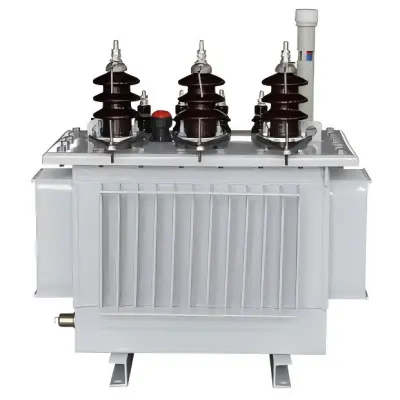
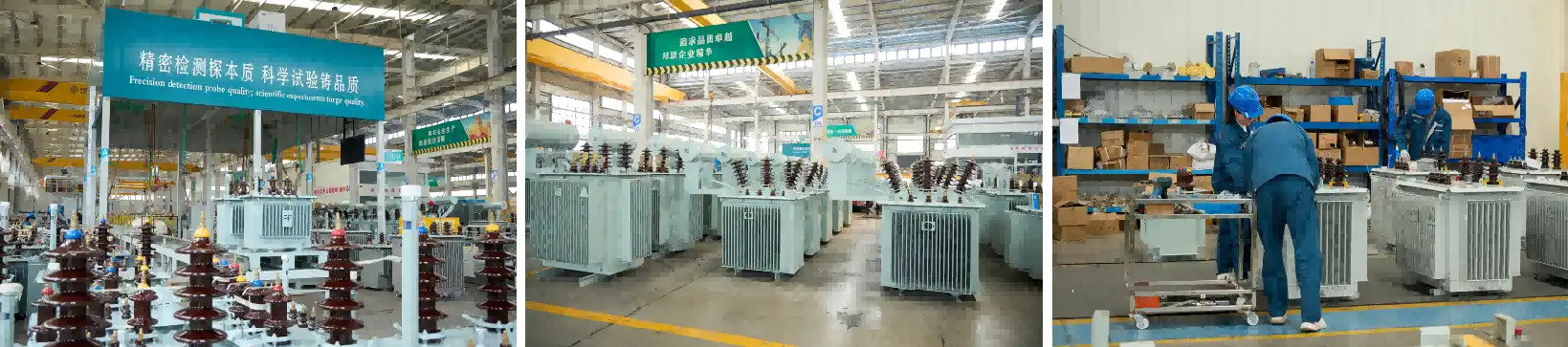
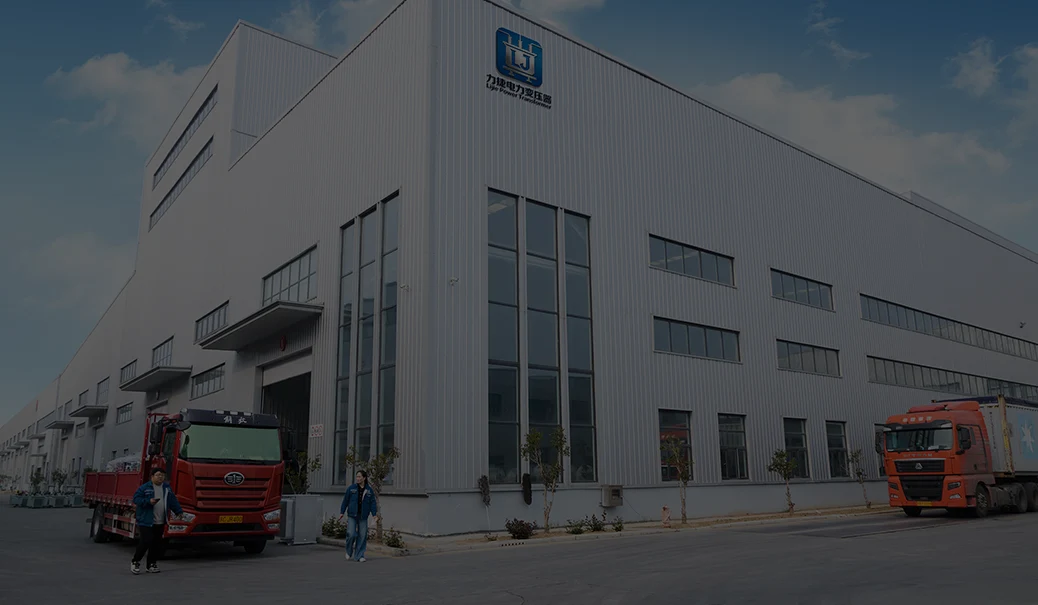
A successful buying process starts with qualifying suppliers based on their ability to make the goods, quality standards, and past delivery records. Manufacturers that have been around for a while, like Lijie Electric, run production centers with full testing facilities. Our 500,000-square-meter factories in Xuzhou and Nantong are home to more than 2,000 workers, including more than 160 engineers with advanced degrees. A production ability of more than 5 billion RMB in sales per year shows the scale needed for big project agreements.
The ISO 9001:2015 certification shows that quality control systems are documented, and the CE and UL marks show that the product meets international safety standards; for an S13 type three-phase distribution transformer, these certifications are essential for demonstrating compliance with utility and industrial procurement requirements across global markets. IEC approval for 10kV and 35kV equipment makes sure that the design and testing rules are followed in a way that is recognised around the world. The title of a national high-tech enterprise and the approval of a provincial quality-trusted enterprise show a commitment to innovation and dependability that procurement teams value. Make sure that technical help is available during the installation and commissioning steps. This could include visits from engineers and training for maintenance staff.
The price of a transformer depends on how much the materials cost, how hard it is to make, and how many are ordered. Copper and silicon steel make up 60–70% of the costs of making steel, which makes prices sensitive to material markets. When you buy in bulk through framework deals, you save 15 to 25 percent on costs compared to buying one unit. This is because you're making production more efficient and cutting down on transaction costs.
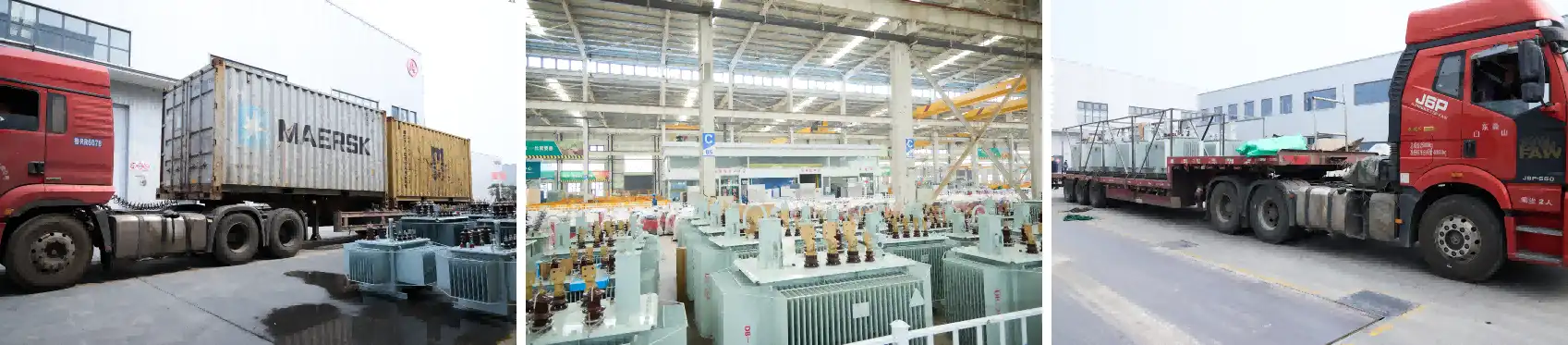
Within 8 to 12 weeks, standard designs with similar voltage ratios and sizes are sent out. Custom specs that need engineering changes can make wait times 12 to 16 weeks longer, based on how complicated the design is and what testing needs to be done. For international packages, the transportation time and time needed to clear customs are added on. The cost of transportation depends a lot on the size of the unit and where it needs to go. For positioning, units with a power output above 1000kVA need special heavy-haul shipping and crane tools. Coordinate operations for delivery with site readiness, including preparing the base and trenching for cables.
In addition to basic catalogue items, manufacturers offer customisation to meet the specific needs of each project. Because mounting areas are limited, bushing positions have been changed to work with them. Coatings that protect against rust better make things last longer in seaside or industrial settings. Adjustments to the elevation derating keep efficiency at high elevations. Seismic strengthening meets the needs of places that are prone to earthquakes.
Most warranties cover manufacturing flaws for two years, but for important uses, longer warranties are available. Make it clear in the warranty terms what inspections are needed, how to put things correctly, and how to follow the working parameters. Full after-sales support includes having spare parts on hand, getting expert help in a situation, and regular reviews of how well the product is working. We keep a large stock of extra parts so that we can quickly meet unexpected needs. Technical hotlines filled by experienced experts help with debugging so that downtime is kept to a minimum. Field service teams help with launching, train operators, and check the equipment's state on a regular basis.
The S13 type three-phase distribution transformer line meets basic procurement needs by making a noticeable difference in energy efficiency, having a sealed construction that doesn't need any upkeep, and being reliable in tough industrial settings. Lifecycle costs are lower because of technical benefits like 25–30% less no-load loss, longer working lifespans of 25–30 years, and better noise performance. To make buying go smoothly, you need to carefully match specifications, carefully choose suppliers based on their manufacturing skills and certifications, and carefully work with makers who offer full technical support. By knowing how different technologies compare in terms of performance and planning buying timelines that work with project schedules, businesses can make sure that their electricity infrastructure will provide stable performance and financial returns for decades to come.
Savings on energy costs make the difference in spending worth it. The 30% drop in no-load losses that builds up over 20 years of operation greatly lowers energy costs, especially in facilities that are always running. Eliminating the need for maintenance through sealed tank building lowers lifetime costs beyond the initial cost of capital.
Through elastic displacement, flexible curved panels can adapt to changes in oil volume as the temperature changes. This keeps the internal pressure level stable without the need for atmospheric breathing devices or conservator systems, which can bring risks of pollution and wetness.
When loaded properly and in the right setting, S13 type three-phase distribution transformers usually last longer than 25 to 30 years. Compared to older open-tank designs, this one is more reliable because it is covered to keep the oil's quality and uses high-quality insulating materials.
Different system designs need different main and secondary voltage rates. In order to meet particular needs while still meeting performance standards and guidelines, engineering teams come up with winding combinations.
Lijie Electric has a track record of making excellent transformers and has a lot of technical skills and project experience working on projects all over the world. Our qualifications as a provider of S13 type three-phase distribution transformers include ISO 9001, CE, UL, and IEC certifications that show we follow quality management and product compliance standards around the world. We meet the power distribution needs of a wide range of industries by having the manufacturing ability to handle large-scale projects and the customisation skills of our engineering teams.
Email our technical sales team at lijieelectrical@gmail.com to get full specs and cheap quotes. We offer application engineering help to make sure that the specifications of the equipment you need meet the needs of your project. We also make sure that delivery dates are in line with building goals and offer after-sales services to ensure long-term operating success. You can look at our full line of transformers at lijie-electrical.com and find out how our production skills can help you reach your building goals.
1. International Electrotechnical Commission. "IEC 60076-1: Power Transformers - General Requirements and Tests." International Standard for Transformer Design and Testing, 2021.
2. Chen, W., and Zhang, L. "Energy Efficiency Improvements in Oil-Immersed Distribution Transformers: A Comparative Analysis of S9, S11, and S13 Series." Journal of Electrical Engineering Technology, Vol. 15, No. 3, 2020, pp. 1247-1256.
3. National Electric Power Certification Center. "Technical Guidelines for Distribution Transformer Procurement in Grid Modernization Projects." Chinese Power Industry Standards Publication, 2019.
4. Thompson, R., and Kumar, S. "Lifecycle Cost Analysis of Distribution Transformers in Industrial Applications." IEEE Transactions on Industry Applications, Vol. 56, No. 2, 2020, pp. 1823-1832.
5. American National Standards Institute. "C57.12.00: General Requirements for Liquid-Immersed Distribution, Power, and Regulating Transformers." ANSI Standard for Transformer Performance, 2020.
6. Liu, H., Wang, Q., and Zhou, X. "Sealed Tank Design Innovations in Modern Distribution Transformers: Maintenance Reduction and Reliability Enhancement." International Conference on Power Systems Engineering, 2021, pp. 445-453.
YOU MAY LIKE


%20Dry-type%20Distributing%20Transformer.webp)



April 27, 2025
With a tight project schedule, the manufacturer delivered on time, and on-site technical personnel provided guidance throughout the entire installation and commissioning process; the collaboration was highly efficient and hassle-free.
July 2, 2025
During the preliminary phase, a selection plan was custom-tailored based on the actual site load requirements, resulting in a high degree of parameter compatibility. After-sales support responds within two hours, and ongoing technical support for operation and maintenance is comprehensive; we feel completely confident in a long-term partnership.
November 18, 2025
Deployed as a supporting component for a 35kV grid-connection project at a photovoltaic power station, the equipment operates for an average of 16 hours daily. It demonstrates excellent control over no-load losses, ensures smooth power generation and grid integration, and effectively reduces the station's overall energy consumption.
January 30, 2026
Under the continuous, high-load operating conditions of a factory production line, the equipment maintains stable electrical parameters and exhibits strong overload resistance, thereby guaranteeing an uninterrupted power supply for industrial production.
April 3, 2026
Integrated as a supporting component for a new energy photovoltaic grid-connection system, the manufacturer provided professional technical coordination and timely after-sales support, ensuring seamless adaptation to the specific electrical operating conditions required for grid integration.