April 27, 2025
With a tight project schedule, the manufacturer delivered on time, and on-site technical personnel provided guidance throughout the entire installation and commissioning process; the collaboration was highly efficient and hassle-free.
Jul 21, 2026
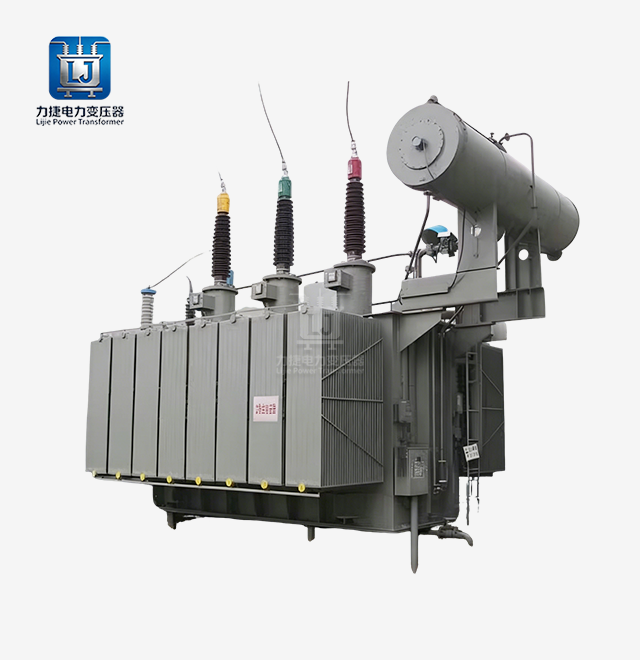
When power companies and factories have voltage problems across transmission networks, putting in place high-capacity power distribution equipment made for changing loads is often the best way to fix the problem. As a key piece of infrastructure, a 6300kVA~100000kVA dual-winding transformer with OLTC is designed to handle changes in voltage while keeping the power flowing continuously across medium to high voltage grids, which usually range from 35kV to 220kV. This device has two separate electrical windings connected by a common magnetic core. It also has an On-Load Tap Changer mechanism that lets the voltage be changed in real time without disconnecting loads further downstream. When purchasing managers and electrical engineers are in charge of big grid modernisation or renewable energy integration projects, they need to know the technical architecture, operational benefits, and supplier selection criteria in order to meet both short-term performance goals and long-term reliability goals.
Dual-winding transformers with On-Load Tap Changers are an important part of today's grid infrastructure, especially for applications requiring 6300kVA to 100000kVA of power, which are common in heavy industrial and utility settings. We know that when purchasing such important equipment, procurement managers, electrical engineers, and project directors need to know a lot about how things work, why certain designs are better, and how to find the best deals. By looking at important technical features, lifecycle costs, and market offers from qualified manufacturers, decision-makers can get the most out of their capital investments while also making sure that voltage regulation works well and the grid is more stable over a 30-year period of time.
More renewable energy sources are being used, urban substations are growing, and the United States is updating its old grid infrastructure. All of these things have increased the need for transformers that can handle two-way power flow, sudden changes in load, and strict efficiency standards. These problems can be solved by 6300kVA~100000kVA dual-winding transformers with OLTC, which offer accurate voltage control, strong thermal performance, and compatibility with smart grid monitoring systems. This makes them the first choice for utilities and EPC contractors in charge of complicated transmission and distribution projects.
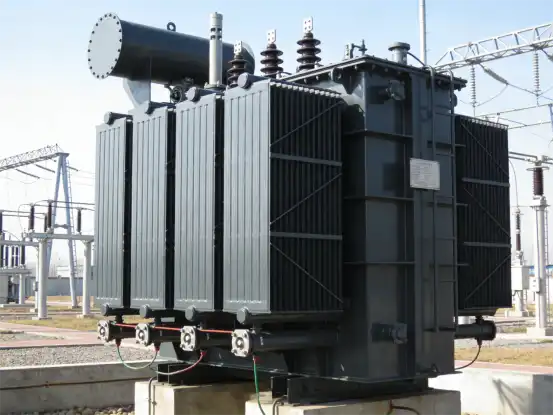
When compared to single-winding configurations, dual-winding transformers have more operational freedom because they are made with two different winding sets wound around a shared magnetic core. This design architecture makes it easier to handle loads, protect against faults, and isolate them, all of which are very important when working with big power networks or heavy industrial complexes that have changing demand profiles.
The two-winding design has a main winding that is linked to the voltage source coming in and a secondary winding that sends the changed voltage to the load side. The magnetic core is made of high-quality non-oriented silicon steel that has low hysteresis loss. It moves electromagnetic energy between the windings efficiently while minimising losses when there is no load. The OLTC mechanism, which is usually attached to the high-voltage winding, changes the effective turn ratio by moving between set tap points without stopping the load current. This keeps the output voltage stable even if the input voltage or load demand changes.
The On-Load Tap Changer lets the voltage be changed smoothly when the load is full, so there is no downtime or practical problems that come with tap changers that are not energised. Modern OLTC units use vacuum interrupters to turn off switching arcs. This makes them much less likely to pollute the oil and means that they don't need to be serviced as often as traditional oil-arc designs. With this technology, utilities can keep the voltage within a ±5% range no matter what the load is. This makes sure they follow grid rules and keeps sensitive industrial processes safe from voltage sag or swell events.
These transformers are mostly used in three situations, and a 6300kVA~100000kVA dual-winding transformer with OLTC is particularly well-suited to each: in heavy industrial facilities like steel mills and chemical plants, it compensates for voltage drops during large motor starts; in utility-scale solar and wind farms, it manages bidirectional power flow and stabilizes grid voltage under fluctuating generation; and in urban substations, it provides compact, high-capacity voltage regulation during peak summer loads. In heavy industrial buildings like steel mills and petroleum plants, they fix voltage drops caused by big motor starts. This keeps the process stable and keeps equipment from breaking. At utility-scale renewable energy facilities like solar farms that produce 60MW to 100MW or wind power installations, they control the flow of power in both directions and keep the grid voltage stable when generation patterns change. In urban central substations that serve crowded metropolitan loads, the dual-winding design has a small footprint and strong thermal performance during the hottest summer months. This is important because standard equipment doesn't work well in these settings because of limited room and high temperatures.
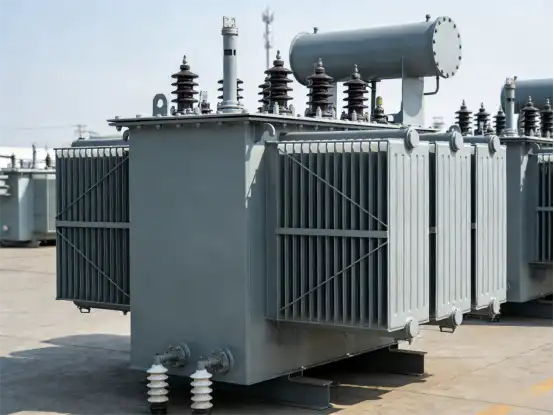
Transformers in this size range have a lot of different designs that are made to meet the needs of different types of grids, from regional distribution networks to important industrial feeds. When procurement teams know about basic technical specs, efficiency metrics, and maintenance needs, they can match the capabilities of equipment with the specific operational parameters of a project.
Precision engineering and choosing the right materials are at the heart of 6300kVA~100000kVA dual-winding transformers with OLTC. High-quality non-oriented silicon steel and smart stacking techniques are used in the magnetic core to keep no-load losses below 0.15% of rated capacity. Copper windings with high conductivity and no oxygen reduce resistance losses and provide great heat conductivity. The Basic Insulation Level (BIL) is designed to protect against lightning and switching surges. Its values range from 450kV to 1050kV, based on the voltage class and the location where it is installed.
Lijie Electric's ultra-high voltage transformers use Toshiba's analysis tools along with their own math and verification programs to make the core, coils, body, leads, and tank design as good as they can be. When you combine this careful method with better process tools and picking the right materials, you get transformers that are small, light, have low losses, low partial discharge levels (usually less than 100pC at 1.5Um/√3), and run quietly. The products are of high quality, use energy efficiently, are environmentally friendly, are easy to install and maintain, are reliable in the field, and effectively lower our clients' total lifecycle costs.
Units in the 50,000kVA range usually have efficiency ratings higher than 99.7% at 50% load. This is possible with precise core stacking, low-loss shielding, and the best possible winding geometry. Short-circuit impedance, which is generally between 7% and 14% based on the capacity, limits fault current while keeping voltage regulation good. For smaller capacities, ONAN (Oil Natural Air Natural) cooling is used. For units above 50MVA, ONAF (Oil Natural Air Forced) cooling is used. This makes sure that the temperature stays stable when the unit is running continuously at full load and 40°C outdoor temperature.
The SSZ11-40000/110 product from our factory has passed all routine type tests and short-circuit withstand capability tests run by the National Transformer Quality Supervision and Inspection Center. This shows that it is very strong mechanically and electrically. This product is stable, reliable, cost-effective, and good for the environment. This makes it perfect for power plants, substations, and large mining, industrial, and petrochemical companies.
Following the right repair procedures has a direct effect on how long an activity lasts and how consistently it works, and for a 6300kVA~100000kVA dual-winding transformer with OLTC, this means scheduling regular inspections of the tap changer mechanism every 50,000 to 100,000 operations or 5 to 7 years, while the main transformer tank requires minimal maintenance over its 30-year design life. The main transformer tank doesn't need much care for decades, but the OLTC device needs to be checked every 50,000 to 100,000 operations, or every 5 to 7 years. Some important maintenance tasks are Dissolved Gas Analysis (DGA) to find early signs of faults in the insulating oil, Frequency Response Analysis (FRA) to check the integrity of the winding geometry after transport, and Partial Discharge measurement to make sure the quality of the insulation stays within acceptable limits. Sequential OLTC operation testing under full load conditions makes sure that the bridge resistors and vacuum interrupters work without arcing. This keeps the equipment from breaking down in a catastrophic way and makes sure that it can continuously regulate voltage for the 30-year design life.
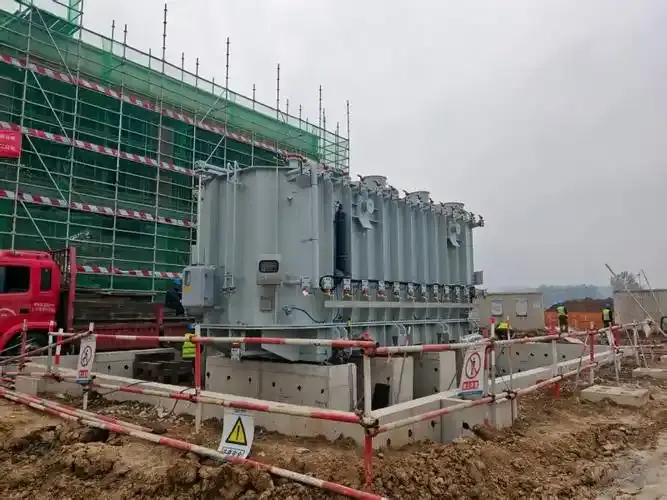
To choose the best transformer configurations, you have to balance technical needs with budget limits and operational priorities. It's helpful for procurement teams to know the relative benefits of different design options and to match equipment specs to specific use cases.
Dual-winding transformers are very useful in situations where safety coordination needs to be sped up, and fault isolation needs to be better. The separate winding structure lets the main and secondary circuits have their own protection systems. This lowers the risk of failures that happen one after the other when there is a fault. This design also makes it easier to balance the load when serving multiple feeders, which is especially helpful in urban substations where different types of loads need flexible power distribution. In some voltage transformation ratios, single-winding autotransformers may be cheaper, but dual-winding configurations offer better electrical isolation and higher safety margins that are necessary for industrial and utility uses.
The main differences between OLTC and static tap changers are how flexible they are to use and how much they cost to maintain. OLTC methods allow voltage adjustment while the device is running, which is very important for situations where the load or input voltage changes often. This feature gets rid of the downtime and labour costs that come with changing a tap that isn't connected to the power source. These costs can add up to big losses in important industrial processes or high-availability utility installs. Modern vacuum-type OLTCs have service intervals of up to 100,000 operations, which lowers the cost of maintenance over the life of the machine even though it costs more to buy at first than static tap changers.
When matching transformer specs to deployment situations, you have to look at a lot of technical and practical factors. When integrating renewable energy into projects, it's best to choose designs that can handle harmonics better and work with smart grid monitoring systems that let you see real-time performance tracking. Transformers used in heavy industrial settings need to be able to handle short circuits and high temperatures so they can handle motor starting transients and long-term overload conditions. Urban substation operations benefit from small designs that produce low noise (usually below 65dB at 1 metre) and better fire safety features. This is because of limited room and strict environmental rules in cities.
To get a 6300kVA~100000kVA dual-winding transformer with OLTC, you have to deal with a lot of complicated technical requirements, certification needs, and supplier rating factors. Procurement teams can get the best value for the project while lowering risk by understanding how prices are set, how long lead times affect costs, and what suppliers can do.
Prices for transformers in this range of capacities change a lot depending on the voltage class, the cooling method, and the level of customisation needed. A 40,000kVA unit at 110kV voltage class might cost between $180,000 and $280,000, but a 100,000kVA unit at 220kV could cost over $600,000. This is because the higher the voltage and capacity values, the more expensive the materials are, and the more complicated the manufacturing process is. Options for customisation, such as specialised cooling systems, seismic reinforcement, high-altitude operation derating, and better monitoring equipment, raise the base price by 10 to 25 percent but provide necessary performance for certain project needs.
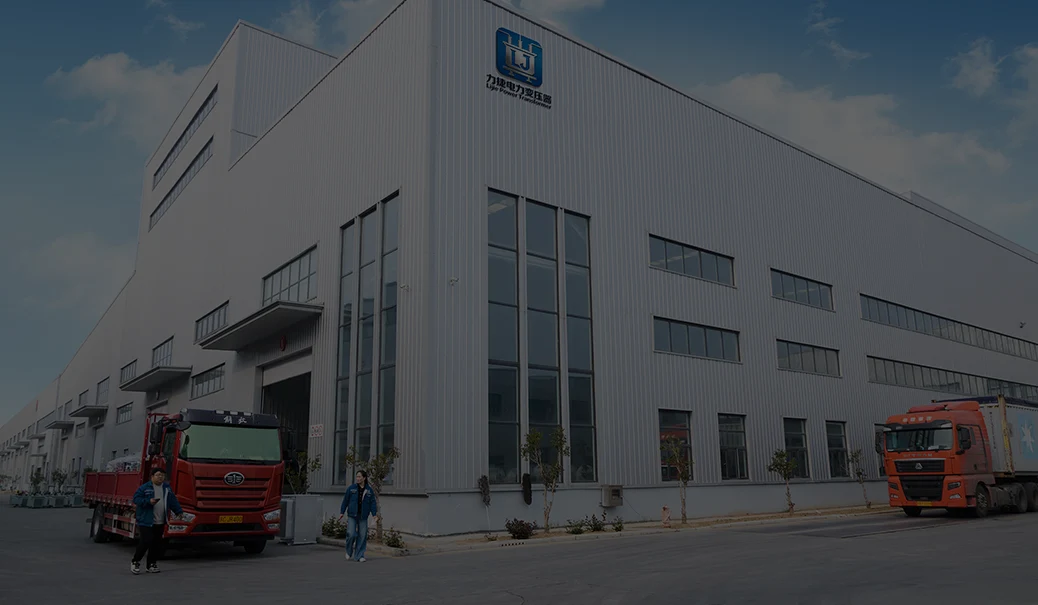
High-capacity transformers usually take 16 to 24 weeks to make, from the time an order is confirmed until they are accepted by the factory and tested. Larger units need longer production schedules. Establishing manufacturing bases, like Lijie Electric's 500,000-square-meter facilities in Xuzhou and Nantong with more than 2,000 employees, shows that suppliers have the production capacity to meet large project orders and keep delivery dates consistent. To make sure that suppliers can meet project deadlines and avoid costly delays, procurement managers should check to see if suppliers can handle large orders and look at how well they've done on similar projects in the past.
Choosing makers with a wide range of certifications lowers the risk of buying something and makes sure that regulations are followed in a wide range of markets. Some important certifications are ISO 9001:2015 Quality Management System, IEC 60076 series compliance for international projects, and market-specific approvals like UL certification for installations in the US and CE marking for compatibility around the world. Check that manufacturers keep testing records for the National Transformer Quality Supervision and Inspection Center and can offer verified plant acceptance testing that meets IEEE C57 series standards. This will make sure that the equipment meets the required performance standards before it is shipped.
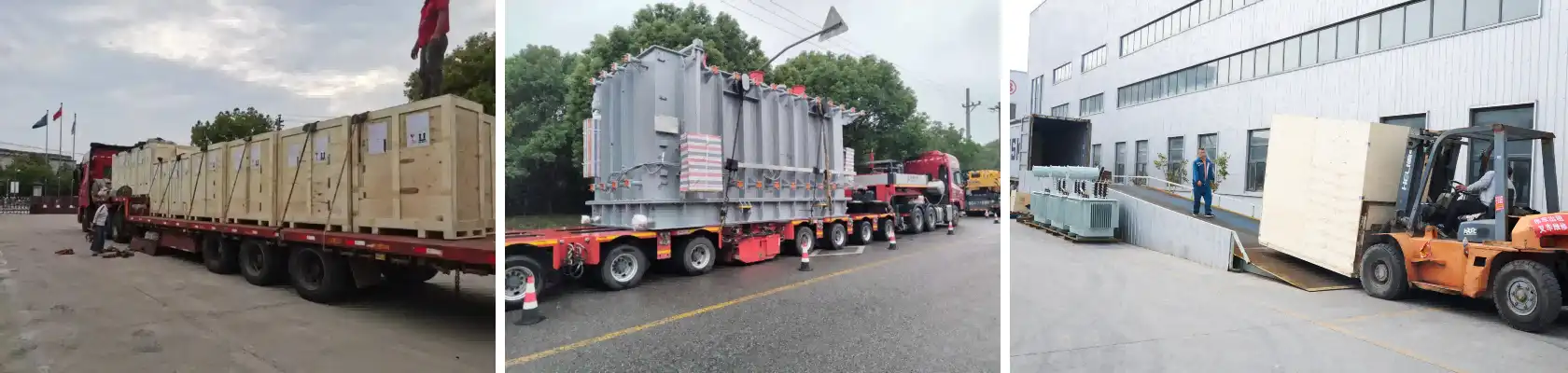
New developments in the design of transformers and monitoring technology get around old problems and prepare the grid for changing operational needs. Understanding new technologies and optimisation strategies helps utility and industrial operators get the most out of their equipment and make it last longer.
More and more modern transformers are made with smart monitoring systems that keep an eye on important operational parameters in real time. These systems keep an eye on things like winding temperature, dissolved gas concentrations, partial discharge activity, and OLTC operation counters. These systems allow for predictive repair plans that find problems before they happen, which cuts down on unplanned outages and makes technology last longer. Being able to monitor transformers from afar is especially helpful for those that are used in green energy projects or on remote industrial sites where they can run without being watched, saving money on labour costs while still meeting high reliability standards.
More progress is being made in studying amorphous metal cores, high-temperature superconducting windings, and recyclable insulation fluids, which should lead to even higher efficiency and better environmental outcomes. At the moment, these technologies are very expensive, but as production costs go down and rules on efficiency get stricter, they become more appealing for new installations. Utilities that are looking to invest in long-term infrastructure should compare these new choices to traditional designs in order to get the best lifecycle costs and meet future regulatory needs.
To get the most out of a transformer, you need to pay close attention to its working factors and do regular maintenance. Regular oil sampling and DGA analysis find small problems early on, so they can be fixed before they become big problems. Thermal imaging scans find hotspots that mean connections aren't tight enough or cooling isn't good enough. Vibration analysis checks the mechanical stability and finds problems that are starting to show up in core clamps or winding support structures. By using these optimisation techniques along with detailed repair records and trend analysis, equipment can last much longer than its normal 30-year design life, up to 40 years or more. This saves a lot of money and avoids having to buy new equipment.
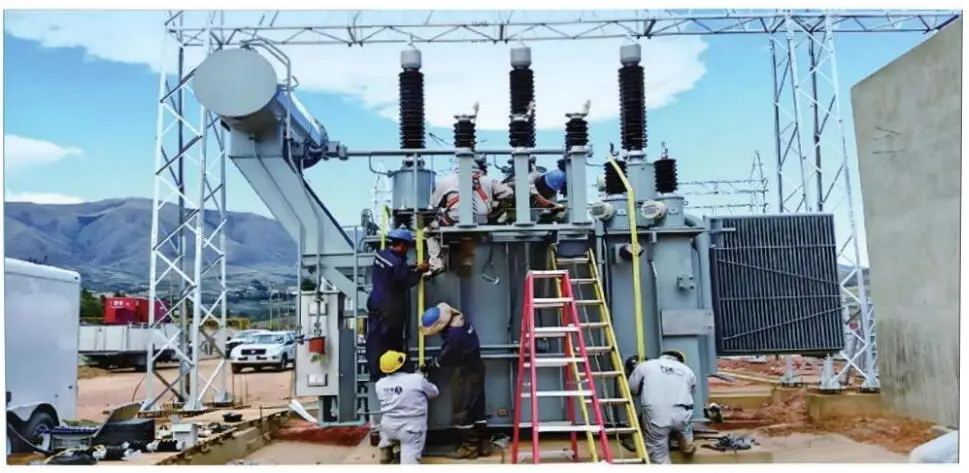
6300kVA~100000kVA dual-winding transformer with OLTC technology are important investments for utilities, people who are developing renewable energy, and industrial operators who need to control voltage reliably and be able to change their operations quickly. We have talked about the technical architecture, operational benefits, buying factors, and new trends that affect the choice of strategic equipment and its management over its entire lifecycle. When buying teams know about these things, they can balance capital costs against long-term dependability needs while making sure they follow changing grid codes and efficiency standards. Adding more smart tracking features, advanced materials, and predictive repair methods to transformers keeps making them more valuable, which helps modernise the power grid and make businesses more competitive in a wide range of situations.
These transformers are made for medium to high voltage grids (35kV to 220kV) and have two separate electrical windings connected by a common magnetic core. Compared to autotransformers, the dual-winding structure makes fault isolation better and safety schemes more flexible. This makes them the best choice for utility substations and other high-reliability industrial uses.
The On-Load Tap Changer changes the transformer turn ratio by moving the taps between set settings while the unit is on and under load. Modern designs use vacuum interrupters to stop switching arcs without creating contaminants. This lets the voltage be changed in seconds and keeps the output voltage stable even if the input voltage or load voltage changes.
The main transformer tank doesn't need much upkeep after decades of use, but the OLTC mechanism needs to be checked every 50,000 to 100,000 operations, or every 5 to 7 years. Maintenance tasks include checking the timing sequence, measuring contact wear, and analysing insulating fluid to make sure the equipment keeps working reliably for as long as it's supposed to.
As stated in IEC 60076-2, units can work at elevations above 2,000 meters as long as the right derating factors are used to account for insulation clearance and cooling efficiency. When installing things at high altitudes, engineers have to make changes because the lower air density affects both the insulating strength and the ability to move heat away from the system.
Lijie Electric has certified dual-winding transformers with advanced OLTC technology ready to help you with your grid infrastructure projects. We are a reliable 6300kVA~100000kVA dual-winding transformer with OLTC maker with over 20 years of technical excellence, full certifications such as ISO 9001:2015, IEC, CE, and UL approvals, and a track record of supplying utilities and industrial clients around the world. Our 500,000-square-meter manufacturing sites and more than 160 engineering professionals work to make sure that you get uniform quality, on-time delivery, and quick expert help throughout the lifecycle of your project. Email our team at lijieelectrical@gmail.com to talk about your unique needs and get full technical specifications that are made for your situation. lijie-electrical.com has a lot of information about our products and customer success stories. This shows that we are dedicated to providing reliable, energy-efficient transformer solutions that lower operational costs and improve grid stability for many years to come.
1. IEEE Standards Association. "IEEE C57.12.00-2015: IEEE Standard for General Requirements for Liquid-Immersed Distribution, Power, and Regulating Transformers." Institute of Electrical and Electronics Engineers, 2015.
2. International Electrotechnical Commission. "IEC 60076-1:2011 Power Transformers - Part 1: General." IEC Standards Publication, Geneva, Switzerland, 2011.
3. Zhang, W., and Liu, H. "Design Optimization and Loss Reduction in High-Capacity Power Transformers with On-Load Tap Changers." Journal of Electrical Engineering Technology, Vol. 14, No. 3, 2019, pp. 1245-1258.
4. National Electric Power Regulatory Commission. "Technical Guidelines for Ultra-High Voltage Transformer Installation and Operation." China Electric Power Press, Beijing, 2018.
5. Kumar, A., and Patel, S. "Dissolved Gas Analysis for Condition Monitoring of Power Transformers: A Comprehensive Review." IEEE Transactions on Dielectrics and Electrical Insulation, Vol. 26, No. 2, 2019, pp. 608-621.
6. Heathcote, M.J. "The J&P Transformer Book: A Practical Technology of the Power Transformer, 13th Edition." Newnes Publishing, Oxford, United Kingdom, 2007.
YOU MAY LIKE




April 27, 2025
With a tight project schedule, the manufacturer delivered on time, and on-site technical personnel provided guidance throughout the entire installation and commissioning process; the collaboration was highly efficient and hassle-free.
July 2, 2025
During the preliminary phase, a selection plan was custom-tailored based on the actual site load requirements, resulting in a high degree of parameter compatibility. After-sales support responds within two hours, and ongoing technical support for operation and maintenance is comprehensive; we feel completely confident in a long-term partnership.
November 18, 2025
Deployed as a supporting component for a 35kV grid-connection project at a photovoltaic power station, the equipment operates for an average of 16 hours daily. It demonstrates excellent control over no-load losses, ensures smooth power generation and grid integration, and effectively reduces the station's overall energy consumption.
January 30, 2026
Under the continuous, high-load operating conditions of a factory production line, the equipment maintains stable electrical parameters and exhibits strong overload resistance, thereby guaranteeing an uninterrupted power supply for industrial production.
April 3, 2026
Integrated as a supporting component for a new energy photovoltaic grid-connection system, the manufacturer provided professional technical coordination and timely after-sales support, ensuring seamless adaptation to the specific electrical operating conditions required for grid integration.