April 27, 2025
With a tight project schedule, the manufacturer delivered on time, and on-site technical personnel provided guidance throughout the entire installation and commissioning process; the collaboration was highly efficient and hassle-free.
Jul 22, 2026
The S(B)H15 type three-phase fully sealed distribution transformer is a huge step forward in power distribution technology. Its hermetically sealed construction and amorphous metal core materials make it very energy efficient and require very little upkeep. This transformer has up to 80% less no-load losses than older silicon steel models. This makes it perfect for projects that need to integrate green energy, update the grid, or run in a way that is stable and quiet. Made to meet strict IEC 60076 and GB/T 25446 standards, it solves important problems in the industry related to lifecycle costs, environmental sustainability, and long-term operational stability for power utilities, industrial plants, and infrastructure developers looking for approved, high-performance electrical equipment.
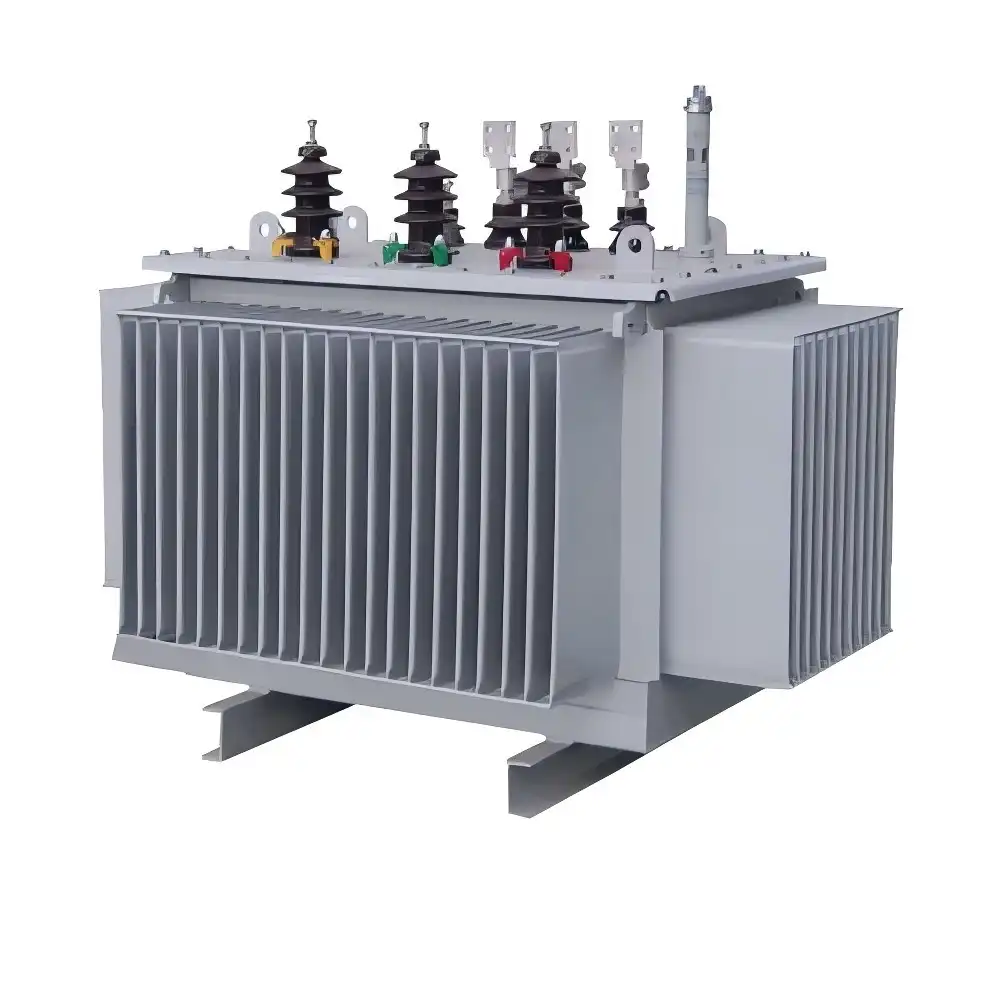
At the heart of this transformer is an amorphous alloy, which is a magnetically superior material made up of iron, silicon, and boron that is solidified quickly. In contrast to solid silicon steel, the atomic structure stays disorganised, making a material that is very easy to magnetise and demagnetise. This basic difference directly leads to much smaller core losses while the system is running. The material's high ferromagnetic qualities, along with its high resistance to corrosion and high mechanical strength, set a new standard for how well distribution transformers should work in harsh electrical settings.
The engineers on our team made these S(B)H15 type three-phase fully sealed distribution transformer units with detailed plans that meet a wide range of application needs. The voltage levels range from 6kV to 12kV, so they can work with both medium- and low-voltage distribution networks that are common in industrial parks and renewable energy sites. You can choose from 30kVA to 2500kVA of capacity, so you can use them for a wide range of projects, from small commercial buildings to large manufacturing plants. The equipment works at normal frequencies of 50Hz and 60Hz, which means it can be used with electricity systems in many places, including North American markets.
The transformer uses non-excitation voltage regulation with tap ranges of ±5% and ±2·2.5%. This lets the voltage be precisely adjusted during installation to account for changes in the supply. It is usual for connection group names to be set up in a Dyn11 way, but Yyn0 setups can be made upon request. This choice in design makes the harmonic resistance higher, which is helpful in current electrical settings with changing frequency drives and nonlinear loads. Insulation levels meet strict standards, with a power frequency withstand voltage rating of AC-35kV and an impulse withstand capability of L1-75kV. This provides solid protection against transient overvoltages that are common in places where lightning strikes often.
The hermetically sealed oil tank construction of the S(B)H15 type three-phase fully sealed distribution transformer is what makes it stand out. Traditional conservator-style transformers let airborne moisture and oxygen damage the insulating oil faster, so they need to be serviced on a regular basis. Our sealed design has corrugated extension fins that can handle changes in the amount of the heating oil without touching the air. This engineering solution stops moisture from getting in, which is the main reason why insulation breaks down. This means that the insulation will last longer than 30 years under normal operating conditions. The oil-immersed self-cooling method effectively gets rid of heat through the curved tank surface, keeping the tank at the right temperature even when it's fully loaded and the temperature outside reaches 40°C.
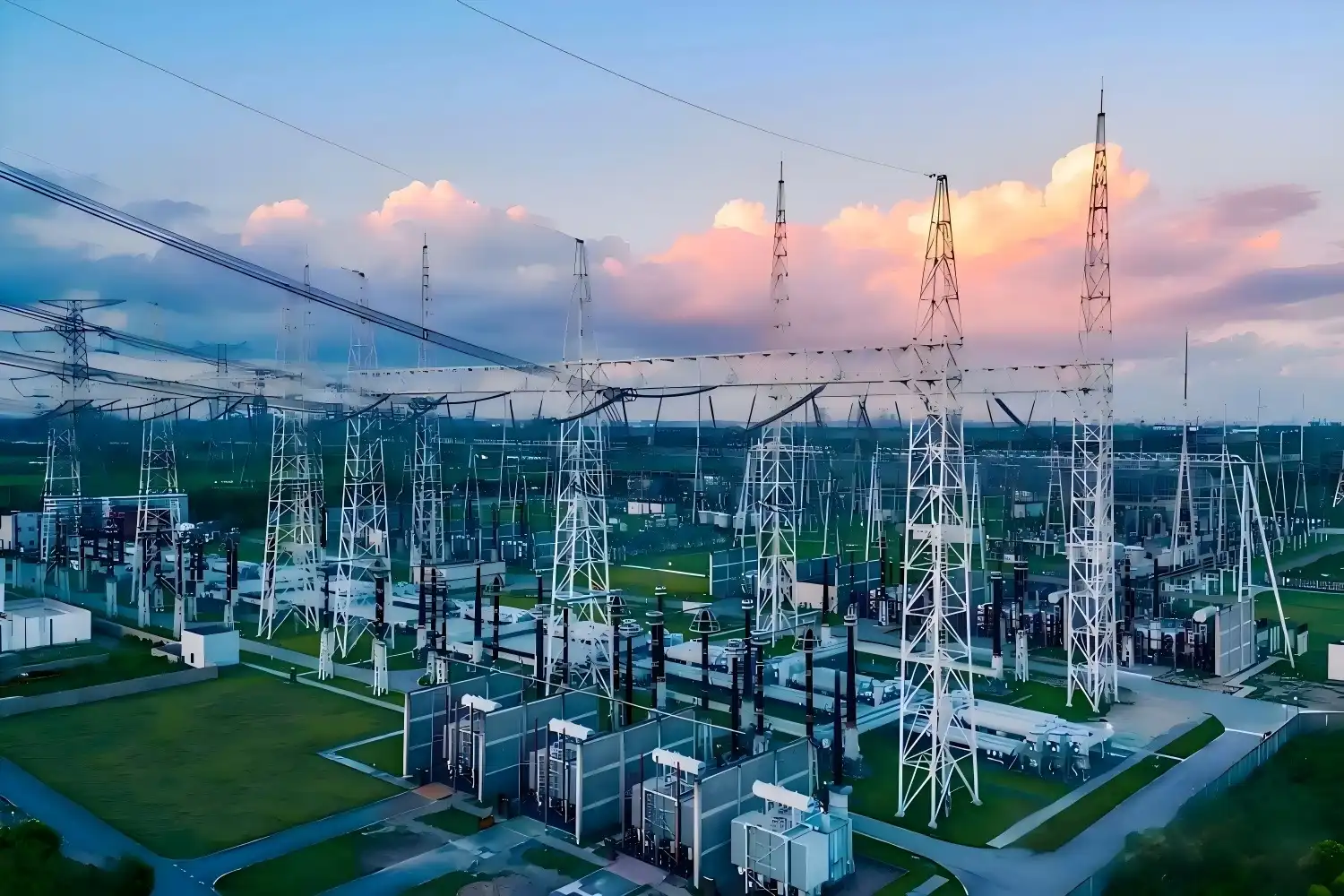
Power companies that are trying to update the power grid have put a lot of these transformers in suburban distribution networks that are hard to get to for maintenance. The fact that it doesn't need any maintenance is especially helpful in remote substations that serve rural areas or industrial zones. Those who build renewable energy projects that combine solar farms and wind farms can benefit from the transformer's high efficiency during times when it's not being used, like when the weather changes and output changes. Lessened no-load losses stop energy waste during idle times, which is a key factor when figuring out the economics of a project and setting goals for reducing carbon emissions for environmental reports.
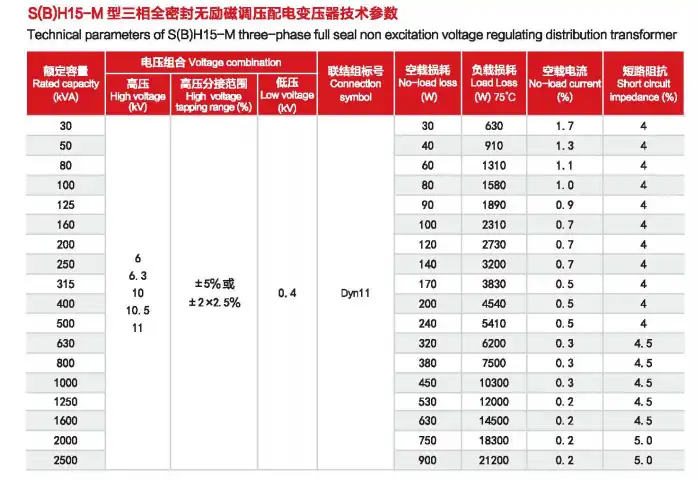
Loss performance has a direct effect on operational economics when choosing a distribution transformer, and for an S(B)H15 type three-phase fully sealed distribution transformer, the amorphous alloy core reduces no-load losses to approximately 20% of those in traditional S9 series transformers, resulting in annual energy savings of more than $8,000 for a 1000kVA unit at industrial electricity rates of $0.12/kWh. The no-load losses of traditional S9 series transformers with silicon steel cores are about 5 times higher than those of amorphous alloy variants. This difference adds up to big energy costs over a normal 20-year working life. Based on industrial power rates of $0.12 per kWh, our study of a 1000kVA unit in a manufacturing plant showed that switching from a S9 model to a S(B)H15 unit saved more than $8,000 in energy costs every year. Also, load losses are getting better, but the difference is getting smaller when there is a lot of load, because copper losses become more important.
Dry-type transformers don't have the fire risks that come with oil-filled equipment, so they can be used inside of business buildings. However, their limited cooling efficiency means that they can't handle as much power and operate at higher temperatures, which speeds up the ageing of the insulation. The sealed oil-immersed design of S(B)H15 units combines the safety benefits of modern dielectric fluids with better thermal management. This lets them handle more power while keeping the winding temperatures lower, which makes the insulation last longer.
Environmental laws are having a bigger impact on buying choices, especially for public sector and utility projects that have to be environmentally friendly. The big drop in no-load losses means that grid losses are going down and power needs are going down too. If a utility replaces 1,000 regular transformers with amorphous alloy models, it can cut CO2 emissions by about 15,000 metric tonnes per year, which is the same as taking 3,200 cars off the road. The fully sealed construction eliminates the chance of oil leaks, which helps protect the environment in places like marshes or protected waterways where installations may be put in.
When large-scale deployments happen, these cash benefits stand out even more. Standardised specifications make it easier for infrastructure developers to manage industrial parks or utility companies to carry out grid modernisation programs. This is because they allow for bulk procurement negotiations that lower unit costs and ensure consistent quality across installations.
A successful buying process starts with clearly stating what the project needs. Our engineering team works with clients to find the best capacity ratings based on load studies and plans for future growth. When choosing the voltage ratio, primary distribution voltages and secondary usage needs are taken into account. The impedance voltage is also changed to work with upstream protection schemes. For projects that need to deal with unique environmental conditions, like coastal installations that need better corrosion protection or high-altitude sites above 1,000 meters that have effects on cooling performance, specific design changes are made to make sure the equipment works reliably for its entire life.
The way S(B)H15 type three-phase fully sealed distribution transformers are positioned in the market now shows how advanced the materials and engineering are that go into them. A normal 500kVA unit with a 12kV main voltage costs between $12,000 and $18,000, but this depends on the specifics and the number of units ordered. When more than 20 units are committed, preferential price levels are activated that lower unit costs by 12–18%. This makes big infrastructure projects especially cost-effective. Framework agreements for multi-year supply relationships have extra benefits, such as protecting prices against changes in raw materials and making sure that deliveries are made on time for phased building projects.
Standard configurations usually have manufacturing lead times of 8 to 12 weeks from the proof of the buy order. This gives project schedulers enough time to plan ahead. Custom specs that need extra tests or voltage levels that aren't standard may add two to four weeks to the lead time. When project deadlines require faster schedules, our production sites keep a smart store of popular ratings to support faster delivery. Shipping arrangements can handle a range of logistics needs, from full container loads for exporting goods abroad to single unit deliveries for replacement projects in the United States. Before being sent out, all units go through a thorough factory acceptance test, and proof is given to the customer to make sure.
Choosing certified manufacturers protects your procurement investments and makes sure you follow the rules. Lijie Electric has ISO 9001:2015 quality management certification and product-specific approvals, such as CE marking for European markets and UL recognition for installations in North America. Our 10kV and 35kV power transformers, including the S(B)H15 type three-phase fully sealed distribution transformer, are IEC certified, which means they meet world standards for electrical safety. EPC contractors who are in charge of foreign projects with multiple legal frameworks can feel safe with this collection of certifications. Each unit that is made comes with a thorough test record that shows measurements of no-load loss, load loss verification, temperature rise testing, and dielectric strength confirmation. This makes it possible to track the units and meets the quality control needs of large-scale projects.
Even though the sealed design makes maintenance a lot easier than with regular transformers, they still need to be checked on a regular basis to get the most out of their service life. Visual checks of the corrugated tank should be done every three months to look for physical damage, make sure the bushings are still in good shape, and make sure the safety devices are working correctly. Every year, thermographic scanning finds strange patterns in temperatures that could mean there are problems with the connections or inside the system before they become too big to fix. These non-intrusive checks don't take long and give useful moving information for figuring out the situation.
Online monitoring systems are used in more advanced facilities to keep an eye on important factors like load current, spinning temperatures, and partial discharge activity, and for an S(B)H15 type three-phase fully sealed distribution transformer, these systems are especially valuable because the sealed construction limits access for visual inspections, making continuous data collection the primary means of early fault detection. These systems find problems early on, when they are still manageable, so that they don't get worse and cause expensive unexpected outages or equipment failure. Testing the quality of the oil should be done every 5 to 7 years, which is less often than with regular transformers, to make sure that the dielectric strength and moisture content stay within acceptable limits. Dissolved gas analysis can find early signs of problems by looking at specific gas patterns. This lets maintenance planners plan when to replace parts so that emergencies don't happen during times of high demand.
Installing a transformer correctly has a big impact on how long it lasts and how well it works. Enough space between the curved fins allows air to flow around them and get rid of heat effectively. Cleaning cooling surfaces on a regular basis is a good way to keep their thermal performance at places with a lot of dust in the air. To keep resistance from rising and creating hot spots, electrical connections need to be made with the right amount of torque and anti-oxidant chemicals. Installing surge protection devices upstream protects insulation systems from transients caused by lightning. This is especially important in places with high keraunic levels. Grounding systems must meet the standards that are in place to make sure that faults are cleared quickly and safely.
Regulatory frameworks around the world are continuing to make efficiency requirements stricter, which is pushing transformer designers to keep coming up with new ideas. New ultra-thin amorphous ribbon technologies offer even more core loss reductions, which could be 85–90% better than standard designs. Researchers studying grain-oriented amorphous materials are looking into ways to combine the best features of both types of materials to get the best performance under a wide range of loads. These changes make it possible for next-generation units to meet expected efficiency standards while still being cost-effective, which supports broad use in grid modernisation projects.
The move toward smarter electricity infrastructure opens up chances for better tracking and controlling of transformers. New designs include built-in sensors that send operational data in real time to supervisory control systems using IEC 61850 protocols. With this connectivity, utilities can better control voltage across distribution networks, set up demand response programs, and use AI algorithms to look at past performance patterns and predict when maintenance needs to be done. As more solar panels and battery storage systems are installed at distribution voltage levels, it becomes more important to connect them to other energy sources that are spread out. This is because transformers need to be able to handle power flowing in both directions and quickly changing loads.
Environmental awareness includes more than just running a business efficiently; it also includes how things are made and how they are thrown away. Bio-based insulating fluids are being looked into by our research teams as possible options to mineral oils. These fluids offer better fire safety and biodegradability without affecting electrical performance. When transformers are no longer needed, recycling programs for amorphous core materials get back important basic parts. This supports the ideas of the circular economy. These projects meet the needs of our customers who want to be environmentally friendly, and they also prepare our technology portfolio to meet the changing rules about how electrical equipment can be used in different countries.
The S(B)H15 type three-phase fully sealed distribution transformer solves some of the biggest problems that modern electrical infrastructure faces by using tried-and-true technology that combines amorphous metal cores with completely sealed construction. This design has measured benefits, such as huge energy savings, longer periods of operation without upkeep, and higher reliability in a wide range of settings, from integrating green energy to distributing power in factories. The attractive lifecycle economics, along with regulatory certifications, customisation options, and full technical support, make this transformer technology a smart investment for businesses that care about operational efficiency, environmental responsibility, and long-term asset performance. Our manufacturing skills ensure consistent quality delivery for projects ranging from replacing a single unit to building hundreds of transformers as part of big infrastructure projects with set specs and delivery dates.
These transformers work great in harsh environments like mines with a lot of dust, chemical plants that use harsh chemicals, and coastal installations with salty air. The fully sealed design keeps outside pollution that break down regular transformers from getting into the shielding oil. Moisture protection is especially useful in warm areas with a lot of humidity, where condensation speeds up the breakdown of insulation in equipment that isn't sealed. Strong construction can handle vibrations that are common in industrial settings, and the amorphous core's high rust resistance guarantees stable magnetic performance over time.
Our engineering team sets up transformers that meet the exact needs of each project. This includes non-standard voltage ratios, special impedance values that work with existing protection systems, and higher insulation levels for places that are high up or polluted. Ratings for capacity range from 30kVA to 2500kVA, with values in between. Different grounding methods and secondary distribution arrangements can be used with different connection setups. Special paint finishes guard against corrosion better, and choices for seismic strengthening meet the needs of areas that are prone to earthquakes.
Standard guarantee coverage lasts for two years from the date of starting and covers problems with the way the product was made or with the materials that they are made of. For big projects, there are extended warranty plans that last up to five years. Throughout the lifecycle of an item, technical support includes installation advice, help with commissioning, and advice on how to fix problems. Spare parts for joints, tap changes, and tools make it possible to quickly get back to work if any parts need to be replaced.
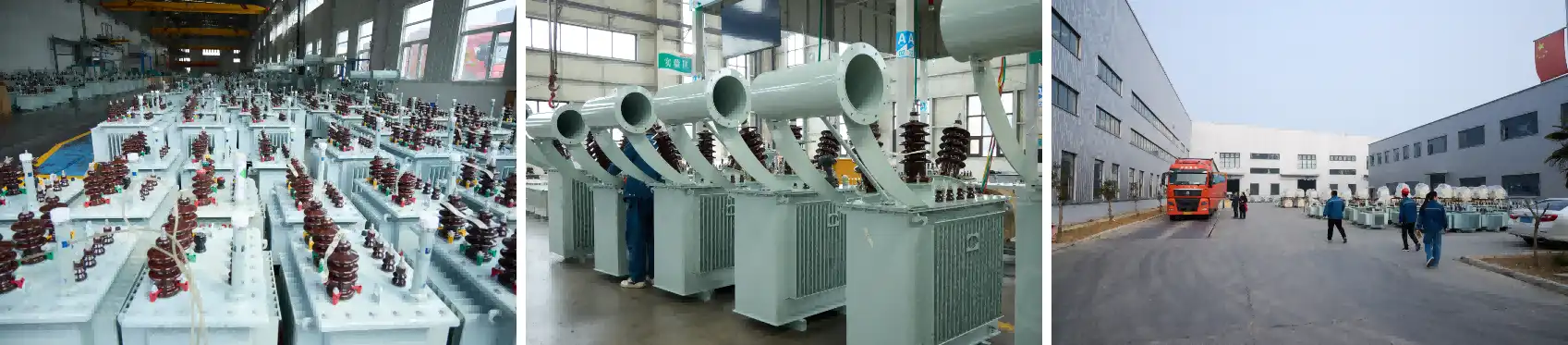
With 30 years of experience making high-quality transformers, Lijie Electric can help you with your power distribution projects. Their ISO 9001, CE, and UL certifications are recognised all over the world. Our 500,000-square-meter factories in Xuzhou and Nantong use cutting-edge production methods and strict quality control standards to make sure that every S(B)H15 type three-phase fully sealed distribution transformer meets the highest performance standards. We offer custom solutions to meet your specific needs, whether you need a single replacement unit or a fleet of units for building infrastructure. Our engineering knowledge ranges from ultra-high voltage systems to specialised industrial applications. Our expert team is ready to talk about your project's details, suggest the best options, and give you competitive quotes that take into account the benefits of buying in bulk. Contact our experts at lijieelectrical@gmail.com or visit lijie-electrical.com to learn more about how our amorphous metal distribution transformers provide measurable value through high efficiency, proven dependability, and full support for the entire life of your equipment.
1. International Electrotechnical Commission. (2018). Power Transformers – Part 1: General Requirements and Test Methods. IEC 60076-1 Standard.
2. Zhang, H., & Liu, Y. (2020). Amorphous Alloy Transformers: Technology, Economics, and Grid Applications. Electric Power Systems Research Publishing.
3. U.S. Department of Energy. (2019). Energy Conservation Standards for Distribution Transformers: Technical Support Document. Office of Energy Efficiency and Renewable Energy.
4. Chen, W., Wang, J., & Li, S. (2021). Comparative Life Cycle Assessment of Distribution Transformer Technologies. Journal of Cleaner Production, 298, 126-145.
5. National Electrical Manufacturers Association. (2020). Guide for Loading Oil-Immersed Distribution and Power Transformers. NEMA Standards Publication TP 2.
6. Kumar, R., & Patel, M. (2022). Smart Grid Integration of Advanced Distribution Transformers: Monitoring, Control, and Optimization Strategies. IEEE Transactions on Power Delivery, 37(4), 2891-2903.
YOU MAY LIKE

%20Dry-type%20Distributing%20Transformer.webp)

18%20type%2035KV%20power%20transformer.webp)

18%20type%20dry-type%20distribution%20transformer.webp)
%20H15%20Series%20Oil-immersed%20Amorphous%20Alloy%20Transformer.webp)
April 27, 2025
With a tight project schedule, the manufacturer delivered on time, and on-site technical personnel provided guidance throughout the entire installation and commissioning process; the collaboration was highly efficient and hassle-free.
July 2, 2025
During the preliminary phase, a selection plan was custom-tailored based on the actual site load requirements, resulting in a high degree of parameter compatibility. After-sales support responds within two hours, and ongoing technical support for operation and maintenance is comprehensive; we feel completely confident in a long-term partnership.
November 18, 2025
Deployed as a supporting component for a 35kV grid-connection project at a photovoltaic power station, the equipment operates for an average of 16 hours daily. It demonstrates excellent control over no-load losses, ensures smooth power generation and grid integration, and effectively reduces the station's overall energy consumption.
January 30, 2026
Under the continuous, high-load operating conditions of a factory production line, the equipment maintains stable electrical parameters and exhibits strong overload resistance, thereby guaranteeing an uninterrupted power supply for industrial production.
April 3, 2026
Integrated as a supporting component for a new energy photovoltaic grid-connection system, the manufacturer provided professional technical coordination and timely after-sales support, ensuring seamless adaptation to the specific electrical operating conditions required for grid integration.