April 27, 2025
With a tight project schedule, the manufacturer delivered on time, and on-site technical personnel provided guidance throughout the entire installation and commissioning process; the collaboration was highly efficient and hassle-free.
Aug 4, 2026
Knowing the difference between single-phase and three-phase transformers is important for making smart choices when we talk about power transfer networks. A Single-phase overhead distribution transformer uses a two-wire electrical circuit to step down high-voltage energy (usually from 7.2kV to 34.5kV) to low-voltage power at 120/240V that can be used in homes and light businesses. These devices on poles are very useful for projects that bring electricity to rural areas and situations with spread loads, where ease of use, low cost, and quick placement are most important. Three-phase transformers, on the other hand, use a three-conductor system to provide high-capacity, balanced power for heavy-load operations, big business buildings, and factories. Which of these two types is chosen has a direct effect on the long-term costs of running utility networks and building projects, as well as the stability of the system and how well it is maintained.\
Electricity infrastructure today is built around changing power. Transformers make sure that voltage levels are exactly what the application needs, whether they are working for national grid operators, creators of green energy, or industry manufacturers. We know that procurement managers, electrical engineers, and project leaders are under a lot of pressure to choose equipment that meets IEC, CE, and UL standards, is reliable, and has good technical performance over its lifetime.
It's not just interesting to know the difference between single-phase and three-phase transformers; it affects how you buy things, which in turn affects grid security, energy economy, and budget allocation. From working with power companies, EPC contractors, and industrial clients across several countries, we know that choosing the right transformer, including a Single-phase overhead distribution transformer, directly leads to fewer service interruptions, less upkeep, and a better return on investment after 20 to 30 years of use. This guide goes over basic ideas, technical details, possible uses, and the best ways to buy things so that you can feel confident making these important choices.
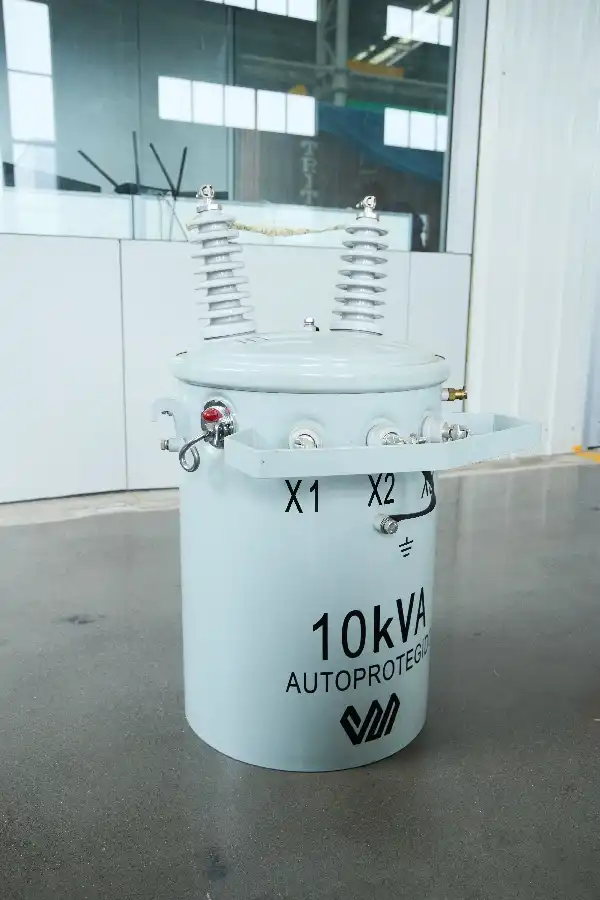
A simple electrical idea is what single-phase transformers work on: alternating current runs through two conductors, making a magnetic field in the core that changes the voltage between the main and secondary windings. Because they are so simple to build, they work great for spread networks that serve neighborhoods, small businesses, and rural areas with modest load demands and short project timelines due to ease of installation.
A more complex idea behind three-phase transformers is that they use three alternating currents that are spaced out 120 degrees apart. This setup provides steady, balanced power with little voltage change, which makes it essential for industrial tasks that need high capacity, steady motor speed, and stable power quality. The three-wire setup also makes it easier to send power over long distances, as it uses less conductor material and loses less energy than single-phase setups of the same type.
The magnetic cores of both types of transformers are made of cold-rolled grain-oriented silicon steel or advanced amorphous metal materials. Silicon steel cores have been shown to be reliable and cost-effective, while amorphous metal cores cut no-load losses by up to 70%, which means that utilities that manage large fleets can save a lot of money on running costs. Different types of windings are used. Single-phase units have easier high-voltage and low-voltage coil arrangements, while three-phase transformers use delta or wye winding links to handle different voltage relationships and grounding needs.
Systems for cooling and insulation are also different. Mineral oil or recyclable ester fluids are used in oil-immersed designs to keep the temperature stable, even when they are under constant load, and for protection. The building of the oil tank has to be able to handle harsh weather conditions, such as heat over 40°C in the desert and salt spray from the coast, which calls for special coatings that don't rust and meet NEMA 4X standards.
Single-phase pole-mounted units can usually handle loads of 15kVA to 167kVA and are used in household areas, farm pumping stations, and telecommunications sites. Most of the time, their main voltage levels range from 8kV to 20kV, and their secondary outputs are normal 120V or 240V. When it comes to industrial plants, mines, and big commercial buildings that need uninterrupted power for heavy machinery, chemical processing, and steel making, three-phase transformers are much more powerful. They can often be over 500kVA and even hit MVA ranges.
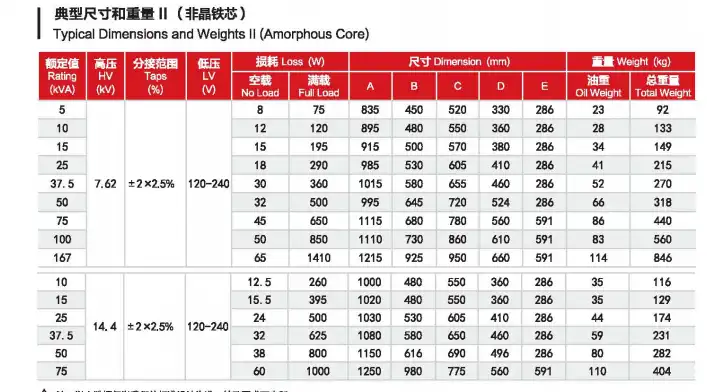
Beyond phase count, these transformers are manufactured differently. In a Single-phase overhead distribution transformer, insulation walls separate high-voltage and low-voltage coils through sandwich or concentric winding designs. This compact layout enables direct pole installation without additional assembly. Transformer windings are more sophisticated in three-phase models. Delta arrangements filter harmonics better, while wye linkages help ground the neutral and manage unbalanced loads.
Vector groups like Dyn11 or Yyn0 define the phase shift between the main and secondary windings. These standards matter for connecting transformers in parallel or to grid equipment. Incorrectly matched vector groups generate flowing currents, inefficiency, and equipment damage.
No-load magnetic core losses and winding load losses are measured while assessing energy efficiency. Three-phase transformers operate better when loads are matched because power transmission is constant across all phases. This reduces core losses and magnetic flux changes. Single-phase units have larger flux variability, increasing no-load losses. New designs with flexible cores reduce this discrepancy.
Different approaches are utilized for thermal control. The consistent heat distribution of three-phase converters allows natural oil to cool things down predictably, while the Single-phase overhead distribution transformer functions in severe temperatures with low thermal mass. In outdoor settings exposed to the elements, temperature rise ratings—usually 65°C over 30°C ambient—are crucial for proper operation.
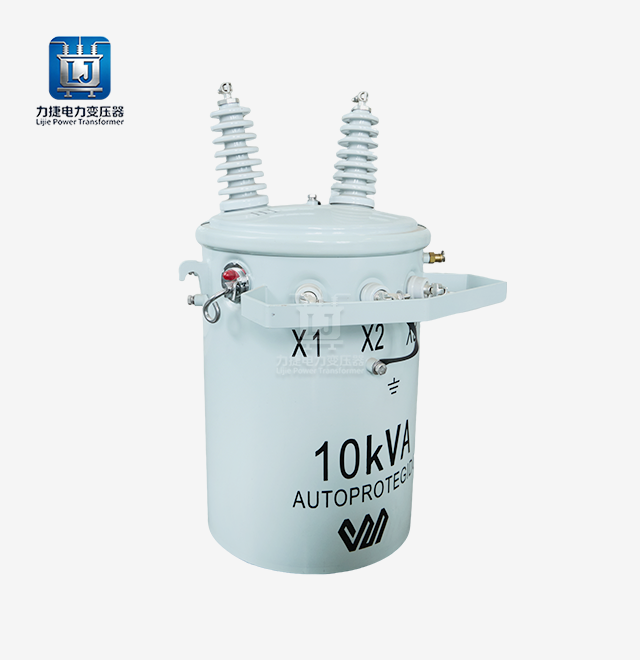
You don't require civil engineers to install a single-phase overhead distribution transformer on utility poles. Installing this equipment is cheaper than pad-mounted or substation equipment. Within hours, we can assemble, lift, and power these units. This makes them ideal for emergency repairs, short-term power supply, and rural electrification programs that don't need much infrastructure. The equipment is portable and may be relocated when the network is changed or demand rises.
Three-phase transformers require stronger supports and coverings at substations or on concrete pads. Maintenance is more challenging as windings become more complex and insulation systems are challenged at greater voltages. Regular oil sampling, dissolved gas analysis, and winding resistance measurements ensure long-term reliability, particularly for units in corrosive coastal environments or warm, humid climates.
The purchase price is just part of the ownership cost. A Single-phase overhead distribution transformer costs 30% to 50% less than three-phase ones, but they may need to be put together to manage expanding loads. Three-phase equipment offers greater power per installation point, using less space and simplifying the network layout.
Different energy uses must be considered when calculating lifespan costs. A 50kVA single-phase transformer with 1% losses and 8,760 hours at $0.10/kWh loses $438 annually. Upgrade to a flexible core type that decreases losses to 0.3%, saves $306 a year, and pays for itself in 5–7 years. Three-phase transformers that service industrial loads with greater utilization factors increase these savings. This makes efficiency investments interesting for green energy and continuous production operations.
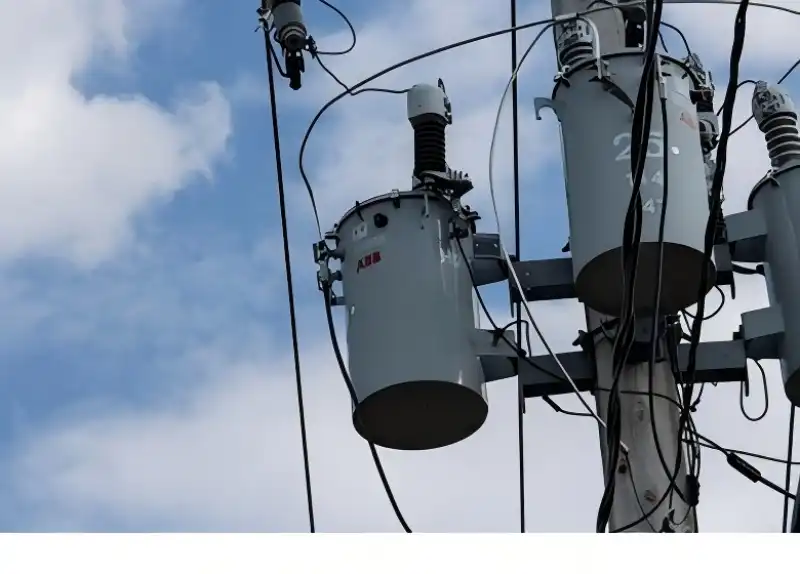
Single-phase pole-mounted transformers work great in private areas, remote mountain areas, and suburban projects where loads rarely go over 200 amps. Because they are easy to place, utilities can put transformers close to where power is used. This cuts down on the length of low-voltage lines and the problems that come with them. This closeness makes the power better, cuts down on line losses, and makes the service more reliable by limiting problems to smaller parts of the network.
Electrifying railways has the same benefits. Stations, signal systems, and repair facilities that are spread out over long distances need power sources that can be set up quickly and don't require a lot of site planning. The Single-phase overhead distribution transformer, with a 15–167kVA capacity range, is perfect for these applications, and its standard design makes spare parts replacement and inventory management much easier.
Three-phase transformers are used a lot in steel mills, chemical plants, mines, and big manufacturing facilities because they give balanced power, which keeps motors from vibrating, extends the life of equipment, and keeps process control accurate. Rectifier transformers that provide DC power for electroplating, melting metal, and making batteries need a three-phase input to keep harmonic distortion to a minimum and boost the power factor.
Electric arc furnace transformers are used in specific situations that need very high short-circuit strength and the ability to change taps quickly to handle changing loads during steel production. Forced cooling systems and special winding designs that are best for thermal cycling and mechanical stress resistance are often built into these units.
Pad-mounted three-phase transformers are being used more and more in solar farms and wind power plants to raise the voltage from generators to transmission levels. Prefabricated substations that include transformers, switches, and protection systems speed up project timelines and make sure that grid rules for voltage regulation, reactive power compensation, and fault ride-through capability are followed.
Balance charge-discharge cycling, harmonic filtering, and two-way power flow are all difficult tasks for people who build energy storage systems, especially when integrating a Single-phase overhead distribution transformer into containerized battery applications. Dry transformers with VPI (vacuum pressure impregnation) insulation are better for fire safety in these setups, but they still need to be carefully managed because they don't have as much air flow as outdoor oil-immersed designs.
There's more to choosing a transformer provider than just checking prices. We suggest using the IEEE C57.12.90 and IEC 60076 guidelines to check how well makers can test their products. Important steps for proof include applied and induced voltage tests to make sure the insulation is solid, exact loss measures to back up claims of energy efficiency, and tank leakage tests to make sure the seal stays tight against water damage over decades of use.
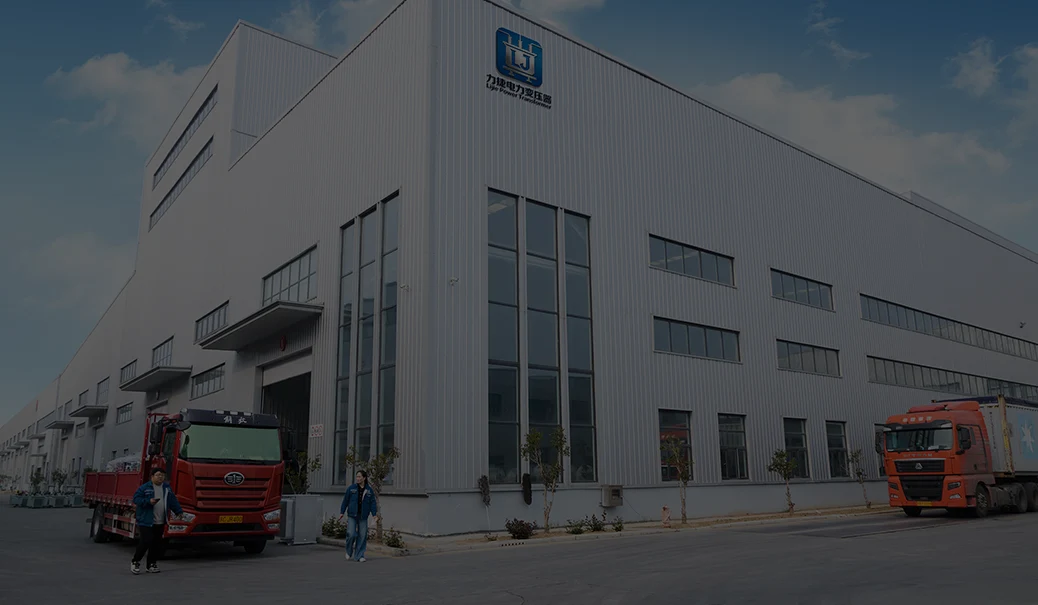
When projects need large deliveries of Single-phase overhead distribution transformers, the size of the factory counts. Suppliers with factories that are bigger than 200,000 square meters and separate production lines for different kinds of transformers can meet tight deadlines without lowering the quality of their work. Certifications like ISO 9001, CE, UL, and IEC approval give you a basic level of confidence, but site audits that check the real production processes, where the materials come from, and the skills of the workers give you even more confidence.
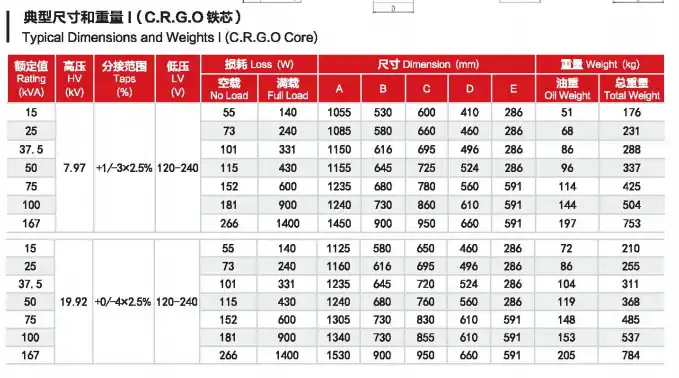
Most popular uses are covered by standard stock items, but infrastructure projects often need custom solutions. Voltage regulation methods, like OLTC (on-load tap changers) that allow real-time voltage control or non-excitation tap changers that are changed during repair outages, have an effect on how flexible an operation can be. Tap ranges like +1/-3x2.5% or +0/-4x2.5% can handle voltage changes in different distribution networks. This keeps service quality high even when loads change throughout the day and throughout the year.
Specifications for impedance voltage affect the size of short-circuit currents, how well protections work together, and how many devices can work in parallel. Higher resistance limits fault currents, which could make safety devices smaller, but it makes it harder to control voltage when loads change. To find a good balance between these trade-offs, suppliers and customers need to work together as engineers. This is especially important for projects with a lot of transformers or that need to connect to existing infrastructure.
International purchasing makes operations more difficult because of longer shipping times, clearing customs, and getting to project areas that are far away. Choosing a reliable supplier of Single-phase overhead distribution transformer products can simplify the process, especially when manufacturers have experience exporting, meeting IEC/CE/UL certification standards, and providing paperwork in multiple languages. Packaging designed for rough transport conditions, such as moisture barriers, shock mounting, and rust protection, also helps prevent damage during transcontinental shipping and delivery on remote dirt roads.
After-sales support is what sets trustworthy partners apart from transactional providers. Help with installation, setup, user training, and quick technical troubleshooting are all parts of comprehensive support. Most warranties last between three and five years, but you can get longer warranties and extra parts for as long as the generator lasts, which shows that the company really cares about its customers' success.
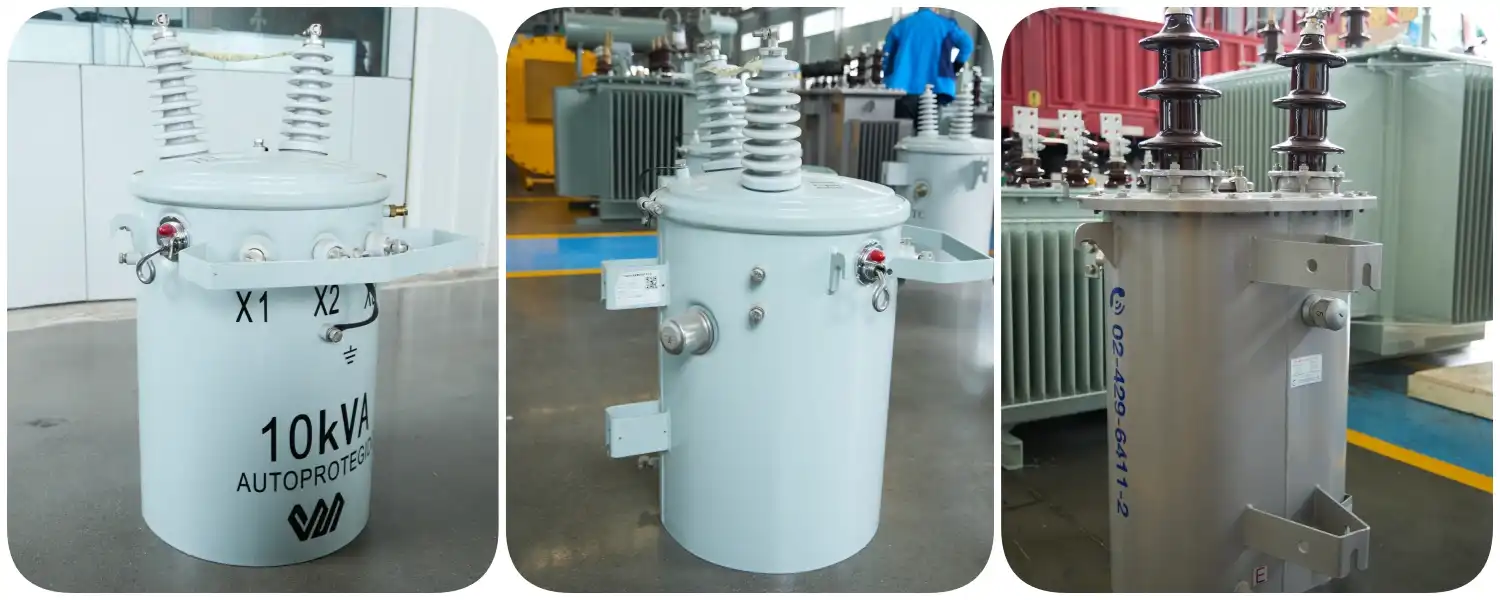
Low-cost single-phase transformers are the key draw. Making manufacturing simpler, utilizing fewer resources, and installing more easily lowers the spread load costs. Building timeframes are reduced since units may be installed on utility poles without excavating or pouring concrete. This is useful in tough terrain or environmentally conscious locations.
Operators of huge rural networks with few experts favor simplicity. Simple maintenance operations include oil samples, visual inspections, electrical readings, easy-to-reach test sites, and simple inspection methods that need little training. To keep consumers powered, broken parts are replaced rapidly, frequently within a work shift.
The industry needs three-phase transformers to balance loads and provide high power. Three identical single-phase transformers are larger and heavier than one three-phase device. This reduces foundation costs and simplifies substation design. Single-phase lights flicker, and motor torque pulsations disappear with a balanced power supply. This improves process and equipment life.
Operations are more efficient with redundancy. Delta-connected windings in a Single-phase overhead distribution transformer function when one phase is open-circuited, but at a lesser capacity. This keeps some electricity flowing when a component fails. Fault tolerance is crucial in continuous-process organizations because unexpected shutdowns cost more than replacing equipment.
Uneven-load single-phase transformers require extensive grounding wires and frequent testing for neutral current issues. Overusing certain phases and underusing others reduces efficiency and accelerates insulation aging via thermal stress. To balance loads, utilities must carefully build the network structure to distribute loads across many units.
Three-phase transformers are difficult to diagnose and repair. Some winding faults may not promptly set off protection relays, causing deteriorating operation and complete failures. Advanced tracking systems that monitor phase currents, winding temperatures, and dissolved gas concentrations may prevent issues, but they cost more and must be maintained.
Choosing energy-efficient core materials is risky and difficult. Amorphous metal cores have low no-load loss but increased magnetostriction, which generates noise, and poorer mechanical strength; they must be fitted carefully. Silicon steel is ideal for high mechanical stress or sound performance.
In the end, picking between single-phase and three-phase transformers comes down to matching the technical specs to the needs of the application, weighing the initial investment against the costs over the product's lifetime, and making sure that the supplier's skills meet the needs of the project. For distributed residential networks, rural electrification, and light commercial loads, the Single-phase overhead distribution transformer offers the most flexibility and value through its pole-mounted design and efficient voltage regulation capabilities. Three-phase designs, on the other hand, provide the power density, efficiency, and reliability needed for heavy infrastructure, renewable energy systems, and industrial manufacturing. A full technical specification, careful seller evaluation, and collaborative engineering support that makes sure the new system works well with current networks and meets changing regulatory standards are all important for a successful procurement.
Single-phase units can run some types of industrial equipment, like control circuits, lighting systems, and small motors with less than 5 HP. Larger machines, on the other hand, need three-phase power because they need constant speed and higher power levels. Some factories use both types on purpose, using three-phase for production tools and single-phase for other systems. This helps them save money while still meeting performance standards.
A regular oil sample that finds moisture ingress and dissolved gases that show insulation decay stops catastrophic failures before they happen. Every year, infrared thermography finds spikes caused by loose links or problems with the winding. Keeping the oil at the right amount, making sure there is enough air flow around the equipment, and using surge arresters to protect it from lightning are all things that can help it last at least 25 to 30 years.
Amorphous cores cut no-load losses by a lot—often by 70% compared to regular silicon steel—which saves a lot of energy over many years. Depending on power rates and how it is used, the premium buying price is usually paid back in five to eight years. Amorphous technology is preferred by utilities that manage big fleets, while silicon steel may be better for single sites because it costs less up front and has been shown to be reliable over time.
To get a generator, you need a partner with both deep scientific knowledge and a track record of producing high-quality products. Lijie Electric has modern factories that cover 500,000 square meters in Xuzhou and Nantong. They make a wide range of products, from 500kV ultra-high-voltage transformers to specialized pole-mounted distribution units. Our qualifications as a Single-phase overhead distribution transformer provider include ISO 9001, CE, and UL certifications. We also follow strict testing methods to make sure that every unit meets IEC standards before it is shipped.
We know that it's hard for procurement managers to keep costs down, make sure deliveries happen on time, and make sure the business performs well in the long run. Our research team works closely with clients to make sure that the voltage levels, capacity grades, and environmental protections are all perfect for each application. Contact us at lijieelectrical@gmail.com to talk about your project needs and get thorough technical ideas. We are committed to making sure that quality comes first in our production process and that we provide responsive after-sales support for as long as your transformer is in use.
1. International Electrotechnical Commission (2011). Power transformers – Part 1: General. IEC 60076-1:2011, Geneva, Switzerland.
2. IEEE Power and Energy Society (2015). IEEE Standard for General Requirements for Liquid-Immersed Distribution, Power, and Regulating Transformers. IEEE C57.12.00-2015, New York, USA.
3. Heathcote, M. J. (2007). The J & P Transformer Book: A Practical Technology of the Power Transformer, 13th Edition. Elsevier Science & Technology, Oxford, United Kingdom.
4. Kulkarni, S. V. and Khaparde, S. A. (2013). Transformer Engineering: Design, Technology, and Diagnostics, 2nd Edition. CRC Press, Boca Raton, Florida.
5. Harlow, J. H. (2012). Electric Power Transformer Engineering, 3rd Edition. CRC Press, Boca Raton, Florida.
6. US Department of Energy (2016). Energy Conservation Standards for Distribution Transformers: Final Rule. Federal Register Volume 81, Number 89, Washington DC, USA.
YOU MAY LIKE
12%20type%2035kV%20distribution%20transformer.webp)
10%20type%20dry-type%20distribution%20transformer.webp)



April 27, 2025
With a tight project schedule, the manufacturer delivered on time, and on-site technical personnel provided guidance throughout the entire installation and commissioning process; the collaboration was highly efficient and hassle-free.
July 2, 2025
During the preliminary phase, a selection plan was custom-tailored based on the actual site load requirements, resulting in a high degree of parameter compatibility. After-sales support responds within two hours, and ongoing technical support for operation and maintenance is comprehensive; we feel completely confident in a long-term partnership.
November 18, 2025
Deployed as a supporting component for a 35kV grid-connection project at a photovoltaic power station, the equipment operates for an average of 16 hours daily. It demonstrates excellent control over no-load losses, ensures smooth power generation and grid integration, and effectively reduces the station's overall energy consumption.
January 30, 2026
Under the continuous, high-load operating conditions of a factory production line, the equipment maintains stable electrical parameters and exhibits strong overload resistance, thereby guaranteeing an uninterrupted power supply for industrial production.
April 3, 2026
Integrated as a supporting component for a new energy photovoltaic grid-connection system, the manufacturer provided professional technical coordination and timely after-sales support, ensuring seamless adaptation to the specific electrical operating conditions required for grid integration.