April 27, 2025
With a tight project schedule, the manufacturer delivered on time, and on-site technical personnel provided guidance throughout the entire installation and commissioning process; the collaboration was highly efficient and hassle-free.
Jul 24, 2026
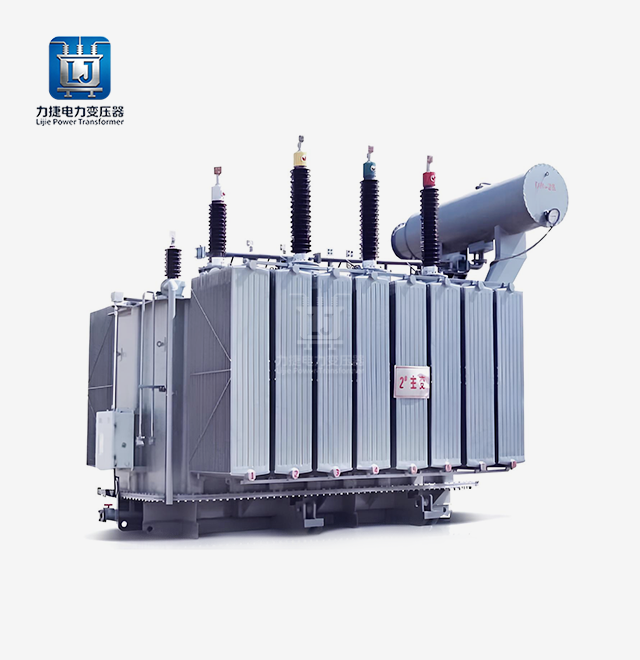
This is a very large power converter called a 6300kVA~120000kVA dual-winding transformer with NVTC. It has two electrically separate windings, a primary and a secondary, which allow it to change voltage while keeping galvanic separation. The NVTC (No-Voltage Tap Changer) mechanism lets you change the voltage ratio even when the transformer is not in use. This gives you stable voltage control without the complicated mechanics of on-load tap changers. This design strikes a good balance between strong construction and easy maintenance. It works perfectly for industrial substations, integrating renewable energy, and utility grid applications that need to be reliable and last a long time.
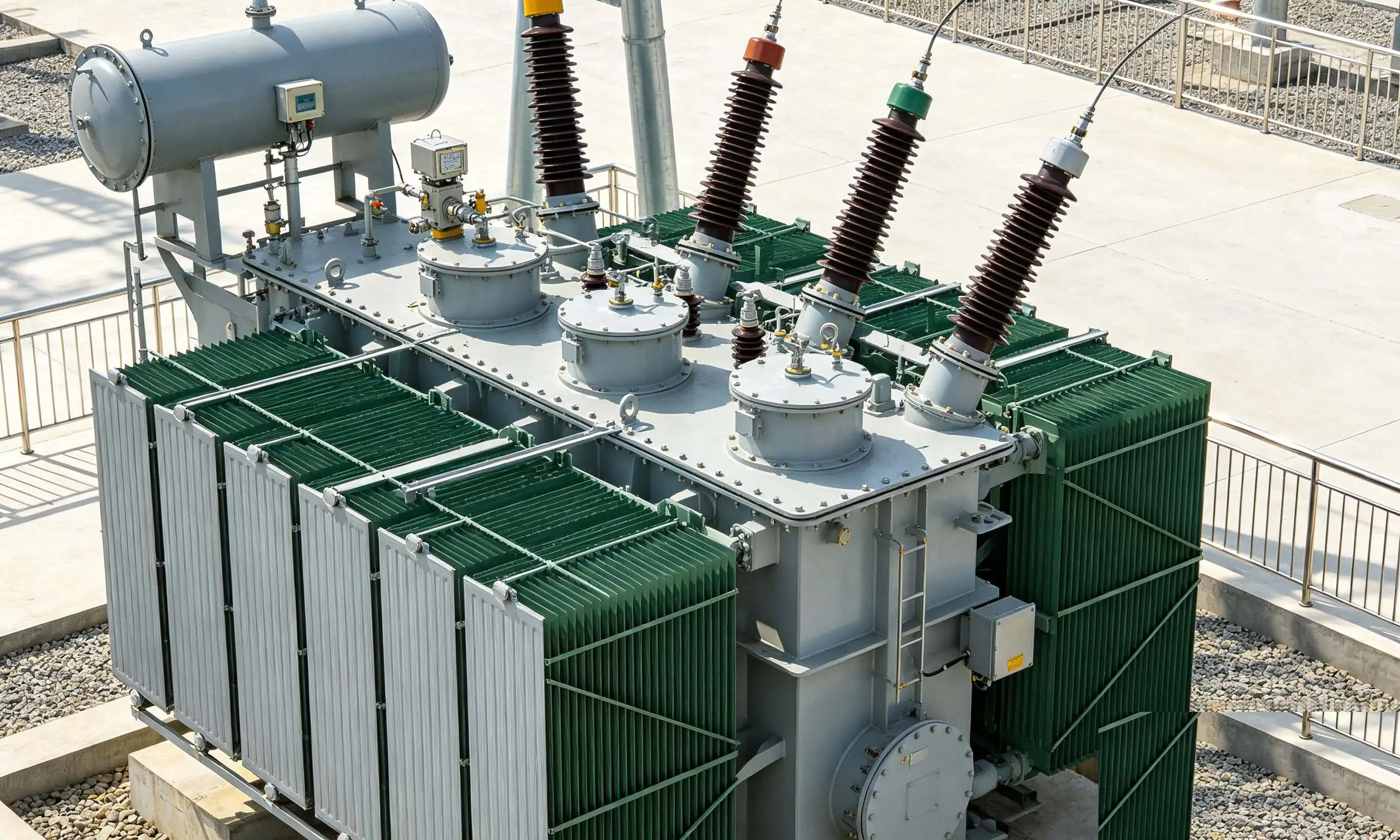
Electromagnetic induction is what every dual-winding power generator is based on. Michael Faraday found this idea in the 1830s. When an alternating current runs through the primary winding, it changes the magnetic flux in the core over time. This changes the voltage in the secondary winding. The voltage ratio is based on how many turns are in each coil. The core of 6300kVA~120000kVA dual-winding transformers with NVTC is made of high-quality cold-rolled grain-oriented silicon steel. This cuts down on eddy current losses and increases magnetic permeability. When big loads are kept in place for a long time, this choice of material directly improves economy and thermal performance.
Toshiba's analysis software and our own calculation programs are used by Lijie Electric's design team to find the best core geometry, winding arrangement, and insulation systems. Every part, from the generator core to the tank, is put through a lot of tests to make sure it will work well for decades.
A tap choice switch changes the number of active turns in one of the windings, which is how the NVTC device changes the voltage. NVTC needs the unit to be de-energised before moving taps, while on-load tap switches work while the transformer is on. This design gets rid of the need for complicated arcing control devices and lowers mechanical wear, which makes the system more reliable and lowers the cost of upkeep.
Voltage regulation usually has a range of ±2.5% or ±5%, which lets the transformer make up for changes in voltage caused by seasonal or regional factors. This is especially helpful in remote substations or green energy plants where the load changes rarely but reliably. The NVTC transformer has high dielectric stability and operational safety throughout its service life, which is usually more than 30 years. This is because it doesn't have any moving contacts when it's loaded.
Transformers between 6300kVA and 120000kVA must be able to handle a lot of mechanical stress when there is a short circuit. The National Transformer Quality Supervision and Inspection Center tested the SSZ11-40000/110 model from Lijie Electric and found that it could withstand short-circuits. This proves that the structure is strong. The windings are made from high-purity copper that doesn't contain any oxygen. Copper is a better conductor of electricity and a better heat dissipator than aluminium.
Cooling systems can be ONAN (Oil Natural Air Natural) or ONAF (Oil Natural Air Forced), based on the size of the room and the weather. The way the transformer is cooled has a direct effect on its ability to handle the heat that is produced by copper losses and core magnetisation. This keeps the transformer running smoothly even when demand is high. Our engineering team creates thermal management systems that keep winding temperatures within safe ranges. This protects insulation materials and extends the life of equipment.
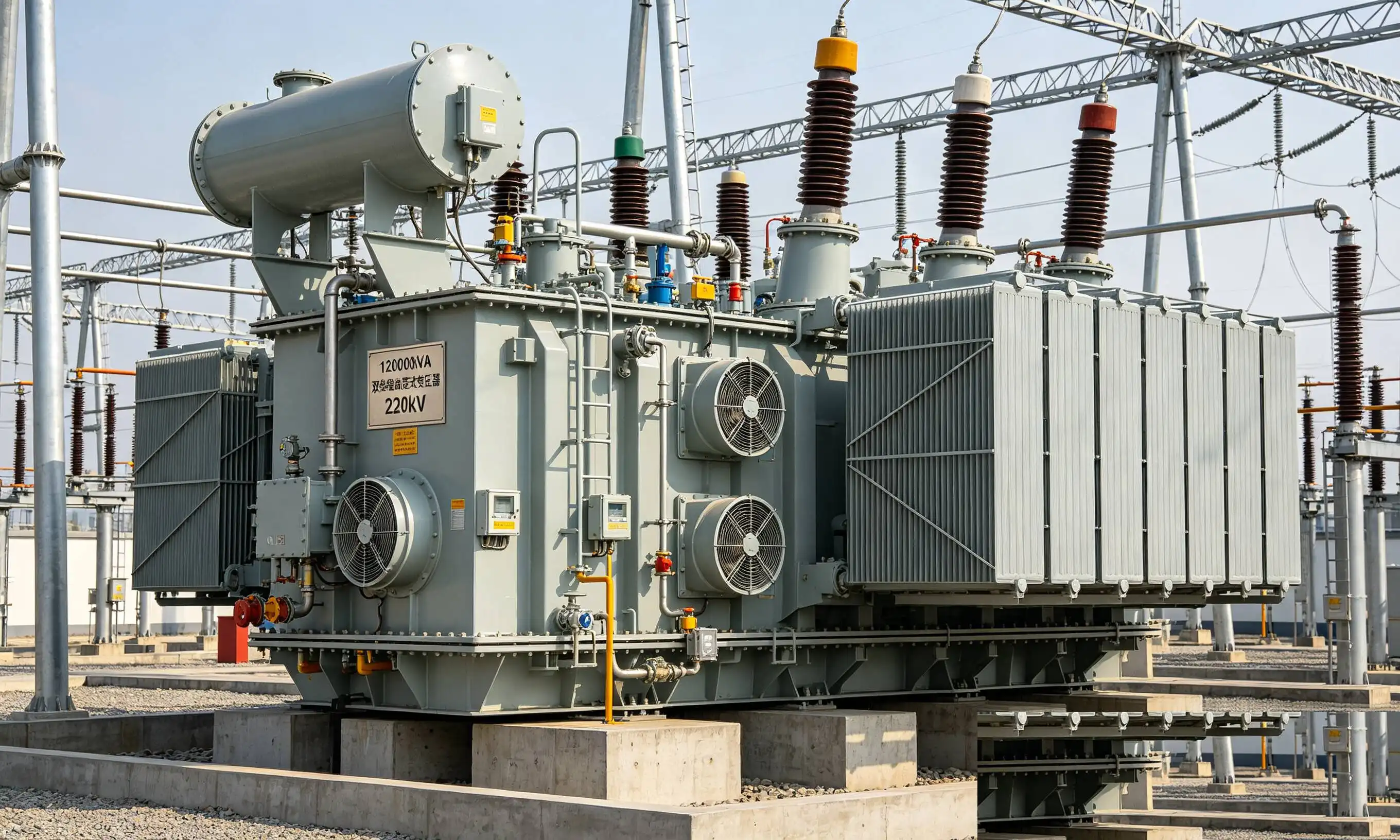
Dual-winding transformers with NVTC have a lot of great features that make large power systems run more smoothly. When compared to on-load tap changers, the simplified method for changing taps lowers both the original capital cost and the ongoing upkeep costs. Electrical isolation between the main and secondary windings improves safety by blocking direct current routes. This is especially important in industrial settings that have strict grounding standards.
Low partial discharge levels, usually below 100pC, from these transformers protect the insulation for a long time. This is especially important in substations that work with voltages of 110kV or 220kV, because dielectric stress can speed up the breakdown of insulation over time. The strong construction also has a high short-circuit impedance, which protects both upstream and downstream equipment when there is a fault.
In many different areas, large-capacity 6300kVA~120000kVA dual-winding transformers with NVTC are used. These units work as step-up transformers in renewable energy installations like solar parks and wind farms, changing the voltage from the generator output to the level needed for the grid to connect. The NVTC feature lets the voltage change with the seasons to fit the conditions of the grid without using pricey on-load switching systems.
These transformers provide power to electric arc furnaces, rectifier systems, and large motors in heavy industrial sites such as steel mills, mines, and chemical plants. Harmonic distortion and sudden overvoltages can't affect sensitive control systems because the dual-winding design separates the electricity. Lijie Electric's products are designed to be stable, cost-effective, and good for the environment. This means that they can be used in power plants, large factories, and petrochemical plants.
Regional utility substations in remote places can benefit from NVTC transformers because they are easier to maintain. Getting rid of complicated on-load tap-changing mechanisms lowers the risk of mechanical failure and increases the time between service visits in places where technical support may be limited. This dependability is important for keeping the grid stable in places where unexpected power blackouts can hurt businesses and communities.
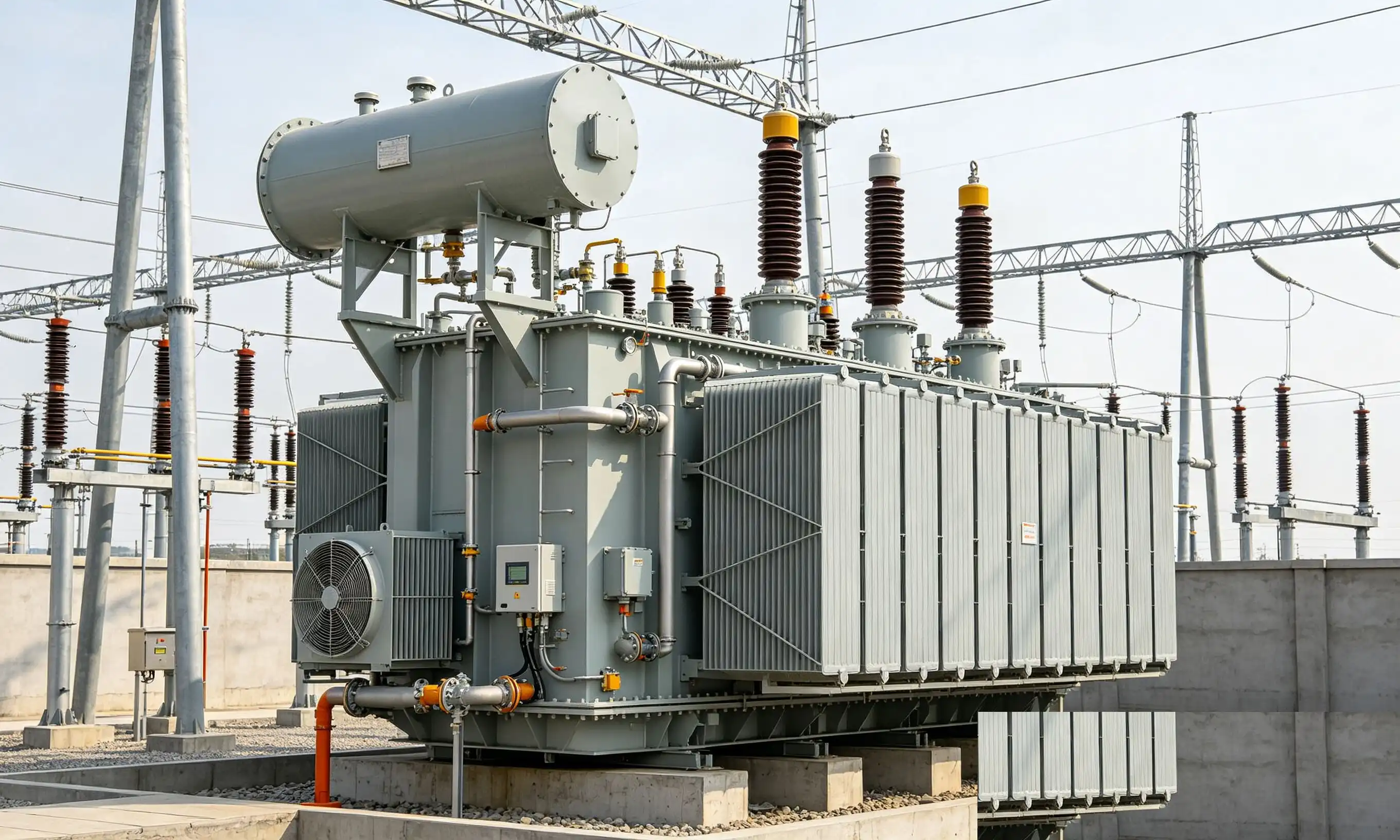
A structured method for checking and regular maintenance is needed to keep 6300kVA~120000kVA dual-winding transformers with NVTC working at their best. Monitoring the quality of the oil using Dissolved Gas Analysis (DGA) is a normal task. DGA finds early signs of overheating, arcing, or insulation breakdown. Through regular thermal imaging surveys, hot spots in connections and windings can be found. This lets problems be fixed before they get worse and cost a lot to fix.
The NVTC device needs to be checked every so often to make sure the contacts are lined up correctly and the insulation is in good shape. Wear rates are much lower than in on-load systems because tap changes only happen when the transformer is not in use. During planned outages, which should happen once a year or every other year, depending on operating conditions, the tap contacts should be visually checked, and their resistance should be measured.
Effective load control increases the life of transformers and lowers the amount of energy they use. When you run the transformer at its rated capacity, you keep the shielding materials from getting too hot and putting too much temperature stress on them. When there isn't much load, voltage control can be used to cut down on no-load losses, which makes the system more efficient overall.
Cooling systems need to be kept up so that heat can escape properly. It is important to keep the radiator fins clean, and cooling fans in ONAF systems should be checked for proper function on a frequent basis. To make sure the cooling system can handle high demand without going over its design temperature limits, the ambient temperature and load patterns should be kept an eye on. These steps keep the insulation from wearing down too quickly and make the transformer last longer.
Knowing the most common signs of a problem helps repair teams fix problems quickly. Unusual noise levels could mean that the core laminations are loose or that the windings are moving. Unusual temperature rises could mean that the cooling system isn't working right or that there is too much load. Oil leaks make insulation less effective, so they should be fixed right away by replacing the seals and inspecting the tank.
The results of the DGA test are very important for diagnosis. High levels of hydrogen or acetylene show arcing or corona discharge. High levels of ethylene and methane show that shielding is breaking down thermally. Immediate analysis and fix can stop small problems from becoming major ones, protecting important infrastructure's ability to keep running.
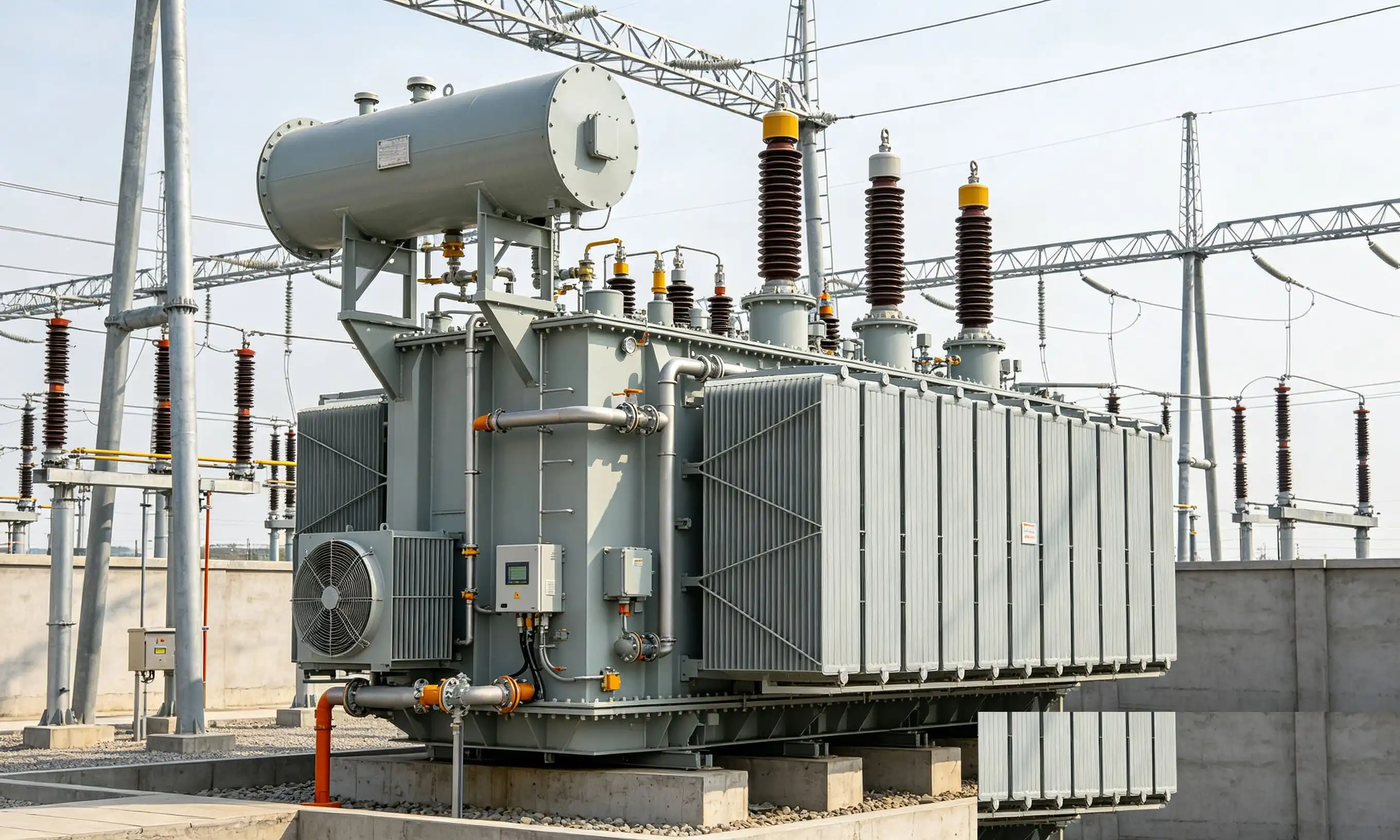
To choose the right 6300kVA~120000kVA dual-winding transformer with NVTC, you must first correctly measure the energy needs and voltage levels. To avoid undersizing, which can cause overheating and early failure, procurement pros must look at both current demand and growth forecasts for the future. The voltage class chosen relies on how the substation is set up and how it needs to link to the grid. Common ratings are 35kV, 110kV, and 220kV.
Tap adjustment range is another important thing to think about. A ±5% range gives you more options for adjusting the voltage, but it may make the transformer bigger and cost more than a ±2×2.5% range. Buyers should talk to design engineers to figure out the best configuration based on how the grid voltage is likely to change and how the system will be used.
The price at which the transformer was bought is important, but the real measure of its value is its total cost of ownership over its useful life. Over many years, both no-load and load energy losses add up and make up a big part of the lifecycle costs. Transformers with lower loss features save you money in the long run, which often makes the higher initial cost worth it.
The total cost is also affected by the need for maintenance. When compared to on-load tap changers, which need to have their mechanical switching parts and arcing contacts serviced regularly, the NVTC system is easier to maintain. Carefully look at warranties and customer service after the sale because they have a direct effect on operational safety and the risk of downtime during the transformer's service life.
In foreign buying, following the rules is a must. Depending on where they are going, transformers must meet IEC 60076, IEEE C57.12.00, or GB/T 6451 standards. For installations in Europe, you need CE certification. For some North American uses, you may need UL approval. Along with CE and UL certifications, Lijie Electric has the ISO 9001:2015 Quality Management System certification. This makes sure that our goods meet world quality standards.
Quality control includes more than just licenses. It also includes factory acceptance testing (FAT) procedures. Full testing, which includes lightning impulse tests, applied voltage tests, temperature rise tests, and short-circuit withstand verification, gives customers confidence in the performance of the product before it is shipped. To make sure that standards are being met, buyers should ask for detailed test reports and, if possible, should be present during testing.
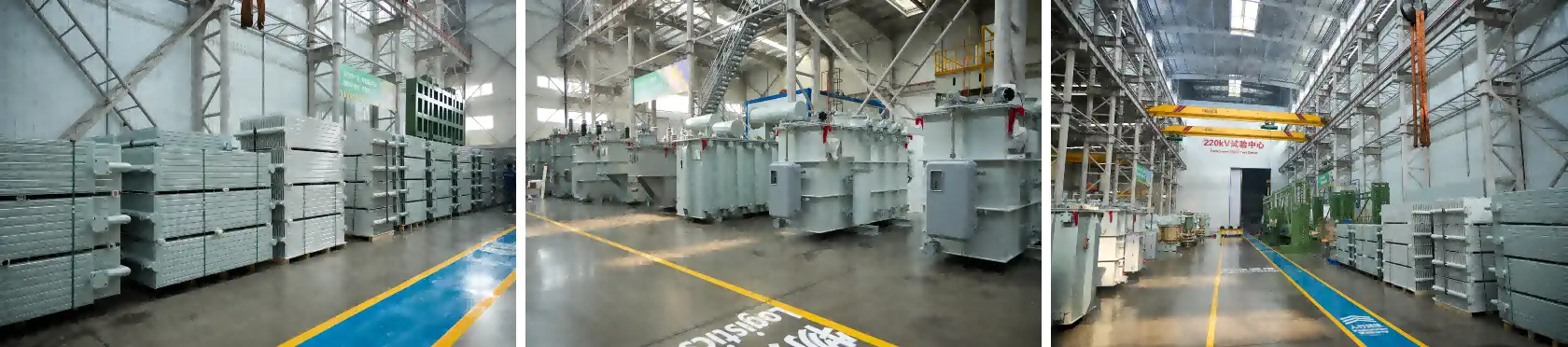
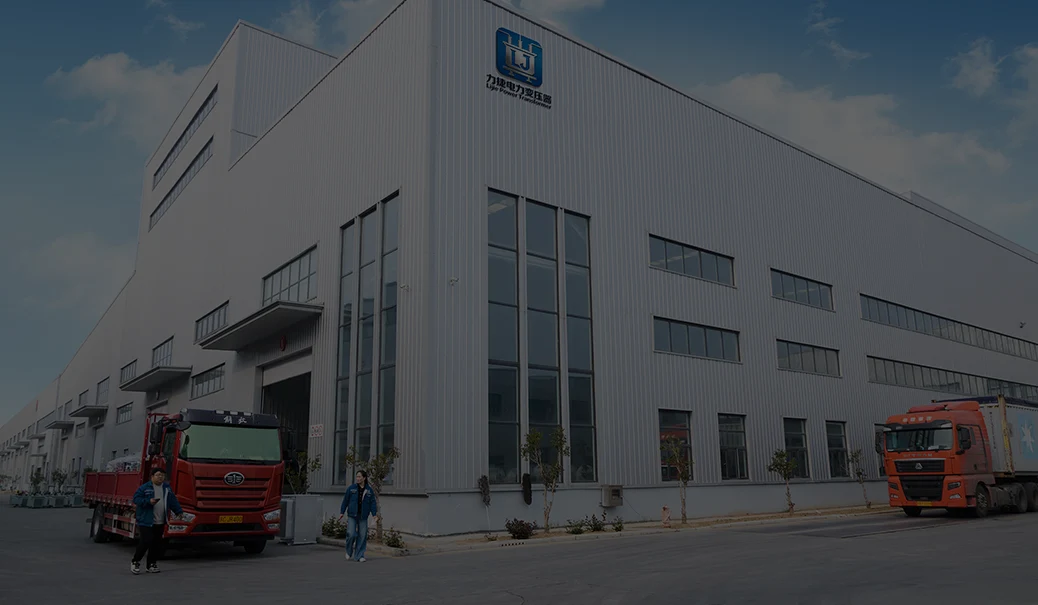
To find a trustworthy 6300kVA~120000kVA dual-winding transformer with NVTC maker, you need to carefully look at their technical skills, production capacity, and past performance. Companies that have been around for a while have research and development departments with the latest modelling tools and testing facilities. Lijie Electric has manufacturing bases in Xuzhou and Nantong that cover 500,000 square meters and employ over 160 engineers with doctoral and master's degrees.
Production capacity is important for big projects that need a lot of units that all need to be the same. Manufacturers whose yearly sales are more than a few billion RMB show that they are financially stable and have the supply chain skills to keep long-term buying deals going. Quality approvals from national testing bodies are another way to be sure that the products are made well.
Technical support and service after the sale are what set reliable suppliers apart from commodity vendors. Responding to engineering help can solve installation problems, improve working factors, and fix performance problems. To lower the risk of downtime, manufacturers should provide maintenance staff with training programs, detailed documentation, and access to spare parts.
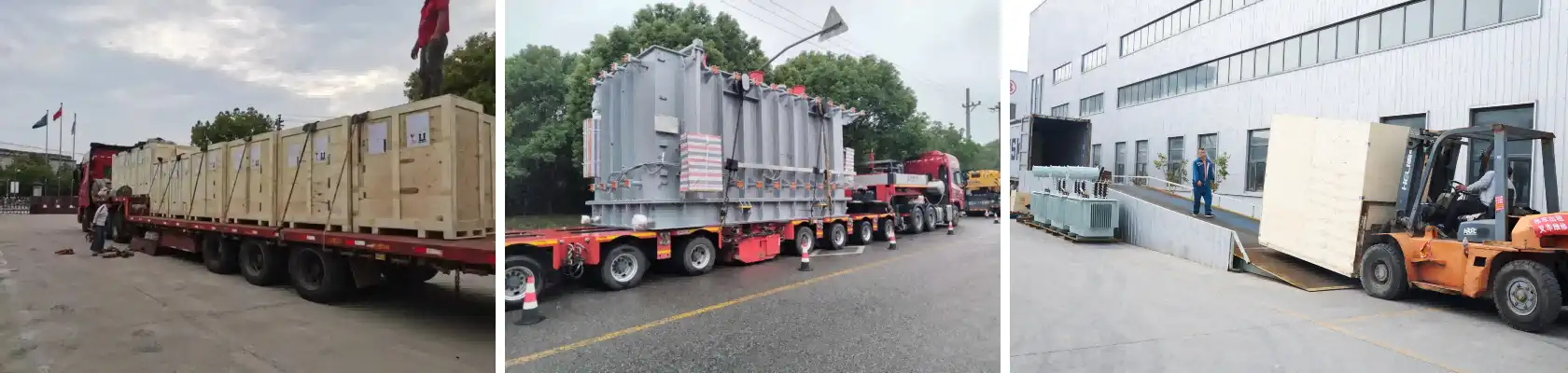
Global service networks make it possible for overseas projects to get help on time. Lijie Electric's products are sold in more than 20 Asian, African, and Oceania countries, with the help of partnerships with local service providers. This geographic reach makes sure that procurement workers can get expert help no matter where the project is located. This lowers the operating risks that come with putting tools in remote areas.
For high-capacity power distribution tasks, 6300kVA~120000kVA dual-winding transformers with NVTC in the 6300kVA to 120000kVA capacity range have been shown to work well. The electromagnetic induction principle and no-voltage tap changing work together to keep the voltage stable without the need for complicated on-load mechanisms. When a long life and little upkeep are important, these transformers work great in utility uses, industrial substations, and places that use green energy. To choose the right unit, you need to carefully look at its capacity, efficiency, level of compliance with regulations, and the supplier's abilities to make sure it works well for decades.
NVTC says that the transformer has to be turned off before the voltage ratio can be changed. This gets rid of mechanical parts that could cause arcing and makes maintenance easier. On-load tap changers let you change the voltage while they're working, but they have more complex switching mechanisms that need more maintenance. NVTC is better in situations where voltage changes don't happen often and planned power blackouts are okay.
When you cold-roll high-grade grain-oriented silicon steel, it reduces eddy current losses and increases magnetic permeability, which directly boosts no-load efficiency. The quality of the core material affects both how much energy is used and how much heat is produced. This has an effect on the total cost of running the transformer and its lifespan. Premium core materials are worth the extra money because they save energy over many years of use.
Structure analysis and specialised testing at approved labs are used to confirm a device's ability to withstand a short circuit. In tests, the transformer is put through mechanical forces that are the same as those of a serious fault. This makes sure that the windings, core clamps, and support structures stay in good shape. The goods made by Lijie Electric pass these strict tests that are done by national testing bodies.
Lijie Electric makes 6300kVA~120000kVA dual-winding transformers with NVTC that meet the strict needs of current power systems by combining great engineering with large-scale production. The National Transformer Quality Supervision and Inspection Center puts our products through a lot of tests to make sure they meet IEC, IEEE, and GB standards. With more than 5 billion RMB in yearly sales and customers on six continents, we have the production capacity and technical know-how to handle large-scale buying projects. Email our team at lijieelectrical@gmail.com to talk about your specific needs and get a full technical proposal. As a top transformer manufacturer, we offer low prices, a wide range of customisation choices, and reliable help after the sale to make sure your project goes well.
1. International Electrotechnical Commission, "Power Transformers – Part 1: General," IEC 60076-1, 2011.
2. IEEE Power and Energy Society, "IEEE Standard General Requirements for Liquid-Immersed Distribution, Power, and Regulating Transformers," IEEE C57.12.00, 2015.
3. National Standardization Administration of China, "Power Transformers – Part 2: Temperature Rise," GB/T 6451-2015, 2015.
4. Harlow, J.H., "Electric Power Transformer Engineering," CRC Press, 2017.
5. Heathcote, M.J., "The J&P Transformer Book: A Practical Technology of the Power Transformer," Elsevier, 2007.
6. Kulkarni, S.V. and Khaparde, S.A., "Transformer Engineering: Design, Technology, and Diagnostics," CRC Press, 2013.
YOU MAY LIKE
H15%20Amorphous%20Alloy%20Distribution%20Transformer.webp)
12%20type%20epoxy%20resin%20cast%20transformer.webp)
18%20type%20dry-type%20distribution%20transformer.webp)
12%20Series%20Dry%20Type%20Transformer.webp)


April 27, 2025
With a tight project schedule, the manufacturer delivered on time, and on-site technical personnel provided guidance throughout the entire installation and commissioning process; the collaboration was highly efficient and hassle-free.
July 2, 2025
During the preliminary phase, a selection plan was custom-tailored based on the actual site load requirements, resulting in a high degree of parameter compatibility. After-sales support responds within two hours, and ongoing technical support for operation and maintenance is comprehensive; we feel completely confident in a long-term partnership.
November 18, 2025
Deployed as a supporting component for a 35kV grid-connection project at a photovoltaic power station, the equipment operates for an average of 16 hours daily. It demonstrates excellent control over no-load losses, ensures smooth power generation and grid integration, and effectively reduces the station's overall energy consumption.
January 30, 2026
Under the continuous, high-load operating conditions of a factory production line, the equipment maintains stable electrical parameters and exhibits strong overload resistance, thereby guaranteeing an uninterrupted power supply for industrial production.
April 3, 2026
Integrated as a supporting component for a new energy photovoltaic grid-connection system, the manufacturer provided professional technical coordination and timely after-sales support, ensuring seamless adaptation to the specific electrical operating conditions required for grid integration.