April 27, 2025
With a tight project schedule, the manufacturer delivered on time, and on-site technical personnel provided guidance throughout the entire installation and commissioning process; the collaboration was highly efficient and hassle-free.
Aug 7, 2026
When infrastructure projects demand reliability and performance, partnering with an advanced High Voltage Transformer Supplier becomes paramount. These specialized manufacturers engineer, produce, and deliver electromagnetic induction devices capable of stepping up or stepping down voltage levels from 35kV to beyond 1100kV. They solve critical challenges such as minimizing transmission losses across extensive distances, stabilizing grid operations through reactive power compensation, and preventing equipment failure caused by insulation breakdown. A trusted supplier ensures that electricity flows safely and efficiently from generation points to distribution networks, meeting rigorous regulatory standards while supporting utilities, renewable energy systems, and industrial power applications.
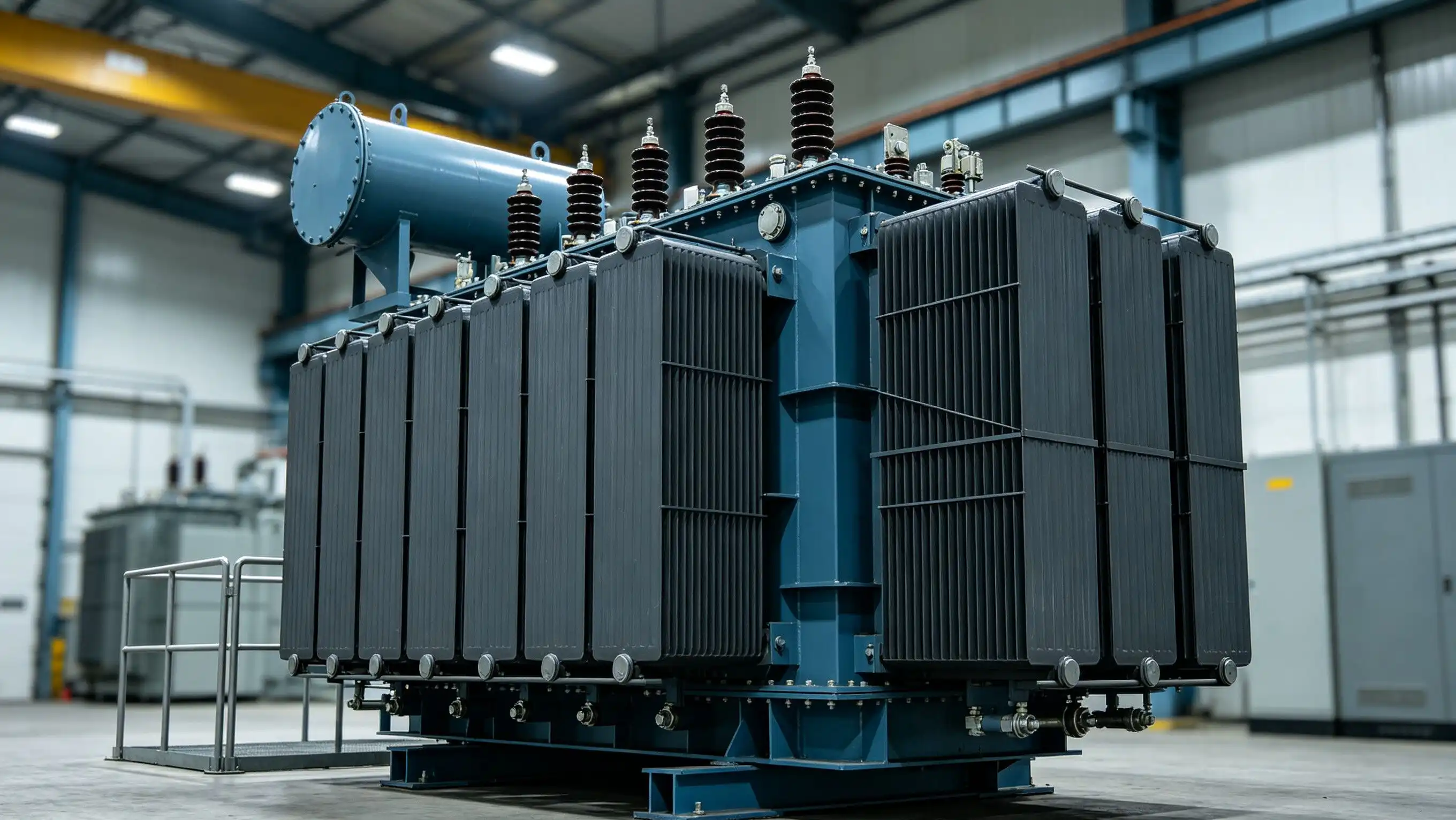
High voltage transformers are an important part of large-scale electrical infrastructure because they keep the grid stable and deliver power efficiently. These devices are very important for controlling voltage. They make sure that the electricity made at power plants gets to substations and end users at the right voltage level. Understanding how they work helps buying pros make choices that are in line with the needs of the project.
It is electromagnetic induction that makes high-voltage transformers work. They move electricity between circuits and change voltage levels. Step-up transformers raise the voltage for long-distance transmission, which lowers the current and keeps transmission line resistive losses to a minimum. At substations, step-down transformers lower the voltage. This makes the electricity safe for industrial uses and distribution networks. This two-in-one feature makes power supply work well across national grids and area utilities.
For different building projects, different transformer types are needed. Autotransformers are cheap ways to change the voltage in places where electrical separation isn't important, like when two grids are connected. Oil-immersed transformers are great for applications that need to handle voltages higher than 220kV because they are better at cooling and insulating. Since dry-type transformers don't use shielding oil, they are safe for use in places that use green energy and in cities with strict safety rules for substations. Electric furnace transformers and rectifier transformers are used in heavy industry to provide the exact voltage characteristics needed for making steel and chemicals.
Modern transformer designs reduce both no-load and load losses, which directly affects the long-term operating costs of transformer systems. A professional High Voltage Transformer Supplier can provide advanced transformer technologies that improve energy efficiency, enhance reliability, and support sustainable power infrastructure development. Compared with traditional silicon steel cores, amorphous alloy core materials can reduce no-load losses by up to 70%, helping customers achieve energy-saving targets and comply with increasingly strict regulatory requirements. An experienced High Voltage Transformer Supplier offers high-performance transformer solutions with optimized core materials, advanced cooling systems, and durable insulation technologies to maintain stable operation under demanding conditions. Improved cooling systems help equipment maintain ideal operating temperatures for longer periods, while strong insulation materials provide excellent resistance against thermal and electrical stresses. By choosing a reliable High Voltage Transformer Supplier, utilities and industrial users can benefit from lower total lifecycle costs, predictable performance, and improved asset management. A trusted High Voltage Transformer Supplier supports long-term infrastructure investments by delivering efficient, durable, and dependable transformer solutions that meet the evolving needs of modern power networks. Selecting the right High Voltage Transformer Supplier ensures greater operational efficiency, sustainability, and reliability throughout the transformer’s service life.
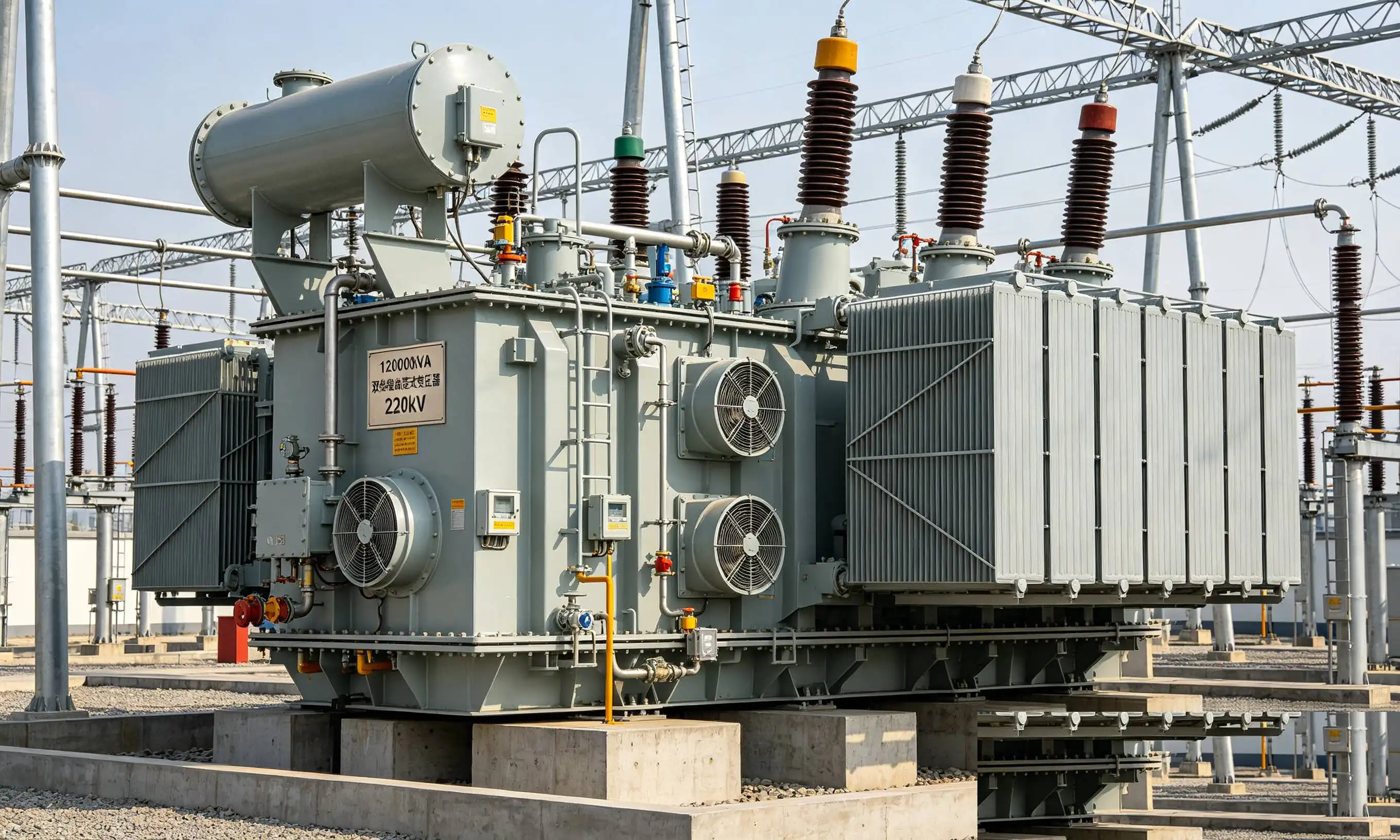
When choosing a source, you have to look at a lot of factors that directly affect the success of the job. Along with product requirements, procurement managers must also look at the company's ability to manufacture, its compliance with certifications, and its service infrastructure to make sure the project runs smoothly.
To make sure they can work with each other and are safe, transformers used in global projects must meet IEC, IEEE, and ISO standards. The IEC 60076 series of standards spells out how power transformers should work and how they should be tested. The IEEE standards, on the other hand, cover specific North American market application scenarios. Getting ISO 9001 certification shows that a supplier is dedicated to quality management systems, which makes sure that production processes are always the same. For products to be sold in Europe, they need to be marked with CE, and UL approval proves that they meet North American safety standards. Suppliers whose products have been tested by recognised labs like the National Transformer Quality Supervision and Inspection Center can be sure that they are following the rules.
For big projects, you need High Voltage Transformer Suppliers with a lot of production ability and technical flexibility. If the annual output is more than a few thousand units, it means that large orders can be handled without affecting delivery times. Different types of products are made in factories that cover hundreds of thousands of square meters and can hold everything from 500kV ultra-high voltage transformers to small 35kV distribution units. Customisation lets providers change the way windings are set up, how cooling systems work, and how protection features work to fit the needs of each place. This flexibility is very helpful when adding transformers to farms that use green energy or fixing up old substations that don't have enough capacity.
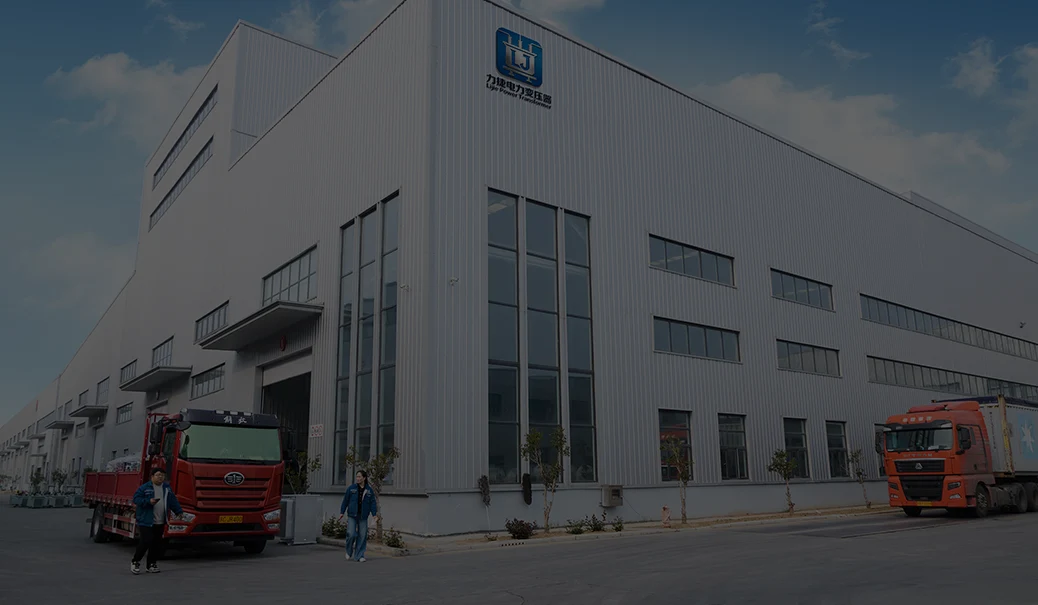
Lijie Electric has two main factories in Xuzhou and Nantong. Together they cover 500,000 square meters and have more than 2,000 workers. The company has strong research and development skills that can support requests for customisation, with more than 160 engineers having advanced degrees. Over 5 billion RMB in annual sales show that the company is big enough to reliably serve national grid companies and international EPC contractors.
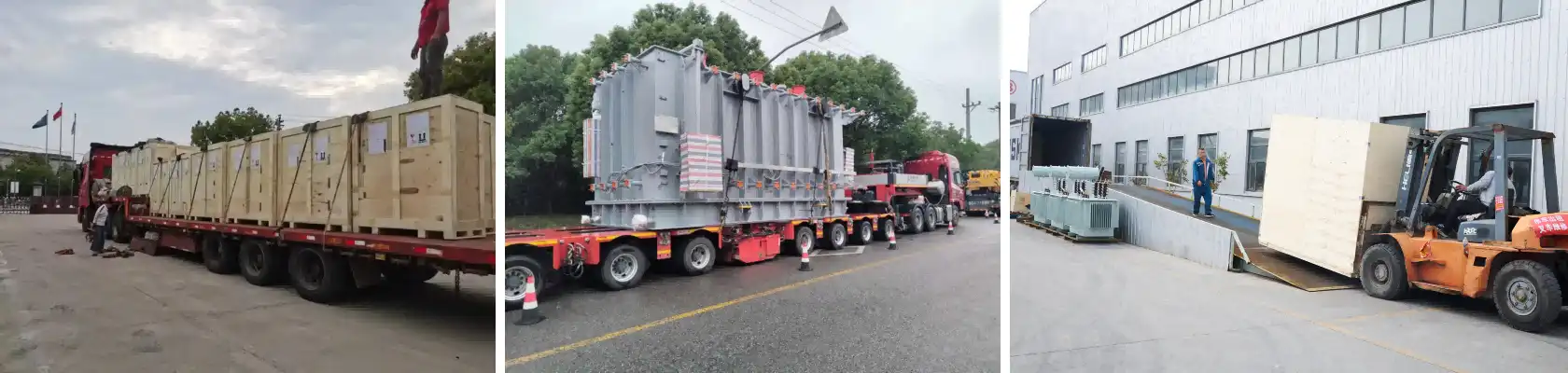
Delivery times have a direct effect on project schedules, so the logistics infrastructure of the supplier is an important factor in judging them. Suppliers who have been exporting for a while know how to quickly and easily handle customs processes and organise shipping for large items. Project managers can schedule the delivery of transformers to work with the time it takes to prepare the site and install them when lead times are clear. Full support after the sale includes help with setting up the machine, training for operators, and quick expert help when problems arise during use. Long-term warranties that cover production flaws show that you trust the product and protect your finances in case it breaks down unexpectedly.
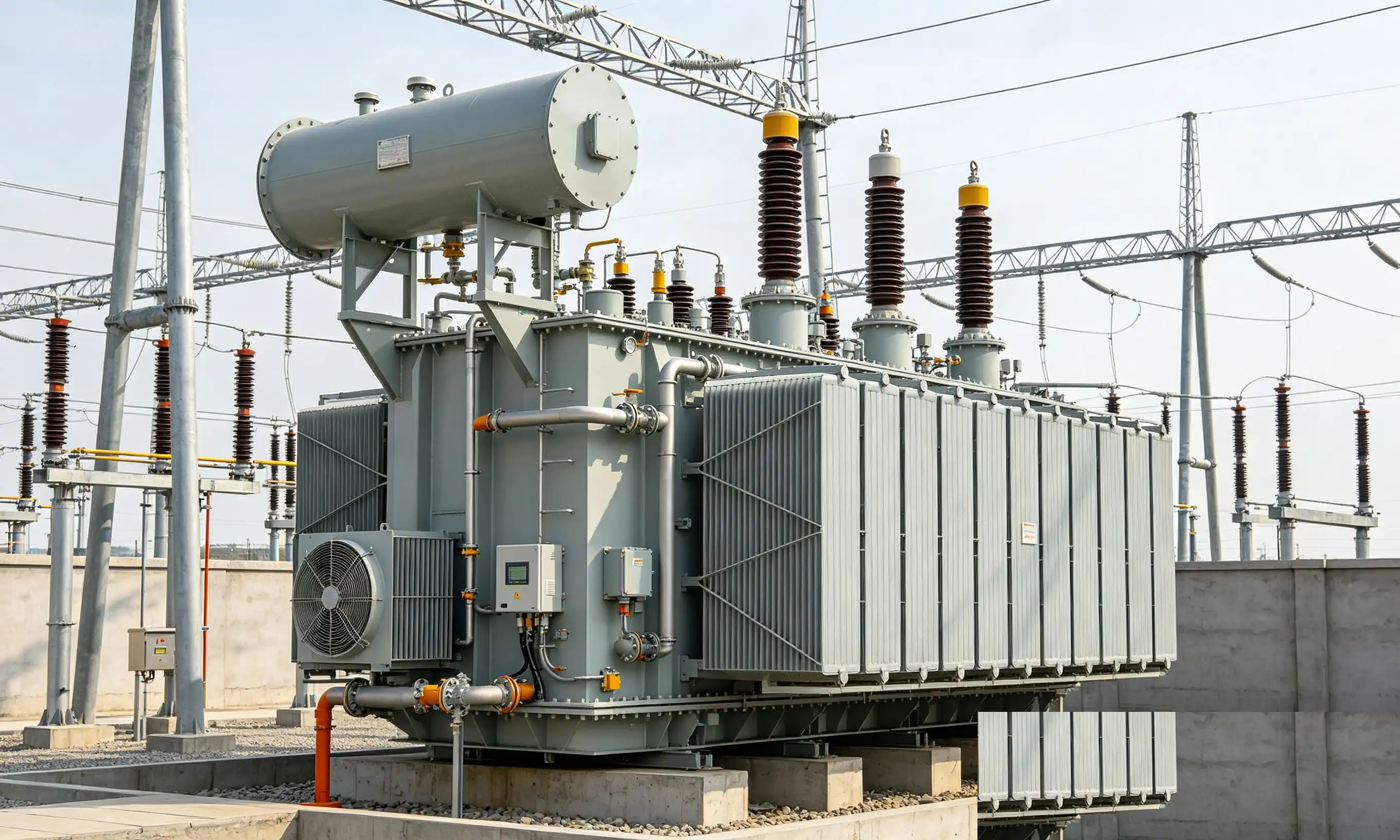
Some new technologies have been added to modern transformers that make them safer, require less maintenance, and last longer. Knowing about these features helps engineers choose tools that can keep up with changing needs in the grid.
Insulation systems determine how much electricity can be handled and how long they will last. Cross-linked polyethylene and epoxy resin insulation have great dielectric properties and thermal stability, which is very important for dry-type transformers that are used in harsh environments. Oil-immersed designs use refined mineral oil or synthetic ester fluids, which are safer for the environment and work better at cooling. Modern cooling methods, like forced oil circulation with guided flow, make it easier for heat to escape, which lets transformers work at higher loads without going over their temperature limits. These new technologies make it possible for designs to be small, which means that installations take up less space while still providing good heat performance.
Surge arresters keep transformers safe from overvoltage events that can happen when lightning hits or when switching is done. This keeps shielding from breaking down and equipment from getting damaged. By watching for gas buildup, Buchholz relays can find early signs of problems in oil-immersed transformers, allowing early action before major failures happen. Differential protection relays compare the current going into and out of the transformer. This quickly finds faults and stops them from spreading to other parts of the grid. These integrated protection systems meet international safety standards and keep downtime to a minimum, meeting the needs of industry and utility users who need high uptime.
Dissolved Gas Analysis checks the amount of gas in transformer oil to find developing faults using chemical markers long before they show any visible symptoms. Monitoring for partial discharge finds insulation breakdown in real time, which lets maintenance teams plan fixes ahead of time. Thermographic checks show hot spots that mean connections are loose or the cooling system isn't working as well as it should. Using these monitoring tools can increase the life of a generator from 20 to 30 years, which increases the return on investment and delays the need to buy new equipment. Suppliers with training programs make sure that workers can use these technologies correctly, which integrates predictive repair into the way facilities are managed.
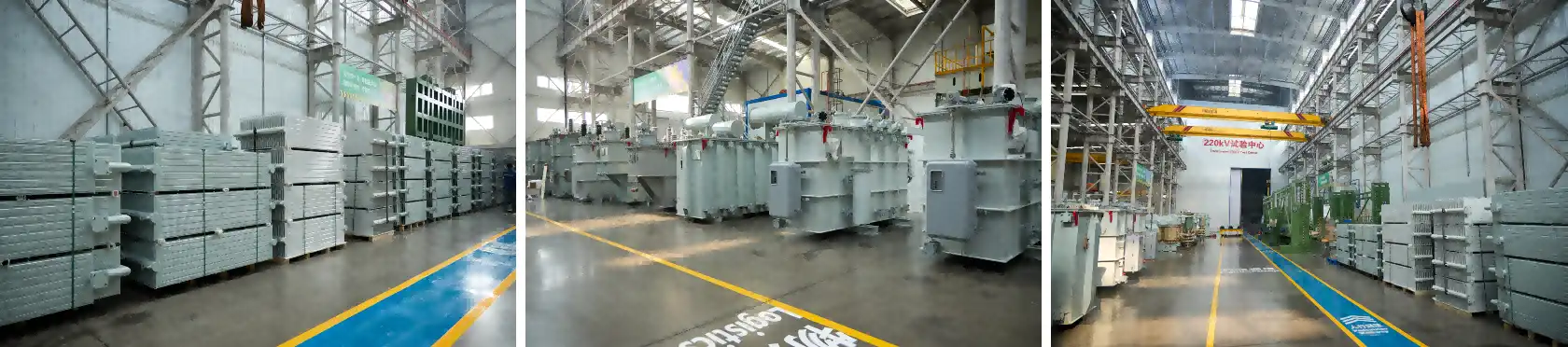
Structured approaches to procurement lower risk and improve project results. Clear specification development and thorough evaluation of a High Voltage Transformer Supplier lay the groundwork for long-term partnerships that work well.
The first step in the procurement process is to define the technical needs that are in line with the practical goals. The grid conditions and load profiles must be taken into account when setting voltage levels, capacity ratings, impedance values, and efficiency goals. Things in the environment, like height, temperature, and the frequency of earthquakes, affect the design parameters and materials chosen. Including design schools and electrical experts in the process of creating specifications makes sure that the needs are technically sound and can be met in the real world. Specifications that are very detailed help providers give accurate quotes and lower the chance of having to make expensive changes during production.
Sending Request for Quotations to several providers encourages competitive prices and shows gaps in capabilities. Technical compliance, cost structure, delivery schedules, and service commitments should all be taken into account when judging. Quality control and manufacturing standards are checked by factory audits, which gives customers confidence in the consistency of production. Checking references with current clients can give you an idea of how reliable a supplier will be during the project's completion. Clear review methods that are in line with the organization's buying rules help make decisions that can be defended and hold stakeholders accountable.
Clear contractual terms spell out what both parties can expect in terms of performance promises, testing procedures, payment plans, and liability rules. Buyers are protected by milestone-based payments that are linked to manufacturing progress and plant acceptance testing. These payments also help suppliers get cash flow. Regular communication during production lets people know about possible delays early, so they can be fixed before they affect the critical path. To avoid disagreements, support terms after delivery should be clearly spelt out. These should include setup, training, and guarantee service. These contractual protections encourage suppliers to work together on projects by promoting openness and a common goal of success.
Applications in the real world show how modern transformer technologies can be used to solve difficult building problems. Looking at these cases can help procurement workers who are reviewing supplier partnerships.
In the northeastern United States, a regional utility updated its transmission network by adding 220kV transformers to a number of substations. The project needed 50 units to be delivered over 18 months, which required a lot of manufacturing power and careful planning of logistics. The chosen supplier came up with custom designs that worked with limited room at urban areas and met strict noise rules. Help with commissioning made sure that the transformers worked well with the existing safety systems, and they have been reliable for over five years with little upkeep. This result shows how important it is to choose a High Voltage Transformer Supplier based on their capacity, ability to customise, and dedication to service.
Adding renewable energy poses special problems that can be solved with creative transformation ideas. A Texas company that was building a wind farm needed prefabricated substations with dry-type transformers that could handle different power patterns. The High Voltage Transformer Supplier designed small units with advanced cooling systems that cut the time it takes to install by 40% compared to normal substation building. These transformers have been able to handle changing loads while keeping their efficiency above 98%, which helped the developer meet their sustainability goals and regulatory requirements.
Smart grid projects increase the need for transformers that can be monitored digitally. Modern units have sensors built in that send real-time information about temperature, load, and oil quality to centralised control systems. This lets maintenance be planned ahead of time and assets be used most efficiently. Integrating the Internet of Things lets power companies control transformer fleets from afar, which lowers costs and makes the grid more reliable. Next-generation materials, like high-temperature superconductors, could make things even more efficient, but they are still not ready to be used in real life.
Sustainability factors affect both the design of transformers and the choices about where to buy them. Biodegradable insulator fluids made from natural esters lower the damage that oil leaks do to the environment, which makes them appealing to utilities that work in areas that are good for the environment. Manufacturers who follow the principles of the circular economy make transformers that are easier to recycle at the end of their useful lives. This helps recover valuable copper and steel while reducing trash. These trends are in line with companies' promises to sustainability and changing rules, making forward-thinking sellers the best partners for companies that care about the environment.
To choose an advanced transformer provider, you need to look at their technical skills, the size of their manufacturing operations, their ability to meet approval requirements, and their service infrastructure. Knowing about transformer technologies and the best ways to buy things gives decision-makers the power to make the best use of building assets while lowering operating risks. As grid modernisation speeds up and more renewable energy is used, strategic partnerships between High Voltage Transformer Suppliers become very valuable. Companies that focus on building long-term partnerships with reliable manufacturers are better able to take advantage of new technologies while keeping their operations running smoothly. The transformer market is always changing, which is good for buyers who come in with well-informed, planned views that are in line with their company's goals and the latest industry trends.
Work with electricity experts and design firms to look into installation areas' load needs, voltage levels, and environmental conditions. Think about how much capacity you will need in the future so you don't have to buy new equipment too soon. Ask the High Voltage Transformer Supplier for expert advice to make sure that the specs match the manufacturing standards and to look for ways to improve things.
Take regular samples of the oil to analyse the dissolved gases, keep an eye on the loading patterns to make sure there aren't any long-term overloads, and do yearly thermographic checks. Maintain the parts of the cooling system and test the protection relay on a regular basis to make sure it works. Set up preventative maintenance plans using the diagnostic tools suggested by the manufacturer to find problems before they happen.
Transformers last for decades, so when problems happen, they need quick expert help. High Voltage Transformer Suppliers who offer help with commissioning, training for operators, and quick access to spare parts keep infrastructure investments safe and reduce downtime. Full warranty terms that cover problems with the way the product was made protect your money and show that the supplier trusts the quality of the product.
As a High Voltage Transformer Supplier, Lijie Electric Power Technology Group has a track record of success working with utilities, green energy developers, and industry clients around the world. Our factories in Xuzhou and Nantong make ultra-high voltage transformers with ratings of 500kV and higher, as well as specialised units for a wide range of uses. Our goods are certified by ISO 9001, CE, and UL, which means they meet the foreign standards needed for projects in Australia, Central Asia, and Africa. Our engineering team offers customisation help based on the needs of each site. They also offer full after-sales service, which includes training and commissioning. Email us at lijieelectrical@gmail.com to talk about the details of your project and find out how our transformer solutions can help large-scale electrical systems work reliably and efficiently. Explore detailed product information at lijie-electrical.com.
1. International Electrotechnical Commission. (2018). Power Transformers – Part 1: General Requirements. IEC 60076-1:2011+AMD1:2018.
2. Institute of Electrical and Electronics Engineers. (2020). IEEE Guide for Transformer Loss Measurement. IEEE Std C57.123-2020.
3. CIGRE Working Group A2.37. (2015). Transformer Reliability Survey. CIGRE Technical Brochure 642.
4. National Electrical Manufacturers Association. (2019). Guide for Loading Mineral-Oil-Immersed Transformers. ANSI/IEEE C57.91-2011.
5. International Council on Large Electric Systems. (2017). Life Management Techniques for Power Transformers. CIGRE Technical Brochure 227.
6. U.S. Department of Energy. (2016). Energy Conservation Standards for Distribution Transformers. Federal Register Vol. 81, No. 84.
YOU MAY LIKE


H15%20Amorphous%20Alloy%20Distribution%20Transformer.webp)
13%20type%20epoxy%20resin%20cast%20transformer.webp)


April 27, 2025
With a tight project schedule, the manufacturer delivered on time, and on-site technical personnel provided guidance throughout the entire installation and commissioning process; the collaboration was highly efficient and hassle-free.
July 2, 2025
During the preliminary phase, a selection plan was custom-tailored based on the actual site load requirements, resulting in a high degree of parameter compatibility. After-sales support responds within two hours, and ongoing technical support for operation and maintenance is comprehensive; we feel completely confident in a long-term partnership.
November 18, 2025
Deployed as a supporting component for a 35kV grid-connection project at a photovoltaic power station, the equipment operates for an average of 16 hours daily. It demonstrates excellent control over no-load losses, ensures smooth power generation and grid integration, and effectively reduces the station's overall energy consumption.
January 30, 2026
Under the continuous, high-load operating conditions of a factory production line, the equipment maintains stable electrical parameters and exhibits strong overload resistance, thereby guaranteeing an uninterrupted power supply for industrial production.
April 3, 2026
Integrated as a supporting component for a new energy photovoltaic grid-connection system, the manufacturer provided professional technical coordination and timely after-sales support, ensuring seamless adaptation to the specific electrical operating conditions required for grid integration.