April 27, 2025
With a tight project schedule, the manufacturer delivered on time, and on-site technical personnel provided guidance throughout the entire installation and commissioning process; the collaboration was highly efficient and hassle-free.
Aug 16, 2026
When sourcing power transmission equipment for large-scale grid infrastructure, choosing a qualified Step-up Transformer Supplier becomes a strategic decision that impacts operational reliability for decades. Grid operators, renewable energy developers, and industrial project managers face the challenge of balancing technical specifications against cost considerations while ensuring compliance with international standards. At our company, we understand that a step-up transformer is not merely a piece of equipment—it represents a critical investment in grid stability, energy efficiency, and long-term project success. The right supplier partnership delivers not only voltage transformation hardware but also engineering expertise, timely delivery, and comprehensive after-sales support throughout the transformer's 25- to 30-year operational life.
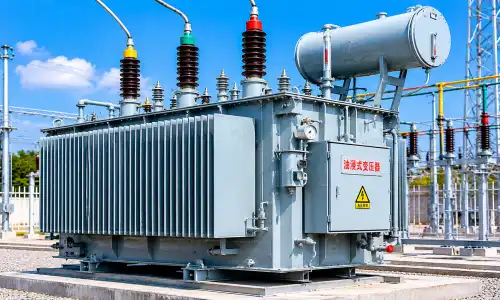
Step-up transformers are an important part of modern power grids because they raise the voltage from power plants to transmission lines. This makes it possible to send power efficiently over long distances. Voltage amplification lowers the flow of current when electricity leaves a power plant or green energy center. This lowers resistive losses in conductors. This basic idea lets power companies send gigawatts of electricity over hundreds of miles while keeping the grid stable and wasting as little energy as possible.
For grid applications, transformers need to have certain voltage ratios. The primary side should have medium voltage (11kV–35kV) and the secondary side should have high voltage (110kV–500kV). Standards for efficiency can't be lowered, and the best units reach 98 to 99% efficiency with grain-oriented silicon steel cores and better winding designs. The International Electrotechnical Commission (IEC) 60076 and IEEE C57.12.00 standards set the rules for design factors like insulation class (usually Class F or H), temperature rise limits, and the ability to withstand short-circuits. Suppliers must show that their goods meet these standards by passing approved plant acceptance tests that measure things like dielectric strength, turns ratio, and load loss.
Step-up transformers are now an important part of integrating green energy with standard power plants. Solar farms and wind farms produce electricity at low voltages that need to be changed to levels that can be used by the grid. Our tech teams work with renewable energy developers all the time. These developers need unique solutions that can handle problems like changing generation patterns and harmonic distortion. Furthermore, strong voltage stepping is needed for industrial mines, electric arc furnaces, and big factories to connect their power systems to regional transmission networks.
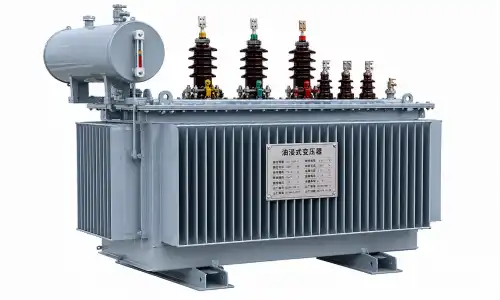
When choosing a Step-up Transformer Supplier, you need to carefully consider many factors, not just the initial purchase price. Procurement managers have to look at how well the supplier can make things, how they make sure the quality of their work, and how often they've delivered large orders on time in the past.
Better performance from transformers starts with choosing the right materials and making sure they are built correctly. The cores of the best providers are made of high-permeability grain-oriented silicon steel, which cuts down on no-load losses and excitation current. High-purity electrolytic copper or aluminum should be used for the winding wires, and they should be carefully wrapped in shielding to stop partial discharge and keep the temperature stable. The quality of the bushings, the way the tanks are built, and the type of cooling system (ONAN, ONAF, or dry-type configurations) all affect how long they last. Suppliers with ISO 9001:2015 quality management systems show consistent process control. However, buyers should check these certifications through independent audits instead of just believing what the suppliers say.
The name of a provider tells you a lot about how reliable they are and how good their technical skills are. Manufacturers that have been around for a while usually have more than one certification, such as IEC, CE, UL, and PCCC qualifications. These show that they follow regional and international safety standards. We suggest looking at case studies from similar grid uses to see if providers have been able to deliver transformers with similar voltage and power ratings. Awards in the industry, praise for quality from government agencies, and long-term partnerships with big companies all show that a business is trustworthy. Being named a "National High-Tech Enterprise" and a "Specialized, Refined, and New 'Little Giant'" enterprise show that Lijie Electric is dedicated to new ideas and high quality in the Chinese transformer manufacturing sector.
Unit price affects choices about what to buy, but lifecycle costs decide the project's economics in the end. Transformers that use less energy and lose less when they're not in use and when they are in use save money on operations that quickly cover their higher initial costs. Buyers should ask for specific loss data and use predicted load patterns and local energy rates to figure out discounted cash flow. Value-added services from providers, like installation supervision, commissioning support, and user training, also lower project risk and speed up the time it takes to start running. For multi-phase infrastructure projects, accurate budget planning is made possible by clear pricing structures that take into account customization, testing protocols, and delivery logistics.
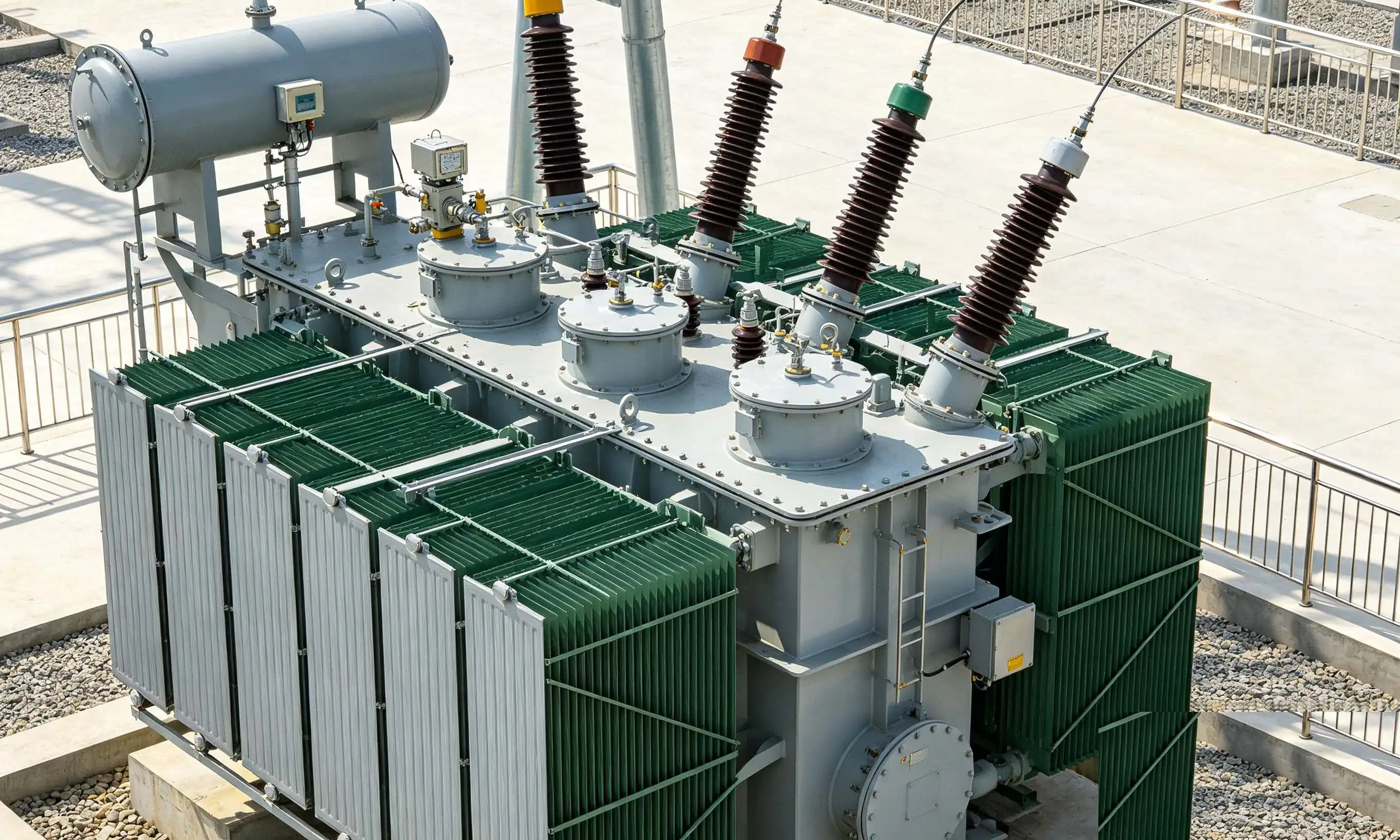
There are a lot of different sellers in the global transformer market, from large international companies to small, specialized makers in different regions. Each group has its own benefits that depend on the needs of the project, the available cash, and the time frame.
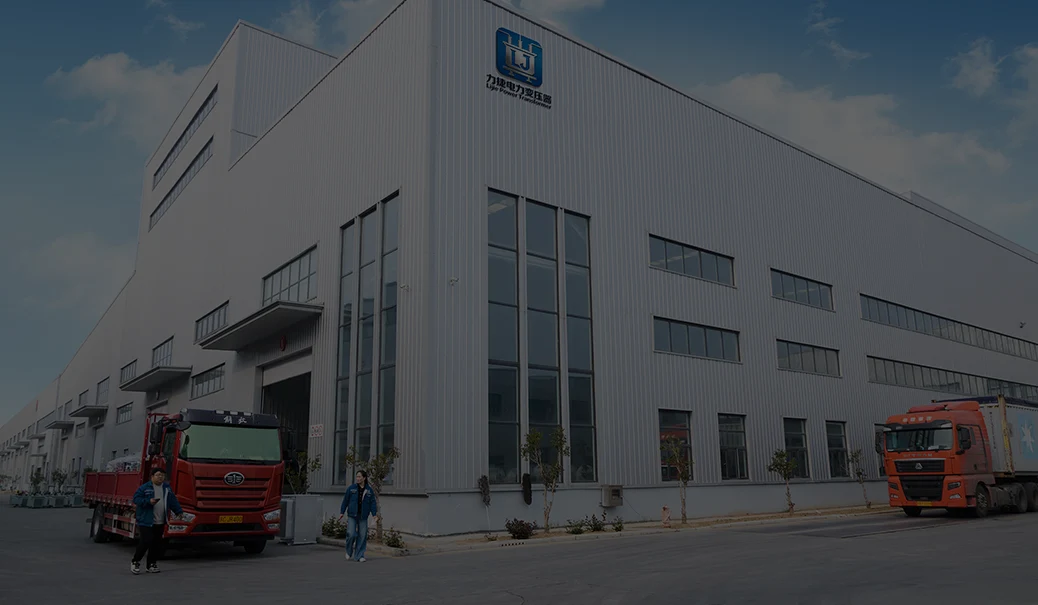
International suppliers often offer cutting-edge technology and large global service networks, which makes them suitable for use with voltages higher than 220kV. But these benefits might come with longer lead times, higher costs, and trouble communicating with people in different time zones. Regional suppliers like Lijie Electric offer reasonable prices, faster delivery times, and helpful expert support. Our two factories in Xuzhou and Nantong are each 500,000 square meters big, and they can make enough every year to support big grid projects. We have more than 160 engineers on staff with advanced degrees, which lets us quickly adapt to different grid setups while still strictly following IEC and IEEE standards.
Premium suppliers are different from commodity suppliers because they offer full service packages. Look for makers that offer on-site installation help, the chance to watch tests being done in the workshop, and performance checks after the system has been installed. A reliable Step-up Transformer Supplier should also provide client maintenance teams with training in dissolved gas analysis (DGA), oil purification procedures, and thermal imaging diagnostics, helping equipment last longer and avoiding unplanned breakdowns. Lijie Electric's service philosophy is based on "Quality First, Technology-Driven, Service-Oriented, and Integrity-Based" ideas. We make sure our clients are happy throughout the life of the transformer as our main responsibility.
As technology keeps getting better, transformer design is changing. For example, new core materials, better cooling, and built-in tracking systems are all examples of this. When compared to regular silicon steel, amorphous alloy cores cut no-load losses by 60–70%. This makes them perfect for green energy uses with changing load patterns. Smart tracking technologies, like online DGA sensors, temperature probes, and load management systems, let you plan repairs ahead of time so that big problems don't happen. When suppliers spend money on research and development, it shows that they want to improve performance over the long term. This is especially important for projects that will run for 30 years.
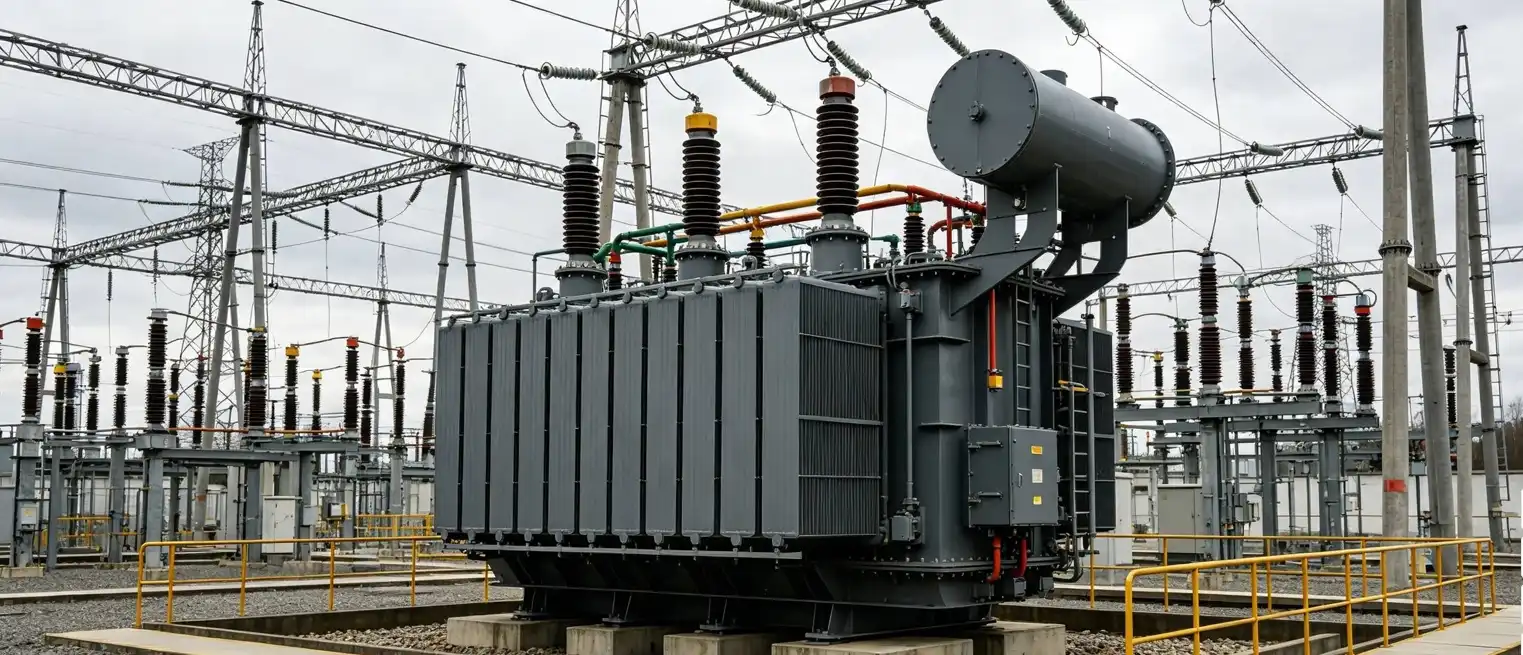
For even the best transformer to last the 25 to 30 years that it is supposed to, it needs regular maintenance. Total cost of ownership and operating reliability are directly affected by how committed a supplier is to help after the sale.
As part of routine maintenance, oil samples are taken once a year for DGA analysis, leaks and corrosion are checked visually, thermographic scans are done during times of high load, and bushing resistance readings are taken on a regular basis. Leading providers offer thorough maintenance plans that are made to fit the needs of different working environments, such as desert regions with wide temperature changes, seaside installations that are exposed to salt fog, or high-altitude sites that need altitude correction factors. Our technical documentation packages come with detailed operation manuals, troubleshooting guides, and maintenance checklists that help client teams get the most out of their equipment.
In addition to basic flaw guarantees, warranties should also cover performance guarantees for things like noise levels, temperature rise, and economy. Most warranties last between 18 and 24 months after the product is put into service, but some suppliers offer longer warranties for critical grid applications. Service level agreements (SLAs) spell out how quickly technical questions will be answered, when extra parts will be available, and who will be on-site to help in an emergency. We keep a full stock of spare parts for all types, so we can quickly repair things like bushings, tap changers, and cooling fans without having to shut down the job for a long time.
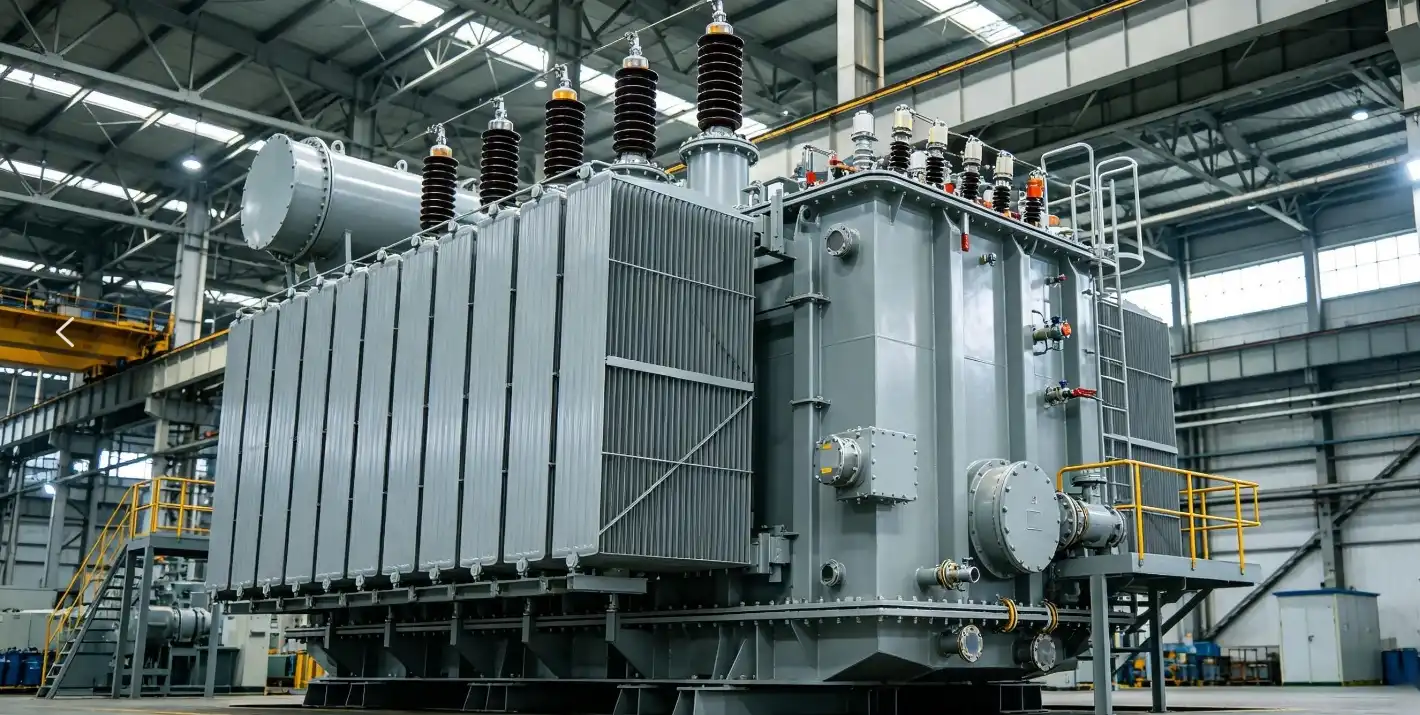
Structured review systems help procurement teams choose the best Step-up Transformer Suppliers by weighing different factors like cost, technical performance, and strategy fit.
First, write down all the specific technical requirements, such as the voltage ratio, power rating (in kilowatts or megawatts), vector group configuration (Dyn11, Ynd11), impedance percentage, and cooling method. Design parameters are affected by things in the environment, like the temperature, height, seismic zone, and pollution levels. Different places have different rules. For example, projects in North America usually need UL or CSA certification, while IEC compliance is more important in Europe and Asia. We change the specs of transformers to fit the standards of Australia, New Zealand, India, Southeast Asia, Central Asia, and Africa, where they were successfully sent.
Suppliers who can do batch production with uniform quality across multiple units are good for big utility jobs. With more than 5 billion RMB in annual sales and 2,000 employees, we are well-equipped to handle framework agreements that require continuous delivery over multiple years. Budget-conscious projects shouldn't just look at the original capital costs; they should also look at the costs over the whole life of the project. This is because energy-efficient designs save money on operations. Reliability and ease of upkeep are important to end users, so the name and service network of the supplier are important factors in the evaluation process.
Request-for-quotation (RFQ) documents that work clearly spell out all the technical details, testing needs, delivery dates, and business terms. Include options for factory witness testing so that your engineering team can watch acceptance tests and make sure that the performance claims are true. Trial orders or pilot installations are low-risk ways to see how responsive a supplier is and how good the product is before making a big purchase. Checking references with current customers, especially those who use similar grid applications, can give you information about a supplier's dependability that marketing materials can't.
To find the best Step-up Transformer Supplier, you need to carefully look at their technical skills, quality control methods, ability to compete in the market, and dedication to customer service. For grid applications, you need suppliers who know how important voltage transformation equipment is and can give you solutions that are built to last for decades. Successful seller relationships are built on things like following certification rules, making a lot of products, being able to customize them, and getting help after the sale. Procurement professionals can make sure they make decisions that are best for both the short-term success of the project and its long-term performance by carefully comparing these factors to the needs of the project.
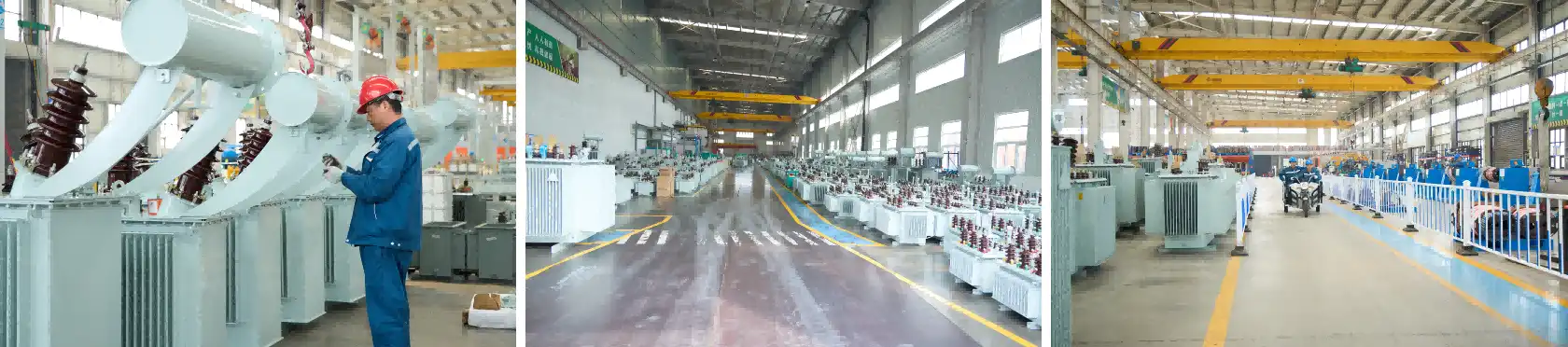
The basic idea behind a transformer can be turned around, but special step-up designs make sure that the shielding and cooling systems work best for higher secondary voltages. This keeps things safe and efficient at high potentials. Step-down transformers use the main side insulation to take voltages at transmission levels and lower them for use in distribution or end-use applications.
Get copies of ISO 9001:2015, IEC 60076, CE, and UL certificates, and then use the online databases of the organizations that issued them to make sure they are real. Plan to do workplace checks to look at how things are made, where they are tested, and how quality control is done. Check test results from outside labs, like national generator quality supervision centers, that show that the standards being claimed were met.
It usually takes 12 to 16 weeks from the time an order is confirmed until it is shipped for standard designs. For ultrahigh voltage or specialized applications, it may take 20 to 24 weeks for customized units. The length of the production line, the difficulty of the specifications, and the supply of raw materials all affect the lead times. Setting up framework agreements with dependable suppliers is a good way to make sure that time-sensitive projects get priority production slots.
The Lijie Electric Power Technology Group is a specialized Step-up Transformer Supplier that knows how to make ultrahigh voltage equipment up to 500kV, complete distribution solutions down to 10kV, and unique designs for integrating green energy. Our strict ISO 9001:2015 quality systems and 500,000-square-meter factories make sure that even when we get a lot of orders, the quality of the products is always top-notch. We are known as a Quality-Trusted Enterprise and a National High-Tech Enterprise because we have been providing reliable transformers to power companies, industrial makers, and EPC contractors in six countries for many years. Our engineering teams offer personalized advice and quick technical support, whether you need IEC-certified tools for foreign projects or solutions that work with regional grids in the United States. Contact us at lijieelectrical@gmail.com or visit lijie-electrical.com to talk about your project needs and get a full quote from a reliable transformer maker that cares about your business's success.
1. IEEE Standards Association. (2019). IEEE Standard for General Requirements for Liquid-Immersed Distribution, Power, and Regulating Transformers (IEEE C57.12.00-2015). Institute of Electrical and Electronics Engineers.
2. International Electrotechnical Commission. (2018). Power Transformers – Part 1: General (IEC 60076-1:2011+AMD1:2018). IEC Publications.
3. Harlow, J. H. (Ed.). (2012). Electric Power Transformer Engineering (3rd ed.). CRC Press.
4. Kulkarni, S. V., & Khaparde, S. A. (2017). Transformer Engineering: Design, Technology, and Diagnostics (2nd ed.). CRC Press.
5. National Electric Power Certification Center. (2020). Guidelines for Power Transformer Procurement and Quality Assurance. China Electric Power Press.
6. U.S. Department of Energy. (2021). Energy Efficiency Standards for Distribution Transformers: Technical Support Document. Office of Energy Efficiency and Renewable Energy.
YOU MAY LIKE
%20Dry-type%20Distributing%20Transformer.webp)


18%20type%2035KV%20power%20transformer.webp)
13%20type%20epoxy%20resin%20cast%20transformer.webp)

April 27, 2025
With a tight project schedule, the manufacturer delivered on time, and on-site technical personnel provided guidance throughout the entire installation and commissioning process; the collaboration was highly efficient and hassle-free.
July 2, 2025
During the preliminary phase, a selection plan was custom-tailored based on the actual site load requirements, resulting in a high degree of parameter compatibility. After-sales support responds within two hours, and ongoing technical support for operation and maintenance is comprehensive; we feel completely confident in a long-term partnership.
November 18, 2025
Deployed as a supporting component for a 35kV grid-connection project at a photovoltaic power station, the equipment operates for an average of 16 hours daily. It demonstrates excellent control over no-load losses, ensures smooth power generation and grid integration, and effectively reduces the station's overall energy consumption.
January 30, 2026
Under the continuous, high-load operating conditions of a factory production line, the equipment maintains stable electrical parameters and exhibits strong overload resistance, thereby guaranteeing an uninterrupted power supply for industrial production.
April 3, 2026
Integrated as a supporting component for a new energy photovoltaic grid-connection system, the manufacturer provided professional technical coordination and timely after-sales support, ensuring seamless adaptation to the specific electrical operating conditions required for grid integration.