April 27, 2025
With a tight project schedule, the manufacturer delivered on time, and on-site technical personnel provided guidance throughout the entire installation and commissioning process; the collaboration was highly efficient and hassle-free.
Aug 12, 2026
A Medium Voltage Transformer Supplier is an important link between high-voltage transmission networks and end-user distribution systems. It works in the 1kV to 35kV range. These specialized companies offer designed solutions, such as pad-mounted, cast resin, and oil-immersed transformers, that deal with important issues like energy loss, grid instability from green sources, and operating failures in harsh industrial settings. Reliable providers do more than just sell equipment; they also offer full design support, installation help, and upkeep throughout the product's life to make sure it keeps working well.
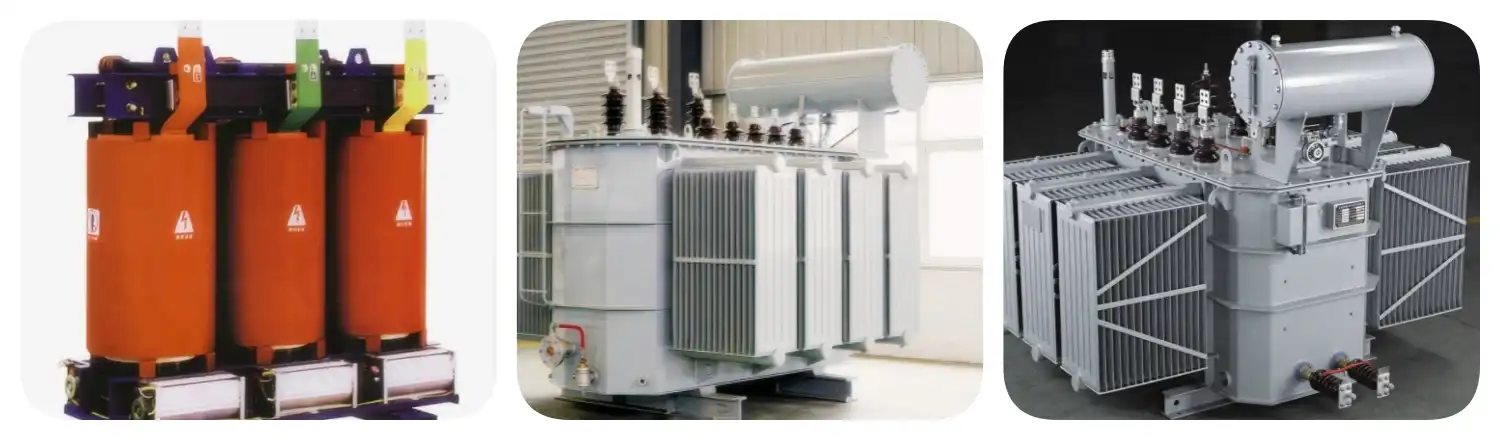
Power distribution networks need suppliers that know both the technical details and how things work in the real world. Specialized transformer providers, on the other hand, bring technical knowledge that fits the equipment's power with grid needs and end-use conditions. This difference is important because the dependability of the delivery system has a direct effect on the continuation of operations in factories, utilities, and building projects.
During our relationships, we've seen that good sellers work with us as professional partners instead of just selling us things. They look at load patterns, weather conditions, and plans for future growth to come up with solutions that meet both short-term needs and long-term operating efficiency. This method stops expensive mistakes from happening when tools and skills don't match up with what the application needs.
These licenses are more than just boxes that need to be checked by regulators. They make sure that the ways things are made, the materials used, and the testing procedures are all in line with accepted engineering methods. When purchasing teams look at possible suppliers, they should ask for proof of their certifications as well as regular test reports from reputable labs like the National Transformer Quality Supervision and Inspection Center.
Getting a transformer involves a lot of steps that need to be coordinated by the technical, commercial, and logistics departments. In the first step, standard development, electrical engineers list power levels, capacity needs, resistance values, and environmental ratings. The engineering teams from suppliers look at these factors to make sure they are possible and to suggest improvements based on how the products can be made.
Once the expert approval is given, business discussions take place to talk about price, payment terms, and delivery dates. Manufacturing lead times are usually between 8 and 16 weeks, but they can be longer or shorter based on how much customization is needed and how much can be made. Before a product is shipped, it goes through plant acceptance testing to make sure it is of good quality. Test papers, readings of the winding resistance, and insulation verification results are kept as proof.
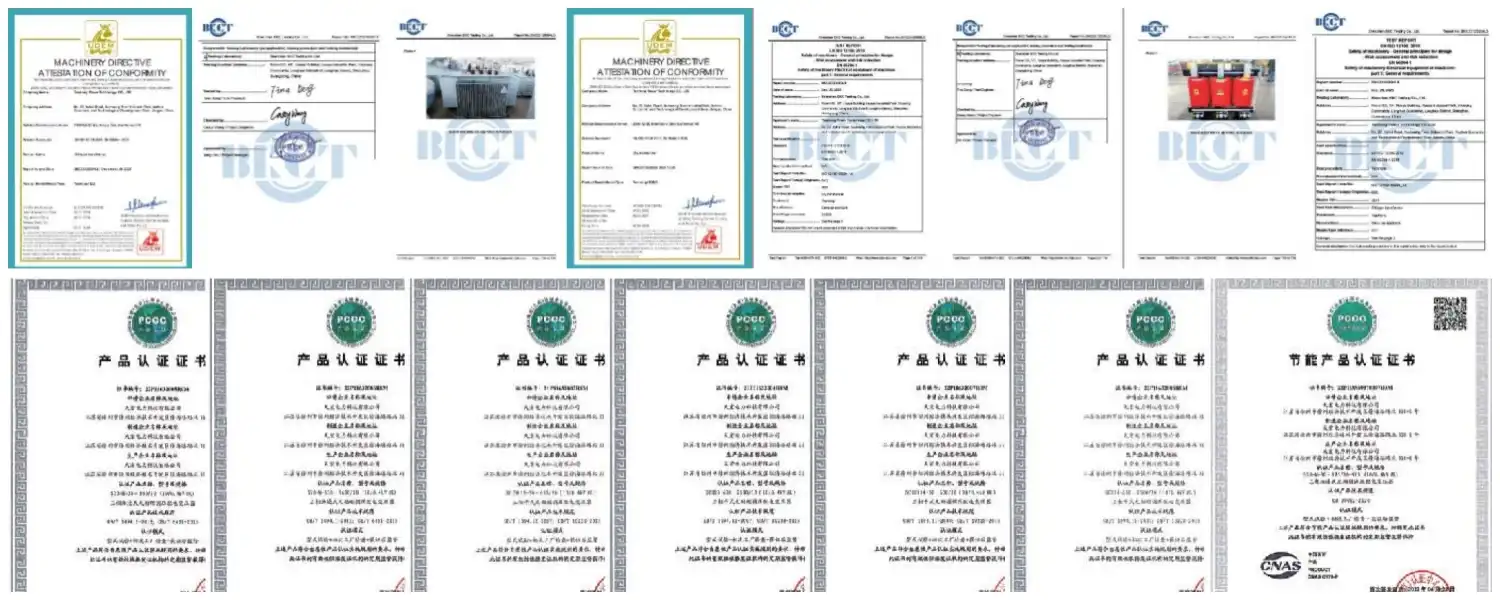
A planned review system should have five main parts that make sense in terms of how buying decisions are usually made. Quality certifications check the standards of production and the dependability of the product. When setting prices, companies need to think about not only the initial buy price, but also the total costs over the whole lifespan, such as how well the energy economy works. The terms of the warranty show that the seller is sure that the product will last and is willing to take on operating risks. Delivery capability shows how much can be made and what kind of logistics infrastructure is needed to keep the project on schedule. Technical support services show that a partnership lasts longer than just the sale of equipment.
Weighted scorecards that measure success across key factors can help procurement pros make the process of evaluating suppliers more organized. This method gives each evaluation factor a number grade, which lets you compare rival companies in an objective way. Requests for Quotations should include both detailed technical specifications and business needs to make sure that proposals meet all of the needs of the project.
Looking at past case studies is a great way to learn about how suppliers work in the real world. Major Medium Voltage Transformer Supplier examples like ABB, Siemens, and Schneider Electric each have their own strengths. For example, ABB is great at ultrahigh voltage applications, Siemens is great at digitalization integration all the way through, and Schneider Electric is great at medium voltage solutions for commercial buildings and data centers. Knowing these things makes it easier to choose a source that meets the needs of a particular purpose.
Original Equipment Manufacturers (OEMs) usually need suppliers that can make changes easily and work with them technically to integrate products. To help with inventory management, distributors make sure that the standard is the same across large amounts and that wait times are reliable. Facility operators stress the importance of having after-sales support and quick response times for maintenance needs.
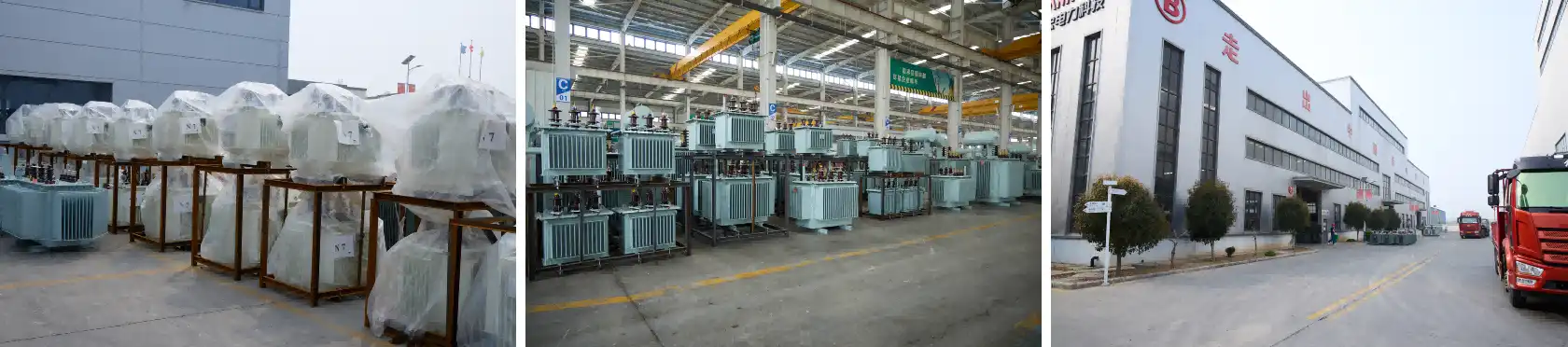
Established suppliers offer many benefits that go beyond just providing products. Certified equipment ensures that it meets regulatory standards and cuts down on approval delays during the launch of a project. Having access to well-known quality management systems makes sure that performance is the same across multiple units, which is very important for large-scale deployments that need reliable replication.
Through installation support, operational help, and user training, an experienced Medium Voltage Transformer Supplier can provide integrated service packages that add more value. These services make projects easier to manage by putting all the duties under one point of contact. Suppliers who offer a wide range of services can resolve compatibility issues during installation and ensure that the system is configured in the best way for specific site conditions. When project managers have flexible ordering options, they can adjust delivery plans as building schedules change. This helps prevent costly equipment storage or project delays caused by rigid purchasing commitments.
Even tho there are benefits, buying transformers comes with problems that need to be managed carefully. Changes in lead times are caused by the fact that manufacturing is complicated and the supply chain relies on unique materials like grain-oriented silicon steel and high-grade insulation systems. When custom specifications need to be validated by engineers or when there are limits on the availability of parts, production schedules can get pushed back.
Quality consistency can vary from one production batch to the next, especially when a Medium Voltage Transformer Supplier is in charge of more than one factory. When engineering teams and production facilities disagree on how to read specifications, it can lead to changes from what the purchase order says must be done. Communication problems happen when technology issues are mixed with the fact that buying teams and provider facilities are in different places and time zones.
These problems can be solved by strong contract management that includes clear specifications, acceptance criteria, and ways to fix problems. Performance guarantees should list measurable factors like impedance tolerance, temperature rise limits, no-load losses, and load losses. Warranty terms need to make it clear who is responsible for manufacturing flaws versus installation mistakes or changes in working conditions.
Systematic feedback collection from suppliers creates ways to keep getting better. Performance reviews after delivery keep track of actual lead times, quality compliance, and how quickly technical support is able to help. This knowledge helps with future purchasing choices and tells sellers what they need to do to improve.
In the global transformer market, there are well-known companies with a range of skills that can meet the needs of a wide range of customers. Understanding how competitors are positioned helps buying teams make the most of the strengths of their suppliers.
ABB is still the leader in ultrahigh voltage applications and has a lot of experience with large-scale utility projects. Their tech resources can handle complicated grid connection needs, and their global service network lets them offer local help in all of the world's big markets. Siemens stands out because it can integrate digitally and offer tracking systems that allow for planned repair and improved operations. Eaton specializes in small systems that can be installed in places with limited room, like business buildings and factories.
Schneider Electric has a wide range of medium voltage products and is a leader in integrating green energy. GE has a lot of experience with a wide range of power generation applications. Several Asian companies, such as Hyundai, Toshiba, Mitsubishi, and Hitachi, offer reasonable prices and high quality standards, especially for basic product designs.
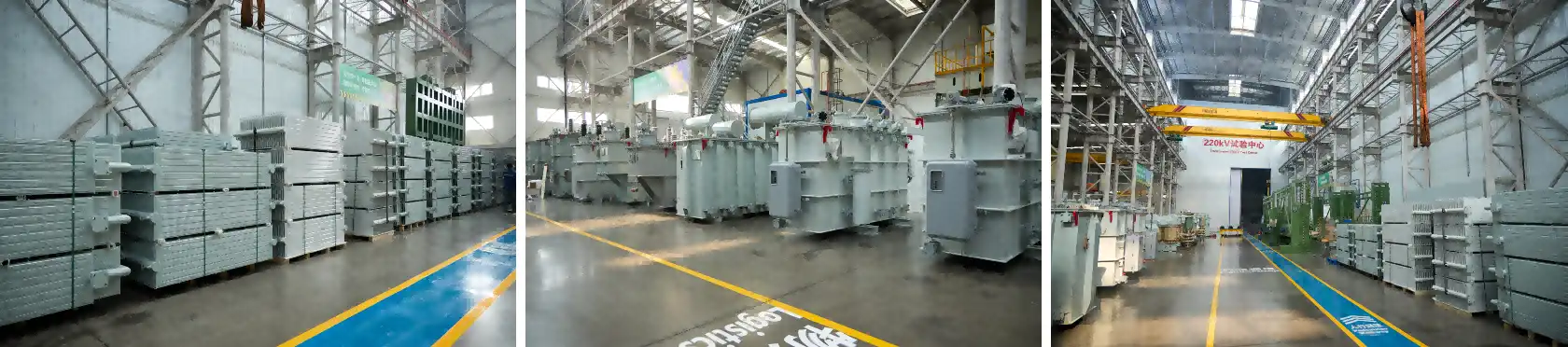
New providers from areas with a lot of industry are competing more and more by offering lower prices and higher quality standards. Companies like Lijie Electric show that investing strategically in engineering talent, testing infrastructure, and certification compliance can help a business stay competitive. With factories that cover 500,000 square meters and engineering teams with more than 160 people with PhDs and master's degrees, these companies avoid the usual trade-offs between price and quality.
Getting transformers often takes longer than planned because of delays that could have been avoided. Iterations are common during specification finalization because engineering teams have to change needs as project factors change. This indecision makes it take longer to place orders and tightens up production schedules, which raises the risk of late deliveries. Order processing slows down when expert reviews find unclear specifications that need to be cleared up by the engineering and buying departments.
When installing a generator, technical compatibility problems can happen if its features don't exactly match up with the current infrastructure. Impedance differences change the way fault current estimates work, which means that the safety system needs to be changed. Changes in physical dimensions may require changes to the foundation. These problems make commissioning take longer and cost more than planned.
Many common procurement problems can be avoided with better communication workflows. When a Medium Voltage Transformer Supplier is involved early on in the development of specifications, potential issues can be identified before the order is placed. Technical meetings between the engineering teams of the customer and the design departments of the supplier help clarify requirements and ensure that the project is feasible. This early collaboration is a one-time investment that reduces iteration cycles and accelerates the order processing timeline.
Digital order tracking tools let you see in real time how the manufacturing process is going, when quality testing is done, and when the shipment is due. This openness lets you control your plan proactively instead of reactively fixing problems. Inventory management tools help find the best time to place an order by balancing buying wait times against project timelines.
A regional utility that wanted to expand its grid across several substations worked with their transformer supplier during the early stages of the design process. As part of a joint engineering study, specs were adjusted to make production more efficient while still meeting technical needs. The seller set up specialized production capability that was in line with the plan for delivering the project. The company was able to plan building work with proven equipment availability thanks to digital progress tracking. This partnership cut down on usual wait times for purchasing by 30% while keeping quality standards high. This shows that integrating suppliers creates real value.
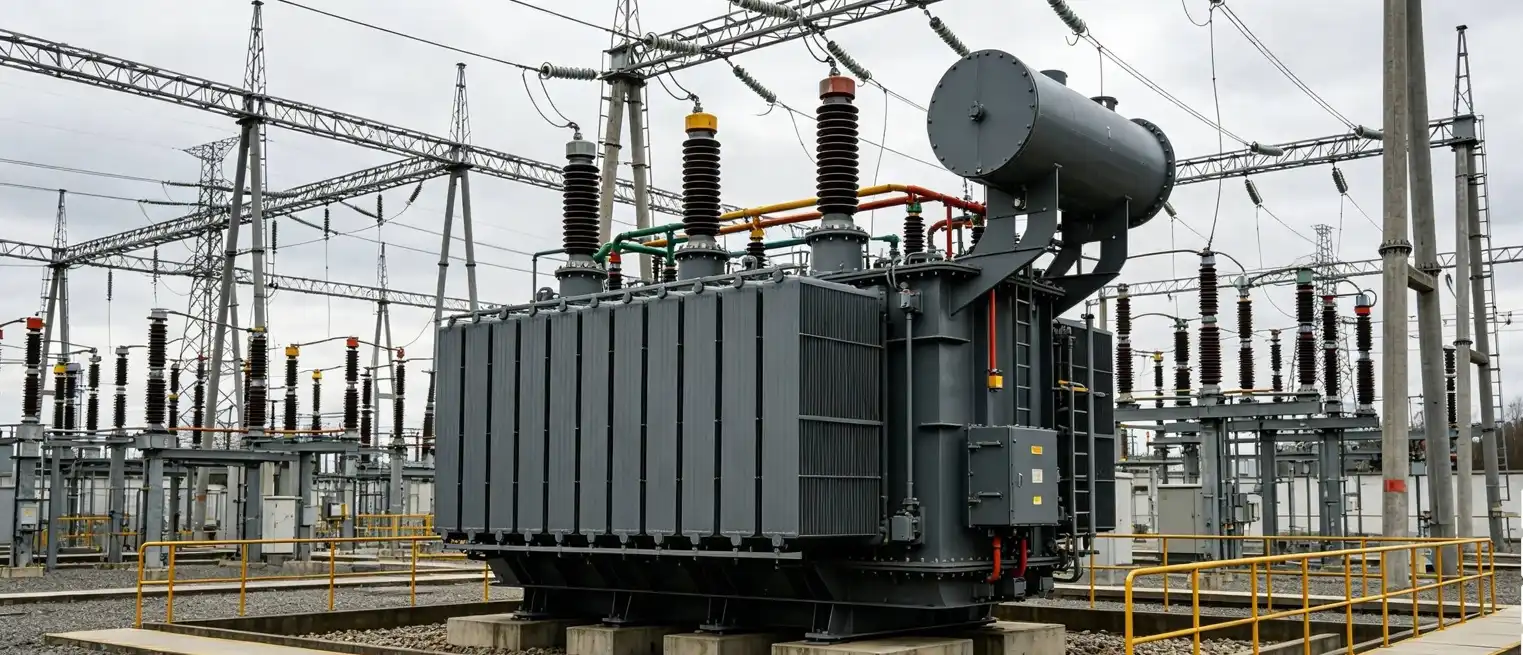
Suppliers with a good reputation keep their ISO 9001:2015 Quality Management System approval as proof that their manufacturing processes are organized. Compliance with IEC 60076 makes sure that international standards for electrical performance are met. For example, UL listing is needed for installations in North America, and CE marking is needed for installations in Europe. Other standards, like ISO 14001 for environmental management and ISO 45001 for health and safety at work, show that the business is operating at a high level of quality overall.
Standard setups usually take 8 to 12 weeks from the time the order is placed until it is ready to be shipped. This time includes getting the materials, making the product, checking it for quality, and putting together the paperwork. For custom specifications that go beyond standard product lines, it may take 12 to 16 weeks to allow for engineering validation and the sourcing of specialized parts. Early interaction with suppliers to hold production capacity and improve shipping schedules is helpful for large-scale project orders.
Comprehensive providers offer installation guidance to make sure that the right tools are used, that the base is properly prepared, and that the connections are made correctly. As part of commissioning services, procedures for turning on the power, functional testing, and performance validation are carried out. Maintenance support includes giving advice on routine inspections, being able to do diagnostic tests, and having spare parts on hand. Technical training for customer support staff improves long-term operating independence while still allowing access to provider knowledge for tough problems.
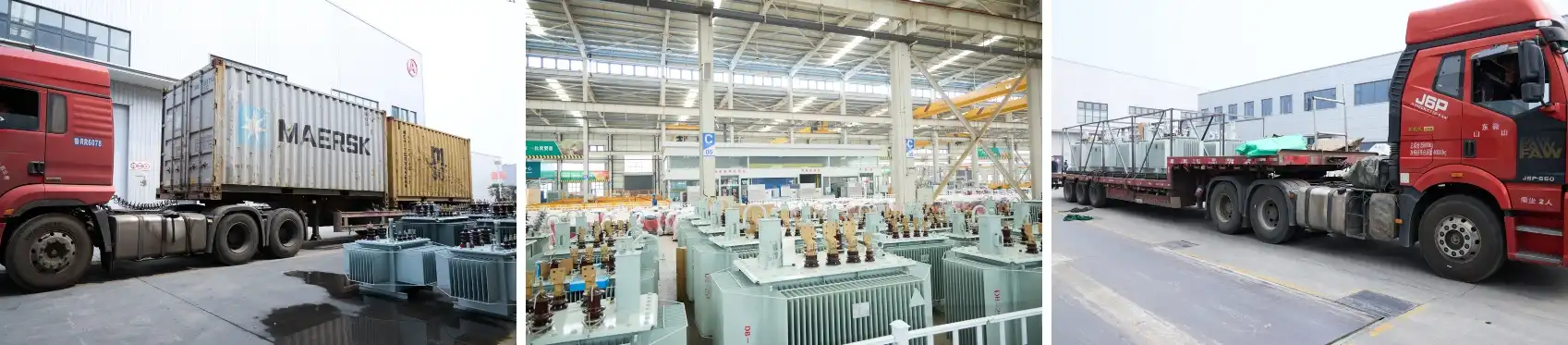
Lijie Electric stands ready to support your power distribution requirements with comprehensive transformer solutions backed by rigorous engineering and manufacturing excellence. Our product portfolio spans ultra-high voltage transformers rated at 500kV and above, alongside specialized solutions including dry-type transformers, prefabricated substations, and application-specific designs for industrial processes. Manufacturing facilities totaling 500,000 square meters across Xuzhou and Nantong provide reliable production capacity for large-scale project requirements. Our engineering team of over 160 advanced-degree professionals delivers customization capabilities aligned with your specific operational needs. Certified to ISO 9001:2015, IEC standards, CE, and UL requirements, our equipment meets international quality benchmarks. Connect with our technical team at lijieelectrical@gmail.com to discuss your project specifications, request detailed quotations, or explore how our medium voltage transformer manufacturer capabilities can support your power distribution objectives.
1. International Electrotechnical Commission (2011). Power Transformers – Part 1: General Requirements (IEC 60076-1:2011). Geneva: IEC Publications.
2. Institute of Electrical and Electronics Engineers (2015). IEEE Standard for General Requirements for Liquid-Immersed Distribution, Power, and Regulating Transformers (IEEE C57.12.00-2015). New York: IEEE Standards Association.
3. Harlow, J. H. (2012). Electric Power Transformer Engineering (3rd ed.). Boca Raton: CRC Press.
4. Kulkarni, S. V., & Khaparde, S. A. (2017). Transformer Engineering: Design, Technology, and Diagnostics (2nd ed.). Boca Raton: CRC Press.
5. Heathcote, M. J. (2007). The J&P Transformer Book: A Practical Technology of the Power Transformer (13th ed.). Oxford: Newnes.
6. United States Department of Energy (2016). Energy Conservation Standards for Distribution Transformers: Final Rule. Federal Register, 81(81), 24975-25288.
YOU MAY LIKE
18%20type%20epoxy%20resin%20cast%20transformer.webp)

13%20type%20epoxy%20resin%20cast%20transformer.webp)


April 27, 2025
With a tight project schedule, the manufacturer delivered on time, and on-site technical personnel provided guidance throughout the entire installation and commissioning process; the collaboration was highly efficient and hassle-free.
July 2, 2025
During the preliminary phase, a selection plan was custom-tailored based on the actual site load requirements, resulting in a high degree of parameter compatibility. After-sales support responds within two hours, and ongoing technical support for operation and maintenance is comprehensive; we feel completely confident in a long-term partnership.
November 18, 2025
Deployed as a supporting component for a 35kV grid-connection project at a photovoltaic power station, the equipment operates for an average of 16 hours daily. It demonstrates excellent control over no-load losses, ensures smooth power generation and grid integration, and effectively reduces the station's overall energy consumption.
January 30, 2026
Under the continuous, high-load operating conditions of a factory production line, the equipment maintains stable electrical parameters and exhibits strong overload resistance, thereby guaranteeing an uninterrupted power supply for industrial production.
April 3, 2026
Integrated as a supporting component for a new energy photovoltaic grid-connection system, the manufacturer provided professional technical coordination and timely after-sales support, ensuring seamless adaptation to the specific electrical operating conditions required for grid integration.