April 27, 2025
With a tight project schedule, the manufacturer delivered on time, and on-site technical personnel provided guidance throughout the entire installation and commissioning process; the collaboration was highly efficient and hassle-free.
Jul 29, 2026
When looking at new ways to distribute power, the S18 type oil-immersed distribution transformer stands out as a Tier 1 energy-efficient device that meets the changing needs of utility companies and factories. This fully sealed, low-loss transformer meets the energy economy standards of GB/T 6451 and GB 20052. It has 10% to 20% less losses than older S13 types. Its curved tank design gets rid of the need for standard oil conservators. This keeps the oil inside from getting contaminated by the air, which greatly increases its service life. This transformer can handle voltages up to 35 kV and capacities ranging from 30 kVA to 3150 kVA. It can be used in a wide range of settings, from big industrial settings to those that use green energy.
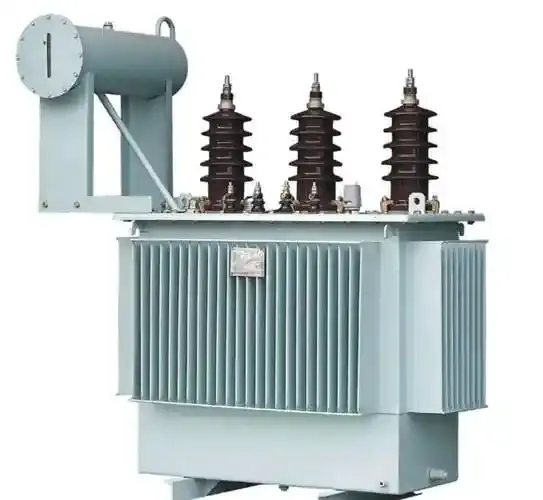
The S18 series works with main voltages of 6 kV and 12 kV, and it can handle both single-phase and three-phase setups at 50 Hz or 60 Hz. Non-excitation voltage control with tap values of 5% or 2×2.5% lets changes be made to the field to account for changes in the grid. Different types of network layouts can use connection group names like Yyn0 and Dyn11. Impedance voltage values match technical parameter tables or specific user needs, making sure they work with safe relay coordination schemes.
Oil-immersed self-cooling (ONAN) uses natural airflow inside the corrugated tank structure, which grows and shrinks with temperature changes, so it doesn't need any extra fans. This sealed design keeps out moisture and rust, so the dielectric strength stays high for decades. Power frequency voltages of up to 35 kV AC and lightning impulse voltages of 75 kV can't hurt the insulation system. It protects against the sudden overvoltages that happen a lot in overhead power lines. Magnetostriction noise is kept below 45 decibels by high-grade cold-rolled grain-oriented silicon steel cores. This meets strict noise rules in cities.
Because the sealed design keeps moisture and air from getting into the transformer oil, regular maintenance can be done every 10 to 15 years without having to change or filter the oil. External parts like bushing seals, termination strength, and radiator cleaning are checked on a regular basis. Without opening the tank, dissolved gas analysis (DGA) and breakdown voltage (BDV) tests show that the inside is healthy. This almost maintenance-free operation cuts lifecycle costs by a huge amount, especially for sites that are far away or not managed and can't get service.
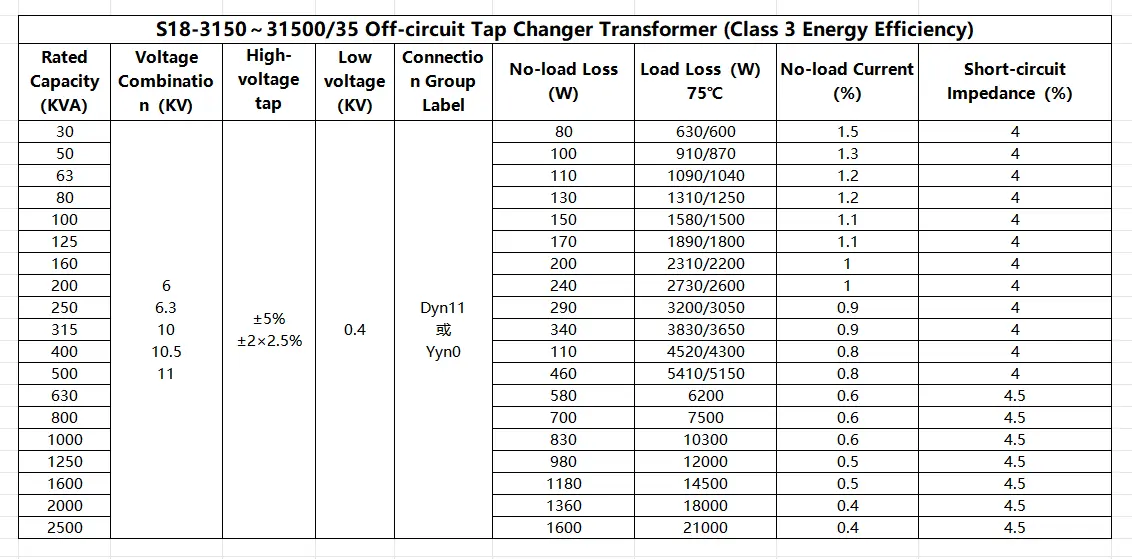
Older oil-immersed transformer models, like the S11 and S13, had higher magnetic flux densities, which led to higher core losses and noise that could be heard, while an S18 type oil-immersed distribution transformer uses high-quality silicon steel laminations and an optimized magnetic circuit design to reduce no-load losses by approximately 20–30% compared to S13 units, meeting 2020 national energy efficiency standards and delivering substantial energy savings over its 30-year service life. The S18 is more efficient because it has a quality silicon steel laminate and an optimised magnetic circuit design. It meets the 2020 national energy standards. Compared to S13 units, no-load losses drop by about 20–30%. This means that over the transformer's estimated 30-year working life, a lot of energy will be saved. Load losses also go down because the winding conductors are better arranged and there are more ways for heat to escape.
Mineral oil can cause fires, but dry-type transformers don't have that problem. They just work at higher temperatures and can't handle as much pressure. Even though they work well indoors where flammability is a worry, they aren't as efficient as modern oil-immersed designs. SF6 gas-insulated units have small sizes and great arc reduction, but they are bad for the environment because they release greenhouse gases and need to be handled in a certain way. When it comes to fire safety, the S18 offers high-flash-point ester oil choices. It is also reliable and cost-effective, which makes it perfect for both urban substations and industrial sites that are exposed to corrosive environments.
Managers in charge of buying things have to think about the cost of the generator, how much energy it will waste, how much it will cost to maintain, and how many times it will need to be replaced. The S18's smaller no-load losses save money on energy bills, especially in situations where the load is light for long periods of time. Because it is completely sealed, it doesn't need to be processed for oil and doesn't need as many people to do regular checks. Even though it may cost more to buy than older designs at first, lifetime cost analysis always favours the S18 over 20 to 30 years of operation, especially in large-scale deployments where small improvements in efficiency add up to big ones.
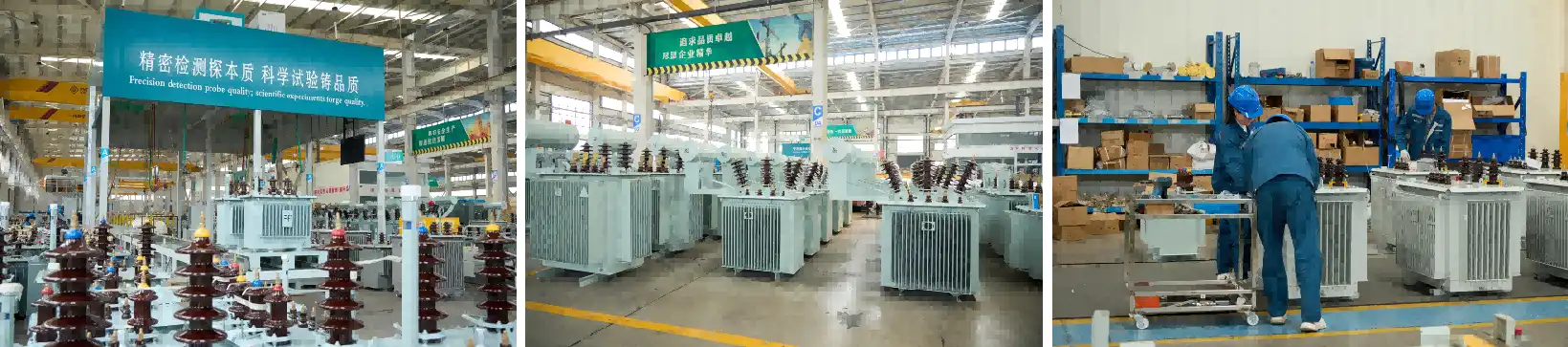
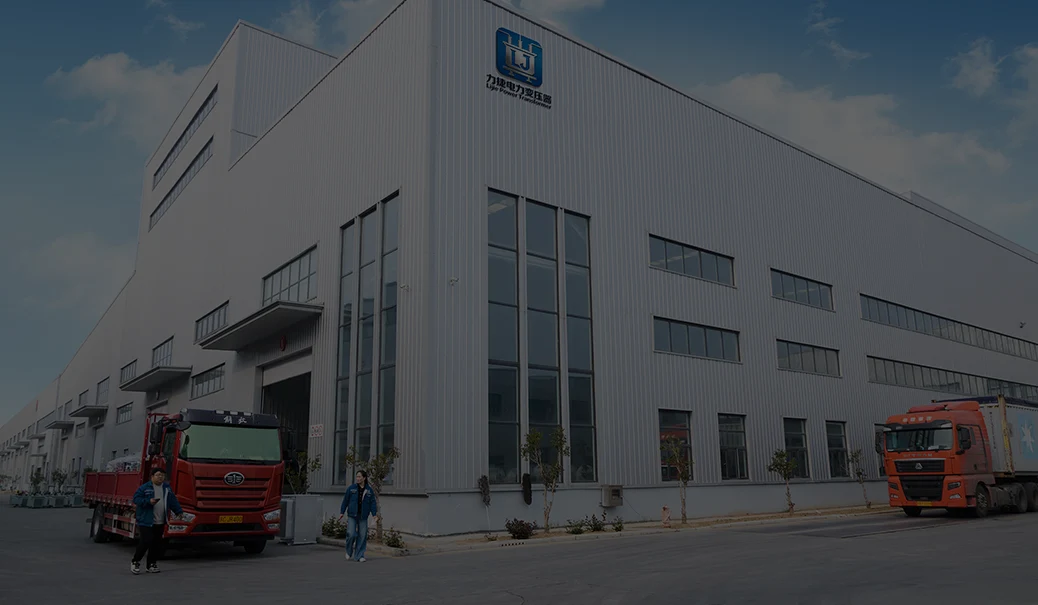
Checking a manufacturer's ISO 9001:2015 quality management systems, IEC 60076 compliance, and energy saving marks from well-known testing labs are the first steps to reliable buying. Lijie Electric's factories in Xuzhou and Nantong cover 500,000 square meters and have more than 160 engineers with advanced degrees working there. They make sure that quality is strictly controlled from inspecting the raw materials to testing the finished products for acceptance by the plant. Our transformers have both the CE and UL marks on them, which makes it easier to sell them in countries with different rules.
Large infrastructure projects need pieces to work the same way and have specs that can be changed to fit the needs of the place. Manufacturers who offer customisation can change the way the terminals are arranged, the places of the taps, and the winding configurations to meet the needs of the project. When you buy in bulk, you can get better prices, more flexible delivery times, and special technical help during the installation and commissioning stages. When hiring suppliers, make sure you get thorough test results that show no-load losses, load losses, temperature rise, and the ability to withstand short circuits to make sure they meet your needs.
Normal production wait times for standard S18 configurations are between 8 and 12 weeks, and for an S18 type oil-immersed distribution transformer, custom designs may require an additional 4 to 6 weeks for engineering approval and prototype testing, making it essential for procurement managers to align ordering timelines with construction schedules and allow sufficient time for shipping, customs clearance, and on-site storage. This depends on the volume and complexity of the order. Custom designs may add 4 to 6 weeks to the schedule to allow for engineering approval and prototype testing. Good project managers make sure that the goals for buying things are aligned with the plans for building things, leaving enough time for shipping, clearing customs, and storing things on-site. To avoid expensive project delays, make sure you and the manufacturers can clearly talk about delivery goals, quality hold points, and paperwork needs.
The S18 is great for integrating green energy sources like solar and wind power, which produce variable loads that need transformers with high thermal longevity and low excitation current. Its small size makes it ideal for urban substations and underground installs where room is limited and high efficiency is worth the extra cost. The sealed tank protects against corrosive gases and high humidity, making sure stable power supply during continuous duty cycles. This is helpful in heavy industry settings like chemical plants, steel mills, and mines. Public building projects like hospitals, schools, and shopping malls like how quiet the unit is and how little upkeep it needs.
The National Transformer Quality Supervision and Inspection Center has confirmed through independent tests that S18 units always reach their rated levels of efficiency, even when the load changes. Field data from utility companies show that these models have lower outage rates and longer service gaps than older models. In one case study of a 2500 kVA S18 installation at an industrial plant, less no-load loss saved more than 15,000 kWh of energy each year, which meant the investment paid for itself in less than five years. When procurement workers look at total cost of ownership, these real-world validations give them faith.
The S18 platform is ready for future regulatory settings that put an emphasis on sustainability and environmental responsibility thanks to ongoing research into amorphous metal core materials and biodegradable ester oils. Companies that spend money on research and development are always improving things like magnetic circuit design, conductor metallurgy, and heat control systems to make them more efficient. People who buy the S18 today are adopting a technology that will work with grid modernisation projects, remote energy resources, and smart grid communication links without becoming outdated too soon.
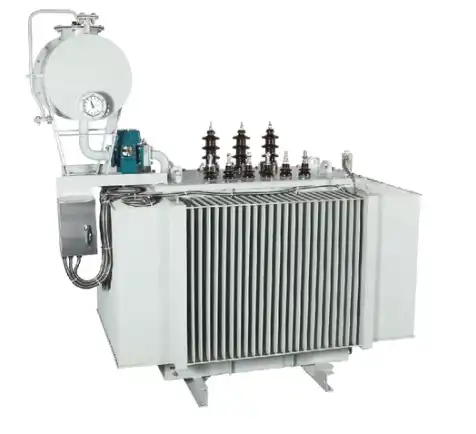
The S18 type oil-immersed distribution transformer is a smart investment for businesses that want to improve operating reliability, energy economy, and lifecycle costs. In order to solve important problems in power distribution networks, it has a fully sealed corrugated tank form, a Tier 1 energy efficiency grade, and almost no maintenance needs. This line of transformers has been tested thoroughly and has been shown to work reliably in the real world. It can be used to upgrade old infrastructure, add renewable energy sources, or power mission-critical industry processes. For procurement workers looking for reliable, low-cost options, the S18 is a great choice for their distribution network needs.
The S18 has better core materials and magnetic circuits than the S13 models, so it has 10% to 20% less energy loss and meets the 2020 energy saving guidelines. Because it is completely sealed, it doesn't need oil conservators, which keeps it clean and extends the time between repair visits to 10 to 15 years.
The special oil circulation design lets the system be overloaded for short periods of time according to IEC 60076-7 rules without speeding up the breakdown of the insulation. This gives the system more operating flexibility during times of high demand or when something goes wrong with the equipment.
Voltage levels, tap ranges, terminal designs, and insulating classes can all be changed by manufacturers to meet the needs of any project. Biodegradable ester oils are an option for better fire safety and environmental compliance.
The sealed curved tank keeps transformer oil away from airborne moisture and oxygen, which greatly lowers oxidation and infection. Inspections of the outside are the main part of routine maintenance. Oil samples are taken from inside using sampling valves, so the tank doesn't have to be opened during regular service.
Our tried-and-true S18 type oil-immersed distribution transformer options are ready to help you with your power distribution projects. We make transformers that meet world quality standards and offer great value. We are a National High-Tech Enterprise with ISO 9001, CE, and UL certifications. Our expert team of more than 160 engineers helps with everything from making specifications to testing and providing service after the sale. Email us at lijieelectrical@gmail.com to talk about your needs, get thorough quotes, and learn about the benefits of ordering in bulk. Lijie Electric has the knowledge and production ability to meet your needs, whether you're a utility company updating your grid infrastructure or an industrial manufacturer looking for reliable power distribution equipment. You can look through our whole product catalogue at lijie-electrical.com and find out why top companies around the world choose us as their chosen S18 type oil-immersed distribution transformer maker.
1. Institute of Electrical and Electronics Engineers (IEEE), "IEEE Standard for Distribution Transformers," IEEE C57.12.20-2021, 2021.
2. International Electrotechnical Commission, "Power Transformers – Part 1: General," IEC 60076-1:2011+AMD1:2018, 2018.
3. National Bureau of Standards of China, "Energy Efficiency and Energy Efficiency Grades for Three-Phase Distribution Transformers," GB 20052-2020, 2020.
4. U.S. Department of Energy, "Energy Conservation Program: Energy Conservation Standards for Distribution Transformers," Federal Register, Vol. 78, No. 94, 2013.
5. Kulkarni, S.V., and Khaparde, S.A., "Transformer Engineering: Design, Technology, and Diagnostics," CRC Press, 2nd Edition, 2012.
6. Electric Power Research Institute (EPRI), "Transformer Life Extension Through Effective On-Site Maintenance," Technical Report 1025304, 2012.
YOU MAY LIKE


11%20type%2035KV%20dry-immersed%20transformer_1778136495348.webp)

10%20type%2035kV%20transformer.webp)


14%20Epoxy%20Resin%20Dry%20Type%20Transformer.webp)
April 27, 2025
With a tight project schedule, the manufacturer delivered on time, and on-site technical personnel provided guidance throughout the entire installation and commissioning process; the collaboration was highly efficient and hassle-free.
July 2, 2025
During the preliminary phase, a selection plan was custom-tailored based on the actual site load requirements, resulting in a high degree of parameter compatibility. After-sales support responds within two hours, and ongoing technical support for operation and maintenance is comprehensive; we feel completely confident in a long-term partnership.
November 18, 2025
Deployed as a supporting component for a 35kV grid-connection project at a photovoltaic power station, the equipment operates for an average of 16 hours daily. It demonstrates excellent control over no-load losses, ensures smooth power generation and grid integration, and effectively reduces the station's overall energy consumption.
January 30, 2026
Under the continuous, high-load operating conditions of a factory production line, the equipment maintains stable electrical parameters and exhibits strong overload resistance, thereby guaranteeing an uninterrupted power supply for industrial production.
April 3, 2026
Integrated as a supporting component for a new energy photovoltaic grid-connection system, the manufacturer provided professional technical coordination and timely after-sales support, ensuring seamless adaptation to the specific electrical operating conditions required for grid integration.