April 27, 2025
With a tight project schedule, the manufacturer delivered on time, and on-site technical personnel provided guidance throughout the entire installation and commissioning process; the collaboration was highly efficient and hassle-free.
Aug 12, 2026
Selecting the right Power Transformer Supplier is one of the most consequential decisions you'll make for utility and industrial projects. A reliable supplier ensures your transformers deliver decades of safe operation, meet strict efficiency standards, and arrive on schedule without disrupting project timelines. The ideal partner combines technical expertise with manufacturing scale, certification compliance, and responsive customer support. Evaluating suppliers based on proven capabilities—such as ISO and IEC certifications, batch supply reliability, and customization flexibility—protects your investment and aligns equipment performance with your operational goals, whether you're managing a national grid expansion, renewable energy integration, or heavy industrial facility.
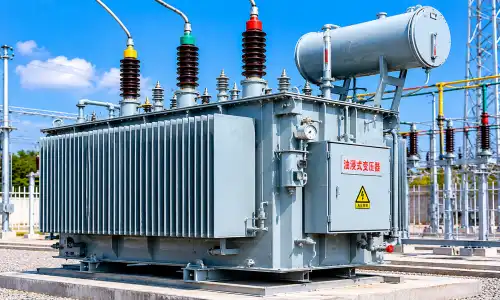
As the link between new engineering ideas and reliable operations, Power Transformer Suppliers are the backbone of the electrical infrastructure. These groups are experts at creating, producing, and sending high-voltage electromagnetic devices that either step up voltage for safe long-distance transfer or step down voltage for safe distribution to end users. Power Transformer Suppliers are in charge of the whole supply chain, from getting the raw materials and making sure they're of good quality to testing the finished product and making sure the processes work smoothly. Because the system is so complicated, providers have to stick to strict rules to deal with problems in the industry, such as grid instability, energy loss during transfer, and using intermittent green sources like solar and wind.
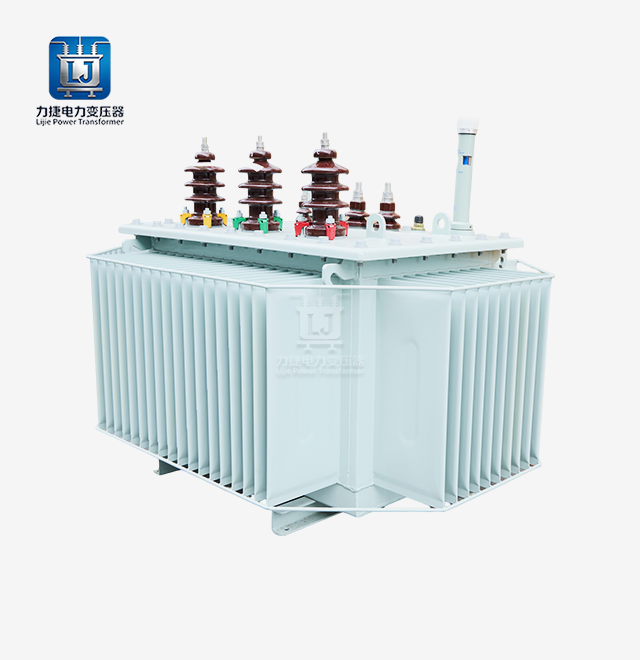
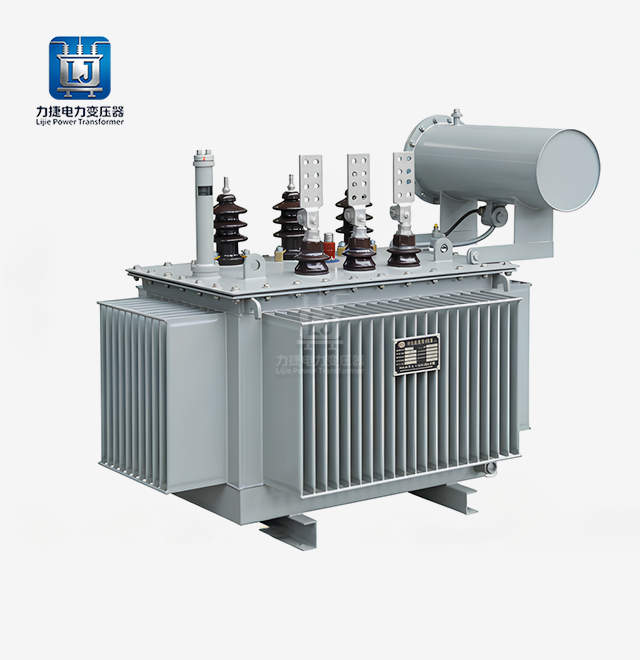
Knowing the different types of transformers makes it easier to find the right tools for a job. Power distribution in cities, industrial parks, and housing projects all need distribution transformers with ratings of 35kV or less. They make sure that homes and businesses get electricity safely. Power transformers with ratings of 110kV or higher support transmission networks that are run by national grid companies and regional utilities. This makes it possible for energy to be sent over long distances efficiently. Autotransformers are a cheap way to control the voltage in a network, keeping performance high while cutting down on material costs. Specialised versions, like electric furnace transformers, rectifier transformers, and mine transformers, meet specific needs in steel plants, chemical factories, and extraction operations where standard designs don't work.
The market for transformers is changing quickly because of more renewable energy, more people moving to cities, and efforts to update the power grid. North America and Europe are replacing old infrastructure and adding smart grid technologies. Asia-Pacific areas, on the other hand, are driving demand through industrial growth and big infrastructure projects. China, India, and Southeast Asia have become important production hubs because their manufacturers offer low prices without losing quality, as long as they have licenses that are recognised around the world. At the same time, well-known brands in Germany, the US, and Japan continue to be the leaders in high-tech materials and digital monitoring tools. When procurement professionals keep up with these trends, they can predict changes in lead times and find Power Transformer Suppliers who can grow with the project.
A structured evaluation framework lowers risk and makes sure that the skills of the Power Transformer Supplier match the needs of the project. There are five main areas that the F-1 Criteria Screening Approach focuses on: functionality, fulfilment, finances, follow-through, and loyalty. With this method, you can check systematically to see if a supplier can deliver transformers that meet technical needs, follow regulations, stay within budget, arrive on time, and keep quality consistent across large batches.
Setting clear technology requirements ahead of time avoids costly mistakes later on. It is important that the voltage level, power rating, cooling method (oil-immersed or dry-type), and loss characteristics all match the electrical design of your project. Ultra-high-voltage transformers with a value of 500kV or more are needed by utilities that run transmission networks. On the other hand, industrial facilities often need small substations and specialised units for electric arc furnaces or correction processes. Regulatory compliance is a must; suppliers must show that they follow IEC 60076 standards for power transformers, the IEEE C57 series for North American markets, and any other local codes that apply. You can be sure that a product will work in the real world by making sure that it has been tested by reputable labs like the National Transformer Quality Supervision and Inspection Center or the Wuhan High Voltage Research Institute for routine, type, and special tests.
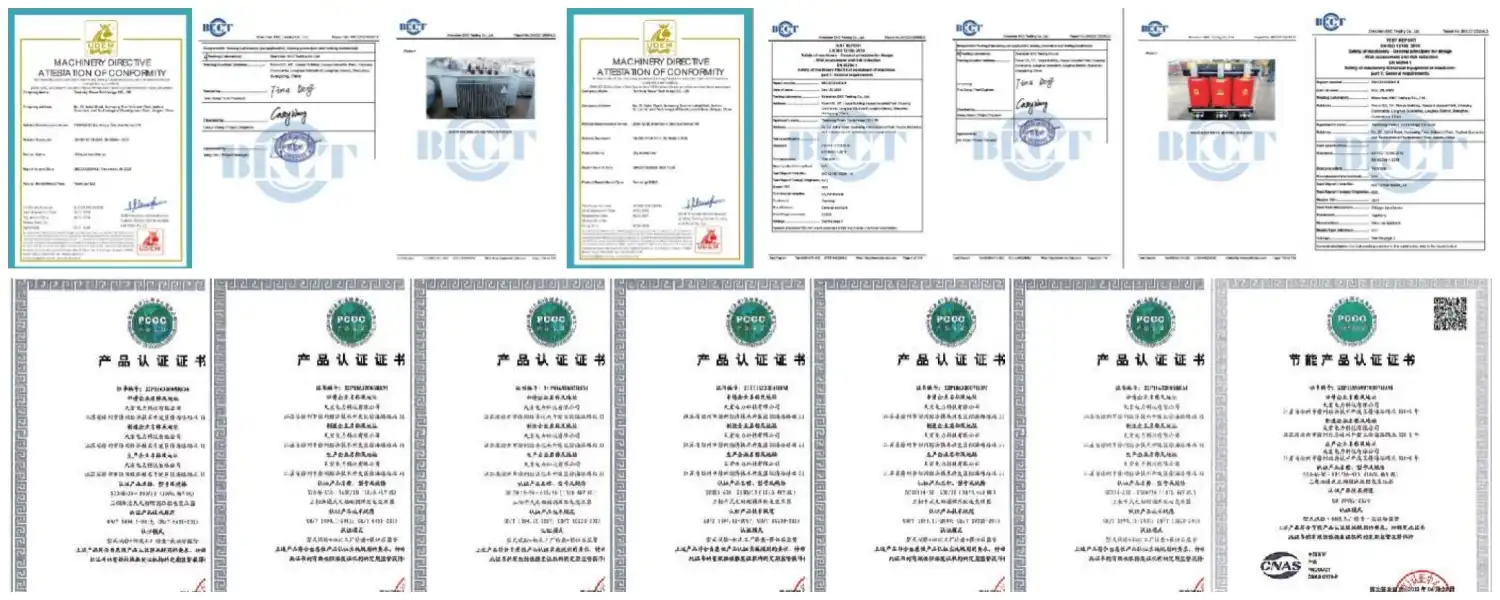
Certifications show how serious a seller is about safety and quality. When a company has ISO 9001 certification, it means they have strong quality control systems in place for creation, production, and service after the sale. UL approval is important for goods going to the U.S. market, while CE marking shows that a product meets European safety and environmental standards. In addition to these basic credentials, you should also look for more specific ones, like PCCC certification from the National Electric Power Certification Center or energy efficiency certification from the China Quality Certification Center (CQC). Power Transformer Suppliers who have Enterprise Metrology Qualification Confirmation Certificates show that they are accurate when measuring and testing, which makes product performance less variable. When looking at possible partners, make sure they can show proof of third-party checks and good product model registrations with the right authorities.
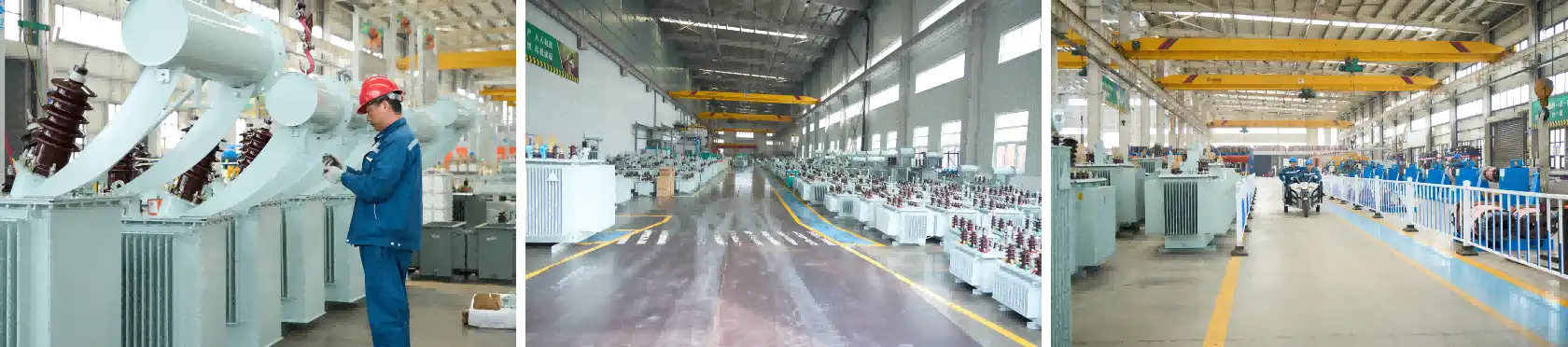
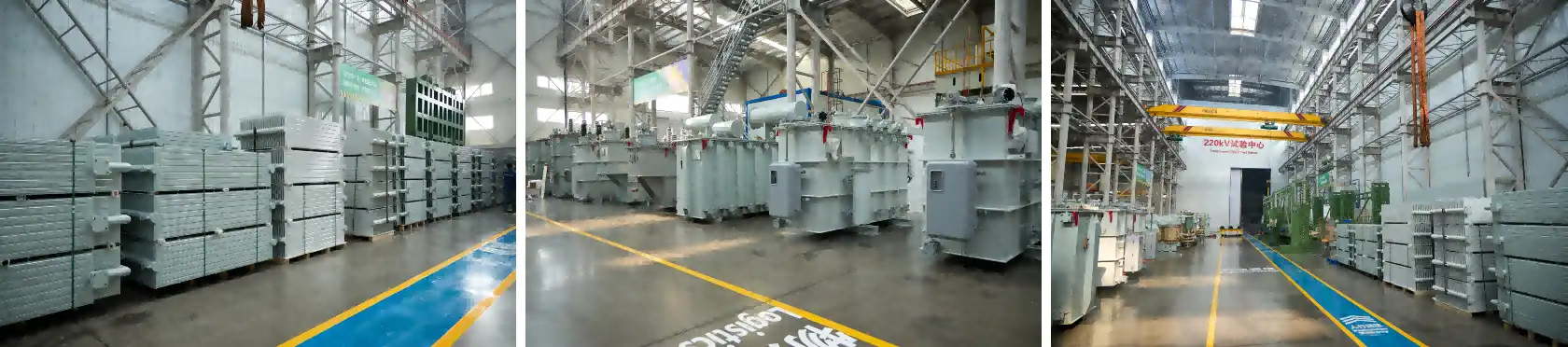
Delivery times must be known ahead of time, and the supplier must be able to handle large orders without any problems. Check the factory's ability to make things by looking at its yearly output, floor space, and staffing levels. Suppliers with facilities bigger than 500,000 square meters and more than 2,000 workers usually have the scale needed to make batches all the time. Find out how the seller manages their inventory and if they keep safety stock for popular configurations to speed up delivery. Lead times depend on how complicated the transformer is. Standard distribution transformers can ship in six to eight weeks, but custom ultra-high-voltage units can take up to six months. Project delays are less likely to happen when everyone is clear about when things will be made, where quality checks will happen, and how to coordinate operations.
The initial purchase price is only one part of the total cost of ownership. Assess suppliers based on their lifetime costs, which include how well they use energy, how much upkeep they need, and how long they are expected to last. Over many years of use, transformers with better cooling systems and lower core losses lower the cost of electricity. For at least two years, the warranty should cover problems with the materials and the work, and there should be clear steps for inspecting, fixing, or replacing the item. The difference between great providers and average ones is the level of their after-sales service. Look for partners that offer professional support, help with on-site installation, training for operators, and programs for preventative upkeep. Power Transformer Suppliers who follow GB/T 27922-2021, the national standard for after-sales service review methods, show a structured way of caring for customers that helps projects succeed in the long run.
There are both large, well-known international companies and small, specialised companies that make transformers around the world. Both offer similar quality at reasonable prices. Figuring out where the Power Transformer Supplier stands helps you narrow down your list.
The high-end market is dominated by ABB, Siemens, and GE, which all have large product lines that include speciality, distribution, and power transformers. ABB is great at digital solutions because it combines sensors and tracking systems that let you do real-time performance analytics and plan repairs ahead of time. Siemens focuses on modular designs that are good for renewable energy uses, like wind and solar projects, and energy efficiency. GE sets high standards for dependability, and their transformers are made to work in difficult conditions and last a long time. These names cost a lot, but they have strong global service networks and a history of working on big energy projects. Schneider Electric and Mitsubishi are also in this market, and they are competing with each other. Schneider is trying to integrate smart grids, while Mitsubishi is using new materials to make their products smaller and lighter.
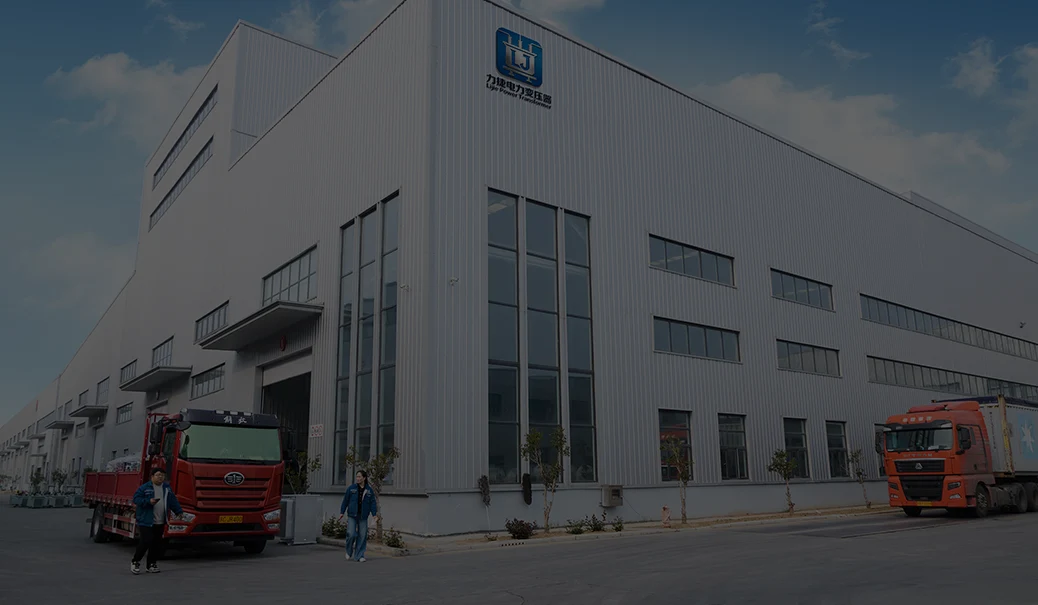
New Power Transformer Suppliers in China and Southeast Asia have grown up quickly, getting the same certifications as Western brands while still being cheaper. These suppliers usually focus on certain types of transformers, like premade substations, mine transformers, or rectifier units. This lets them make designs and production processes that work best for certain uses. This group is led by Lijie Electric, which has two large R&D and production bases that cover 500,000 square meters and employ more than 2,000 people, including more than 160 engineers with advanced degrees. Lijie is a National High-Tech Enterprise and a Specialised, Refined, and New "Little Giant" enterprise that has sales of more than 5 billion RMB a year. It combines large-scale production with technological innovation. With ISO 9001, CE, UL, and IEC certifications, the company makes sure that its products meet international standards and can be customised in a way that larger companies often can't.
Experiences in the real world give us important lessons. Ask for examples from clients who have worked with Power Transformer Suppliers in the same industry and on similar-sized projects. Utility companies care more about long-term dependability and being able to make fixes quickly in an emergency, while industrial makers care more about on-time delivery and batch stability. Online reviews and discussion boards for the industry can show patterns in how well a supplier does things like answering technical questions quickly, being willing to make changes to designs, and being honest about production delays. Suppliers who already have established export networks to places like Australia, New Zealand, India, Southeast Asia, Central Asia, and Africa show that they can handle shipping and work with people from different cultures, which are both important for foreign projects.
Technical rigour and strategy discussion must be balanced for procurement to work well. A disciplined approach lowers risk and gets better terms for the Power Transformer Supplier selection process.
In your RFQ, you should list all the technical details, such as the voltage ratings, power capacities, cooling methods, impedance tolerances, and standards that apply. Include factors that are unique to the spot, like the height, temperature range, seismic needs, and transportation issues. With detailed paperwork, suppliers can give accurate quotes, and changes that need to be made afterward won't cost as much. For clear pricing that breaks down the costs of the basic tools, extra features, shipping fees, and installation help, ask for itemised pricing. When all suppliers react to the same specs, it's easier to see how the bids compare.
Deliveries for big infrastructure projects are often spaced out to match the stages of construction. To combine cash flow with risk management, talk about setting payment goals that are linked to production checkpoints like getting materials, testing for plant acceptance, and final delivery. When you buy more than one unit, you may get a discount. For orders of more than ten transformers, the Power Transformer Supplier may lower the price per unit by five to fifteen percent. Look into ways to get money, like lines of credit or payment plans that work with long-term framework deals. There are different minimum order quantities. For normal distribution transformers, the minimum order quantity may be smaller, but for custom designs, it's usually necessary to make a promise that covers the cost of the tools.
In industrial settings where standard configurations don't meet operational needs, customisation is common. Early on in the design process, make sure that any special needs are clearly spelt out. For example, you might need a specific range of taps, enclosure materials that don't rust, or built-in monitoring systems. Work with the Power Transformer Supplier's engineering team to look over technical models and run simulations that prove your ideas about performance. When comparing regular models to custom orders, lead times are four to eight weeks longer, so plan for this in your project schedules. Regular reports on progress and trips to the factory during production lower uncertainty and let course changes happen before the final product is made.
Getting supplies for projects with more than one place is easier when the Power Transformer Supplier has built partnerships with distributors. Distributors offer local stock, technical support in local languages, and faster warranty service response times. For projects that go to other countries, make sure that the supplier knows how to handle export paperwork, clearing customs, and following the rules of the destination country. Logistics solutions that work well, like using the right packaging for shipping by sea or rail, renting handling equipment, and working with local workers, keep things from getting damaged during transport and make installation go more quickly.
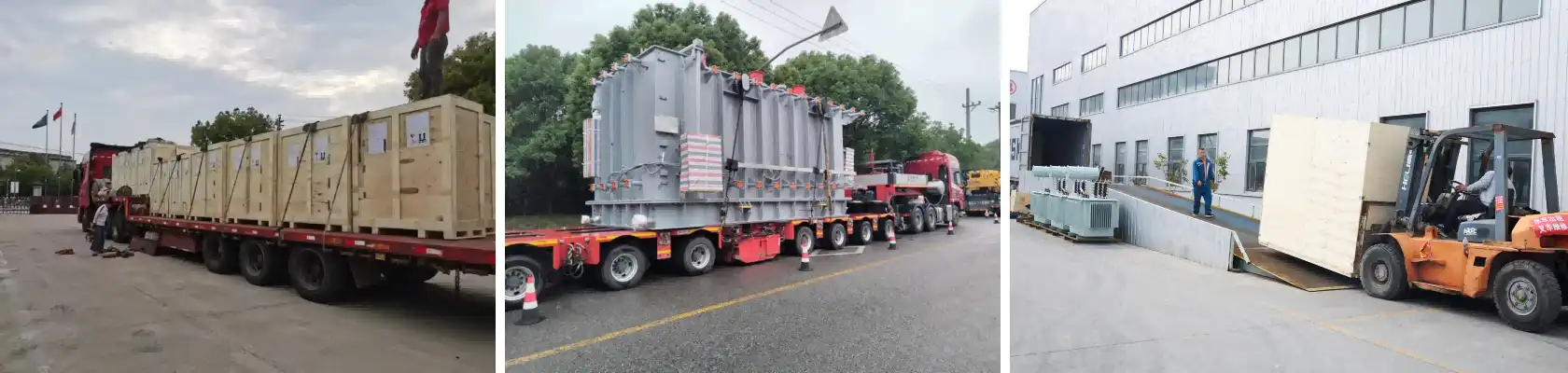
Since transformers last 20 to 30 years, support after the sale from the Power Transformer Supplier is just as important as the quality of the product itself.
Regular checkups, oil sampling and analysis, bushing repair, and cooling system checks are all covered by full service agreements. Preventative repair makes things last longer and finds problems before they become problems. If your Power Transformer Supplier offers training programs for your maintenance staff, they will be able to do diagnostics and small fixes correctly, which will cut down on your need for outside workers. Technical support should include a hotline that is open 24 hours a day, seven days a week, digital monitoring platforms for remote troubleshooting, and on-site help for serious problems.
Your investment is safe with clear warranty terms. Learn about the claims process, such as what paperwork is needed, how long you have to respond, and who pays for the costs of labour and transportation during fixes. Reliable Power Transformer Suppliers do follow-up visits within the first year to check on performance and address any issues. This proactive method shows that you care about more than just making a sale, which builds trust.
When you have a long-term relationship with a Power Transformer Supplier, you get more than just one exchange. Working together in a partnership lets both of you come up with new ideas. For example, your practical feedback can help make products better and lead to new designs. When you work with suppliers who care about your success, they can handle more projects as they come in, give you priority scheduling during busy times, and keep your prices stable through multi-year framework agreements. Strategic alliances also make it easier to share information, which helps your engineering team stay up to date on new technologies and best practices in the field.
To pick the best Power Transformer Supplier, you need to find a balance between technical fit, low cost, reliable delivery, and excellent customer service. You can protect project outcomes and the long-term health of your business by using a structured evaluation framework, checking certifications, and giving preference to suppliers with a track record in your industry. Doing your research before working with well-known global brands or specialised makers that offer flexible customisation and low prices is important to make sure that the goals of your utility or industrial project are met. Spending time choosing a supplier ahead of time pays off in the form of less downtime, lower lifecycle costs, and easier access to professional knowledge that helps with ongoing growth.
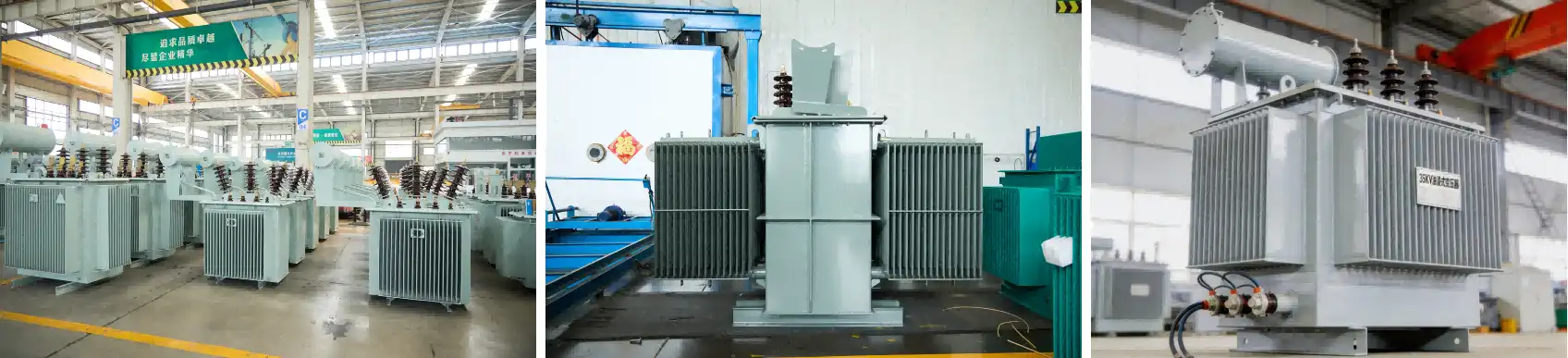
Ask about the voltage levels, power capacity (MVA), impedance tolerance, cooling method (ONAN, ONAF, OFAF), type of tap switch, and whether it meets IEC or IEEE standards. To make sure the design is right, include site-specific information like height, temperature, and seismic needs to provide to your Power Transformer Supplier.
It usually takes six to eight weeks to ship standard distribution transformers (≦35kV). Power transformers (110kV–220kV) take 12–16 weeks to build, while ultra-high-voltage units (≥500kV) may take four to six months because they are more complicated and need to be tested more often.
Some important certifications are ISO 9001 for quality control, IEC 60076 for product standards, CE marking for markets in Europe, and UL approval for markets in North America. Check that third-party tests done by approved laboratories back up claims about performance.
With its wide range of transformer production skills and technical know-how, Lijie Electric is ready to help you with your utility and industry projects. We offer distribution, power, and speciality transformers that are approved to ISO 9001, IEC, CE, and UL standards as a National High-Tech Enterprise with modern production facilities that cover 500,000 square meters. Our engineering team of more than 160 professionals can adapt to the needs of applications in heavy industry, renewable energy, and grid modernisation. Lijie Electric has a history of exporting goods to six countries and makes more than 5 billion RMB in sales every year. They have the size, dependability, and service quality that your projects need. You can email our Power Transformer Supplier team at lijieelectrical@gmail.com or visit lijie-electrical.com to learn more about our products, ask for scientific information, and get a full quote that fits your needs.
1. International Electrotechnical Commission. (2011). Power Transformers – Part 1: General (IEC 60076-1).
2. IEEE Standards Association. (2015). IEEE Standard General Requirements for Liquid-Immersed Distribution, Power, and Regulating Transformers (IEEE C57.12.00).
3. U.S. Department of Energy. (2016). Energy Conservation Standards for Distribution Transformers: Final Rule. Federal Register, Vol. 81, No. 72.
4. World Bank Group. (2018). Transformers: Procurement Guidelines for Infrastructure Projects. Energy Sector Management Assistance Program (ESMAP) Technical Report.
5. Harlow, J. H. (2012). Electric Power Transformer Engineering (3rd ed.). CRC Press.
6. Global Transformer Market Research Report. (2022). Analysis of Supply Chain Dynamics and Regional Manufacturing Hubs. Market Research Future Publications.
YOU MAY LIKE
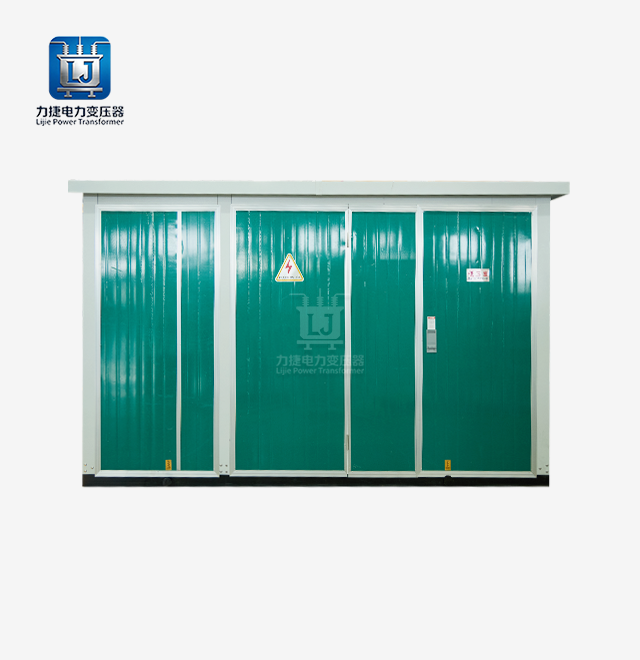
10%20type%20dry-type%20distribution%20transformer.webp)
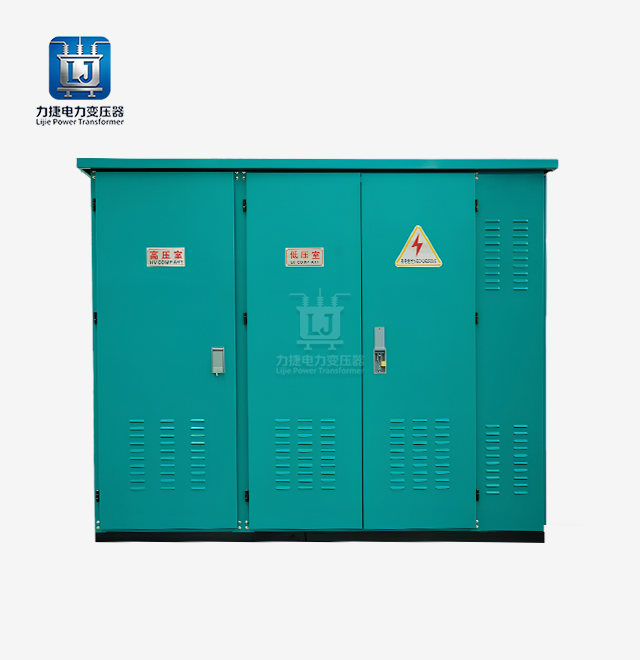

12%20type%2035kV%20distribution%20transformer.webp)

April 27, 2025
With a tight project schedule, the manufacturer delivered on time, and on-site technical personnel provided guidance throughout the entire installation and commissioning process; the collaboration was highly efficient and hassle-free.
July 2, 2025
During the preliminary phase, a selection plan was custom-tailored based on the actual site load requirements, resulting in a high degree of parameter compatibility. After-sales support responds within two hours, and ongoing technical support for operation and maintenance is comprehensive; we feel completely confident in a long-term partnership.
November 18, 2025
Deployed as a supporting component for a 35kV grid-connection project at a photovoltaic power station, the equipment operates for an average of 16 hours daily. It demonstrates excellent control over no-load losses, ensures smooth power generation and grid integration, and effectively reduces the station's overall energy consumption.
January 30, 2026
Under the continuous, high-load operating conditions of a factory production line, the equipment maintains stable electrical parameters and exhibits strong overload resistance, thereby guaranteeing an uninterrupted power supply for industrial production.
April 3, 2026
Integrated as a supporting component for a new energy photovoltaic grid-connection system, the manufacturer provided professional technical coordination and timely after-sales support, ensuring seamless adaptation to the specific electrical operating conditions required for grid integration.