April 27, 2025
With a tight project schedule, the manufacturer delivered on time, and on-site technical personnel provided guidance throughout the entire installation and commissioning process; the collaboration was highly efficient and hassle-free.
Aug 10, 2026
When you're responsible for selecting electrical equipment for hospitals, data centers, chemical plants, or high-rise buildings, fire safety isn't just a regulatory checkbox—it’s a critical requirement for protecting people, assets, and continuous operations. Partnering with an experienced Dry-type Transformer Supplier fundamentally changes how you approach power distribution in environments where safety and reliability are essential. A professional Dry-type Transformer Supplier provides specialized transformers that eliminate flammable liquid coolants entirely, using air circulation and solid insulation systems to significantly reduce ignition risks while maintaining the stable performance your operations demand. Choosing the right Dry-type Transformer Supplier ensures access to high-quality dry-type transformer solutions with excellent safety features, low maintenance requirements, and long-term operational reliability. For facilities such as hospitals, data centers, chemical plants, and commercial buildings, working with a trusted Dry-type Transformer Supplier helps improve energy efficiency, enhance electrical protection, and support safer power distribution systems. As industrial and urban infrastructure continues to develop, selecting an experienced Dry-type Transformer Supplier becomes increasingly important for achieving secure, efficient, and sustainable electrical networks.
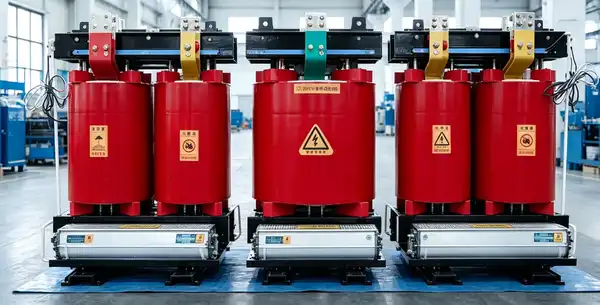
Learn about dry-type transformers and how they work in buildings that are sensitive to fire. Dry-type transformers are a big step forward in electrical safety engineering. Unlike most oil-cooled units, which move thousands of gallons of burning mineral oil around, these devices cool themselves with air from the outside. The windings are covered in epoxy resin or wrapped in materials that don't catch fire. This makes shields that stop thermal breakdown even when there is a fault.
Cast resin technology or vacuum pressure impregnation methods are used for the core design. Copper or aluminum windings are covered in solid epoxy compounds in cast resin transformers. This makes a single structure that can handle mechanical stress and external toxins. Vacuum-pressure-impregnated models insulate the windings with varnish-saturated fiberglass, and they have great thermal performance in small packages. Both methods get rid of the flashpoint risks that come with petroleum-based dielectrics. This makes them perfect for use indoors, where fire codes don't allow liquid-filled equipment. We've seen these units work effectively in temperatures ranging from -25°C to 40°C without needing extra cooling systems. This makes installation easier in places with limited room.
There are special risks for places that store sensitive electronics, work with volatile chemicals, or house people who are easily hurt. In a petroleum complex, a broken generator can do more than just stop work. It can also release dangerous fumes, start new fires, and put people in danger. When oil leaks contaminate server racks, they cause downtime that can't be tolerated by data centers that handle financial transactions. Life-support systems in hospitals need to be sure that the electrical infrastructure won't add to the dangers during emergencies. These worries can be eased by air-insulated transformers, which take away the main source of fuel for electrical fires. This makes accidents less dangerous even when other safety measures fail.
Hydrocarbons with autoignition temperatures around 300°C are found in traditional oil-filled transformers. When there is a fault, such as internal arcing or winding shorts, temperatures can rise above this limit very quickly, turning the transformer into a significant fire risk. For this reason, many organizations choose solutions provided by a reliable Dry-type Transformer Supplier to improve electrical safety in critical environments. In dry-type units, solid insulation systems have thermal ratings above 155°C (Class F) or 180°C (Class H), and they break down at temperatures well above 600°C. These advanced insulation systems supplied by an experienced Dry-type Transformer Supplier create a wider thermal safety margin, giving protection relays valuable time to shut down problems before materials catch fire. When combined with self-extinguishing properties, these insulation classes meet strict fire safety standards such as UL 1561 and IEC 60076-11, helping engineering and purchasing teams make informed equipment decisions. Selecting a professional Dry-type Transformer Supplier allows customers to access safer transformer designs with reliable performance, reduced fire risks, and improved compliance for hospitals, industrial facilities, commercial buildings, and other demanding applications. A trusted Dry-type Transformer Supplier can also provide customized dry-type transformer solutions that support long-term operational safety and energy reliability.
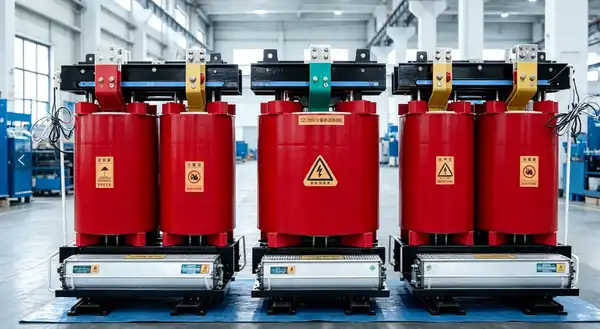
Air-cooled power tools has many benefits that go beyond just keeping fires from starting. Modern cast resin transformers offer measurable improvements across a number of performance dimensions that have a direct effect on how efficiently your facility runs and how much it costs to own.
Dry-type transformer safety profiles are built on building materials that are not flammable. According to the ASTM E84 tests, epoxy resins have flame spread rates below 25. This means they are Class I materials that can be used in plenum areas and hidden installations. When these substances are put near a direct flame, they char instead of burn, giving off less smoke and harmful gases than oil does when it burns. This self-limiting behavior stops the damage to the transformer and stops the fire from spreading to nearby equipment or buildings. Insurance actuaries know about these benefits; by switching to dry-type units in high-value facilities, we've helped clients get premium cuts of 15-20% on average.
In today's interconnected supply chains, it's not an option not to meet international certification requirements. Manufacturers with a good reputation follow the rules for ISO 9001 quality management, which makes sure that the standards of production are the same from batch to batch. The IEC 60076 line of standards spells out how electrical systems should work, while UL 1561 and CSA C88 set the rules for setups in North America. Since there is no oil, the EPA does not have to report it as required by SPCC regulations. This makes it easier to keep track of environmental compliance. Checking for CE marking for European markets and GOST-R approval for Eurasian installations when buying tools for multinational projects can help avoid delays that cost a lot of money. Our engineering team often helps clients figure out how to deal with these regulatory environments by making sure that product specifications match the needs of local codes.
The maintenance budget for oil-filled transformers is stretched thin because they need to be analyzed for dissolved gases every three months, their oil filtered once a year, and their bushings replaced on a regular basis. These jobs are not needed at all with dry-type units. Visual checks plus thermographic scanning every 12 to 18 months are usually enough to keep an eye on things. Designs with protected enclosures that have an IP23 rating or higher keep windings safe from dust, water, and chemical vapors without the need for climate-controlled basements. Because they last so long, we've put cast resin transformers right on production floors in auto plants and in underground parking garages below office towers, which are places where oil-filled equipment would be against the law or would need expensive control systems.
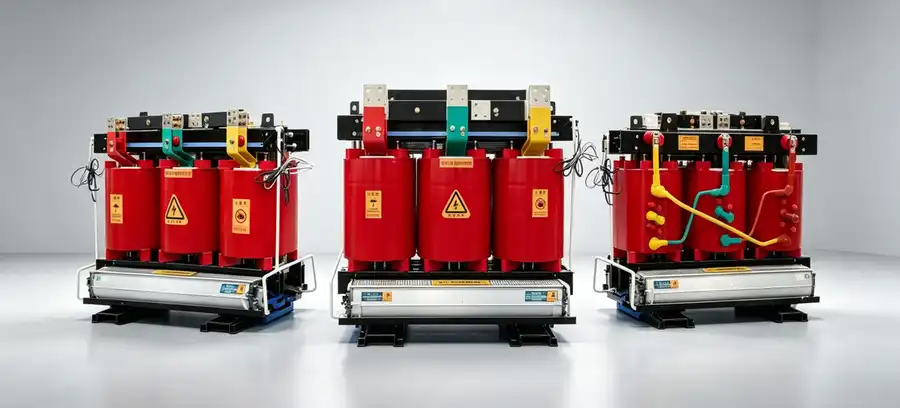
When engineering teams know the pros and cons of each transformer technology, they can make decisions that are in line with the project's priorities. There are big differences between the two systems, even though they both change power reliably.
At full load, modern dry-type transformers are as efficient as oil-immersed types in the same capacity range, with efficiency ratings between 97.5% and 98.8%. A professional Dry-type Transformer Supplier can provide advanced transformer solutions that maintain high efficiency while meeting the requirements of different power distribution systems. However, because of the way the core is magnetized, dry-type units have slightly higher no-load losses, which usually add 0.2–0.3% to their idle power consumption. This difference is important in applications where electricity is continuously supplied, such as power substations, but it is less significant in facilities like factories where the load changes frequently. When selecting equipment, working with an experienced Dry-type Transformer Supplier helps customers evaluate thermal performance, energy efficiency, and operating conditions more accurately. Air cooling reduces continuous overload capacity to about 110–120% of nameplate rating, while oil natural air natural (ONAN) transformers can handle 130–140% overloads during peak demand periods. By choosing the correct service factors, transformer capacity, and installation methods from a reliable Dry-type Transformer Supplier, operators can avoid operating limitations and ensure stable long-term performance. A trusted Dry-type Transformer Supplier can also offer customized dry-type transformer designs that balance efficiency, safety, and reliability for commercial, industrial, and infrastructure applications.
When looking at budgets, the initial costs of buying dry-type transformers are 20–35% higher than the initial costs of buying oil-filled models that do the same job. This up-front fee is due to the cost of materials and the difficulty of making the product. Different economics can be seen in a full lifecycle analysis. Getting rid of oil testing labs, containment infrastructure, and equipment for responding to spills cuts annual operating costs by $2,000 to $5,000 per transformer. Shorter lead times—usually 8–12 weeks compared to 14–18 weeks for custom oil units—speed up project timelines and lower the cost of financing. With a service life expectancy of 30 to 35 years instead of 25 to 30 years for oil generators, repair capital costs can be put off. When procurement managers use reasonable discount rates to figure out present value, dry-type technology often has a bigger total cost benefit in applications that need to be safe from fire.
Every year, regulatory pressure on getting rid of mineral oil gets stronger. Under RCRA rules, contaminated transformer oil is considered hazardous waste and must be transported to licensed treatment facilities at a cost of more than $3 per gallon. A single 500 kVA oil-filled transformer has about 120 gallons of dielectric fluid, which means it will cost $360 to get rid of and could leave you open to environmental damage claims. Copper windings, steel cores, and epoxy encapsulation can all be recycled through standard scrap channels, so dry-type units don't make a lot of waste when they're taken apart. This easier end-of-life dealing fits with companies' efforts to be more environmentally friendly and with ESG reporting needs that stakeholders are pushing for more and more.
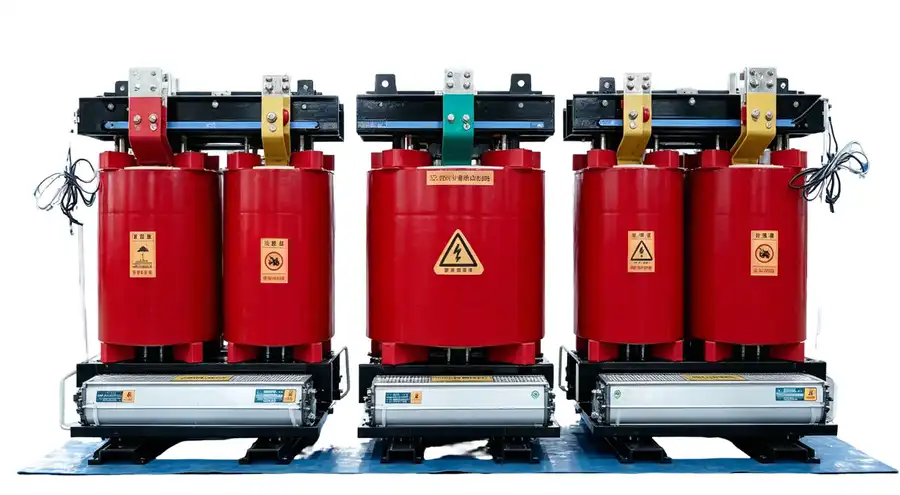
Choosing the right Dry-type Transformer Supplier will determine whether your investment in a transformer pays off or turns out to be a mistake. There are many manufacturers on the global market, and their skills, quality standards, and service commitments are all different.
When projects need a lot of the same units, manufacturing ability and batch accuracy are important. Plants that make less than 500 transformers a year might not have the process controls needed for tight standards. When you can, visit production sites and look around at places like quality control labs, vacuum pressure impregnation rooms, and winding machines. Check the validity of the ISO 9001 certification and look over the audit results. Technical customization is what sets good providers apart from great partners. For example, can they change the size of the enclosure to fit in a small place, change the layout of the tap changers to meet voltage regulation needs, or add monitoring sensors for preventative maintenance programs? Ask for participation in the design review early on in the planning process to find ways to improve the final product.
Ask for full test reports from a reliable Dry-type Transformer Supplier that include both routine production tests and type tests. Every unit manufactured by an experienced Dry-type Transformer Supplier should go through routine tests that measure resistance, applied potential (hi-pot), generated voltage, load loss, and other key electrical performance parameters. To verify that the transformer design meets required standards, type tests use representative samples to conduct temperature rise studies, short-circuit withstand trials, and impulse voltage withstand tests. A professional Dry-type Transformer Supplier should provide verified copies of these test reports along with the corresponding approval marks, such as UL, CE, and IEC CB Scheme certifications. Third-party witnessed testing, such as evaluations performed by Intertek or Bureau Veritas, adds additional credibility and confidence for high-stakes installations. Working with a qualified Dry-type Transformer Supplier ensures that procurement teams receive reliable documentation, verified product quality, and transparent testing records. By cooperating with a trusted Dry-type Transformer Supplier, clients can select suitable testing procedures and inspection methods based on project risk levels, ensuring safe, compliant, and dependable transformer performance.
The quality of technical support becomes clear once the equipment that was ordered is shipped. Respondent suppliers keep field service teams that can supervise commissioning, train operators, and do warranty repairs within the time frames agreed upon in the contract. Service spread by geography is important. For example, a company with headquarters in Asia might find it hard to help with installations in South America or Africa without having ties in those areas. Make it clear what new parts are available and how long it will take to get them, such as fans, terminal blocks, and protective switches. Different sellers offer very different warranty terms, ranging from standard 18-month coverage to extended 36-month plans that cover replacement parts. Longer warranty periods show that the manufacturer trusts the product's reliability and protect the buyer financially in case it breaks down too soon.
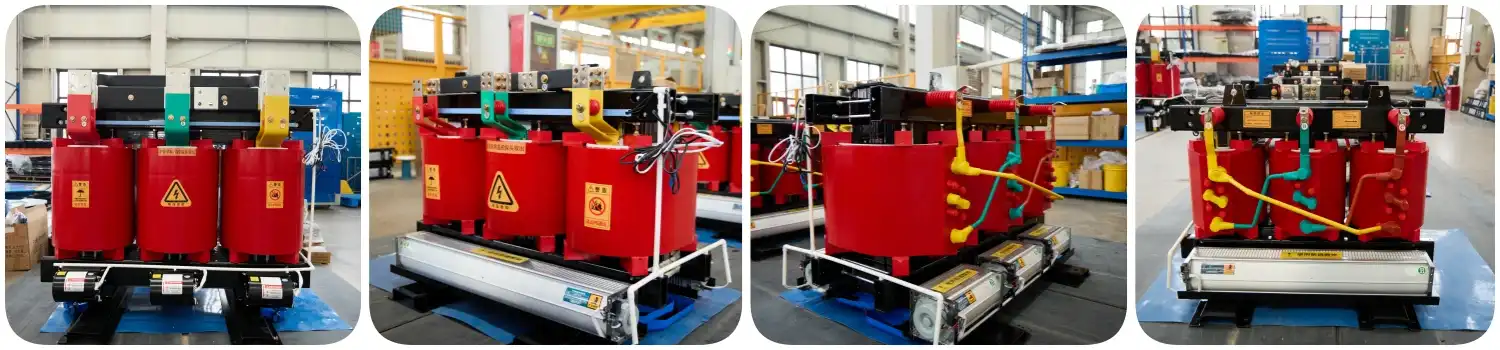
Even the best transformers don't work as well when they aren't put correctly or aren't taken care of. Safety, dependability, and service life are all improved by following the best practices in the industry.
Indoor setups need enough air flow to get rid of the heat that is produced while they are working. Use the manufacturer's temperature rise data, which is usually given in Kelvin above ambient, to figure out how much airflow is needed. In a small electrical room, a 1500 kVA cast resin transformer with an 80K rise might need 2000 cubic feet per minute (CFM) of air flow. Keep minimum distances between things—usually 3 feet on sides that can be reached and 1 foot on sides that can't be reached—so that heat can escape and repair workers can get to the area. Do not put it near HVAC intakes, where warm exhaust air could damage climate control systems. In seismic zones, things need to be mounted rigidly to building parts using vibration isolation pads to stop resonance increase during earthquakes. Space heaters keep the windings from condensing when the power is off, which is helpful in places with high humidity.
Set up regular eye review times every three months to look for dust buildup on cooling surfaces, loose electrical connections, and noises or vibrations that don't seem right. Every year, thermal imaging surveys find hot spots that show connection degradation or winding damage before they break. Every 24 months, tighten all bolted connections to the torque values recommended by the manufacturer. Thermal cycling causes gradual loosening, which raises contact resistance and heat. To keep the airflow rates that were planned, clean the ventilation grilles and fan blades. Use maintenance management tools to keep track of all the results of inspections and look for patterns that could mean problems are starting to appear. Instead of using specialized diagnostic tools for oil transformers, these easy steps can be done by in-house electricians with only basic training, cutting down on the need for outside service providers.
Unexpected temperature rise above nameplate ratings could mean that ventilation is blocked, the system is overloaded, or nonlinear loads are causing harmonic distortion. Install power quality meters to find out how much total harmonic distortion there is. If the amount is higher than 5%, you may need K-factor rated transformers or harmonic filters. Unusual acoustic noise is often a sign of loose laminations in the core or mechanical resonance with building structures. Talk to factory engineers to find out if noise levels are too high. Using megohm meters to measure insulation resistance can find moisture or contamination; results below 1000 megohms need more research. When testing shows problems that are beyond the company's knowledge, quickly get technical help from the seller instead of trying to fix things yourself, which can void the warranty.
In conclusion, it is good technical practice, supported by decades of field experience, to choose air-insulated power solutions for locations where fire risks could cause serious damage. Working with a qualified Dry-type Transformer Supplier helps organizations obtain safer transformer systems that eliminate flammable coolants, simplify maintenance procedures, and comply with strict regulatory requirements. The advantages provided by an experienced Dry-type Transformer Supplier create strong long-term value that goes beyond initial cost considerations. As safety standards and sustainability expectations continue to become more demanding, procurement managers and electrical engineers need to cooperate with a trusted Dry-type Transformer Supplier that can deliver certified, customized, and reliable dry-type transformer solutions. Choosing dry-type technology from a professional Dry-type Transformer Supplier protects not only a building’s physical assets but also the people and operations that depend on safe, stable, and uninterrupted power distribution. With the support of a reputable Dry-type Transformer Supplier, companies can achieve improved fire safety, operational reliability, and long-term energy management performance.
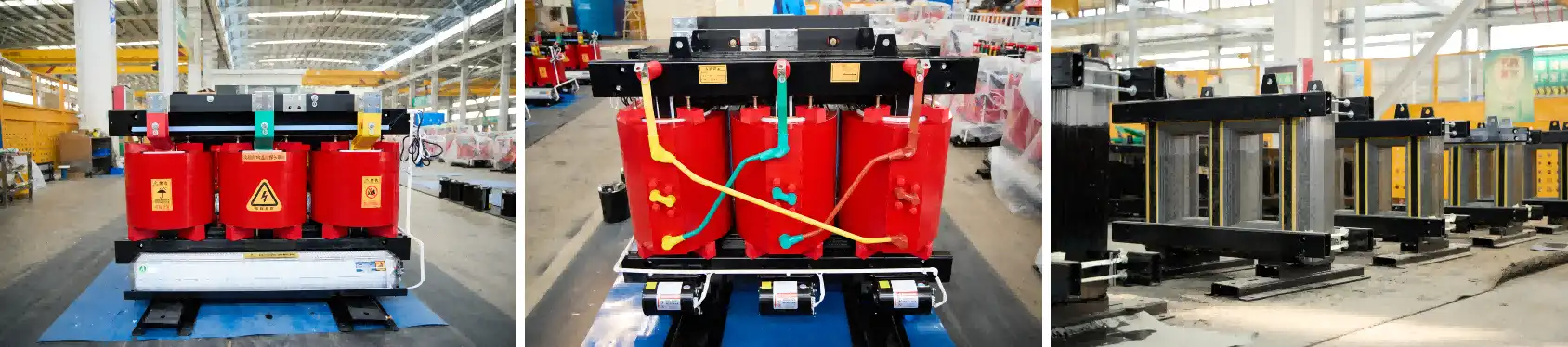
You can expect the original buy price to be 20–35% higher than for oil-immersed units with the same capacity. A 1000 kVA cast resin transformer could cost between $18,000 and $22,000, while an oil-filled type would cost between $14,000 and $16,000. However, lifecycle costs can be lowered by getting rid of oil containment systems, testing labs, and disposal costs. When all ownership costs are taken into account, most facilities reach cost parity within 8 to 12 years of operation.
For outdoor applications, protective shelters with a rating of at least NEMA 3R or IP54 are needed to keep out rain, snow, and airborne pollutants. Manufacturers make waterproof boxes with louvers, thermostatic heaters, and finishes that don't rust that can be used in seaside or industrial settings. Above 1000 meters, altitude adjustments are needed because the lower air density makes cooling less effective.
From stock, standard catalog items ship in 4 to 6 weeks. Lead times are extended to 10 to 14 weeks for custom specs that include specific voltage ratios, changes to the casing, or built-in switchgear. For production schedule and batch manufacturing, big sales of more than 20 units may take 16 to 18 weeks. Early on in the quotation phase, share the project timeline so that delivery dates are in line with construction milestones.
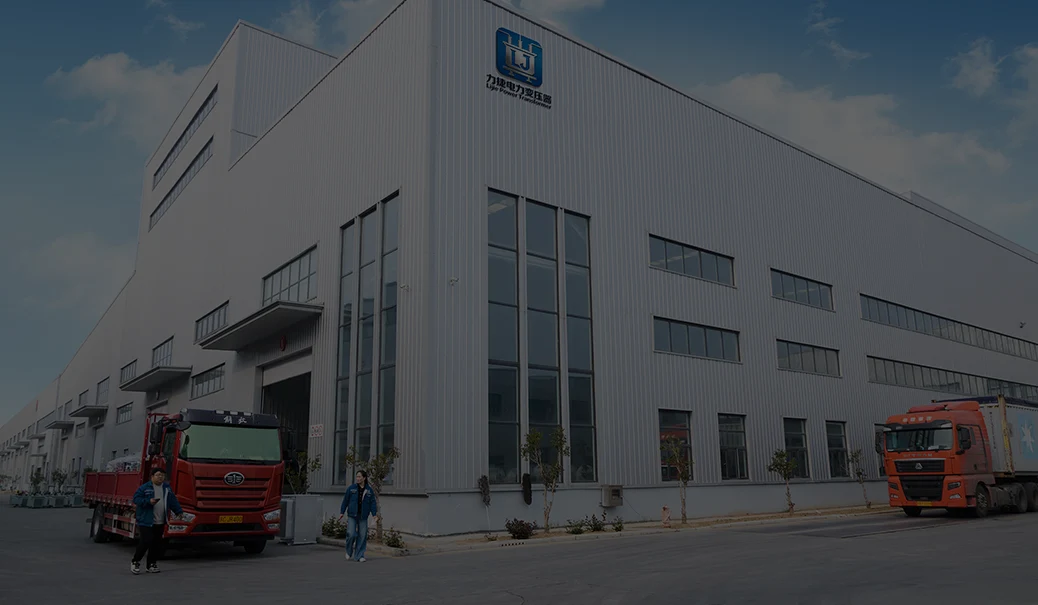
Lijie Electric Technology Group has been making high-quality transformers for over 20 years and works on fire-sensitive projects all over the world. We make cast resin and VPI dry-type transformers with ratings from 315 kVA to 35 kV that meet IEC, UL, and CE standards. Our modern production sites cover 500,000 square meters and are located in Xuzhou and Nantong. Our 160-person engineering team has both doctoral and master's degrees, which means they can make changes to meet your special needs for voltage control, harmonic mitigation, and environmental protection. We guarantee consistent quality across large project batches because we are a certified Dry-type Transformer Supplier with ISO 9001:2015 certification and the ability to make more than 10,000 units per year. Purchasing managers like our 10–14-week lead times, thorough factory acceptance testing, and global logistics coordination, which has helped us get equipment to projects on six continents. Electrical engineers appreciate our application support during the design phase, which helps them make the best choices about transformer specs based on space and heat performance. To talk about your fire-sensitive facility project, email our technical sales team at lijieelectrical@gmail.com or go to lijie-electrical.com. We'll give you thorough specs, competitive quotes, and references from installations that are similar to yours to show that we care about your business success.
1. IEEE Standard C57.12.01-2020, "IEEE Standard for General Requirements for Dry-Type Distribution and Power Transformers," Institute of Electrical and Electronics Engineers, New York, 2020.
2. National Fire Protection Association, "NFPA 70: National Electrical Code Article 450 - Transformers and Transformer Vaults," NFPA Publications, Quincy, Massachusetts, 2023 Edition.
3. International Electrotechnical Commission, "IEC 60076-11: Power Transformers - Part 11: Dry-Type Transformers," IEC Central Office, Geneva, Switzerland, 2018.
4. Kulkarni, S.V. and Khaparde, S.A., "Transformer Engineering: Design, Technology, and Diagnostics," Second Edition, CRC Press, Boca Raton, Florida, 2013.
5. Heathcote, Martin J., "The J&P Transformer Book: A Practical Technology of the Power Transformer," Thirteenth Edition, Newnes Publishing, Oxford, United Kingdom, 2007.
6. U.S. Department of Energy, "Energy Conservation Program: Energy Conservation Standards for Distribution Transformers," Federal Register Vol. 87, No. 190, Office of Energy Efficiency and Renewable Energy, Washington, D.C., October 2022.
YOU MAY LIKE


%20Dry-type%20Distributing%20Transformer.webp)


April 27, 2025
With a tight project schedule, the manufacturer delivered on time, and on-site technical personnel provided guidance throughout the entire installation and commissioning process; the collaboration was highly efficient and hassle-free.
July 2, 2025
During the preliminary phase, a selection plan was custom-tailored based on the actual site load requirements, resulting in a high degree of parameter compatibility. After-sales support responds within two hours, and ongoing technical support for operation and maintenance is comprehensive; we feel completely confident in a long-term partnership.
November 18, 2025
Deployed as a supporting component for a 35kV grid-connection project at a photovoltaic power station, the equipment operates for an average of 16 hours daily. It demonstrates excellent control over no-load losses, ensures smooth power generation and grid integration, and effectively reduces the station's overall energy consumption.
January 30, 2026
Under the continuous, high-load operating conditions of a factory production line, the equipment maintains stable electrical parameters and exhibits strong overload resistance, thereby guaranteeing an uninterrupted power supply for industrial production.
April 3, 2026
Integrated as a supporting component for a new energy photovoltaic grid-connection system, the manufacturer provided professional technical coordination and timely after-sales support, ensuring seamless adaptation to the specific electrical operating conditions required for grid integration.