April 27, 2025
With a tight project schedule, the manufacturer delivered on time, and on-site technical personnel provided guidance throughout the entire installation and commissioning process; the collaboration was highly efficient and hassle-free.
Aug 10, 2026
Selecting a qualified Dry-type Transformer Supplier requires a balanced approach between technical specifications, safety compliance, and long-term operational costs. These specialized industrial entities engineer and manufacture transformers utilizing solid or air insulation systems rather than liquid coolants, addressing critical safety concerns in urban commercial complexes and industrial plants where fire hazards and environmental protection remain top priorities for facility managers and procurement teams evaluating power distribution infrastructure.
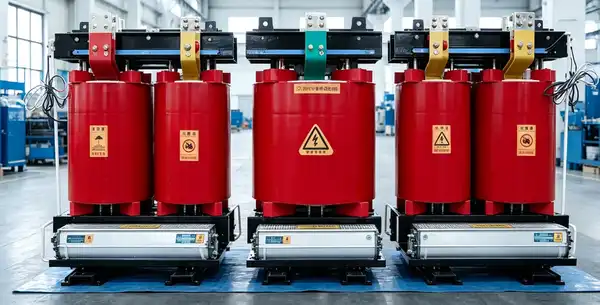
Dry-type transformers are very different from oil-cooled systems because they use solid insulation materials like epoxy resin or vacuum pressure impregnation (VPI) to move air around. Because of this basic design difference, these units are safer to put in occupied buildings, underground vaults, and places that are good for the environment because they don't contain flammable liquids.
Putting dry-type units closer to electrical loads is good for commercial office towers, shopping areas, and data centers because it lowers transmission losses and makes voltage control better. Industrial manufacturing plants, like steel mills, chemical processing plants, and mines, depend on these transformers to work in tough conditions like dust, humidity, and mechanical vibration without letting the coolant get dirty or the fire spread.
Renewable energy systems are choosing dry-type designs more and more for solar inverter stations and wind turbine substations, which need strong electrical performance because of cyclic loads and harmonic distortion. Not having to do regular oil tests and fill out paperwork for environmental compliance makes things even easier, so plant managers can focus on production instead of maintenance schedules. Hospitals and schools also like these units because strict building codes don't allow flammable materials to be close to occupied areas.
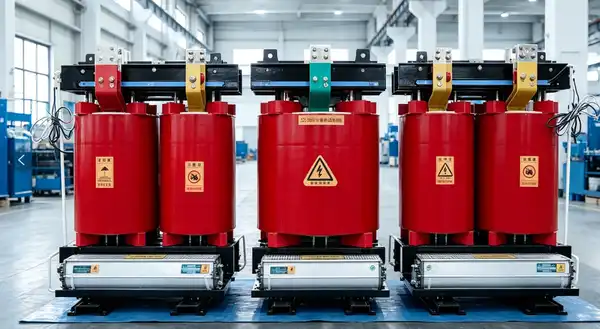
Before making a purchase choice, it's not enough to just compare prices. You also need to carefully look at the supplier's skills, as these can have a direct effect on project timelines and the long-term performance of assets. Before asking for quotes, engineering teams need to make sure that the voltage ratings, capacity specifications, and environmental protection levels meet the needs of the operation.
International certifications prove that the manufacturing process is consistent and that the products are reliable. A professional Dry-type Transformer Supplier follows strict quality control procedures to ensure that every stage of production meets international requirements. ISO 9001:2015 quality management systems help a qualified Dry-type Transformer Supplier maintain detailed records of all manufacturing processes, from raw material inspections to finished product testing. UL approval demonstrates that the transformer meets North American safety requirements, while CE marking confirms compliance with European Union regulations. The International Electrotechnical Commission (IEC) standards, especially IEC 60076 for power transformers, establish globally recognized performance requirements for transformer design, testing, and operation. Choosing an experienced Dry-type Transformer Supplier with complete certifications makes cross-border procurement easier and provides greater confidence in product quality, safety, and reliability. A trusted Dry-type Transformer Supplier can also support customers with certification documents, technical reports, and compliance information required for international projects. By working with a certified Dry-type Transformer Supplier, companies can reduce procurement risks, simplify insurance procedures, and ensure dependable dry-type transformer performance in different markets worldwide.
Lijie Electric has UL, CE, and ISO 9001:2015 certifications, which show that they follow strict testing procedures approved by the National Transformer Quality Supervision and Inspection Center. Our 10kV and 35kV product lines are compliant with IEC standards, which helps with infrastructure projects that span multiple countries by making sure that paperwork is the same in each one. This set of certifications lowers the risk of buying things by making sure they work with engineering standards and the rules that govern business and industrial installations.
For big projects, custom solutions are often needed that go beyond what's in a catalogue. If a supplier has their own engineering staff, they can change the impedance values, winding configurations, and enclosure ratings to fit the needs of each site. Dry-type Transformer Suppliers who can support complicated developments are different from commodity sellers because they can make custom tap layouts, harmonic filters, or mounting systems that are resistant to earthquakes.
Infrastructure deadlines need accurate lead times, especially for multi-phase construction projects that need to coordinate electricity installation with structural goals. When a supplier has more than one manufacturing facility, they can handle production interruptions better, and when they keep regional stocking programs going, they can speed up emergency supplies. Looking at a supplier's yearly production rate and current order backlogs can help you figure out how well they can meet the needs of big framework agreements without sacrificing quality or adding extra time to delivery.
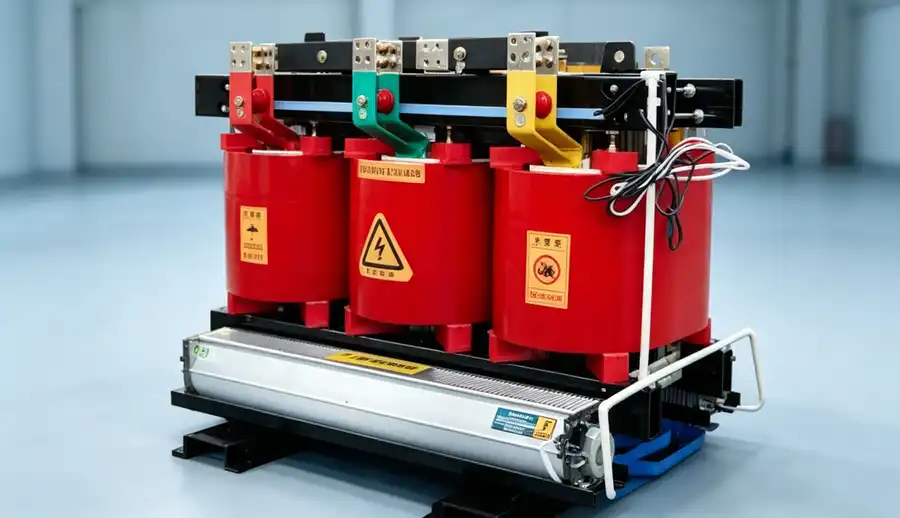
Knowing the trade-offs in performance between insulation technologies lets you do a more accurate lifecycle cost analysis. Oil-filled transformers are usually used for utility transmission, but Dry-type Transformer Suppliers provide units with a lot of benefits in distribution voltage classes that serve commercial and industrial loads.
Oil-filled transformers have hundreds of gallons of dielectric fluid inside them, which can catch fire and is bad for the environment. Equipment for putting out fires, spill control systems, and regular tests of the oil quality all add to the ongoing costs of running a business. These risks are completely eliminated by dry designs, which can be installed inside building areas where zoning laws don't allow burning materials. By cutting down on cable runs from outdoor pad-mounted units to indoor load centers, this positioning flexibility lowers the cost of secondary distribution.
To keep oil-cooled systems from leaking, the fluid needs to be replaced regularly, and dissolved gas analysis should be performed annually to monitor transformer conditions. Compared with oil-cooled solutions, a reliable Dry-type Transformer Supplier can provide transformer systems that require simpler maintenance procedures and improved operational safety. With dry-type transformers, upkeep is usually limited to visual inspections, temperature monitoring, and occasional cleaning, which reduces maintenance complexity and service interruptions. An experienced Dry-type Transformer Supplier offers advanced dry-type transformer designs that do not rely on flammable liquids and can maintain stable performance with minimal maintenance requirements. Modern cast resin designs supplied by a professional Dry-type Transformer Supplier can operate reliably for decades with very limited maintenance, making them highly attractive for facility managers who prioritize uptime in mission-critical environments such as hospitals, semiconductor factories, and financial data centers. By choosing the right Dry-type Transformer Supplier, organizations can achieve safer power distribution, lower maintenance costs, and improved long-term reliability. A trusted Dry-type Transformer Supplier provides dependable transformer solutions that support continuous operation in demanding commercial, industrial, and infrastructure applications.
Even though dry-type units usually cost more to buy at first than oil-filled models of the same size, the total cost of ownership must take into account installation costs, lower maintenance labour costs, insurance premiums, and costs related to environmental compliance. Energy efficiency scores under DOE 2016 rules have an even bigger effect on running costs. Amorphous core designs have lower no-load losses, which add up to big savings over 20 to 30 years of service. When comparing bids, procurement teams should ask for lifecycle cost models that include projected utility rates and rising maintenance labour costs so they can see what the real economic value is.
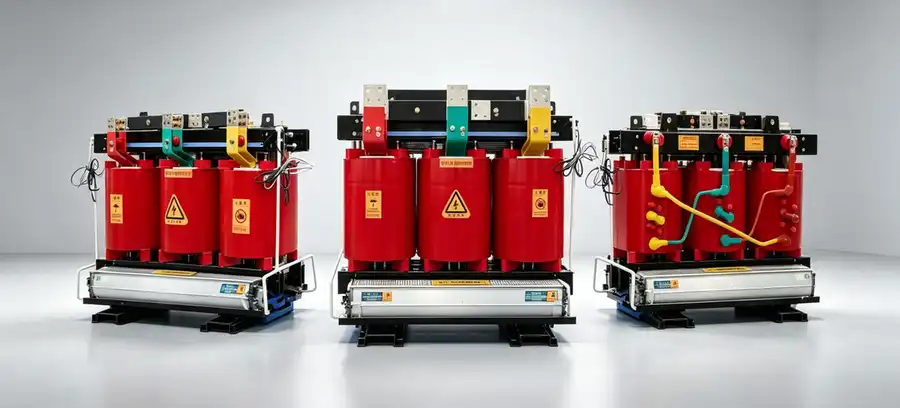
Structured inspection programs that cover common failure modes are needed to make assets last as long as possible. Even though dry-type units don't need as much care as oil-cooled ones, not following basic rules can speed up insulation degradation and lower heat performance.
Visual checks should be done every three months to look for physical damage, broken connections, and unusual discolouration that could mean the system is burning. Before a major failure, thermal imaging scans find hotspots that are caused by loose connections or internal flaws. Ambient temperature and ventilation suitability checks make sure that the flow of cool air meets maker requirements. This is especially important in electrical rooms that are closed off, where lack of airflow speeds up the ageing process.
Real-time data from winding temperature sensors or built-in sensors is used in predictive repair plans. Continuous loads that are higher than the standard values damage insulation systems, and the cycle overloads that happen a lot in factories speed up the ageing process. By keeping track of load profiles, engineering teams can make sure that equipment is the right size during growth and find ways to balance loads, which improves the life of transformers.
Getting dust on the core and coil assemblies makes it harder for heat to escape, which leads to hotspots in certain areas. Cleaning factory settings once a year with compressed air or industrial vacuums keeps the temperature stable. Controlling humidity below 95% relative humidity stops hygroscopic insulation materials from absorbing water. Facilities near the coast can benefit from conformal coatings or higher IP protection ratings that keep salt from getting inside.
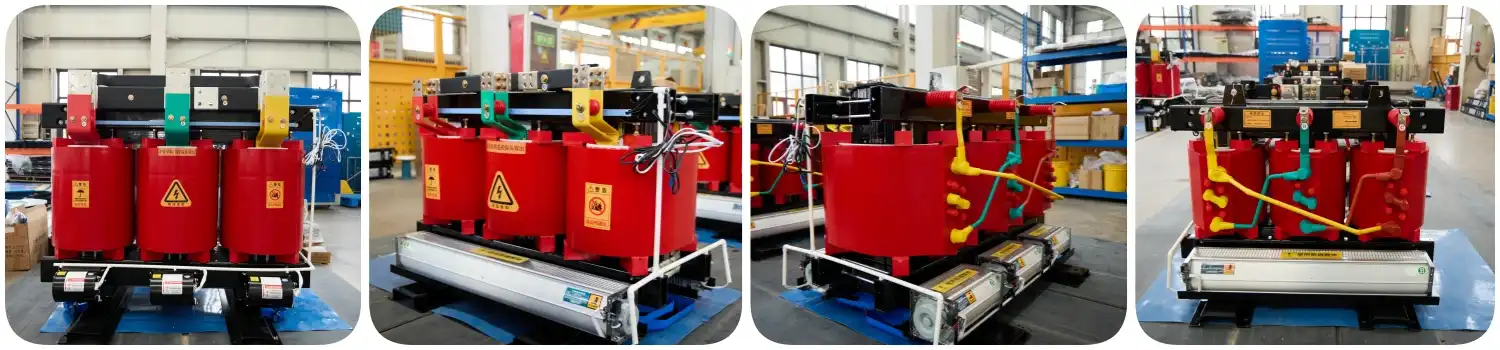
Structured buying methods lower the risks in the supply chain and make sure that technical requirements are met and that the budget is stuck to. Electrical workers, building engineers, and buying managers can all benefit from standard processes that record project-specific needs and make it easy to compare Dry-type Transformer Suppliers on an equal level.
To get accurate transformer specifications, it is important to perform load calculations to determine the required kVA capacity, primary and secondary voltage levels, and phase configuration. Working with an experienced Dry-type Transformer Supplier helps customers identify the correct transformer parameters based on actual operating conditions and application requirements. Insulation class and enclosure ratings are influenced by factors such as installation altitude, extreme temperature variations, and environmental pollution levels. A professional Dry-type Transformer Supplier can provide suitable dry-type transformer solutions with proper insulation systems and enclosure designs to ensure reliable operation in different environments. Depending on the seismic zone and installation conditions, special fastening methods or structural reinforcements may be required, and a qualified Dry-type Transformer Supplier can offer engineering support to meet these requirements. Due to harmonic distortion caused by variable frequency drives or renewable energy inverters, K-factor ratings or phase-shifting designs may be necessary to reduce triplen harmonics and improve system performance. Choosing a reliable Dry-type Transformer Supplier ensures that customers receive properly designed transformers with advanced technical features, optimized protection, and long-term operational stability. A trusted Dry-type Transformer Supplier can also provide customized solutions that meet complex electrical, environmental, and safety requirements.
Request-for-quote packages that are very detailed should have single-line diagrams, installation drawings, references to relevant standards, and delivery milestones. Performance claims are backed up by approved test results that show compliance with IEEE, NEMA, or IEC standards. Warranty terms that cover flaws in the manufacturing process, damage during shipping, and response times for field service protect project budgets against failures that were not planned for. The overall project costs are affected by the payment terms that balance the supplier's cash flow needs with the buyer's ability to keep the buyer.
Purchase orders must include accepted submittal drawings, details about plant acceptance testing that must be seen by buyer agents, and shipping terms that make it clear who is responsible for insurance. When buying things from other countries, making sure that export licenses and customs classification codes are followed can help avoid delays at the border. Delivery checks that check the nameplate data, physical state, and attachment completion before unloading cut down on conflicts after installation.
Choosing the right Dry-type Transformer Supplier has long-lasting effects on the safety of the project, the efficiency of operations, and the cost over its entire life. Technical certifications, the ability to customise, and the size of the production run are what set manufacturers who can support large infrastructure projects apart from regional distributors. The economic benefits of high-efficiency designs and low-maintenance buildings become clear when you look at total ownership costs instead of beginning price. Technical mismatches and schedule delays that hurt facility performance can be avoided by following strict procurement processes that record detailed specifications, check the credentials of suppliers, and set clear contractual terms.
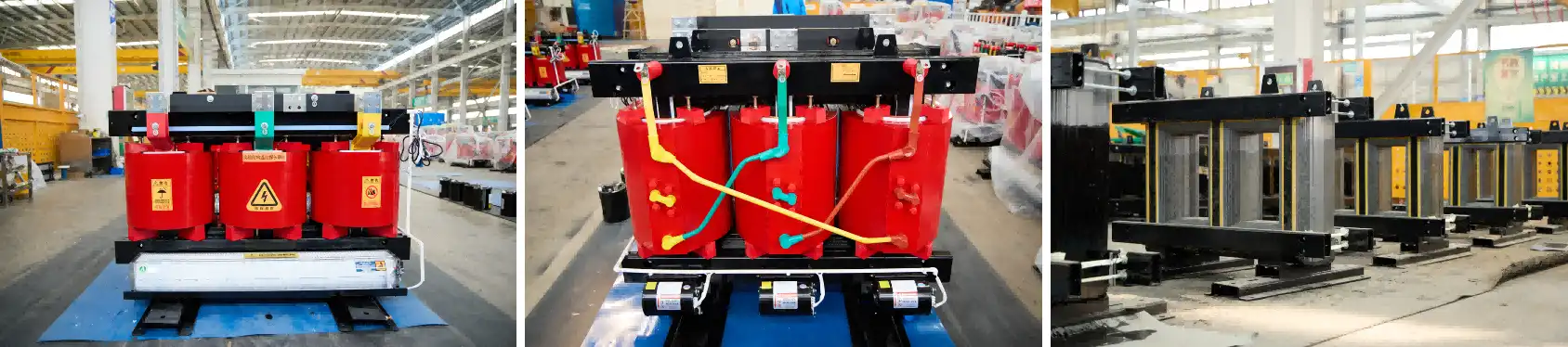
Dry-type units are used for distribution tasks in 208V low-voltage systems and 35kV medium-voltage networks. For campus distribution, commercial buildings usually choose ratings between 480V and 13.8kV, while industrial plants use ratings between 4.16kV and 34.5kV to power motor control centers and process equipment. Lijie Electric makes standard and custom voltage configurations that meet the needs of regional utility interconnection around the world.
Standard catalogue units usually ship 6 to 8 weeks after receiving a buy order. However, engineered-to-order designs with special impedances, temperature rises, or earthquake qualifications need 12 to 16 weeks. Large framework deals benefit from delivery plans that are spread to match building stages. This makes cash flow and storage operations more efficient. Lijie Electric has two factories that can make enough to meet the needs of infrastructure companies who buy more than 100 units a year.
Every three months, visual checks find any physical damage or link problems. Every year, infrared cameras are used to do thermal scans that find hotspots before they cause damage to the insulation. Every five years, full electrical tests that measure insulation resistance and winding ratios make sure that the machine will continue to work. This low-maintenance schedule lowers lifecycle costs compared to oil-filled options that need fluid analysis once a year and coolant replacement every so often.
The Lijie Electric Technology Group runs two factories that are a total of 500,000 square meters in size. Each year, they make things that serve infrastructure projects worth billions of yuan around the world. With more than 160 professionals holding advanced degrees, our engineering team creates custom dry-type transformer solutions with rated capacities ranging from 10kV to 35kV. These include cast resin designs for commercial high-rises and VPI units for industrial facilities. We provide transformer systems that meet the highest international standards for power providers, renewable energy developers, and EPC contractors. Our company is known as a "Specialised, Refined, and New 'Little Giant'" and has ISO, UL, CE, and IEC certifications. Our line of products includes small substations, rectifier transformers, and mining-duty units made for tough jobs on all six continents. Technical teamwork starts with a thorough load analysis and continues with help during commissioning to make sure that your electrical infrastructure meets the performance goals set by the designers. To talk about voltage needs, shipping dates, and framework agreement terms, please email our buying experts at lijieelectrical@gmail.com. You can look through our full catalogue of transformers at lijie-electrical.com and ask for scientific documents that back up your project requirements. Lijie Electric blends production capacity with technical knowledge that covers the whole lifecycle of commercial and industrial power systems when looking for a trusted Dry-type Transformer Supplier for long-term supply partnerships.
1. Institute of Electrical and Electronics Engineers (IEEE), "IEEE Standard for Dry-Type Distribution and Power Transformers," IEEE Std C57.12.01-2020, New York, 2020.
2. National Electrical Manufacturers Association (NEMA), "Standards Publication for Liquid-Immersed Distribution, Power, and Regulating Transformers," NEMA TP 1-2018, Rosslyn, Virginia, 2018.
3. International Electrotechnical Commission (IEC), "Power Transformers - Part 11: Dry-Type Transformers," IEC 60076-11:2018, Geneva, Switzerland, 2018.
4. U.S. Department of Energy, "Energy Conservation Program: Energy Conservation Standards for Distribution Transformers," Federal Register Vol. 81, No. 185, 2016.
5. American Society of Heating, Refrigerating and Air-Conditioning Engineers (ASHRAE), "Thermal Guidelines for Data Processing Environments," 4th Edition, Atlanta, Georgia, 2015.
6. Electrical Safety Foundation International (ESFI), "Best Practices for Electrical System Safety in Industrial Facilities," Washington, D.C., 2021.
YOU MAY LIKE




April 27, 2025
With a tight project schedule, the manufacturer delivered on time, and on-site technical personnel provided guidance throughout the entire installation and commissioning process; the collaboration was highly efficient and hassle-free.
July 2, 2025
During the preliminary phase, a selection plan was custom-tailored based on the actual site load requirements, resulting in a high degree of parameter compatibility. After-sales support responds within two hours, and ongoing technical support for operation and maintenance is comprehensive; we feel completely confident in a long-term partnership.
November 18, 2025
Deployed as a supporting component for a 35kV grid-connection project at a photovoltaic power station, the equipment operates for an average of 16 hours daily. It demonstrates excellent control over no-load losses, ensures smooth power generation and grid integration, and effectively reduces the station's overall energy consumption.
January 30, 2026
Under the continuous, high-load operating conditions of a factory production line, the equipment maintains stable electrical parameters and exhibits strong overload resistance, thereby guaranteeing an uninterrupted power supply for industrial production.
April 3, 2026
Integrated as a supporting component for a new energy photovoltaic grid-connection system, the manufacturer provided professional technical coordination and timely after-sales support, ensuring seamless adaptation to the specific electrical operating conditions required for grid integration.