April 27, 2025
With a tight project schedule, the manufacturer delivered on time, and on-site technical personnel provided guidance throughout the entire installation and commissioning process; the collaboration was highly efficient and hassle-free.
Aug 12, 2026
When industrial facilities, data centers, and renewable energy plants seek reliable electrical infrastructure, partnering with a qualified Dry-type Transformer Supplier becomes essential. These specialized manufacturers provide advanced air-cooled or solid-insulated power solutions that eliminate fire hazards associated with oil-filled units while delivering consistent performance in demanding indoor environments. An experienced Dry-type Transformer Supplier can design and manufacture transformer systems that improve operational safety, energy efficiency, and long-term reliability for critical power applications. At Lijie Electric, we have witnessed how properly selected dry-type transformers can enhance safety and optimize energy performance for medium-to-large enterprises managing complex power distribution requirements across utility networks, industrial facilities, and sustainable energy projects. By working with a trusted Dry-type Transformer Supplier, customers can access customized transformer solutions, professional technical support, and high-quality products designed to meet strict industry standards. A reliable Dry-type Transformer Supplier helps organizations reduce maintenance requirements, improve electrical system stability, and achieve safer power distribution in modern infrastructure applications. Choosing the right Dry-type Transformer Supplier is a key step toward building efficient, secure, and sustainable electrical systems.
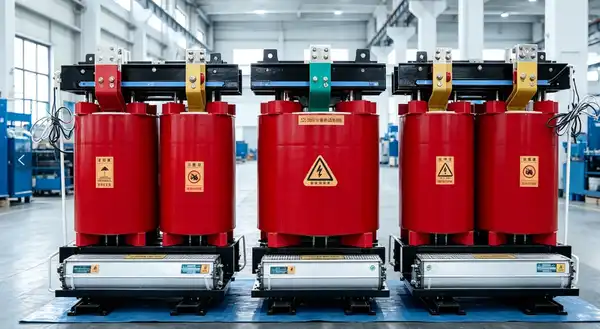
Dry-type Transformers are different from oil-immersed units because they use solid insulation materials, like epoxy resin compounds or vacuum pressure infused (VPI) varnish systems, to change voltage without using liquid coolants. This basic design difference solves three major problems that procurement managers have: it gets rid of the risk of flash-point fires in high-density urban installations; it stops leaks from polluting the environment; and it lowers the cost of maintenance over the life of the system by getting rid of the need to monitor fluid levels.
Cast Resin Transformers (CRT) protect their windings in epoxy resin, making them strong enough to handle mechanical stress and water exposure. VPI transformers have better thermal performance in small packages because they use vacuum impregnation to bond the insulation layers. For harsh industrial settings with dust, humidity, and corrosive atmospheres, encapsulated types come with protected housings rated IP23 to IP54. Each design is best for a certain type of application, such as underground substations that don't allow oil-filled equipment or ships that need to be able to withstand vibrations.
Electrical engineers and project managers are choosing Dry-type Solutions over traditional ones more and more because they have three strong benefits. Better safety is the most important thing. Since these units don't use flammable dielectric fluids, they can be put next to occupied areas, cutting down on cable runs and the voltage drops that come with them. According to research from the Institute of Electrical and Electronics Engineers, dry installations in business buildings can lower fire insurance rates by up to 30% compared to oil-filled installations.
Lower no-load losses contribute to improved energy efficiency and better long-term operating economics. This advantage is especially significant in amorphous alloy core designs, which can reduce magnetization losses by 70–80% compared with conventional silicon steel cores. A professional Dry-type Transformer Supplier can provide advanced transformer solutions that utilize efficient core materials and optimized designs to help customers achieve energy-saving goals. Environmental benefits include reducing the costs associated with oil disposal and lowering the risk of groundwater contamination, making dry-type transformer technology a suitable choice for companies focused on sustainability and regulatory compliance. A reliable Dry-type Transformer Supplier supports organizations in meeting corporate environmental objectives and adapting to increasingly strict environmental regulations in markets such as the United States. For applications where hospitals require fail-safe power distribution or data centers demand continuous uptime, transformers provided by an experienced Dry-type Transformer Supplier deliver predictable performance, reduced maintenance requirements, and measurable operational value. By choosing a trusted Dry-type Transformer Supplier, customers can achieve safer electrical systems, improved energy efficiency, and reliable power distribution for critical infrastructure. A qualified Dry-type Transformer Supplier provides not only high-performance dry-type transformers but also technical expertise to support sustainable and dependable power solutions.
The choice between Dry-type Transformers and oil-immersed transformers depends on how they will be installed, not on which is technically better. Oil-filled units work best in outdoor, high-capacity uses with more than 10 MVA of power, where better heat dissipation makes the more complicated upkeep worth it. Dry-type Transformers are most common in 15 kVA to 10 MVA indoor systems, where flammable materials aren't allowed by building rules and small footprints are needed.
Maintenance intervals make this difference very clear. Every year, oil-immersed units need to be drained, their fluids sampled, and their dissolved gases analysed. They also need to be filtered or replaced, which causes downtime and ongoing costs. According to the National Electrical Manufacturers Association, Dry-type Transformers only need to be visually inspected and cleaned every so often. This cuts down on maintenance work by about 60% over a normal 25-year working life. This ease of use is especially helpful in places like factories and industrial parks where budgets for repair are always being pushed while reliability standards must be met.
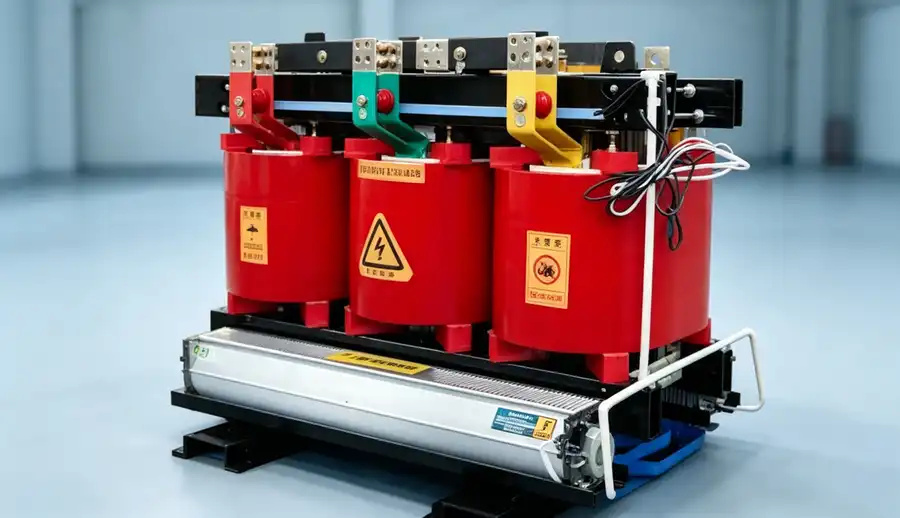
If a Dry-type Transformer will meet the working needs of your building for the next 20 to 30 years, three interconnected design elements must be present. Modern shielding systems that use class F (155°C) or class H (180°C) materials protect against short-term overloads that are typical in industrial settings. At Lijie Electric, we use multiple impregnation rounds in our production process to make sure that all voids are filled. This stops partial discharge, which is the main reason why insulation fails too soon.
Different ratings and environments have different cooling systems. Natural air convection (AN) works well for smaller units up to 2.5 MVA in climate-controlled areas. Forced air (AF) systems, on the other hand, can handle up to 10 MVA by increasing the rate at which heat is lost. Choosing high-quality materials is very important. For example, copper conductors reduce resistive losses more than aluminium ones, and grain-oriented silicon steel cores lower hysteresis losses that would otherwise make heat and waste energy. Oversized neutrals and K-factor ratings keep nonlinear currents from overheating in green energy applications that have loads that are fed by a transformer and cause harmonic distortions.
Routine inspections that are specifically designed for Dry-type Transformers greatly increase the time between service calls and find problems early. Visual checks should be done every three months to make sure that airflow paths are still clear, insulation surfaces aren't discoloured from heat stress, and termination connections are still tight. Infrared thermography scans done once a year find hot spots that could mean loose connections or internal faults before they cause a catastrophic failure.
Lower no-load losses contribute to improved energy efficiency and better long-term operating economics. This advantage is especially significant in amorphous alloy core designs, which can reduce magnetization losses by 70–80% compared with conventional silicon steel cores. A professional Dry-type Transformer Supplier can provide advanced transformer solutions that utilize efficient core materials and optimized designs to help customers achieve energy-saving goals. Environmental benefits include reducing the costs associated with oil disposal and lowering the risk of groundwater contamination, making dry-type transformer technology a suitable choice for companies focused on sustainability and regulatory compliance. A reliable Dry-type Transformer Supplier supports organizations in meeting corporate environmental objectives and adapting to increasingly strict environmental regulations in markets such as the United States. For applications where hospitals require fail-safe power distribution or data centers demand continuous uptime, transformers provided by an experienced Dry-type Transformer Supplier deliver predictable performance, reduced maintenance requirements, and measurable operational value. By choosing a trusted Dry-type Transformer Supplier, customers can achieve safer electrical systems, improved energy efficiency, and reliable power distribution for critical infrastructure. A qualified Dry-type Transformer Supplier provides not only high-performance dry-type transformers but also technical expertise to support sustainable and dependable power solutions.
Well-designed Dry-type Transformers are different from generic ones because they have four built-in safety features:
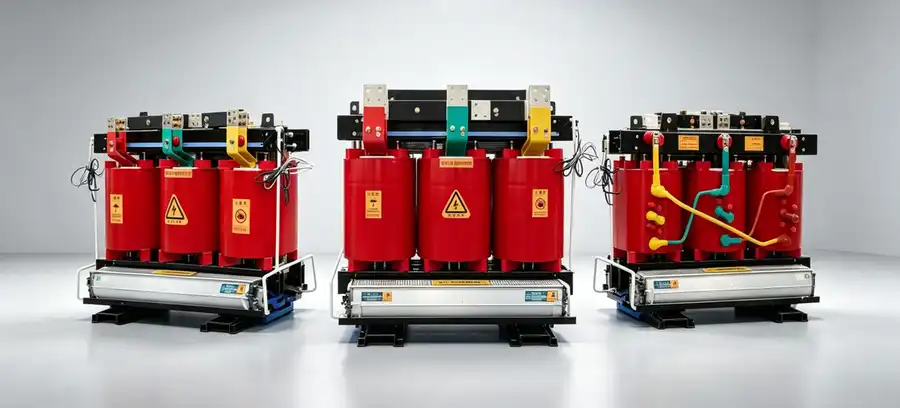
When choosing a seller, procurement managers have to look at five important areas that will have a direct effect on the success of the project:
When you work with a Dry-type Transformer Supplier, you should make sure that their manufacturing skills match your specific technical and operational needs. Customisation is very important when normal catalogue items won't work for specific tasks, like when imported equipment needs unusual voltage ratios, when data centers need over-sized neutrals to handle harmonic loads, or when California installs need earthquake bracing. During project development, our engineering team works with design schools to come up with the best solutions instead of just giving them the specs they ask for.
Scalability shows whether your suppliers can grow alongside your business as the number of projects increases. A reliable Dry-type Transformer Supplier should have the production capacity, technical resources, and quality management systems needed to support large-scale developments. Renewable energy developers building multiple solar farms require an experienced Dry-type Transformer Supplier that can provide consistent quantities of transformers while maintaining strict performance tolerances across hundreds of units. Factory testing from a professional Dry-type Transformer Supplier ensures product consistency, allowing installation and commissioning schedules to be planned efficiently without unexpected differences between similar transformer units. In addition, eco-friendly procurement projects benefit from a responsible Dry-type Transformer Supplier that offers energy-efficient designs, recyclable materials, and transparent environmental documentation to support corporate sustainability reporting requirements. Choosing an advanced Dry-type Transformer Supplier helps organizations achieve reliable supply, improved project efficiency, and long-term operational value. A trusted Dry-type Transformer Supplier can provide scalable transformer solutions that meet the growing needs of renewable energy, industrial, and infrastructure projects while supporting environmental and performance goals.
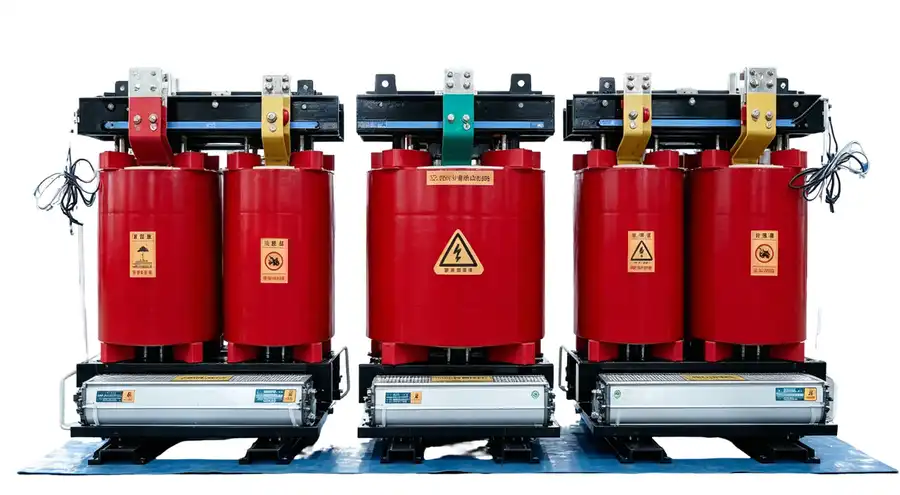
For procurement to work well, there must be clear technical specs that keep mistakes from happening, which can cost a lot of money. In your RFQ, you should include information about the main and secondary voltages, their tolerance ranges, the kVA rate and any needed extra capacity, the cooling class (AN/AF), the insulation temperature class, the altitude if it's higher than 1000 meters, and the environmental conditions, such as the temperature range and levels of contamination. Impedance percentages change how fault current calculations are done. Specifying this parameter makes sure that it works with existing safety devices.
Looking at the total shipped cost is more important than the unit price when comparing quotes. Freight costs for transformers that weigh several tonnes have a big effect on project budgets, especially for places that are far away. Check to see if quotes include factory testing (routine testing is normal; special tests like temperature rise verification should be made clear), English-language technical documentation, and suggestions for spare parts. For international suppliers, payment terms and currency risks are important. Knowing if the price includes duties, tariffs, and compliance paperwork keeps budgets from going over.
When making delivery plans, you need to think about manufacturing lead times (8–12 weeks for custom orders), foreign shipping transit times (3–6 weeks from Asian makers), and extra time for customs clearance. Project managers should set up inspection schedules based on milestones. For example, looking over shop drawings before production starts is a good way to find mistakes early on, when fixing them won't take months but only hours. Before the unit is shipped, it goes through factory acceptance testing to make sure it works. This can be done with your agent present or through video documentation.
Support services after the sale are what set transactional sellers apart from strategic partners. Getting technical help during installation commissioning keeps you from making mistakes that cost a lot of money. For example, our field service team has fixed many problems where bad connections or not enough air flow would have caused the systems to fail early. Full insurance packages should cover problems with the way the product was made, and they should have clear terms that explain what the coverage doesn't cover and how to file a claim. Respondent customer service, ideally with local support staff in time zones that work well together, makes sure that questions get answered quickly instead of sitting in email lines for 12 hours at a time.
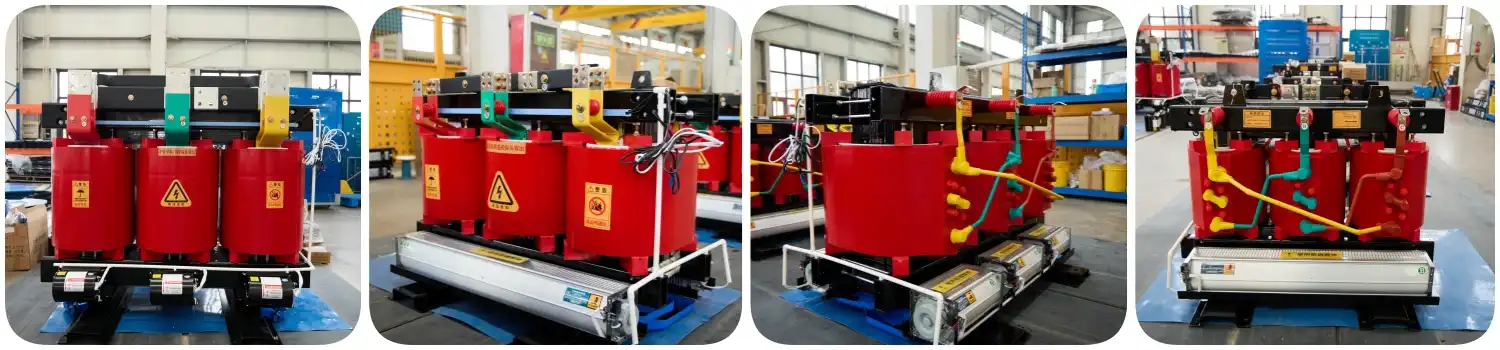
A developer of a 50 MW solar farm came to us and asked for 25 prefabricated substations. Each one needed to have 2000 kVA Dry-type Transformers that were optimised for the output characteristics of an inverter. Tight delivery coordination was needed for the project, with substations arriving one after the other as civil works were finished. All units had to perform at the same level so that operations and spare parts inventory could be kept to a minimum. Because we could make a lot of them at once, we were able to keep the impedance tolerance at +/-2%, which made sure that the load was evenly spread across the collector system.
The collaboration went beyond just lending equipment. Our engineering team changed standard designs by adding extra air and IP54 shelters that keep dust out of the desert environment. The paperwork that was sent included settings for the developer's protective switches that were specific to the transformer. This cut the time it took to activate a substation from three days to less than eight hours. After two years of use, there have been no transformer failures at all. This proves our design method and production quality, and it also sets the standard for the developer's next 200 MW projects in three states.
To find the best Dry-type Transformer Supplier, you need to weigh their technical knowledge, manufacturing quality, shipping reliability, and the chance of a long-term relationship. As the needs for power distribution get more complicated—from adding renewable energy to expanding data centers—the providers that combine technical know-how with quick service and a history of success will do the best. The things we've talked about give procurement workers a way to evaluate suppliers using measures that can actually predict project success instead of just marketing claims.
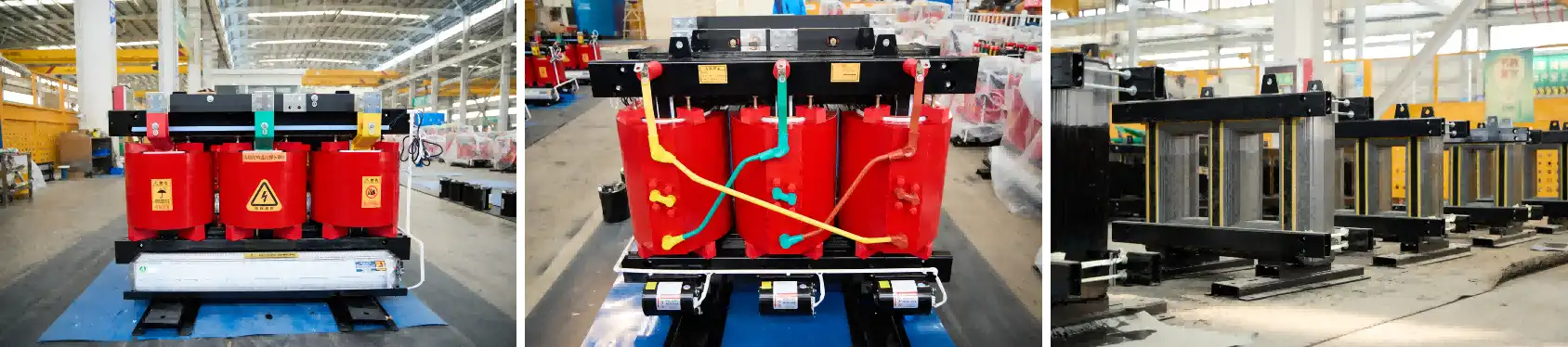
Standard Dry-type Transformers can handle primary voltages from 208V to 35 kV, which is enough for most business and light industrial needs. We offer 480V to 208Y/120V units that are popular in North American buildings, 12.47 kV to 480V substations for industrial parks, and custom 4160V configurations for heavy manufacturing. When voltages get close to 35 kV, physical measurements need to be bigger to keep insulation gaps. This affects the amount of space needed for installation, which procurement teams should compare to the size of the room they have access to while writing specifications.
Catalogue items with standard voltage ratios and grades usually ship between 4 and 6 weeks after an order is confirmed, as long as there are production times available. Customised requirements, such as odd voltage combinations, special casings, or better testing methods, make lead times 10 to 14 weeks longer while engineering teams finish designs and find the right materials. Batch production speeds up the process and cuts down on lead times for each unit after the first one is tested, which is helpful for big projects that need a lot of identical units. Suppliers can better prioritise their schedules to meet your critical path needs if you make project timelines clear during the quotation stage.
The maintenance base is made up of visual checks every three months to look for dust buildup, discolouration, and loose connections. Every year, during peak loads, infrared thermography finds hot spots that are starting to form before they cause crashes. How often you clean depends on the environment. For example, manufacturing facilities may need to be cleaned every six months, while commercial spaces can go 18 months between cleanings. Keeping track of winding temperatures under different loads sets standard performance trends that make it possible to plan ahead for repair. Documentation that is correct throughout the 25–30 year service life helps ensure reliable operation and supports replacing capital assets at the right time, before major fails disrupt operations.
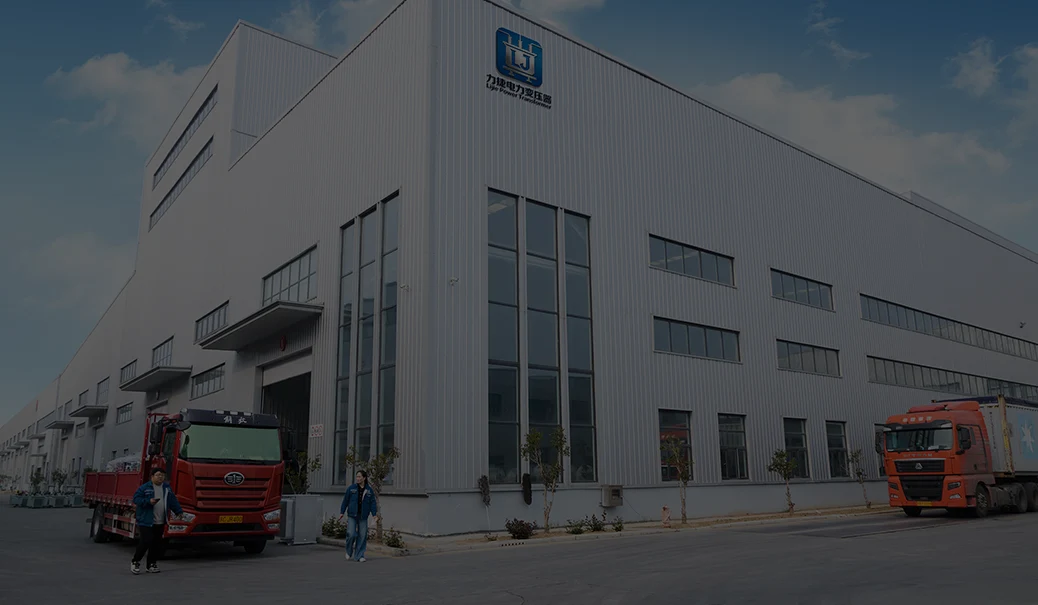
Lijie Electric has been making high-quality transformers for more than 20 years and can handle your most difficult power distribution projects. Our 2,000-person workforce, which includes 160 engineers with advanced degrees, runs cutting-edge factories that make everything from small 15 kVA distribution units to large 220 kV power transformers. With 5 billion RMB in yearly sales and customers in 15 countries, we've earned the titles of National High-Tech Enterprise and Specialised "Little Giant" thanks to our steady quality. We are the Dry-type Transformer Supplier that can help your business grow because we have all the necessary certifications, including ISO 9001:2015, CE, UL, and IEC compliance, and we can deliver in batches. Email our technical team at lijieelectrical@gmail.com to talk about how our custom solutions can improve the safety and efficiency of the power distribution in your building.
1. Institute of Electrical and Electronics Engineers, "IEEE C57.12.01-2020: Standard for General Requirements for Dry-Type Distribution and Power Transformers," IEEE Standards Association, 2020.
2. National Electrical Manufacturers Association, "NEMA ST 20-2020: Dry-Type Transformers for General Applications," National Electrical Manufacturers Association, 2020.
3. Ponemon Institute, "Cost of Data Center Outages: Data Center Performance Benchmark Series," Ponemon Institute LLC, 2022.
4. International Electrotechnical Commission, "IEC 60076-11:2018: Power Transformers - Part 11: Dry-Type Transformers," International Electrotechnical Commission, 2018.
5. Underwriters Laboratories, "UL 1561: Standard for Safety Dry-Type General Purpose and Power Transformers," Underwriters Laboratories Inc., 2019.
6. U.S. Department of Energy, "Energy Conservation Program: Energy Conservation Standards for Distribution Transformers," Federal Register Vol. 88, U.S. Department of Energy, 2023.
YOU MAY LIKE
11%20Epoxy%20Resin%20Cast%20Dry-Type%20Transformer.webp)
10%20type%20epoxy%20resin%20cast%20transformer.webp)

%20H15%20Series%20Oil-immersed%20Amorphous%20Alloy%20Transformer.webp)


April 27, 2025
With a tight project schedule, the manufacturer delivered on time, and on-site technical personnel provided guidance throughout the entire installation and commissioning process; the collaboration was highly efficient and hassle-free.
July 2, 2025
During the preliminary phase, a selection plan was custom-tailored based on the actual site load requirements, resulting in a high degree of parameter compatibility. After-sales support responds within two hours, and ongoing technical support for operation and maintenance is comprehensive; we feel completely confident in a long-term partnership.
November 18, 2025
Deployed as a supporting component for a 35kV grid-connection project at a photovoltaic power station, the equipment operates for an average of 16 hours daily. It demonstrates excellent control over no-load losses, ensures smooth power generation and grid integration, and effectively reduces the station's overall energy consumption.
January 30, 2026
Under the continuous, high-load operating conditions of a factory production line, the equipment maintains stable electrical parameters and exhibits strong overload resistance, thereby guaranteeing an uninterrupted power supply for industrial production.
April 3, 2026
Integrated as a supporting component for a new energy photovoltaic grid-connection system, the manufacturer provided professional technical coordination and timely after-sales support, ensuring seamless adaptation to the specific electrical operating conditions required for grid integration.