April 27, 2025
With a tight project schedule, the manufacturer delivered on time, and on-site technical personnel provided guidance throughout the entire installation and commissioning process; the collaboration was highly efficient and hassle-free.
Aug 17, 2026
Data centers prefer transformers from specialized dry-type transformer factories because these manufacturing facilities produce units with superior safety profiles, eliminating fire hazards associated with oil-filled alternatives. A Dry-type Transformer Factory employs advanced vacuum pressure impregnation and cast resin technologies, producing transformers with Class F or H insulation systems that operate reliably in high-density indoor environments without environmental contamination risks. These factories ensure rigorous quality control through partial discharge testing and thermal performance validation, delivering transformers that meet IEC 60076-11 and IEEE C57.12.01 standards essential for mission-critical data center operations.
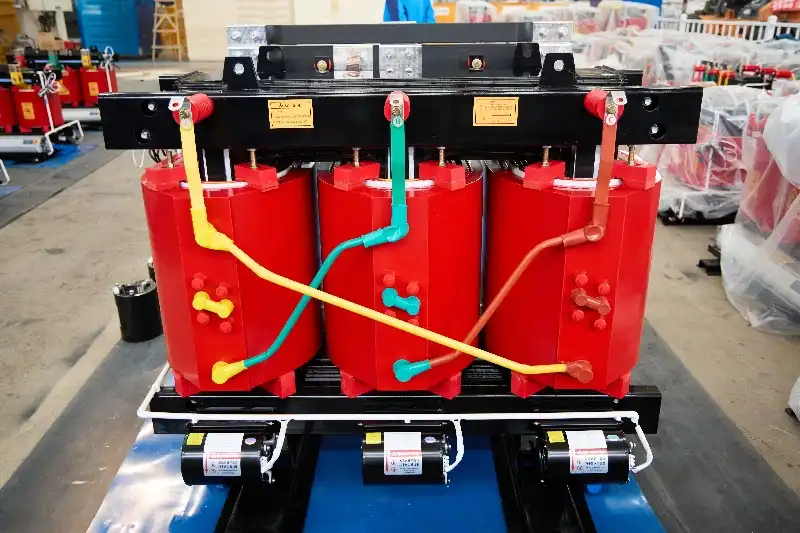
Mineral oil is not used for dielectric insulation in dry-type transformers. Instead, solid insulation materials like epoxy glue or aramid paper are used. Because of this basic difference in design, they are safer for use in indoor settings where fire suppression systems need to protect delicate computer equipment. The lack of flammable liquids lowers the risk of catastrophic failure, which is very important when computers and networking gear are running all the time at high power levels.
In contrast to traditional oil-immersed transformer production, manufacturing in a Dry-type Transformer Factory follows strict guidelines. The first step is to make a core unit out of cold-rolled grain-oriented silicon steel. This steel was chosen because it has a high magnetic permeability that lowers no-load losses. Then, copper or aluminum windings are carefully wound and placed around the core, making sure that the exact spacing is kept so that the heat can escape properly while the motor is running.
The stage of vacuum pressure impregnation is a very important quality step. When windings are put in vacuum chambers, epoxy resin completely fills the chambers. This gets rid of any air pockets that could lead to partial discharge and, eventually, insulation failure. Factories keep a close eye on this process because any holes in the transformers could shorten their expected 20–30-year useful life.
Facilities that focus on quality get materials that have a direct effect on how reliable transformers are. When compared to standard materials, high-grade silicon steel cuts core losses by up to 15%. This means that over decades of use, the system will save a lot of energy. Class H epoxy resin systems can handle continuous winding temperatures of up to 180°C, which gives them thermal margin during the busiest times in data centers.
Ratings for enclosures range from IP20 to IP54, which keep dust and water out of internal parts. This is very important when installing transformers in places with different air quality. These safety features make maintenance intervals longer and lower the total cost of ownership, which is something that buying managers carefully consider when they make choices about what to buy.

When electrical equipment near valuable digital assets poses a fire risk, data center owners are held legally responsible in a big way. Dry-type transformers are self-extinguishing, which means they won't keep burning even if they come into contact with flames from outside. Because of this feature, installation can be done closer to the server racks, which cuts down on expensive copper wire runs and voltage drop problems.
Insurance companies recognize the safety benefits of non-flammable electrical equipment and often offer reduced premiums to facilities utilizing Dry-type Transformer Factory products. The reduced risk encompasses both property loss and operational continuity, as transformer failures in oil-filled units can cause extended power outages during remediation.
As data centers try to get LEED approval and reach their carbon balance goals, sustainability has become a factor in the buying process. Getting rid of oil means there is no chance of polluting the soil or groundwater, which is a worry that makes decommissioning and cleaning up sites for traditional transformers harder. When handling hazardous materials doesn't need to follow certain rules, it's easy to be environmentally friendly.
Energy efficiency directly helps companies meet their Scope 2 emissions reduction goals, which are tracked by corporate sustainability officers. These days, dry-type designs are at least 98.5% efficient, and any losses show up as waste heat instead of pollution. This edge in efficiency grows over the life of the transformer, lowering the total carbon footprint of the building.
The simple service needs of dry-type units are appreciated by maintenance teams. Testing for oil, filtering it, and replacing it are no longer necessary for liquid-filled transformers. Visual checks and thermal imaging scans are good ways to keep an eye on things, since they don't require specialized labor and let you go longer between planned maintenance events.
The solid protection method doesn't let water or dirt get in, which are common problems for oil-filled transformers that work in damp places. This means that the performance will be stable over 25 to 30 years of service, which is what data center owners need for long-term planning of their infrastructure.
Because of how they are designed, dry-type transformers have great thermal performance. When demand is high, forced air cooling systems can increase capacity by 40%. This gives operations freedom without permanently oversizing. Direct heat transfer from air to winding gets rid of the thermal resistance that comes with oil circulation systems. This makes the system respond faster to changes in load.
No-load losses in good dry-type units are usually 20–30% lower than equivalent oil-filled designs. This directly lowers the constant electrical use that adds up to big costs over decades. Load losses are still competitive, especially in new cast resin designs where improving the winding shape has closed the gaps in past efficiency.
Procurement managers performing lifetime cost analysis find that upfront price increases for dry-type transformers often reverse within 5-7 years of operation. Financial benefits include fewer maintenance workers needed, no longer having to pay to get rid of oil, and lower insurance rates. Facility managers also like that dry-type units take up less floor room because they don't need holding structures or oil collection systems.
Reliable supply from well-known sites has an effect on project timelines and the control of buying risk, and a Dry-type Transformer Factory with a history of on-time deliveries and sufficient production capacity can avoid costly delays. This dependability is especially useful for large-scale data center upgrades that need a lot of identical units to be supplied on time.
Electrical workers who work in data centers only use equipment that has been certified by a number of foreign organizations, such as IEC, UL, and CE. A trustworthy Dry-type Transformer Factory keeps these licenses up to date with regular checks by outside parties. This makes sure that the quality of each production batch is the same. In these facilities, quality assurance teams test for partial discharges below 10 picocoulombs, impulse voltages to make sure basic insulation levels are met, and temperature rises to make sure thermal performance matches nameplate ratings.
Compliance paperwork speeds up the inspection and permit processes that slow down the start of a project. Engineers like thorough test reports that show they meet the NEMA ST-20-2020 sound level standards. This is especially important when installing transformers near places where people are. This detailed paperwork backs up the careful work that project managers and quality control staff do when accepting tools.
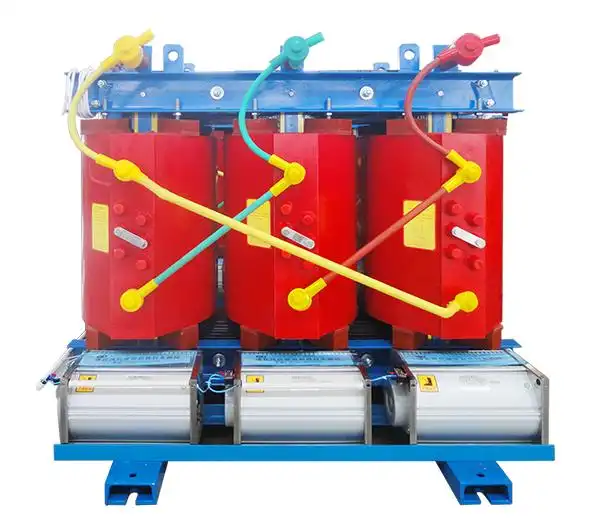
Electrical experts and people who work in buying give more weight to sellers who have both ISO 9001:2015 certification and product-specific approvals. These quality control systems make sure that industrial methods can be used again and again, and that big orders of equipment always work the same way. IEC certification shows that a factory's products are compatible with global engineering standards that are needed by multinational data center operators. These factories make products for international markets.
The size and technical ability of the manufacturing facility have a direct effect on how well it can handle requests for complex customizations. With facilities that cover 500,000 square meters and R&D teams of more than 160 engineers, the company can make custom solutions for installations with limited space, special voltage needs, or harmonic mitigation needs. This level of engineering depth sets strategic partners apart from commodity sellers and lets them work together to build products.
Large data center projects need suppliers who have a history of being able to do batch production and whose lead times can be predicted. When a company has more than one production facility, it can balance its work and keep shipping plans even during times of high demand. This dependability is very important when important construction milestones depend on installing electrical equipment and delays spread thru critical path schedules.
Logistics skills go beyond the plant door. Customs delays and compliance problems can be avoided by exporters with a lot of experience who know about the IEC and UL certification requirements for international shipments. They make sure the right paperwork is filled out, find the best ways to ship heavy equipment, and make sure that delivery times work with construction schedules in different time zones.
Data center owners and transformer suppliers have worked together for decades, long after the first installation. Technical support teams that are quick to respond help fix operational problems, offer advice during facility expansions, and suggest retrofit solutions when loads change beyond what was originally planned. This ongoing relationship is helpful for facility managers when there are strange working conditions or when they need help figuring out what monitoring data means.
Warranty terms show how confident the company is in the product's durability, and a Dry-type Transformer Factory offering full service that includes parts and work for long periods of time demonstrates commitment to customer satisfaction and product quality. Technical training programs help maintenance teams learn how to use equipment correctly, do inspections, and figure out how bad something is so it lasts as long as possible.
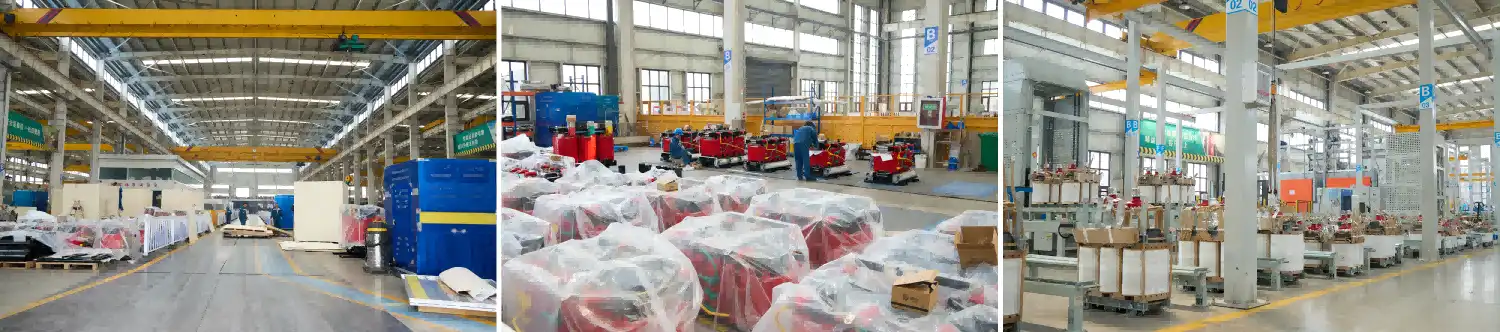
Nanocrystalline core materials are being studied because they might be even more efficient than silicon steel, possibly cutting no-load losses by another 20–30%. These materials work well at higher flux densities, which lets designers make smaller shapes that take up less room on the data center floor. When companies spend money on researching new materials, they set themselves up to give the next generation of goods when these technologies get better.
New ideas in thermal management are mainly about making better cooling airflow routes and better winding shapes. Computational fluid dynamics modeling helps designers get rid of hot spots and make temperatures more even, which extends the life of the insulation system and allows for higher continuous ratings. These improvements come from tech teams that know a lot about electromagnetic and thermal research.
Putting Internet of Things (IoT) sensors inside transformer assemblies lets you check on their condition all the time, which helps with planning ahead for maintenance needs. Temperature sensors placed in key areas keep an eye on changes in thermal performance, and partial discharge sensors find signs of insulation degradation before they become a problem. This information is sent to systems that run facilities, giving repair teams useful information that keeps power outages from happening without warning.
Being able to watch networks from afar is especially helpful for distributed data centers that don't have a lot of expert staff on site. Cloud-based analytics tools find problems with the performance of whole fleets of equipment. This lets operators fix problems before they happen and makes it easier to plan repairs. Manufacturers who are on the cutting edge add these digital features to their physical products.
As countries around the world work to meet their carbon reduction goals, rules on energy saving keep getting stricter. Data centers are under more and more pressure to use as little power as possible. This means that high-efficiency transformers are no longer a choice but a legal requirement. More and more, procurement specifications call for levels of efficiency that can only be met by premium dry-type designs.
Environmental laws that limit dangerous materials speed up the process of moving away from oil-filled transformers in many places. This regulatory environment opens up opportunities for companies that make designs that are good for the environment. As these standards grow, companies that have already put money into clean manufacturing methods and environmentally friendly product designs will be in a good situation.
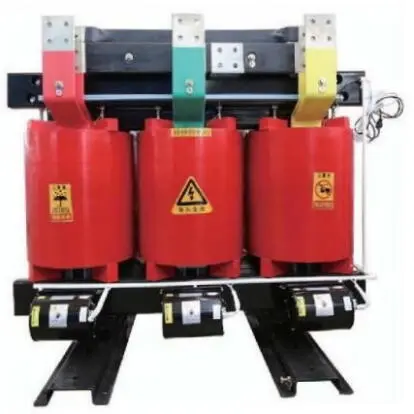
Specialized dry-type transformer production from a Dry-type Transformer Factory gives modern data centers the safety, dependability, and environmental benefits they need. These units are perfect for mission-critical infrastructure because they are built to not catch fire, are easy to maintain, and keep heat inside better than other units. People who work in procurement benefit from working with well-known companies that offer full certifications, proven delivery capabilities, and ongoing technical support. As the need for sustainability grows and data center power rates rise, the benefits of getting power from facilities with a lot of experience become more important for long-term operating success.
Dry-type transformers don't use flammable dielectric fluids, so they can be installed near sensitive electrical equipment without causing fires. Their self-extinguishing insulation systems stop fires from spreading, and since they don't contain oil, there are no risks of leaks or spills polluting the environment. These safety features lower the cost of insurance and make following the rules easier.
Lead times depend on how complicated the order is and how busy the plant is, but for normal setups, they are usually between 8 and 16 weeks. For design approval and sample testing, custom-engineered units may need more time. Manufacturers with a lot of experience give realistic delivery dates and keep in touch with customers throughout the production process so that unexpected delays don't affect project deadlines.
Reliable companies let you make a lot of changes, like changing the voltage ratios, insulation classes, cooling configurations, and enclosure grades to fit your needs. Engineers work with customers to make designs that work best in limited spaces, with uneven loads, or in environments with special needs. This gives facilities the freedom to choose the right equipment for their needs instead of having to adapt to standard products.
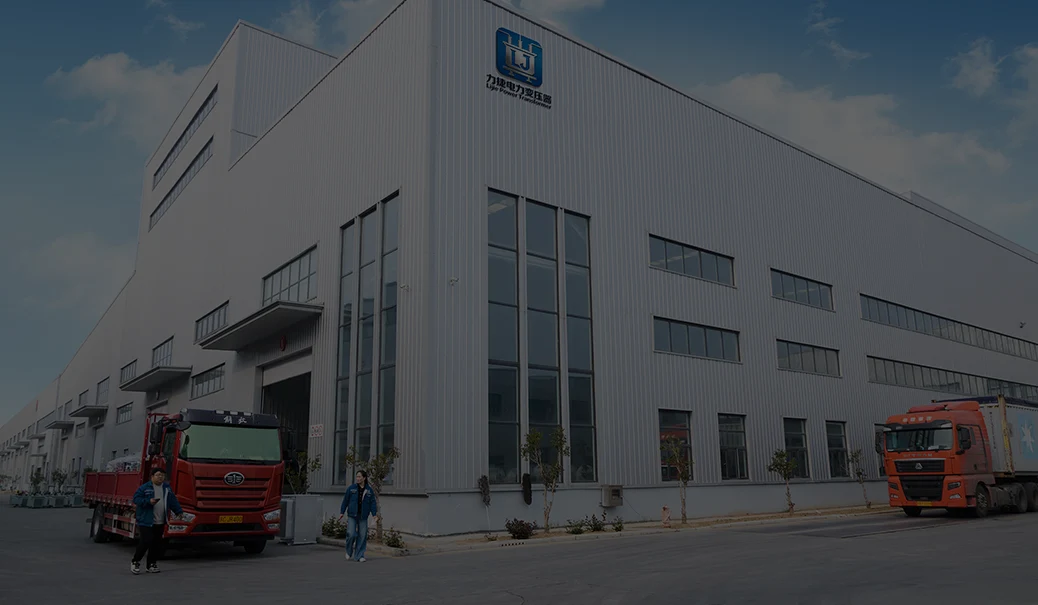
Lijie Electric has modern factories spanning 500,000 square meters in Xuzhou and Nantong. These factories make a wide range of transformer products that are certified by ISO 9001:2015, IEC, CE, and UL. Our engineering team of more than 160 experts makes unique dry-type transformers that meet the strict needs of data center uses around the world. With the ability to support large-scale projects with our annual production capacity and export experience in 15 countries, we are a trusted Dry-type Transformer Factory source for purchasing managers who want quality, dependability, and quick expert support. Email our team at lijieelectrical@gmail.com to talk about the details of your project and find out how our experience making dry-type transformers can help you reach your data center infrastructure goals. You can look at all of our products and technical information at lijie-electrical.com.
1. Institute of Electrical and Electronics Engineers. "IEEE Standard for General Requirements for Dry-Type Distribution and Power Transformers." IEEE C57.12.01-2020, 2020.
2. International Electrotechnical Commission. "Power Transformers—Part 11: Dry-Type Transformers." IEC 60076-11:2018, 2018.
3. National Electrical Manufacturers Association. "Standard for Dry-Type Transformers for General Applications." NEMA ST-20-2020, 2020.
4. Kulkarni, S.V. and Khaparde, S.A. "Transformer Engineering: Design, Technology, and Diagnostics." CRC Press, 2nd Edition, 2017.
5. Heathcote, Martin J. "The J & P Transformer Book: A Practical Technology of the Power Transformer." 13th Edition, Elsevier, 2007.
6. Bean, Roger L., Chackan, Nicholas, Moore, Harold R., and Wentz, Edward C. "Transformers for the Electric Power Industry." McGraw-Hill Education, 1959.
YOU MAY LIKE
18%20type%20epoxy%20resin%20cast%20transformer.webp)


12%20Series%20Dry%20Type%20Transformer.webp)

April 27, 2025
With a tight project schedule, the manufacturer delivered on time, and on-site technical personnel provided guidance throughout the entire installation and commissioning process; the collaboration was highly efficient and hassle-free.
July 2, 2025
During the preliminary phase, a selection plan was custom-tailored based on the actual site load requirements, resulting in a high degree of parameter compatibility. After-sales support responds within two hours, and ongoing technical support for operation and maintenance is comprehensive; we feel completely confident in a long-term partnership.
November 18, 2025
Deployed as a supporting component for a 35kV grid-connection project at a photovoltaic power station, the equipment operates for an average of 16 hours daily. It demonstrates excellent control over no-load losses, ensures smooth power generation and grid integration, and effectively reduces the station's overall energy consumption.
January 30, 2026
Under the continuous, high-load operating conditions of a factory production line, the equipment maintains stable electrical parameters and exhibits strong overload resistance, thereby guaranteeing an uninterrupted power supply for industrial production.
April 3, 2026
Integrated as a supporting component for a new energy photovoltaic grid-connection system, the manufacturer provided professional technical coordination and timely after-sales support, ensuring seamless adaptation to the specific electrical operating conditions required for grid integration.