April 27, 2025
With a tight project schedule, the manufacturer delivered on time, and on-site technical personnel provided guidance throughout the entire installation and commissioning process; the collaboration was highly efficient and hassle-free.
Aug 17, 2026
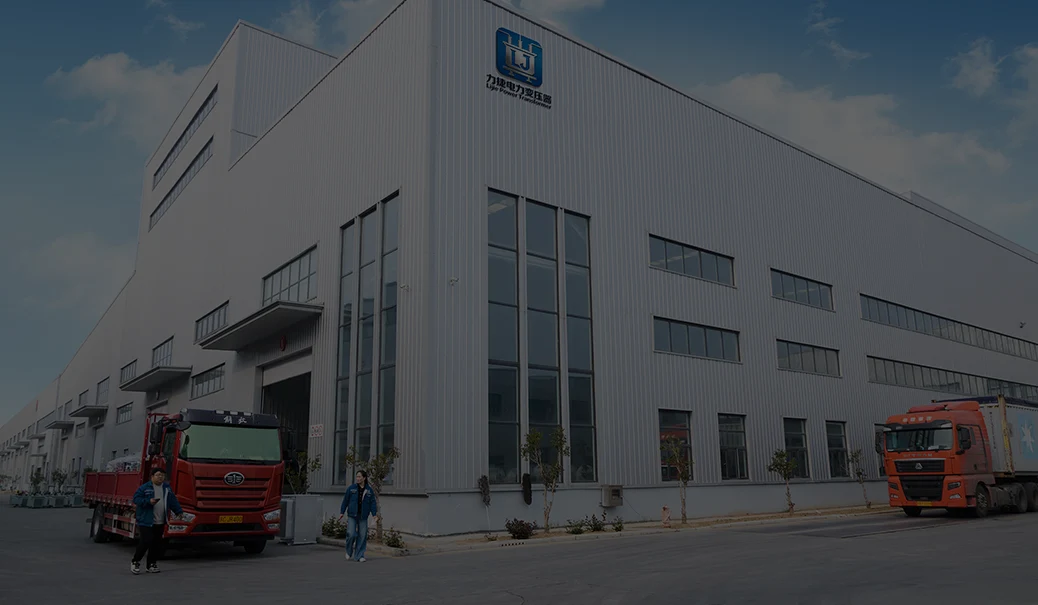
A Step-up Transformer Factory is a specialized manufacturing facility that produces electromagnetic induction devices engineered to increase primary voltage to higher secondary voltage levels. These factories address critical power transmission challenges by enabling efficient energy delivery across long distances while minimizing resistive losses. At Lijie Electric, our state-of-the-art production capabilities span 500,000 square meters across two major manufacturing bases, where we design and fabricate transformers ranging from 35kV distribution units to ultra-high-voltage 500kV+ systems, serving power utilities, renewable energy integrators, and industrial manufacturers worldwide.
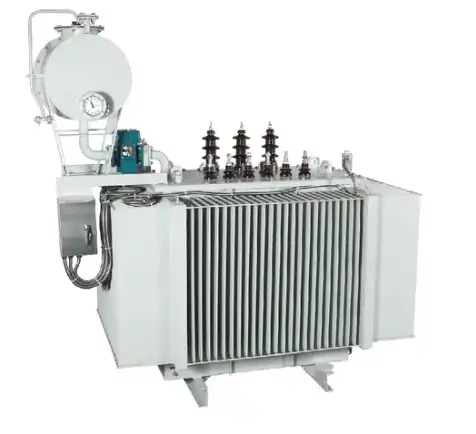
To make voltage transformations today, you need to know a lot about engineering and use precise production methods. Facilities that make high-efficiency power conversion equipment have to learn complicated design rules and keep strict quality standards at all times during the manufacturing process.
From raw materials to finished transformer units, there are several carefully controlled steps. Our engineering teams start by doing a lot of complicated electrical calculations to find the best core sizes, winding arrangements, and insulation systems. For magnetic cores, grain-oriented silicon steel is the material of choice because it cuts down on hysteresis and eddy current losses by up to 30% compared to regular electrical steel. We get 99.9% oxygen-free copper for the windings, which makes sure that they are as conductor-like as possible and heat up as little as possible during use.
Assembling is done in climate-controlled rooms where temperature and humidity directly affect how well the insulation works. Automated wrapping tools make exact coil geometries, and complex custom setups are handled by handcrafting. Each unit goes through vacuum drying processes that get rid of moisture from cellulose insulation materials. This keeps the dielectric from breaking down too soon during service life.
To get transformation efficiency above 98.5%, many engineering factors must be balanced. The voltage ratios must exactly match what the grid needs. For example, for wind farms, they are usually set up between 690V and 33kV, and for electric power plants, they are set up between 11kV and 220kV. Our design theory puts a high value on managing heat through the ONAN and ONAF cooling systems. These keep the temperatures of the windings within safe working ranges even when the load is at its highest.
Basic Impulse Insulation Levels (BIL) are set by IEC 60076 guidelines for insulation coordination. These levels protect against lightning hits and switching surges. These scores show how well the transformer can handle short-term voltage jumps without internal flashover. When we do our engineering calculations, we take into account things like altitude, temperature, and harmonic distortion that can change how well something works in the real world.
Different uses need different kinds of technical answers. Oil-immersed transformers are the most common type used in heavy industry and utility applications because they cool better and have been proven to be reliable in outdoor settings. Mineral oil cools and insulates at the same time, getting rid of heat and stopping electricity from flowing between the windings.
Dry-type transformers work well indoors, where fire safety rules don't allow dangerous liquids. Cast resin insulation systems don't need to be maintained with oil and are very resistant to water. We make specialized versions of our products, such as rectifier transformers for electrochemical processes, mining transformers with extra strength for working in harsh underground conditions, and prefabricated substations that combine switchgear and protection systems into small, portable modules.
Custom engineering solves problems that are specific to each client. A recent project for a solar farm developer needed transformers with better harmonic filtering to fix the distortion caused by the inverter. As part of another task, mine transformers that were rated for use at 4,000 meters had to be derated and their insulation had to be strengthened to account for the lower air density.
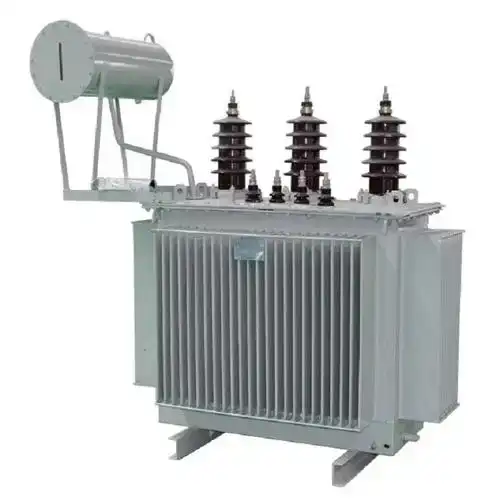
When you choose transformers made by well-known companies, you get real operational and financial benefits, and a Step-up Transformer Factory delivers high-efficiency units that cut down on wasted energy and make tools last longer through better thermal management and strict building standards.
Using less energy has a direct effect on running costs over many years of work. A transformer that works at 98.8% efficiency instead of 97.5% efficiency saves 1.3% of the power that it sends, which in large installations can add up to hundreds of megawatt-hours of savings every year. Over the usual 25–30 year operational lifetimes, these saves add up to a lot. Our units use low-loss silicon steel and optimized winding designs to keep no-load and load losses to a minimum. This makes sure that as much energy as possible gets from the sources of production to the end users.
Reliability under changing load conditions is based on thermal performance. Modern cooling systems keep peak temperatures below critical levels, which stops insulation from wearing out faster. We design for an average winding rise of 105°C and a high temperature of 115°C at full load. This gives us a thermal cushion that lets us handle temporary overloads without damage.
Professionals in procurement know that the original buy price is only one part of the total costs over the life of the item. Over the course of several decades of service, maintenance costs, unplanned downtime, and substitute costs often add up to more than the initial investment. These hidden costs can be cut in a number of ways by using high-quality transformers from approved makers.
Monitoring tools that use dissolved gas analysis (DGA) can find small problems before they become big ones. Our oil-immersed units have diagnostic ports and sampling valves that let us check the condition of the units on a regular basis. This way, we can find problems before they become emergencies, during planned maintenance windows. This method of planned maintenance stops production losses and emergency repair costs that can reach millions of dollars in important industrial settings.
Conservative design methods and high-quality materials make components last a long time. For extra safety, insulation systems with a 20,000-hour heat life span when used continuously are a good choice. Mechanical support can handle short-circuit forces that are more than 25 times the maximum current. This keeps the winding from deforming during grid faults. These features that make something last longer directly lead to longer replacement cycles and lower capital costs over the life of a facility.
To do global procurement, you have to figure out how to deal with different regulatory systems in different countries. Our manufacturing processes are in line with ISO 9001:2015 quality management standards. This means that production standards are always met, no matter how many orders we have or how complicated the customizations are. The designs of the products are in line with international transformer standards (IEC 60076), North American standards (IEEE C57.12.00), and local needs, such as CE marking for European markets and UL certification for installations in the U.S.
Independent verification through third-party testing backs up claims of performance. Our product lines are put through regular, type-specific, and unique tests by the National Transformer Quality Supervision and Inspection Center and the Wuhan High Voltage Research Institute. Insulation gaps below 10 picocoulombs can be found with partial discharge tests, which is higher than the usual acceptance limits. Lightning impulse tests mimic 1.2/50 microsecond waveforms at full BIL values, which proves the dielectric's stability under conditions of an atmospheric storm.
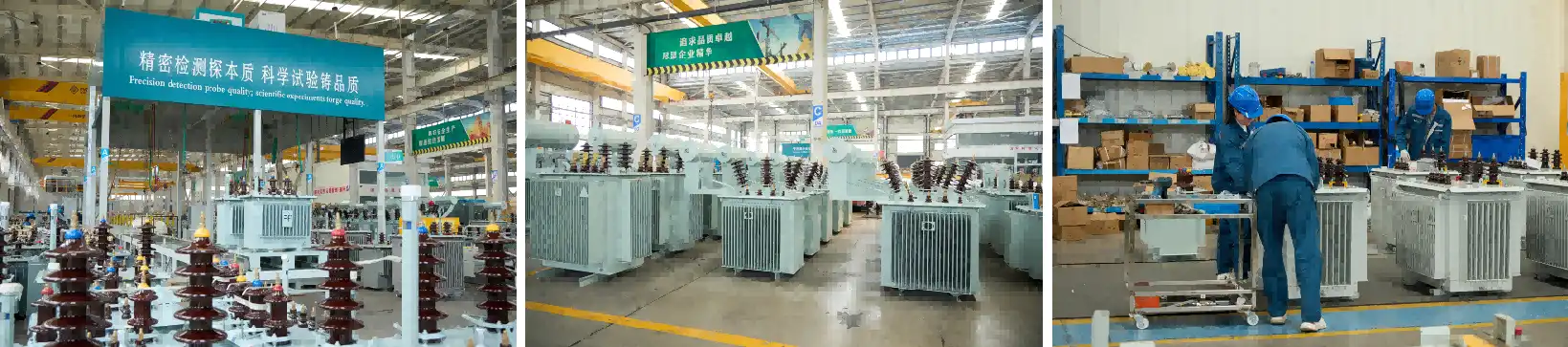
When making a procurement choice, you have to look at more than just the product specs of the factory. A supplier's production ability, quality control methods, and service skills show if they can successfully meet project needs.
Large projects need a steady supply, not deliveries every so often. Our Xuzhou and Nantong factories can keep up production of more than 50,000 MVA per year, which lets us do batch production for large-scale green energy projects and infrastructure improvements. Over 160 of our employees are engineers with advanced degrees, which gives us the technical depth to work on multiple custom design projects at the same time while keeping up with standard product output.
Due dates depend on how complicated the specifications are and how many orders are placed, and a Step-up Transformer Factory typically ships standard distribution transformers 8 to 12 weeks after the order is confirmed. However, it takes 16 to 20 weeks for engineering, getting the materials, and factory acceptance testing for custom ultra-high-voltage units. During the quotation process, we give project managers detailed production schedules that help them coordinate delivery with construction schedules and avoid costly delays.
Industrial buyers who are qualified can get a lot of benefits from buying directly from factories. Compared to wholesaler prices, you can save anywhere from 15% to 25% on costs. This is especially true for large orders where intermediary margins add up quickly. When tech teams talk to end users directly, they can make customizations easier because they can avoid the language mistakes and misunderstandings of specifications that happen when there are middlemen.
Direct links with factories lead to better technical help. During the quote stage, our application engineers look over the project specs to find any possible compatibility problems before orders are finalized. This proactive working together stops expensive changes in the field and makes sure that the right equipment is chosen for each set of operating conditions. While distributors are helpful for smaller sales and local inventory needs, working with manufacturers on big projects is better for buying.
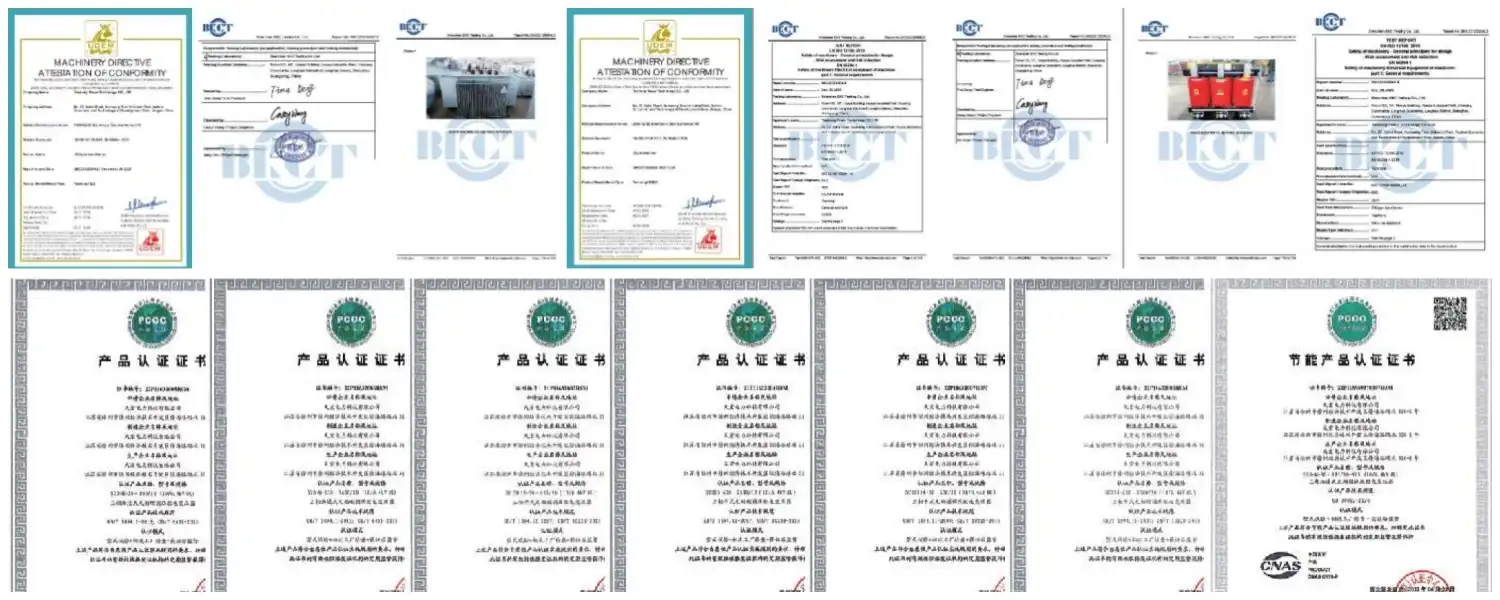
Factory certifications show how well a company is run and how good its products are. We keep our ISO 9001:2015 approval, which covers the planning, production, and service processes. Our metrology systems have regional qualification papers that make sure they measure important things accurately, like the number of turns, the resistance of the windings, and the insulation properties.
Product approvals show that a product meets the rules of its market. Our CE approval lets us sell in Europe, and our UL listing meets safety standards in North America. IEC certification for 10kV and 35kV goods makes it easier to meet the requirements of foreign projects. People who are in charge of buying things should make sure that the certification scope matches the intended uses. For example, a Step-up Transformer Factory that is certified for distribution transformers might not be qualified to make ultra-high-voltage equipment.
By doing factory audits, you can get a first-hand look at what the capabilities are. Customers are welcome to look around our factories, quality control labs, and other areas where we make things. Usually, audit teams check the state of production equipment, records of staff training, systems for tracking materials, and the status of standards for test equipment. These visits boost trust and help people get to know each other, which makes conversation easier as the project is carried out.
To do international business, you need to know how prices are set, how to make payments, and how to coordinate logistics. Clear communication during the inquiry stage sets reasonable goals and avoids disagreements over the contract.
Transformer prices are based on a number of cost factors. 50 to 60 percent of the cost of making something is the raw materials, which include copper, silicon steel, insulation paper, and mineral oil. These costs change with the commodity markets. 25–30% of the costs come from labor and fees. The rest comes from planning, testing, and quality assurance. Large orders allow for savings of scale by buying materials in bulk and planning production so that it runs at the best time.
We offer flexible payment terms that work with the cash flow needs of the project. Standard terms include a 30% deposit when the order is confirmed, 60% payment before shipping, and 10% retention that is released after the order has been successfully commissioned. International deals can be made with letter of credit agreements, which protect both sides. Long-term framework deals that commit to a certain yearly volume get better prices and first dibs on production.
Buying in bulk has big cost benefits that go beyond lowering the price per unit. Standardizing specifications across multiple units makes it easier to keep track of spare parts and train people in maintenance. We offer consolidated shipping options that lower the cost of freight per unit and make clearing customs easier. It's cheaper for engineers to work on more technical data packages when they work on more of them.
Customization is what sets manufacturing facilities apart from suppliers of goods, and a Step-up Transformer Factory delivers tailored solutions. Recently, mining transformers with explosion-proof enclosures were built for coal extraction, and renewable energy transformers with built-in switchgear were made for wind farm substations. Our engineering teams come up with custom solutions for each application that take into account voltage needs, installation limitations, and weather factors that standard stock goods can't handle.
Logistics planning has a big effect on how long a project takes and how much it costs to land. Transformers that weigh more than 100 tons need special ways to get to their target, such as heavy-haul trucks, rail transport, or ship freight. We take care of all the export paperwork that is needed to get goods through customs, like business bills, packing lists, certificates of origin, and inspection reports.
The time it takes to deliver something is added to the time it takes to make it and transport it. Ocean freight from our base to the U.S. It usually takes 18–22 days to get to ports on the West Coast, but 35–40 days to get to places on the East Coast. Depending on where the final installations are going to be, inland transportation adds 3–7 days. We track shipments and keep in touch with customers throughout the delivery process so that customers can schedule workers to prepare the spot and install the products.
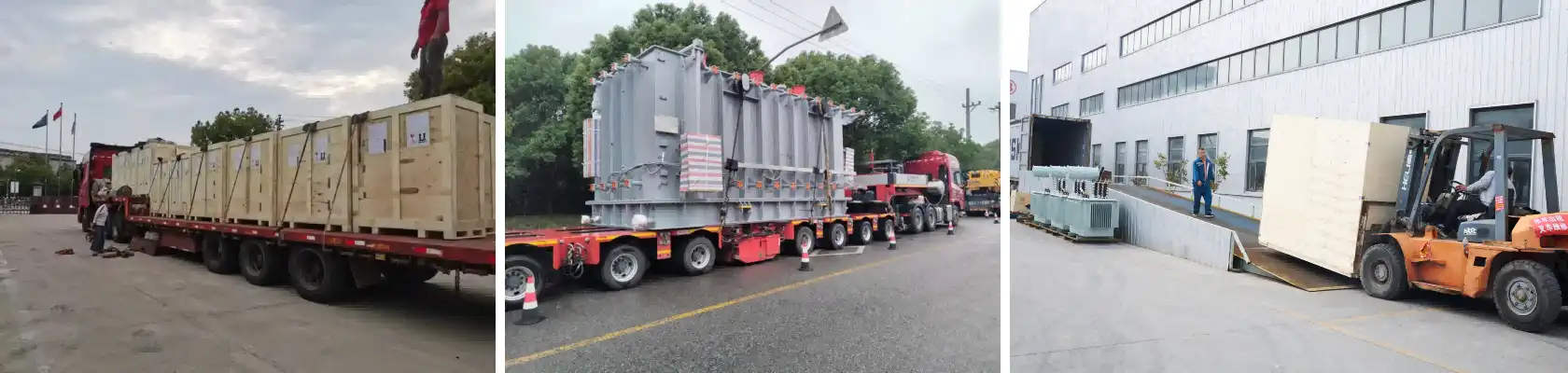
There are multinational companies that have been making transformers for hundreds of years, as well as specialized regional companies that serve niche markets. Knowing how tough this market is helps buying teams make good decisions about which suppliers to choose.
International companies with long histories, like Siemens, ABB, and Schneider Electric, control utility-scale projects with their large delivery networks and wide range of products. These companies put a lot of money into research and development, which is how they come up with new ideas like flexible metal cores and recyclable insulation fluids. Their global service networks give projects in faraway places that need quick technical help peace of mind.
Regional makers offer good options because they have specialized knowledge and reasonable prices. Lijie Electric is a good example of this type of company because it focuses on power delivery and green energy applications. Our annual sales of more than 5 billion RMB show that people trust our products, and our status as a "Specialized, Refined, and New 'Little Giant'" enterprise shows that we are good at manufacturing and coming up with new technologies. Our products are sold in Australia, New Zealand, India, Vietnam, Malaysia, Indonesia, Kazakhstan, Egypt, and Kenya, among other places in Asia, Africa, and Oceania.
OEM manufacturing options let clients have their own designs made that meet their unique needs. We work with engineering companies and equipment developers that need transformers that fit their specific system designs. These partnerships include everything from standard designs that have been changed to include different voltage taps to fully unique units that have their own tracking systems and control interfaces built in. Our engineering staff can work on multiple development projects at the same time and keep standard product lines' production schedules.
Authorized partner networks are a good addition to direct factory relationships because they offer local supplies, quick substitute parts, and service in the field. We work with qualified distributors who keep common distribution transformer ratings in stock and offer same-day delivery in the areas they serve. These partnerships help customers who need new parts right away after equipment breaks down or who need to speed up a project without having to wait longer for the factory to make the parts.
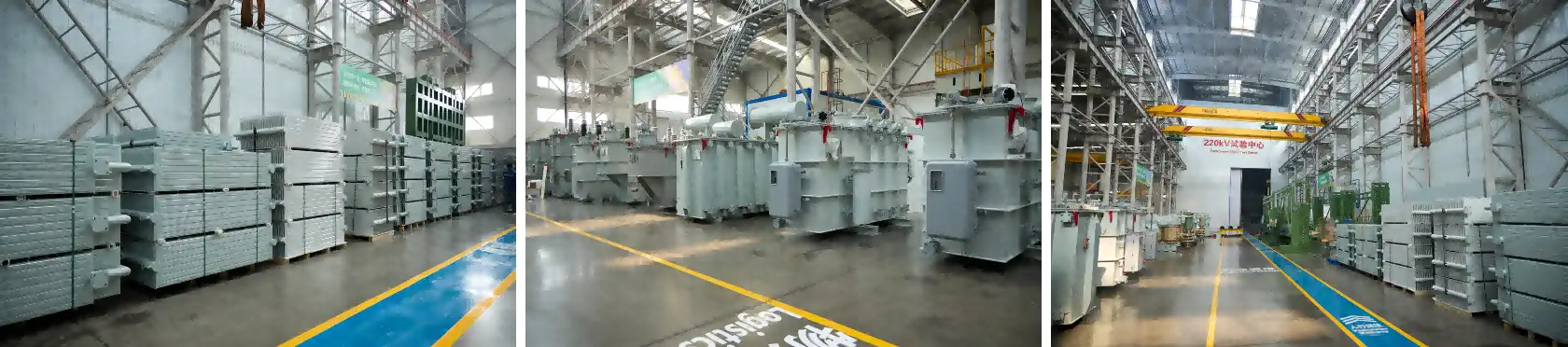
Buying high-efficiency power conversion equipment from well-known factories is a smart way to improve operating stability and keep costs down in the long term. A good transformer will work reliably for decades while reducing energy loss and the need for maintenance. Professionals in charge of buying things need to carefully check a Step-up Transformer Factory production capacity, quality certifications, ability to make changes, and infrastructure for customer service. Working directly with makers lets you work together on technical issues that improve the specs of tools for certain uses. Our dedication to excellent engineering, high-quality production, and excellent customer service makes sure that industrial buyers get transformer solutions that meet the needs of their projects and meet performance standards.
The choice of core material and the shape of the windings determine how efficient the motor works. When compared to normal types, grain-oriented silicon steel cuts magnetic losses by 20 to 30 percent. Copper conductor sizing balances resistive losses against the cost of materials. Larger conductors lower load losses but cost more and weigh more. Precision in manufacturing affects performance by ensuring tight tolerances on dimensions and controlled assembly processes that keep air holes in magnetic circuits to a minimum.
Ask for copies of product certifications and ISO 9001 certificates that are important to your market. Look over test results from separate labs that show they meet IEC or IEEE standards. Do factory audits where you look at the production equipment, testing facilities, and systems for keeping track of quality information. You can get customer examples from similar applications and check track records of success by talking to current clients directly.
Standard distribution transformers with a rating below 35kV usually take 8 to 12 weeks to ship from the time the order is confirmed. Units with medium voltages between 35kV and 110kV last for 12 to 16 weeks. Ultra-high-voltage transformers with voltages above 220kV take 16 to 24 weeks to make because they are hard to build and need special tests. For technical development and review processes, custom designs take an extra two to four weeks.
Lijie Electric has been making transformers for more than 20 years and can help you with your power conversion projects. We are a qualified Step-up Transformer Factory seller with ISO 9001, CE, UL, and IEC certifications. We make voltage transformation equipment for heavy industry, green energy installations, and power grids around the world. Our 2,000-person workforce and 500,000-square-meter production facilities make it possible for us to reliably make both standard catalog products and custom-engineered solutions. For application-specific advice, procurement managers, electrical engineers, and project leaders are welcome to get in touch with our technical team. Send lijieelectrical@gmail.com an email with the details of your project, and you'll get full technical ideas and competitive quotes back. Visit lijie-electrical.com to see our full range of products and manufacturing skills. There, you'll find detailed specifications and engineering tools that will help you make smart choices about which equipment to buy.
1.International Electrotechnical Commission. (2018). Power Transformers - Part 1: General Requirements. IEC 60076-1 Standard Documentation.
2.IEEE Power and Energy Society. (2019). IEEE Standard for General Requirements for Liquid-Immersed Distribution, Power, and Regulating Transformers. IEEE C57.12.00 Technical Standards.
3.Zhang, H., & Liu, Y. (2020). Advanced Materials in Modern Transformer Manufacturing: Silicon Steel Innovations and Loss Reduction Technologies. Journal of Electrical Engineering and Power Systems, 45(3), 287-304.
4.National Transformer Quality Supervision and Inspection Center. (2021). Quality Assessment Protocols for High-Voltage Power Transformers in Grid Applications. Technical Report Series 2021-08.
5.Anderson, R. T. (2019). Total Cost of Ownership Analysis for Industrial Power Distribution Equipment: A Lifecycle Assessment Framework. Industrial Power Management Quarterly, 12(2), 156-173.
6.Chen, W., Kumar, S., & Petersen, M. (2022). Global Transformer Manufacturing: Production Capacity Analysis and Regional Market Dynamics. International Journal of Electrical Equipment Trade, 38(1), 45-67.
YOU MAY LIKE
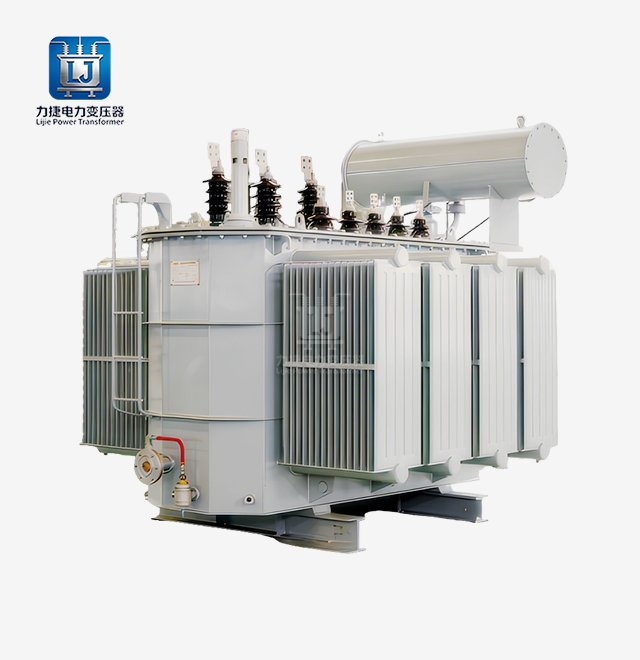


10%20type%20epoxy%20resin%20cast%20transformer.webp)

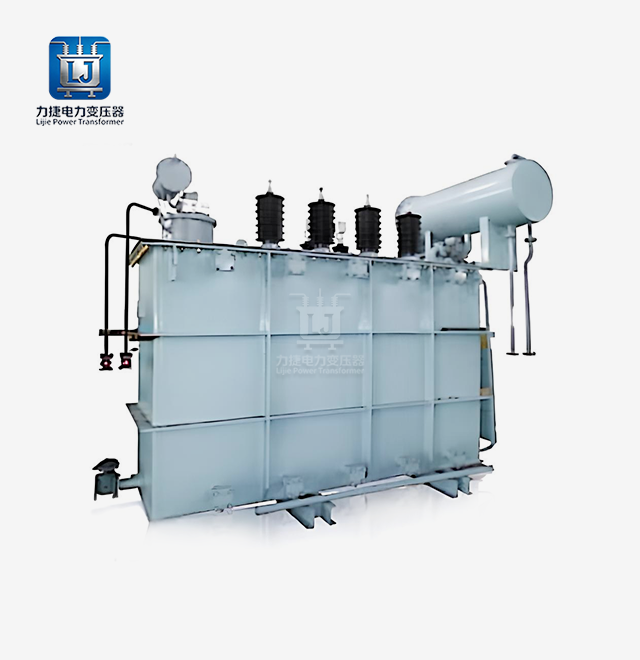
11%20type%2035kV%20distribution%20transfo_1778137470754.webp)

April 27, 2025
With a tight project schedule, the manufacturer delivered on time, and on-site technical personnel provided guidance throughout the entire installation and commissioning process; the collaboration was highly efficient and hassle-free.
July 2, 2025
During the preliminary phase, a selection plan was custom-tailored based on the actual site load requirements, resulting in a high degree of parameter compatibility. After-sales support responds within two hours, and ongoing technical support for operation and maintenance is comprehensive; we feel completely confident in a long-term partnership.
November 18, 2025
Deployed as a supporting component for a 35kV grid-connection project at a photovoltaic power station, the equipment operates for an average of 16 hours daily. It demonstrates excellent control over no-load losses, ensures smooth power generation and grid integration, and effectively reduces the station's overall energy consumption.
January 30, 2026
Under the continuous, high-load operating conditions of a factory production line, the equipment maintains stable electrical parameters and exhibits strong overload resistance, thereby guaranteeing an uninterrupted power supply for industrial production.
April 3, 2026
Integrated as a supporting component for a new energy photovoltaic grid-connection system, the manufacturer provided professional technical coordination and timely after-sales support, ensuring seamless adaptation to the specific electrical operating conditions required for grid integration.