April 27, 2025
With a tight project schedule, the manufacturer delivered on time, and on-site technical personnel provided guidance throughout the entire installation and commissioning process; the collaboration was highly efficient and hassle-free.
Aug 18, 2026
When industrial facilities face voltage conversion challenges, partnering with a qualified step-down transformer supplier becomes critical to operational success. These specialized providers deliver engineered solutions that safely reduce high-voltage electricity to usable levels for manufacturing equipment, processing lines, and facility infrastructure. A dependable supplier not only furnishes transformers meeting stringent technical specifications but also ensures compliance with international standards while providing long-term support throughout the product lifecycle.
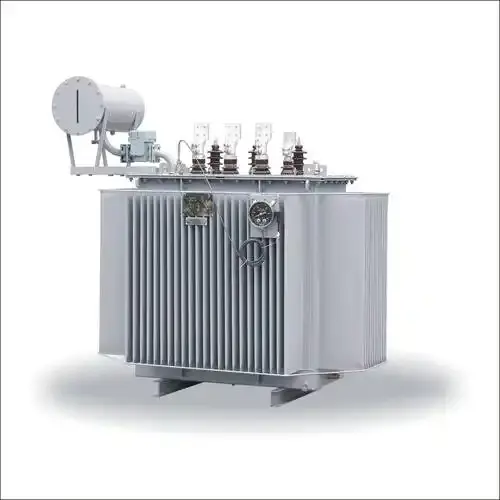
Step-down transformers are the most important part of the electrical infrastructure used for industrial power distribution because they allow precise voltage management. These gadgets work by electromagnetic induction, with the main windings getting high voltage and the secondary windings getting lower voltage that is good for machines and control systems. The change ratio is based on the number of turns between these windings, which lets it be tailored to different industry needs.
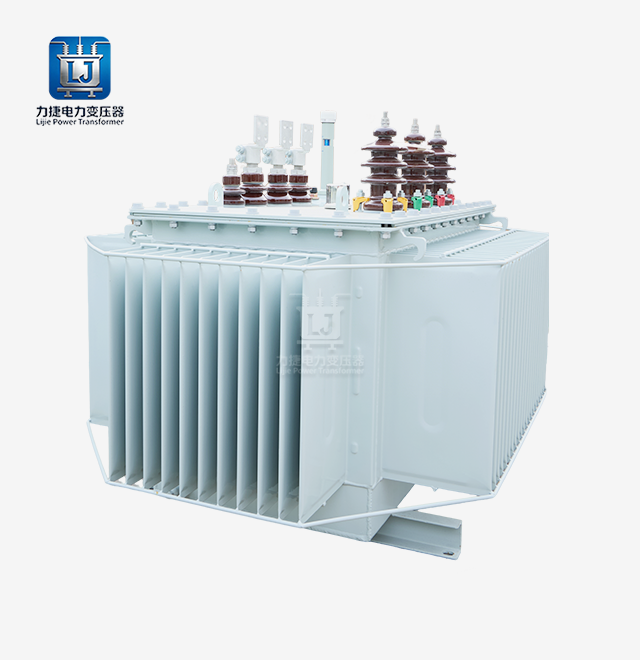
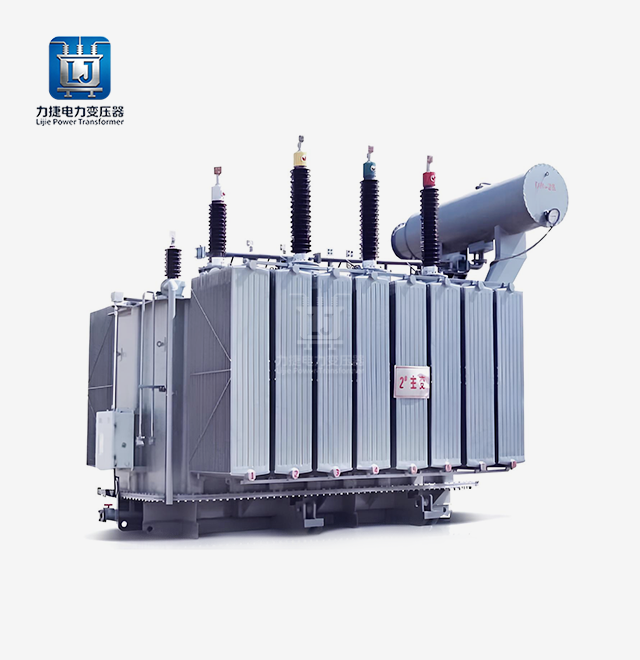
There are two main groups that deal with different operating settings. Oil-immersed transformers use mineral oil to cool and insulate, which makes them perfect for heavy-duty uses where heat removal is very important. Because they are so good at managing heat, steel mills and mining operations often use these units. Dry-type transformers work with solid insulation and air flow, which makes them better for indoor applications where fire safety and easy upkeep are important. To reduce environmental risks, data centers and places that process chemicals often choose this layout.
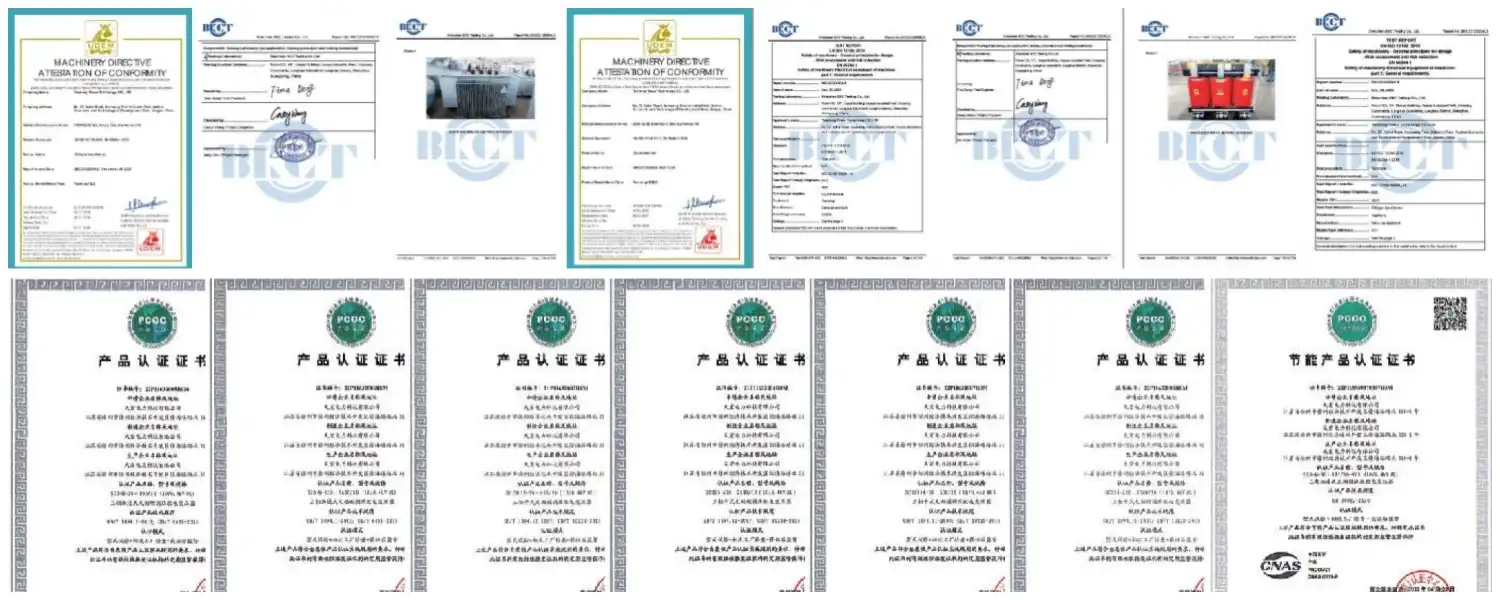
Modern industrial transformers have ratings for efficiency between 96% and 99%, which has a direct effect on the costs of running the business over many years. Core materials made of grain-oriented silicon steel cut down on no-load losses, and better winding designs cut down on copper losses while the motor is running. UL, IEC, and CE safety approvals show that the units can handle the high voltage, high and low temperatures, and mechanical movements that are common in harsh industrial settings. Regular dielectric tests and dissolved gas analysis keep things working longer and stop big problems from happening.
Stable voltage is needed to run robotic systems, conveyor systems, and accurate tools on manufacturing assembly lines. Distribution transformers with ratings of 35kV or less are used by energy management systems in industrial parks to supply power to many buildings from central substations. Original equipment makers build small step-down units right into the designs of their machines. This makes sure that the voltage works in markets around the world with different grid standards.
To be successful in procurement, you must first accurately calculate the load and evaluate the environment for a Step‑down Transformer Supplier. Electrical experts have to figure out the total combined load, think about how much space will be needed for future growth, and figure out how to fix the power factor. Temperature, altitude, and humidity levels in the air affect the size of the transformer because they affect how well it cools and how well the insulation holds up.
When choosing a voltage class, the primary voltage must match the utility supply, and the secondary voltage must be chosen for the equipment that will be used. KVA rates should be high enough to handle peak demand, with 20–30% safety limits to keep things from getting too hot when conditions change quickly. To make sure they work with existing electrical systems, temperature rise limits, impedance values, and vector group configurations need to be carefully described. Certifications are objective proof of quality. For example, ISO 9001 confirms that the manufacturing process is controlled, IEC 60076 confirms that the electrical performance is good, and region-specific approvals allow legal operation.
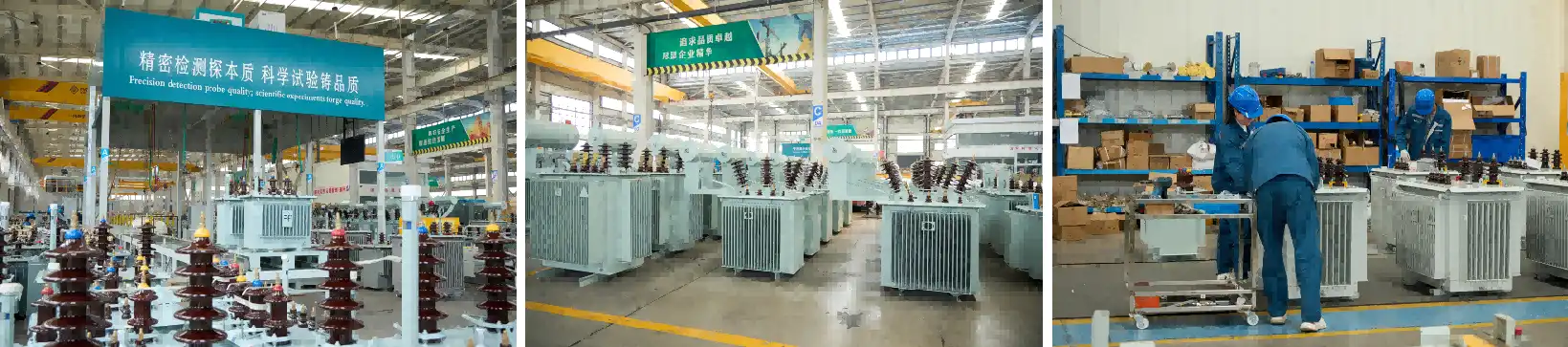
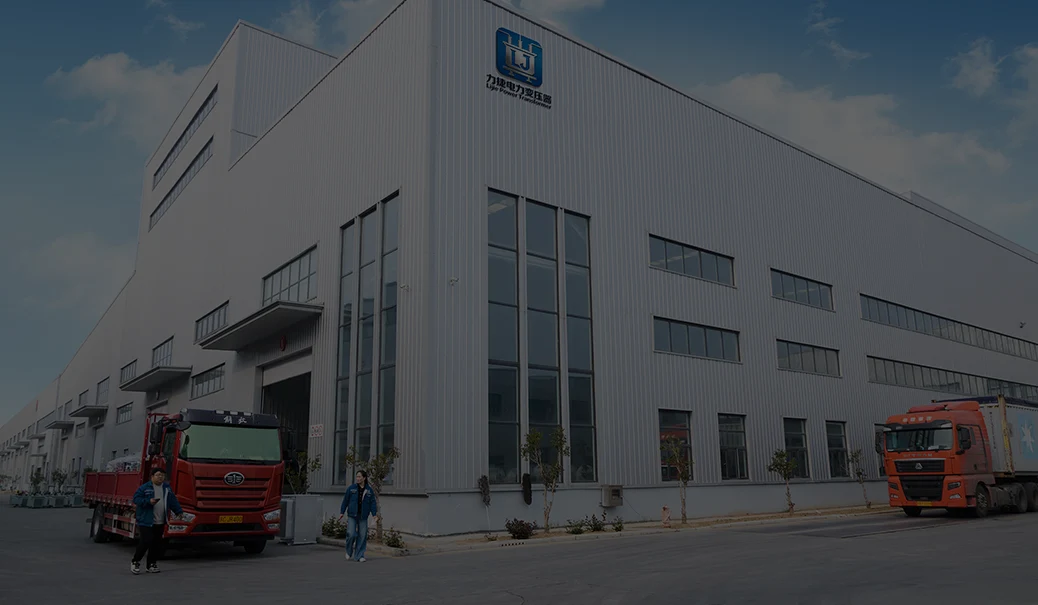
The ability to manufacture something has a direct effect on how long a project takes, especially when it comes to building infrastructure that needs multiple parts with different delivery dates. Suppliers with production sites that are more than 200,000 square meters show that they have the scale needed for big orders. Custom applications benefit from the problem-solving skills of tech teams with advanced degrees in electrical engineering. Referrals from customers in related industries show how well the Step‑down Transformer Supplier performs in similar working conditions. Site visits to manufacturing facilities show how quality control is done and what testing options are available.
The purchase price is only one part of the costs that you'll have over your lifetime. Over 25 to 30 years of service, energy losses add up to big costs, which is why efficiency ratings are important from a business point of view. Warranty terms that cover materials, workmanship, and performance protect against breakdowns that happen before they should. Different types of transformers need different amounts of maintenance. For example, oil-filled units need to be tested and their oil cleaned on a regular basis, while dry-type designs don't need as much attention. When problems happen, downtime costs are kept to a minimum by making replacement parts available and providing quick expert help.
Global manufacturers like ABB, Siemens, and Schneider Electric have built their reputations over many years of coming up with new ideas and completing projects all over the world. These companies put a lot of money into research centers and testing labs that make generator technology better. For mid-sized jobs, regional specialists often give you a competitive edge when it comes to customization options and quick delivery.
There are benefits to working directly with manufacturers that you can't get from working with distributors. By working together with engineers, buyers can define specific needs like custom voltage ratios, special mounting setups, or higher seismic ratings that aren't met by standard catalog goods. Before a shipment goes out, performance claims can be checked directly by the buyer during factory acceptance testing. Technical data gets contact routes directly, instead of going thru middle-men.
Authorized distributors keep stock of popular specs, which cuts down on lead times when project deadlines need instant access. They combine the buying power of many customers, which sometimes leads to prices that are similar to those from direct manufacturers. A local presence makes it easier to coordinate service after the sale and get replacement parts in an emergency.
Checking an international Step‑down Transformer Supplier's export experience and knowledge with the standards of the target country are important parts of the evaluation process. Suppliers with a history of success in similar markets know what paperwork is needed, how to ship goods, and how to deal with customs issues so that delays don't cost a lot of money. Throughout the procurement cycle, trust is built by clear communication about testing protocols, quality control checkpoints, and production schedules.
Large projects need smart ways to buy things that balance short-term needs with building long-term ties with Step‑down Transformer Suppliers. Framework deals set prices, delivery dates, and quality standards for projects that last more than one year. This makes spending easier and encourages suppliers to keep up their good work.
Ordering in bulk creates economies of scale that lower the cost per unit, but it needs to be carefully coordinated with storage and production capacity. Staged delivery schedules make sure that the supply of transformers is in line with building milestones. This way, capital isn't wasted on equipment that isn't being used, and parts arrive when installation teams are ready. When buying a lot of something, you have more negotiating power because you can schedule specific production runs or priority manufacturing times.
Technical customization solves problems that are unique to an application and can't be solved by standard products. Electrical engineers can work with source design teams to find the best impedance for a certain fault current limit, choose better insulation systems for harsh locations, or add tracking systems for preventative maintenance programs. Misunderstandings that lead to project delays or poor performance can be avoided by having both parties look over detailed specification sheets during the quotation stages.
After-sales support includes fitting advice, help with setup, and training for operators to make sure the equipment is used correctly. Maintenance manuals with troubleshooting steps and schedules for preventive maintenance help facility teams get the most out of transformers' lives. Technical support methods that are quick to respond, like phone hotlines, email consultations, or on-site visits, can answer practical questions before small problems turn into big ones.
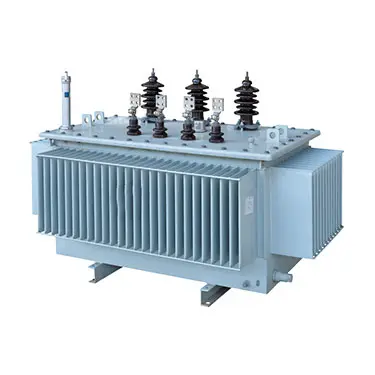
Step-down transformers that work perfectly for decades of ongoing use are needed for industrial power transfer. When choosing suppliers, you have to find a balance between their technical skills, the size of their factories, their certification compliance, and their service commitment. Lijie Electric has become a reliable partner for industrial clients all over the world by offering a wide range of products, having strict quality control systems, and having over 160 engineering experts on staff. Our manufacturing space covers 500,000 square meters, which lets us handle large-scale projects while still allowing for customization for unique uses. To get the most out of your transformer purchases, use strategic procurement methods that focus on lifecycle costs, working together with Step‑down Transformer Suppliers, and planning ahead for preventative repair.
The quality of the core material and the shape of the windings determine how well they work. Grain-oriented silicon steel cores cut down on magnetic losses, and the right size of conductors cuts down on resistance losses. The operating load percentage is also important. Transformers work most efficiently when they are loaded to 50–70% of their rated capacity. This means that the right size is needed for long-term, cost-effective use.
Ask for copies of the ISO 9001 certificates, the IEC test results, and the paperwork from the third-party review. Buyers can see for themselves that the product works by going thru factory acceptance testing. You can find out about a Step‑down Transformer Supplier's long-term dependability and responsiveness by talking to customers in similar industries. Before production starts, expectations are made official thru quality agreements that spell out inspection criteria and acceptance standards.
According to catalog standards, it usually takes 8 to 12 weeks from the time an order is confirmed until it is shipped. Depending on how complicated the design is and how busy the factory is right now, custom designs that need special materials or unique shapes may push back the delivery date to 14 to 20 weeks. Clear communication during the quotation stage sets reasonable delivery goals that are in line with the needs of the project.
Lijie Electric is ready to help you with your industrial power distribution projects by providing transformer solutions that are reliable and efficient. We can make a wide range of products, from ultra-high-voltage units to custom designs for mining, green energy, and heavy industry. Our quality methods have been approved by ISO 9001, IEC, CE, and UL, so the goods we sell meet the strictest international standards. You can email our technical team at lijieelectrical@gmail.com to talk about your specific needs, get detailed technical specifications, and get competitive quotes from an established Step‑down Transformer Supplier and manufacturer. You can see all of our products on our website, lijie-electrical.com, and learn how our engineering skills can help you make your power distribution infrastructure work better.
1. Institute of Electrical and Electronics Engineers (IEEE), "IEEE Standard General Requirements for Liquid-Immersed Distribution, Power, and Regulating Transformers," IEEE C57.12.00-2015, 2015.
2. International Electrotechnical Commission, "Power Transformers – Part 1: General," IEC 60076-1:2011, International Standard, 2011.
3. Energy Information Administration, "Industrial Sector Energy Consumption: Trends and Outlook," U.S. Department of Energy Report, 2023.
4. American National Standards Institute, "Requirements for Liquid-Immersed Distribution, Power, and Regulating Transformers," ANSI C57.12.00-2010, 2010.
5. National Electrical Manufacturers Association, "Guide for Transformer Loss Evaluation," NEMA TP-2, 2014.
6. McLyman, W.T., "Transformer and Inductor Design Handbook," Fourth Edition, CRC Press, 2017.
YOU MAY LIKE




April 27, 2025
With a tight project schedule, the manufacturer delivered on time, and on-site technical personnel provided guidance throughout the entire installation and commissioning process; the collaboration was highly efficient and hassle-free.
July 2, 2025
During the preliminary phase, a selection plan was custom-tailored based on the actual site load requirements, resulting in a high degree of parameter compatibility. After-sales support responds within two hours, and ongoing technical support for operation and maintenance is comprehensive; we feel completely confident in a long-term partnership.
November 18, 2025
Deployed as a supporting component for a 35kV grid-connection project at a photovoltaic power station, the equipment operates for an average of 16 hours daily. It demonstrates excellent control over no-load losses, ensures smooth power generation and grid integration, and effectively reduces the station's overall energy consumption.
January 30, 2026
Under the continuous, high-load operating conditions of a factory production line, the equipment maintains stable electrical parameters and exhibits strong overload resistance, thereby guaranteeing an uninterrupted power supply for industrial production.
April 3, 2026
Integrated as a supporting component for a new energy photovoltaic grid-connection system, the manufacturer provided professional technical coordination and timely after-sales support, ensuring seamless adaptation to the specific electrical operating conditions required for grid integration.