April 27, 2025
With a tight project schedule, the manufacturer delivered on time, and on-site technical personnel provided guidance throughout the entire installation and commissioning process; the collaboration was highly efficient and hassle-free.
Aug 18, 2026
Choosing the right step-down transformer supplier is crucial for any industrial facility aiming to maintain reliable electrical infrastructure while controlling long-term costs. A step-down transformer supplier should offer more than just equipment—they must provide certified products that meet international standards, demonstrate consistent manufacturing quality, and deliver technical support throughout the product lifecycle. In industrial settings where transformers operate continuously for decades, selecting a partner with proven reliability, competitive pricing, and strong customization capabilities directly impacts operational stability and total lifecycle expenses. The procurement decision involves evaluating technical specifications, certification compliance, delivery capacity, and after-sales service to ensure your facility receives equipment that performs safely and efficiently over 20–30 years of service.
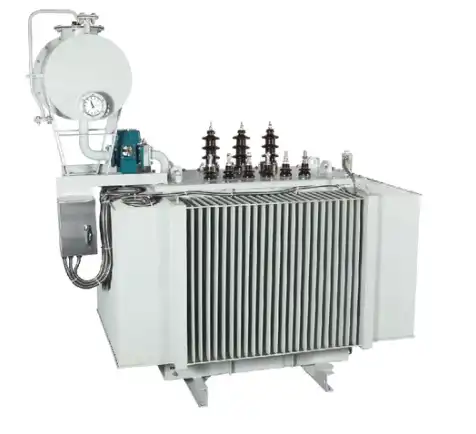
Step-down transformers drop the voltage of high-voltage electricity to a level that can be used by industrial equipment, distribution networks, and building activities. In factories, mines, renewable energy sites, and building projects where voltage conversion is needed to keep equipment safe and working well, these units are essential.
For outdoor setups, industrial sites usually need oil-immersed transformers. For indoor locations where fire safety is very important, they need dry-type transformers. Oil-immersed units cool better and are better for large-scale uses. Dry-type models, on the other hand, don't pollute the environment with oil and are easier to maintain. Transformers and switchgear are put together in small enclosures in prefabricated substations, which makes installation easier in industrial parks and on construction sites. Specialized transformers, like rectifier transformers, change AC to DC for electrochemical processes. In the steel and metallurgy industries, electric furnace transformers handle huge changes in load.
A good industrial Step-down Transformer Supplier is more than just a seller; they are a professional partner as well. As part of this relationship, they will give you detailed information on voltage ratings, capacity specifications, efficiency metrics, and insulation class ratings that match the electrical design of your building. Along with product-specific certifications like IEC 60076, UL, and CE markings, Step-down Transformer Suppliers must show that they follow ISO 9001 quality management systems. Quality control includes factory acceptance testing procedures that check for dielectric strength, no-load and load loss, temperature rise, and the ability to withstand impulse voltage. These thorough inspection steps make sure that the equipment will work consistently in your facility's specific working conditions, such as the high and low levels of harmonic distortion and temperature changes.
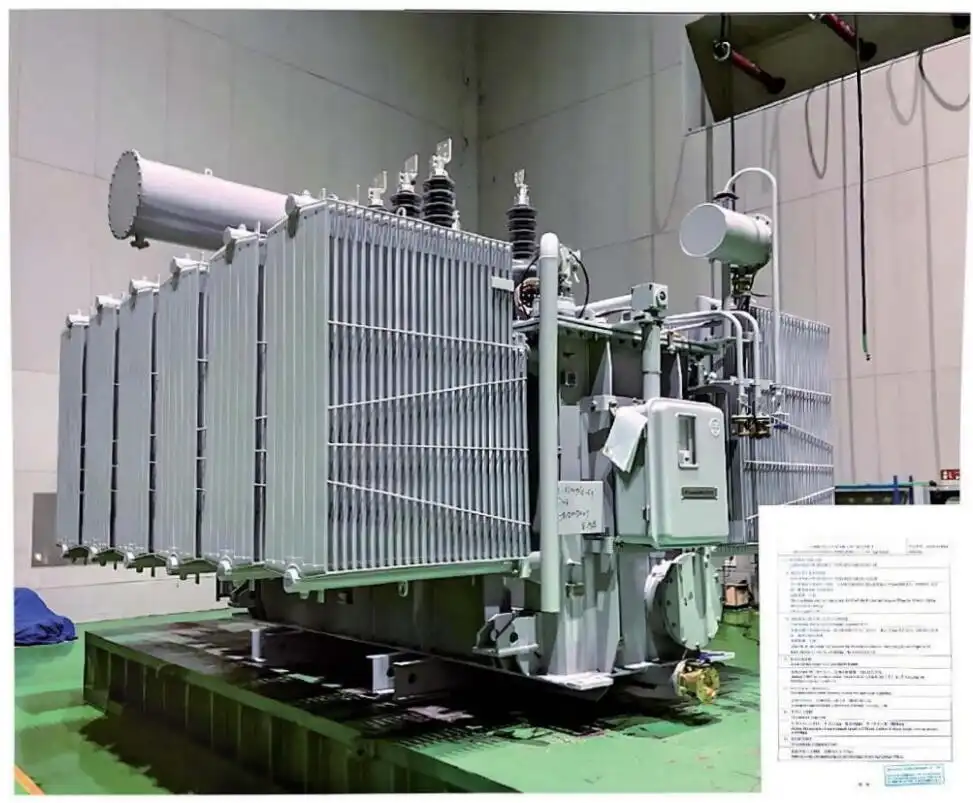
When industrial procurement teams look for transformers, they have to deal with some unique problems. For example, they have to manage large orders across multiple project phases, make sure that custom specifications are met, and make sure that delivery dates don't clash with construction schedules. A structured review framework helps project leaders, purchase managers, and electrical engineers make smart choices that combine technical needs with limited funds.
Reliability of transformers starts with the quality of the manufacturing process and the certification paperwork. Step-down Transformer Suppliers should give full test results that show they meet the standards that apply, such as IEC for foreign projects and ANSI/IEEE for installations in North America. Where necessary, they should also include local grid codes. To keep no-load losses as low as possible, core materials must be made of high-permeability grain-oriented silicon steel. Electrolytic copper or aluminum windings ensure the best conductivity and thermal performance. Insulation systems with a Class F or H rating can handle constant temperature stress for decades without breaking down. Quality certifications from outside testing labs, which include routine and type testing results, show that the manufacturer consistently makes good products. We give more weight to Step-down Transformer Suppliers who keep clear records of quality and allow third parties to view their work while it's being made.
By looking at a Step-down Transformer Supplier's past work, you can tell if they can reliably complete large contracts. The people in charge of buying things should look at case studies that show how similar transformer types and power ranges have been delivered successfully in the past. References from utilities, industrial manufacturers, or EPC contractors can tell you a lot about how responsive the Step-down Transformer Supplier is during design collaboration, how well they stick to delivery schedules, and how well they can solve problems when conditions change in the field. Manufacturing capacity indicators, like the amount of work that goes into making the product each year, the size of the facility, and the number of employees, show if the seller can handle large orders without lowering the quality or lengthening wait times. When it comes to developing specifications and customizing products, Step-down Transformer Suppliers with dedicated engineering teams that include professionals with advanced degrees in electrical engineering are very helpful.
While the initial purchase price plays a role in buying decisions, experienced buyers look at the total cost of ownership, which includes things like how much energy the product uses, how much maintenance it needs, and how long it lasts. Low no-load and load losses in high-efficiency transformers lower the amount of electricity used. This saves money that quickly covers the higher initial costs. Warranty terms of 24 to 36 months for major parts like windings and core assemblies keep them from breaking down too soon. For infrastructure projects that last more than one year, accurate budget planning is made possible by clear price systems for large orders, such as volume discounts and framework agreement terms. Payment options that can be used for foreign transactions, like letters of credit or payment plans based on milestones, make it easier for EPC companies and abroad projects to get what they need.
During their useful life, industrial transformers need to be maintained, tested for problems, and fixed on occasion. Step-down Transformer Suppliers who give full after-sales support, such as installation supervision, commissioning help, and user training, are worth a lot more than just delivering the product. Downtime during repair cycles is kept to a minimum by being able to get spare parts with acceptable wait times. When operational problems happen, technical hotlines staffed by engineers who know your specific transformer model speed up the troubleshooting process. Step-down Transformer Suppliers that offer dissolved gas analysis services for oil-immersed transformers make it possible to use predictive maintenance plans that keep equipment in good shape and stop it from breaking down in disastrous ways. These service options are especially useful for facilities that work in remote areas or that are in charge of big transformer teams that are spread out over many sites.
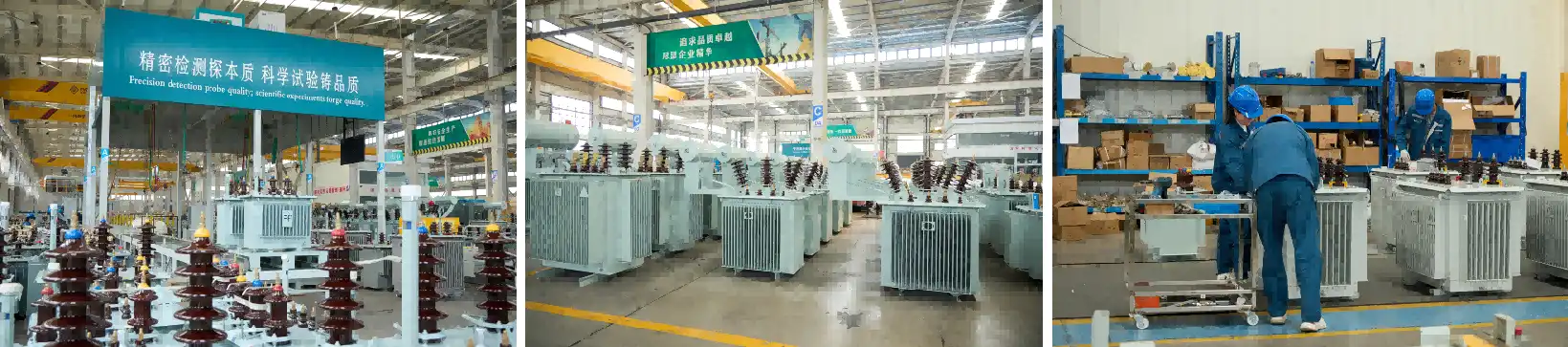
There are well-known companies that sell industrial transformers all over the world, as well as smaller, more specialized companies that serve regional markets and specific applications. Knowing the strengths of a seller helps procurement teams match the skills of a Step-down Transformer Supplier with the needs of a project.
Leading manufacturers keep their factories in strategic places so that they can serve big industrial markets and meet the local content requirements for infrastructure projects that the government pays for. International certifications from Step-down Transformer Suppliers, such as UL for North American markets, CE for exports to Europe, and IEC compliance for global projects, show that they are dedicated to meeting the needs of a wide range of legal settings. When projects need hundreds of units to be given on short notice, manufacturing scale is important. Step-down Transformer Suppliers with many production lines and a lot of workers can handle big orders without lowering quality or making delivery times longer. Logistics costs and lead times are affected by how close a Step-down Transformer Supplier is to the project. This makes regional Step-down Transformer Suppliers appealing for projects that need fast delivery or a lot of technical support during the installation phase.
Clear pricing lets you compare prices accurately between different Step-down Transformer Suppliers. Industrial buyers should ask for thorough quotes that break down the costs of materials, labor, testing, and shipping in order to find hidden costs that drive up the total cost of the project. Volume price levels encourage buying in bulk, with savings increasing based on the number of items ordered and the length of the contract. Warranty coverage varies a lot between Step-down Transformer Suppliers. Some offer standard 12-month warranties, while others cover critical parts for 36 months, which shows how confident they are in the quality of their products. Longer warranties move the risk from the buyer to the seller, protecting the Step-down Transformer Supplier financially against early failures that could mess up production plans. Payment terms that work for international transactions, like 30% down payment and the rest due upon delivery or after inspection certificates, help both the buyer and the seller manage their cash flow and risk.
Building a good reputation in the industrial transformer market takes time. This is done by consistently delivering reliable products and providing helpful customer service. Electrical experts, project managers, and repair teams who use the equipment every day can give feedback on how well Step-down Transformer Suppliers do their jobs on online review sites, industry forums, and professional networks. Step-down Transformer Suppliers who keep quality management certifications like ISO 9001:2015 show that they control production in a planned way, do inspections, and work on ongoing growth. Customer service responsiveness—measured by how quickly questions are answered, how willing Step-down Transformer Suppliers are to change specifications, and how flexible they are with schedule changes—sets apart great Step-down Transformer Suppliers from average ones. Technical support, such as engineering help in multiple languages for foreign buyers, makes conversation easier during the part of developing specifications and fixing problems.
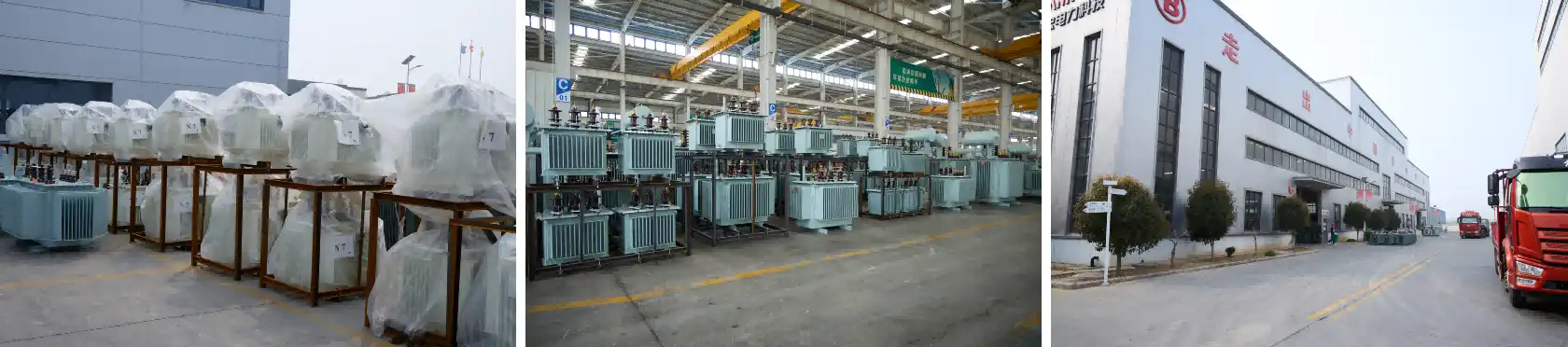
To buy industrial transformers successfully, you need to understand the technical specs, the contract terms, and how to coordinate the logistics. Procurement teams with a lot of experience come up with systematic ways to reduce risks while also improving costs and delivery times.
During the building phases of large infrastructure projects that last for years, dozens to hundreds of units of transformers are used. Scheduling for transformer deliveries should be in line with installation plans. This way, deliveries that happen too early will not tie up capital in inventory, and deliveries that happen too late will not stop building progress. Framework agreements that set prices and terms of delivery ahead of time make it easier to make repeat purchases and lower the amount of work that needs to be done for each transaction. Unit prices are affected by minimum order quantities (MOQs). Buyers should discuss MOQs that combine bulk discounts with the cost of keeping inventory. Custom-designed transformers usually take 12 to 20 weeks to finish in the factory, so buying teams have to start placing orders a long time before the transformers need to be delivered. When project plans get squished out of the blue, Step-down Transformer Suppliers who offer fast production for pressing needs, even if it costs more, are very helpful.
When you buy transformers across international borders, shipping operations, clearing customs, and financial activities become more complicated. Terms like FOB, CIF, and DDP make it clear who is responsible for what when it comes to transportation costs, insurance coverage, and import duties. Smaller distribution transformers can be shipped in containers, but bigger power transformers need special transport plans that include heavy-lifting tools and route studies. Payment tools like letters of credit protect both buyers and Step-down Transformer Suppliers. Buyers make sure that Step-down Transformer Suppliers only get paid when they show that their shipping papers are correct, and sellers know that they will get paid when the goods meet the terms of the contract. Changes in currencies affect foreign transactions. To protect budgets, long-term contracts may include currency adjustment terms or set exchange rates at the time of signing.
Well-written procurement contracts spell out technical requirements, quality standards, inspection procedures, delivery dates, and what can be done if the contractor doesn't meet the terms. In the technical add-ons, you should list the power ratings, capacity, efficiency guaranties, outdoor temperature ratings, and standards that the product meets. Quality assurance clauses require plant acceptance testing to be supervised by client agents or third-party inspectors. The results of the tests must be written down in official protocols. Delivery terms include instructions for packing, shipping, and help unloading at the destination. Liquidated damages clauses set financial penalties for late delivery or poor performance, which encourages Step-down Transformer Suppliers to keep their promises. Checking maker licenses, product certifications, and testing lab accreditations are all examples of certification verification processes that keep people from getting fake equipment that breaks down early or doesn't follow safety rules.
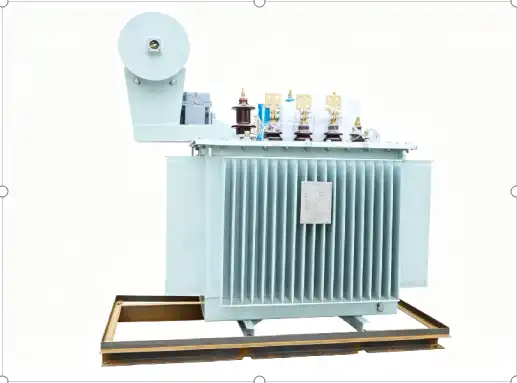
Strategic connections with Step-down Transformer Suppliers create value beyond individual deals by working together to solve problems, promoting ongoing improvement, and investing in each other's technical skills. Industrial facilities that use transformer fleets can get a lot out of building relationships with dependable manufacturers.
Clear communication is the key to having good relationships with Step-down Transformer Suppliers. Regular performance reviews that look at things like on-time delivery, product quality, and responsive customer service help find ways to improve while also recognizing great work. Sharing practical input, such as data on how well products work in the field, experiences with upkeep, and problems with applications, helps Step-down Transformer Suppliers improve designs and production methods. Collaborative specification development uses the engineering knowledge of Step-down Transformer Suppliers to find the best transformer designs for each application, while keeping cost and performance needs in mind. By going to professional classes, industry conferences, and training programs together, people can better understand how standards are changing, new technologies are coming out, and market trends are happening.
Thru partnerships, buyers can get access to new ideas and technology know-how from Step-down Transformer Suppliers. Major companies put a lot of money into research and development, looking into new materials like amorphous alloy cores, which are 70–80% better at reducing no-load losses than regular silicon steel. Working together on pilot installations of new technologies lets everyone see how well they work in real-world settings before committing to a large-scale rollout. Customization options go beyond standard stock items and can be used to meet specific needs at a facility, such as voltage ratios that aren't standard, seismic strengthening for areas prone to earthquakes, or corrosion-resistant coatings for installs near the coast. These changes make the transformers more efficient and extend their useful life, while also making your building's electrical system stand out.
Procurement strategies used in real life show how strategic partnerships with Step-down Transformer Suppliers can help. A company that is developing green energy and building several solar farms chose a Step-down Transformer Supplier that could deliver prefabricated substations with medium-voltage transformers, switchgear, and safety systems all in one package. Standardizing designs across projects cut down on engineering costs, sped up installation times, and made it easier to train people in maintenance. A steel company worked with a Step-down Transformer Supplier to make custom electric furnace transformers that worked best for their melt cycle. This cut electrode use by 8% and increased energy efficiency by 8%. These partnerships show that matching the skills of Step-down Transformer Suppliers with the goals of a building creates long-term value that goes beyond just buying things.
To find the right industrial Step-down Transformer Supplier, you need to weigh the seller's technical skills, certification requirements, delivery reliability, and lifetime costs, all while building relationships that support long-term business excellence. Teams in charge of buying things should judge Step-down Transformer Suppliers based on how well they make things (shown by certifications and testing protocols), how much they can make (enough for bulk orders), how competitive their prices are compared to the total cost of ownership, and how well they support customers after the sale. For procurement strategies to work, they need to build more than just transactional relationships with Step-down Transformer Suppliers. They also need to build collaborative partnerships where Step-down Transformer Suppliers can offer technical knowledge, ongoing growth, and customization options that improve the performance of the facility. Electrical engineers, procurement managers, and project leaders can use this framework to firmly choose Step-down Transformer Suppliers who will deliver reliable transformers that will support decades of safe, efficient industrial operations.
Certified Step-down Transformer Suppliers keep their ISO 9001 quality management system certification, which shows that they control production in a planned way. Certifications for products depend on where they are going: IEC 60076 for foreign projects, UL for installations in North America, and CE marks for exports to Europe. Testing labs with accreditations from groups like CNAS or A2LA can be trusted to give accurate results on factory tests.
Ask the factory that did the acceptance testing to give you detailed test reports that include measurements of the turns ratio, the dielectric strength, the no-load and load loss measurements, and the temperature rise tests. An inspection by a third party during production by an independent party provides extra proof that the specifications match the requirements of the purchase order.
Standard catalog transformers ship in 6–8 weeks, but customized units take 12–20 weeks from the time the order is confirmed until they are finished in the factory. Depending on how much the Step-down Transformer Supplier can make, large orders may make wait times even longer. Project delays can be avoided by planning buying timelines with enough breathing room.
Lijie Electric Power Technology Group is a reliable Step-down Transformer Supplier to utilities, industrial facilities, and EPC contractors all over the world. Our factories in Xuzhou and Nantong, China, cover 500,000 square meters and make all kinds of transformers, from small 35kV distribution units to ultra-high-voltage 500kV power transformers. We are especially good at making electric furnace transformers, rectifier transformers, and prefabricated substations. Over 2,000 workers, including 160 engineers with advanced degrees, make sure that every unit meets strict quality standards that can be seen in ISO 9001, IEC, CE, and UL certificates. We offer custom solutions that are backed by full technical support and have been proven to work reliably for 25 to 30 years in a wide range of industries, from heavy manufacturing to renewable energy. Email our team at lijieelectrical@gmail.com to talk about the transformer needs of your building and get a full quote that fits your needs. You can look through our full list of products at lijie-electrical.com and learn how working with an experienced Step-down Transformer Supplier can improve your business's electrical system.
1. IEEE Standards Association. (2019). IEEE Standard for General Requirements for Liquid-Immersed Distribution, Power, and Regulating Transformers. Institute of Electrical and Electronics Engineers.
2. International Electrotechnical Commission. (2018). Power Transformers – Part 1: General Requirements. IEC 60076-1 Standard.
3. National Electrical Manufacturers Association. (2020). Guide for Transformer Loss Evaluation. NEMA Standards Publication TP-2.
4. U.S. Department of Energy. (2021). Energy Conservation Standards for Distribution Transformers: Final Rule. Federal Register, Energy Efficiency Program.
5. Heathcote, M. J. (2017). The J&P Transformer Book: A Practical Technology of the Power Transformer (14th ed.). Reed Educational and Professional Publishing.
6. Kulkarni, S. V., & Khaparde, S. A. (2020). Transformer Engineering: Design, Technology, and Diagnostics (2nd ed.). CRC Press.
YOU MAY LIKE

H15%20type%20three-phase%20fully%20sealed%20distribution%20transformer.webp)

13%20type%20epoxy%20resin%20cast%20transformer.webp)

12%20Series%20Dry%20Type%20Transformer.webp)

April 27, 2025
With a tight project schedule, the manufacturer delivered on time, and on-site technical personnel provided guidance throughout the entire installation and commissioning process; the collaboration was highly efficient and hassle-free.
July 2, 2025
During the preliminary phase, a selection plan was custom-tailored based on the actual site load requirements, resulting in a high degree of parameter compatibility. After-sales support responds within two hours, and ongoing technical support for operation and maintenance is comprehensive; we feel completely confident in a long-term partnership.
November 18, 2025
Deployed as a supporting component for a 35kV grid-connection project at a photovoltaic power station, the equipment operates for an average of 16 hours daily. It demonstrates excellent control over no-load losses, ensures smooth power generation and grid integration, and effectively reduces the station's overall energy consumption.
January 30, 2026
Under the continuous, high-load operating conditions of a factory production line, the equipment maintains stable electrical parameters and exhibits strong overload resistance, thereby guaranteeing an uninterrupted power supply for industrial production.
April 3, 2026
Integrated as a supporting component for a new energy photovoltaic grid-connection system, the manufacturer provided professional technical coordination and timely after-sales support, ensuring seamless adaptation to the specific electrical operating conditions required for grid integration.