April 27, 2025
With a tight project schedule, the manufacturer delivered on time, and on-site technical personnel provided guidance throughout the entire installation and commissioning process; the collaboration was highly efficient and hassle-free.
Aug 18, 2026
Renewable energy projects demand precise voltage transformation to deliver power efficiently to the grid, making professional step-up transformer suppliers essential partners in project success. A specialized Step‑up Transformer Supplier brings technical expertise, certified manufacturing standards, and long-term reliability that generic equipment providers simply cannot match. Solar farms and wind installations generate electricity at relatively low voltages, typically between 480V and 34.5kV, but transmission networks operate at much higher levels—often 115kV to 500kV. Without properly engineered voltage step-up equipment from qualified manufacturers, projects face power losses, equipment failures, and significant financial setbacks that compromise return on investment.
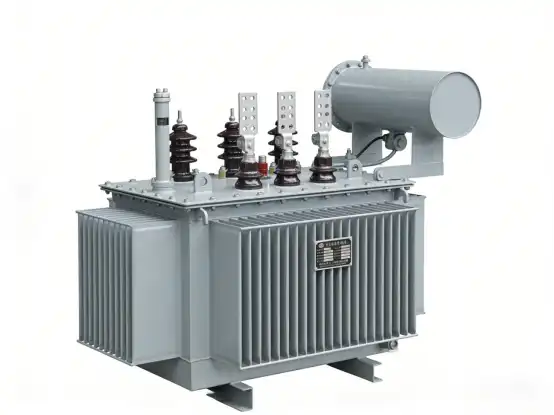
Step‑up transformers raise the voltage from power plants to meet the needs of transmission lines. This lowers the flow of current and lowers the amount of resistance lost over long distances. Voltage transformation equipment is a must for connecting wind turbines and photovoltaic arrays directly to the grid because the electricity they produce has voltages that are too low for that. Electromagnetic induction happens through main and secondary windings that are wound around a magnetic core. The voltage growth factor is based on the turns ratio.
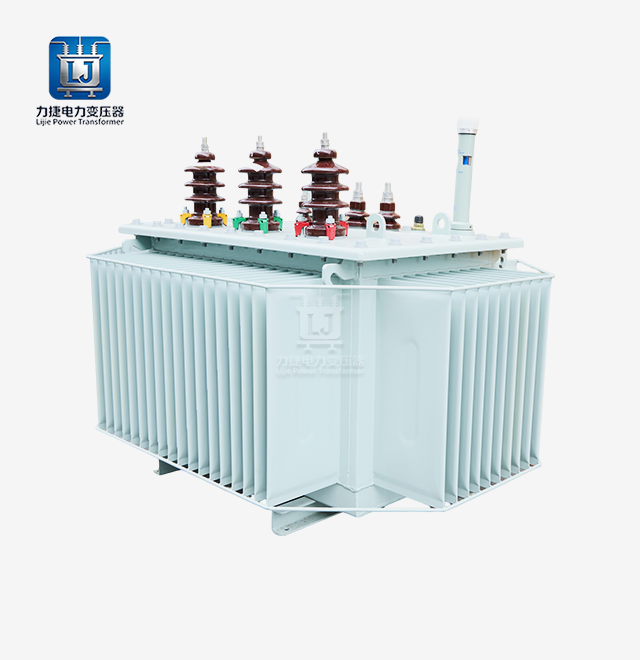
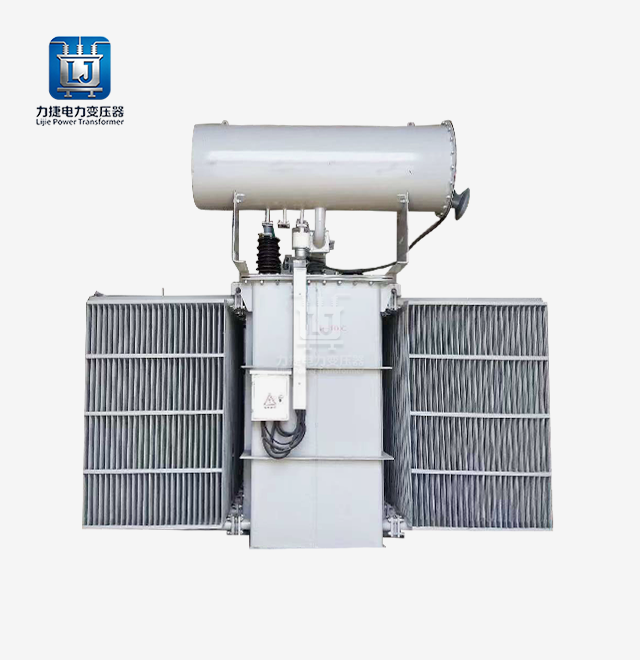
Transformation ratios between 0.48kV and 34.5kV and 34.5kV and 230kV are important parameters. So are power ratings between 1 MVA and over 100 MVA for utility-scale installations, and efficiency levels that always go above 98.5 percent. High-quality units have cores made of grain-oriented silicon steel that have a higher magnetic flux density and electrolytic copper windings that have a low resistance loss. ONAN (Oil Natural Air Natural) cooling systems are better for smaller sites, while ONAF (Oil Natural Air Forced) or dry-type systems work better in some climates. A framework of international standards, such as IEC 60076, IEEE C57.12.00, and ISO 9001 certification, makes sure that equipment meets safety and performance standards for 25 to 30 years of use.
Solar and wind applications have their own problems, such as voltage changes from intermittent generation, harmonic distortion from inverter systems, and being exposed to harsh weather. Professional Step‑up Transformer Suppliers make units with higher K-factor ratings to handle harmonic content, better insulation classes (usually Class H or F) to handle heat stress, and strong short-circuit withstand capabilities that protect against grid shocks. These unique features make renewable energy transformers different from regular distribution equipment. They have a direct effect on how reliable the system is and how much it costs to run over many years.
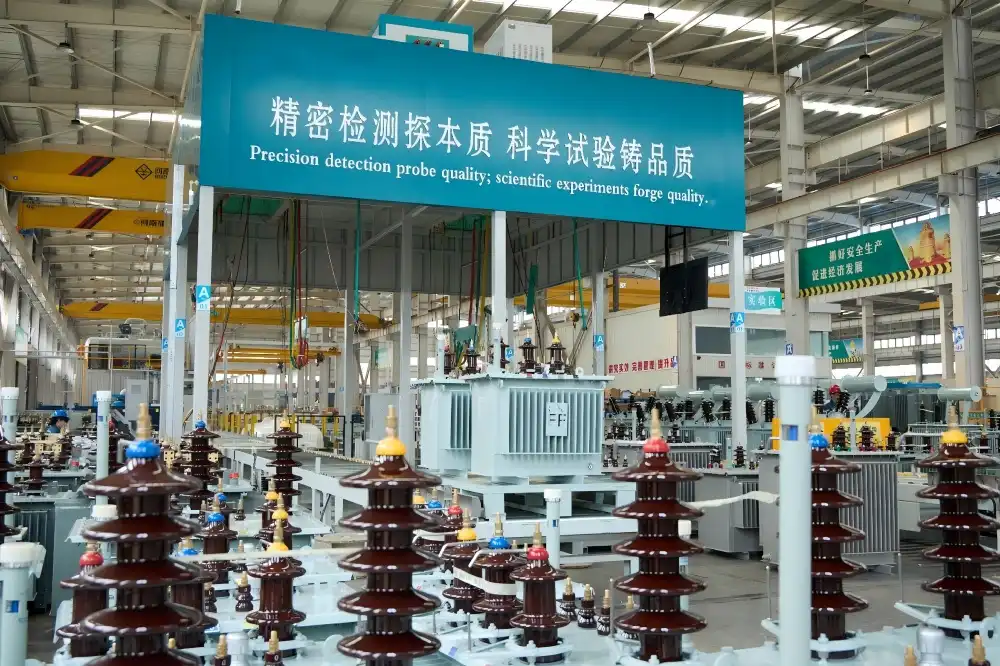
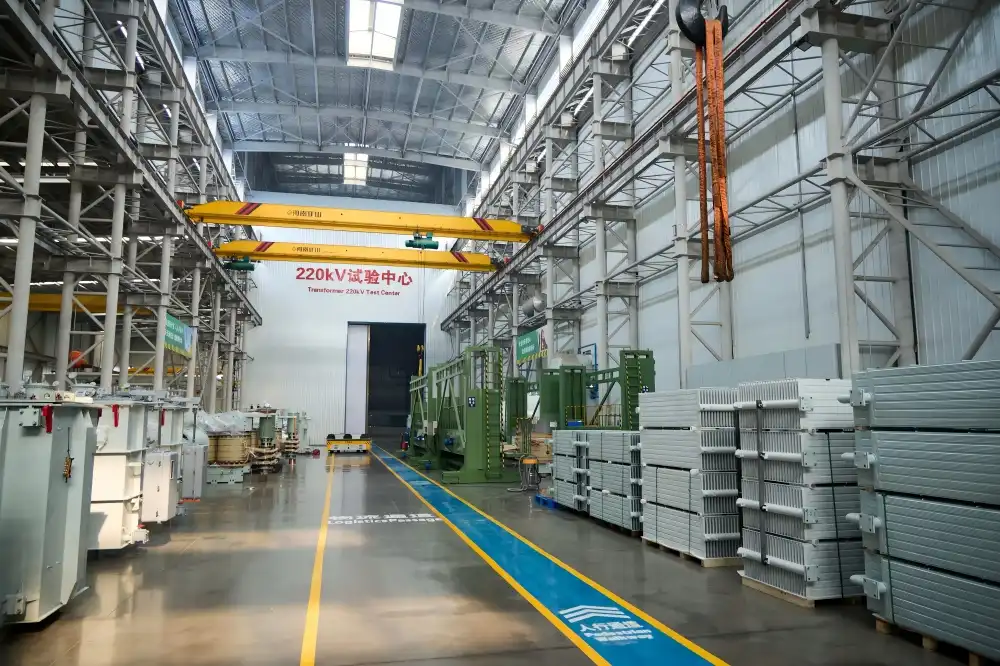
When transformers aren't up to par, they cause problems all over renewable energy systems, from higher no-load and load losses that lower energy output to premature insulation breakdown that causes outages that weren't planned, and a Step‑up Transformer Supplier must prevent these issues. Professional makers use strict factory acceptance testing procedures that include dielectric tests, proof of the turns ratio, loss analysis, impulse voltage modeling, and thermal imaging at full load. A trustworthy Step‑up Transformer Supplier keeps track of all test results in thorough reports that meet international standards, giving procurement teams confidence in the equipment's performance before it is put into use.
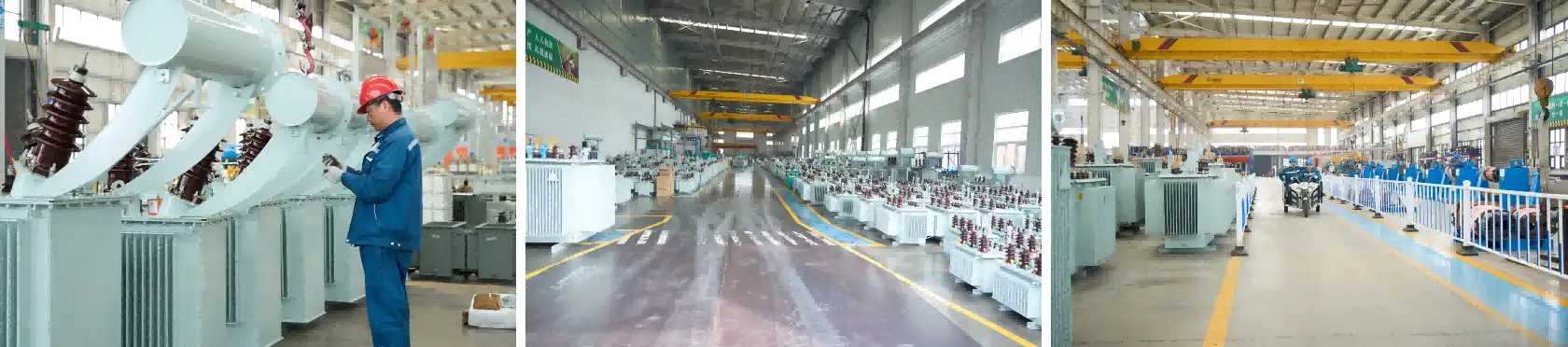
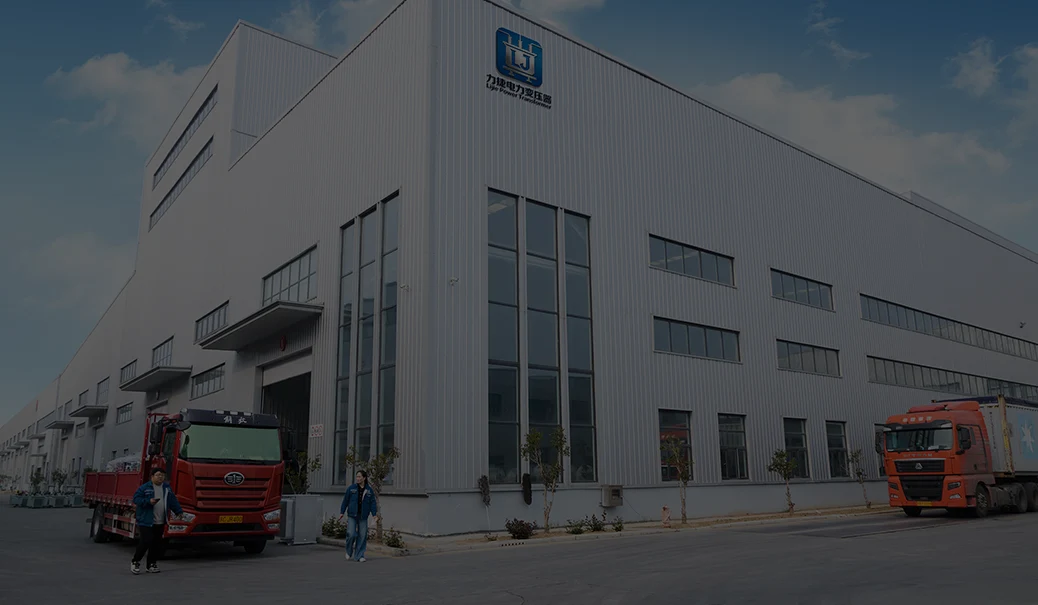
At our 500,000-square-meter factories in Xuzhou and Nantong, Lijie Electric has strict checking processes in place. Each unit goes through separate-source voltage withstand testing and induced overvoltage verification. Our quality control procedures are in line with IEC standards and have been recognized by the National Transformer Quality Supervision and Inspection Center. This makes sure that units work successfully under constant temperature stress and keep their structural integrity over the course of their service life.
Large-scale renewable energy projects need customization options that standard suppliers can't offer. For example, they need specific vector group configurations (Dyn11, Ynd11) for phase displacement needs and unique cooling systems for installations in the desert or near the coast. During the design phase, professional makers offer technical advice that helps project teams choose the right voltage ratios, capacity ratings, and other equipment setups. After the sale, full support that includes dissolved gas analysis, oil purification services, and quick technical response during commissioning lowers operational risk and keeps project deadlines safe.
A 150 MW solar farm in the southwestern United States teamed up with a certified transformer maker and achieved 99.2 percent transformation efficiency, up from 97.8 percent with a previous generic supplier. This added about 2.1 GWh of energy supply each year. Unplanned downtime at a wind site in the Great Plains droped from 4.3% to 0.7% after badly made equipment was replaced with properly designed units that had better insulation systems and could cool more efficiently. These differences in performance have a direct effect on the project's economics, making the internal rate of return higher and meeting investors' needs for reliable energy delivery over 20-year power purchase agreements.
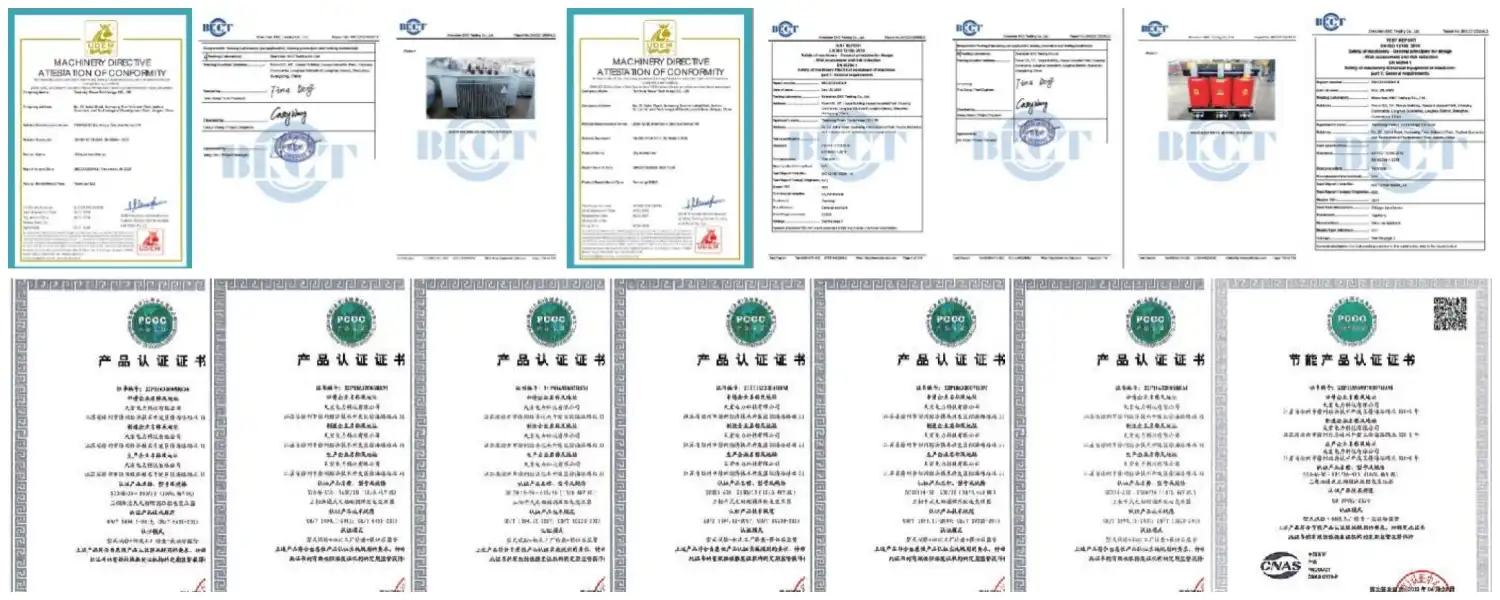
Teams in charge of buying things should give more weight to companies that are certified by ISO 9001:2015, UL for installations in North America, and CE for international compliance. IEC 60076 approval is specific to power transformer standards, and energy saving certifications from well-known groups back up claims of performance. For our 10kV and 35kV power transformers, Lijie Electric has obtained all major foreign certifications, such as UL, CE, and IEC compliance. This shows that we are dedicated to meeting the strict needs of green energy projects around the world.
For big green energy systems to work, they need Step‑up Transformer Suppliers who can deliver many units on time, instead of small batches that cause project delays. The yearly production capacity of manufacturing facilities should be more than 10,000 MVA, and they should have specialized engineering teams with PhD and master's-level knowledge in transformer design. Out of our more than 2,000 employees, more than 160 are engineering professionals with advanced degrees. This gives us the technical depth to tailor solutions to the needs of each project while still meeting delivery deadlines for utility-scale operations.
When it comes to lead times, prices, and technical skills, manufacturers in different parts of the world offer unique benefits. North American and European suppliers often offer faster communication cycles and well-established local service networks, but they charge more, which can affect project budgets. A lot of Asian manufacturers, especially well-known Chinese companies like Lijie Electric, which makes more than 5 billion RMB a year, offer low prices without lowering quality standards. They have all the necessary international certifications and have a history of exporting to places like Australia, New Zealand, India, Vietnam, Malaysia, Indonesia, Central Asian republics, and many African countries. This global reach shows that we can handle the complicated foreign operations and rules while still providing consistent product quality.
Focusing only on the original buy price is not enough for effective procurement. You also need to know what the total lifecycle costs are. Professional Step‑up Transformer Suppliers give full price lists that include the base equipment, any extras that can be added, testing records, foreign shipping packing, and guarantee coverage. Payment terms usually include a 30% deposit when the contract is signed, 60% before shipment, and 10% retention after successful commissioning. However, terms can change based on order volume and the history of the relationship with the customer.
Usually, it takes 12 to 16 weeks from the time an order is confirmed until the factory is ready to ship the transformer. Shipping times can vary depending on where the transformer is going and how it is being shipped. It takes four to six weeks longer for ocean freight to get to U.S. ports, and it takes a lot of planning to make sure that interior transportation to rural project sites doesn't cause installation delays. Professional makers keep clear lines of communication open throughout the entire production process. They do this by regularly updating project managers on progress, giving quality paperwork, and coordinating shipping. This keeps project managers informed and allows for proactive schedule management.
Successful green energy projects form long-term partnerships instead of short-term deals, working together on things like technology improvements, maintenance plans, and future steps of growth. Suppliers that offer technical support 24 hours a day, seven days a week, quick access to spare parts, and regular performance reviews become important operational partners. Because Lijie Electric sees our clients' needs as our own, we've built long-lasting partnerships with power utilities, renewable energy developers, and EPC contractors who value dependability, speed of response, and technical know-how throughout the lifecycles of their projects.
Some new transformer designs use amorphous alloy cores that cut no-load losses by 70 to 80 percent compared to silicon steel. This makes continuously energized equipment much more energy efficient. Digital monitoring systems with remote tests allow for planned repair by keeping an eye on things like oil quality, winding temperature, partial discharge activity, and load patterns. Transformers can talk about their operating state and help with automatic voltage regulation through smart grid integration. This helps keep the grid stable as the use of renewable energy grows.
Renewable energy companies want their Step‑up Transformer Suppliers to be more environmentally friendly during the whole manufacturing process. For example, they need to cut down on carbon emissions in their factories and choose biodegradable insulating fluids and reusable core materials. Lijie Electric has been named an "Advanced Collective" for its efforts to protect the environment, and the company continues to invest in manufacturing technologies that are better for the environment and support the values that are driving the growth of green energy. These promises are appealing to project developers who are looking for supply chain partners who care about the environment as much as they do.
The addition of more green capacity is speeding up around the world. The US wants to have 100% clean energy by 2035, which will create a steady need for transportation infrastructure equipment. To meet the needs of energy storage integration, professional makers are increasing production capacity, broadening product lines, and improving regional service networks to support installations that are growing. Our Chinese government designation as a "Specialized, Refined, and New 'Little Giant'" enterprise shows that they value our ability to come up with new ideas and puts us in a good position to meet changing technical needs as renewable technologies improve and grid interconnection standards become more established.
Renewable energy projects need professional Step‑up Transformer Suppliers to make sure they have the right technical details, high-quality manufacturing, and long-term dependability. Manufacturers with specialized engineering knowledge, thorough testing protocols, international certifications, and quick customer service create measurable value by making things more efficient, lowering downtime, and lowering costs over their entire lifecycle. When purchasing transformers, procurement teams should choose suppliers based on their proven production capacity, ability to customize, and track record in renewable applications, rather than generic equipment providers who don't have domain expertise. Strategic partnerships with qualified voltage transformation equipment makers will remain key to providing reliable, cost-effective power generation that meets investor standards and helps the world reach its decarbonization goals as the renewable energy sector continues to grow.
Check that the quality management system is certified to ISO 9001:2015, that power transformers are compliant with IEC 60076, and that the system has the right approvals for its region, such as UL listing for installations in North America or CE marking for installations in other countries. Ask independent testing labs to provide proof that the performance specs and safety standards have been met by your Step‑up Transformer Supplier.
Custom production usually takes 12 to 16 weeks from the time the contract is signed until the product leaves the plant. Shipping times vary depending on where the product is going. During the initial discussions, be clear about when the project will be finished, and work with suppliers who have a track record of delivering similar projects to reduce the risk to the schedule.
Professional makers offer a wide range of technical support services, such as installation supervision, setup support, and training for operators to make sure that the equipment is used correctly. Make sure that the provider you choose has quick technical help with engineers available during key project phases, as well as clear service level promises and easy-to-use contact channels.
Lijie Electric is ready to be your reliable Step‑up Transformer Supplier. They have worked on green energy projects on six countries and have a track record of success. Our two modern factories, which cover a total area of 500,000 square meters, make transformers that meet international standards such as IEC, UL, and CE. The transformers we make range from small distribution units to 500kV ultrahigh voltage systems. We have more than 160 engineers with advanced degrees and more than 5 billion RMB in sales every year, so we can give your project the technical know-how, production capacity, and quality guarantee it needs. From Australia to Central Asia, our goods have powered solar farms, wind installations, and grid infrastructure with ease. We back this up with thorough testing paperwork and quick customer service after the sale. Email Lijie Electric at lijieelectrical@gmail.com right now to talk about your project needs and find out how our voltage transformation solutions can help you get the most out of your renewable energy investment. Check out our website at lijie-electrical.com to see all of our products and find out why top developers choose us to supply step-up transformers for important building projects.
1.Anderson, M. (2021). Power Transformer Engineering: Design, Technology, and Diagnostics. CRC Press.
2.International Electrotechnical Commission. (2018). IEC 60076-1: Power Transformers - Part 1: General. IEC Standards Publication.
3.Kulkarni, S. V., & Khaparde, S. A. (2020). Transformer Engineering: Design, Technology, and Applications. Marcel Dekker.
4.National Renewable Energy Laboratory. (2022). Best Practices for Transformer Selection in Utility-Scale Solar Applications. Technical Report NREL/TP-5D00-82156.
5.Rashid, M. H. (2019). Alternative Energy in Power Electronics. Butterworth-Heinemann.
6.Winders, J. J. (2020). Power Transformers: Principles and Applications. CRC Press.
YOU MAY LIKE


April 27, 2025
With a tight project schedule, the manufacturer delivered on time, and on-site technical personnel provided guidance throughout the entire installation and commissioning process; the collaboration was highly efficient and hassle-free.
July 2, 2025
During the preliminary phase, a selection plan was custom-tailored based on the actual site load requirements, resulting in a high degree of parameter compatibility. After-sales support responds within two hours, and ongoing technical support for operation and maintenance is comprehensive; we feel completely confident in a long-term partnership.
November 18, 2025
Deployed as a supporting component for a 35kV grid-connection project at a photovoltaic power station, the equipment operates for an average of 16 hours daily. It demonstrates excellent control over no-load losses, ensures smooth power generation and grid integration, and effectively reduces the station's overall energy consumption.
January 30, 2026
Under the continuous, high-load operating conditions of a factory production line, the equipment maintains stable electrical parameters and exhibits strong overload resistance, thereby guaranteeing an uninterrupted power supply for industrial production.
April 3, 2026
Integrated as a supporting component for a new energy photovoltaic grid-connection system, the manufacturer provided professional technical coordination and timely after-sales support, ensuring seamless adaptation to the specific electrical operating conditions required for grid integration.