April 27, 2025
With a tight project schedule, the manufacturer delivered on time, and on-site technical personnel provided guidance throughout the entire installation and commissioning process; the collaboration was highly efficient and hassle-free.
Aug 11, 2026
To choose the best Medium Voltage Transformer Supplier, you need to know a lot about their technical specs, their reputation, and their ability to provide long-term service. Over many years, this choice will have a direct effect on the factory's uptime, energy savings, and safety. Cost and dependability must be balanced by purchasing managers and electrical engineers, who must make sure that providers meet international standards such as IEC 60076 and IEEE C57.12.00 and offer custom solutions for a wide range of industrial uses. To build partnerships that protect important power infrastructure, the process includes looking at certifications, manufacturing capacity, after-sales support, and delivery performance.
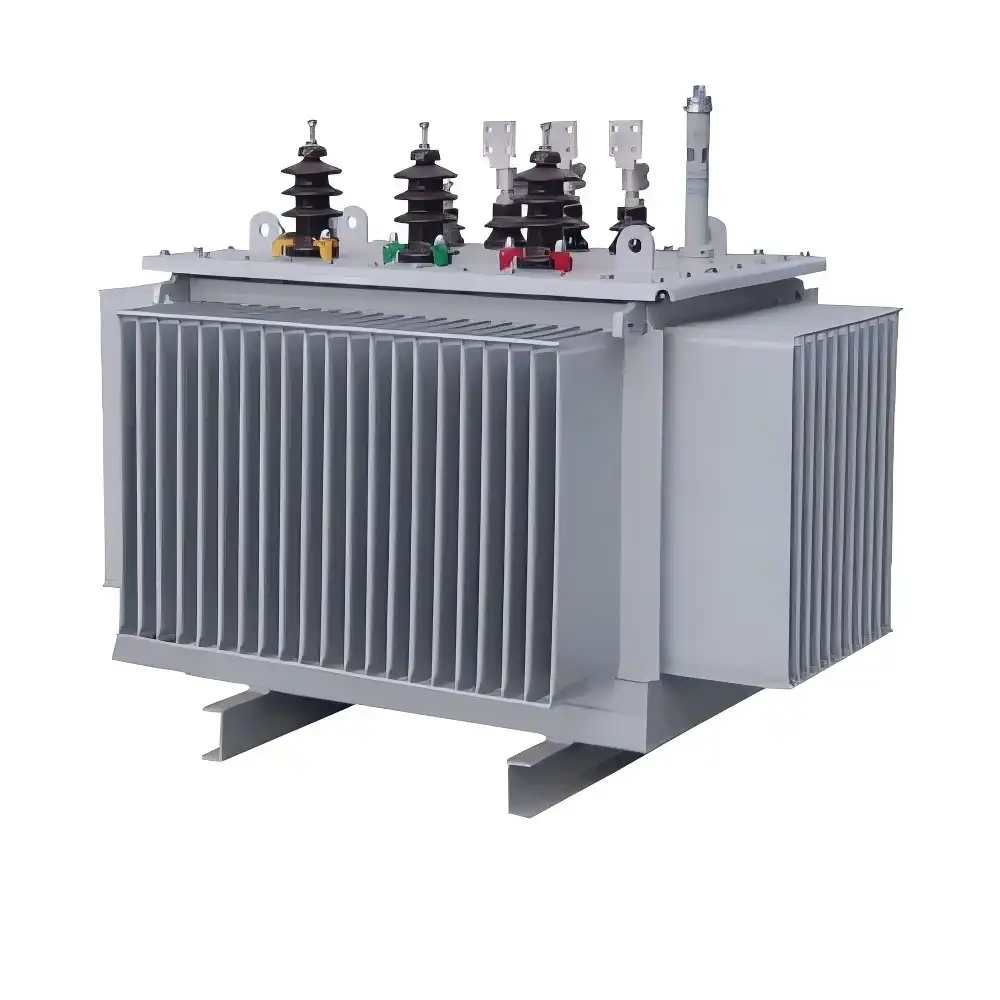
Medium voltage transformers, which work in the 1kV to 35kV range, are an important link between companies' high-voltage transmission networks and low-voltage distribution systems. These gadgets change electricity into the right voltage levels so that machinery, lights, and control systems can get power in a safe and effective way. They work by using electromagnetic induction with main and secondary windings that are wrapped around silicon steel cores that have been laminated. Some important technical specs for factory use are the rated capacity (in MVA), voltage ratio, impedance percentage, and Basic Impulse Level (BIL) ratings, which can be anywhere from 60kV to 200kV based on the grid conditions and safety needs.
The new medium voltage equipment has measured benefits that solve important factory problems. Using grain-oriented silicon steel in high-efficiency designs lowers no-load losses to less than 0.3%, which in ongoing operations cuts annual energy costs by a large amount. Advanced insulation systems make operations more reliable. Class H insulation can handle temperatures up to 220°C, which keeps it from breaking down in harsh environments. International safety standards make sure that equipment can handle short-circuit stresses of more than 25 times the rated current without breaking down completely. When properly maintained, these technical features mean less downtime, lower maintenance costs, and a service life of more than 30 years.
Different configurations of transformers are used in factories depending on their operational needs and the conditions of the environment. Dry-type transformers are cooled by air or resin encapsulation, which makes them perfect for installations inside, where oil-filled equipment isn't allowed for fire safety or environmental reasons. When there is room outside, oil-immersed transformers are the best way to cool high-capacity loads in steel mills and chemical plants. Cast resin transformers are great for places that get a lot of moisture and don't need much maintenance, like renewable energy facilities and mines that work in harsh environments. Specialised types include rectifier transformers for electrochemical processes, electric furnace transformers that can handle big changes in load, and small units that can be placed on pads for industrial parks that don't have a lot of room. Knowing these differences helps procurement teams choose equipment that fits the needs of the facility, the need for stable voltage, and long-term operating plans.
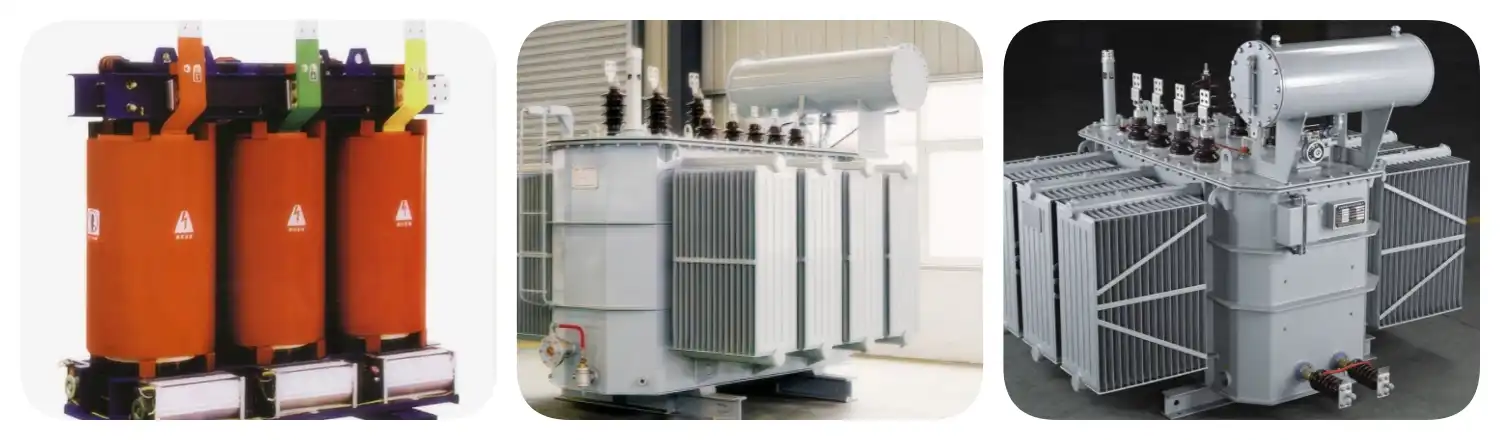
Verifying certifications that demonstrate manufacturing capability and consistent quality is the first step when evaluating a reliable Medium Voltage Transformer Supplier. ISO 9001:2015 certification confirms that structured quality management systems are followed, while IEC 60076 compliance shows that products from a professional Medium Voltage Transformer Supplier meet international standards for electrical performance and safety. Additional certifications, including CE for European markets and UL requirements for North American installations, help simplify global shipping and regulatory approval processes. Industry awards, government recognitions such as "National High-Tech Enterprise" status, and memberships in electrical engineering associations further demonstrate the reputation and technical strength of a trusted Medium Voltage Transformer Supplier. Procurement managers should review references from power utilities, renewable energy developers, and heavy industrial companies to confirm previous project experience with similar transformer applications. A Medium Voltage Transformer Supplier with long-term industry experience and strong annual sales capacity typically has the financial stability, production capability, and technical expertise required for successful long-term partnerships.
A good supplier should have a wide range of products with different voltage levels, insulation types, and custom designs that can be used in a wide range of industrial settings. Check to see if the companies you're looking at offer both standard catalogue items and engineering customisation services that can be used to meet specific voltage needs, space restrictions, or environmental issues. Technical expertise can be seen in the qualifications of the R&D workforce. Look for suppliers that hire engineering teams with advanced degrees and written research in transformer design. Manufacturing skills are just as important as other skills. For example, factories that have automated winding machines, vacuum pressure impregnation systems, and high-tech testing tools like impulse voltage generators show that they can make consistent, high-quality products. Ask possible suppliers if they have designed K-factor-rated transformers for areas with a lot of harmonics or seismic-rated units for areas that are prone to earthquakes to make sure they can come up with solutions that go beyond standard requirements.
The total cost of ownership is much higher than the price of the car itself. Ask for detailed quotes that break down the costs of the equipment, the cost of shipping, the cost of installation guidance, and the availability of spare parts. Competitive suppliers find a balance between price at the start and value over the life of the product by making it more energy-efficient and lowering operating costs over many years. The length of the warranty shows how confident the company is in the product's durability. Full coverage for three to five years, with clear instructions for replacing parts and getting technical help, protects your investment. Infrastructure for after-sales service is very important. Suppliers should keep regional service centers open, keep critical parts in stock, and offer technical hotlines 24 hours a day, seven days a week for emergency troubleshooting. Maintenance agreements that include regular checks, oil analysis, and thermal imaging can find potential problems before they stop output. This keeps equipment up and running safely for as long as it's used.
To meet project deadlines, producers need to have a history of on-time deliveries and a lot of production capacity. Large orders can be handled by factories that are bigger than 500,000 square meters and have more than 2,000 workers. This is because they can handle more workers without lowering quality or adding to lead times. Talk about typical production times. Standard units may ship in 8 to 12 weeks, while custom designs can take 16 to 20 weeks, based on how complicated they are. Suppliers who have experience with international logistics know what paperwork is needed for export, how to load containers, and how to get thru customs, which cuts down on shipping delays. Check to see if they can schedule deliveries around your construction schedules so that they arrive just in time and don't need as much storage space on-site. Buying things from other countries is easier when you live close to important ports or already have relationships with goods forwarders.
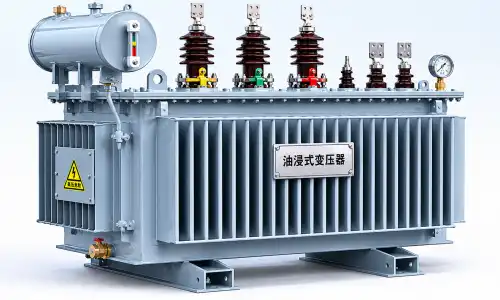
The first step in selecting a Medium Voltage Transformer Supplier is determining the actual power requirements through a detailed load analysis that considers both current operations and future expansion plans. Electrical engineers should define the suitable voltage levels for the utility connection, which in industrial applications commonly include 13.8kV, 22kV, or 33kV systems. A professional Medium Voltage Transformer Supplier should understand the importance of application-specific factors such as operating temperature ranges, altitude effects on insulation performance, humidity levels, and exposure risks from dust or corrosive environments. Different regions require compliance with specific safety standards, including IEEE and UL requirements for North American projects and IEC standards for international installations. When working with a Medium Voltage Transformer Supplier, buyers should clearly document all technical requirements, including short-circuit withstand capability, acceptable impedance ranges, maximum noise limits, and additional features such as automatic tap changers or remote monitoring system integration. Selecting an experienced Medium Voltage Transformer Supplier ensures that the transformer solution meets both operational demands and regulatory expectations.
Use a variety of information sources to find suitable applicants. Trade shows in your industry give you the chance to see equipment in person and talk to technical representatives directly. Online business-to-business (B2B) sites combine lists of suppliers with descriptions of their capabilities, but verification is still needed. Comparisons of suppliers and user experiences are common in technical journals and engineering sites. Ask for detailed catalogues of your products so you can look over the technical specs, basic configurations, and options that are available. Talk to procurement colleagues who work in related fields to get advice based on their own experiences. Shortlist three to five suppliers who meet your basic requirements. Make sure they come from different geographical and technological areas so you can compare different ways of doing things and pricing systems.
As part of the technical evaluation process, you should ask for detailed proposals that include exact equipment configurations, performance guarantees, and test protocols. Ask suppliers to explain how their designs solve your specific problems, like dealing with voltage changes from renewable sources, handling frequent load cycling, or working in temperatures that are very high or very low. Commercial assessment looks at the terms of payment, which usually include deposits when the order is placed and balances when the work is delivered or started up. Carefully compare the warranty terms, making note of what coverage exclusions happen and how fast new parts are sent. When it's possible, do factory audits by going to factories to see how they make things, how they check for quality, and how they test things. These site visits show how competent an organization is and what standards are used for production that written records alone can't fully show.
Before signing contracts, check the stated certifications on your own by calling the organisations that issued them or looking at official databases. Ask for sample test reports from recent production runs and check to see if the actual performance data meets the values given for resistance to insulation, temperature rise, and losses. Talk about the final price and make sure you understand all the services that are included, such as installation supervision, commissioning support, operator training, and providing paperwork. Make sure that contracts include foreign compliance requirements, such as CE marking for destinations in the European Union or UL listing for installations in the United States. If your project involves secret plans, talk about how to protect intellectual property. Set up clear communication rules that spell out who the main contacts are, how long they should respond, and what to do if problems arise during the manufacturing or delivery phases.
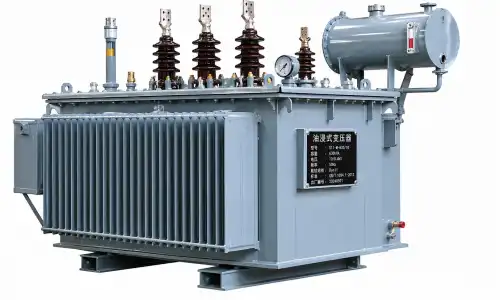
Specification confusion often occurs when procurement teams lack sufficient input from electrical engineers and when working with a Medium Voltage Transformer Supplier without proper technical communication. Mixing up nominal voltage and maximum system voltage can result in insufficient insulation design and increase the risk of equipment failure. Similarly, inaccurate load diversity calculations may lead to over-specified transformers with unnecessary costs or under-specified units operating beyond their rated capacity, which can shorten service life. To avoid these issues, electrical engineers should participate early in the procurement planning process and work closely with a qualified Medium Voltage Transformer Supplier to translate practical requirements into clear technical specifications. Experienced suppliers can provide application engineering support and review specifications before quotation to identify potential problems. This cooperative approach with a professional Medium Voltage Transformer Supplier reduces costly mistakes and ensures that the selected equipment properly matches the electrical requirements of the facility.
Several red flags point to suppliers who might not be trusted. If they don't want to give you references that you can check, especially from customers in the same industry, it means they haven't done many good projects before. Not wanting to allow plant visits could be a cover for poor manufacturing skills or quality control problems. Concerns about quality can be seen in vague warranty terms that don't give enough information about coverage or guarantee times that are too short. When prices are much lower than average for the market, it's usually because the materials used aren't as good—lower-grade electrical steel, bad insulation, or parts that don't meet standards and break early. If you see these red flags, you should look for more suppliers instead of going ahead with risky partnerships. Even after choosing your main vendors, find backup suppliers and keep in touch with them so that you can quickly find new ones if your main vendors have problems with production or delivery.
Poor after-sales service causes ongoing operational problems that eat away at the original savings from buying. When equipment breaks down, suppliers that don't have local service teams find it hard to help quickly, which extends downtime and raises repair costs. Because there aren't many extra parts on hand, there are long wait times for important parts, which could stop whole production lines. When choosing a provider, make sure these risks are taken into account by talking about service infrastructure like regional offices, authorised service partners, and parts distribution centers. Talk about service level agreements that spell out the fastest times for answering technical questions and providing help on-site. Think about suppliers who offer condition tracking services that use IoT sensors and predictive analytics to find problems before they happen. This would change maintenance from being reactive to being proactive, and it would also make sure that equipment is always available.
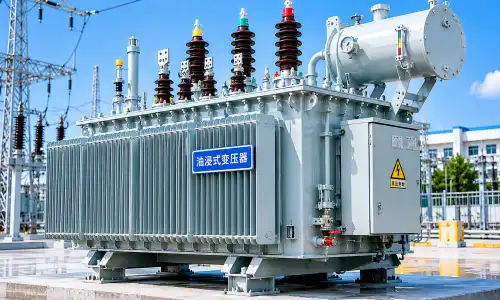
In the southwestern United States, a big solar farm developer needed special medium voltage gear to connect many inverter strings to utility interconnection points. The chosen supplier provided custom pad-mounted transformers with better harmonic filtering features, which addressed concerns about power quality caused by harmonics generated by inverters. These units had K-13 ratings that were made for nonlinear loads, and they also had temperature monitoring systems that let people track performance from afar. Installation took 18 months, and deliveries always happened on time to match the stages of building, showing good logistical coordination. Performance after commissioning was better than expected, with losses 15% lower than expected, which cut down on operating costs. The client praised the supplier's engineering team for being responsive and changing designs as site conditions changed. This showed how important technical flexibility is for complicated green energy projects.
A steel factory that was upgrading its electric arc furnace infrastructure needed special transformers that could handle big changes in load and frequent thermal cycling. The chosen maker made custom furnace transformers with strong mechanical structures that could withstand electromagnetic forces while melting. Even when the load changed from 30% to 120% of the rated capacity, advanced cooling systems kept the operating temperatures stable. The supplier's experience in metallurgical applications came in very handy; their engineers suggested specific tap arrangements that would improve power delivery during different furnace working phases. Delivery met tight project deadlines that required installation at the same time during a planned shutdown of production. During the first three years, operational results showed 99.7% uptime, which proved the supplier's design knowledge. As part of the partnership, maintenance staff received thorough training. This knowledge transfer improved the facility's internal technical skills and decreased its reliance on outside service providers.
A Southeast Asian industrial park developer needed standard, reliable distribution transformers for a number of different buildings that would be renting space and having different power needs. The supplier gave a variety of small substations with ratings from 1.5MVA to 10MVA. These all met IEC standards and were certified to work with the local power grid. When compared to traditional methods, prefabricated designs cut on-site building time by 40% and sped up the installation schedules. The supplier set up a regional parts warehouse to help with quick maintenance responses across the whole park. This created a service ecosystem that was good for all tenants. Energy-saving features, such as amorphous metal cores, saved the park a lot of money and made it more competitive when it came to getting industrial tenants. This case shows how choosing the right supplier affects not only the performance of equipment but also the overall goals of a business. For example, having reliable power infrastructure can become a market differentiator that attracts good industrial tenants.
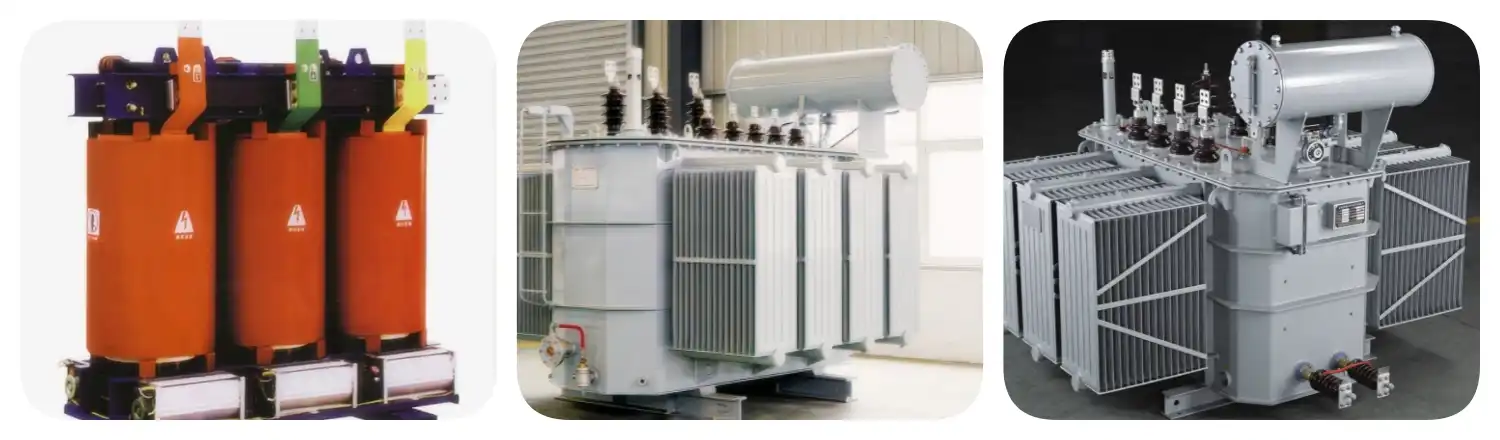
Selecting the right Medium Voltage Transformer Supplier for a factory requires a careful evaluation of technical expertise, quality certifications, manufacturing capacity, and service infrastructure. During the purchasing process, companies should consider both the initial investment and the long-term ownership costs, as high-quality equipment from an experienced Medium Voltage Transformer Supplier often provides longer service life, improved performance, and greater reliability. Cross-functional teams, including electrical engineers, procurement specialists, and operations managers, should participate in the evaluation process to ensure that technical compatibility, commercial conditions, and long-term support capabilities are fully assessed. By reviewing a Medium Voltage Transformer Supplier based on international compliance, customization capabilities, industry experience, and after-sales service quality, factories can establish reliable power infrastructure that supports safe and efficient operations for decades. Choosing the right Medium Voltage Transformer Supplier helps reduce downtime risks, control lifecycle expenses, and ensure stable performance throughout the equipment's operational life.
Transformer pricing reflects several key factors beyond basic capacity ratings. Raw material costs—particularly electrical steel, copper or aluminum conductors, and insulating materials—constitute 40-50% of total expenses and fluctuate with commodity markets. Manufacturing complexity increases with voltage class, specialized features like harmonic mitigation, and custom mechanical designs for unique installation conditions. Certification requirements add engineering and testing expenses, particularly for international standards like UL or IEC compliance involving third-party laboratory validation. Transportation represents a significant component, especially for international shipments requiring specialized handling of heavy equipment. Energy efficiency specifications influence costs since lower-loss designs require premium materials and precision manufacturing but deliver long-term operational savings that offset higher initial investment.
Maintenance schedules vary by transformer type and operating environment, though general guidelines provide useful starting points. Oil-immersed units require annual inspections including oil sampling for dissolved gas analysis, moisture content measurement, and dielectric strength testing to detect developing insulation problems. Dry-type transformers need less frequent attention—typically biennial inspections examining termination tightness, insulation resistance, and cooling system functionality. Equipment operating in harsh conditions like coastal environments with salt exposure or industrial settings with airborne contaminants benefits from more frequent monitoring. Thermographic surveys conducted annually identify hot spots indicating connection degradation or cooling system blockages. Comprehensive testing including turns ratio verification and impedance measurement should occur every five years or following any electrical fault event, ensuring continued safe operation throughout the equipment's service life.
Several certifications provide objective evidence of supplier quality and compliance capabilities. ISO 9001:2015 certification demonstrates adherence to quality management system standards, ensuring consistent manufacturing processes and documentation practices. Product-specific certifications like IEC 60076 compliance confirm equipment meets international electrical performance standards, while regional certifications such as CE marking (European Union), UL listing (United States), or CCC certification (China domestic market) enable legal sales in target markets. Industry-specific recognitions including "National High-Tech Enterprise" designations or "Specialized and Refined" classifications indicate government acknowledgment of technical capabilities. Request to review actual certificates rather than accepting claims at face value, verifying validity through issuing organization databases where available to confirm credentials remain current and cover relevant product categories matching your procurement requirements.
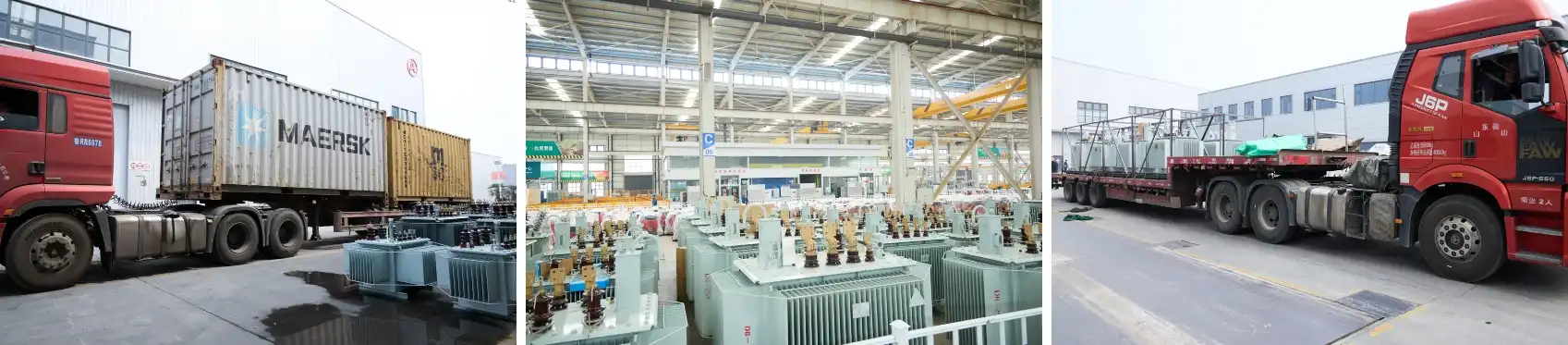
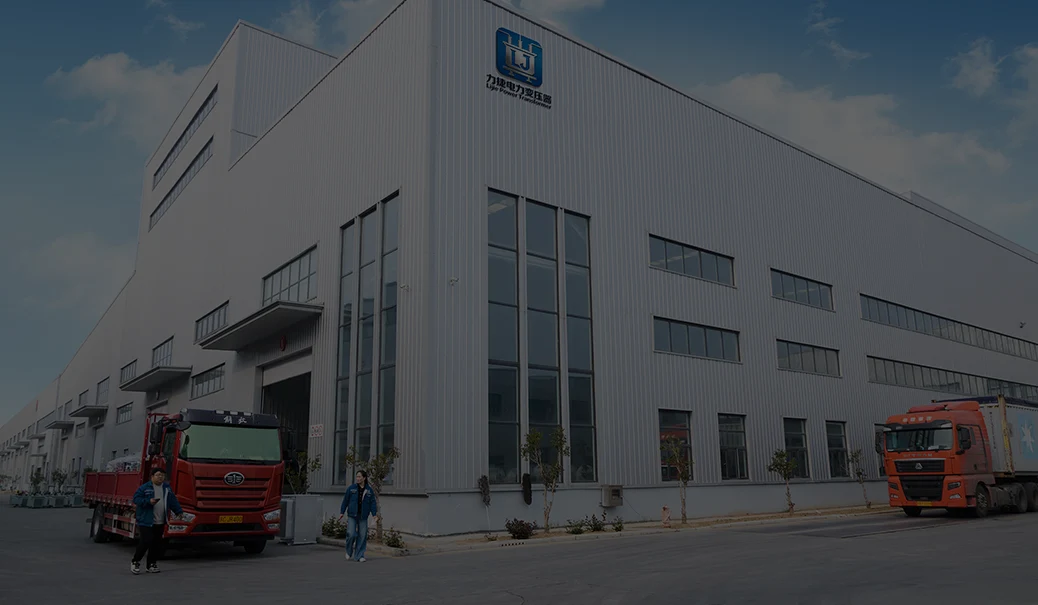
Lijie Electric stands ready to support your factory power infrastructure with comprehensive transformer solutions backed by proven manufacturing excellence. Operating two advanced production bases spanning 500,000 square meters in Xuzhou and Nantong, our facilities house sophisticated equipment and employ over 2,000 professionals including 160 engineers holding doctoral and master's degrees. Our product range encompasses everything from ultra-high-voltage 500kV transformers to specialized units including dry-type, oil-immersed, amorphous alloy, and prefabricated substations rated up to 35kV, addressing diverse industrial applications. As a certified Medium Voltage Transformer Supplier manufacturer holding ISO 9001:2015, IEC, CE, and UL certifications, we deliver equipment meeting international quality standards while providing competitive pricing enabled by efficient production scales. Our global service network extends across 15 countries, ensuring reliable technical support wherever your facilities operate. Contact our engineering team at lijieelectrical@gmail.com to discuss your specific requirements, request technical specifications, or obtain project quotations. Visit lijie-electrical.com to explore our complete product catalog and discover how our three decades of transformer manufacturing expertise can power your industrial operations with confidence and efficiency.
1. IEEE Standards Association. (2020). IEEE Standard for General Requirements for Liquid-Immersed Distribution, Power, and Regulating Transformers (IEEE C57.12.00-2020). Institute of Electrical and Electronics Engineers.
2. International Electrotechnical Commission. (2018). Power Transformers – Part 1: General Requirements (IEC 60076-1:2018). International Electrotechnical Commission Standards.
3. Kulkarni, S.V., & Khaparde, S.A. (2017). Transformer Engineering: Design, Technology, and Diagnostics (2nd ed.). CRC Press.
4. Harlow, J.H. (ed.). (2012). Electric Power Transformer Engineering (3rd ed.). CRC Press.
5. U.S. Department of Energy. (2016). Energy Conservation Standards for Distribution Transformers: Final Rule. Federal Register, Vol. 81, No. 75.
6. Tenbohlen, S., Coenen, S., Djamali, M., Müller, A., Samimi, M.H., & Siegel, M. (2016). Diagnostic measurements for power transformers. Energies, 9(5), 347-382.
YOU MAY LIKE


10%20type%20dry-type%20distribution%20transformer.webp)
%20Dry-type%20Distributing%20Transformer.webp)

April 27, 2025
With a tight project schedule, the manufacturer delivered on time, and on-site technical personnel provided guidance throughout the entire installation and commissioning process; the collaboration was highly efficient and hassle-free.
July 2, 2025
During the preliminary phase, a selection plan was custom-tailored based on the actual site load requirements, resulting in a high degree of parameter compatibility. After-sales support responds within two hours, and ongoing technical support for operation and maintenance is comprehensive; we feel completely confident in a long-term partnership.
November 18, 2025
Deployed as a supporting component for a 35kV grid-connection project at a photovoltaic power station, the equipment operates for an average of 16 hours daily. It demonstrates excellent control over no-load losses, ensures smooth power generation and grid integration, and effectively reduces the station's overall energy consumption.
January 30, 2026
Under the continuous, high-load operating conditions of a factory production line, the equipment maintains stable electrical parameters and exhibits strong overload resistance, thereby guaranteeing an uninterrupted power supply for industrial production.
April 3, 2026
Integrated as a supporting component for a new energy photovoltaic grid-connection system, the manufacturer provided professional technical coordination and timely after-sales support, ensuring seamless adaptation to the specific electrical operating conditions required for grid integration.