April 27, 2025
With a tight project schedule, the manufacturer delivered on time, and on-site technical personnel provided guidance throughout the entire installation and commissioning process; the collaboration was highly efficient and hassle-free.
Aug 19, 2026
When selecting transformer insulation solutions for critical infrastructure, safety and reliability stand paramount. A Natural Ester Transformer Factory specializes in producing eco-friendly insulating fluids derived from renewable vegetable oils, offering fire-resistant properties and environmental benefits that mineral oils cannot match. These facilities integrate rigorous quality protocols with advanced manufacturing techniques, delivering transformers that meet the demanding safety standards of power utilities, renewable energy projects, and industrial operations worldwide. At Lijie Electric, we recognize that choosing the right insulation technology directly impacts operational safety, equipment longevity, and environmental compliance—core concerns for procurement managers and electrical engineers navigating today's complex infrastructure landscape.
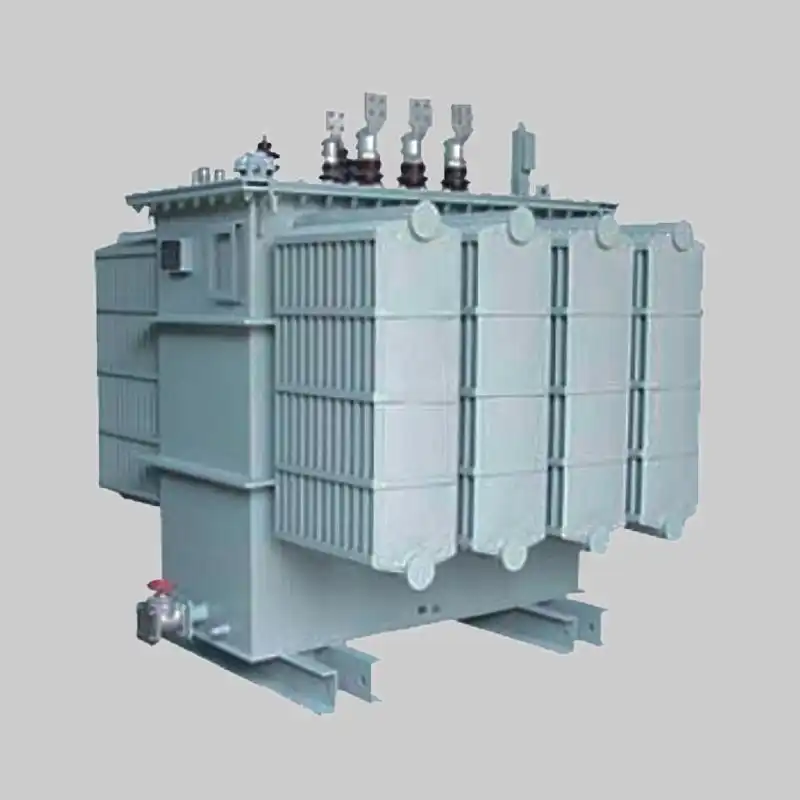
The use of natural ester oils is a big step forward in transformer shielding technology. These bio-based fluids come from renewable seed oils, mostly soybean, sunflower, or rapeseed oils. They are made using a refined process that gets rid of impurities and improves their dielectric performance. Mineral oils made from petroleum are not biodegradable like natural esters. They break down naturally without leaving behind any long-lasting pollutants.
The molecules that make up natural ester fluid are made up of long-chain triglycerides, which are great at keeping heat in and electricity out in tough manufacturing circumstances. According to IEC 60156 standards, these fluids have a dielectric strength of more than 75kV. This means that they will work reliably even when voltage stress is applied. Their high molecular weight means they can handle more moisture than other materials, which actively keeps cellulose paper insulation from breaking down.
One feature that sets the Natural Ester Transformer Factory apart is the "water-wicking" effect, in which natural ester molecules take in water from paper insulation in a chemical process that can be undone. When compared to traditional mineral oil systems, this mechanism makes insulation paper last five to eight times longer. This directly addresses the dependability concerns of power company workers and project managers in charge of long-term infrastructure investments.
During the whole process of making something, advanced production sites use strict controls. Choosing raw materials starts with finding farming partners who have sustainability certifications. This makes sure that the quality of the feedstock stays consistent. Multistage filtering gets rid of particles and remaining moisture during processes to reach the desired purity levels.
Esterification reactors that are managed by temperature keep exact conditions that make the best use of fluid qualities. As part of testing after production, dissolved gas analysis is used to set baseline levels of methane and ethane. These levels are very different from mineral oil benchmarks and need to be interpreted in a specific way. Karl Fischer titration checks for moisture levels as low as 0.1 parts per million, confirming that the fluid is still below saturation levels that could hurt its dielectric performance.
Environmental responsibility is a top priority in modern natural ester production. In closed-loop production devices, heat energy is reused, and waste is kept to a minimum. Compared to mineral oils, which need fossil fuels to be extracted, vegetable oil feedstocks can be used over and over again. This makes the production cycle carbon-neutral. Procurement teams that have to meet company sustainability goals and governmental compliance requirements in the renewable energy sectors really like this environmental benefit.
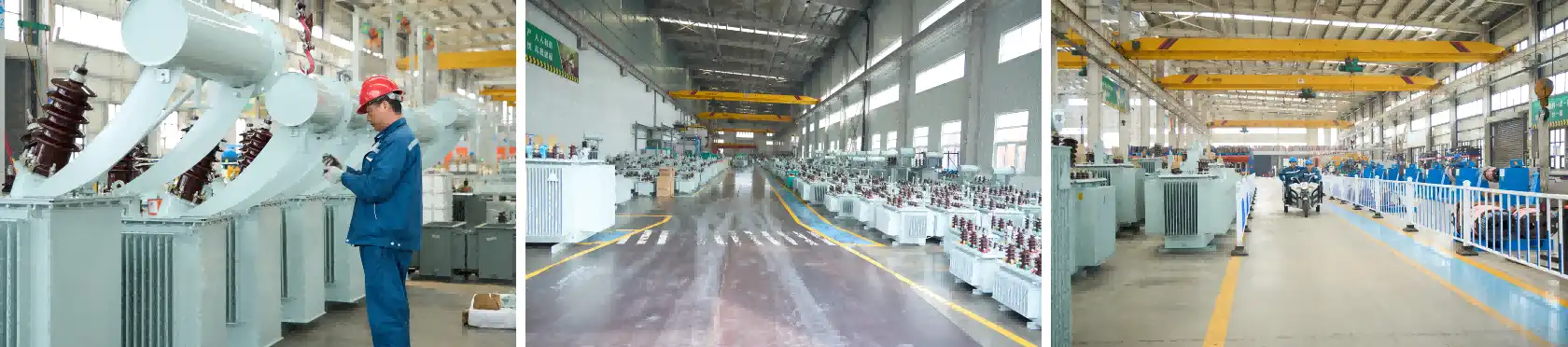
In every industry, choices about how to build transformers are based on safety concerns. A Natural Ester Transformer Factory provides solutions that enhance fire protection, thermal management, and operating reliability through measurable improvements in transformer design. These changes lower the total cost of ownership while also making the workplace safer.
According to tests done according to ASTM D92 guidelines, natural ester oils have flash points and fire points above 360°C. According to IEC 61100, these levels put technology in the K-class group, which means it is "less flammable." Mineral oils usually catch fire at temperatures 150°C lower, which makes enclosed electrical rooms or substations near populated areas much more likely to catch fire.
The effects on real life go beyond test data. When thermal faults happen, natural ester fluids stop sparks and flames from spreading. This gives automatic protection systems important extra minutes to separate faults before they cause a catastrophic failure. This extra safety margin is very helpful for substations that serve hospitals, data centers, or factories where keeping the power on has a direct effect on people's health and on work plans.
The dielectric breakdown voltage is a basic way to measure how well insulation works. Natural ester oils have breakdown strengths that are similar to manufactured options. They also keep working well at temperatures ranging from -20°C to 115°C. This temperature range works for both outdoor installations in harsh weather and heavy-duty industrial settings where transformers are used close to their full rated capacity.
Mineral oils that are used today don't absorb much water, which forces water into paper insulation and speeds up the breakdown process through hydrolysis. This happens backward because of natural ester chemistry. The fluid actively pulls water out of the paper fibers, protecting them. This hygroscopic trait keeps the mechanical strength of paper high even after decades of use, meeting the high reliability standards set by national grid operators and transmission officials.
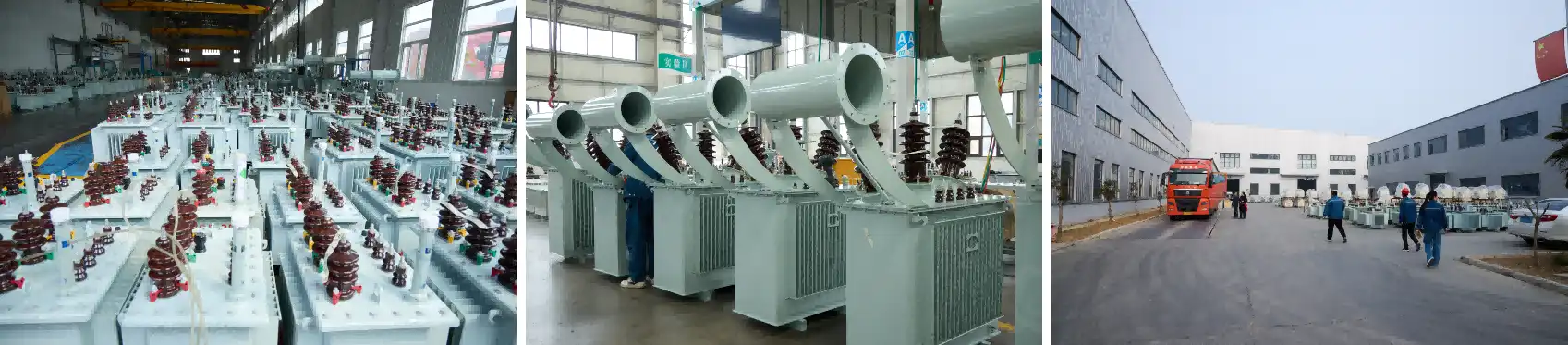
When procurement professionals look at insulation choices, they have to think about a lot of things, such as the initial prices, how well the insulation will work, how safe it is, and any environmental impacts. A thorough review shows the best places to get natural ester oils.
Mineral oils are still the most popular technology because they are cheap to buy and have been used for decades. However, their susceptibility to fire, long-lasting nature, and limited ability to handle moisture come with hidden costs. For applications that require safer and more sustainable solutions, a Natural Ester Transformer Factory can provide advanced alternatives with improved fire resistance and environmental performance. It takes a lot of work to clean up after a spill, and replacing equipment and reopening a business after a fire costs a lot more than the initial savings.
Synthetic ester fluids are safer than natural esters in case of fire, but they come from petrochemicals. Their biodegradability is much slower, and it costs about 20 to 30 percent more to make them than natural options. Silicone oils are very good at resisting fire, but they don't break down well and don't work well with most transformer materials, which limits what they can be used for.
When it comes to strategy, natural ester oils are in the middle. Their price is similar to synthetic esters, but they are better for the environment. Buying in bulk for big building projects that require dozens of units gives a strong return on investment because the insulation lasts longer and fire insurance rates go down.
Lifecycle cost modeling shows that the benefits of natural esters build up over time. At first, a normal 10 MVA distribution transformer filled with natural ester might cost 15% more than one filled with mineral oil. But the lower costs of environmental liability, longer service intervals, and avoided maintenance cycles make up for this premium within seven to ten years of operation. When added up, these savings add up to big budget gains for utility-scale projects with hundreds of units.
Doing your research is the first step in building reliable ties with suppliers. To make sure that products are delivered consistently, procurement managers have to look at professional skills, quality processes, and the infrastructure for moving goods.
Manufacturers with a good reputation have a number of licenses that prove their professional skills and quality management systems. ISO 9001:2015 is a basic standard for process discipline. IEC 62770 compliance is specific to insulating liquids made from plants, proving that the fluid meets international performance standards. UL and CE markings make it possible for tools to be used in both North America and Europe without having to go through extra governmental steps.
On-site surveys of factories show how things really work in ways that paperwork can't. Check areas where sealed tanks are used for contamination—natural ester fluids need to be kept completely dry so that air doesn't get in and cause polymerization. Make sure that the lab has dissolved gas analysis equipment that is calibrated for ester fluid baselines instead of mineral oil standards. Check out systems for tracking raw materials that can confirm where the feedstock comes from and meet quality standards.
Logistics prices and transport reliability are affected by where things are delivered. Suppliers with seaside factories close to major shipping ports cut down on the cost of sending goods within the country and speed up the loading of containers. Exports to Southeast Asia, Central Asia, and Africa in the past show that you know the necessary paperwork and customs procedures for international trade, which speeds up the procurement process.
Long-term framework deals keep prices stable and make sure that capacity is allocated evenly during times of high demand. When promises for more than 500 units per year are made, specialized production scheduling and custom specification creation are justified. Suppliers with technical collaboration programs send application engineers to help optimize transformer designs and make sure that fluid properties work well with winding arrangements and cooling systems.
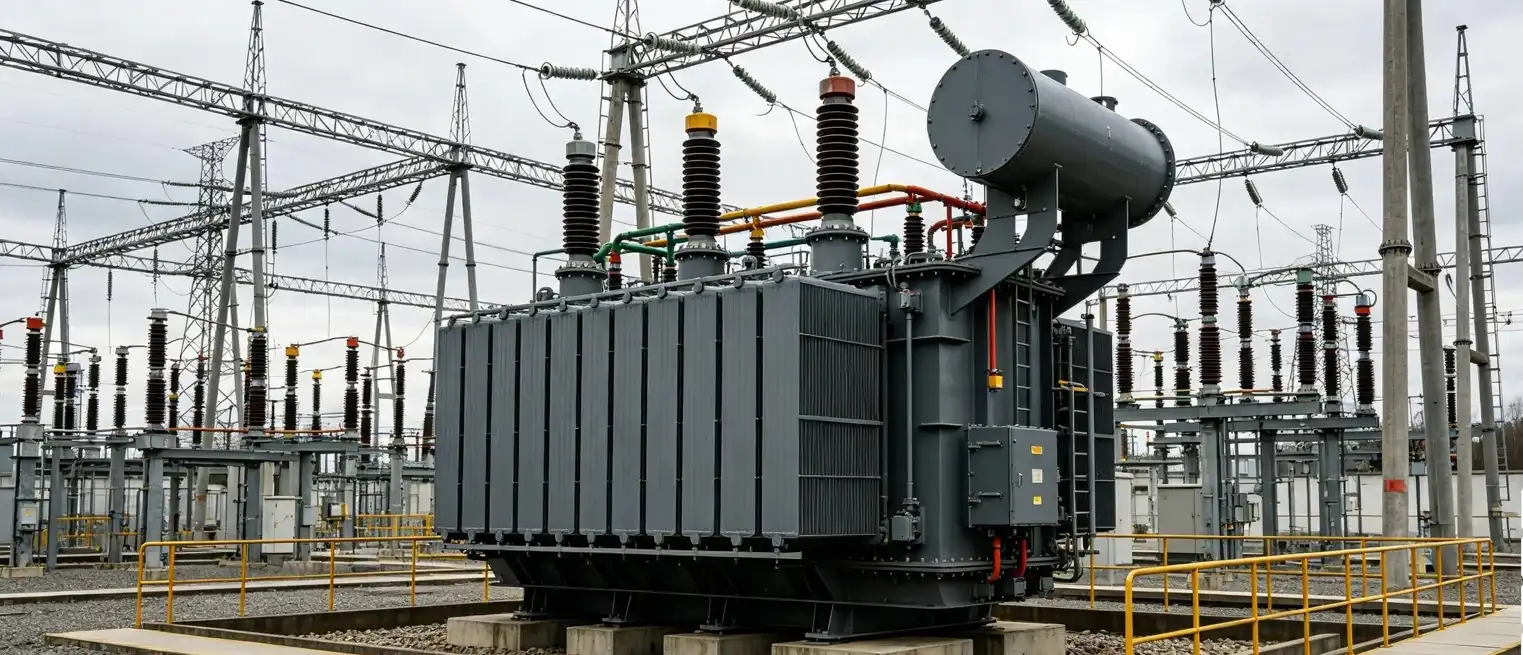
Natural esters are still being used more and more in global markets thanks to new regulations and technologies. When buying teams know about new trends, they can take advantage of practical benefits while still following changing standards.
More and more, European Union rules make it harder to put equipment near rivers or sensitive ecosystems that contain chronic environmental contaminants. The biodegradability of natural esters, which is more than 90% within 28 days according to OECD 301B standards, meets these needs without affecting their functionality. Similar rules are being made in more and more places in North America. This is especially true for transformers that serve green energy plants, where strict rules about being good to the environment apply.
Natural ester products are still being improved by research institutions and industrial labs. Adding substances that make the fluid less likely to oxidize makes it last longer than 30 years, which is the same amount of time that modern power transformers are designed to last. Frequency domain spectroscopy is used for advanced diagnostics that give early notice of moisture entering or insulation breaking down. This lets repair plans be planned ahead of time, which reduces the number of unexpected outages.
Analysts in the field think that the number of Natural Ester Transformer Factory installations will grow at rates higher than 12% per year until 2030. The growth of renewable energy is driving a lot of demand. Solar farms and wind installations need reliable substations that are also good for the environment and fit with clean energy goals. Grid modernization programs that replace old mineral oil infrastructure create replacement opportunities where the benefits of natural esters make conversion investments worth it.
Natural ester fluids have fire points above 360°C, which is about 150°C higher than mineral oils. This makes them much less likely to catch fire during thermal cracks. Their biodegradability gets rid of long-term environmental problems that could come from leaks, and their better moisture management makes insulation systems last longer.
Retrofilling is possible if you follow the right steps. Conversions are good if all the oil is drained, the system is flushed well, and the fit of the gaskets is checked. Natural ester's ability to absorb moisture can bring old cellulose insulation back to life, which could add decades to the service life of a generator.
Look for IEC 62770 compliance, which proves fluid performance standards, and ISO 9001:2015 compliance, which proves quality processes in manufacturing. Equipment-level certifications, such as UL, CE, and national grid approvals, make sure that whole transformer assemblies meet the safety and performance standards of the Natural Ester Transformer Factory you're trying to reach.
The cost of the fluid at first is 10–20% higher than that of mineral oil, but it is still comparable to the cost of synthetic esters. Total ownership costs are lower for natural oils because they don't need to be maintained as often, have lower insurance rates, and don't have to pay for environmental cleanup over 25 to 30 years.
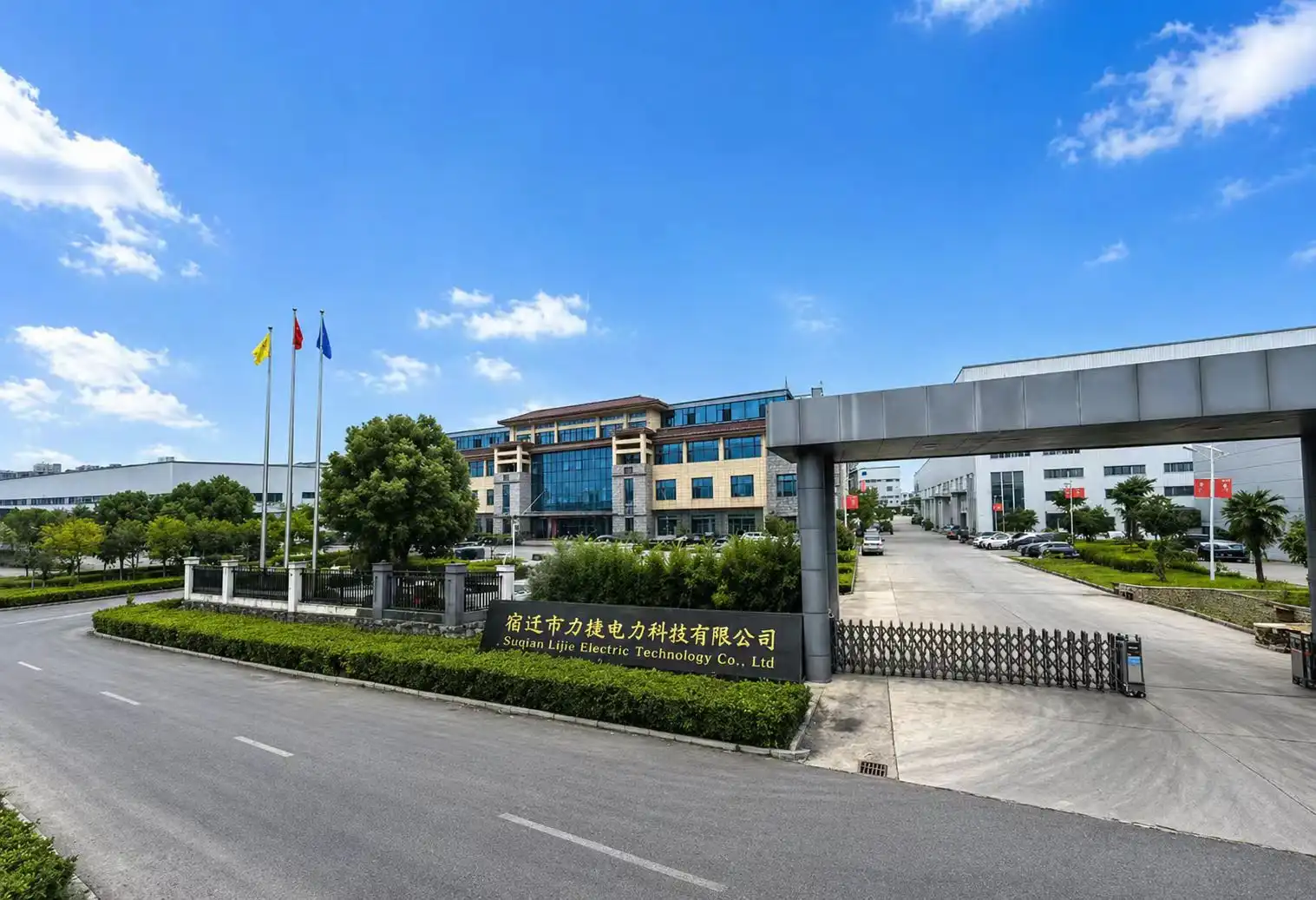
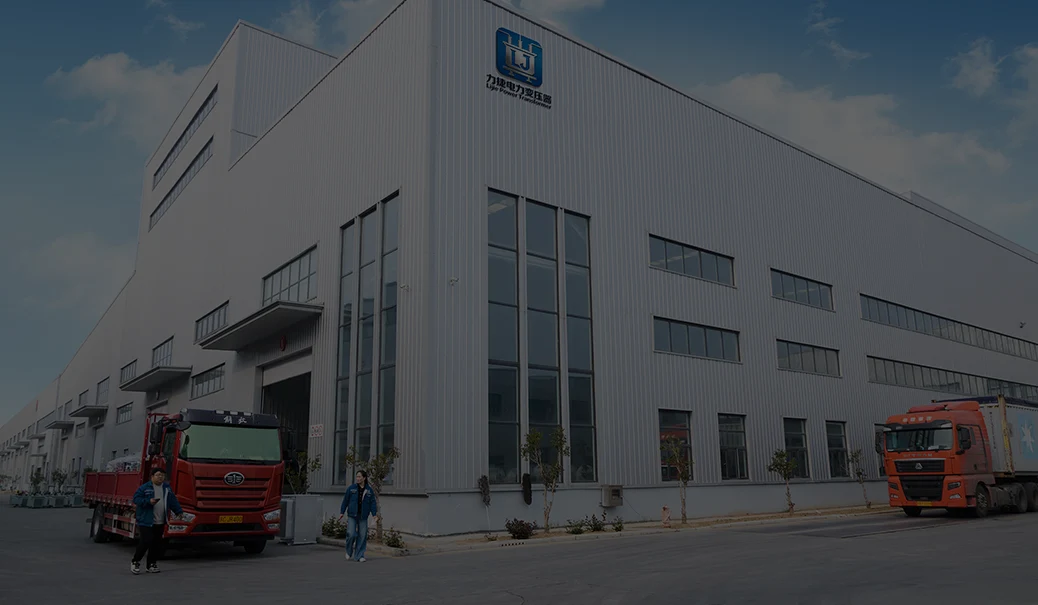
Lijie Electric has 500,000 square meters of state-of-the-art factories that make transformers that meet IEC, CE, and UL standards and are insulated with natural ester. Our engineering team of more than 160 specialists provides technical advice at all stages of a project, from developing specifications to helping with commissioning. We can provide 35kV distribution transformers for urban substations or specific units for industrial use. We can do big supply, and the quality of all large orders stays the same. Because we are a reliable Natural Ester Transformer Factory supplier, we have helped build infrastructure in Australia, Southeast Asia, Central Asia, and Africa. You can look at our products at lijie-electrical.com or email our procurement team at lijieelectrical@gmail.com to talk about your specific needs. Let's work together to make the power grid safer and last longer.
1. IEEE Standard C57.147-2018, IEEE Guide for Acceptance and Maintenance of Natural Ester Fluids in Transformers, Institute of Electrical and Electronics Engineers, New York, 2018.
2. Tenbohlen, S., Koch, M., and Rapp, H., "Comparative Evaluation of Dielectric Fluids for Power Transformers," Annual Report Conference on Electrical Insulation and Dielectric Phenomena, IEEE, 2019.
3. IEC 62770:2013, Fluids for Electrotechnical Applications – Unused Natural Esters for Transformers and Similar Electrical Equipment, International Electrotechnical Commission, Geneva, 2013.
4. Perrier, C., Beroual, A., and Bessede, J.L., "Improvement of Power Transformers by Using Mixtures of Mineral Oil with Vegetable Oils," IEEE Transactions on Dielectrics and Electrical Insulation, Volume 13, Issue 3, 2006.
5. McShane, C.P., "Vegetable-Oil-Based Dielectric Coolants for Distribution and Power Transformers," IEEE Industry Applications Magazine, Volume 8, Issue 3, 2002.
6. Leibfried, T. and Jaya, M., "Post-Mortem Investigation of Power Transformers – Profile of Degree of Polymerization and Correlation with Furan Concentration in the Oil," IEEE Transactions on Power Delivery, Volume 28, Issue 2, 2013.
YOU MAY LIKE
13%20type%20epoxy%20resin%20cast%20transformer.webp)
H15%20type%20three-phase%20fully%20sealed%20distribution%20transformer.webp)

H15%20Amorphous%20Alloy%20Distribution%20Transformer.webp)


April 27, 2025
With a tight project schedule, the manufacturer delivered on time, and on-site technical personnel provided guidance throughout the entire installation and commissioning process; the collaboration was highly efficient and hassle-free.
July 2, 2025
During the preliminary phase, a selection plan was custom-tailored based on the actual site load requirements, resulting in a high degree of parameter compatibility. After-sales support responds within two hours, and ongoing technical support for operation and maintenance is comprehensive; we feel completely confident in a long-term partnership.
November 18, 2025
Deployed as a supporting component for a 35kV grid-connection project at a photovoltaic power station, the equipment operates for an average of 16 hours daily. It demonstrates excellent control over no-load losses, ensures smooth power generation and grid integration, and effectively reduces the station's overall energy consumption.
January 30, 2026
Under the continuous, high-load operating conditions of a factory production line, the equipment maintains stable electrical parameters and exhibits strong overload resistance, thereby guaranteeing an uninterrupted power supply for industrial production.
April 3, 2026
Integrated as a supporting component for a new energy photovoltaic grid-connection system, the manufacturer provided professional technical coordination and timely after-sales support, ensuring seamless adaptation to the specific electrical operating conditions required for grid integration.