April 27, 2025
With a tight project schedule, the manufacturer delivered on time, and on-site technical personnel provided guidance throughout the entire installation and commissioning process; the collaboration was highly efficient and hassle-free.
Aug 19, 2026
Selecting the right transformer supplier can determine whether your power project delivers decades of reliable service or becomes a maintenance nightmare. When you're responsible for sourcing transformers for utility grids, renewable energy installations, or industrial facilities, the stakes are high. Your choice impacts not just upfront costs but operational safety, energy efficiency, and long-term project viability. A dependable Step-up Transformer Supplier brings more than manufacturing capability—they provide engineering support, compliance assurance, and the supply chain stability that keeps multi-million-dollar projects on schedule. Understanding what separates exceptional suppliers from mediocre ones protects your investment and reputation.
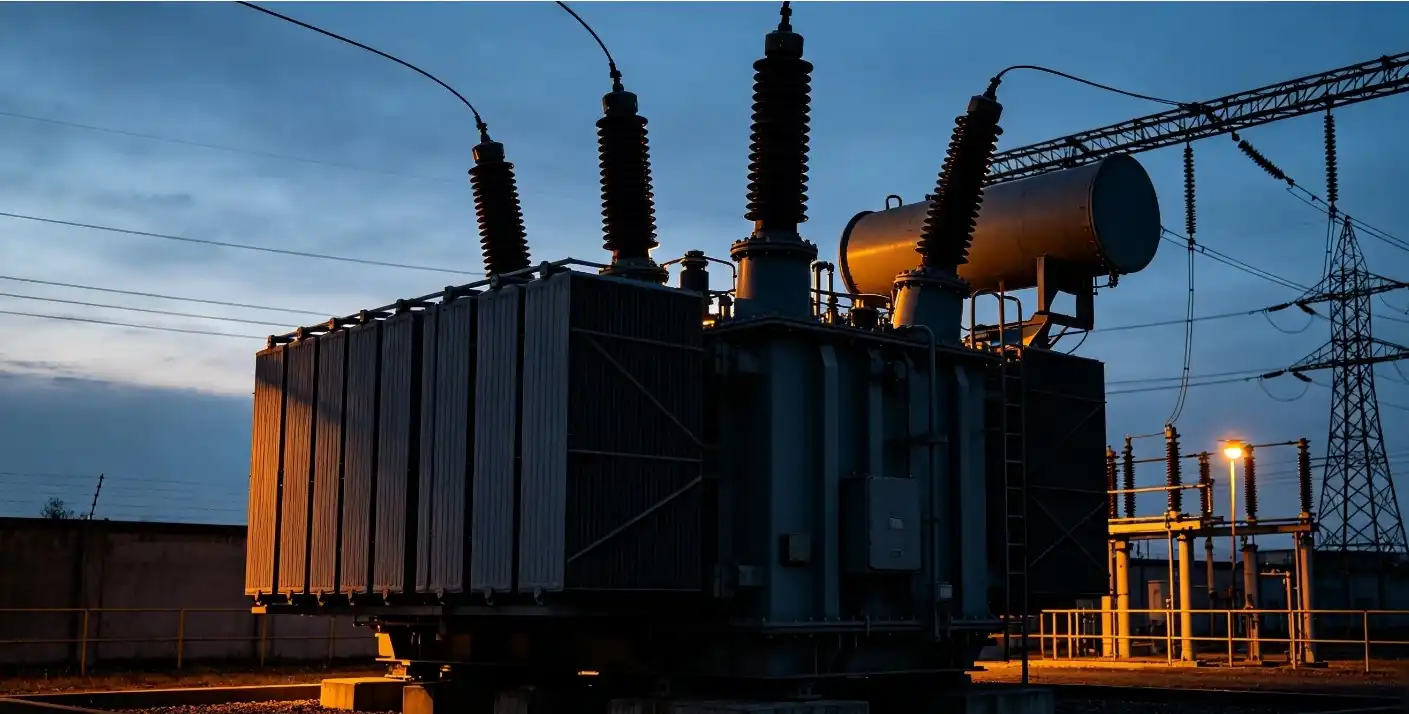
A skilled transformer seller takes care of the whole process, from helping with the design to providing service after the sale. These companies design and make high-voltage equipment that works with certain voltage levels, environmental conditions, and load profiles. In addition to manufacturing, they are also responsible for thermal modeling, harmonic analysis, factory acceptance testing, coordinating logistics, and helping with commissioning. There are three main areas for production around the world: North America, which has strict UL and ANSI standards; Europe, which is known for IEC compliance and environmental rules; and Asia, especially China, which has low prices and rising quality standards. In 2024, buying teams will value sellers more and more if they have multiple licenses, such as ISO 9001 for quality management, ISO 14001 for environmental systems, and product-specific approvals like IEC 60076 and IEEE C57.12.00.
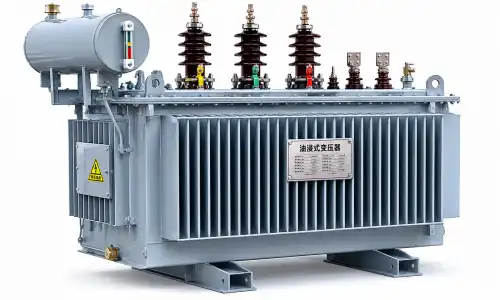
The manufacturing process shows how skilled the supplier is. Core lamination with high-permeability grain-oriented silicon steel lowers losses when there is no load, and precision winding with electrolytic copper lowers losses when there is load. For dry units, advanced suppliers use vacuum pressure impregnation. For liquid-immersed units, they use complex oil purification systems. Extreme manufacturers are set apart from assembly operations by tests like temperature rise, impulse voltage simulation, and partial discharge measurement. When looking at possible partners, check out their testing labs. Technical credibility is shown by accredited facilities that have calibrated equipment for dielectric strength testing, turns ratio verification, and loss analysis. Instead of just selling stock items, suppliers with their own design centers can make vector groups, cooling setups, and impedance values fit specific needs.
The accuracy of the transformation ratio has a direct effect on how well the grid syncs up and protects equipment. Good suppliers keep the tolerance for turns ratios within ±0.5% and make sure that the impedance voltage matches the design specifications within ±7.5%. Premium units have efficiency scores above 98%, which means they will save you a lot of money on energy costs over their 25-year lifespan. Class of insulation is very important. Class H insulation systems can work continuously at 180°C, giving them a thermal margin for overload situations. Protects against catastrophic fails by proving short-circuit withstand capability thru dynamic testing. It's important to think about the cooling ways. ONAN (Oil Natural Air Natural) works best in mild areas, while ONAF (Oil Natural Air Forced) or ODAF (Oil Directed Air Forced) can handle high temperatures and heavy loads. These technical basics determine whether your transformer lasts for decades or needs to be replaced before its time.
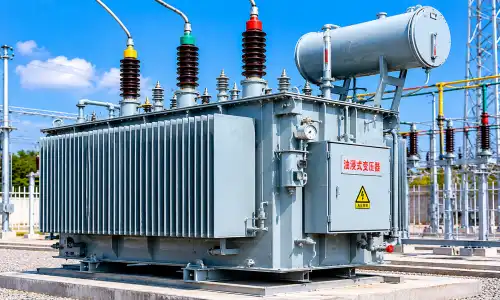
The first thing your evaluation system needs are exact electricity requirements for a Step‑up Transformer Supplier. Write down the main and secondary voltage levels, the rated capacity (in kVA or MVA), the frequency needs, and the predicted load curves, which should include the peak demand and power factor. Take into account things like altitude, extreme temperatures, humidity levels, and the classification of seismic zones. Projects near the coast need better protection against rust, and industrial uses might need harmonic filters or unique impedance properties. Adding renewable energy requires following grid code for controlling power and being able to handle faults. Tap changer setups, bushing positions, base designs, and noise level limits are all things that can be customized. Clear recording of specifications gets rid of confusion when evaluating suppliers and stops expensive changes from being made during production.
This methodical approach gives suppliers scores based on a set of weighted criteria. Quality certifications are very important. Check to see if the ISO 9001 is still valid, ask for IEC or IEEE test reports, and look for CE or UL marks if they are present. To figure out the manufacturing lead time, you have to look at things like production capacity, order backlogs, and how you plan to get your raw materials. Warranty terms show how confident the seller is in the product; full covering for 24 to 36 months with clear failure definitions and replacement processes shows a commitment to quality. Clear pricing means getting quotes that break down the costs of the base equipment, extras, testing fees, packing, and shipping. When judging after-sales help, you should look at things like reaction times, spare parts availability, expert hotline access, and field service skills. Assign numbers to each priority based on how important it is to your project. For example, for a power grid growth, stability and warranty might be worth 40%, while for an EPC contractor on a short schedule, delivery certainty might be worth 35%.
Take the case of a 50 MW solar farm that needs eight 10 MVA 33/110 kV transformers. Using F-1 criteria, the procurement team looked at five suppliers. Supplier A had the cheapest price, but their wait times were 18 weeks and they didn't have IEC approval. Supplier B had all the necessary licenses, had an efficiency grade of 99.2%, and promised delivery in 12 weeks, with fines for delays. Their price was 8% higher than the lowest bid, but it came with full commissioning help and a 36-month warranty that covered oil analysis and thermal imaging. Even tho Supplier C was well-certified, they said they had limited capacity, which meant the plan could slip. Using weighted scores (30% price, 25% shipping certainty, 25% technical performance, and 20% support services), Supplier B was found to be the best, even tho their prices were average. This organized method avoided the false economy of picking the least expensive choice while staying away from overly expensive companies.
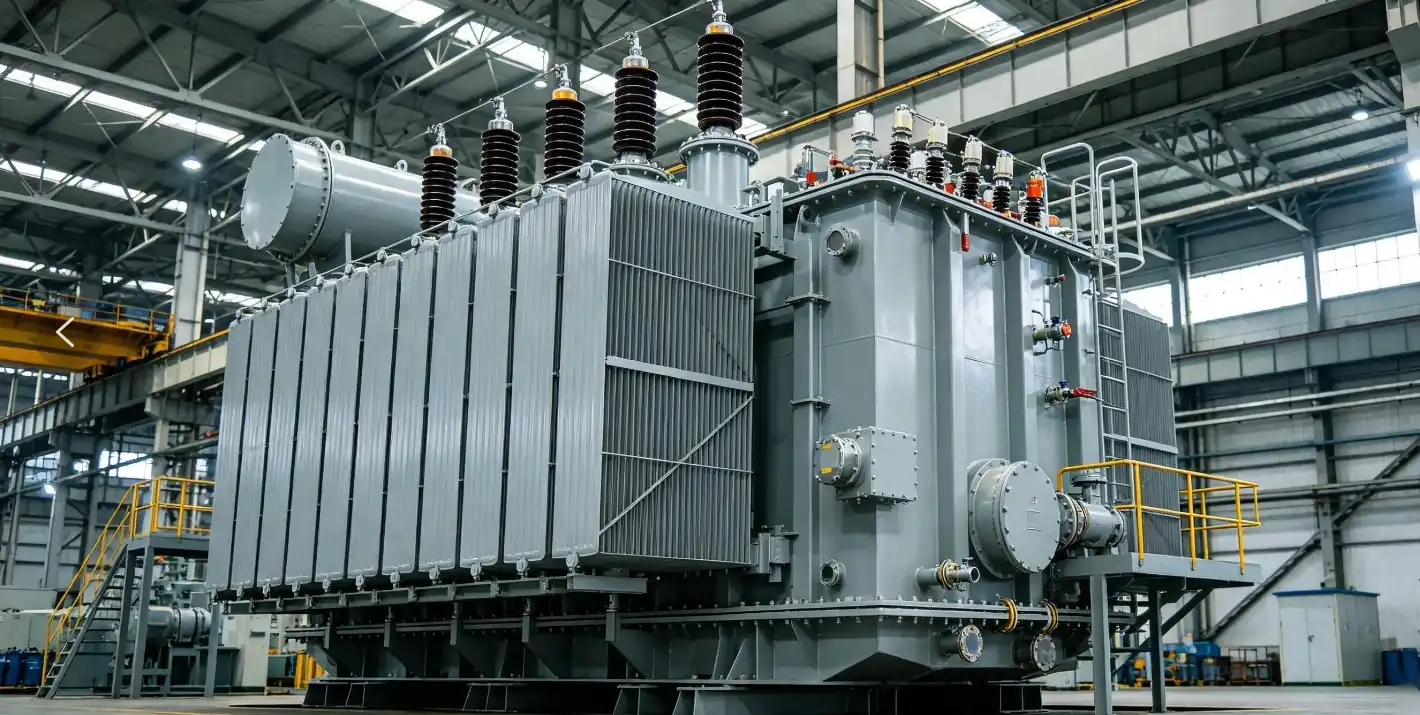
The transformer supply market divides into narrow niches. Ultrahigh voltage uses and difficult custom engineering are mostly done by well-known companies like ABB, Siemens, and Schneider Electric. For standard distribution and power transformer needs, mid-tier providers like Hyosung, Ormazabal, and regional makers can provide cost-effective options. New Asian makers have taken over a big chunk of the 35kV to 220kV market by offering competitive prices and IEC compliance. Multinational companies look for vital infrastructure with a track record that can't be questioned, while independent power producers and EPC contractors often have to balance quality with budget limits. When compared to global giants with organized operations, regional players often offer faster reaction times and more localized support.
A lot of businesses advertize themselves as providers but actually hire other companies to make their products, which makes it harder to customize and keep quality control. Pure sellers collect goods from many makers and offer a wide range of options while not providing much engineering input. Integrated manufacturers are in charge of the whole production process, from gluing the core together to testing and final assembly. This difference affects wait times because makers can change production plans directly, but sellers have to rely on the capacity of third parties. Customization levels are very different between manufacturers and suppliers. Manufacturers change core designs, winding configurations, and cooling systems, while suppliers usually just offer catalog variations. Quality consistency depends on who is in charge of manufacturing. Integrated producers keep their processes the same, but supplier quality changes depending on who they work with to make the product. When projects need special performance qualities or ongoing technical collaboration, working directly with manufacturing companies is helpful.
The purchase price is only 40–60% of what the transformer will cost over its lifetime for a Step‑up Transformer Supplier product. Energy losses are a big part of running a business. For example, a 10 MVA transformer that is working at 70% load and 99.0% efficiency loses about 70 kW of power all the time, which costs about $50,000 a year at $0.08/kWh. A rival unit that is 99.3% efficient cuts losses to 49 kW, which saves $15,000 a year. Over 25 years, this $375,000 gap is much bigger than a $20,000 price increase. Operating budgets are affected by how often and how complicated maintenance is. Designs that make oil sampling, temperature tracking, and bushing replacement easier lower service costs and downtime. Warranty coverage shifts the risk of early failure, which is especially helpful for sites that are far away and require a lot of work to be done. Reliable delivery avoids lost revenue and fines that can be more than the cost of the equipment. When you look at the total cost of ownership (TCO) and include things like lost productivity, upkeep needs, the chance of failure, and the risk to the project plan, the results are very different from just comparing prices.
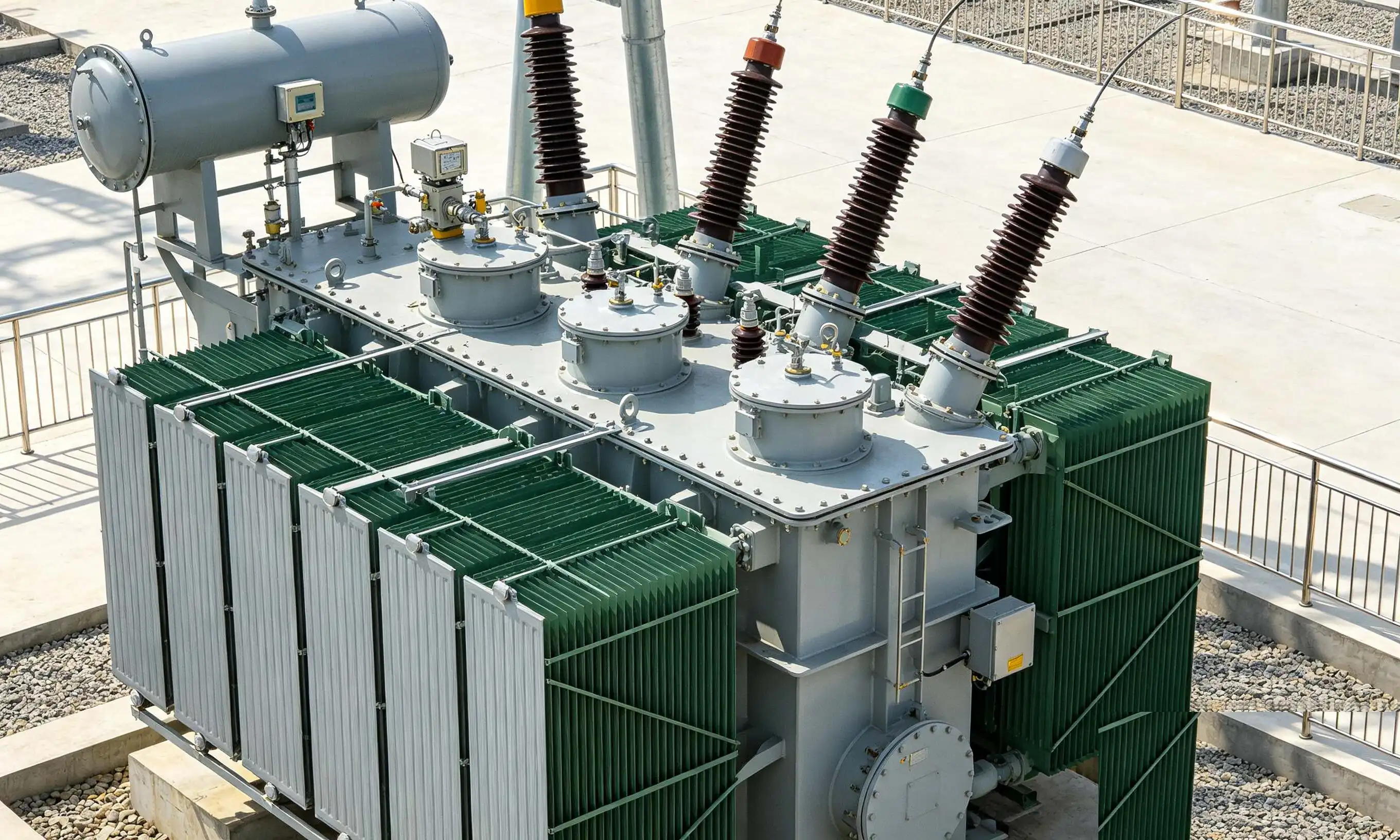
Detailed documents for requests for quotes make sure that the bids are similar. Include full technical details, testing needs that go beyond normal plant acceptance tests, shipping conditions for packaging and preservation needs, and clear delivery terms using Incoterms. Ask for a price list that breaks down the main equipment into separate items like extras, testing services, supervision, and spare parts packages. Structure volume promises with price tiers and delivery schedules for large orders that will be delivered in stages. Payment terms have a big effect on cash flow. Instead of front-loaded structures, negotiate deposits that are linked to manufacturing milestones. For example, 30% of the deposit should be paid when the order is confirmed, 40% when the factory accepts the product, and 30% when the product is delivered. When doing business across borders, letter-of-credit agreements protect both sides. Instead of biased ways to change prices, price escalation terms for copper, silicon steel, and transformer oil should use clear indicators.
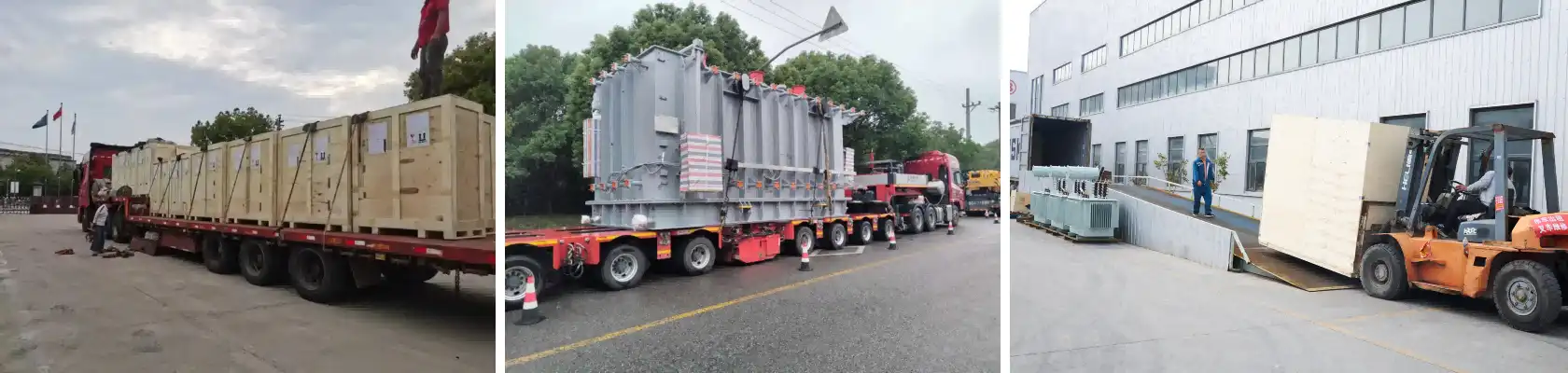
Getting transformers from other countries involves a lot of complicated logistics. Large power transformers need special heavy-haul transportation, which means that the route needs to be surveyed to see what bridges can hold and how high the ceiling openings need to be. For long trips, ocean freight needs to be properly secured, kept dry, and covered in nitrogen. Documents used for exporting, like business invoices, packing lists, certificates of origin, and conformity statements, must exactly match the rules for importing. Projects in the U.S. should make sure that their providers have UL listing or the ability to do field evaluations. Projects in other countries may need type testing that is specific to that country. Manufacturing flaws, damage during shipping, and mistakes during installation should all be covered by insurance, and there should be a clear way to file a claim. The schedule gap takes into account delays in clearing customs, crowded ports, and limits on transportation within the country. Logistics services from experienced suppliers include freight forwarding, customs brokerage, and final positioning at the project site. This makes it easier for procurement teams to coordinate.
Comprehensive purchase agreements for a Step‑up Transformer Supplier spell out what success looks like and who is responsible for what. Performance guaranties should include details about the device's efficiency at 50%, 75%, and 100% load, as well as its noise levels, temperature rise limits, and impedance voltage tolerance. Acceptance testing methods need clear criteria for passing or failing, as well as ways for owner agents to watch the tests. Warranty clauses need to say what kinds of problems they cover, like flaws in the manufacturing process, failed materials, and bad design, versus damage caused by bad installation or use. Set response obligations, such as the maximum amount of time that people can be mobilized to look into a failure and provide temporary power solutions while repairs are being made. Intellectual property laws make it clear who owns unique designs and protect secret specs. Conflict settlement tools, such as arbitration venues, governing laws, and escalation processes, keep projects from getting derailed. Include plans for partial shipments so that commissioning can happen in stages if full delivery is delayed. When you have well-structured contracts, you can hold suppliers accountable for their promises, which protects project deadlines and performance standards.
Trust is built on a base of certification files. ISO 9001 certification shows that a quality management system is mature, but make sure that the certification company is accredited and look over surveillance audit records for problems. Performance claims are backed up by certificates from third-party labs, such as UL listings, IEC test reports from CESI or KEMA, or CE statements. Membership in groups like IEEE, CIGRE, or area transformer associations shows that a company is involved in the creation of technical standards. Checking references from clients shows more about how things really work than just what's written in marketing materials. Talk to procurement managers at similar projects to find out about delivery times, how quickly technical support responds, and how warranty claims are handled. Audits of manufacturing facilities let you directly check the factory's ability to make things, its quality control methods, its testing tools, and the skills of its workers. Suppliers who are sure of their business practices accept checks from customers and let customers see their production floors and quality records.
When looking for suppliers, electrical engineers put technical requirements first and look for ones that know how to calculate voltage regulation, harmonic distortion, and safety coordination. They like being able to talk to design experts about applications and sources who give them thermal modeling software and short-circuit analysis tools. Purchasing managers are concerned with business terms and demand fair prices, clear delivery promises, and easy ways to pay. They like to work with providers who have well-established transportation networks and make the buying process easy. Project managers stress the importance of having a clear schedule, which means setting realistic lead times, keeping track of milestones, and talking to people ahead of time about possible delays. They like suppliers who offer specific shipping documents and work with project management tools. Quality managers want strict testing protocols, complete documentation packages, and clear reporting of nonconformances. To deal with this wide range of stakeholders, good suppliers set up dedicated account teams with technical, commercial, and logistics knowledge, instead of making all interactions go thru a single point of contact.
Long-term satisfaction is based on relationships that happen after installation. Technical support from the supplier during commissioning makes sure that the machine is properly turned on, loaded, and tested for its first performance. Training programs for repair workers that cover how to take oil samples, understand heat images, and check bushings extend the life of equipment. It's very important to have spare parts on hand. Gaskets, bushings, and parts for tap changers should be kept in stock locally or shipped quickly in case of an emergency. Annual oil analyzes, partial discharge tests, and thermal scans are all examples of performance tracking services that find problems before they happen. Technology transfer clauses let in-house teams take on more and more support tasks while still being able to talk to the provider about more complicated diagnostics. Long-term framework agreements that cover more than one project create volume commitments that get better prices and make sure that capacity is allocated during times of high demand. When suppliers see relationships as long-term partnerships instead of one-time sales, they provide better value over the 25–30-year lifecycles of equipment.
To find a trustworthy transformer supplier, you need to weigh the company's technical skills, pricing, and reliability, and a Step‑up Transformer Supplier that meets these criteria is essential. The best strategies for buying things use organized ways to check things like certifications, the ability to make things, past delivery records, and the infrastructure for support. When you look at the total cost of ownership instead of just the original price, you'll often find that providers that charge a modest premium offer better long-term value through higher efficiency, longer warranties, and lower failure risk. When you source from other countries, you have more choices, but you need to pay close attention to regulations, logistics, and contractual rights. For decades of equipment use, it pays off to build relationships with suppliers who offer consistent quality, clear communication, and real technical know-how. As power projects get more complicated and performance standards rise, choosing a provider becomes more strategic rather than just a matter of doing business.
ISO 9001 is an important certification for quality management systems because it confirms that manufacturing processes are consistent. Approvals for particular products, such as IEC 60076 or IEEE C57.12.00, make sure that the design and tests meet international standards. For example, UL certification is needed for projects in the United States, CE marking is needed for installs in Europe, and CQC approval is needed for markets in China. Environmental management certification under ISO 14001 shows that a company uses responsible manufacturing practices, which are becoming more and more important in buying policies that focus on sustainability.
Capable manufacturers offer a wide range of customization options, such as specific vector groups for phase angle compensation, custom impedance values for fault current limitation, unique cooling configurations for harsh climates, changed bushing arrangements for limited space, and better noise attenuation for installations in cities. Customization levels vary. Integrated makers can change core designs and winding setups, while wholesalers usually give versions from a catalog. To allow for proper engineering analysis and prototype testing, complex customization needs to be included early on in the project planning stages.
Standard distribution transformers with a rating of less than 2.5 MVA usually take 8 to 12 weeks to ship from the time an order is confirmed by the seller as long as they keep a core inventory. It usually takes 14 to 18 weeks to design, build, and test custom power transformers in the 10 to 50 MVA range. Large units (above 100 MVA) or designs that are very specific to the customer may take 24 to 30 weeks longer. International shipping can take an extra 4 to 8 weeks, depending on where the package is coming from and where it is going. Reliable suppliers give detailed production schedules with tracking of milestones and let customers know about any delays caused by lack of materials or limited capacity, rather than hiding schedule slippage until the day of delivery.
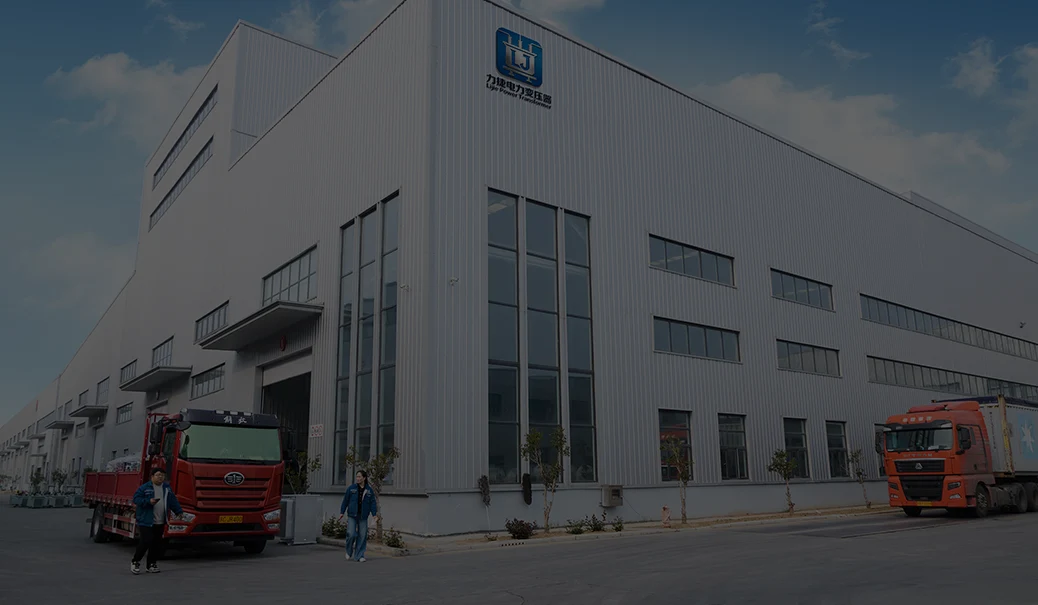
To find the best voltage conversion option, you need a Step-up Transformer Supplier that can produce a lot of units, have a lot of scientific knowledge, and do business all over the world. Lijie Electric runs two specialized factories that cover 500,000 square meters and can make more than 5 billion RMB a year. This makes sure that big projects can always get the supplies they need. We offer ultrahigh voltage transformers with ratings of up to 500kV, as well as a wide choice of oil-immersed, dry-type, and amorphous metal units. With ISO 9001, CE, UL, and IEC certifications and more than 160 engineering professionals with advanced degrees, we can provide both standard and highly customized solutions that meet the strictest requirements. In Australia, Southeast Asia, Central Asia, Africa, and other places, our transformers are used in power lines, renewable energy installations, factories, and building projects. You can talk to our expert team at lijieelectrical@gmail.com about your project needs, get full specs, or set up a facility audit. You can look at our whole product line at lijie-electrical.com and find out why procurement teams all over the world trust our advanced manufacturing, strict quality control, and quick technical support for their most important power infrastructure investments.
1. IEEE Standards Association. (2019). IEEE C57.12.00-2015: General Requirements for Liquid-Immersed Distribution, Power, and Regulating Transformers. Institute of Electrical and Electronics Engineers.
2. International Electrotechnical Commission. (2021). IEC 60076 Series: Power Transformers – Parts 1-11. IEC Central Office, Geneva.
3. Kulkarni, S.V., & Khaparde, S.A. (2017). Transformer Engineering: Design, Technology, and Diagnostics (2nd ed.). CRC Press.
4. Heathcote, M.J. (2020). The J&P Transformer Book: A Practical Technology of the Power Transformer (14th ed.). Newnes.
5. National Electric Power Regulatory Commission. (2022). Annual Report on Power Transformer Reliability and Procurement Trends. U.S. Department of Energy.
6. Wang, M., Vandermaar, A.J., & Srivastava, K.D. (2018). "Review of Condition Assessment of Power Transformers in Service." IEEE Electrical Insulation Magazine, 18(6), 12-25.
YOU MAY LIKE


12%20Series%20Dry%20Type%20Transformer.webp)
%20Dry-type%20Distributing%20Transformer.webp)
10%20type%20dry-type%20distribution%20transformer.webp)

April 27, 2025
With a tight project schedule, the manufacturer delivered on time, and on-site technical personnel provided guidance throughout the entire installation and commissioning process; the collaboration was highly efficient and hassle-free.
July 2, 2025
During the preliminary phase, a selection plan was custom-tailored based on the actual site load requirements, resulting in a high degree of parameter compatibility. After-sales support responds within two hours, and ongoing technical support for operation and maintenance is comprehensive; we feel completely confident in a long-term partnership.
November 18, 2025
Deployed as a supporting component for a 35kV grid-connection project at a photovoltaic power station, the equipment operates for an average of 16 hours daily. It demonstrates excellent control over no-load losses, ensures smooth power generation and grid integration, and effectively reduces the station's overall energy consumption.
January 30, 2026
Under the continuous, high-load operating conditions of a factory production line, the equipment maintains stable electrical parameters and exhibits strong overload resistance, thereby guaranteeing an uninterrupted power supply for industrial production.
April 3, 2026
Integrated as a supporting component for a new energy photovoltaic grid-connection system, the manufacturer provided professional technical coordination and timely after-sales support, ensuring seamless adaptation to the specific electrical operating conditions required for grid integration.