April 27, 2025
With a tight project schedule, the manufacturer delivered on time, and on-site technical personnel provided guidance throughout the entire installation and commissioning process; the collaboration was highly efficient and hassle-free.
Aug 21, 2026
When we evaluate what makes a step-down transformer supplier truly suitable for large-scale projects, the answer centers on three pillars: proven capacity to deliver consistent quality across high-volume orders, technical expertise to customize solutions for diverse applications, and unwavering reliability throughout the entire project lifecycle. A competent supplier must demonstrate robust manufacturing capabilities, international certification compliance, and responsive after-sales support to meet the demanding requirements of power utilities, renewable energy installations, industrial manufacturing plants, and infrastructure developments.
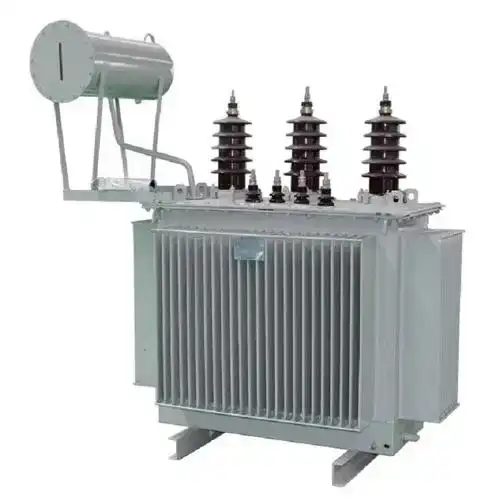
Learn about Step‑down Transformer Suppliers and what they do for big projects. Step‑down Transformer Suppliers are very important to building the electrical infrastructure that safely lowers high transmission voltages to lower distribution levels. These companies create, make, and ship voltage reduction equipment that is needed to keep sensitive technology safe and make sure that commercial and industrial buildings can run safely.
A skilled seller has a wide range of engineering skills and can provide goods that lower high-voltage power, usually between 11kV and 220kV, to levels that end users can use, which are between 220V and 690V. These transformers are used in steel plants with electric arc furnaces, steel farms that need to connect to the grid, mines with heavy equipment, and urban distribution networks that serve residential and commercial loads.
The basic idea behind electromagnetics is the same, but step-down units are designed with insulation and cooling systems that make it easier to handle higher primary voltages while still providing safe secondary outputs. On the other hand, step-up transformers are designed to raise voltage so that long-distance transmission works more efficiently. Knowing the difference between these two types of tools helps buying teams choose the right ones for each stage of a project, whether they are getting power from the grid or getting it ready to be distributed within the company.
Suppliers who are good at what they do offer equipment that meets IEC 60076, ANSI/IEEE C57.12.00, and local standards like UL or CE approval. Transformers usually come with transformation ratios, rated power capacities (in kVA or MVA), insulation classes (usually Class F or H), resistance voltage percentages, and cooling method names like ONAN or ONAF for oil-filled units or natural air cooling for dry-type models.
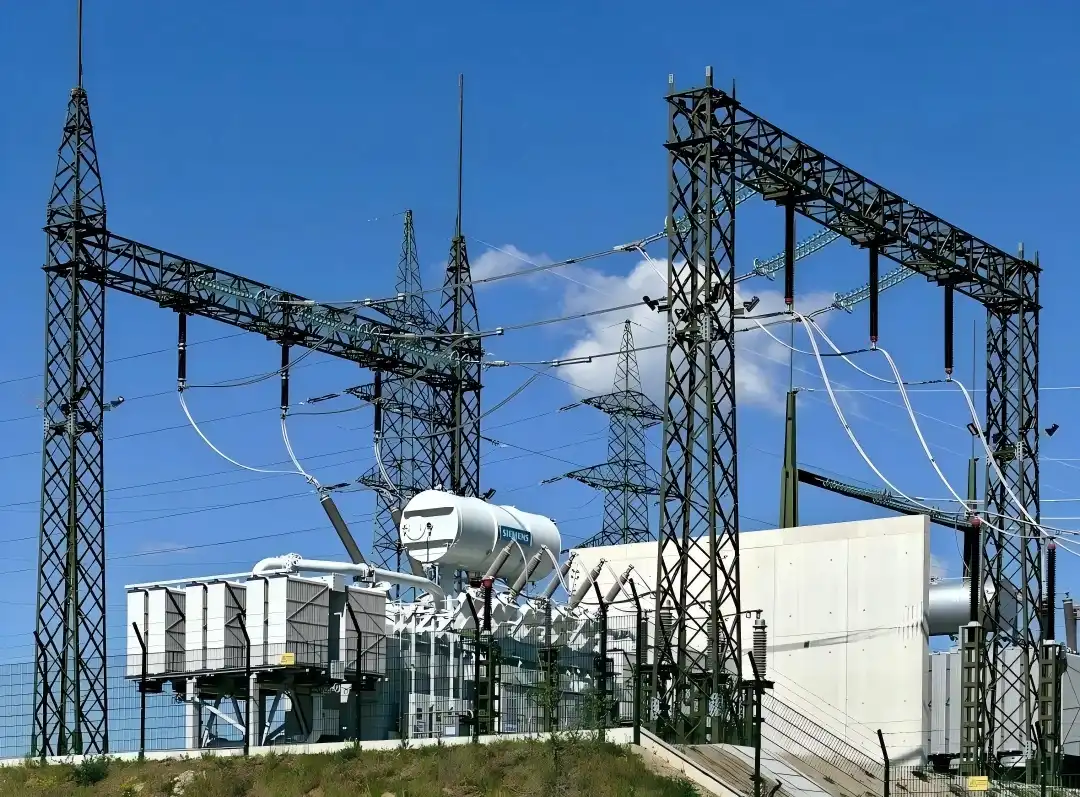
To choose the right Step‑down Transformer Supplier, you need to carefully look at a lot of factors that have a direct effect on the success of the project. We've seen that when procurement managers use structured assessment frameworks, quality consistency, delivery reliability, and the value of long-term partnerships all get better.
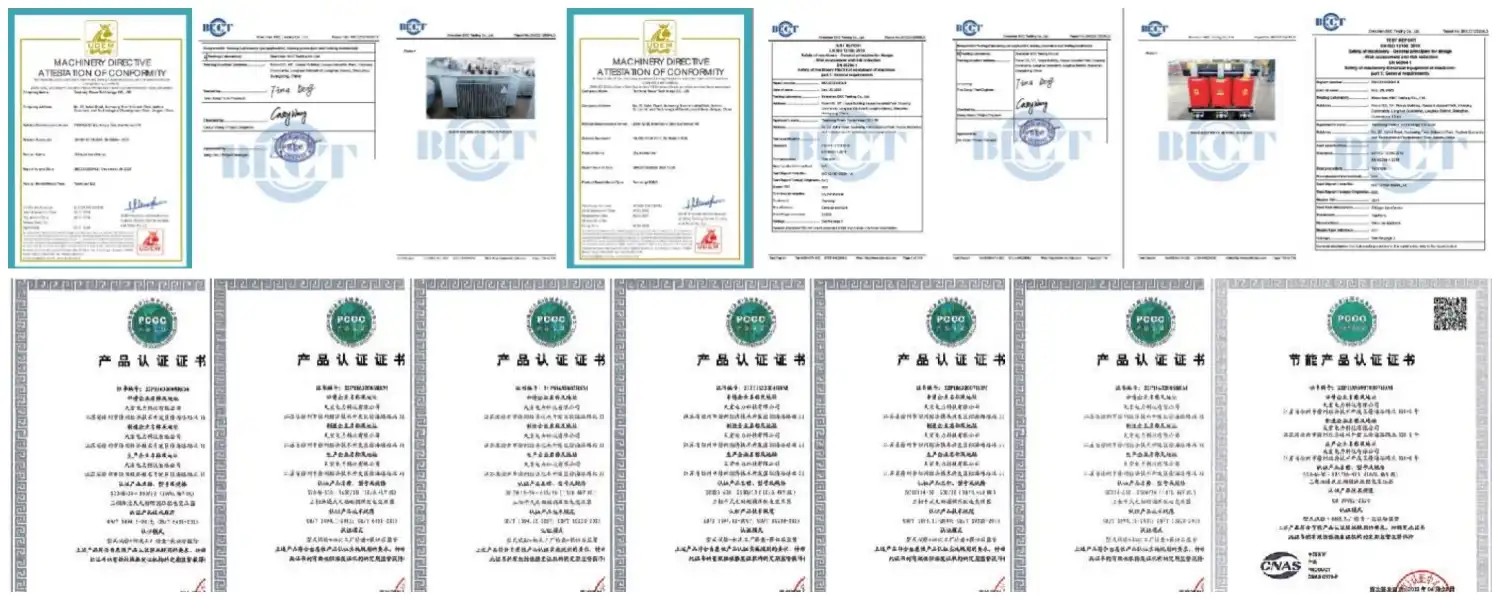
The first part of the evaluation should be checking the qualifications for manufacturing and quality management. ISO 9001:2015 certification shows that quality control procedures have been put in place, and other certifications from national inspection authorities show that the company is committed to strict testing protocols. Purchasing teams should ask for factory acceptance test reports that include tests for dielectric strength, measurements of turns ratios, load loss analysis, and the ability to withstand impulse voltage. These studies show that the equipment works well in both normal settings and short-term stress situations.
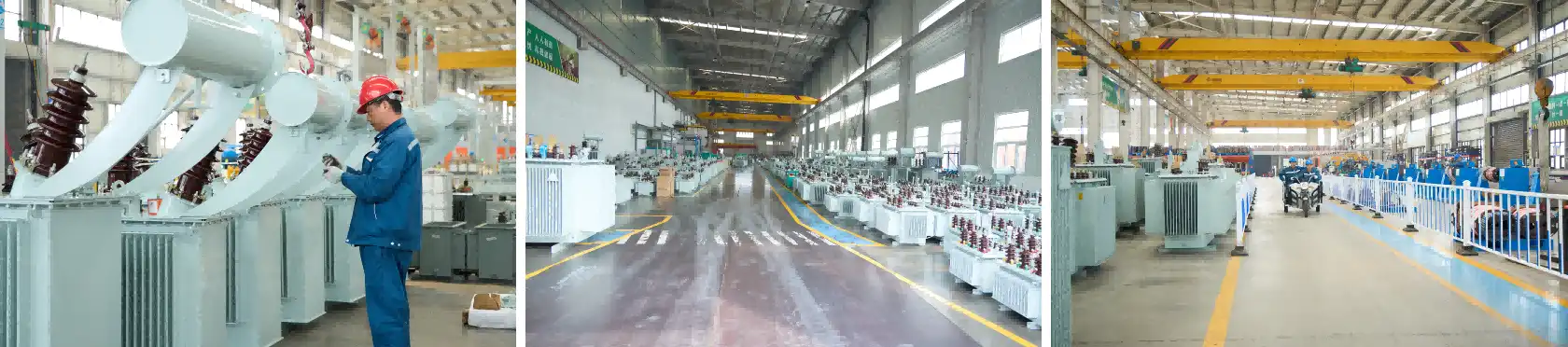
In addition to documentation, figuring out the output size is very important, and a Step‑down Transformer Supplier with sufficient capacity ensures smooth project execution. For big projects to go smoothly, suppliers need to be able to make enough to meet large orders without rushing deliveries. Large factories covering hundreds of thousands of square meters and having separate production lines for different voltage classes can keep the quality of their output consistent across large batches, which is hard for smaller businesses to do.
Standardized product templates don't always work perfectly with infrastructure projects. In order to work with the current grid infrastructure, renewable energy systems may need small substations with certain vector group configurations. Industrial clients often need custom designs, like rectifier transformers with precise harmonic filtering or mine transformers that are more durable to withstand harsh circumstances.
Custom solutions from suppliers that can create personalized winding setups, specialized cooling systems, and unique enclosure designs are much more valuable than standard goods. This adaptability is very important for EPC contractors working on international projects where rules, conditions, and requirements for integration are very different.
Purchasing managers often have to decide whether to buy from well-known domestic suppliers or look for cheaper options from international manufacturers. Most of the time, domestic sellers offer faster delivery, easier logistics, and easy access to help after the sale. When it comes to big orders, international suppliers can be very helpful, especially those with advanced manufacturing skills and a wide range of certifications. This is because lifecycle cost and technical performance are more important than location benefits.
The best way to do things is usually to look at the total cost of ownership instead of just the unit price. This estimate takes into account the cost of shipping, any customs fees, the guarantee terms, the availability of spare parts, and how quickly expert help can respond. Many of the usual risks that come with buying things across borders are lessened by suppliers who have multiple foreign licenses and a history of exporting.
Having a reliable Step‑down Transformer Supplier relationship has real benefits that last long after the equipment is bought. We've seen how smart relationships with capable makers lower project risks, speed up commissioning times, and lower operational costs over the lifetime of the equipment.
Suppliers with a lot of experience have built up a lot of technical knowledge from installing hundreds of systems before. This knowledge shows up in the right equipment size suggestions that take into account expected load growth, derating factors for placements at high altitudes or temperatures, and the best impedance choice for limiting fault current. When suppliers hire engineering teams with multiple master's degrees and decades of experience between them, clients get access to advice that keeps them from making costly mistakes with specifications before they make final procurement commitments.
Good makers use thorough testing procedures in the workplace to find possible failure modes before the goods are shipped. Routine tests make sure that basic functions work, and type tests make sure that the design works well in the worst conditions. Unique working cases that are specific to the client's application can be simulated by special tests. This thorough validation cuts down on problems during field commissioning and speeds up the project handover.
For big projects, you need tools that will work reliably for 25 to 30 years with the right care. Long-term suppliers give thorough operation instructions, upkeep plans, and fixing guides to their clients so that their teams can get the most out of their equipment. Warranty programs that cover problems with the work or the materials can protect you financially during the important early operating period.
Having access to original spare parts and consumables lets regular repair and, eventually, part replacement happen without having to wait for long periods of time, and a Step‑down Transformer Supplier with regional service centers can respond more quickly when technical help is needed. This support system is especially helpful for clients who run assets that are spread out over large areas.
Modern energy standards have a bigger impact on choosing a generator. When equipment meets the current rules for energy efficiency, it has lower no-load and load losses, which directly lowers the cost of electricity used for operations. We found that even small increases in efficiency, like one or two percentage points, can save a lot of money over many years of use, and the extra money spent on the tools is usually paid for in just a few years.
When suppliers spend money on new core materials like high-permeability grain-oriented silicon steel or amorphous alloy cores and make sure the winding designs are perfect, the efficiency performance is better. These technological advances help companies meet their environmental goals and provide real economic benefits.
Price competition, risk management, and building relationships are all important parts of good procurement processes. When dealing with Step‑down Transformer Suppliers, it's best to have clear requirements, reasonable deadlines, and a shared commitment to the project's success.
Volume pledges and framework deals make it possible for big projects to get better prices. When buyers buy more than one unit or build long-term relationships with suppliers, they can get better prices, and sellers can be sure of a steady flow of orders, which helps them plan their production more efficiently. In buy agreements, clear technical specs, delivery schedules, and acceptance criteria are written down to avoid confusion and make sure that everyone is responsible.
The terms of payment should take into account the project's cash flow and the supplier's need for operating capital. Structures that use milestone-based payments, like deposits when the order is confirmed, progress payments when the production is done, and final settlement after the project is successfully commissioned, make sure that money flows are aligned with value creation and that everyone is responsible for their share of the risk.
Setting realistic lead times keeps schedules from clashing and stops production from being rushed, which can lower the quality. It takes 12 to 20 weeks to design, build, test, and get ready for shipping a complex or high-power transformer. Orders of a lot of units may make delivery times even longer. Early involvement of suppliers in the planning stages of a project gives enough time for the right manufacturing sequences to happen without rushing, which increases risk.
Large transformers need to be handled, transported, and insured in a certain way when they are shipped. Suppliers who are used to doing business internationally can plan factory-to-site delivery, which includes regional transportation, port handling, ocean or air freight, clearing customs, and final delivery to project sites. A clear deal on Incoterms makes it clear who is responsible for what when it comes to shipping costs and where the risk is transferred.
For custom specifications to work, the engineering teams of both the client and the provider must have a thorough technical conversation. Giving full details up front, like voltage levels, power ratings, environmental conditions, connection needs, and any unique features, helps suppliers make accurate proposals quickly. For complicated applications, clarification rounds may need to happen over and over again, but structured communication protocols keep the process moving quickly.
Before production starts, clients should ask to see thorough manufacturing drawings and figures from their Step‑down Transformer Supplier. This step of validation makes sure that everyone agrees on how the final product will be set up and stops expensive changes from having to be made after production starts.
Choosing the right specifications and doing regular maintenance on equipment will make it more reliable and last longer. We've put together important tips to help building engineers and procurement managers make smart choices and run successful asset management programs.
To get the right transformer size, you need to figure out the total linked load using the right diversity factors, add capacity reserves for future growth (usually 20–30%), and use derating factors for things like altitude, ambient temperature, and harmonic loading. Underestimating capacity can cause overloading and failure before its time, while overestimating it wastes money and makes losses worse.
Impedance selection strikes a balance between limiting fault current and regulating voltage. While higher impedance values limit short-circuit currents, they also cause the voltage to drop more when the load is applied. Impedance optimization may be needed for applications with long secondary cable runs or equipment that needs a lot of inrush current.
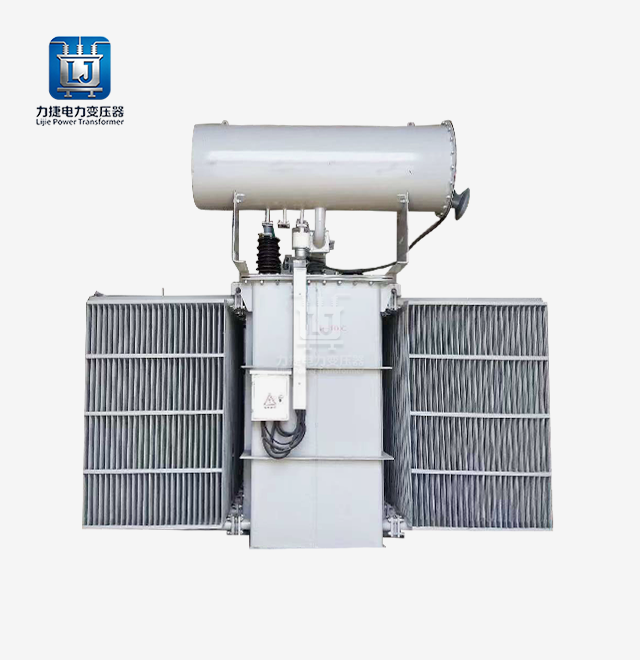
The installation surroundings and upkeep skills affect the choice of cooling method. Outdoor setups and high-power uses are good for oil-immersed transformers that can be cooled naturally or with forced air. Dry-type transformers are better for indoor installations near people because they don't pose a fire risk or damage to the environment. However, they usually cost more for the same power ratings.
As part of regular cleaning programs, you should look for oil leaks, strange noises, or strange temperature patterns. Using infrared thermography, hot spots can be found before they cause problems. Testing oil-filled transformers with dissolved gas analysis on a regular basis can find early signs of problems by looking for specific gas signatures.
As part of regular maintenance, electrical connections need to be checked and tightened, temperature tracking and safety devices need to work properly, cooling system parts need to be inspected, and oil levels need to be kept at the right level to ensure proper insulation. By writing down what was found during inspections and maintenance tasks, you can make past records that can be used to look for trends and plan for future maintenance needs.
Overheating usually happens when there is too much load, not enough air flow, or a problem with the cooling system. The majority of temperature problems can be avoided by keeping an eye on load levels compared to rated capacity and making sure air flows freely around equipment. Strange noise patterns could mean that the core laminations are loose, the windings are resonance, or there are mechanical problems that need to be looked at by a professional.
Suppliers who offer thorough technical paperwork and quick customer service help clients quickly figure out what's wrong and put effective solutions in place. Keeping in touch with the service offices of manufacturers guaranties access to specialized knowledge when problems get complicated.
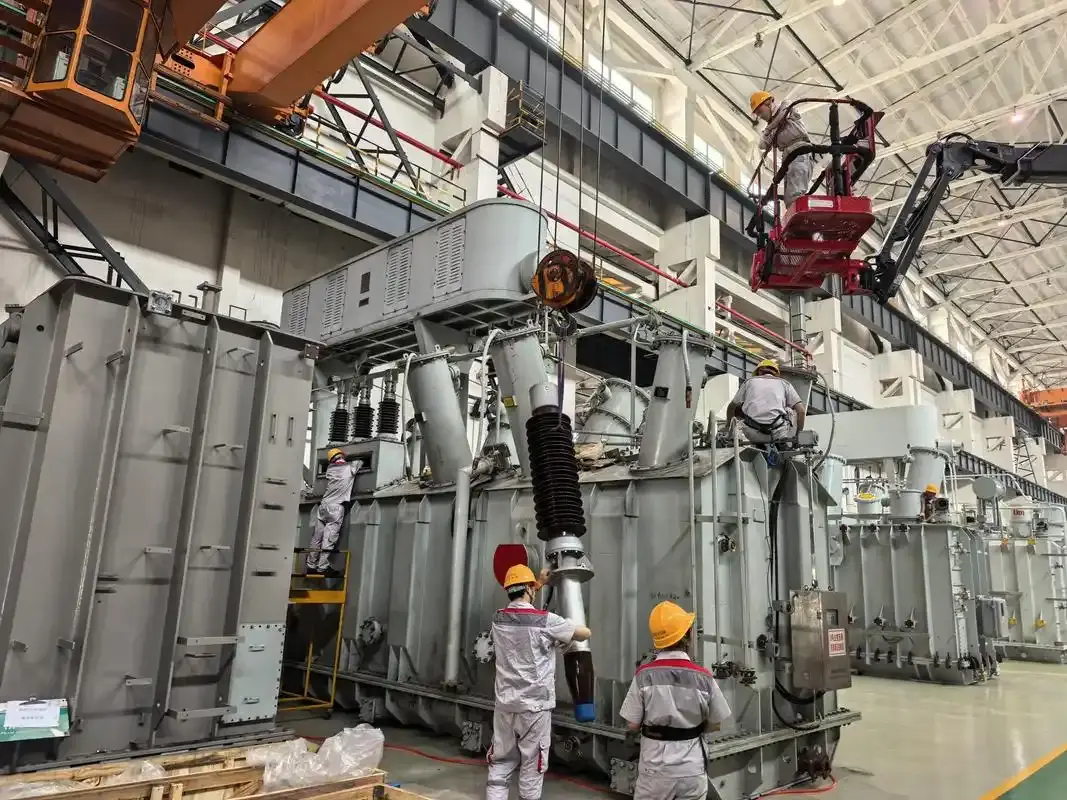
For big projects, choosing the right Step‑down Transformer Supplier means carefully looking at their production skills, technical knowledge, ability to meet certification requirements, and promise of long-term support. Structured supplier evaluation, clear specification development, realistic timeline planning, and working together as a team are all important for successful procurement. Suppliers with consistent quality across large-scale production, thorough testing methods, flexible customization options, and a service infrastructure that responds to customer needs give complicated projects the dependability and value they need. By giving these factors the most weight when choosing a seller, buying teams set their companies up for successful project completion and years of reliable equipment performance.
Ask for proof of quality management certifications (ISO 9001), manufacturing licenses, and references from similar projects that have been completed in the past. Ask for factory acceptance test records that show the product meets foreign standards such as IEC 60076. Checking certifications like CE, UL, or CQC thru files of granting authorities proves that the qualifications are real. Many trustworthy providers are happy for buying teams to visit their facilities and see for themselves how they make things, test them, and make sure they meet quality standards.
Standard distribution transformers below 35kV usually take 10 to 14 weeks to deliver from the time the order is confirmed. Most of the time, it takes 16 to 20 weeks for higher voltage equipment (110kV or more) or unique designs. Depending on how the production capacity is used, large orders may push back deadlines even more. Including suppliers early on in the planning stages of a project gives manufacturers enough time to make the product without having to rush it, which lowers the quality.
Transformers that use less energy and lose less power when they're not in use save money over the course of their 25 to 30 year working life. Even a one-percent increase in efficiency can lead to big drops in the cost of electricity, which usually pay for any extra costs in three to five years. In addition to helping the economy, designs that are very efficient also help companies meet their sustainability goals and meet stricter government rules.
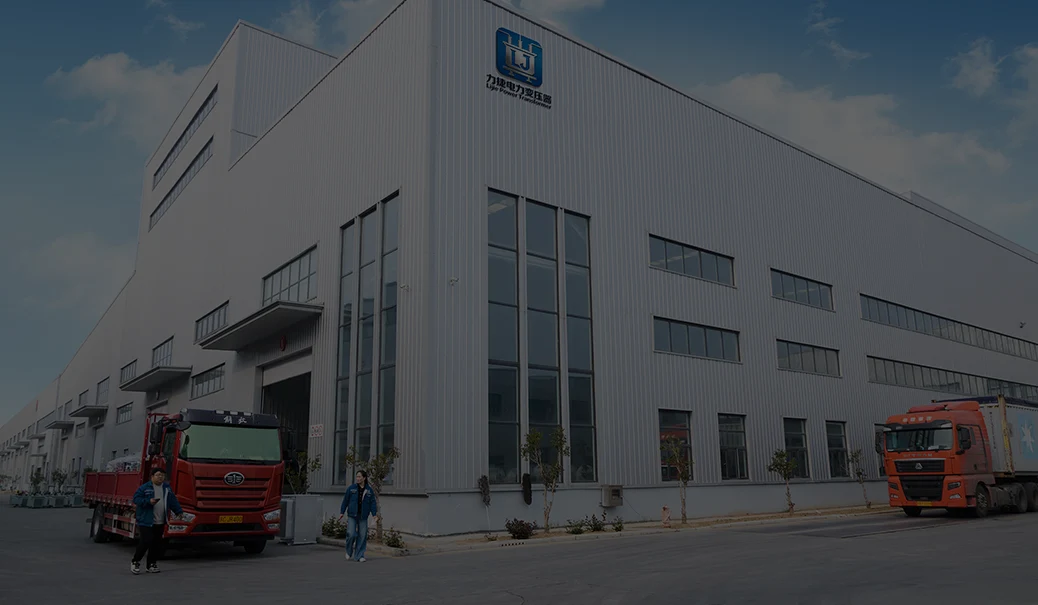
Lijie Electric Power Technology Group is a specialized Step‑down Transformer Supplier and maker that has been shown to be able to meet the needs of large-scale projects. Our 500,000-square-meter factories in Xuzhou and Nantong are home to more than 2,000 professionals, including 160 engineers with advanced degrees. Each year, they make more than 5 billion RMB worth of goods. We keep a lot of certifications, like ISO 9001:2015, CE, UL, and IEC standards compliance, to make sure that our products meet the highest quality standards around the world. We sell power transformers up to 500kV, distribution transformers up to 35kV, and specialized units for use in infrastructure, manufacturing, renewable energy, and industrial settings. If you are a procurement manager or project engineer, please email our team at lijieelectrical@gmail.com for expert advice, unique specs, and competitive bulk order proposals. Visit lijie-electrical.com to see all of our services and learn how our factory knowledge and dedication to customer satisfaction help projects succeed.
1.Institute of Electrical and Electronics Engineers (2012). IEEE Standard for General Requirements for Liquid-Immersed Distribution, Power, and Regulating Transformers. IEEE Standards Association Publication C57.12.00.
2.International Electrotechnical Commission (2011). Power Transformers - Part 1: General. IEC Standard 60076-1, Third Edition.
3.Kulkarni, S.V. and Khaparde, S.A. (2013). Transformer Engineering: Design, Technology, and Diagnostics. Second Edition, CRC Press.
4.Harlow, J.H. (2012). Electric Power Transformer Engineering. Third Edition, CRC Press.
5.U.S. Department of Energy (2016). Energy Conservation Program: Energy Conservation Standards for Distribution Transformers. Federal Register Volume 81, Number 73.
6.McLyman, Colonel Wm. T. (2017). Transformer and Inductor Design Handbook. Fourth Edition, CRC Press.
YOU MAY LIKE
18%20type%20dry-type%20distribution%20transformer.webp)

18%20type%20epoxy%20resin%20cast%20transformer.webp)
H15%20Amorphous%20Alloy%20Distribution%20Transformer.webp)
April 27, 2025
With a tight project schedule, the manufacturer delivered on time, and on-site technical personnel provided guidance throughout the entire installation and commissioning process; the collaboration was highly efficient and hassle-free.
July 2, 2025
During the preliminary phase, a selection plan was custom-tailored based on the actual site load requirements, resulting in a high degree of parameter compatibility. After-sales support responds within two hours, and ongoing technical support for operation and maintenance is comprehensive; we feel completely confident in a long-term partnership.
November 18, 2025
Deployed as a supporting component for a 35kV grid-connection project at a photovoltaic power station, the equipment operates for an average of 16 hours daily. It demonstrates excellent control over no-load losses, ensures smooth power generation and grid integration, and effectively reduces the station's overall energy consumption.
January 30, 2026
Under the continuous, high-load operating conditions of a factory production line, the equipment maintains stable electrical parameters and exhibits strong overload resistance, thereby guaranteeing an uninterrupted power supply for industrial production.
April 3, 2026
Integrated as a supporting component for a new energy photovoltaic grid-connection system, the manufacturer provided professional technical coordination and timely after-sales support, ensuring seamless adaptation to the specific electrical operating conditions required for grid integration.