April 27, 2025
With a tight project schedule, the manufacturer delivered on time, and on-site technical personnel provided guidance throughout the entire installation and commissioning process; the collaboration was highly efficient and hassle-free.
Aug 22, 2026
As power infrastructure evolves to meet stringent safety and sustainability benchmarks, the role of a Natural Ester Transformer Supplier has become indispensable. These specialized providers equip utilities, renewable energy developers, and industrial operators with bio-based dielectric fluids derived from vegetable oils, replacing petroleum-based mineral oils. With fire points exceeding 300°C and full biodegradability, natural ester transformers eliminate risks in urban substations and ecologically sensitive zones while aligning with global environmental mandates. For procurement professionals navigating complex supply chains, understanding the technical, operational, and environmental advantages these suppliers offer is fundamental to making informed purchasing decisions.
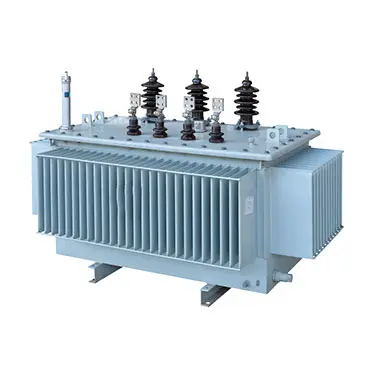
Natural ester transformer oil is a big change in the way electrical shielding is made. This bio-based fluid comes from green sources like sunflower, rapeseed, or soybean seeds and meets or beats the dielectric performance standards set by IEC 62770 and ASTM D6871. Natural esters are better at handling moisture than mineral oil. They can soak up water that would otherwise damage cellulose insulation and shorten the life of a transformer. Studies show that the ability of natural esters to absorb moisture makes insulation last up to 33% longer, which means that expensive repair processes happen less often.
One of the best benefits is that it improves fire safety. Mineral oil has a fire point of about 160°C, while natural ester fluids usually have fire points above 360°C. Pool fires are much less likely to happen with this higher level of fire resistance, which is important for indoor substations, high-rise installations, and areas with large numbers of people. As a reliable Natural Ester Transformer Supplier, manufacturers provide transformer solutions using K-class rated fluids, allowing utilities to eliminate the need for expensive fire suppression systems. This helps reduce overall costs during the design and construction phases of the project.
The ability to break down naturally is another important trait. Natural ester fluids break down totally in 28 days in normal environmental conditions. This means that spills in protected rivers, offshore wind farms, or hydroelectric facilities have no long-term effect on the environment. This performance fits perfectly with stricter environmental laws in North America and Europe, where ESG commitments from companies are becoming more important in purchasing decisions. Electrical engineers and quality managers who need to make sure they follow both technical standards and environmental laws can find that natural ester solutions meet both needs at the same time.
Natural ester transformers can handle a 20°C higher rise in top-oil temperature than mineral oil systems because of their thermal class rating. This benefit makes it possible to have more power in a smaller place, which is useful for industrial parks and urban distribution projects that are limited on space. The better temperature performance also handles overloads and harmonic loads better, making sure that mission-critical data centers and factory facilities always have power.
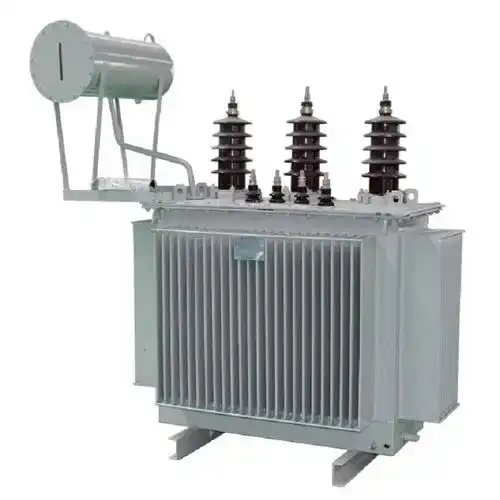
Mineral oil has been the standard in the industry for decades because it has low start-up costs and well-known operating characteristics. On the other hand, its lower fire point makes it much less safe for use in cities and indoors. Mineral oil also doesn't break down naturally, which poses environmental risks that could lead to higher insurance rates and fines from the government. Natural ester fluids cost more up front, but they are more cost-effective in the long run when you consider the lower costs of environmental compliance, less fire protection infrastructure, and longer insulation life. Using lifecycle cost analysis, we can see that natural ester transformers are more cost-effective over a 20- to 30-year period of time.
Silicone-based dielectric fluids are very good at keeping out fires and staying stable at high temperatures, but they can be harmful to the environment. Natural esters break down naturally, but silicone oils don't. They need special dumping methods when they're no longer useful. Their higher viscosity also makes cold-starting harder in places where it is below zero degrees. A reliable Natural Ester Transformer Supplier provides natural ester mixtures with improved additive packages to enhance cold-weather performance. These solutions allow transformers to work reliably down to -25°C while maintaining environmental advantages and operational stability.
In addition to fluid chemistry, you need to carefully look at the supplier's certifications, quality control systems, and technical support services to make sure you choose the right one. Reputable companies keep their ISO 9001:2015 quality management certification, which shows that they follow the same manufacturing methods for large amounts of products. UL and FM approval as "Less-Flammable" fluids back up claims of fire safety, and CE and IEC certifications show that the product meets international electrical standards. Procurement teams should give more weight to sellers who offer full paperwork, testing confirmation from a third party, and clear tracking all the way through the supply chain. Together, these things lower the risk and make sure that there is stability from batch to batch, which is important for large-scale infrastructure deployments.
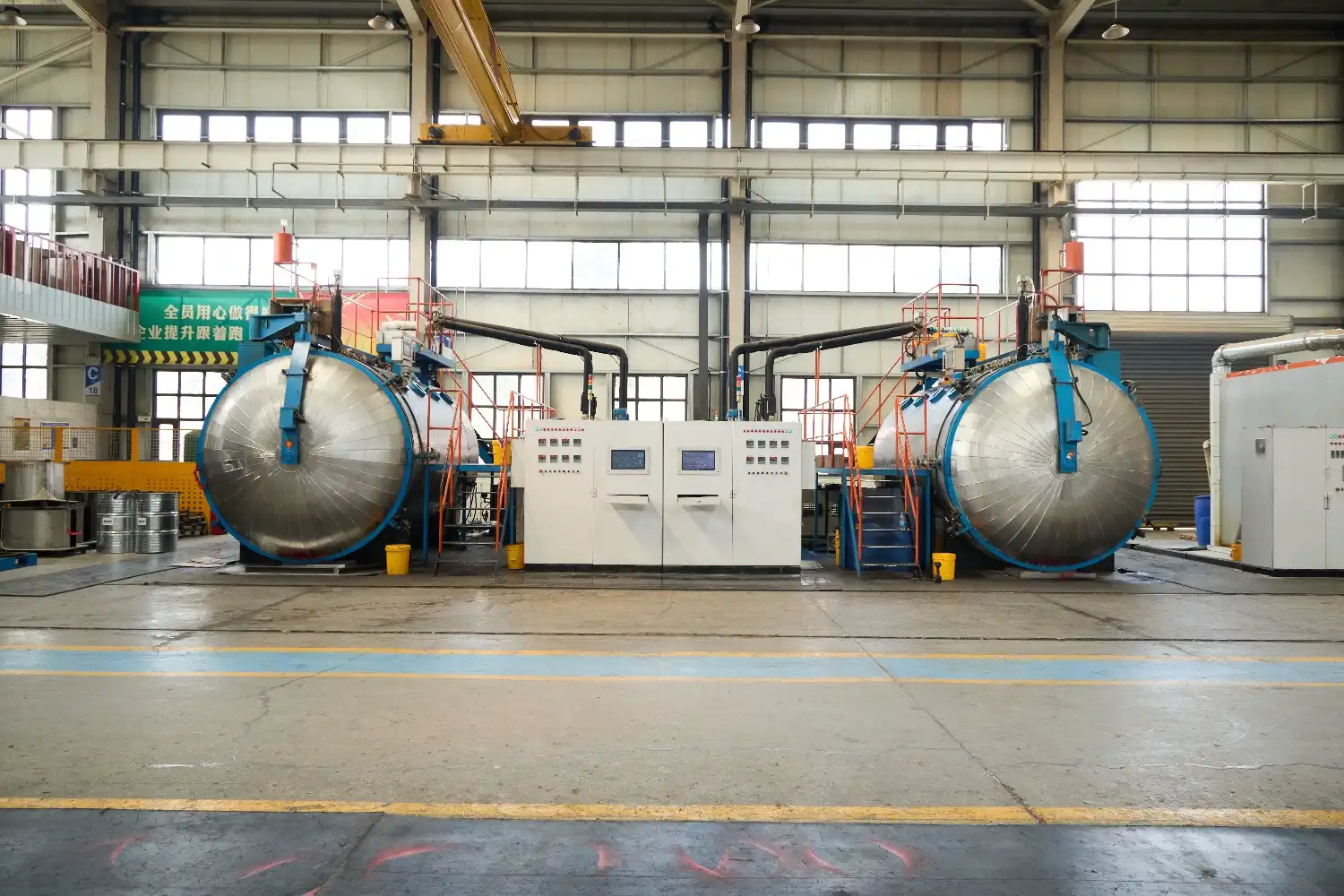
To find a provider that can meet long-term operational needs, technical standards, shipping options, and service infrastructure must all be carefully aligned.
Power utilities, renewable energy systems, and heavy industrial operations all use transformers in very different ways. A reliable Natural Ester Transformer Supplier understands how to adjust fluid specifications to meet the requirements of different voltage levels, cooling system designs, and surrounding operating conditions. Engineering teams should ensure that potential suppliers provide detailed technical data sheets, including parameters such as dielectric breakdown voltage, oxidation stability metrics, and viscosity profiles across a wide range of temperatures. Suppliers that offer retro-fill services for existing mineral oil transformers can provide significant strategic value. However, these conversions require thorough compatibility testing to ensure that the higher viscosity of natural ester fluids does not negatively affect seals and gaskets.
International approvals give unbiased proof of the quality of a product and the uniformity of its production. ISO 9001 approval proves that quality management is done in a planned way, and ASTM D6871 compliance makes sure that the features of the fluid meet standards in the industry. Suppliers that work with customers all over the world should show that they know about IEC standards and local rules. Quality control includes more than just getting certified. It also includes testing each batch, keeping things clean during transport, and managing how long something can be stored. Procurement managers benefit when sellers have quality inspection staff on hand and include test results from a third-party lab with every package.
For big building projects to go smoothly, they need a steady supply for many years. When evaluating a supplier, you need to consider the capabilities of a Natural Ester Transformer Supplier, including their production capacity, inventory management systems, and distribution networks across different regions. International suppliers with factories in multiple locations can handle supply chain challenges more effectively, while regional distribution centers help reduce freight costs and shorten delivery times. Suppliers with experience handling large-scale orders demonstrate their ability to maintain consistent delivery schedules, align with project timelines, and manage customs procedures for cross-border transactions. Establishing framework agreements with reliable suppliers that have proven track records creates the predictability required for budget planning and project risk management.
Case studies show that utilities that have the most reliable operations work with providers that offer quick technical support, such as on-site installation help, fluid analysis programs, and quick troubleshooting when performance issues appear. This service aspect is often just as important as the fluid qualities themselves, especially during the start-up and early years of business.
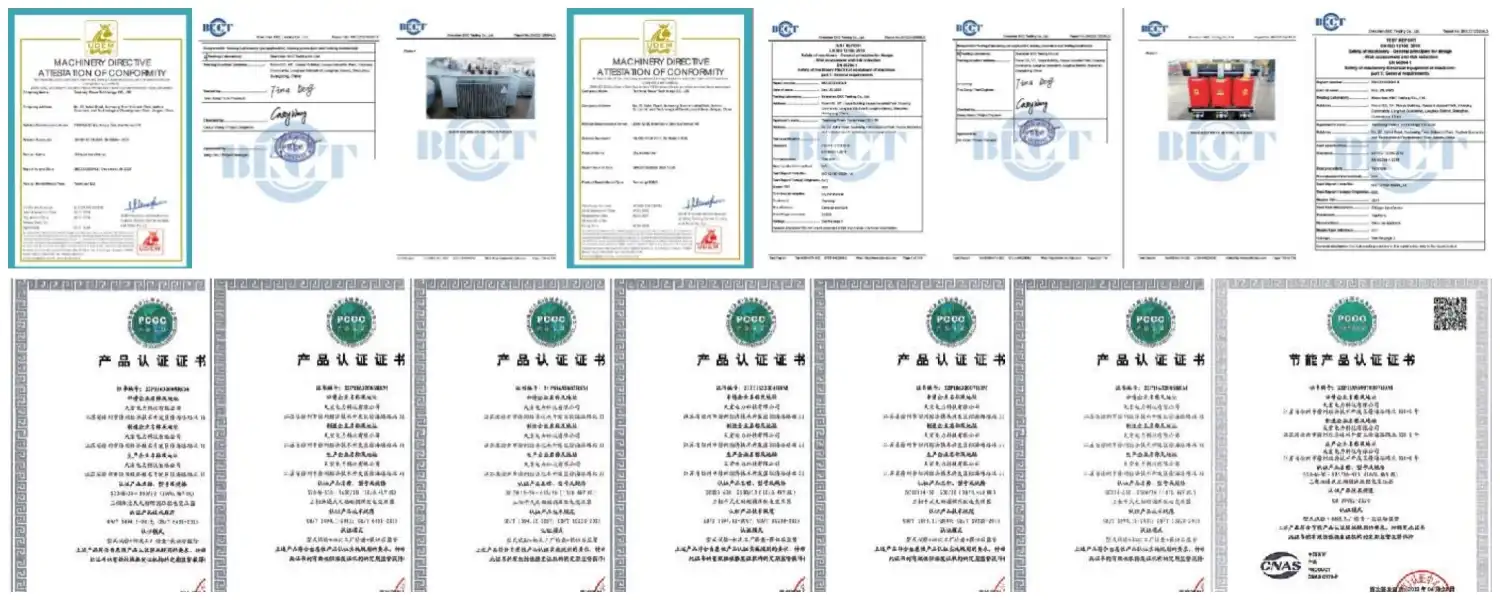
Procurement strategies that work well make the most of value while also making sure that supplies stay steady and standards are met.
Natural ester fluids are more expensive than mineral oil because they require more complex processing and cost more to make. Suppliers usually give different prices based on how much you order, and big savings are available for buying in bulk for projects that use more than one generator. Different suppliers have different minimum order quantities, but most can handle both small pilot projects and large-scale deployments. Framework agreements should be negotiated by procurement managers to ensure stable prices across multi-year project stages. This will protect against changes in product prices and ensure predictable budget allocations.
The value proposition includes more than just fluid delivery; it also includes a full set of support infrastructure. Leading sellers offer warranties that cover problems with fluid degradation, contamination, and performance that doesn't meet specs. Help with technical problems is very helpful when setting up new systems or looking into strange operational behavior. Suppliers that offer regular fluid analysis programs can help with preventative maintenance by finding early signs of rust, moisture intrusion, or contamination in transformers before they stop working properly. This part of the service makes long-term partnerships stronger and directly helps meet the goals for asset reliability that drive procurement decisions.
Because of pressure from regulators and progress in technology, the future of insulation technology clearly points to more widespread use of bio-based dielectric fluids.
Environmental laws in developed markets are making it harder and harder for systems that are sensitive to the environment to use fluids that are based on gasoline. California's strict fire safety rules for urban substations and EU regulations that prioritize recyclable materials in key infrastructure projects are both driving market growth. Analysts in the field believe that the natural ester transformer market will continue to expand at double-digit annual rates through 2030, supported by government policies and companies' increasing efforts to improve environmental sustainability. Procurement experts who work with a reliable Natural Ester Transformer Supplier ahead of regulatory changes can gain a competitive advantage by establishing strong supplier relationships early and building valuable operational experience.
More study is being done to improve oxidation stability, performance in cold weather, and thermal conductivity. New developments in base oil processing have cut costs without affecting performance, while advanced chemical packages make fluids last longer and be used in more places. New transformer designs focus on making the windings and cooling systems work best with natural ester properties, getting the most power and efficiency. When suppliers invest in research partnerships with engineering and utility institutes, they show that they are dedicated to constant improvement. This gives procurement teams confidence that the technology will work in the long term.
Leading suppliers use digital systems that let them watch orders in real time, see what they have in stock, and automatically reorder based on how much is used. Blockchain-based certification systems keep records of where products came from, their testing results, and how they were handled throughout the entire supply chain. When it comes to buying, these technology advances help with problems like tracking, keeping records of compliance, and managing supply chain risks. As business-to-business (B2B) buying processes become more digital, procurement teams in charge of complex multi-site projects are more likely to choose suppliers that offer integrated digital experiences.
Bio-based insulation is becoming more popular because it is better for the environment and better for business. Compared to older technologies, natural ester transformers make fire safety, environmental compliance, and asset life much better. When purchasing professionals look at suppliers, they should focus on technical compatibility, strict certification, the reliability of the supply chain, and full after-sales support. As rules change and companies make bigger promises to be environmentally friendly, working with Natural Ester Transformer Suppliers with a lot of experience helps companies meet both their current operating needs and the needs of future infrastructure.
There are a lot of companies that offer retro-filling services, but full system evaluations are still important. Because natural ester has a higher viscosity, it is important to make sure that seals, valves, and cooling systems can handle its qualities. Before suggesting retro-fill methods, experienced providers do compatibility studies that look at the materials, thermal management, and working history.
For best long-term stability, sealed tank designs or nitrogen-blanketed systems are needed for natural esters because they are more sensitive to oxygen. Modern versions use improved oxidation agents that make the product last a lot longer. Suppliers give detailed maintenance plans that cover how to handle oxidation in natural ester applications.
Natural esters have higher pour points than mineral oil, but special additive packages allow modern formulas to work reliably down to -25°C. Formulation choices are affected by location, as some suppliers offer types that are better suited to the temperature in certain areas.
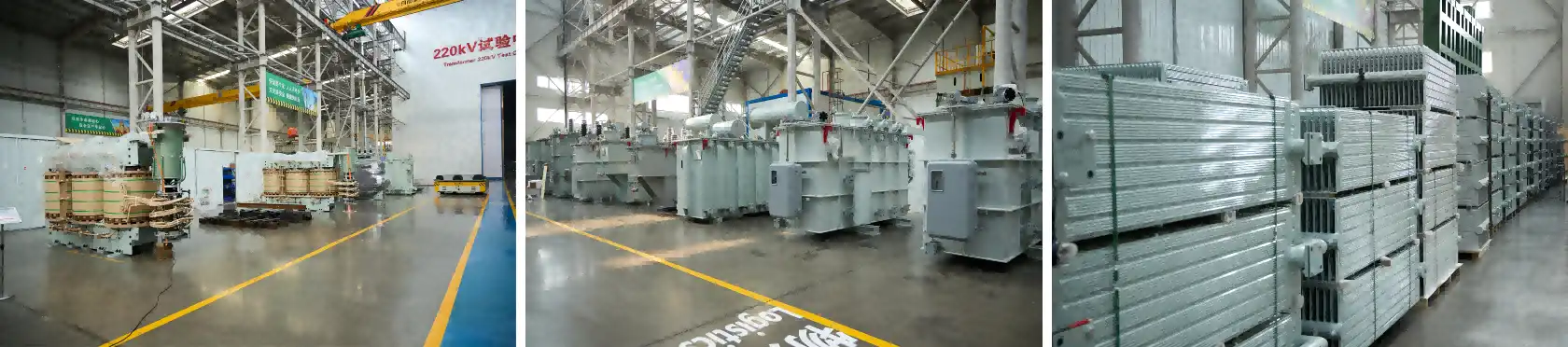
Lijie Electric Power Technology Group stands as a trusted natural ester transformer manufacturer combining technical excellence with manufacturing scale. Operating 500,000 square meters of advanced production facilities in Xuzhou and Nantong, our engineering teams—including over 160 doctoral and master's degree specialists—design transformers meeting IEC, CE, and UL certifications. Our natural ester transformer product lines serve utilities, renewable energy developers, and industrial operations across North America, Southeast Asia, and Africa. With ISO 9001:2015 certification, GB/T 27922-2021 after-sales service recognition, and proven large-volume supply capability, we deliver consistent quality backed by comprehensive technical support. Contact our procurement specialists at lijieelectrical@gmail.com to discuss your project specifications, obtain detailed technical documentation, and explore how our Natural Ester Transformer Supplier services align with your infrastructure requirements. Visit lijie-electrical.com to review our complete product portfolio and certification credentials.
1. International Electrotechnical Commission. "IEC 62770: Fluids for Electrotechnical Applications – Unused Natural Esters for Transformers and Similar Electrical Equipment." Geneva: IEC Publications, 2013.
2. ASTM International. "ASTM D6871-17: Standard Specification for Natural (Vegetable Oil) Ester Fluids Used in Electrical Apparatus." West Conshohocken: ASTM Standards, 2017.
3. McShane, C.P., Rapp, K.J., Corkran, J.L., Gauger, G.A., and Luksich, J. "Aging of Paper Insulation in Natural Ester Dielectric Fluid." IEEE Electrical Insulation Conference Proceedings, 2001.
4. Tenbohlen, S., Koch, M., and Vukovic, D. "Comparison of Thermal Aging Processes in Mineral and Ester-Based Transformer Oils." IEEE Transactions on Dielectrics and Electrical Insulation, Vol. 18, No. 6, 2011.
5. National Fire Protection Association. "NFPA 850: Recommended Practice for Fire Protection for Electric Generating Plants and High Voltage Direct Current Converter Stations." Quincy: NFPA Publications, 2020.
6. Cigré Working Group A2.35. "Experiences in Service with New Insulating Liquids." Technical Brochure 436, Paris: Cigré Publications, 2010.
YOU MAY LIKE



13%20type%20epoxy%20resin%20cast%20transformer.webp)
12%20type%20epoxy%20resin%20cast%20transformer.webp)
18%20type%2035KV%20power%20transformer.webp)
April 27, 2025
With a tight project schedule, the manufacturer delivered on time, and on-site technical personnel provided guidance throughout the entire installation and commissioning process; the collaboration was highly efficient and hassle-free.
July 2, 2025
During the preliminary phase, a selection plan was custom-tailored based on the actual site load requirements, resulting in a high degree of parameter compatibility. After-sales support responds within two hours, and ongoing technical support for operation and maintenance is comprehensive; we feel completely confident in a long-term partnership.
November 18, 2025
Deployed as a supporting component for a 35kV grid-connection project at a photovoltaic power station, the equipment operates for an average of 16 hours daily. It demonstrates excellent control over no-load losses, ensures smooth power generation and grid integration, and effectively reduces the station's overall energy consumption.
January 30, 2026
Under the continuous, high-load operating conditions of a factory production line, the equipment maintains stable electrical parameters and exhibits strong overload resistance, thereby guaranteeing an uninterrupted power supply for industrial production.
April 3, 2026
Integrated as a supporting component for a new energy photovoltaic grid-connection system, the manufacturer provided professional technical coordination and timely after-sales support, ensuring seamless adaptation to the specific electrical operating conditions required for grid integration.