April 27, 2025
With a tight project schedule, the manufacturer delivered on time, and on-site technical personnel provided guidance throughout the entire installation and commissioning process; the collaboration was highly efficient and hassle-free.
Aug 22, 2026
Partnering with a Natural Ester Transformer Factory represents a strategic decision for organizations committed to sustainable energy infrastructure. These specialized facilities manufacture transformers using biodegradable natural ester fluids instead of conventional mineral oils, delivering superior environmental performance alongside enhanced safety and longevity. By collaborating with certified manufacturers like Lijie Electric, procurement teams gain access to cutting-edge technology that reduces ecological footprints while meeting stringent international standards. This partnership approach ensures reliable equipment delivery, consistent quality control, and long-term technical support—critical factors for renewable energy installations, grid modernization projects, and industrial applications demanding both operational excellence and environmental stewardship in today's green energy transition.
The move toward renewable energy around the world has increased the need for transformer options that are good for the earth. Natural ester transformers have become important parts of this transition because they provide long-lasting alternatives to insulating fluids made from petroleum. Now procurement managers and electrical engineers have to make a tough choice: which manufacturing partners can deliver goods that meet both performance requirements and green standards?
The choice goes beyond the details of the offering. Working with a qualified Natural Ester Transformer Factory affects how long projects take, how well they meet regulations, how much they cost over their whole life, and ultimately how well green energy projects succeed. Power companies working on solar integration projects, factories updating old equipment, and EPC contractors overseeing foreign installs can all benefit from knowing what makes exceptional manufacturing partners different from regular suppliers. When you work with the right factory, you can be sure of technical support, following the rules, and reliable operations for decades.
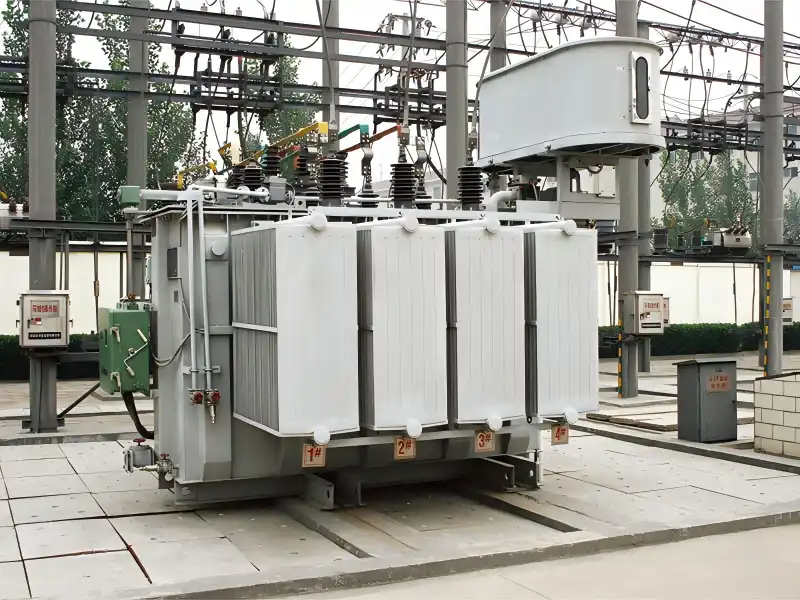
Natural Ester Transformer Factories follow very different rules than facilities that make other kinds of transformers. These companies use green dielectric fluids made from plants in transformer designs. This means that they need special ways to handle, store, and check the quality of the fluids. Because natural ester fluids react differently to air conditions than mineral oils, strict controls are put in place for moisture and oxygen in the production area.
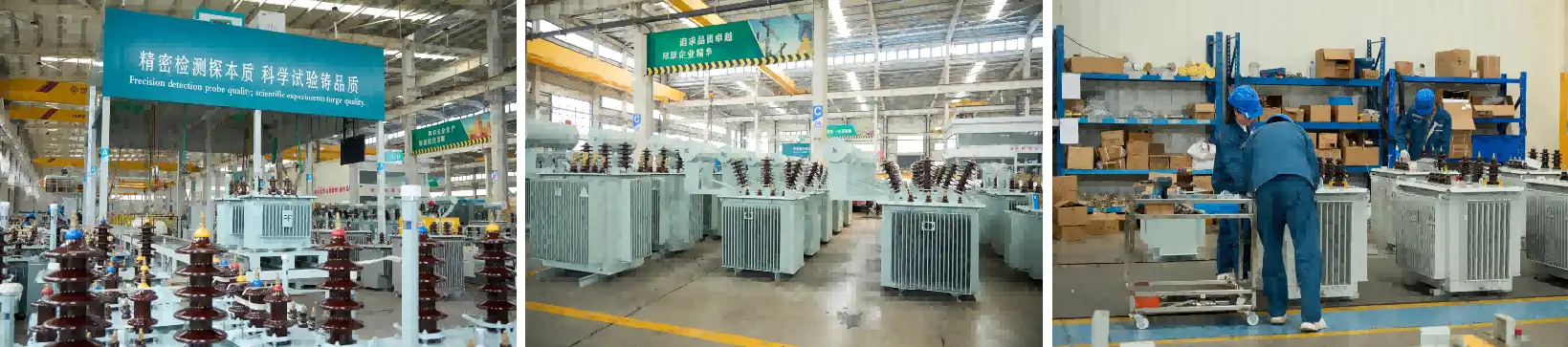
Modern facilities that make ester fluid transformers spend a lot of money on precise tools that can be used for both standard power transformer building and special processes that are only possible with natural ester technology. Temperature-controlled building areas keep fluids clean while tanks are being filled. Automated testing sites check the dielectric strength, the amount of water present (using Karl Fischer titration), and the dissolved gas baselines that are specific to ester chemistry. These advances in production directly lead to more reliable products in the field.
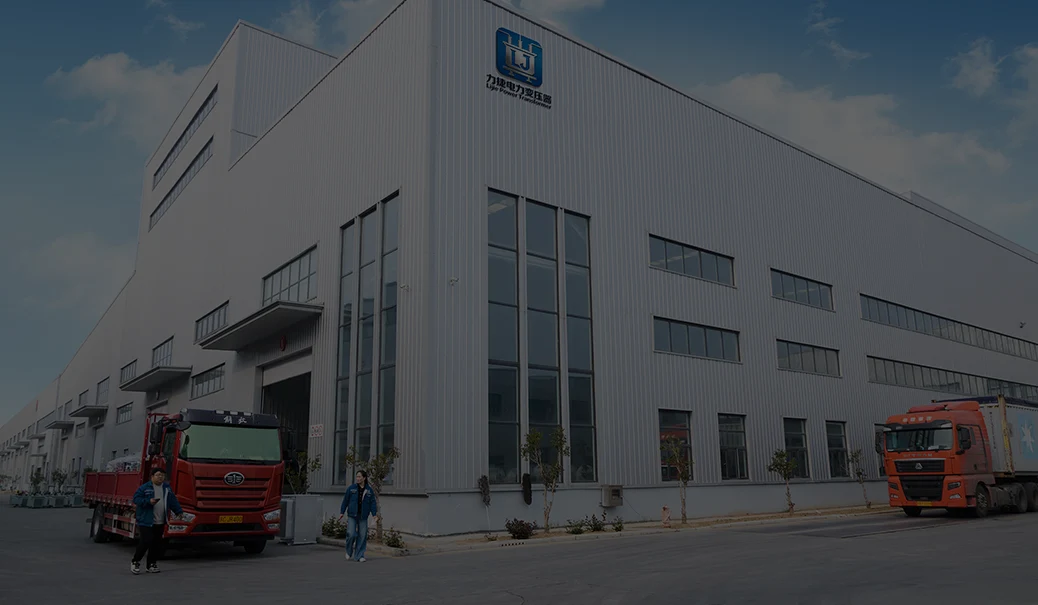
To get the best handling for shipping big transformers, leading makers put their factories near transportation hubs. Lijie Electric has two main factories in Xuzhou and Nantong, China. Each one is 500,000 square meters and is in an area with a well-established supply chain for specialized parts like cellulose insulation materials, high-grade silicon steel cores, and ester-compatible seal systems. Being close to sources of raw materials and export infrastructure makes it easy to increase production for projects that need multiple units delivered at once.
The production of natural ester transformers is always changing to meet new technical standards, and a Natural Ester Transformer Factory must stay current. Meeting the requirements of IEC 62770 and ASTM D6871 sets the minimum level of performance. In the US and Europe, area laws add more fire safety classifications and environmental certifications. Factories that keep their certifications up to date show that they are committed to following the rules and making their technology better. This lowers the risk of buying for buyers who have to deal with complicated compliance settings in multiple project countries.
Natural ester fluids have technical properties that make them better in a number of performance areas. These qualities change the economics and environmental profiles of transformers over their whole lifetime.
Natural Ester dielectric fluids have flash points above 300°C and fire points above 360°C, which means they meet the requirements for K-class fire safety ratings under international classification systems. This huge improvement over mineral oil's normal 165°C flash point lowers the cost of facility insurance, makes installation easier in crowded areas, and raises the safety of maintenance workers. This extra safety margin is especially helpful for projects that are close to residential areas, in industrial sites, or inside business buildings.
The way natural ester fluids react with cellulose paper insulation is something that makes them stand out. The fluid has water-wicking properties that actively remove moisture from insulator materials. This slows down the hydrolysis processes that weaken paper over time. Testing done by a third party shows that insulation lasts five to eight times longer in mineral oil settings. This feature has a direct effect on the total cost of ownership because it delays replacement cycles and lowers the risk of catastrophic failure in infrastructure that is getting old.
Spills show that natural ester fluids are better for the environment. These oils come from plants and break down naturally in soil and water systems. Under normal conditions, they break down at rates higher than 95% within weeks. Mineral oils stay in the ground for years, so a lot of work has to be done to get rid of them. Regulatory bodies are favoring biodegradable dielectric fluids more and more in places that are sensitive to the environment, like wetlands, watershed protection zones, and agricultural areas where contamination can lead to harsh penalties and bad public relations.
The combination of better safety, longer equipment life, and lower environmental liability makes a strong economic case, even tho the initial fluid costs are a little higher. Total ownership benefits for natural ester transformers are regularly shown by lifecycle analysis over the 20–30 year operational horizons that are common for power infrastructure investments.
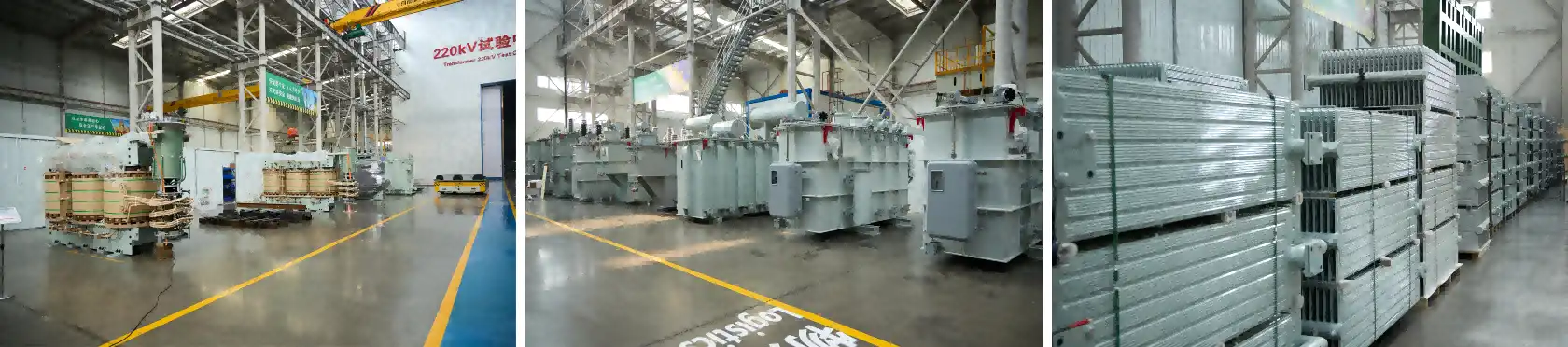
When looking for possible manufacturing partners, certification standing is one of the most important things to look at. Real qualifications check the Natural Ester Transformer Factory's abilities and set up accounting systems that keep procurement investments safe.
Manufacturers with a good reputation keep their ISO 9001:2015 quality management certifications up to date, along with approvals for specific products, like IEC transformer standards and regional requirements like CE marking for European markets and UL listings for North American installations, and a Natural Ester Transformer Factory like Lijie Electric holds many certificates for its 10kV and 35kV power transformers, such as ISO 9001, CE, UL, and IEC compliance, showing that the company makes all of its products the same way. These credentials show that the production processes, traceability systems, and testing protocols have been checked and approved by an auditor, giving you peace of mind that the products you order will meet your expectations.
When it comes to quality control, ester-filled transformers need more attention than regular units. Important parts of the inspection include checking the integrity of the sealed tank to make sure that fluid doesn't polymerize from being exposed to air, testing the dielectric breakdown voltage according to IEC 60156 standards, measuring the exact amount of moisture in the fluid using Karl Fischer titration to keep it below the saturation thresholds, analyzing the dissolved gasses to set appropriate baselines for ethane and methane levels that are different from mineral oil benchmarks, and making sure that all internal gaskets, paints, and adhesives don't react chemically with ester-based fluids.
When manufacturers use these methods, the number of failures in the field goes down, and manufacturers can offer longer warranties. Teams in charge of buying things should ask for a lot of quality information, like type test reports from independent labs, routine test procedures that are used on production units, and old performance data from base populations that have already been installed.
Long-term expert help is what sets premium makers apart from commodity providers. Comprehensive after-sales programs include installation instructions and documentation that are specific to natural esters, field service teams that are trained in how to handle and test ester fluids, guaranteed delivery times for spare parts, and diagnostic support for interpreting dissolved gases and keeping an eye on fluid condition. These services are especially helpful during warranty times and long working lifecycles, when looking at performance data can reveal ways to make things better.
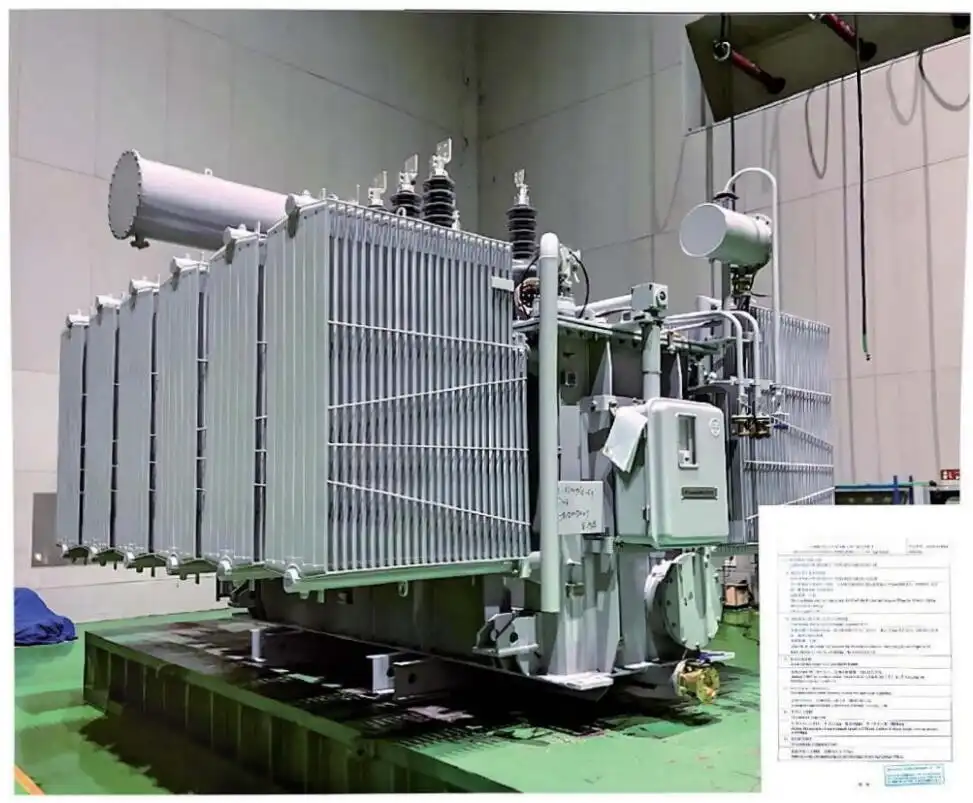
To meet procurement needs, you need to know the operational and commercial rules that govern the production of transformers.
Transformer prices are based on how much the materials cost, how complicated the engineering is, how much is made, and how often the building is used. Because of the higher cost of the fluid and the unique way they need to be handled, natural ester units usually cost 10-15% more than comparable mineral oil designs. Volume commitments have a big effect on unit prices, and projects that need more than 10 to 20 units often get better rates. Total cost analysis needs to look at lifecycle factors like longer insulation life, less upkeep, lower fire protection infrastructure costs, and possible insurance fee drops that often cancel out original price differences within 5 to 7 years.
For big projects, you need to make sure that the Natural Ester Transformer Factory's production schedule and capacity are confirmed. Established companies like Lijie Electric that make more than 5 billion RMB a year have more than 2,000 employees, including specialized engineering teams that can work on multiple project batches at the same time. Standard delivery times for power transformers over 35kV are 24–40 weeks, while times for smaller power transformers are 12–20 weeks. These times depend on how complicated the transformer is and how many tests need to be done. To make sure that the delivery of equipment fits in with building goals, procurement plans should include plant wait times, foreign shipping times, and customs clearance times.
In international deals, payments are usually split into several stages: a deposit percentage is due when the purchase order is issued, progress payments are due when the manufacturing is finished and the factory tests it, and the final settlement is due when the goods are delivered, or the system is turned on. For repeat customers, established suppliers often offer longer payment terms or credit arrangements. This means that large infrastructure developers don't need as much working capital. To protect both parties during the project, the contract wording should clearly spell out how to follow technical standards, test methods, deliverables for paperwork, warranty coverage, and ways to settle disagreements.
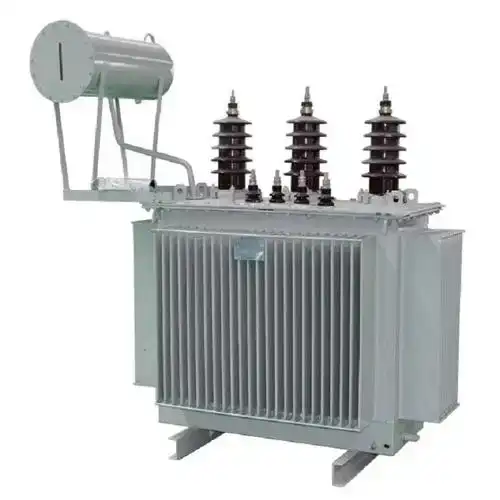
For operations to run smoothly, repair plans must take into account the unique properties of natural ester fluids.
When installing natural ester transformers, you need to keep a few things in mind. In order to handle fluids during field topping activities, the area must be clean and dry, as wetness can affect the dielectric performance. Managing the temperature during startup makes sure that the viscosity of the fluid stays in the right range for natural convection cooling. Because mineral oil has different chemical properties, the connection torque requirements and gasket compression requirements are not exactly the same. Manufacturers include full installation guides that cover these details, and contracts for buying things should make sure that installation guidance services are available for important or big units.
Analysis of fluids should be a regular part of ongoing maintenance plans. Dissolved gas analysis can help find internal faults early on, but it's important to know how to read the results because natural ester gas generation trends are different from mineral oil baselines. Moisture testing makes sure that the sealing system works well and finds any water leaks that need to be fixed before the insulation breaks down. Thermographic surveys and load tracking are used in addition to fluid tests to find problems with the way the equipment is working or how much it is being loaded that could shorten its life. Natural Ester Transformer Factories that support these programs offer fluid testing, diagnostic interpretation, and suggestions for what to do to fix problems based on test results.
Maintenance tasks need to be in line with safety rules and environmental laws at work. Because natural ester fluids are safer than mineral oil alternatives, they make some processes easier. Because the fire point is higher, hot work is less limited during repairs. Biodegradability makes it easier to clean up a spill and reduces the need for control structures. The environmental friendliness of ester fluids helps with getting rid of contaminated fluids or old transformers, but the right recycling channels should still be used. Manufacturers who know about the rules in different areas can help make sure that upkeep methods follow the rules for worker safety and protecting the environment.
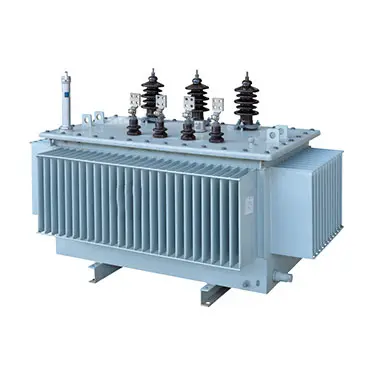
When you choose a Natural Ester Transformer Factory as your manufacturing partner, you get long-term operational reliability, better technical performance, and better care for the environment. Natural ester technology is the best choice for green energy infrastructure because it makes things safer in case of fire, extends the life of assets, and lowers environmental risk. For procurement to go well, companies must work with certified manufacturers who can show they have the production capacity, quality control, and expert help needed to carry out large-scale projects. As the use of renewable energy grows and rules about sustainability get stricter, businesses that build partnerships with qualified ester transformer makers get an edge over their competitors by getting access to technology that meets the needs of tomorrow today.
Natural ester transformers have many benefits for the environment. For example, they completely biodegrade and break down in soil and water within weeks, with rates reaching 95%. The plant-based fluids come from green resources instead of oil production, which lowers the carbon footprint of the products over their entire lifecycles. When compared to persistent mineral oils, spills cause less damage to the environment, making cleanup easier and lowering the liability for contamination. Because of these features, natural ester units are perfect for installations that need to be good for the environment. For example, they work great near water sources, protected habitats, or agricultural areas where environmental protection and regulatory oversight are important.
By using the same core and coil configurations, natural ester transformers are as efficient as or more efficient than mineral oil designs. The main difference in performance is in how long the insulation lasts. The moisture-wicking properties of natural ester fluids make cellulose insulation last five to eight times longer. In the same loading conditions, this means that the units could last 40 to 50 years instead of 20 to 30 years for mineral oil units. The better thermal performance and oxidation protection also allow for higher steady loading capacities. This makes capacity usage better for green energy uses with changing generation patterns.
When evaluating a supplier, it's important to look at a number of things. These should include current ISO, IEC, CE, and UL certifications that show the quality system is mature and the products are compliant; production capacity confirmation through facility scale assessment and workforce capabilities to meet project delivery deadlines; technical support infrastructure that includes installation guidance, field service availability, and diagnostic capabilities; and established customer references from similar applications that show the supplier is reliable and responsive. Long-term partnership success is also affected by signs of financial stability and the ability to change the terms of the contract. This is especially true for framework agreements that support multi-year infrastructure development programs that need steady supply and growing technical collaboration.
With its full range of Natural Ester Transformer Factory manufacturing skills, Lijie Electric is ready to help you with your green energy projects. Our 500,000-square-meter factories in Xuzhou and Nantong are state-of-the-art manufacturing hubs that can make a lot of transformers for a wide range of voltages, from low-voltage distribution units below 35kV to ultrahigh voltage systems above 500kV. With more than 2,000 employees, 160 of whom hold advanced degrees in engineering, we have the technical know-how and production ability to handle large building projects.
Our dedication goes beyond high-quality production to include full project support. Lijie Electric keeps its ISO 9001, CE, UL, and IEC certifications up to date. This makes sure that the products you buy meet international standards and local compliance requirements. Please email our team at lijieelectrical@gmail.com to talk about your unique needs if you are a procurement manager, an electrical engineer, or a project creator. If you need custom transformer designs for renewable energy installations, a lot of them for grid modernization programs, or technical advice on how to use natural ester technology, our experienced team is here to help you as a trusted natural ester transformer supplier who cares about your sustainability goals.
Visit lijie-electrical.com to see all of our products and learn how our transformer solutions help the world move toward green energy.
1. International Electrotechnical Commission. "IEC 62770: Fluids for Electrotechnical Applications – Unused Natural Esters for Transformers and Similar Electrical Equipment." Geneva: IEC Publications, 2021.
2. American Society for Testing and Materials. "ASTM D6871: Standard Specification for Natural (Vegetable Oil) Ester Fluids Used in Electrical Apparatus." West Conshohocken: ASTM International, 2019.
3. Institute of Electrical and Electronics Engineers. "IEEE C57.147: Guide for Acceptance and Maintenance of Natural Ester Fluids in Transformers." New York: IEEE Standards Association, 2018.
4. Stockton, David P., and James R. Bland. "Natural Ester Transformer Fluids: Safety, Reliability, and Environmental Performance." Electric Power Research Institute Technical Report, Palo Alto, 2020.
5. Krause, Christian, and Martin Dreher. "Long-Term Performance of Natural Ester Insulating Fluids in Power Transformers: A 15-Year Field Study." IEEE Transactions on Dielectrics and Electrical Insulation, Volume 28, Issue 4, August 2021.
6. Zhou, Lijun, and Wang Xiaohua. "Comparative Analysis of Transformer Insulation Aging in Natural Ester and Mineral Oil Systems." High Voltage Engineering Journal, Volume 47, Issue 6, June 2020.
YOU MAY LIKE
12%20Series%20Dry%20Type%20Transformer.webp)



18%20type%2035KV%20power%20transformer.webp)
April 27, 2025
With a tight project schedule, the manufacturer delivered on time, and on-site technical personnel provided guidance throughout the entire installation and commissioning process; the collaboration was highly efficient and hassle-free.
July 2, 2025
During the preliminary phase, a selection plan was custom-tailored based on the actual site load requirements, resulting in a high degree of parameter compatibility. After-sales support responds within two hours, and ongoing technical support for operation and maintenance is comprehensive; we feel completely confident in a long-term partnership.
November 18, 2025
Deployed as a supporting component for a 35kV grid-connection project at a photovoltaic power station, the equipment operates for an average of 16 hours daily. It demonstrates excellent control over no-load losses, ensures smooth power generation and grid integration, and effectively reduces the station's overall energy consumption.
January 30, 2026
Under the continuous, high-load operating conditions of a factory production line, the equipment maintains stable electrical parameters and exhibits strong overload resistance, thereby guaranteeing an uninterrupted power supply for industrial production.
April 3, 2026
Integrated as a supporting component for a new energy photovoltaic grid-connection system, the manufacturer provided professional technical coordination and timely after-sales support, ensuring seamless adaptation to the specific electrical operating conditions required for grid integration.