April 27, 2025
With a tight project schedule, the manufacturer delivered on time, and on-site technical personnel provided guidance throughout the entire installation and commissioning process; the collaboration was highly efficient and hassle-free.
Aug 22, 2026
Modern electrical grids face unprecedented pressures as renewable energy installations multiply and legacy infrastructure struggles to accommodate new capacity demands. At the heart of this transition lies the Power Transformer—a sophisticated electromagnetic device that steps voltage up or down to enable efficient transmission across vast distances while maintaining grid stability. These high-capacity units minimize energy losses during long-distance power delivery, provide galvanic isolation between generation sources and distribution networks, and manage the variable inputs characteristic of wind and solar installations. As procurement managers and electrical engineers navigate expansion projects, understanding transformer selection criteria becomes essential to achieving operational reliability, cost efficiency, and compliance with evolving energy standards.
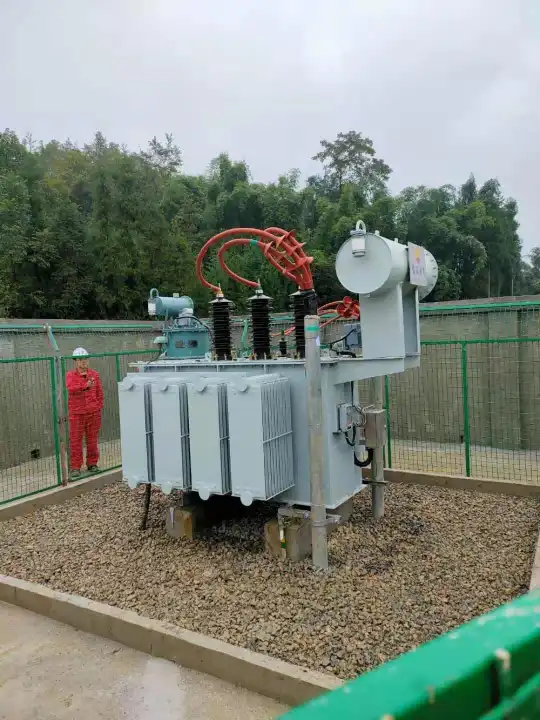
Voltage transfer is an important part of distributing energy efficiently. Power Transformers use electromagnetic induction to make this change possible. They move energy between circuits without changing the frequency, which is a very important principle when connecting renewable energy sources to existing infrastructure.
Step-up Power Transformers raise the voltage at the power plants, which lowers the flow of current and keeps resistive losses to a minimum during transmission. On the other hand, step-down units lower the voltage so that it can be safely sent to end users. Utility uses above 33kV mostly use oil-immersed designs because they are better at cooling and have a history of stability that goes back decades. People like dry types of variants in confined spaces and environmentally sensitive areas where fire safety and maintenance access are important. At Lijie Electric, we can make everything from small 35kV distribution units to ultra-high-voltage models with ratings of 500kV or more. Each one is designed to meet the needs of a specific grid topology.
The operating efficiency is determined by the windings, insulation systems, and cooling systems. A magnetic flux is made by winding copper or aluminum wires around laminated steel plates. This allows energy to be transferred. Over their 25–40-year service lives, insulation materials must be able to handle changes in temperature and electrical stress. Whether it's natural air flow, forced oil flow, or advanced directed cooling, these systems keep hotspots from forming, which speeds up the breakdown of insulation. Energy efficiency scores are directly related to the quality of the core material and the accuracy of the design of the windings. High-efficiency units cut down on both no-load and load losses, which lowers the overall cost of ownership by wasting less energy. At Lijie Electric, our 160+ engineering professionals make sure that these parameters are at their best by using strict testing methods approved by the National Transformer Quality Supervision and Inspection Center. This makes sure that the units meet IEC standards and performance goals set by each client.
Utility substations have to work all the time, even when the weather changes, because they are important links between power plants and transportation networks. Different problems arise at places that use renewable energy sources. For example, wind farms and solar panels produce fluctuating power flows with harmonic distortion that need specific Power Transformer designs. For offshore sites, weatherproof shelters with corrosion protection are needed. In the desert, better thermal control is needed. Power Transformers are often subject to load changes and high-order harmonics in heavy industrial settings that use electric arc furnaces or electrolysis processes. Our product line meets these different needs by letting you customize the insulation levels, cooling configurations, and structural reinforcements to fit the operational stresses that come up in infrastructure development, renewable energy projects, and industrial manufacturing.
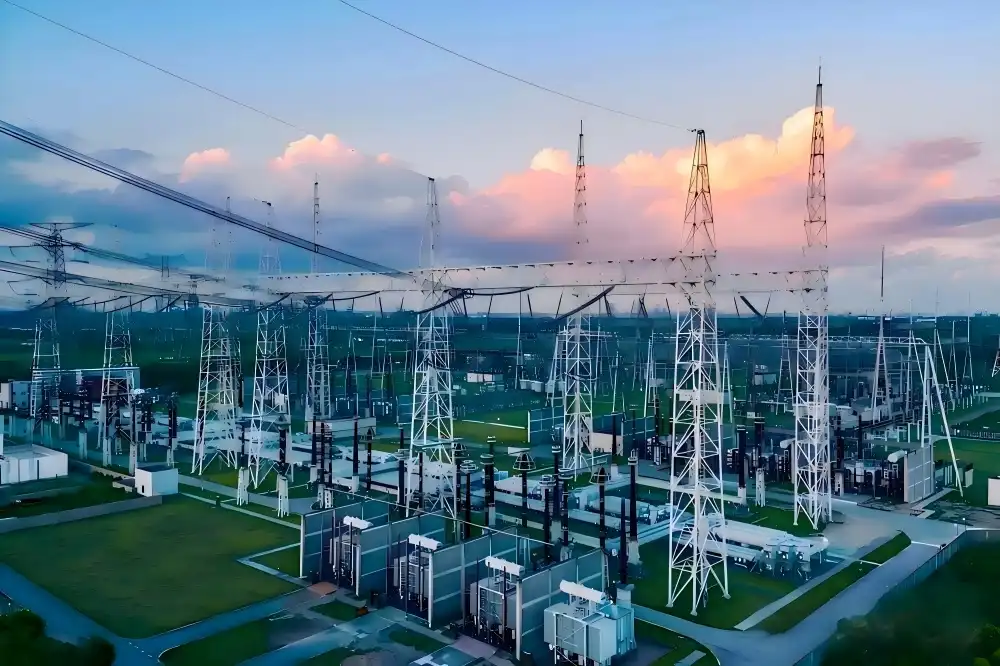
Problems with deployment go beyond the initial download for a Power Transformer. Real-world operations test how durable equipment is and how well repair plans work.
Overheating can happen when there isn't enough cooling, when the temperature outside is too high, or when the load profiles aren't expected and are higher than what was planned. Moisture getting in, temperature changing, and chemical pollution of dielectric fluids all cause insulation to break down slowly over time. In urban substations, noise pollution from magnetostriction in core laminations can be against the rules. By finding high levels of hydrogen, methane, and acetylene in insulating oil, dissolved gas analysis (DGA) can identify problems before they happen. Before insulation fails, thermographic surveys find the hotspots. Our ISO 9001:2015-certified quality control systems build these diagnostic methods into the way we make things. This way, when units leave our 500,000-square-meter production facilities, they leave with baseline performance metrics that have been recorded.
Regular oil sampling—once a year for normal uses and every six months for critical infrastructure—keeps an eye on the levels of acidity and moisture that show insulation is breaking down. Inspections of the cooling system make sure that the radiator is clean, the pump is working, and the fans are working. Monitoring the state of a bushing looks for changes in capacitance that show moisture getting in. Measurements of winding resistance show that the electricity is still working after a fault. The best practice in the business is to sample the oil once a year, but real-time online DGA tracking is better in high-stress areas. These maintenance intervals make Power Transformers last longer and cut down on unplanned power outages that throw off project schedules. Before signing contracts, procurement teams looking for large-scale infrastructure should make sure that suppliers can provide support services like installation help, starting procedures, and long-term service agreements.
When choosing equipment, it's important to make sure that the technical specs match the needs of the application and that the costs of acquisition and maintenance are balanced.
Oil-immersed Power Transformers work better with heat and cost less to buy at first per MVA rating. This makes them the best choice for utility substations and big renewable energy installations that have standard fire safety systems. Mineral oil has great dielectric strength and heat dissipation, but it needs to be kept in a contained area and tested for fluid quality on a regular basis. Dry-type units don't pose a fire risk because they have solid insulation systems. This lowers insurance costs and makes it easier to get permission to build in environmentally sensitive areas. Their higher starting costs are balanced out by the fact that they are easier to maintain and take up less room. We make both types at our factories in Xuzhou and Nantong. The dry types are made using epoxy resin encapsulation and vacuum pressure impregnation, which improve their moisture protection, which is important for coastal wind farm uses.
According to IEC 60076 standards, efficiency rates show how much no-load losses (core magnetism) and load losses (winding resistance) there are. In high-efficiency designs with amorphous alloy cores, no-load losses are cut by 70% compared to standard silicon steel. This saves a lot of energy over decades of use. To choose the right capacity, you need to look at the load profiles. Renewable systems have more changes than manufacturing facilities with steady processes. Oversizing gives you thermal margin when output is high, but it raises your capital costs and no-load losses when output is low. For right-sizing to work, electrical experts, project managers, and producers who can make things to order must work together. As part of our technical support, our team does load flow analysis to help procurement professionals find the best Power Transformer sizes for different grid expansion scenarios while still keeping N-1 planning margins.
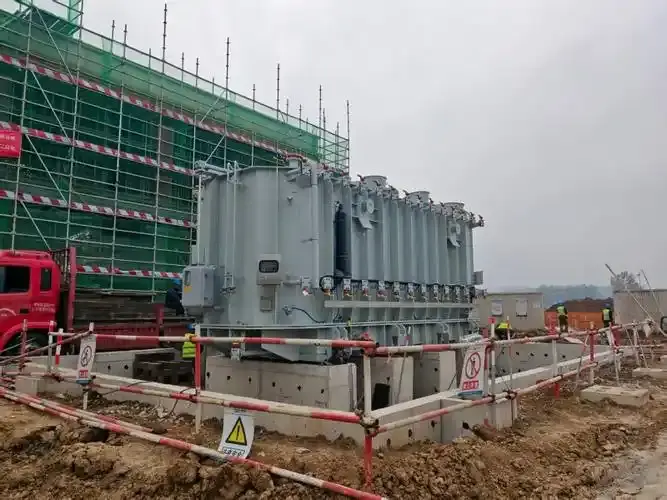
Evaluation of suppliers for a Power Transformer goes beyond just looking at the product specs. It also looks at things like manufacturing scale, certification compliance, and the ability to provide help after delivery.
How reliably bulk orders are filled depends on how much production capacity there is. Suppliers who have more than one production base and whose total yearly outputs are higher than industry standards show that they can handle breakdowns in the supply chain. Certification files show a dedication to quality. At the very least, ISO 9001 quality management, IEC product compliance, CE marking for European markets, and UL listing for North American projects are required. Energy saving certifications from groups like the China Quality Certification Center back up promises of good performance. Our two factories, one in Xuzhou and one in Nantong, with more than 2,000 workers, keep these certifications up to date while making Power Transformers that have been tested regularly, by type, and in special ways by state-approved labs. This gives procurement teams the proof they need for project approval processes.
Warranty terms show how confident you are in the product's durability. Protects project investments with full coverage over 25-year service lives and clear response protocols for field failures. Large Power Transformers have long lead times because they are hard to make. Suppliers who offer clear production schedules and milestone tracking lower project risk. Long outages can be avoided with after-sales support that includes help with commissioning, operator training, and the availability of spare parts. When shipping multiton pieces of equipment across international borders, you need to know a lot about customs and make special transportation plans. Our established export network to Australia, New Zealand, Southeast Asia, Central Asia, and Africa shows that we can handle these complicated situations. When talking about big purchases for EPC projects, it's helpful to talk about framework agreements that lock in prices but allow for phased delivery. This way, the needs of the supplier and the project's cash flow are met.
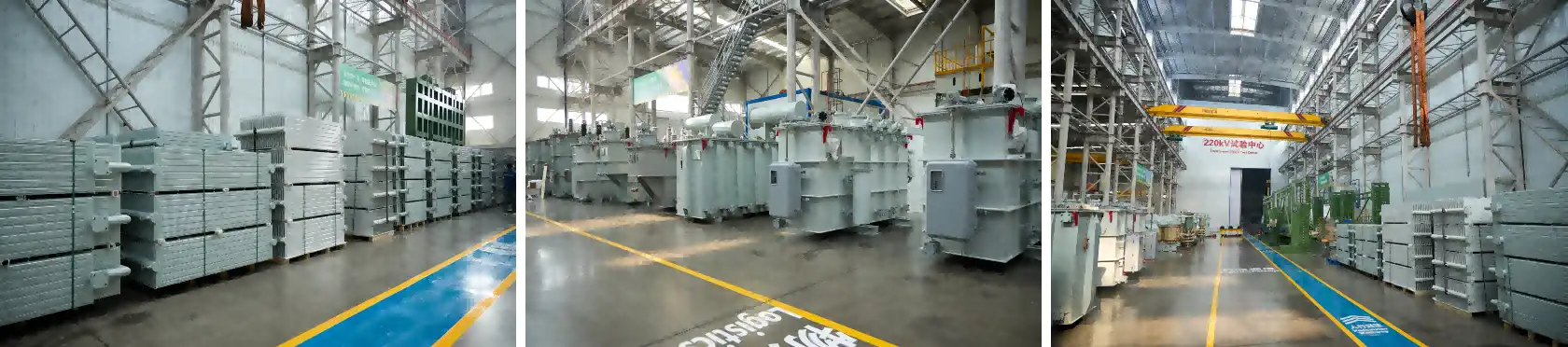
As technology changes, so do the skills of tools and the way it is maintained.
IoT-enabled sensors built into Power Transformers send real-time information about the temperature of the oil, the amount of dissolved gas, the activity of partial discharge, and the shaking of the windings. Cloud-based analytics systems use machine learning algorithms on past performance data to figure out what repairs need to be done before they happen. This condition-based maintenance approach cuts down on unexpected downtime and makes the best use of maintenance funds. Digital twins, which are virtual copies of physical assets, let you test different scenarios and guess how long something will last. As smart grid projects grow, these tracking features stop being options and become necessary for purchases.
Biodegradable ester fluids are replacing mineral oil because they are required by environmental laws. This lowers the environmental risks that come from accidental releases. Companies that are committed to sustainability use insulation materials that can be recycled and production methods that produce less pollution. Staged capacity expansion is easier with modular Power Transformer designs. Utilities can build the foundational infrastructure first and then add modules as demand grows, which keeps capital from sitting idle. These new ideas change the economics of grid expansion projects by lowering carbon footprints and increasing the rate at which assets are used. When these new technologies are used in procurement strategies, investments are protected against changes in regulations and stakeholder expectations in the future.
To find the right Power Transformer options for grid growth and integrating green energy, you have to find a balance between technical compatibility, cost, delivery certainty, and source dependability. Different types of designs, such as oil-immersed and dry, are used for different things. The costs of a project are directly affected by the efficiency scores and capacity sizes. Proactive maintenance increases the useful life of technology and lowers the chance of failure in key infrastructure. A supplier's evaluation should look at how big their factories are, how well they follow certification rules, and how well they can provide service after the product is delivered. In the next few years, new technologies like digital monitoring and eco-friendly materials will change how procurement is done. Electrical engineers and procurement managers can confidently choose Power Transformers now that they know these tips. This will help make sure that grid infrastructure meets stability standards and supports green energy goals.
Levels of voltage and design improvement are not at all the same thing. Power Transformers are units that work above 33kV and are most efficient when they are fully loaded. They serve transmission networks. Different types of distribution handle lower voltages and are designed to work with the different load profiles that end users usually use.
For normal utility purposes, oil samples taken once a year are enough. For renewable installations with loads that change a lot, testing should be done every six months or there should be constant online dissolved gas tracking to find early signs of degradation before insulation failure risks appear.
Custom manufacturing meets specific needs, such as those that come up in offshore wind farms that need better corrosion protection, small footprints for sites with limited space, or specific vector groups for running in parallel with existing infrastructure. Talking about the needs of the project early on in the procurement process leads to the best design solutions.
Lijie Electric adds decades of experience making high-quality products and coming up with new ideas to your grid growth projects. Our wide range of products, from 35kV compact substations to 500kV ultra-high-voltage units, can be used for any purpose, from building infrastructure for utilities to integrating renewable energy and providing power to heavy industries. As a certified Power Transformer manufacturer with ISO 9001, IEC compliance, CE, and UL certifications, we make sure that the equipment we sell meets international standards and is backed by strict testing protocols. Our 2,000-person staff and 500,000-square-meter production space make sure that big EPC projects can depend on us to deliver in bulk. Email our engineering team at lijieelectrical@gmail.com to talk about your unique power needs, energy goals, and project schedules. We offer custom solutions at fair prices, clear lead times, and full after-sales support, which includes help with commissioning and training for operators. You can look at our technical specs and get full quotes for your next infrastructure project at lijie-electrical.com.
1.IEEE Standard C57.12.00-2015, "General Requirements for Liquid-Immersed Distribution, Power, and Regulating Transformers," Institute of Electrical and Electronics Engineers, 2015.
2.International Electrotechnical Commission, "Power Transformers – Part 1: General," IEC 60076-1:2011, Geneva, Switzerland, 2011.
3.Harlow, J.H., "Electric Power Transformer Engineering, Third Edition," CRC Press, Boca Raton, Florida, 2017.
4.Kulkarni, S.V. and Khaparde, S.A., "Transformer Engineering: Design, Technology, and Diagnostics, Second Edition," CRC Press, Taylor & Francis Group, 2013.
5.Working Group A2.37, "Transformer Reliability Survey," CIGRE Technical Brochure 642, International Council on Large Electric Systems, Paris, France, 2015.
6.U.S. Department of Energy, "Large Power Transformers and the U.S. Electric Grid: Infrastructure Security and Resilience," Office of Electricity Delivery and Energy Reliability, Washington, D.C., 2014.
YOU MAY LIKE
12%20type%2035kV%20distribution%20transformer.webp)

12%20type%20epoxy%20resin%20cast%20transformer.webp)
18%20type%20epoxy%20resin%20cast%20transformer.webp)

April 27, 2025
With a tight project schedule, the manufacturer delivered on time, and on-site technical personnel provided guidance throughout the entire installation and commissioning process; the collaboration was highly efficient and hassle-free.
July 2, 2025
During the preliminary phase, a selection plan was custom-tailored based on the actual site load requirements, resulting in a high degree of parameter compatibility. After-sales support responds within two hours, and ongoing technical support for operation and maintenance is comprehensive; we feel completely confident in a long-term partnership.
November 18, 2025
Deployed as a supporting component for a 35kV grid-connection project at a photovoltaic power station, the equipment operates for an average of 16 hours daily. It demonstrates excellent control over no-load losses, ensures smooth power generation and grid integration, and effectively reduces the station's overall energy consumption.
January 30, 2026
Under the continuous, high-load operating conditions of a factory production line, the equipment maintains stable electrical parameters and exhibits strong overload resistance, thereby guaranteeing an uninterrupted power supply for industrial production.
April 3, 2026
Integrated as a supporting component for a new energy photovoltaic grid-connection system, the manufacturer provided professional technical coordination and timely after-sales support, ensuring seamless adaptation to the specific electrical operating conditions required for grid integration.