April 27, 2025
With a tight project schedule, the manufacturer delivered on time, and on-site technical personnel provided guidance throughout the entire installation and commissioning process; the collaboration was highly efficient and hassle-free.
Sep 27, 2026
Urban energy infrastructure demands equipment that works quietly, reliably, and safely — often invisible to the public but critical to every building, hospital, and transit hub it powers. The pad mount transformer, also known as a distribution box unit in many utility specifications, sits at the heart of this underground delivery system. Whether you manage procurement for a regional utility, oversee electrical design for a mixed-use development, or coordinate EPC project logistics, understanding how these ground-level units perform — and how to source them wisely — directly affects your project's long-term cost and reliability.
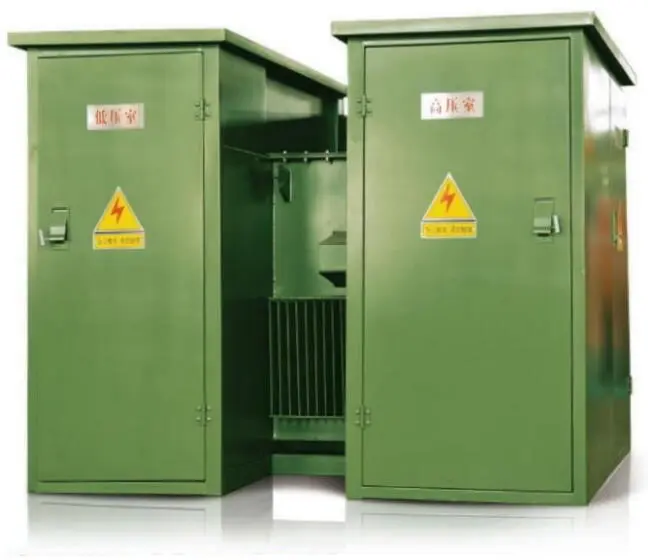
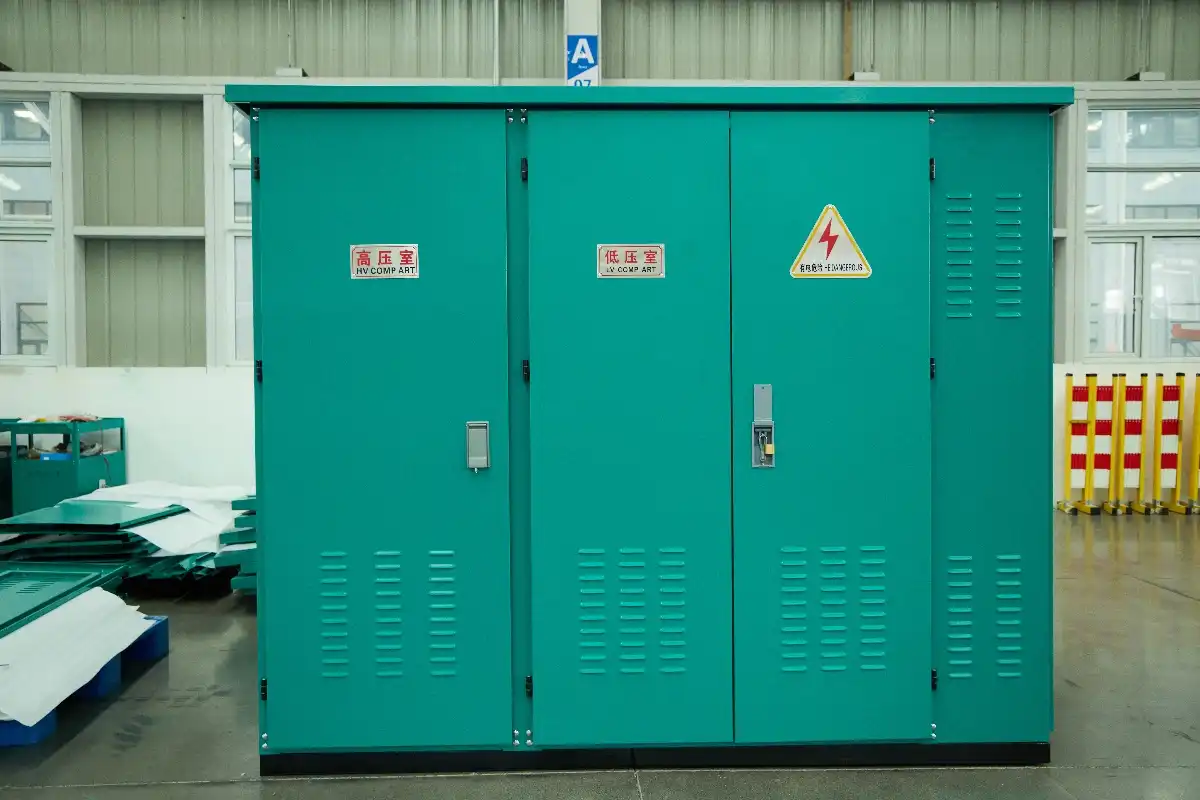
A pad mount transformer is a distribution unit that is submerged in oil and can't be tampered with. It is fixed on a concrete pad at ground level and is powered by wires buried in the ground instead of lines that run above. Pad-mounted designs keep all live parts inside a locked steel box, which is very helpful in areas with a lot of traffic. This is in contrast to pole-mounted units that are exposed to weather and physical damage or open-frame dry-type units that work well in switchgear rooms inside buildings.
Standard pad mount transformers handle primary voltages of 4kV to 35kV and secondary outputs of 120/240V or 277/480V for urban grids in North America. kVA ratings start at 25 kVA for private lateral feeds and go up to 2,500 kVA for business buildings. Mineral oil or an ester fluid that is less likely to catch fire acts as both insulation and a heat manager. The sealed tank design keeps noise levels below 60 decibels, which is an important requirement for residential areas.
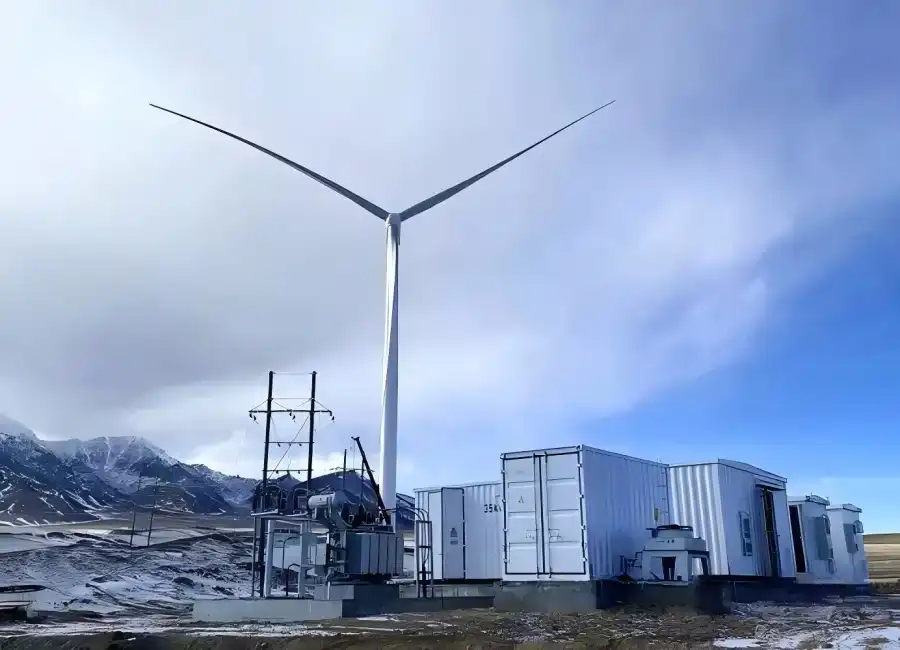
These units show up in three serious situations in modern city growth. In residential underground distribution, they completely replace overhead lines, lowering the voltage so that it is safe for housing estates with no exposed wires near people walking. In business and school buildings like shopping malls, hospitals, and universities, they provide constant power with a small surface area, meeting both safety and aesthetic zoning standards. In the integration of renewable energy, specially coated variants act as step-up interfaces at wind farms and solar farms. They are made to withstand UV radiation and salty environments while handling changing load cycles without losing performance.
Picking between transformer configurations isn't just a matter of taste; it's also an engineering and financial choice that will have effects for 20 to 30 years. Here is a planned way to look at your choices.
Pole-mounted units are cheaper to place at first, but the wires are more likely to be damaged by storms, ice, and cars. For maintenance, they need bucket trucks, lane closures, and power outages that project managers in cities don't usually have time for. Dry-type transformers don't use oil, so there is no chance of fire. However, they have higher core losses at partial load, which is a big cost issue for business buildings that are usually only 40 to 60% loaded for most of the year.
These pros and cons are well balanced in the pad mount transformer (distribution box) configuration. Here are the main things that buying engineers always look at when making decisions:
Because of these factors, pad mount units are the best ground-level distribution option for city utility planners, real estate developers, and local infrastructure teams that need a reliable power supply with a low profile.
Structured review rounds, not reactive maintenance, are what make performance stable over a 25- to 30-year service life. Testing the dielectric strength of insulating oil once a year finds moisture intrusion before it lowers the resistance of the insulation. Checking the gaskets stops oil from leaking, which is against EPA rules for electrical equipment that is filled with oil and causes environmental problems. Thermal imaging during load peaks can find hotspots in windings before they speed up the aging of the insulation.
There are stresses in cities that aren't as common in rural areas. When cabinets are mounted at ground level, they are exposed to road salt spray, particulates from vehicle exhaust, and flooding that can happen in low-lying areas. In these situations, corrosion-resistant cabinet coatings and stainless steel hardware make repair times much longer. The National Electrical Safety Code (NESC) still says that in public places, vandalism protection like reinforced hinges, puck locks, and clearly posted warning signs must be used.
When thermal relays trip over and over or oil pressure relief vents open, these are diagnostic signals that need to be looked at right away by a professional, not just reset and monitored. If you don't get professional help at these points, a simple winding repair will usually turn into a full unit replacement, which is something that no project budget wants to happen.
The global pad mount transformer market is very strong because of the growth of underground utilities and the addition of green energy to the power grid. When purchasing units for big city projects, procurement teams should base their evaluation of suppliers on a set of non-negotiable criteria.
Compliance with certification is essential. For the U.S. market, units need to meet ANSI C57.12.25, be certified by UL or CSA, and be in line with local rules for connecting utilities. When it comes to projects that are meant to be exported, IEC 60076 certification opens up more deployment options across foreign grid states. Suppliers with ISO 9001:2015 quality management certification show that they have documented control over the production process. This is especially important when buying in large quantities, since the consistency of each unit directly affects installation plans.
Customization response is what sets capable makers apart from suppliers who only have catalogs. A lot of the time, urban infrastructure projects need kVA values that aren't the norm, secondary windings that handle two voltages, better corrosion protection, or certain cable termination layouts. If a manufacturer has real engineering capacity, they can meet these needs within standard wait times instead of taking each variation as a separate order that takes longer to fill.
Long-term framework deals that allow bulk procurement make it possible to plan for supply times and costs that are predictable. Locking in delivery windows 90–180 days before installation goals is normal practice among experienced buyers who are in charge of purchasing for multi-phase urban development projects.
The most important change coming soon to pad-mounted distribution equipment is the addition of smart monitoring. IoT-enabled sensors built into transformer tanks now send real-time data to utility SCADA systems about oil temperature, load current, and dissolved gas. This lets repair schedules be based on conditions instead of inspection rounds that are based on the calendar. This feature cuts down on unexpected power outages, which is something that urban companies are being held to higher standards of performance by regulators.
Mineral oil is being replaced with ester-based dielectric fluids in places that are good for the environment, like urban parks, coastal areas, and places above drinking water aquifers. Natural ester fluids have higher fire points (above 300°C vs. 160°C for mineral oil) and are biodegradable according to EPA rules. This lowers the risk of fire and the company's environmental liability. Noise reduction through improved core lamination materials is also getting better, which makes it easier to place transformers in mixed-use areas where noise levels affect occupancy permits.
Pad mount transformers are an important part of every modern grid that works. Because they can be installed at ground level, are sealed, and work with underground cable networks, they are a good choice for utility projects, business developments, and integrating green energy. Choosing the right unit and supplier is what will determine whether your project meets its performance goals over the next 25 to 30 years or ends up costing more than it needs to in maintenance fees.
At ground level, a pad mount transformer is put on a concrete pad, and wires run through the ground to connect to other devices. A unit that is placed on a utility pole feeds power to distribution lines that are high up. Pad mount designs are common for urban underground distribution networks because they offer better protection from weather and physical hazards, less noise, and a smaller footprint above ground.
The standard is to check the oil dielectric strength, gasket integrity, cabinet rust, and temperature performance once a year. In cities with a lot of pollution, like coastal, industrial, or high-traffic areas, cabinets may need to be inspected every six months to catch corrosion or seal degradation before it affects the inside parts.
The units should have UL or CSA product approval, be in line with ANSI C57.12.25, and meet the requirements for connecting to local utilities. Suppliers with ISO 9001:2015 approval show that they control the quality of their products. IEC 60076-compliant units give you more options for how to set them up for jobs that span borders.
Yes. Pad mount and distribution box units that have been specially designed can be used as step-up interfaces in solar and wind installations. They have coatings that can withstand UV and saltwater exposure and are made to work with the changing load profiles that are common at green power sites.
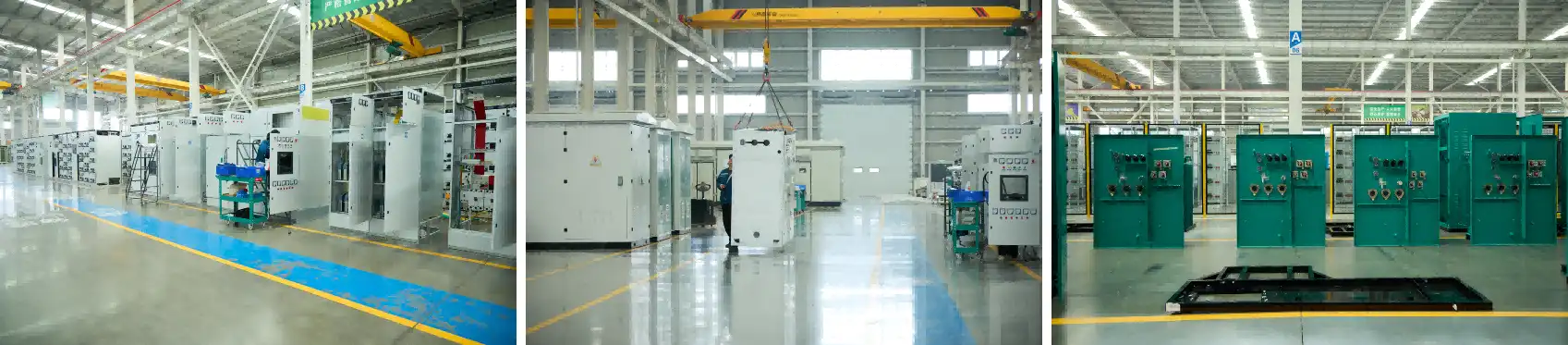
Lijie Electric manufactures certified pad mount transformer and distribution box units built for the demanding requirements of urban infrastructure, utility grids, and renewable energy integration. Our product line carries ISO 9001:2015, CE, UL, and IEC certifications, with annual production capacity supporting large-volume, schedule-critical procurement. Contact our engineering team for a customized quotation tailored to your project specifications.
Website: lijie-electrical.com
Email: lijieelectrical@gmail.com
1. U.S. Energy Information Administration. (2023). Electric Power Distribution in the United States. Retrieved from https://www.eia.gov/energyexplained/electricity/delivery-to-consumers.php
2. IEEE Standards Association. (2019). IEEE C57.12.25: Standard for Pad-Mounted, Compartmental-Type, Self-Cooled, Single-Phase Distribution Transformers. Retrieved from https://standards.ieee.org/ieee/C57.12.25/6527/
3. National Renewable Energy Laboratory. (2022). Grid Integration of Distributed Solar: Technical Considerations for Distribution Equipment. Retrieved from https://www.nrel.gov/grid/solar-integration.html
4. International Electrotechnical Commission. (2020). IEC 60076-1: Power Transformers – General Requirements. Retrieved from https://webstore.iec.ch/publication/593
5. Electrical Construction & Maintenance Magazine. (2023). Sourcing Strategies for Large-Scale Transformer Procurement in Infrastructure Projects. Retrieved from https://www.ecmweb.com/
6. CIGRE Working Group A2.49. (2022). Condition Monitoring and Diagnostics of Power Transformers. Retrieved from https://www.cigre.org/
YOU MAY LIKE
10%20type%2035kV%20transformer.webp)


H15%20type%20three-phase%20fully%20sealed%20distribution%20transformer.webp)
18%20type%2035KV%20power%20transformer.webp)

April 27, 2025
With a tight project schedule, the manufacturer delivered on time, and on-site technical personnel provided guidance throughout the entire installation and commissioning process; the collaboration was highly efficient and hassle-free.
July 2, 2025
During the preliminary phase, a selection plan was custom-tailored based on the actual site load requirements, resulting in a high degree of parameter compatibility. After-sales support responds within two hours, and ongoing technical support for operation and maintenance is comprehensive; we feel completely confident in a long-term partnership.
November 18, 2025
Deployed as a supporting component for a 35kV grid-connection project at a photovoltaic power station, the equipment operates for an average of 16 hours daily. It demonstrates excellent control over no-load losses, ensures smooth power generation and grid integration, and effectively reduces the station's overall energy consumption.
January 30, 2026
Under the continuous, high-load operating conditions of a factory production line, the equipment maintains stable electrical parameters and exhibits strong overload resistance, thereby guaranteeing an uninterrupted power supply for industrial production.
April 3, 2026
Integrated as a supporting component for a new energy photovoltaic grid-connection system, the manufacturer provided professional technical coordination and timely after-sales support, ensuring seamless adaptation to the specific electrical operating conditions required for grid integration.