April 27, 2025
With a tight project schedule, the manufacturer delivered on time, and on-site technical personnel provided guidance throughout the entire installation and commissioning process; the collaboration was highly efficient and hassle-free.
Sep 27, 2026
As the number of battery energy storage systems (BESS) grows across the US, one quiet part decides whether the whole system works or not: the step-up generator. You need to know how voltage-boosting transformers work in BESS architecture whether you're an electrical engineer choosing equipment for a 100MW grid-scale project or a procurement manager looking for reliable hardware for a renewable energy integration contract.
The low AC voltage output from battery inverters is raised by a step-up transformer to the higher voltage levels needed by transmission and distribution grids. Without this voltage change, battery banks' stored energy just can't get to the grid efficiently. According to the U.S. Department of Energy, grid-scale battery storage capacity in the U.S. surpassed 26 GW in 2024, and the number keeps going up. Before reaching the grid, each megawatt-hour of that saved energy goes through a generator.
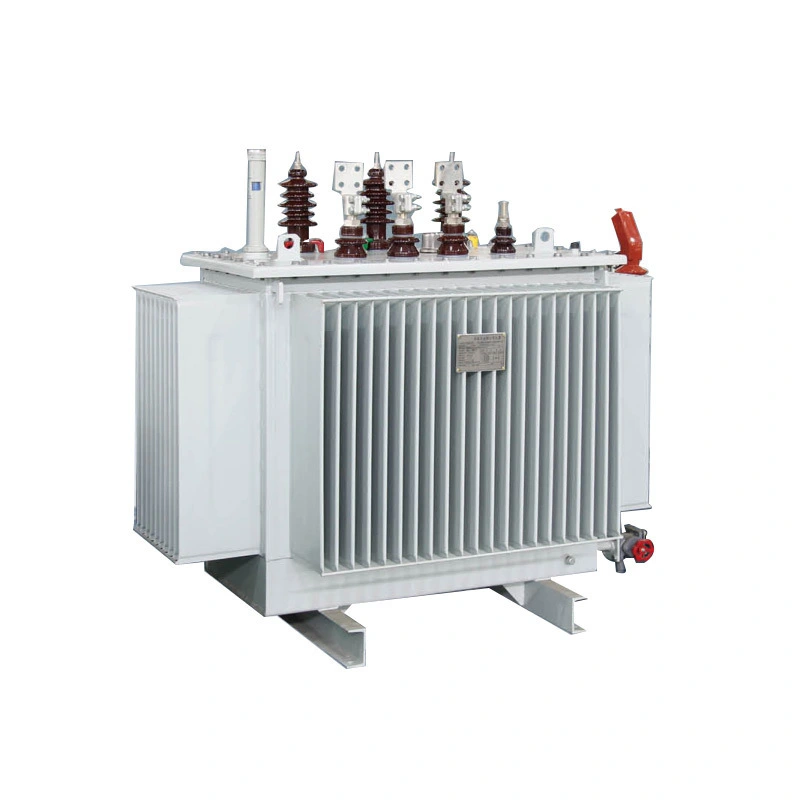
Faraday's Law of Electromagnetic Induction tells us how a step-up transformer works. Its secondary winding has more turns than its primary winding, which makes the output voltage higher while lowering the current by the same amount. In a BESS setting, the battery pack sends DC power to an inverter, which changes it into low-voltage AC power, usually between 480V and 690V. This voltage is then raised by the transformer to meet the needs of connecting to the grid. In the United States, this usually means using voltages between 12kV and 138kV.
What makes this different from a step-down transformer is important. Step-down units lower the voltage so that end users can use it, and step-up units send power back to the grid. If you pick the wrong way or use a unit that is reverse-fed without the right derating, you will waste energy, put it under stress, and risk its long-term dependability.
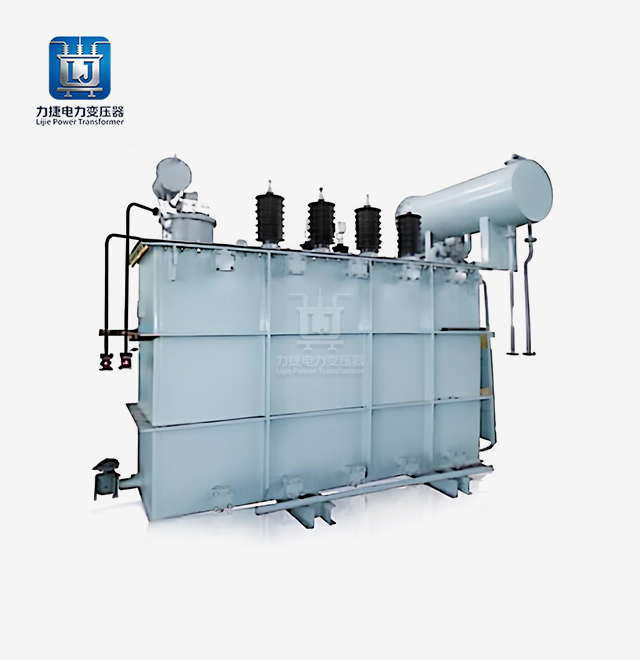
There are two main types of transformers used in BESS. Because they use air or resin as insulation, dry-type transformers are great for use indoors, where fire safety is important. Oil-immersed transformers that are cooled by ONAN or ONAF work better in tough outdoor settings and with higher power levels. The right choice will depend on the power rating of the site, the weather, and any safety codes that apply.
The step-up transformer has three jobs that are all linked and depend on each other in a BESS system. Each job solves a different technical problem.
When these units are actually sent out, they do the following main jobs:
These jobs are not just ideas; ABB has documented transformer-integrated BESS deployments in industrial energy storage projects where exact impedance matching and galvanic separation made commissioning a lot easier. When compared to separate isolation transformers, specialised step-up units with built-in isolation have better lifecycle economics because they don't need any extra isolation steps.
To keep performance at its best, different types of transformers need to have their oil samples or resin inspected on a regular basis. IEC 60076-1 recommends that oil-immersed units get a Dissolved Gas Analysis (DGA) once a year to find insulation breakdown before it leads to failures.
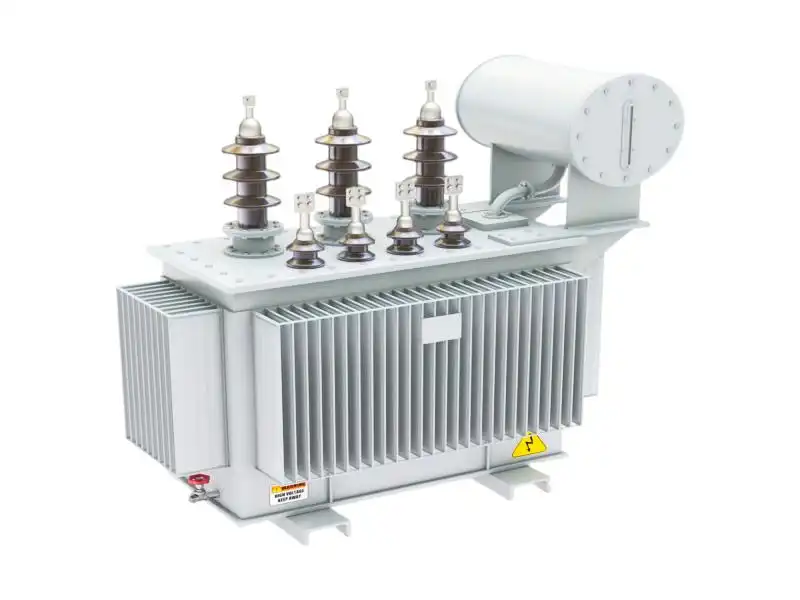
When it comes to procurement, choosing the right unit can either protect or hurt a project's financial performance. Before committing to a supplier, I think procurement specialists should look at the following:
When looking at global brands, ABB and Siemens are known for their high-end custom engineering of Step-up Transformer solutions. Schneider Electric and Eaton, on the other hand, have strong distribution networks all over North America. GE has strong options for integrating utility-scale grids. When project schedules are set, the fact that each brand has different lead times and price ranges is important. Asian suppliers, especially those with IEC, CE, and UL standards, are becoming more and more competitive when it comes to buying in bulk without losing technical quality.
Setting up the wiring is the first step in a proper installation. When used in BESS, the transformer's main of the transformer connects to the output of the inverter, and the secondary connects to the point of interconnection (POI). Delta-wye (Dyn11) vector group setups are popular because they stop third-harmonic currents and give the grid side a neutral reference.
Two tests must be done before energising. A voltage ratio test shows that the turning ratio is within ±0.5% of what was planned. Using a 2,500V or 5,000V megohmmeter to test the insulation resistance makes sure that the quality of the wire insulation meets IEC standards. Skipping these steps has led to expensive problems during setup in a number of industrial BESS operations.
When these maintenance parameters are applied correctly, Step-up Transformer performance can be reliably monitored through regular inspections. Every year, thermal imaging should be used to identify hotspots, and every six months, insulation resistance should be checked, with DGA applied for oil-filled units. A written checkup checklist helps reduce unplanned downtime and supports warranty claims. Transformers that use Class F or H insulation systems and operate within recommended temperature limits typically have a service life of 25 to 30 years.
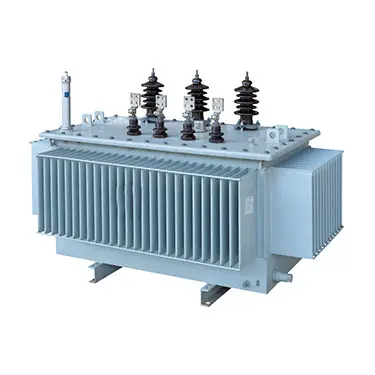
The market for BESS transformers isn't always the same. IoT-enabled sensors that check temperature, partial discharge, and shaking in real time are now built into small, high-efficiency designs. This information is used by platforms for predictive maintenance, which cuts down on unplanned outages and increases the life of assets. According to Wood Mackenzie, investments in grid-scale battery storage will total more than $620 billion by 2030. This means that there will be a constant need for improved generator solutions.
Procurement is also changing because of pressure from regulators. Manufacturers are being pushed toward lower no-load loss designs by the U.S. Department of Energy's transformer efficiency rules, which have been in effect since 2016 and are being looked at for possible tightening. Buying teams that make deals with companies that spend money on research and development now will save money in the long run because they won't have to pay to fix or replace units that don't meet standards.
Battery energy storage systems can't work without step-up transformers. They keep the power quality safe, provide galvanic isolation, and bridge the voltage gap between battery inverters and the grid. They also work reliably for decades. As the use of BESS grows in the US in the utility, industrial, and renewable energy sectors, the choices made today about transformer specs and suppliers will determine how well the system works for the next 25 years. The fastest way to a successful project outcome is to put technical compatibility, certified quality, and manufacturer reliability at the top of your list.
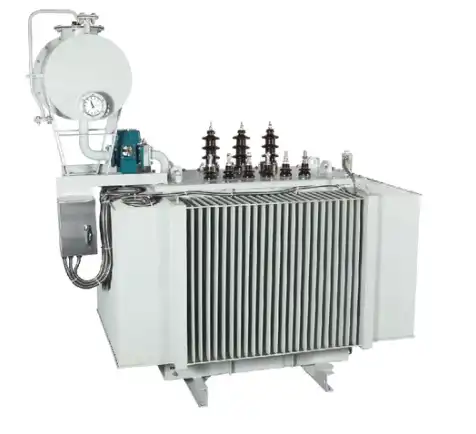
Most BESS uses step-up from 480V to 690V (inverter output) to 12kV to 138kV, based on the voltage at the power hookup. The exact amount depends on the project and needs to be checked with the grid operator before it is bought.
The Dyn11 setup stops third-harmonic currents from being generated by moving inverters and keeps the neutral on the grid side fixed, which supports IEEE 1547-2018 interface compliance.
During charge/discharge processes, fault current levels and voltage control are set by impedance. If the impedance standard is wrong, it can make relays not work properly or cause voltage changes at the point of connection.
Dry-type units can be used outside as long as they are protected from the weather in shelters with the right IP ratings. For high power ratings and direct outdoor exposure, oil-immersed units with sealed tanks usually do a better job of keeping heat in.
For BESS-connected transformers, testing is usually done once a year. According to IEC rules, any number below 1,000 M³ needs to be looked into more before the process can continue.
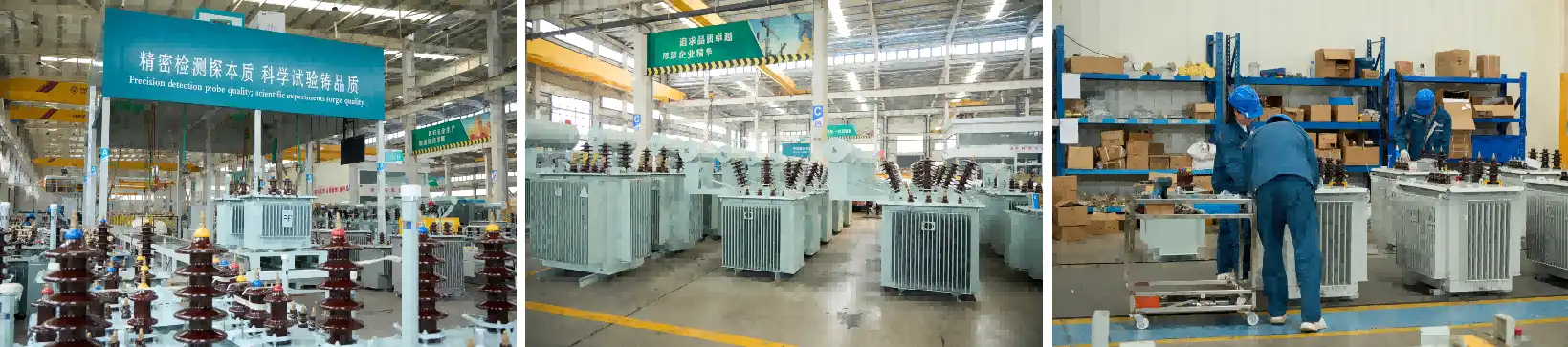
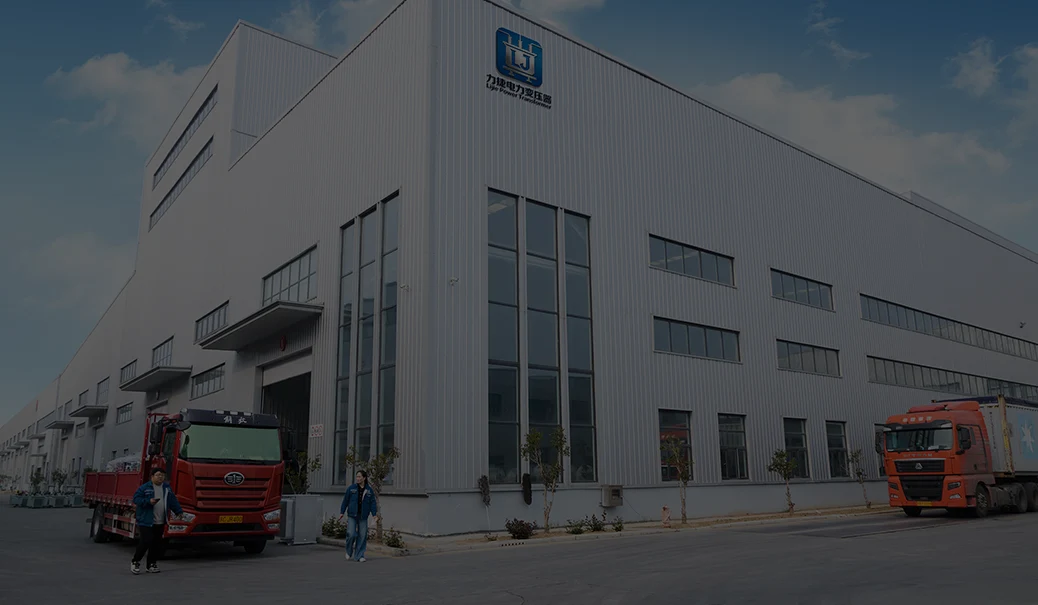
Lijie Electric is a trusted step-up transformer manufacturer serving utility, renewable energy, and industrial clients across global markets. With IEC, CE, UL, and ISO 9001:2015 certifications, annual sales exceeding 5 billion RMB, and manufacturing facilities spanning 500,000 square meters, we deliver custom and standard solutions built for long-term BESS performance. Contact our engineering team today to discuss your project specifications at lijieelectrical@gmail.com or visit lijie-electrical.com.
1. U.S. Department of Energy, Grid Energy Storage Technology Cost and Performance Assessment, 2023.
2. Wood Mackenzie, Global Energy Storage Outlook, 2023.
3. IEEE Standard 1547-2018, Standard for Interconnection and Interoperability of Distributed Energy Resources with Associated Electric Power Systems Interfaces, IEEE, 2018.
4. IEC 60076-1, Power Transformers – Part 1: General, International Electrotechnical Commission, 2011.
5. IEEE C57.12.00, IEEE Standard for General Requirements for Liquid-Immersed Distribution, Power, and Regulating Transformers, IEEE, 2021.
6. U.S. Department of Energy, Energy Conservation Standards for Distribution Transformers: Final Rule, Federal Register, 2016.
YOU MAY LIKE


18%20type%2035KV%20power%20transformer.webp)

April 27, 2025
With a tight project schedule, the manufacturer delivered on time, and on-site technical personnel provided guidance throughout the entire installation and commissioning process; the collaboration was highly efficient and hassle-free.
July 2, 2025
During the preliminary phase, a selection plan was custom-tailored based on the actual site load requirements, resulting in a high degree of parameter compatibility. After-sales support responds within two hours, and ongoing technical support for operation and maintenance is comprehensive; we feel completely confident in a long-term partnership.
November 18, 2025
Deployed as a supporting component for a 35kV grid-connection project at a photovoltaic power station, the equipment operates for an average of 16 hours daily. It demonstrates excellent control over no-load losses, ensures smooth power generation and grid integration, and effectively reduces the station's overall energy consumption.
January 30, 2026
Under the continuous, high-load operating conditions of a factory production line, the equipment maintains stable electrical parameters and exhibits strong overload resistance, thereby guaranteeing an uninterrupted power supply for industrial production.
April 3, 2026
Integrated as a supporting component for a new energy photovoltaic grid-connection system, the manufacturer provided professional technical coordination and timely after-sales support, ensuring seamless adaptation to the specific electrical operating conditions required for grid integration.