April 27, 2025
With a tight project schedule, the manufacturer delivered on time, and on-site technical personnel provided guidance throughout the entire installation and commissioning process; the collaboration was highly efficient and hassle-free.
Aug 29, 2026
When specifying transformers for high-stakes indoor installations—data centers, hospitals, commercial towers, or renewable energy facilities—choosing the right manufacturing partner becomes mission-critical. A specialized dry-type transformer factory develops units that eliminate fire hazards, reduce environmental liabilities, and deliver decades of consistent performance. These facilities employ vacuum pressure impregnation and cast resin technologies, producing self-extinguishing, moisture-resistant equipment tailored for sensitive infrastructure environments where traditional oil-filled designs pose unacceptable risks.
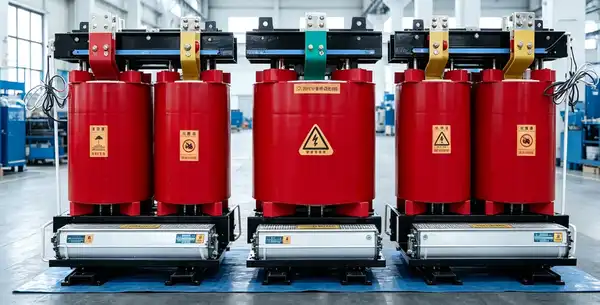
A Dry-type Transformer Factory is a specialized industry environment built around technologies for solid insulation. Unlike most production lines that use oil, these ones focus on precision casting, vacuum impregnation rooms, and climate-controlled curing heaters. On the plant floor, there are automatic winding stations, computer-controlled resin mixing systems, and environmental test rooms that can quickly simulate decades of operational stress.
The main goals of the facility are to solve three problems that are bothering the industry: getting rid of the terrible fire risks in cities; stopping the contamination risks from dielectric fluid leaks; and lowering the ongoing costs of oil tests and filters. By using epoxy resin or aramid paper insulation systems instead of liquid coolants that are rated to Class F (155°C) or Class H (180°C), manufacturers can make units that can be put right in places where people are, which is something that oil-filled designs can never do safely.
Cold-rolled grain-oriented silicon steel is used to make the cores, which are then stacked and glued together to make low-loss magnetic cores. Copper or aluminum wires are carefully wound onto insulating formers, and dielectric barriers are added one layer at a time to keep electrical stress from building up. The core-coil structure that has been put together is put into a vacuum room, which removes all the air and wetness. Epoxy resin is then added under controlled pressure, filling every tiny space.
After being impregnated, the units are cured in ovens that keep exact thermal profiles. If the curing process goes too fast, internal stresses form; if it goes too slow, production throughput drops. Once the transformer has cured, it goes through a series of thorough electrical tests. These include measuring the partial discharge (usually below 10pC to make sure there are no air bubbles in the casting), simulating lightning strikes with impulse voltage tests to make sure it meets the Basic Insulation Level, and checking the thermal performance against insulation class limits with temperature rise tests. Units that pass all of the tests are sent to be put together in the enclosure and sent out for delivery.
Cast resin transformers fully cover the windings in solid epoxy. This makes them more resistant to moisture and stronger, making them perfect for marine or industrial settings. Vacuum pressure impregnated (VPI) units coat pre-formed windings with resin. This makes them cost-effective while still providing reliable performance for standard commercial installations. Open-ventilated designs use natural air cooling and can handle loads up to several megavolt-amperes. Forced-air designs increase capacity by 40% with built-in fan systems, which is very important for data centers and industrial buildings that are limited in space but need to handle a lot of load.
The ratings for enclosures range from IP20 for controlled indoor environments to IP54 for installations that have to deal with dust or humidity problems. This adaptability lets engineers fit the conditions of a given place without lowering safety standards, which is especially important when fixing old infrastructure or creating new points for integrating green energy.
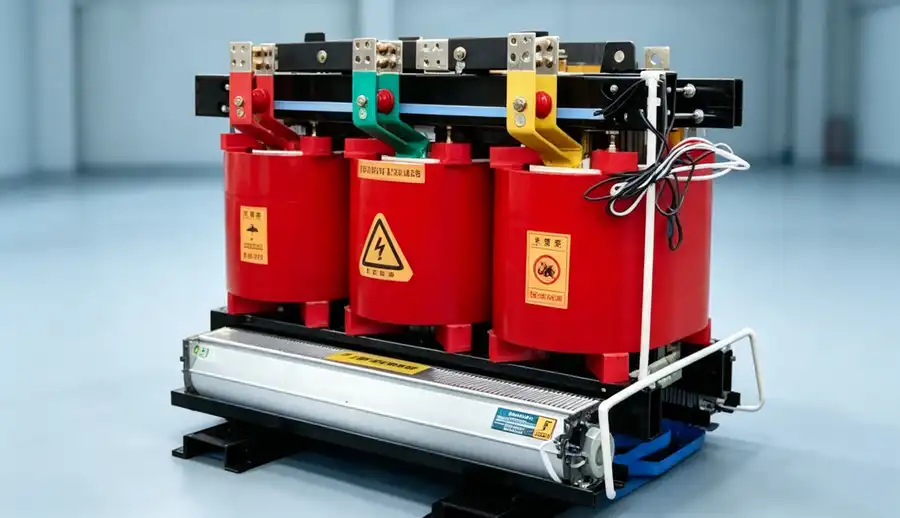
Traditional transformers that are filled with oil have hundreds of gallons of flammable dielectric fluid inside them. This means that they need special safe vaults, suppression systems, and environmental protection. Dry-type units get rid of this whole group of risks. If there is a fault, the resin insulation will put out the fire on its own because it doesn't produce any flammable vapors. Because of this one feature, it can be installed in basements, mechanical rooms on roofs, and close to important loads, which are all places where oil-filled alternatives would never be allowed by code officials.
Environmental compliance also gets a lot better with a Dry-type Transformer Factory product. There is no chance that the soil or groundwater will become contaminated, there is no need to regularly sample for oil and pay for disposal, and decommissioning turns into simple recycling of materials instead of managing hazardous waste. Facilities that want to get LEED recognition or have to follow strict environmental rules find that these benefits directly lead to project success and lower long-term running costs.
Even though solid insulation limits what modern dry-type systems can do, they still achieve amazing electrical performance. The units meet the requirements of IEC 60076-11 and IEEE C57.12.01, and the dielectric strength is checked by approved labs for both regular and type testing. In industrial settings, short-circuit withstand capability is often the deciding factor. Mechanical stress requirements are met by stronger winding structures and better locking systems.
Choosing the right cooling method based on load profiles is an important part of thermal management. Natural air (AN) cooling works best in situations with moderate loads and enough air flow, while forced air (AF) systems keep temperatures from rising too much when they are constantly loaded with heavy things. Temperature rise tests show that hotspot temperatures stay within the limits of their insulation class, even during times of high demand. This keeps the life of the asset safe.
Sound level measures make sure that NEMA ST-20 rules are followed, which is a common worry when units are placed near areas that are already in use. Quality certifications give procurement teams proof that something is true. ISO 9001:2015 proves that the manufacturing process is disciplined, and the CE and UL marks show that the product meets North American and European safety standards.
IEC certification for 10kV and 35kV goods means that they are compatible with international project standards. This makes it easier to get approvals for deployments across borders. Ratings for energy efficiency from groups like CQC measure the benefits over the whole lifetime. This helps with total-cost-of-ownership analyses, which are becoming more and more important in buying decisions.
When purchasing managers look at different transformers, the original unit cost is only one part of a complicated financial equation. Dry-type designs usually cost more at first than similar oil-filled ratings, but lifetime analysis can often turn this problem around. A lot less maintenance is needed because there is no need to filter the oil, analyze the dissolved gasses, inspect the tank, or replace the gaskets. Facilities that don't have their own transformer maintenance experts avoid paying a lot of money for service contracts or testing fees charged by a third party.
Over decades of running, gains in energy efficiency add up. Low-loss core materials and optimized winding shapes cut down on both no-load and load losses, which means that your energy bills will go down. A 1500 kVA unit that runs all the time could lose $15,000 a year. A 10% improvement in efficiency would pay for itself in $1,500 a year, or $45,000 over a modest 30-year service life. Utility rebates and incentives for high-efficiency equipment make projects even more cost-effective, especially for large commercial developments or renewable energy installations that can get better financing.
These benefits can be seen and felt in real-world deployments. A recent project to integrate wind farms called for cast resin units to be used in collector substations. They said this would make maintenance easier at remote sites and get rid of the need for spill containment infrastructure. Even though the price of the equipment went up, the total cost of the project went down, and the planned service intervals went from every three months to once a year, which cut operational costs by almost 70% over the first five years.
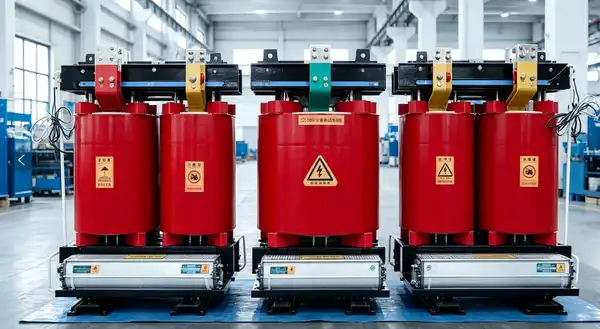
Finding a reliable manufacturing partner requires a thorough look at a lot of different factors. Quality management system certifications are the building blocks. For example, ISO 9001 shows that the process is disciplined, and ISO 27922 for after-sales care shows that the business is focused on the customer. Third-party agency factory audit records give you a clear picture of how well a factory can make things, showing whether high-level claims match up with what happens on the shop floor.
How flexible a manufacturer is with customization decides whether they can really meet the needs of a project or just sell catalog items that require design sacrifices. Is it possible for the manufacturer to change the voltage ratios, winding links, or enclosure sizes without having to wait too long? Do engineering teams know a lot about the applications they're working on and work together on load flow studies and harmonic mitigation instead of just giving standard specs? These skills set strategic partners apart from regular sellers.
Project timelines are kept safe by production capacity and delivery success records. For big infrastructure projects, dozens or even hundreds of units need to be shipped in coordinated waves. Missing just one shipment can cause delays all over the work timeline. Risk assessment includes looking at how similar projects have done in the past, making sure that the factory can handle the amount of work that needs to be done, and learning how resilient the supply chain is for important materials like copper and silicon steel.
A competitive pricing study must look at more than just unit cost; it must also look at the total value provided. Getting electrical equipment from one place to another requires special handling, paperwork for international shipments, and marine insurance that takes into account how valuable and fragile the equipment is. These problems are easier to solve for factories that have been exporting for a while, as they can often negotiate better carrier rates that smaller manufacturers can't get.
The terms of the warranty show that the manufacturer trusts the product to work well. Standard products usually cover manufacturing defects for 18 to 24 months. However, top manufacturers extend coverage to five years or base protection on operational hours instead of calendar time. This is because they know that equipment that is put into service gradually over the course of a project's lifecycle will be subject to different aging stresses. How warranty claims are handled is just as important as how quickly technical help is provided and new parts are kept on hand. Long approval chains cause more downtime and hurt trust.
After-sales support ensures that operations can continue for the life of an asset, and a Dry-type Transformer Factory with field service staff in your area prevents the need to send equipment back across continents for repairs. Are expert instructions complete and written in the language of the country? Can the engineering team make new parts for units that were made decades ago, or does the need to replace them too soon cause obsolescence? Answering these questions when choosing a supplier will keep you from being frustrated when you need emergency help.
Buying things internationally adds more difficulty than buying things in your own country. Manufacturers have to understand export rules, package documentation in a way that meets IEC standards, and plan multi-modal shipping between hemispheres. Experience is very important. Factories that regularly serve global markets know how to handle letter of credit procedures, harmonized tariff classifications, and destination country certification requirements that can be hard for exporters who aren't used to doing this.
Effective communication keeps a project moving forward. Time zone differences and language barriers can make it hard to talk about technical issues or buy something. Manufacturers who invest in expert staff who speak more than one language, customer relationship management systems that allow teams to work together on projects, and easy-to-use contact tools like email, videoconferencing, and instant messaging show that they are committed to partnership sales rather than transactional sales. Responding quickly during the quote process is a good indicator of how responsive you will be during delivery problems, so judge it accordingly.
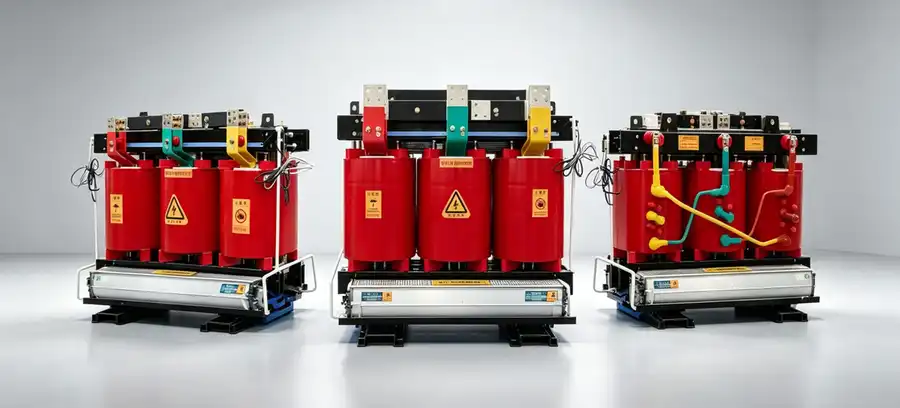
When you buy a lot of transformers, the prices change in complicated ways. The unit cost goes down as more units are bought, but there are step-function changes at production batch levels. For example, 50 units might get a 12% discount compared to single-unit pricing, and 200 units might get an extra 8%. By knowing these break points, you can strategically combine orders across project phases, making the most of your limited cash flow while also keeping the total cost of the tools in mind.
Order minimums (MOQs) depend on how complicated the product is and how much of the factory's capacity is being used. Standard distribution rates (1000 kVA, 1500 kVA) usually have smaller MOQs because production runs serve many clients. Custom specs, on the other hand, lead to specialized manufacturing campaigns that need bigger commitments to pay for tooling and process setup. When companies are able to make the best use of their production schedules and fill in capacity gaps during regular demand drops, they have more negotiating power.
Talks about payment terms make sure that both sides' risks are balanced. In international business, a 30% deposit is usually required upon order confirmation, a 60% deposit is required against shipping documents, and 10% is retained upon commissioning. This protects buyers against non-performance while giving producers operating capital. Once you have a relationship with someone, you may be able to get better terms, but for first deals, you will usually need documentary credit or security arrangements until you can trust each other.
Standard goods have lead times of 10 to 16 weeks, while custom designs that need engineering approval and type testing have lead times of 20 to 28 weeks. Getting the raw materials, especially copper and silicon steel, is a big part of these schedules. Sometimes, market shortages cause delays that manufacturers can't control. Including backup plans in project schedules saves key tasks from changes in when tools will be delivered.
To ship big power transformers, you need specialized freight forwarders who know how to handle oversized cargo, handle equipment that can't be shaken, and follow the rules for electrical equipment. International shipping is mostly done by ocean freight, and the type of container used depends on the size of the unit. For example, smaller distribution transformers can be shipped in standard containers, while larger ones need flat-rack or open-top containers. Land transportation to faraway project sites might need route studies, temporary road improvements, or the movement of a crane. These are all costs that should be included in the overall logistics budget.
Coordinating deliveries across multiple phases of a project keeps the site from getting crowded and storage problems from happening. When transformers are delivered months before they can be installed, they need to be stored safely and in a climate-controlled area so that the insulation doesn't absorb water or the transformers themselves get damaged. Progressive shipment schedules that are aligned with construction milestones improve cash flow and lower handling risks. However, they require the procurement, construction management, and manufacturing logistics teams to communicate clearly with each other.
The warranty usually covers problems with the way the product was made and problems with the materials. However, it doesn't cover damage caused by bad fitting, using it beyond its nameplate limits, or outside events like lightning hits that don't have enough surge protection. By making these limits clear during the contract negotiation process, disagreements can be avoided. Extended warranty choices, which usually come with a 3–5 percent fee, give groups that don't like taking risks budget security.
The ability to customize sets commodity suppliers apart from engineering partners. Can the plant change the impedance properties to lower the amount of problem current that comes in? Add temperature tracking tools that send data to building control platforms in real time. Put on special coatings for places that are corrosive or seismic-rated mounting for places that are prone to earthquakes? Some manufacturers don't have the deep application understanding and flexible production processes that are needed for these changes.
Customized nameplates, documentation packages, and quality inspection protocols let equipment integrators and EPC contractors choose transformers that are branded with their own names. This method makes it easier to coordinate projects, handle warranties, and keep branding consistent across systems from different vendors. It's especially helpful for turnkey renewable energy installations or industrial plant expansions where having one person in charge makes setup and ongoing support easier.
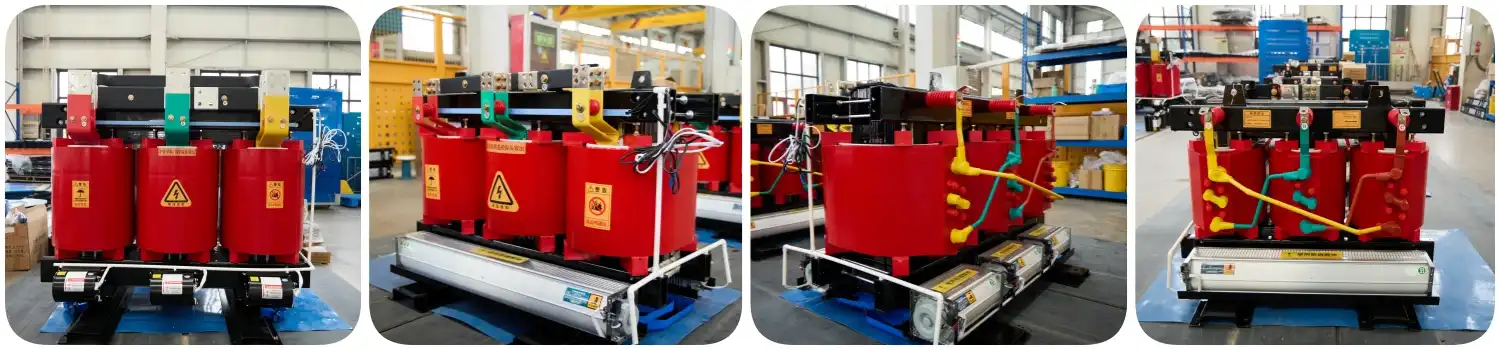
Quality assurance starts with management systems that have been checked by someone else, and a Dry-type Transformer Factory with ISO 9001:2015 certification ensures that design, production, and testing processes are governed by written procedures. Regular audits make sure that these procedures are still being followed. Product-specific certifications, such as CE marking for European markets, UL listing for North American installations, and IEC compliance for foreign projects, show that the company is committed to meeting a wide range of regulatory frameworks instead of just serving local markets.
Objective performance validation comes from testing by a third party at approved labs. In addition to regular production checks, national transformer quality supervision centers, high-voltage research institutes, and international certification bodies put units through type tests that check their ability to withstand short-circuits, rise in temperature under continuous loading, and dielectric strength under impulse conditions. Test reports from reputable organizations are much more reliable than self-certification from the manufacturer. This is especially true when sending data about tools for engineering reviews or regulatory approvals.
Factory audits by potential buyers or their agents are a direct way to see how well a product is made. Walking through factory floors is the best way to see if detailed process descriptions are accurate, if quality control stations actually stop products that don't meet standards, and if the skill levels of the workers are sufficient to support complex manufacturing. Seeing how raw materials are stored, inventory is managed during the production process, and final tests are done gives people confidence that operational excellence goes beyond marketing presentations.
Support after delivery is very important for making sure that equipment lasts as long as possible. Technical help during commissioning helps keep installation mistakes from happening that void warranties or damage equipment. For example, help with preparing the foundation, connecting the busbars, and coordinating the protective relays keeps mistakes from happening that cost a lot of money. Being available all the time to fix operating problems, look at performance data, or suggest load management methods increases the life of assets and makes them work more efficiently.
After ten years of service, having spare parts on hand becomes very important. Manufacturers who keep replacement fans, temperature sensors, and bushing insulators in stock can make repairs quickly, which cuts down on downtime. When companies stop making a product or leave a market, they leave customers stuck and have to pay a lot of money to repair even small parts that break. Long-term parts supply risk can be calculated by looking at how stable the manufacturer is, how long they've been in the market, and the size of the installed base.
How well warranty claims are processed has a huge effect on the continuation of operations. Clear claim filing procedures, quick damage assessment methods, and stocked new units all help manufacturers shorten the length of outages. On the other hand, delays in getting approvals, disagreements over what caused a failure, or longer repair times all add to the direct costs of equipment by causing lost productivity and emergency rental costs. Checking with current customers for references shows if guarantee claims are followed through with action when things go wrong.
Transformer technology is always changing. New materials with higher efficiency, better monitoring systems, and better harmonic handling are just a few of the ways that strategic supplier relationships give you early access to new ideas. Manufacturers who see their customers as long-term partners share development roadmaps, ask for feedback on applications, and invite customers to join pilot programs. This collaborative method speeds up the uptake of technology while lowering execution risks by getting approval from the manufacturer.
Open conversation helps partnerships last through the expected problems that come up. Even when both parties do their best, delivery delays, quality problems, or application mismatches can happen. Manufacturers can keep trust even when things go wrong by taking responsibility for problems, keeping customers informed, and taking corrective actions. On the other hand, being defensive, shifting blame, or not communicating during disasters can forever damage relationships, which is often what leads to supplier changes even when performance is otherwise acceptable.
Using the supplier's knowledge to improve the system adds value that goes beyond buying individual pieces of equipment. Manufacturers with a lot of experience can help with planning infrastructure by providing application engineering, load forecasting, and lifetime cost models. When you look at providers as technical tools instead of just sources of products, you can learn how to improve the general design of the system, make it more reliable, and find ways to cut costs across multi-year capital projects.
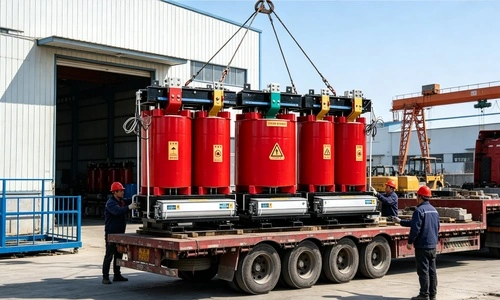
When choosing a Dry-type Transformer Factory for indoor power applications, you need to look at a lot of factors, not just the equipment specifications. Long-term relationship worth is based on manufacturing skills, strict quality management, customization options, and help after the sale. Leading manufacturers use advanced production methods like vacuum pressure impregnation, precise core assembly, and full electrical testing. They also focus on customer satisfaction by communicating quickly, delivering products on time, and providing ongoing technical support. To be successful at procurement, you need to balance the needs of the current project with those of the longer term. You also need to check claims with third-party certifications and references, and you need to build relationships based on openness and a shared commitment to practical excellence.
Class F (155°C) insulation is good for most commercial and light industrial uses because it works well in normal conditions and is reasonably priced. Class H (180°C) gives you more thermal safety for installations that are constantly under a lot of stress, those that are at high elevations where cooling doesn't work as well, or those that are in hot environments, like tropical ones or places with little air flow. The choice strikes a balance between the initial cost, the level of operating flexibility wanted, and the projected load characteristics.
Ask for copies of ISO 9001 and product-specific certifications (CE, UL, IEC), and use databases maintained by the issuing body to make sure they are still valid. Check type test results from approved third-party labs that back up claims of performance. Talk to current customers who use similar products and ask about delivery speed, product dependability, and how quickly they can get help after the sale. If it's possible, do factory audits where you can directly see how things are made, how quality is controlled, and how tests are done.
Standard store items usually ship 10 to 14 weeks after the order is confirmed and the fee is received. Custom designs need more time for engineering and testing, which adds 18–24 weeks to the schedule. For international transfers, ocean freight and customs clearance can take an extra 4–8 weeks, based on the ports of origin and destination. Adding 15–20 percent to the schedule as a backup plan saves project deadlines in case of material shortages, shipping delays, or unexpected technical problems found during testing in the plant.
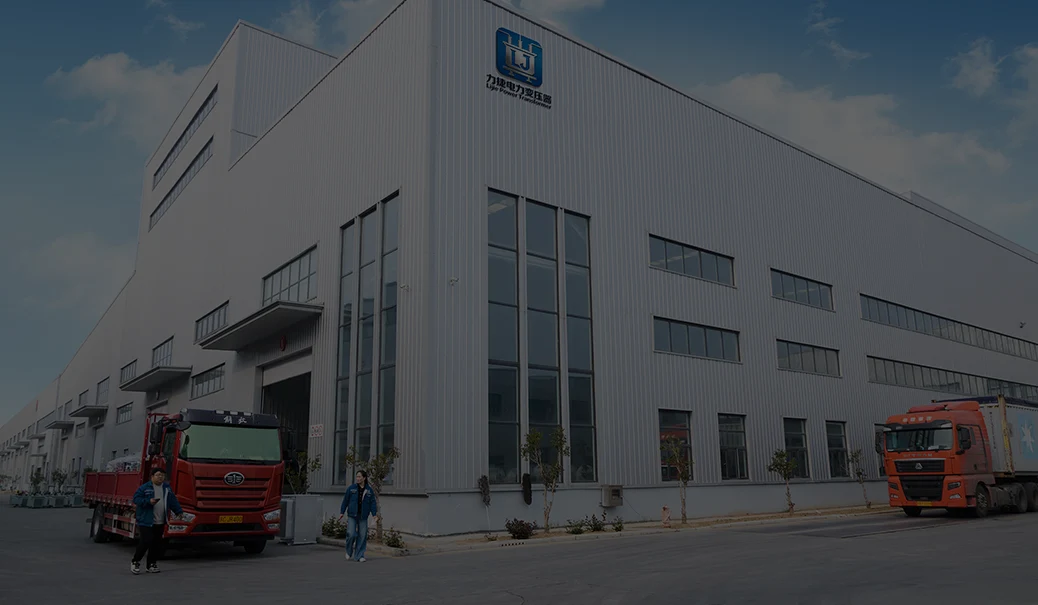
The Lijie Electric Power Technology Group has two advanced manufacturing bases that cover 500,000 square meters. Each base has its own production lines for cast resin and VPI dry-type transformers, which are used in indoor settings all over the world. Our engineering team, which is made up of more than 160 experts with advanced degrees, works directly with procurement managers and design engineers to create custom solutions for projects that use renewable energy, build industrial facilities, or improve commercial infrastructure. All of the goods have been certified by ISO 9001, CE, UL, and IEC, and they have all been put through thorough type testing by China's National Transformer Quality Supervision Center. We offer quick technical support, low prices for large orders, and reliable delivery schedules that keep your project on track. Email our team at lijieelectrical@gmail.com to talk about your unique needs and find out how our Dry-type Transformer Factory can help you reach your infrastructure goals. At lijie-electrical.com, you can find full product details.
1.International Electrotechnical Commission (2016). IEC 60076-11: Power transformers - Part 11: Dry-type transformers. Geneva: IEC Central Office.
2.Institute of Electrical and Electronics Engineers (2015). IEEE C57.12.01: Standard for General Requirements for Dry-Type Distribution and Power Transformers. New York: IEEE Standards Association.
3.National Electrical Manufacturers Association (2018). NEMA ST-20: Dry-Type Transformers for General Applications. Rosslyn: NEMA Publications.
4.Bean, R. L., Chackan, N., Moore, H. R., & Wentz, E. C. (2013). Transformers for the Electric Power Industry. New York: McGraw-Hill Education.
5.Heathcote, M. J. (2017). J & P Transformer Book: A Practical Technology of the Power Transformer (14th ed.). Oxford: Newnes Publishing.
6.Kulkarni, S. V., & Khaparde, S. A. (2020). Transformer Engineering: Design, Technology, and Diagnostics (2nd ed.). Boca Raton: CRC Press.
YOU MAY LIKE


10%20type%20epoxy%20resin%20cast%20transformer.webp)
April 27, 2025
With a tight project schedule, the manufacturer delivered on time, and on-site technical personnel provided guidance throughout the entire installation and commissioning process; the collaboration was highly efficient and hassle-free.
July 2, 2025
During the preliminary phase, a selection plan was custom-tailored based on the actual site load requirements, resulting in a high degree of parameter compatibility. After-sales support responds within two hours, and ongoing technical support for operation and maintenance is comprehensive; we feel completely confident in a long-term partnership.
November 18, 2025
Deployed as a supporting component for a 35kV grid-connection project at a photovoltaic power station, the equipment operates for an average of 16 hours daily. It demonstrates excellent control over no-load losses, ensures smooth power generation and grid integration, and effectively reduces the station's overall energy consumption.
January 30, 2026
Under the continuous, high-load operating conditions of a factory production line, the equipment maintains stable electrical parameters and exhibits strong overload resistance, thereby guaranteeing an uninterrupted power supply for industrial production.
April 3, 2026
Integrated as a supporting component for a new energy photovoltaic grid-connection system, the manufacturer provided professional technical coordination and timely after-sales support, ensuring seamless adaptation to the specific electrical operating conditions required for grid integration.