April 27, 2025
With a tight project schedule, the manufacturer delivered on time, and on-site technical personnel provided guidance throughout the entire installation and commissioning process; the collaboration was highly efficient and hassle-free.
Aug 28, 2026
A Natural Ester Transformer Factory produces eco-friendly transformers through specialized manufacturing processes that replace conventional mineral oil with biodegradable, vegetable-based ester fluids. These advanced facilities integrate sustainable sourcing, precise quality control protocols, and enhanced safety standards to create transformers with superior fire resistance and environmental performance. The production involves rigorous moisture management, dielectric testing, and compatibility verification to ensure reliability for large-scale power infrastructure projects across renewable energy, utilities, and industrial applications.
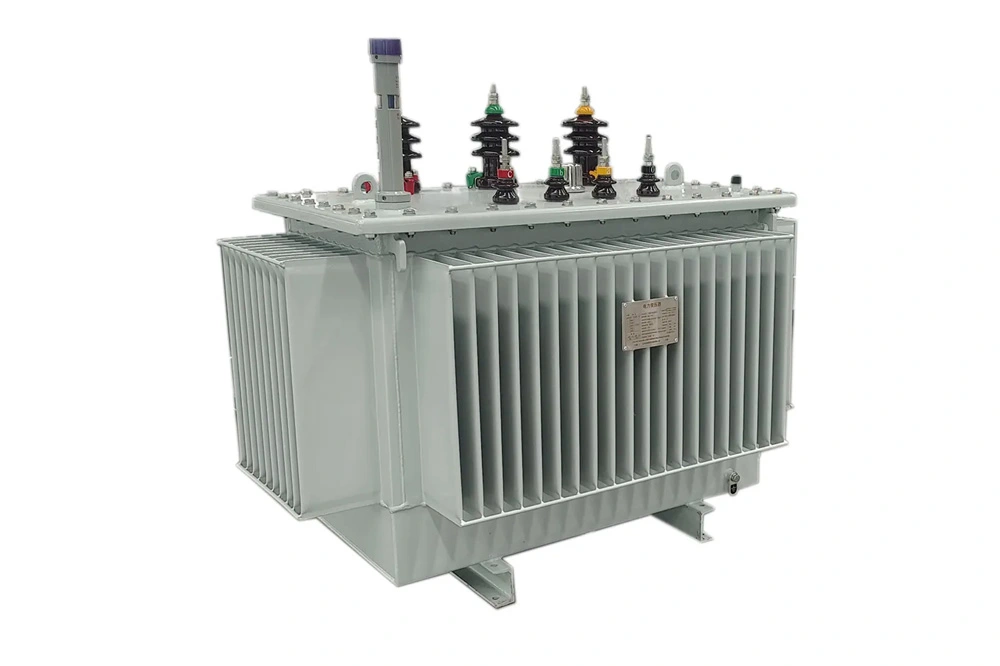
Because of safety and environmental laws, the way transformers are made today has changed in amazing ways. Natural ester-based insulator fluids are a new way to replace traditional oils made from petroleum. They have real benefits for operations, the environment, and safety.
Natural ester dielectric fluids come from vegetable oils that can be used over and over, like soybean, rapeseed, and sunflower oils. These fluids are very different from mineral oil peers in a number of important ways. According to international standards, these transformers are in the K-class for fire safety because the fire point is more than 360°C and the flash point is more than 300°C. Because they are so thermally stable, they greatly lower the risk of fire in key infrastructure areas. This makes them especially good for installations near homes, hospitals, and businesses.
The fact that it biodegrades is another outstanding benefit. Natural ester fluids break down naturally in soil and water, so if there is ever a leak or spill, it won't have a big effect on the environment in the long term. OECD 301B testing shows that over 97% of the material breaks down within 28 days, while less than 30% of mineral oils do the same thing in the same amount of time.
There are strict rules about the climate that factories that make natural ester transformers have to follow, especially in the US and EU markets. Following EPA rules, IEC 62770 standards, and ASTM D6871 guidelines makes sure that manufacturing methods meet strict environmental standards. These approvals give purchasing managers and quality assurance teams peace of mind that the goods they buy are in line with the company's environmental goals and legal requirements.
Comprehensive waste management methods are used in production sites. These include systems for recycling fluids and controlled disposal routines for manufacturing leftovers. This organized method lowers carbon footprints and supports the circular economy ideas that renewable energy developers and utility companies are asking for more and more.
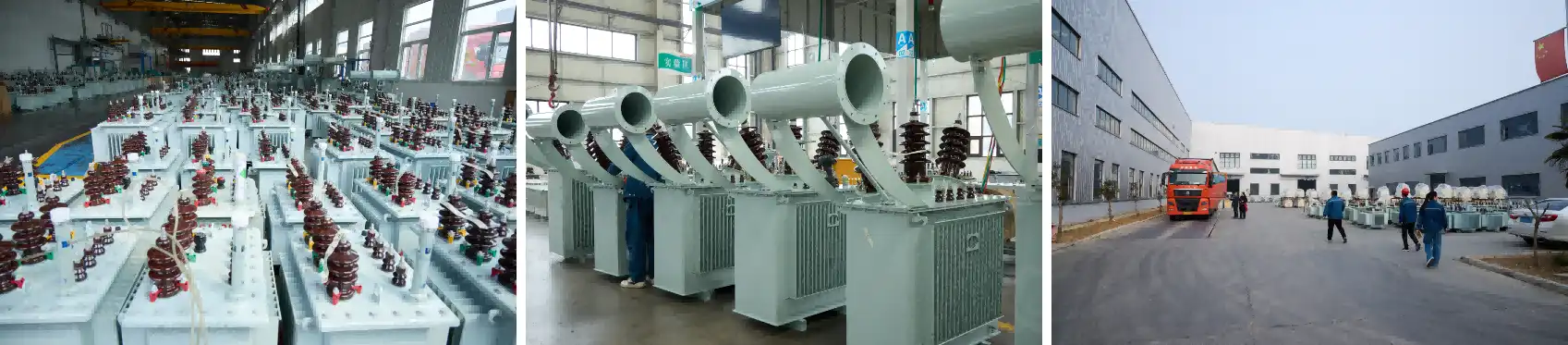
To make natural ester transformers, you need to use special methods that are tailored to the unique properties of dielectric fluids made from plants. There are many important steps in the production process that all affect how well and reliably the end product works.
Quality starts with choosing the right raw materials. Reliable companies work with licensed sources to get natural ester fluids that meet very high standards for purity. Fluids that come into production lines go through a lot of tests, such as an IEC 60156-based dielectric breakdown voltage measurement, before they can be used. This test makes sure that the cleanliness of the fluid meets the minimum requirement of 75kV dielectric strength, which is a key factor for long-term operating dependability.
The Karl Fischer titration method accurately measures the amount of moisture in a sample in parts per million, making sure that the levels stay below the saturation point. High levels of moisture hurt the performance of dielectrics and speed up the breakdown of insulation, which makes this inspection even more important. Dissolved Gas Analysis sets baselines for ethane and methane amounts. These are different from mineral oil standards because ester-based fluids have a different chemical make-up.
For natural ester use, transformer cores and windings need to be designed in a certain way. Because vegetable oils have a higher viscosity than mineral oils, they need better cooling channel designs to keep the temperature under control. Engineers make sure that the winding arrangements and radiator designs work best with the way that ester fluids naturally condense.
The assembly process takes place in cleanrooms that are constantly checked for humidity and dust contamination. This environmental control keeps moisture out and maintains the integrity of the fluids during the manufacturing process. Technicians make sure that all the parts inside, like seals, paints, glue, and closing materials, can work with fluids that are based on esters. Over time, materials that don't work well together can break down, which can weaken the seal and let water in.
Because vegetable oils are so sensitive to the environment, quality control at a Natural Ester Transformer Factory goes above and beyond normal inspection rules. During production, extra attention is paid to five important inspection areas. The stability of sealed tanks is carefully checked to make sure they create completely sealed environments that stop fluid polymerization from air contact. Even a small amount of air can start oxidation reactions that weaken fluid qualities over long periods of time.
Testing for compatibility makes sure that ester fluids and internal generator parts don't react badly with each other. This testing stops long-term wear and tear that could make operations less reliable. Thermal performance tests show that natural ester transformers are safer than regular ones, and fire resistance tests show that they are effective at keeping things cool under rated load conditions.
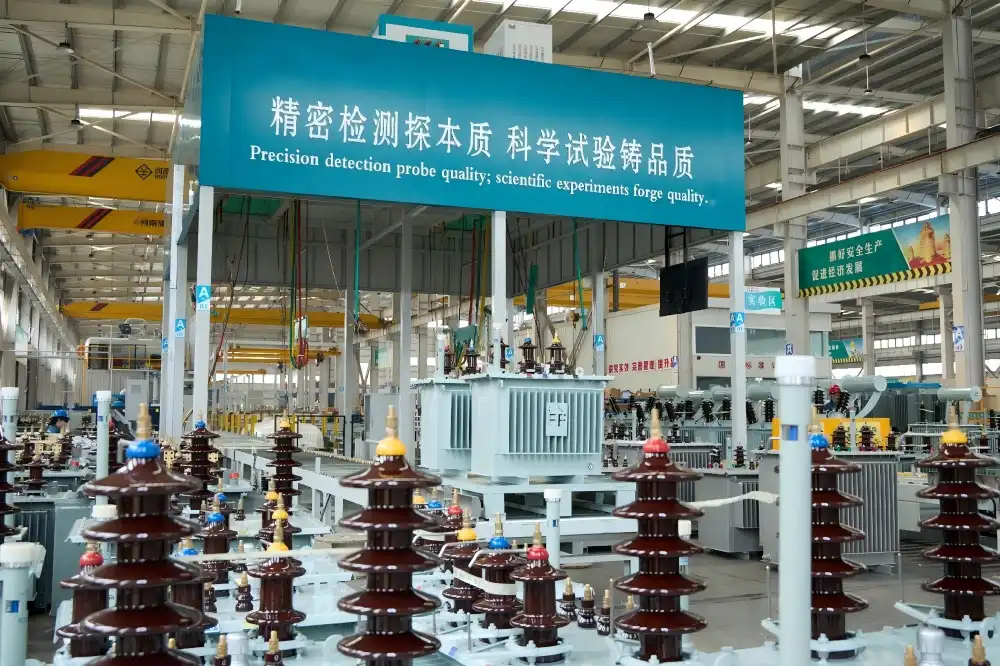
When purchasing teams know the differences between making transformers using ester-based methods and traditional methods, they can make better choices that meet the needs of the project and help the environment.
When it comes to moving materials, natural ester transformer companies do things differently than mineral oil factories. To keep the right viscosity of fluids in storage tanks, the temperature needs to be controlled. This is especially important in colder areas where vegetable oils have higher pour points than petroleum-based options. Nitrogen blanketing systems keep fluids from oxidizing while they are being stored, so they keep their quality before they are put into transformer assemblies.
Environmental management systems in factories that focus on esters encourage long-lasting methods throughout the whole production process. Separation and cleaning of waste streams make it possible to recycle materials made from plants, which is different from the toxic waste procedures needed to get rid of mineral oil. This difference in how things are done means that industrial operations have less of an impact on the environment and pay less to get rid of waste in the long run.
Natural ester transformers have measured performance benefits that make them useful in a wide range of situations. Vegetable oils have a unique ability to draw water away from cellulose paper insulation. This slows down the hydrolysis processes that break down insulation systems. Manufacturers of transformers have found that this feature makes paper insulation last five to eight times longer than mineral oil systems. This makes assets last much longer and lowers the cost of replacing them over their entire lifecycle.
Thermal aging studies show that transformer materials can maintain greater resistance to oxidation at elevated operating temperatures. This stability helps preserve dielectric strength over extended periods and can reduce maintenance requirements while supporting operational continuity. An experienced Natural Ester Transformer Factory can incorporate carefully selected materials and controlled manufacturing processes to improve the long-term thermal and electrical stability of natural ester transformers. When utilities switch to natural ester units produced by a qualified Natural Ester Transformer Factory, they may benefit from improved asset reliability and potentially longer service intervals. The engineering expertise of a specialized Natural Ester Transformer Factory is therefore important when developing transformers designed for demanding operating conditions. By applying appropriate thermal-aging controls and quality-management procedures, a Natural Ester Transformer Factory can help produce transformer systems that support dependable long-term operation. For utilities seeking durable and environmentally responsible equipment, choosing a reliable Natural Ester Transformer Factory can provide greater confidence in product consistency and operational performance.
Natural ester transformers usually have higher initial purchase costs than mineral oil equivalents by about 10 to 15 percent. This is because of the higher cost of the raw materials and the unique manufacturing needs. When lifetime costs are taken into account, however, total cost of ownership estimates show different results. Long-term economics are good because assets last longer, insurance rates go down because of better fire safety ratings, and environmental cleanup risks go down.
When you buy directly from specialized factories, you can get competitive prices on big orders, especially when you set up framework deals for ongoing project needs. Minimum order amounts vary by maker but are usually in line with the levels needed for large-scale utility projects. This means that infrastructure developers, EPC contractors, and renewable energy providers can use factory-direct sourcing.
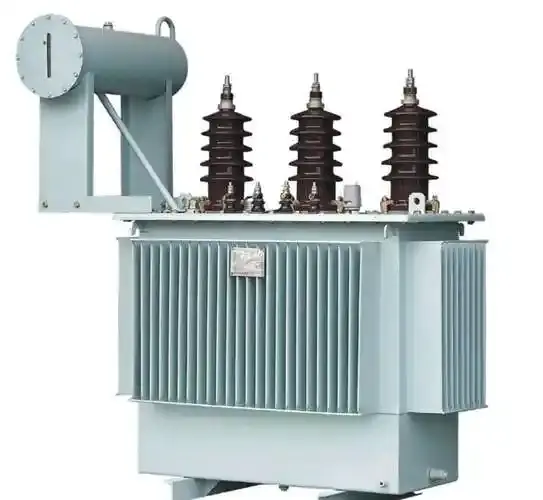
Choosing the right manufacturing partner is a big choice that will affect the success of the project, the stability of operations, and the long-term performance of assets. This selection process is based on a number of important evaluation criteria.
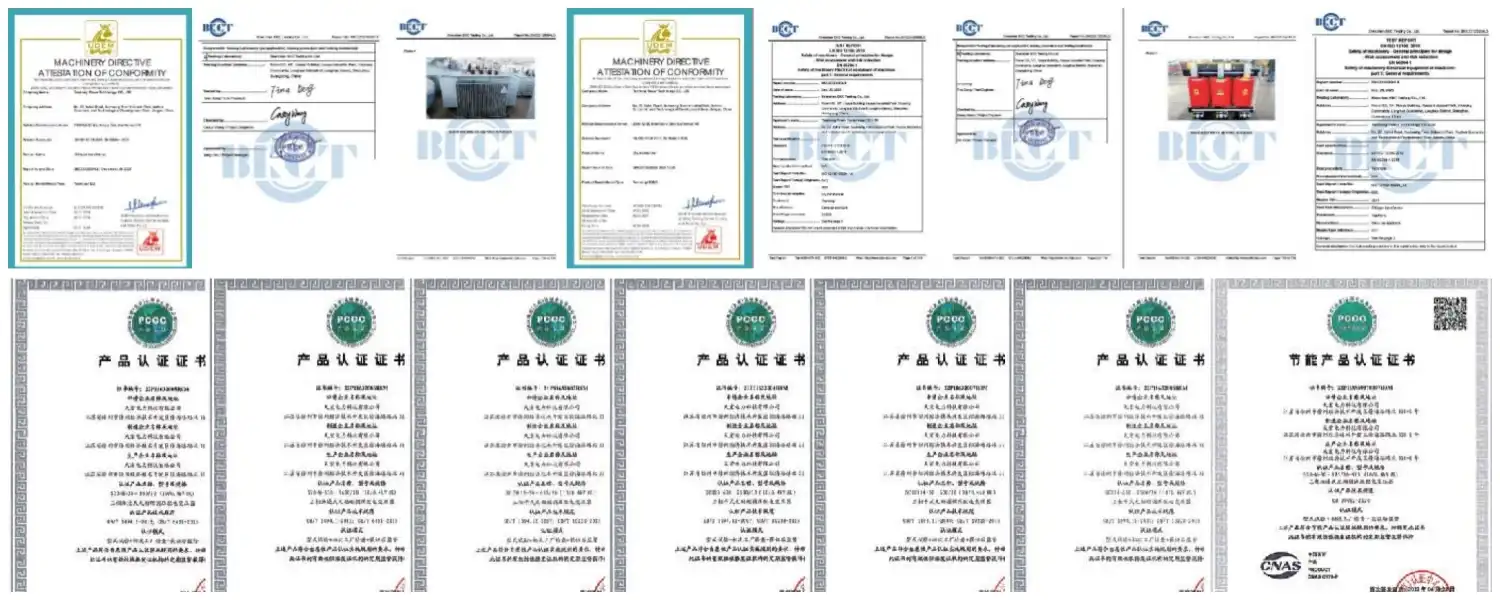
Internationally known certifications give manufacturing skills and quality control systems concrete proof that they work. Getting ISO 9001:2015 approval shows that you are committed to controlling quality in a planned way throughout the whole production process. IEC certification proves that a product meets global technical standards. This makes it easier to use the product in international projects and get regulatory approval.
The CE and UL marks make sure that products are safe for markets in Europe and North America, respectively. This makes the import process easier and increases the chances of being accepted by regulators. Factories that work on foreign EPC projects should have full certification portfolios that cover the needs of their target markets. This way, rollout delays caused by missing paperwork won't happen.
For big building projects to work, they need to be able to consistently make a lot of things. When a factory's capacity is being evaluated, its yearly output amounts, batch production capabilities, and order backlogs that could affect delivery schedules are all taken into account. Specialization and process optimization are shown in facilities that have dedicated production lines for natural ester units. This helps ensure reliable delivery performance.
The production of natural ester transformers is a complex manufacturing process that combines technical excellence with environmental responsibility. A specialized Natural Ester Transformer Factory uses strict quality control, advanced testing protocols, and optimized production processes designed to work with plant-based dielectric fluids. An experienced Natural Ester Transformer Factory can manufacture eco-friendly transformers that offer strong fire resistance, long service life, and reduced environmental impact. These characteristics make natural ester transformers attractive investments for utilities, renewable energy projects, and industrial applications. As environmental concerns increase and regulations become more stringent, working with a reliable Natural Ester Transformer Factory can help procurement teams obtain compliant products that support long-term infrastructure goals and demanding performance requirements. By choosing an experienced Natural Ester Transformer Factory, buyers can also benefit from consistent manufacturing quality and technical expertise across a wide range of operating conditions. A capable Natural Ester Transformer Factory therefore plays an important role in delivering reliable and environmentally responsible transformer solutions.
Different uses have different technical needs when it comes to transformer specifications. For grid integration projects, certain voltage ratios and impedance traits are needed. On the other hand, industrial setups may need specific ways to cool down or environmental ratings. Factories that offer full customization can make designs fit specific application needs, which improves performance in certain operating situations.
Technical support goes beyond just delivering the product. During the design creation process, experienced engineering teams give application advice to make sure that the chosen transformer configurations meet the needs of the system. Installation support, commissioning help, and troubleshooting resources all play a part in the success of a project and the smooth transition to new operations.
The transformer production industry keeps moving forward thanks to new technologies and changing market needs that are caused by the need to be environmentally friendly and meet performance standards.
As a way to get around one problem with current vegetable oil technologies, researchers are working on making next-generation ester formulations that work better at low temperatures. By adding synthetic parts to modified ester mixes, lower pour points can be reached while still keeping biodegradability and fire safety properties. These mixed formulas make it possible for natural ester transformers to be used in more places and climates.
Additive packages improve resistance to oxidation and thermal aging, which makes operational lifetimes even longer. Fluid makers and transformer manufacturers work together to make formulations that are best for each application. This creates custom solutions for harsh working conditions found in mines, heavy industry, and places with extreme weather.
Automation and digitalization change how modern transformer factories can make things. Robotic assembly systems make winding and core building more consistent and precise, which lowers the variability in production that lowers the quality of the result. Digital tracking throughout production keeps an eye on important factors in real time, so when they start to deviate, changes can be made right away.
Predictive repair systems built into industrial equipment cut down on unexpected downtime and keep production schedules on track. This operational stability helps keep delivery promises, which is very important for infrastructure projects that need to be finished on time because delays cost a lot of money.
Leading manufacturers use the ideas of the circular economy throughout the whole lifecycle of their products. End-of-life generator designs make it easier to take them apart and get their parts back, which allows materials to be recycled and trash to be reduced. Natural ester fluids that are collected during decommissioning are reconditioned in a way that restores their dielectric qualities. This lets them be used again in rebuilt units or uses that don't require as much performance.
Carbon footprint reduction programs work to cut down on the energy used in manufacturing by incorporating renewable energy sources and making processes more efficient. Companies that put money into solar panels and energy recovery systems show that they care about the environment, which is noticed by utilities and green energy companies with sustainability-focused procurement teams.
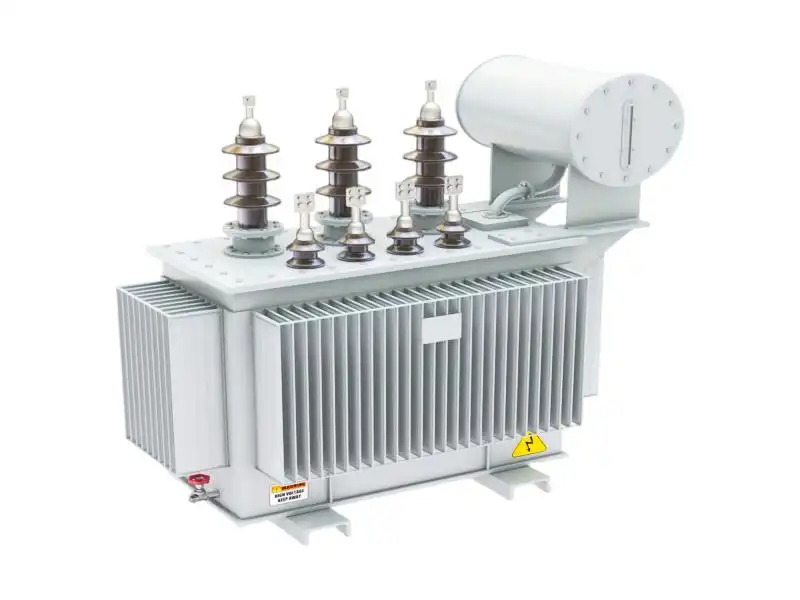
The production of natural ester transformers is a complex manufacturing process that combines technical excellence with environmental responsibility. A specialized Natural Ester Transformer Factory uses strict quality control, advanced testing protocols, and optimized production processes designed to work with plant-based dielectric fluids. An experienced Natural Ester Transformer Factory can manufacture eco-friendly transformers that offer strong fire resistance, long service life, and reduced environmental impact. These characteristics make natural ester transformers attractive investments for utilities, renewable energy projects, and industrial applications. As environmental concerns increase and regulations become more stringent, working with a reliable Natural Ester Transformer Factory can help procurement teams obtain compliant products that support long-term infrastructure goals and demanding performance requirements. By choosing an experienced Natural Ester Transformer Factory, buyers can also benefit from consistent manufacturing quality and technical expertise across a wide range of operating conditions. A capable Natural Ester Transformer Factory therefore plays an important role in delivering reliable and environmentally responsible transformer solutions.
Fire and flash points for natural ester fluids are both higher than 360°C and 300°C, respectively, compared to mineral oil equivalents. Because they are so stable at high temperatures, they are K-class for fire safety, which means they are much less likely to catch fire. Insurance companies often lower premiums for installations that use natural ester transformers because they pose a lower risk of fire. This is especially helpful for substations in cities and facilities close to residential areas.
Some of the most important certificates are ISO 9001:2015 for quality management, IEC 62770 for natural ester transformer standards, and CE for Europe and UL for North America. Compliance with ASTM D6871 confirms quality standards for fluids. Factories that work on international projects should have a full set of certifications that cover the areas where their products will be used. This will make sure that they are accepted by regulators and make clearing customs easier.
Depending on the voltage class and rating, it usually takes 8 to 12 weeks from the time an order is confirmed until the transformer is shipped. For engineering approval and prototype testing, wait times may go up to 12 to 16 weeks for custom designs with specific requirements. When you sign a contract for a large order, you can agree for deliveries to happen at different times. This way, shipments can be timed to match the stages of the project and the site's readiness goals.
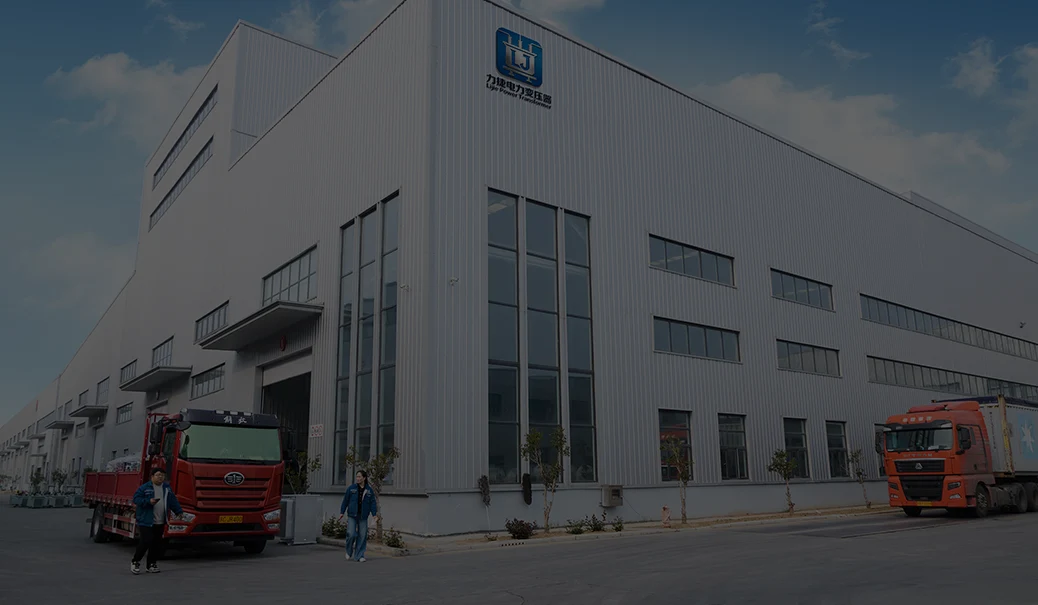
Lijie Electric has two advanced manufacturing bases in Xuzhou and Nantong that are each 500,000 square meters in size. These bases are equipped with the right tools to make natural ester transformers for the utility, renewable energy, and industrial markets. Our engineering team, which is made up of more than 160 professionals with advanced degrees, creates unique transformer solutions that meet IEC, CE, and UL standards so that they can be used easily across borders. We are a trusted partner for EPC contractors, grid operators, and renewable energy developers who need eco-friendly transformer solutions. Our annual production capacity supports large-scale infrastructure projects, and we have a number of quality certifications, including ISO 9001:2015. Email our technical sales team at lijieelectrical@gmail.com for full product details, reasonable prices, and application engineering help that is suited to your project needs. You can look at our full line of products at lijie-electrical.com and learn how our dedication to quality, sustainability, and customer satisfaction makes us the perfect partner for you as you work to reach your big goals for power infrastructure.
1. IEEE Standards Association. "IEEE C57.147-2018 - IEEE Guide for Acceptance and Maintenance of Natural Ester Fluids in Transformers." Institute of Electrical and Electronics Engineers, 2018.
2. International Electrotechnical Commission. "IEC 62770:2013 - Fluids for Electrotechnical Applications - Unused Natural Esters for Transformers and Similar Electrical Equipment." IEC Publications, 2013.
3. ASTM International. "ASTM D6871-17 - Standard Specification for Natural (Vegetable Oil) Ester Fluids Used in Electrical Apparatus." ASTM Technical Standards, 2017.
4. Tenbohlen, Stefan, and Martin Koch. "Aging Performance and Moisture Solubility of Vegetable Oils for Power Transformers." IEEE Transactions on Power Delivery, Volume 25, Issue 2, 2010.
5. McShane, C. Patrick. "Fire-Resistant Natural Ester Dielectric Fluid and Novel Insulation System for Its Use." Proceedings of the IEEE International Conference on Dielectric Liquids, 2005.
6. Perrier, Christian, and Alain Beroual. "Experimental Investigations on Insulating Liquids for Power Transformers: Mineral, Ester, and Silicone Oils." IEEE Electrical Insulation Magazine, Volume 25, Issue 6, 2009.
YOU MAY LIKE

18%20type%20epoxy%20resin%20cast%20transformer.webp)


April 27, 2025
With a tight project schedule, the manufacturer delivered on time, and on-site technical personnel provided guidance throughout the entire installation and commissioning process; the collaboration was highly efficient and hassle-free.
July 2, 2025
During the preliminary phase, a selection plan was custom-tailored based on the actual site load requirements, resulting in a high degree of parameter compatibility. After-sales support responds within two hours, and ongoing technical support for operation and maintenance is comprehensive; we feel completely confident in a long-term partnership.
November 18, 2025
Deployed as a supporting component for a 35kV grid-connection project at a photovoltaic power station, the equipment operates for an average of 16 hours daily. It demonstrates excellent control over no-load losses, ensures smooth power generation and grid integration, and effectively reduces the station's overall energy consumption.
January 30, 2026
Under the continuous, high-load operating conditions of a factory production line, the equipment maintains stable electrical parameters and exhibits strong overload resistance, thereby guaranteeing an uninterrupted power supply for industrial production.
April 3, 2026
Integrated as a supporting component for a new energy photovoltaic grid-connection system, the manufacturer provided professional technical coordination and timely after-sales support, ensuring seamless adaptation to the specific electrical operating conditions required for grid integration.