April 27, 2025
With a tight project schedule, the manufacturer delivered on time, and on-site technical personnel provided guidance throughout the entire installation and commissioning process; the collaboration was highly efficient and hassle-free.
Aug 28, 2026
A reputable Step-up Transformer Factory ensures product reliability through stringent quality control protocols spanning the entire manufacturing lifecycle. This begins with careful selection of premium raw materials—high-permeability silicon steel cores, oxygen-free copper conductors, and advanced insulation systems—all sourced from certified vendors. The factory enforces rigorous in-process inspections at each production stage, from precision winding and vacuum drying to oil impregnation and final assembly. Comprehensive factory acceptance tests, including turns ratio verification, partial discharge analysis, and lightning impulse testing, validate that each unit meets international standards such as IEC and NEMA before shipment, guaranteeing decades of dependable operation.
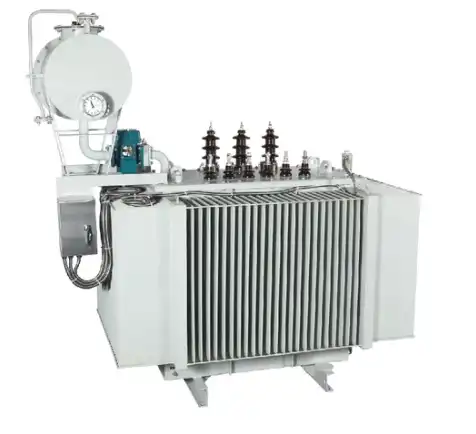
To make sure that step-up transformers work well for a long time, you need to fix typical failure modes that put safety and business uptime at risk. Some of the most serious reliability problems that engineers have to deal with are electrical breakdowns, thermal degradation, and insulation degradation. Usually, these issues are caused by production mistakes instead of flaws in the design.
Performance changes from one production batch to the next because the quality of the raw materials isn't always the same. When a plant gets magnetic cores from more than one seller without a set of standard requirements, core losses vary a lot, which can cause the cores to get too hot and wear out too quickly. In the same way, insulation materials that aren't up to par break down faster when they're under electrical stress, leading to catastrophic failures in years instead of decades.
Variability in the process makes these important problems even worse. Tension differences that happen when coils are wound by hand cause spikes in the structures of the coils. When vacuum drying isn't done properly, moisture gets trapped in the insulating layers. This moisture later makes conductive paths when the voltage is high. Any well-designed Step-up Transformer Factory won't last the 25 to 30 years that utility companies and factories expect from their investments if it doesn't follow strict IEC 60076 standards and proven manufacturing methods.
It is the job of procurement managers and electrical engineers to choose suppliers whose goods will work successfully in a wide range of settings, from solar farms in the desert to mines in the Arctic. Knowing these ways that things can go wrong helps buyers ask the right questions when evaluating vendors. Does the plant keep track of every lot of raw materials? Can they show statistical process control data that shows the same temperature and winding tension profiles? These insights tell the difference between makers who are dedicated to quality and those who are just trying to get cheap.
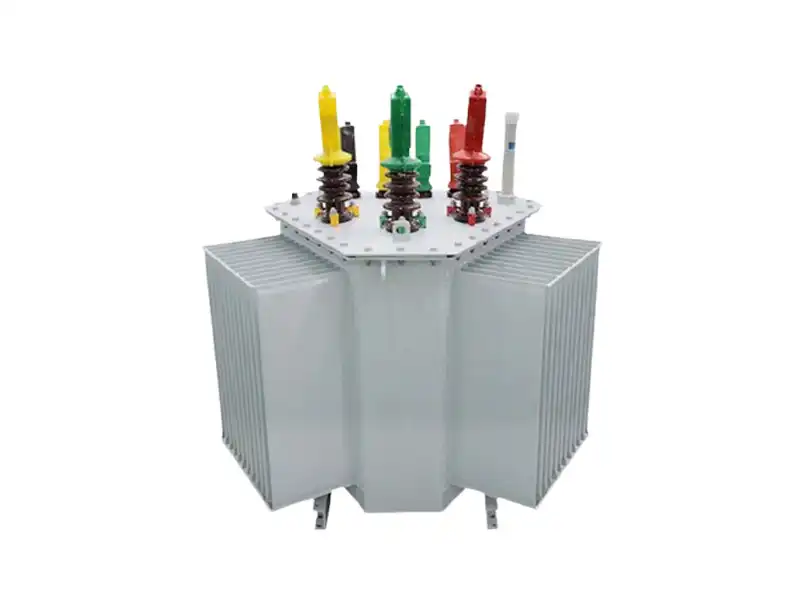
Some of the biggest companies have turned old-fashioned production lines into places where every variable is measured, controlled, and recorded. From the time the raw materials arrive at the facility until the finished unit passes its final inspection, this methodical approach is used.
We give top priority to working with sellers of materials who are ISO 9001 certified and can give us mill test certificates for every shipment. Magnetic properties of grain-oriented electrical steel laminations are checked to make sure they have low core losses and high permeability. Copper wires are checked to make sure they are more than 99.95% pure, which lowers the resistive losses that cause heat to build up during use. Insulation systems must have thermal durability ratings that are right for the temperature rise limits. These ratings must be based on cellulose-based kraft paper for oil-immersed units or epoxy glue for dry-type designs. As a reliable Step-up Transformer Factory, we also ensure that every manufacturing process meets strict quality standards to deliver transformers with stable performance and long service life.
The turning stage needs a lot of accuracy. Computer-controlled winding machines keep the tension constant while putting insulation tape between the layers of conductors. This gets rid of the chance of mistakes that come with doing things by hand. After being wound, transformers go into vacuum drying rooms where the moisture content drops below 0.5% by weight, which is a very important level for keeping the insulation from breaking down. Then, units that are submerged in oil go through hot oil movement to make sure they are completely saturated. This moves any air pockets that might cause partial release.
Assembling things is done by following specific directions that have been checked by looking at what went wrong and how it happened. Bolted connections need to be torqued to keep hardware from coming loose and making noise and vibrations. Core-clamping pressure is set so that magnetostriction is kept to a minimum and mechanical stress is kept to a minimum. All of these seemingly small details affect whether a transformer works quietly and efficiently for thirty years or needs expensive repairs within five years.
International licenses are concrete proof of a company's ability to manufacture products. If a Step-up Transformer Factory has ISO 9001:2015 certification, it means that the factory follows documented procedures for design control, process validation, and corrective action. IEC 60076 compliance shows that its products meet global standards that are harmonized for evaluating safety and efficiency. If a product carries a CE mark, it indicates that it complies with the safety requirements of the European Union. Meanwhile, UL approval allows transformers to enter North American markets with strict safety regulations. Instead of relying on outdated or irrelevant credentials, buyers should verify that the certifications they review are current and applicable to the specific transformer products they require.
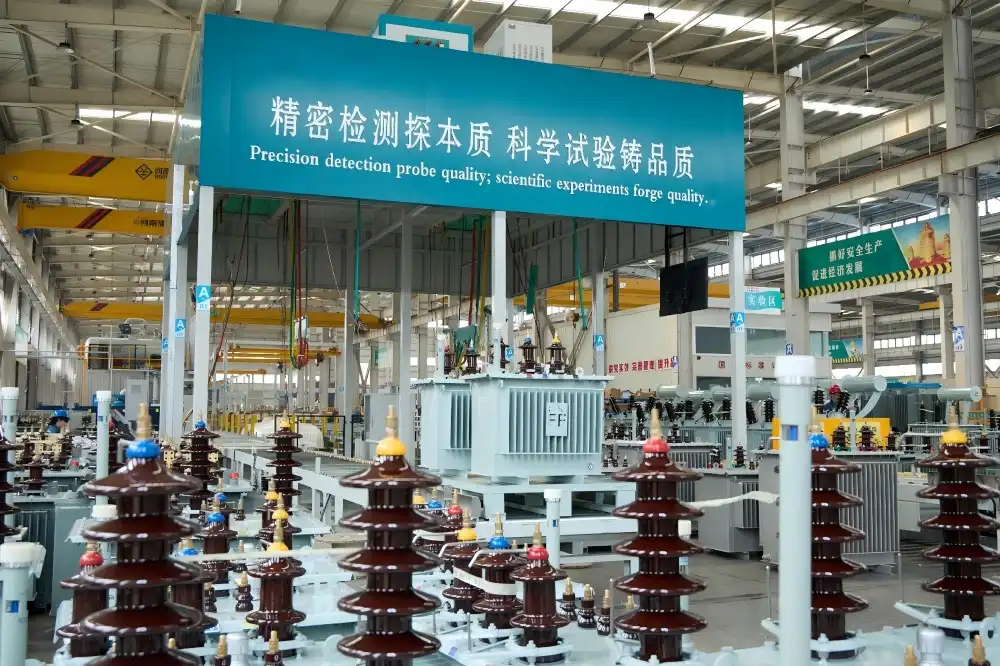
Modern testing tools and digital manufacturing systems have changed the way companies find flaws and improve the quality of their products. These technologies allow early detection of possible failures before units leave the plant. This lowers the rate of failures in the field by a large amount.
During heat run tests, thermal imaging cameras look at energized transformers and find hotspots that mean the transformers aren't cooling well or aren't being loaded evenly. Frequency response analysis checks impedance fingerprints against baseline measures to find windings that have deformed mechanically, which can happen because of damage during shipping or mistakes in the manufacturing process. Oil-immersed units go through dissolved gas analysis to find gases that are made by overheating, arcing, or cellulose breakdown. This lets engineers know early on when problems are starting to form.
The switch to digital has made it possible to check the quality of transformers in real time. During production, sensor networks keep an eye on important factors like wrapping tension, oven temperatures, vacuum levels, and oil moisture content. These elements create lasting digital records for each unit. Statistical process control algorithms look at this stream of data and let operators know when measurements start to move closer to the limits set by the specifications, so defects don't happen. Machine learning models that have been trained on failure data from the past can predict which changes in the process are linked to reliability problems in the field. This lets proactive changes be made.
Different applications have very different reliability needs. A transformer that raises the voltage from a solar inverter to the utility grid has to be able to handle harmonic distortion and sudden changes in load. This is very different from how a baseload power plant works when it is in a steady state. Leading factories work with customers during the design phase to make sure that the specifications are exactly what the customer wants. For example, they choose insulation classes that are rated for temperatures above 40°C in desert climates, set up ONAF cooling systems for factories that don't have easy access for maintenance, or engineer tank structures that are resistant to earthquakes for installations in earthquake zones. Instead of using catalog goods that are meant to fit all needs, this consultative method makes sure that each unit is optimized for its unique job cycle and environmental stresses.
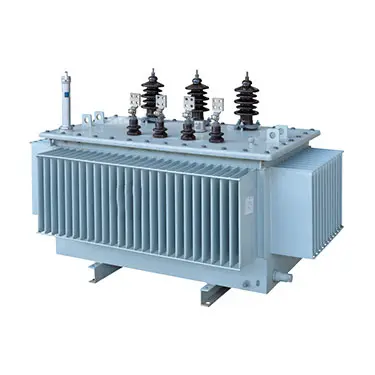
When purchasing professionals are looking at more than one supplier, they need objective criteria to tell the difference between marketing claims of great manufacturing and real ones. There are a number of key performance factors that show how well a factory can regularly make reliable goods.
Using less energy has a direct effect on how much it costs to run a generator over its lifetime. Core losses and winding losses, which are measured during no-load and load tests, show how much electrical energy is lost as heat instead of being sent to the output. When serving megawatt-scale loads, a unit with total losses of 0.3% costs a lot less to run over 25 years than one with losses of 0.5%. Factories that meet or beat IEC efficiency ratings (like Tier 2 energy efficiency standards) show that they are very good at choosing materials and making things precisely.
For large infrastructure projects, delivery schedules for dozens or hundreds of units must be known ahead of time. How well a plant can keep quality high while increasing production says a lot about how mature the process is. Buyers should ask for information on how well big orders were delivered on time in the past and how much of the production capacity is being used. If a provider is only at 95% capacity, it might be hard to meet tight deadlines without lowering quality. But if they have 20 to 30 percent of spare capacity, they can handle urgent requests or changes to orders without any problems.
In lifetime economics, unit price is only one part of the whole. Because it wastes more energy, a generator that costs 15% less than its competitors but has 20% higher losses will cost more in the long run. In the same way, a machine that needs major repairs after 12 years instead of 20 years costs more in terms of both cash and labor. Smart buyers use total cost models that include the purchase price, the product's expected lifespan, maintenance intervals, and its efficiency losses to find the most cost-effective option. This kind of analysis can be done with suppliers who offer lifecycle cost calculators and thorough technical specs. Suppliers who only focus on upfront price may be hiding long-term responsibilities.
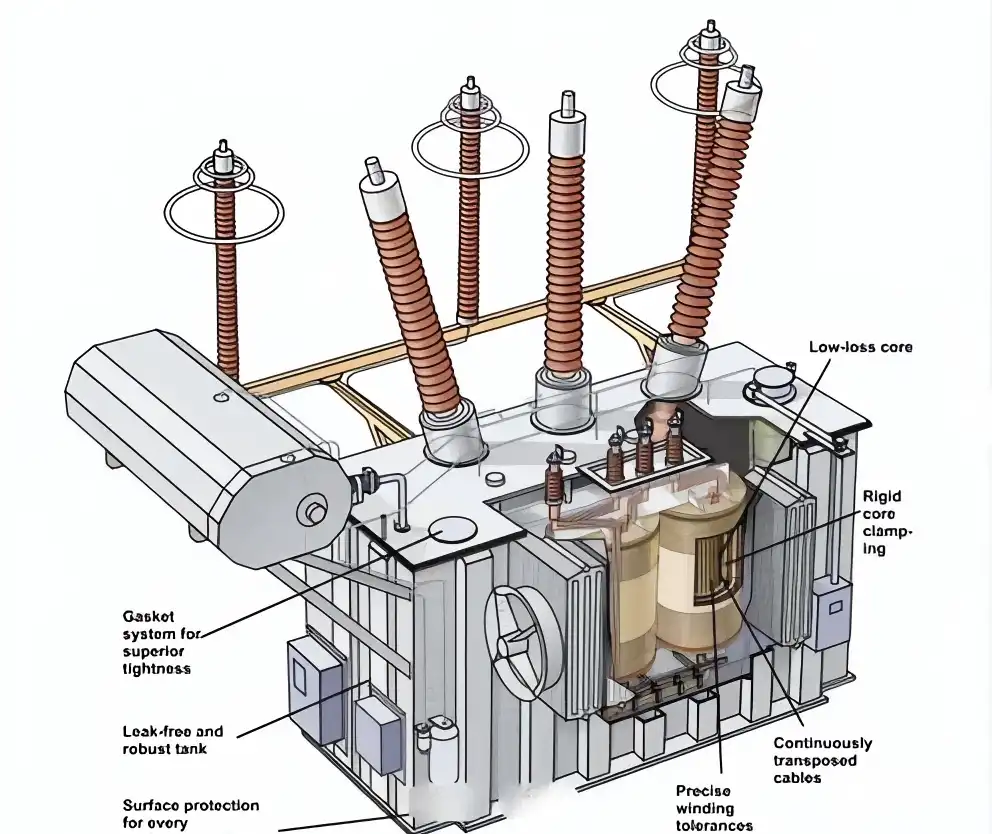
Performance data from real-world situations is the best proof of quality. Looking at how well-known factories have provided dependable solutions for a range of uses can help buyers find reliable partners.
In the Midwest of the United States, a company that was building a wind farm needed 45 step-up transformers to connect 45 turbine units with 2.5 MW each to the area's 138 kV power network. For the project, the units had to be able to handle temperature changes from -30°C to +45°C and handle quick changes in output as wind speeds changed. The chosen manufacturer made transformers with Class F insulation systems that can handle a temperature rise of 155°C, ONAN/ONAF cooling that lets the capacity go up by 33% during peak production times, and vector groups that are designed to keep power electronics' harmonic distortion to a minimum.
After five years of nonstop use, the whole fleet supplied by the Step-up Transformer Factory has maintained an availability rate of more than 99.7%, with only regular oil sampling and visual inspections required. The project manager said that the uniform quality of production across all 45 units made it easier to manage spare parts and standardize maintenance processes. This greatly simplified operations for the small technical team at the wind farm.
A regional power company that is replacing old infrastructure chose a seller to give them twelve 230 kV auto-transformers for grid-connecting substations. Because these installations are so important—if they went down, it would cause outages that would affect hundreds of thousands of customers—the utility did thorough factory audits before awarding the contract. As part of the evaluation, routine, type, and special tests were seen, the quality management system documentation was read, and production staff was asked about process controls.
The chosen plant showed that they fully followed IEC 60076-1 and IEEE C57.12.00 standards by keeping detailed test records for every unit they made over the last ten years. During plant acceptance tests, partial discharge levels were well below the 100 pC limit, measuring below 50 pC. This shows that the insulation is very well constructed. After three years, all twelve transformers are still working within their design limits, and dissolved gas analysis shows that they aren't making any unusual gases. The asset management director for the utility said that the project's success was due in large part to the supplier's strict quality control and quick technical support.
The company that made the transformer changed the design by adding stronger bracing to the windings to protect them from electromagnetic forces during breakdowns, making the wires bigger than they needed to be to account for harmonic heating, and adding better cooling systems that move air and water around the transformer. The machine hasn't needed any unplanned repair in four years of use, with an average of 18 heats per day. The electrical engineer at the mill said that the transformer's stable performance under harsh conditions proved that the factory was good at working with specialized equipment. This led to more orders for rectifier transformers to be used in other furnace installations.
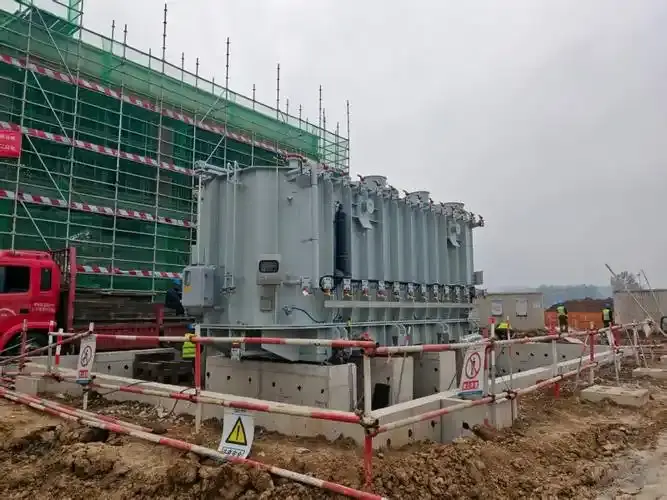
When making step-up transformers, quality is always the top priority, from choosing the raw materials to testing the finished product and even afterward. A reliable Step-up Transformer Factory follows strict process controls, applies advanced diagnostic technologies, maintains international certifications, and works closely with customers in a responsive way. In addition to price, buyers should evaluate the supplier’s efficiency, production capacity, warranty coverage, and proven reliability in real-world applications. For example, the most dependable partners demonstrate their capabilities through transparent workplace inspections, comprehensive test data, and a successful track record in demanding environments. By choosing a manufacturer that prioritizes lifecycle performance over short-term cost savings, customers can protect their capital investment and ensure mission-critical installations operate continuously for decades.
Professional-grade units are made to last 25 to 30 years if they are used within their rated limits and kept the way the maker suggests. Regular oil sampling, thermographic inspections, and dissolved gas analyzes find problems early on, which extends the life of the system. Conditions in the environment, how the item is loaded, and how well it is maintained all have a big effect on its real lifespan.
Reliable manufacturers let you make a lot of changes to make the system work the way you want it to. Choosing a vector group, like Dyn11 or Ynd11, changes how harmonics are suppressed and how grounding is set up. The impedance percentage changes how much fault current flows and how the voltage is controlled. Engineers work with clients to find the best values for these factors so that they work with the grid and coordinate security, so that the new system fits in perfectly with the old one.
To meet NEMA TR-1 standards, the core is designed with high-permeability materials and clamped precisely to prevent magnetostriction. Acoustic casings also cut down on noise. Moderate-capacity units can produce sound levels below 65 dB at one meter, which means they can be put near residential areas without causing noise complaints or breaking local noise laws.
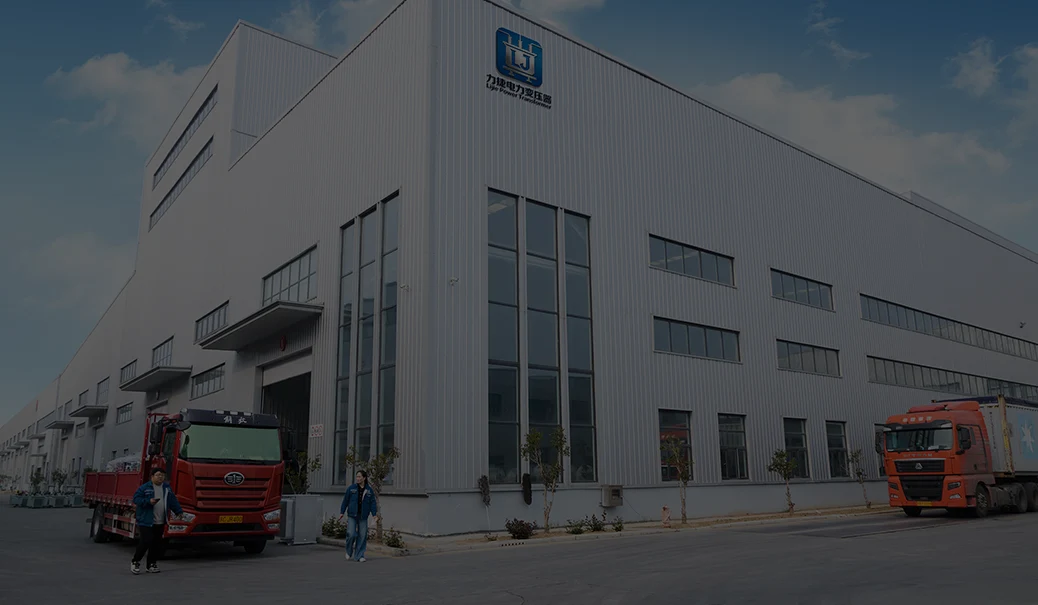
Choosing the right step-up transformer supplier will have long-lasting effects on your business. Lijie Electric has two modern factories that are a total of 500,000 square meters in size. Together, they can make more than 5 billion RMB a year and employ more than 2,000 skilled workers. Our commitment to international quality standards is shown by our ISO 9001:2015, CE, and UL certifications, as well as our IEC 60076 compliance. We offer customized solutions for integrating green energy, utility transmission, and industrial uses. Our voltage ranges from distribution-level units to 500 kV ultra-high-voltage transformers. Over 160 people on our engineering team have advanced degrees, and they work closely with clients to make sure that designs are the most reliable they can be given your unique reliability needs, environmental conditions, and working limits. We provide consistent quality, backed by thorough testing and quick technical support, whether you need small substations for urban distribution or specialized furnace transformers for heavy industry. Email our team at lijieelectrical@gmail.com to talk about your project needs with a step-up transformer maker with a lot of experience who cares about your long-term success. You can see our whole line of products at lijie-electrical.com. That's why top utilities, green energy developers, and industry operators in six countries trust Lijie Electric with their most important power infrastructure needs.
1. International Electrotechnical Commission (2011). "Power Transformers – Part 1: General Requirements." IEC Standard 60076-1.
2. Institute of Electrical and Electronics Engineers (2015). "IEEE Standard for General Requirements for Liquid-Immersed Distribution, Power, and Regulating Transformers." IEEE C57.12.00.
3. National Electrical Manufacturers Association (2019). "Guide for Sound Levels for Liquid-Immersed Power Transformers and Shunt Reactors." NEMA Standards Publication TR-1.
4. Zhang, L. & Kumar, R. (2021). "Reliability Analysis and Life Cycle Cost Assessment of Power Transformers in Renewable Energy Applications." International Journal of Electrical Power & Energy Systems, 134, 107-118.
5. Thompson, M. J. (2018). "Transformer Diagnostic Testing by Frequency Response Analysis." IEEE Transactions on Power Delivery, 33(4), 1985-1998.
6. Anderson, P. M. & Henville, C. F. (2020). "Modern Power Transformer Manufacturing: Quality Control and Predictive Testing Methods." Journal of Energy Engineering, 146(2), 04019-04033.
YOU MAY LIKE


11%20type%2035kV%20distribution%20transfo_1778137470754.webp)
14%20Epoxy%20Resin%20Dry%20Type%20Transformer.webp)

April 27, 2025
With a tight project schedule, the manufacturer delivered on time, and on-site technical personnel provided guidance throughout the entire installation and commissioning process; the collaboration was highly efficient and hassle-free.
July 2, 2025
During the preliminary phase, a selection plan was custom-tailored based on the actual site load requirements, resulting in a high degree of parameter compatibility. After-sales support responds within two hours, and ongoing technical support for operation and maintenance is comprehensive; we feel completely confident in a long-term partnership.
November 18, 2025
Deployed as a supporting component for a 35kV grid-connection project at a photovoltaic power station, the equipment operates for an average of 16 hours daily. It demonstrates excellent control over no-load losses, ensures smooth power generation and grid integration, and effectively reduces the station's overall energy consumption.
January 30, 2026
Under the continuous, high-load operating conditions of a factory production line, the equipment maintains stable electrical parameters and exhibits strong overload resistance, thereby guaranteeing an uninterrupted power supply for industrial production.
April 3, 2026
Integrated as a supporting component for a new energy photovoltaic grid-connection system, the manufacturer provided professional technical coordination and timely after-sales support, ensuring seamless adaptation to the specific electrical operating conditions required for grid integration.