April 27, 2025
With a tight project schedule, the manufacturer delivered on time, and on-site technical personnel provided guidance throughout the entire installation and commissioning process; the collaboration was highly efficient and hassle-free.
Aug 27, 2026
Selecting a Natural Ester Transformer Supplier represents a strategic decision that addresses fire safety, environmental responsibility, and long-term reliability in modern power infrastructure. These specialized providers deliver bio-based dielectric fluids derived from renewable vegetable oils that outperform conventional mineral oil transformers in safety ratings, ecological impact, and operational lifespan. For procurement managers and electrical engineers handling large-scale grid projects or renewable energy installations, partnering with an experienced supplier ensures compliance with international standards while reducing lifecycle costs and environmental liability.
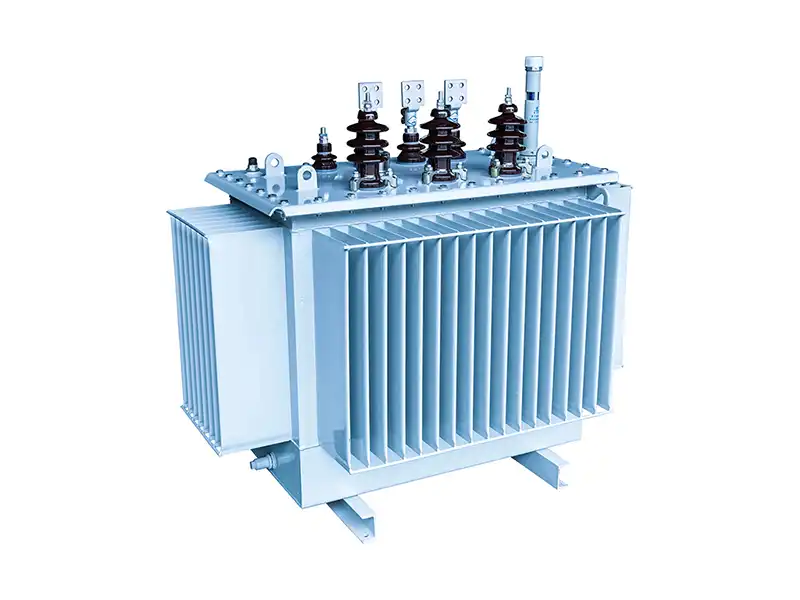
Natural ester transformer oil comes from refined vegetable oils like sunflower, rapeseed, and soybean oils. When it comes to technical specs, this organic insulating fluid is better than options made from petroleum. According to ASTM D92 testing guidelines, the fire point is above 360°C and the dielectric breakdown voltage is usually more than 75 kV. These physical features give utilities and industrial facilities that run important power distribution networks real operational benefits.
The environmental impact of natural ester fluids meets the needs of growing government regulations, and business promises to sustainability. Under normal environmental conditions, biodegradation is complete in 28 days. This means that there are no longer any long-term risks of soil and water contamination. The fact that these fluids are non-toxic means that they don't hurt the environment when they spill near rivers, marine wind farms, or protected ecosystems. Another important benefit is that it improves fire safety. The high flash point eliminates the risk of pool fires in urban substations, data centers, and high-rise building installations where traditional fire suppression systems would be too expensive to install.
Mineral oil doesn't absorb as much water as natural esters do, but that doesn't mean the insulation is less effective. According to studies that speed up the aging process in the transformer industry, this one-of-a-kind property actively dries cellulose insulation materials, which increases their useful life by up to 33%. The higher thermal class number lets the top-oil temperature rise 20°C more, which lets more power fit into smaller spaces. This temperature performance gives project managers a lot of freedom in system design, especially when they have to deal with sites that don't have a lot of room or situations where data centers and factories are overloaded.
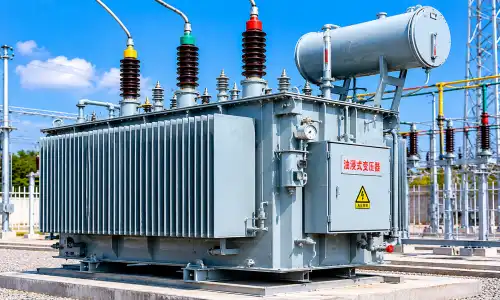
Mineral oil has been used in transformers for many years because of its relatively low initial cost and well-established supply chains. However, natural ester fluids offer important advantages in fire safety and environmental performance, making them an increasingly attractive alternative. A qualified Natural Ester Transformer Supplier can provide natural ester solutions that may support safer transformer installations, particularly in indoor substations where fire protection requirements are important. Compared with mineral oil, natural ester fluids can offer less-flammable characteristics that may help reduce the need for extensive fire barriers in suitable applications. The two fluid types also have different oxidation stability profiles. An experienced Natural Ester Transformer Supplier can recommend appropriate storage and transformer protection measures, such as sealed tanks or nitrogen blanketing systems, to help limit long-term oxidation of natural ester fluids. By working with a reliable Natural Ester Transformer Supplier, utilities and industrial customers can select dielectric fluid solutions that balance fire safety, environmental considerations, and long-term transformer performance. A knowledgeable Natural Ester Transformer Supplier can also provide technical guidance for integrating natural ester fluids into modern transformer systems.
In the transformer market, synthetic esters and silicone-based dielectric fluids are used in specific situations. Synthetic esters are stable at room temperature, but they don't come from green sources or break down naturally like natural ones do. Silicone fluids work very well at high temperatures, but they cost more to make and can't be recycled easily. For most power utility and industrial manufacturing uses, natural ester transformer oil strikes a better balance between performance, durability, and total cost of ownership. When procurement teams look at lifecycle economics, they shouldn't just look at the original fluid price. They should also look at the costs of avoided fire protection, longer insulation life, and lower environmental insurance rates.
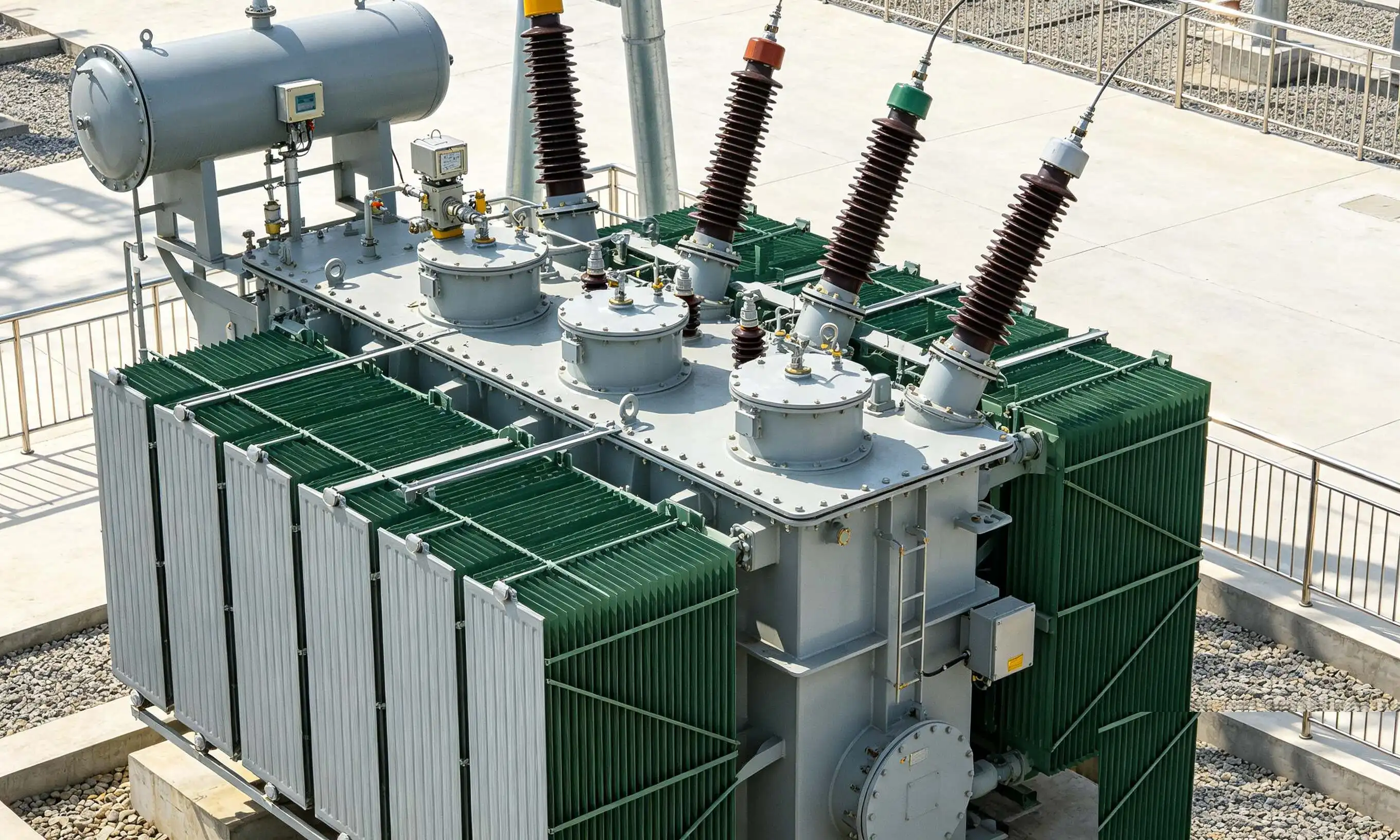
Suppliers are judged on how well they follow certification rules. International recognition through ISO 9001:2015 quality management systems makes sure that the processes used in manufacturing are always the same. Technical performance is checked by standards for each product, such as ASTM D6871 for natural ester electrical insulating liquids and IEC 62770 for fluids used in electrotechnical applications. For less-flammable fluids, suppliers to the U.S. market should keep their UL rating and FM approval up to date. These certifications have a direct effect on how long it takes for projects to get approved and on how well utilities and EPC companies manage infrastructure operations and follow the rules.
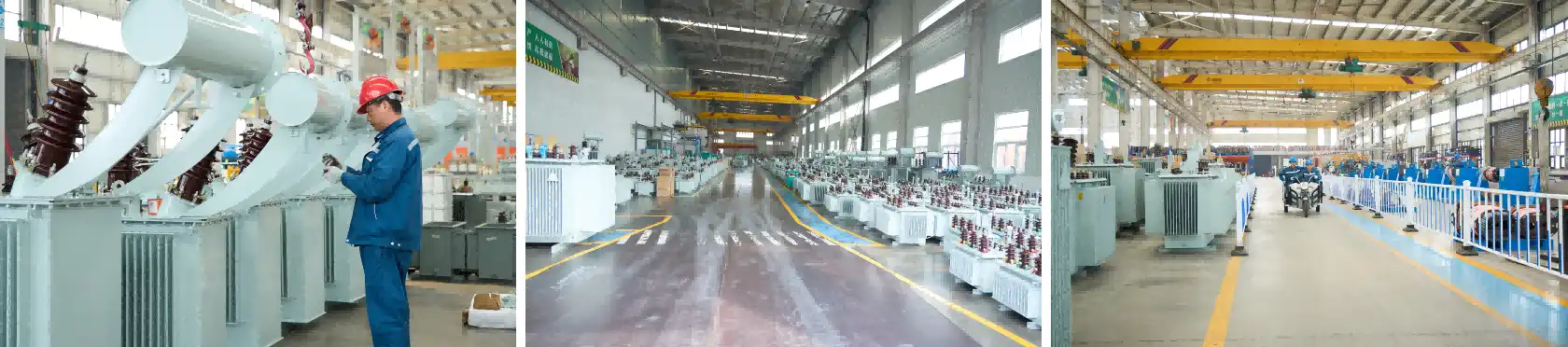
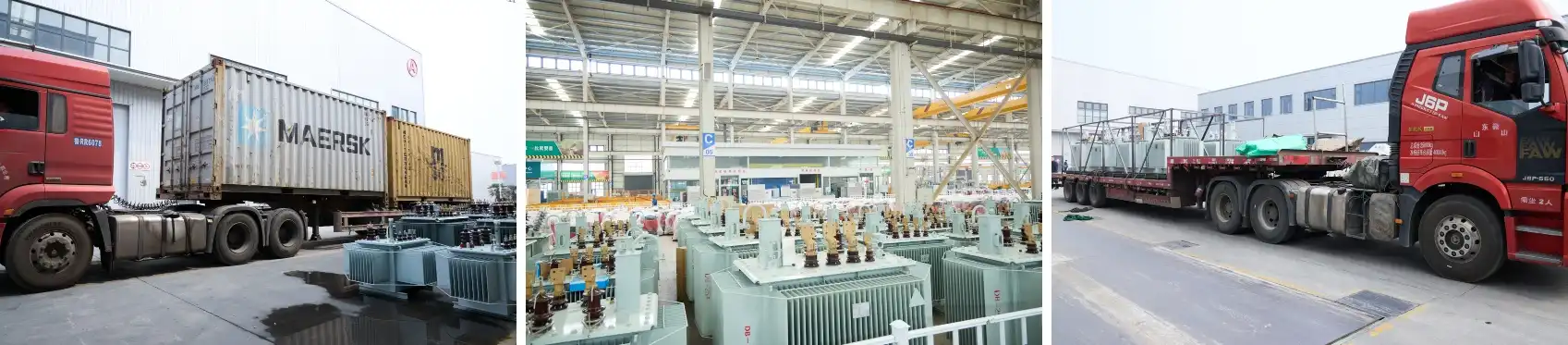
For large-scale power projects to work, constant bulk supply is needed instead of batch production. Looking at a supplier's manufacturing base shows if they can support framework deals that last for more than one year. Production facilities that are bigger than 100,000 square meters and have their own lines for making transformers show that an industry has a lot of potential. When organizing foreign shipments to remote project sites or tight installation plans for grid expansion projects, supply chain stability is even more important.
Transformer designs need to be customized for different uses in grid infrastructure, renewable energy installations, and heavy industry. A good Natural Ester Transformer Supplier has research teams with PhD and master's degree holders who can make sure that the voltage levels, cooling setups, and mechanical designs are the best they can be for each site. Suppliers who really care about their customers' success offer technical consultation after the sale, during commissioning, and for long periods of time after the product is installed. This ability to provide service after the sale is very useful for fixing problems in the field or planning system growth.
Comprehensive testing methods, such as routine, type, and special tests done by nationally known inspection centers, give consumers trust in the consistency of the products they buy. Suppliers that offer open factory audits and batch traceability systems show that they are dedicated to quality management, which leads to consistent performance across large groups of equipment.
Mineral oil is cheaper than natural ester transformer fluid at first, but over its lifetime, the bio-based option is more cost-effective. Bulk buying deals lower the price per unit and ensure a steady supply for projects with multiple stages. Asia has a lot of advantages when it comes to manufacturing. For example, suppliers in China that have a history of exporting goods can offer competitive prices without lowering quality standards. When you negotiate a contract, you should talk about volume commitments, delivery schedules, and ways to change prices that are based on vegetable oil markets instead of oil prices.
The global market for environmentally friendly transformer fluids is mostly concentrated in places that have strong manufacturing ecosystems and renewable agriculture sectors. Asian sellers gain from supply lines that connect factories that make electrical equipment with factories that refine vegetable oils. European companies put a lot of emphasis on following strict environmental guidelines. North American sources are convenient for projects in the US and Canada because they are close by. Checking export certifications (CE marking for European markets, UL/CSA for North America) and shipping logistics skills before buying something from another country helps avoid customs delays and makes sure the project is delivered on time.
When doing business across borders, it's important to pay attention to the paperwork, check the quality, and plan the logistics. Before placing big orders, it's a good idea to ask for product samples that have been tested by a third-party lab to make sure they meet your needs. Clear Incoterms (FOB, CIF, DDP) keep shipping costs from going up more than planned. Setting up payment terms for a letter of credit protects both parties and builds trusting relationships with suppliers. Procurement managers with a lot of experience keep a variety of suppliers on hand instead of relying on just one. This way, the supply chain stays stable even when production problems happen at different sites.
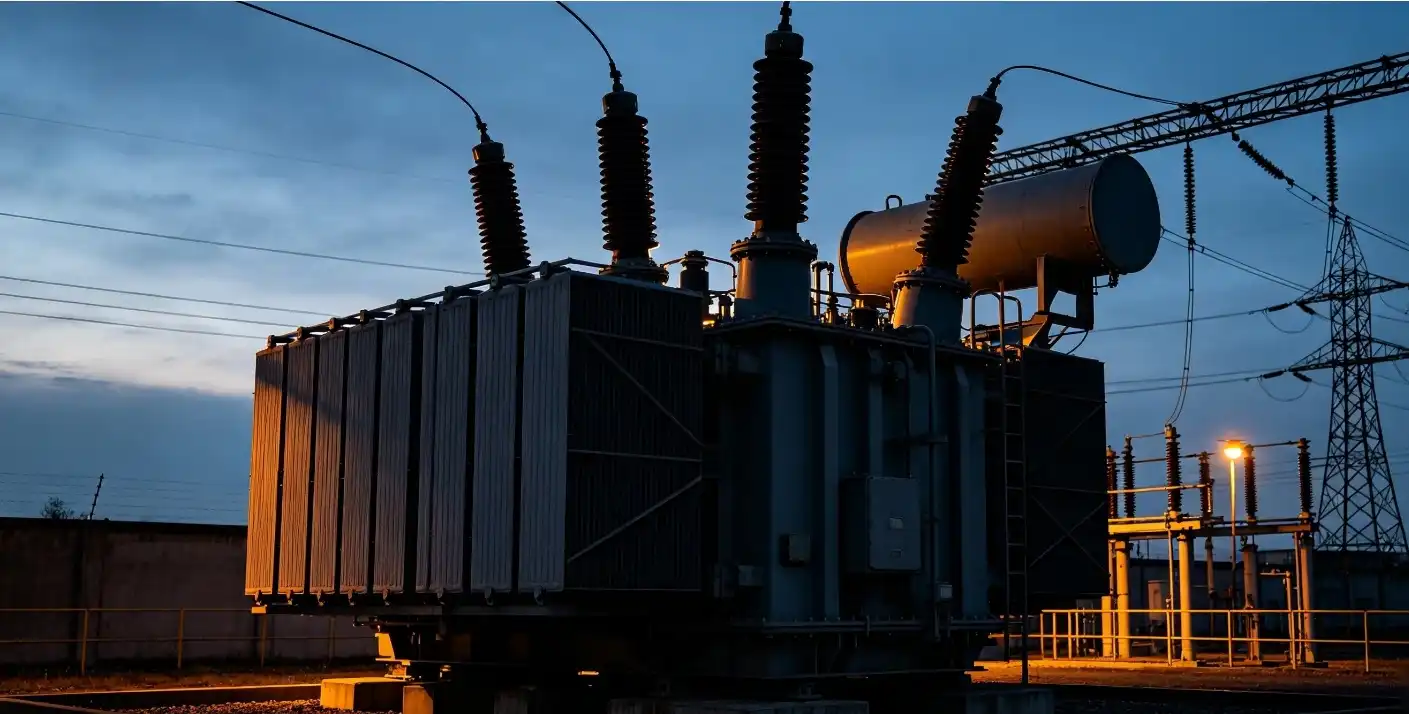
Utilities operating in environmentally sensitive areas have increasingly considered natural ester transformers to reduce the potential risk of groundwater contamination. An experienced Natural Ester Transformer Supplier can provide natural ester transformer solutions for substations located near protected waterways and other environmentally sensitive sites. For example, replacing older mineral oil units with natural ester alternatives can help utilities address environmental requirements while supporting long-term equipment reliability. A qualified Natural Ester Transformer Supplier can also provide transformers designed for renewable energy projects, where environmental protection and equipment durability are important considerations. Offshore wind developers may select natural ester transformers because marine environments involve demanding operating conditions and strict environmental requirements. In chemical processing facilities, a reliable Natural Ester Transformer Supplier can provide transformer solutions designed to support applications where enhanced fire safety is required. Working with a knowledgeable Natural Ester Transformer Supplier allows utilities, renewable energy developers, and industrial manufacturers to select natural ester transformer systems that balance environmental responsibility, fire safety, and long-term performance.
Formulation improvements are being made all the time to fix performance issues caused by cold weather that have historically limited the use of natural esters in northern regions. Modern pour point depressants can work reliably down to -25°C, which means they can be used in more markets. In some situations, sealed tank designs are not needed because of additive packages that make rust protection better. As the world moves toward net-zero carbon commitments, adoption rates are speeding up. Renewable dielectric fluids are in line with ESG reporting requirements for businesses, and utility and industrial sectors are using them more and more.
To be successful, infrastructure projects that last decades need to have ties with their suppliers that go beyond just buying tools. Through feedback on performance in the field and the creation of application-specific solutions together, collaborative relationships make it possible for technical progress to be made all the time. Suppliers that put money into regional service centers, extra parts supplies, and quick-response expert teams show that they care about the operating success of their customers. As power systems move toward distributed generation and renewable energy integration, sellers with full transformer portfolios (including dry-type, oil-immersed, and specialty rectifier units) make buying easier by managing all of the vendors in one place.
Picking a good Natural Ester Transformer Supplier can affect the success of a project in terms of safety, environmental responsibility, and long-term dependability. Bio-based dielectric fluids have many technical benefits, such as better fire safety, compatibility with the environment, and longer insulation life. These benefits help utilities, green energy developers, and industry operators with some of their biggest problems. Instead of just looking at the price at the beginning, procurement decisions should look at a supplier's certification compliance, production capacity, ability to customize, and after-sales support. As the world's power grid moves toward more environmentally friendly technologies, natural ester transformers have been shown to be a reliable way to meet both practical needs and environmental concerns.
Mineral oil has a fire point of about 160°C, while natural ester fluids have fire points above 360°C. Because of this big difference, natural ester transformers can be labeled as UL Less-Flammable, which means that expensive fire control systems don't need to be used in indoor or basement installations. The higher igniting temperature stops pool fires when something goes wrong, which lowers the risk of property damage and insurance responsibility.
Quality suppliers have ISO 9001:2015 quality management certification and other standards for their products, such as ASTM D6871 and IEC 62770. UL listing and FM approval make sure that safety standards are met before equipment is sold in North America. Suppliers who work on international projects should show that their products have the CE marking and follow the rules in the region. Energy-saving certifications from groups like the China Quality Certification Center (CQC) add to the evidence of performance promises.
Retrofilling is still technically possible, but the system needs to be carefully looked at. Natural esters have a higher viscosity than mineral oil, so seals, gaskets, and pumping systems need to be checked to make sure they work with both. Completely removing the oil and cleaning the insides keeps contamination from affecting the dielectric properties. A lot of suppliers offer retrofitting consultation services that check to see if the old equipment will work with the new one and see if it is cheaper to do so than installing new equipment. When changes are done right, they increase the life of transformers and make them safer and better for the environment.
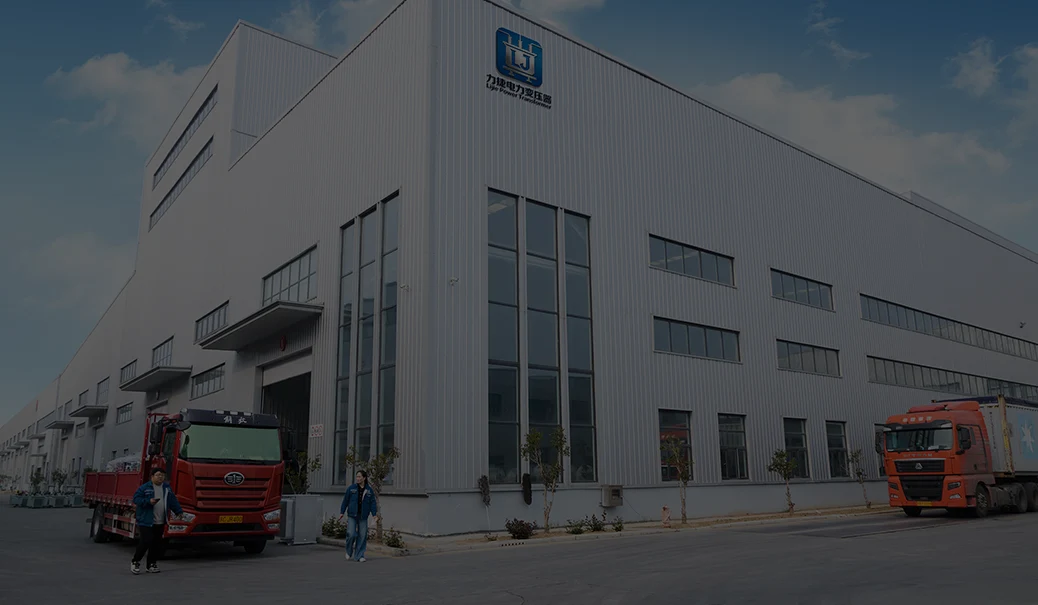
Lijie Electric Power Technology Group helps with sustainable power infrastructure projects around the world by combining modern production skills with a wide range of natural ester transformer knowledge. We have two main production bases that are together 500,000 square meters. This means that we can keep up with the delivery dates for large-scale framework deals. Our engineering team is made up of more than 160 professionals with advanced degrees. They make custom designs that work best for grid applications, integrating renewable energy, and industrial power systems.
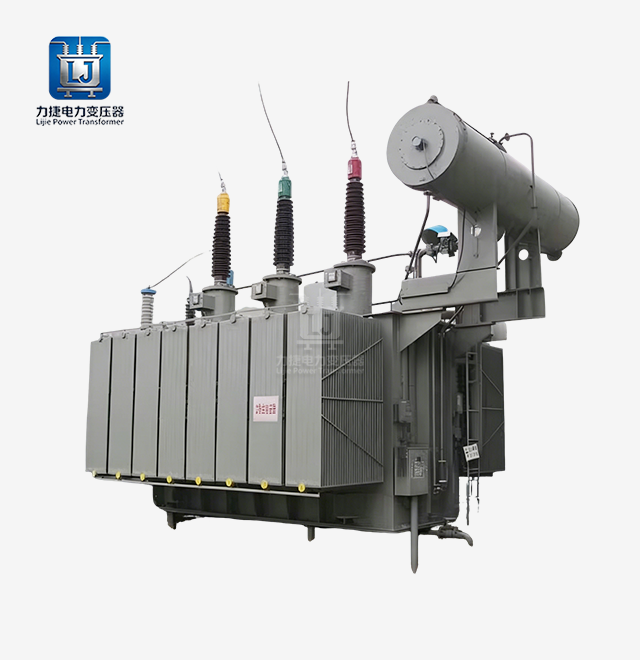
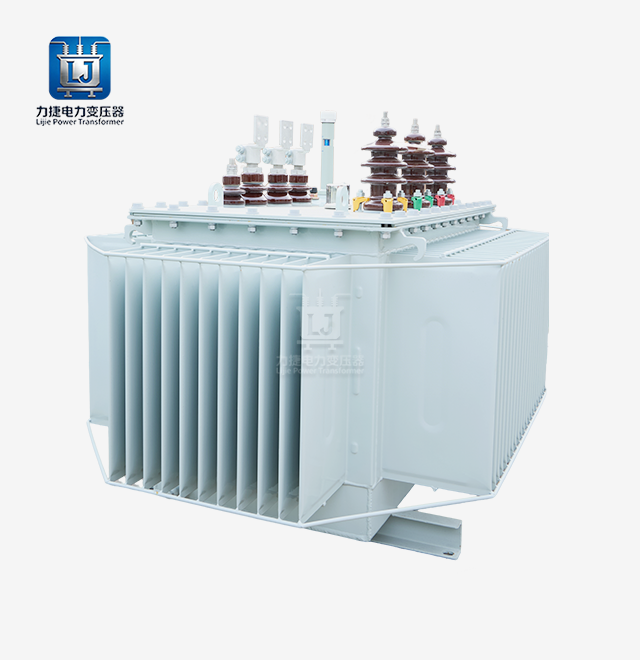
We have all the foreign certifications you need for our transformer items, from ISO 9001:2015 to 500kV ultrahigh voltage classes. These include CE marking, UL listing, and IEC compliance. As a certified Natural Ester Transformer Supplier, we offer traditional mineral oil and dry-type alternatives as well as bio-based dielectric solutions that meet ASTM D6871 standards. Our full line of products includes power transformers, prefabricated substations, and specialized units for use in electric furnaces, mines, and rectifiers.
Get in touch with our expert team at lijieelectrical@gmail.com to talk about your needs for a renewable power system. With decades of experience making transformers, we can give you personalized quotes, thorough technical specifications, and project-specific engineering help. Visit lijie-electrical.com to see all of our products and learn how our approved solutions can help you meet your goals for environmental compliance and infrastructure stability.
1. IEEE Guide for Acceptance and Maintenance of Natural Ester Fluids in Transformers (IEEE Std C57.147-2018), Institute of Electrical and Electronics Engineers, 2018.
2. ASTM International, "Standard Specification for Natural (Vegetable Oil) Ester Fluids Used in Electrical Apparatus" (ASTM D6871-17), West Conshohocken, PA, 2017.
3. International Electrotechnical Commission, "Fluids for Electrotechnical Applications – Natural Esters – Specifications for Unused Liquids" (IEC 62770 Ed. 1.0), Geneva, Switzerland, 2013.
4. Perrier, C., Beroual, A., and Bessede, J.L., "Improvement of Power Transformers by Using Biodegradable Oils: A Review," Electric Power Systems Research, Volume 145, April 2017.
5. McShane, C.P., Rapp, K.J., Corkran, J.L., Gauger, G.A., and Luksich, J., "Aging of Paper Insulation in Natural Ester Dielectric Fluid," Proceedings of the IEEE/PES Transmission and Distribution Conference and Exposition, 2001.
6. Tenbohlen, S., Koch, M., "Aging Performance and Moisture Solubility of Vegetable Oils for Power Transformers," IEEE Transactions on Power Delivery, Volume 25, Issue 2, April 2010.
YOU MAY LIKE

10%20type%2035kV%20transformer.webp)

April 27, 2025
With a tight project schedule, the manufacturer delivered on time, and on-site technical personnel provided guidance throughout the entire installation and commissioning process; the collaboration was highly efficient and hassle-free.
July 2, 2025
During the preliminary phase, a selection plan was custom-tailored based on the actual site load requirements, resulting in a high degree of parameter compatibility. After-sales support responds within two hours, and ongoing technical support for operation and maintenance is comprehensive; we feel completely confident in a long-term partnership.
November 18, 2025
Deployed as a supporting component for a 35kV grid-connection project at a photovoltaic power station, the equipment operates for an average of 16 hours daily. It demonstrates excellent control over no-load losses, ensures smooth power generation and grid integration, and effectively reduces the station's overall energy consumption.
January 30, 2026
Under the continuous, high-load operating conditions of a factory production line, the equipment maintains stable electrical parameters and exhibits strong overload resistance, thereby guaranteeing an uninterrupted power supply for industrial production.
April 3, 2026
Integrated as a supporting component for a new energy photovoltaic grid-connection system, the manufacturer provided professional technical coordination and timely after-sales support, ensuring seamless adaptation to the specific electrical operating conditions required for grid integration.