April 27, 2025
With a tight project schedule, the manufacturer delivered on time, and on-site technical personnel provided guidance throughout the entire installation and commissioning process; the collaboration was highly efficient and hassle-free.
Aug 26, 2026
Selecting a power transformer for utility infrastructure demands precision and foresight. These transformers serve as the electromagnetic backbone of modern grids, enabling efficient voltage conversion while minimizing energy losses during transmission. The right transformer selection balances technical specifications—such as kVA rating, cooling methods, and insulation class—with lifecycle cost projections, delivery timelines, and supplier reliability. Whether you're upgrading a substation, integrating renewable energy sources, or establishing new industrial power supplies, understanding core selection criteria ensures operational resilience, regulatory compliance, and long-term investment value. This guide equips procurement managers and electrical engineers with a practical framework for making confident, data-driven transformer decisions.
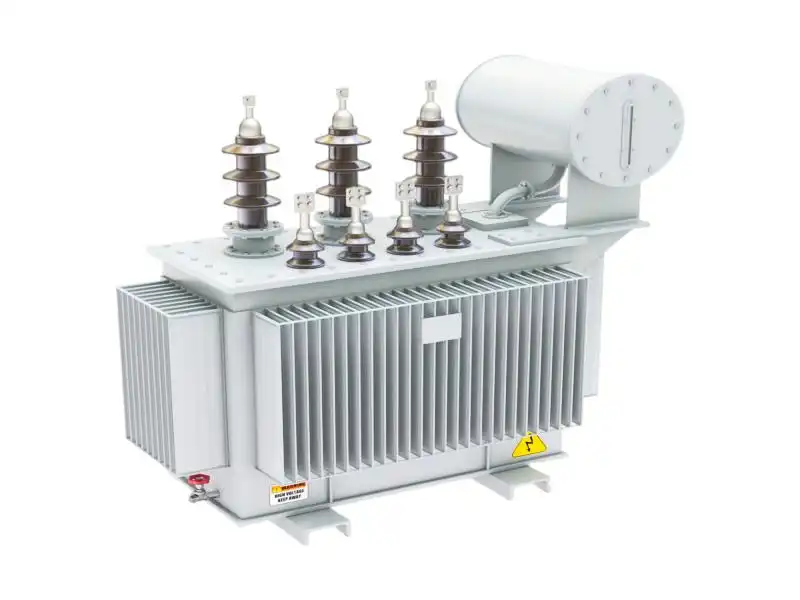
Power Transformers are static electromagnetic devices that move electricity between circuits by induction, stepping the voltage up or down without changing the frequency. They solve important problems in utility networks: high-voltage transmission lowers resistive losses over long distances, and voltage regulation keeps end users' power quality stable. A normal transformer has core laminations that focus the magnetic flux, copper or aluminum windings that change the voltage, and insulating materials (either mineral oil or resin) that get rid of heat and keep the electricity from breaking down.
Oil-filled transformers are the most common type used for high-voltage transfer because they cool better and are cheaper. The oil moves around naturally or with pumps, soaking up the heat that is lost in the core and windings. Most of the time, these units work in outdoor substations with plenty of room and safety steps in place to prevent fires. Dry-type transformers, on the other hand, use cast resin insulation and air cooling, which makes them perfect for places inside like hospitals, data centers, and high-rise buildings where dangerous liquids are not allowed.
Most utility-scale loads can be handled well by three-phase designs, which balance power supply across phases to keep conductor losses to a minimum. Single-phase designs are still useful for distributing electricity to homes, powering trains, and certain industrial processes that need precise voltage control. Transmission transformers work at 110kV, 220kV, or 500kV or higher and allow energy to be sent over long distances with little loss. Distribution transformers handle levels below 35kV, which is the final release to end users.
Ratings of efficiency have a direct effect on the costs of operations. A transformer that works at 98.5% efficiency loses 1.5% of its output as heat, which means it will cost you money every year for 25 to 40 years. Core losses happen all the time when the unit is turned on, but load losses change depending on how much power is flowing through it. Voltage regulation is how well a transformer keeps the secondary voltage stable when the load changes. Tighter regulation makes equipment work better downstream and lowers the chance of voltage-sensitive breakdowns. The total cost of ownership is based on these metrics, which often go over the initial purchase price in big projects.
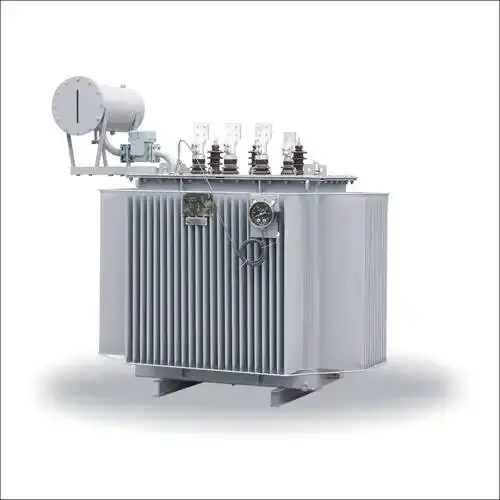
A thorough load analysis is the first step in selecting a reliable power transformer that will perform effectively under actual operating conditions. The minimum kVA or MVA rating required is based on peak demand, load diversity factors, and plans for future growth. Choosing an appropriately sized power transformer helps balance operational safety with capital costs. Oversizing a power transformer provides additional capacity margins but increases the initial investment, while undersizing can increase the risk of overheating, accelerated insulation degradation, and premature failure. Ambient temperature extremes, altitude, humidity, seismic activity, and pollution levels can all affect the cooling requirements and enclosure specifications of a power transformer. Installations near coastal areas may require enhanced corrosion protection, while desert installations may need robust filtration and moisture-control systems. By evaluating these environmental factors together with expected loads, buyers can select a power transformer that provides reliable performance and long-term operating value.
Transformer ratings show the highest steady load the unit can handle without overheating. They are given in kilovolt-amperes or megavolt-amperes. Voltage ratios must exactly match the needs of the main supply and the secondary load. If they don't, tap changes won't work well, or you'll need to add extra equipment. There are different ways to cool transformers, ranging from natural oil and air circulation (ONAN) for smaller units to forced oil and air cooling (OFAF) for the biggest ones. The footprint, noise levels, maintenance schedule, and total lifecycle costs are all affected by the method that is chosen.
Impedance percentages affect how well a circuit can handle short-circuits and how much current can flow during a fault. Higher impedance lowers fault currents, which makes it easier to coordinate protection further downstream, but it also raises voltage drop when the load is applied. This trade-off needs a careful engineering analysis that fits with the idea of system security and the way the infrastructure is set up now.
Parts like bushings, tap switches, and safety relays have a direct effect on how reliably something works. Designs that are hermetically sealed keep out moisture and oxidation of oil, which increases service life in tough environments. Buchholz switches find problems inside by collecting gas, and winding temperature sensors sound alarms before insulation damage happens. Material flaws, problems with the work, and performance guarantees should all be covered by the warranty. It should also be clear who is responsible for transportation, installation inspection, and commissioning support.
A supplier's evaluation includes more than just the specifications of the product. It also looks at how much they can make, their quality certifications (ISO 9001, IEC compliance, CE, UL), and their track record with similar projects. Lead times for standard units are usually eight to sixteen weeks, while lead times for custom designs can be twenty to thirty weeks. Suppliers that can do large batches of work and offer open customization options can keep projects on schedule and allow for phased rollouts across multiple buildings.
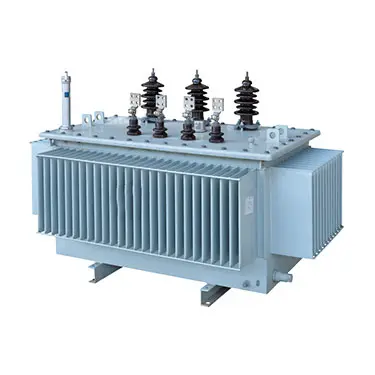
Oil-immersed transformers have great thermal performance and small sizes compared to the amount of power they can handle. Mineral oil cools and insulates, so it can handle more power than alternatives that use air cooling. But they need containment systems to deal with possible leaks, frequent oil samples to check the amount of dissolved gas, and careful planning for fire safety. Environmental laws are pushing for dielectric fluids that are recyclable or less explosive, which makes buying them more difficult.
Dry-type transformers get rid of the fire and environmental risks that come with oil-based ones. This makes getting permits easier and lowers insurance costs for setups inside. Cast resin insulation doesn't absorb water or dirt, so it requires less upkeep. Still, they usually cost fifteen to thirty percent more than oil-filled versions of the same rating and have a lower overload capacity. Without liquid dampening, noise levels can be higher, so acoustic enclosures are needed in places that need them.
Multinational companies such as Siemens, ABB, and Schneider Electric have developed their engineering capabilities over decades and maintain extensive global service networks and broad product portfolios covering applications from distribution to ultrahigh-voltage systems. Their power transformer solutions often incorporate proprietary technologies designed to improve efficiency, reduce equipment size, or enhance condition monitoring and fault diagnosis. For large-scale infrastructure projects, selecting a power transformer from an established manufacturer can provide access to advanced engineering expertise and global technical support. However, the higher prices and longer lead times associated with some premium power transformer solutions may create challenges for projects operating under tight budgets or demanding accelerated completion schedules. Procurement teams should therefore compare the technical capabilities, delivery requirements, service support, and total cost of each power transformer option before making a final purchasing decision. Choosing the right power transformer supplier can help balance advanced technology with project-specific budget and schedule requirements.
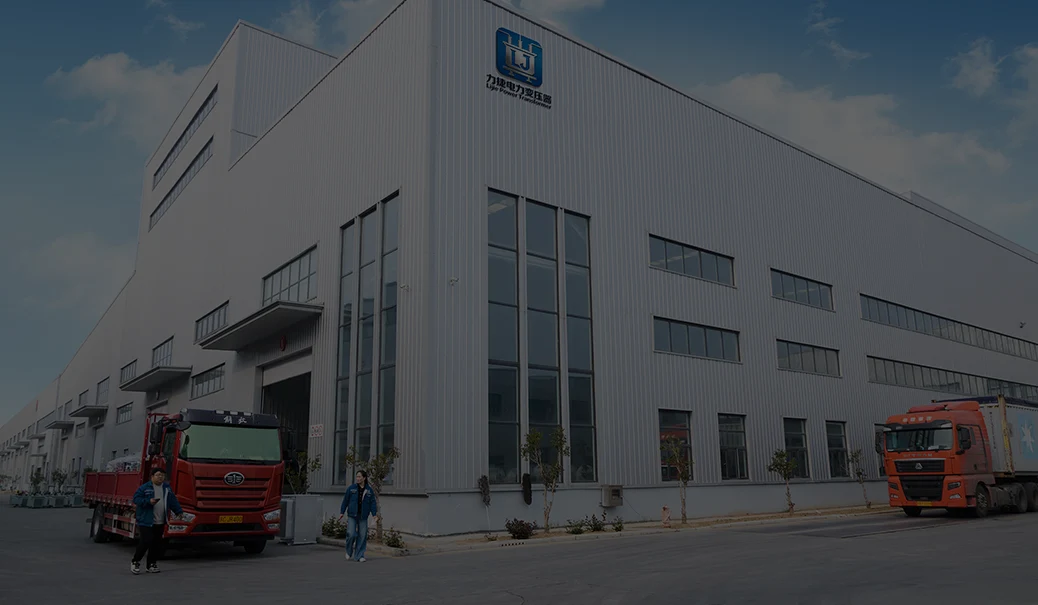
Regional manufacturers, like Lijie Electric, offer competitive prices, quick customization, and shorter delivery times. Lijie Electric makes transformers ranging from small 10kV distribution units to 500kV ultra-high-voltage models. The company has factories that cover 500,000 square meters and makes more than 5 billion RMB in sales every year. The company has ISO 9001:2015 certification, CE and UL approvals, and testing protocols that are IEC-compliant to make sure that the quality of its products meets international standards. Their engineering team, which is made up of more than 160 people with advanced degrees, customizes solutions for applications that use renewable energy, heavy industrial loads, and grid stabilization. Being close to factories speeds up the process of solving problems, and understanding Asian cultures makes it easier for EPC workers working in growing areas to talk to each other.
Transformers that are made to order can solve problems that standard catalog items can't. Because of things like variable frequency drives, harmonic-rich loads from renewable energy inverters, and harsh weather, custom winding setups, specialized cooling systems, or stronger structure designs are often needed. When operating needs are very different from normal utility standards, the engineering investment pays off.
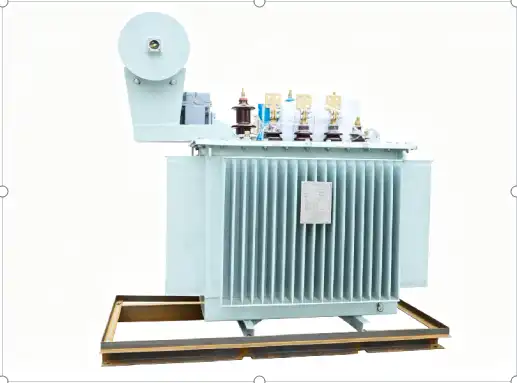
The process of buying something starts with detailed load documentation. Electrical engineers figure out how much power is connected, use diversity factors, and guess how the system will grow over the planning horizon, which for utility assets is usually ten to twenty years. This study figures out the basic kVA needs and voltage ratios. When you look at past failure data from similar setups, you can see that common mistakes like not having enough altitude derating, not having enough cooling capacity, or not having enough short-circuit withstand strength have ruined many projects. When you learn from your mistakes, you can avoid costly redesigns and delays in ordering.
Internationally, IEC 60076 sets standards for transformer ratings, test methods, and performance metrics. In North America, ANSI/IEEE C57 series controls these things. Following the rules makes sure that everything works together, makes it easier to get insurance, and meets the requirements of utility hookup deals. Specifications need to include impulse withstand voltage for lightning protection, partial discharge limits to make sure the insulation is solid, and loss guarantees that affect the cost of energy directly. Limits on temperature rise—usually 65°C for mineral oil windings—protect the life of insulation.
Renewable energy projects have their own set of problems. Transformers in wind farms need to be able to handle sudden changes in load and harmonic currents that are made by power electronics. Solar installations need small footprints for arrays that don't have a lot of room and finishes that won't rust for desert or coastal deployments. Explosion-proof enclosures and buildings that can handle vibrations are needed for mining companies to work underground. Matching the design of a transformer to its intended use keeps operations from failing and makes the best use of assets.
In the northeastern United States, an update to a 220 kV substation replaced older oil-filled units with advanced power transformer systems featuring online dissolved gas monitoring and adaptive cooling controls. The new power transformer units reduced no-load losses by 18%, helping the company save approximately $120,000 per year in energy costs while improving system reliability through predictive maintenance capabilities. In another example, a solar farm in Nevada installed hermetically sealed dry-type power transformer units designed to withstand significant temperature fluctuations and dust exposure. These power transformer systems continued operating effectively for five years without major maintenance. Such applications demonstrate how appropriately engineered power transformer solutions can improve energy efficiency, reliability, and maintenance planning across demanding utility and renewable energy environments. Selecting the right power transformer technology can therefore help operators reduce operating costs while maintaining dependable electrical infrastructure.
Technical validation (impedance verification, loss guarantees, cooling system capacity), commercial terms (pricing, payment milestones, delivery schedules, liquidated damages), compliance documentation (test reports, certifications, material traceability), and post-delivery support (help with commissioning, availability of spare parts, training programs) are all covered by structured checklists that help procurement teams do their jobs better. This methodical approach lowers the risk of control and brings together partners from different departments around common evaluation criteria.
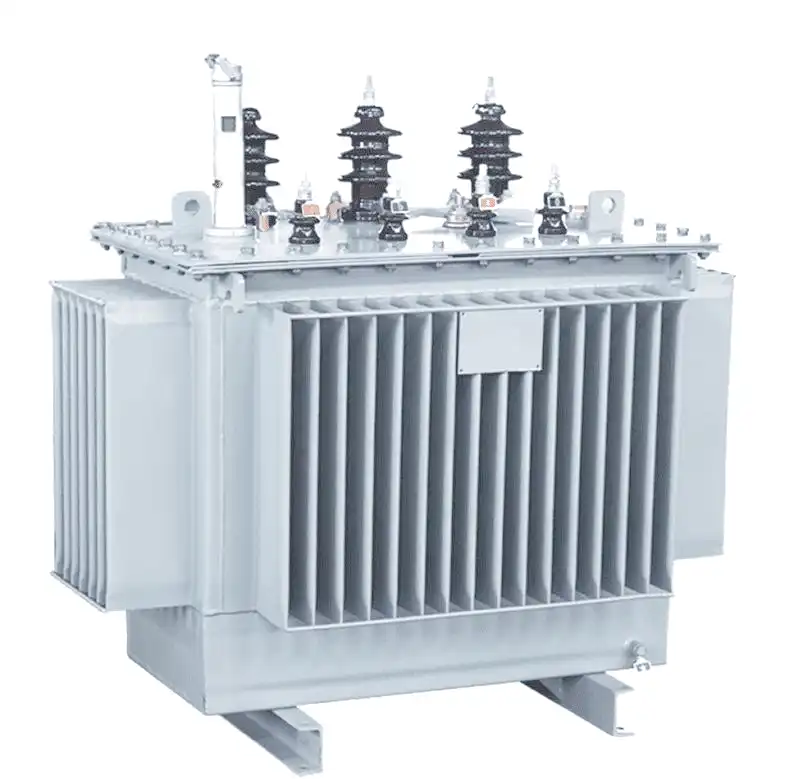
When something is installed correctly, it will work reliably for many years. As part of preparing the site, level concrete pads are put down to support the weight of the transformers, which are often more than fifty tons, and where needed, vibration isolation is added. Clearances must allow for entry to radiator panels, bushings, and future repair tasks. To keep hot spots from happening, electrical connections need to have torque-controlled terminations. Grounding systems safely get rid of fault currents. Before turning the power on, commissioning tests make sure that the insulation resistance, turns ratios, and safety relay coordination are all correct.
Transformers that use oil need to have their oil analyzed on a regular basis to check for wetness, acidity, dielectric strength, and dissolved gas amounts. When ethylene or acetylene levels rise, they show that something is overheating or arcing, which lets someone fix it before it fails completely. Maintenance on the cooling system includes cleaning the sides of the radiators, making sure the fans work, and checking the seals on the pumps. Dry-type units don't need as much maintenance, but they should still be checked once a year for cracked resin, loose connections, and dust buildup that stops airflow.
Overheating can show up as strange temperature readings, oil breaking down faster, or windings turning a different color. Overloaded circuits, clogged cooling paths, and internal problems are some of the things that can cause this. Buzzing, humming, or crackling sounds are signs of loose laminations, magnetostriction, or partial discharge activity. Uneven voltage under load could mean that the tap switch or windings are broken. If gaskets or bushings leak oil, it can damage insulation and make fire safety less safe. Systematic evaluation is needed for each symptom using thermal imaging, acoustic tracking, or dissolved gas analysis to find the root causes and figure out what needs to be done to fix the problem. These proactive steps protect large capital investments, increase service life, and lower the number of unplanned outages.
For utility projects, choosing the right power transformer means finding a balance between technical performance, lifecycle economics, and supplier reliability. To make informed decisions, buyers need to understand load profiles, environmental conditions, and applicable regulatory standards when evaluating a power transformer. Project risks can be reduced by comparing oil-filled and dry-type power transformer designs, assessing supplier capabilities, and using structured procurement methods. The quality of installation and ongoing maintenance has a direct effect on the service life, reliability, and energy efficiency of a power transformer. Purchasing managers and engineers can select a reliable power transformer that provides stable and cost-effective power for decades by following a systematic evaluation process. Choosing the right power transformer and maintaining it properly can support grid modernization, improve operational reliability, and contribute to the transition toward more sustainable energy systems.
Improvements in efficiency of even 0.5 percentage points save a lot of money over the 30-year life of a transformer. At industrial power rates, a 10 MVA unit that runs all the time saves about $150,000 in energy costs for every 0.5% improvement in efficiency. Premium versions with amorphous metal cores or better cooling systems usually pay for themselves in five to seven years by lowering costs.
Oil-filled units are cheaper up front and have a higher power density, but they need to be tested for oil leaks, watched for, and eventually thrown away. Dry-type transformers get rid of these maintenance jobs and lower insurance rates for setups inside, but they cost more at first. During the whole service life, the total cost analysis needs to take into account labor for upkeep, environmental compliance, and risk factors that are unique to the place.
Engineered-to-order designs take twenty-four to thirty weeks to ship, while standard catalog units usually ship within ten to fourteen weeks. Lead times include getting approval from engineers, buying materials, making things, testing them in the factory, and transporting them. Early involvement of suppliers in the planning stages of a project and clear sharing of requirements help keep delays to a minimum and make sure that key paths are properly accommodated.
Lijie Electric is ready to help you with your utility projects by providing complete transformer solutions backed by decades of engineering know-how and top-notch manufacturing. Our manufacturing facilities cover 500,000 square meters and test all of our 10kV distribution transformers through 500kV ultra-high-voltage units to make sure they meet IEC, ANSI, and IEEE standards. No matter if you need oil-immersed designs for grid substations, dry-type units for integrating renewable energy, or specialized transformers for heavy industry and mining, our team can make solutions that fit your needs perfectly. We are a recognized provider of Power Transformers with CE, UL, and ISO 9001:2015 credentials. We offer consistent quality for big orders while still allowing for easy customization. Email our engineering experts at lijieelectrical@gmail.com to talk about your project needs, get detailed quotes, and find out how our dependable supply lines and quick technical support can help you improve your utility infrastructure. You can look at our full line of products and read about great projects we've done in six countries by going to lijie-electrical.com.
1. IEEE Standards Association. "IEEE Guide for Loading Mineral-Oil-Immersed Transformers and Step-Voltage Regulators." IEEE Std C57.91-2011, Institute of Electrical and Electronics Engineers, 2011.
2. International Electrotechnical Commission. "Power Transformers – Part 1: General Requirements." IEC 60076-1:2011, International Electrotechnical Commission, 2011.
3. Heathcote, Martin J. "The J&P Transformer Book: A Practical Technology of the Power Transformer." 13th Edition, Newnes, 2007.
4. Kulkarni, S.V., and Khaparde, S.A. "Transformer Engineering: Design, Technology, and Diagnostics." 2nd Edition, CRC Press, 2013.
5. American National Standards Institute. "ANSI/IEEE C57.12.00: Standard General Requirements for Liquid-Immersed Distribution, Power, and Regulating Transformers." American National Standards Institute, 2015.
6. Cigre Working Group A2.37. "Transformer Reliability Survey." Technical Brochure 642, International Council on Large Electric Systems, 2015.
YOU MAY LIKE

11%20type%2035KV%20dry-immersed%20transformer_1778136495348.webp)
12%20Series%20Dry%20Type%20Transformer.webp)

11%20type%2035kV%20distribution%20transfo_1778137470754.webp)

April 27, 2025
With a tight project schedule, the manufacturer delivered on time, and on-site technical personnel provided guidance throughout the entire installation and commissioning process; the collaboration was highly efficient and hassle-free.
July 2, 2025
During the preliminary phase, a selection plan was custom-tailored based on the actual site load requirements, resulting in a high degree of parameter compatibility. After-sales support responds within two hours, and ongoing technical support for operation and maintenance is comprehensive; we feel completely confident in a long-term partnership.
November 18, 2025
Deployed as a supporting component for a 35kV grid-connection project at a photovoltaic power station, the equipment operates for an average of 16 hours daily. It demonstrates excellent control over no-load losses, ensures smooth power generation and grid integration, and effectively reduces the station's overall energy consumption.
January 30, 2026
Under the continuous, high-load operating conditions of a factory production line, the equipment maintains stable electrical parameters and exhibits strong overload resistance, thereby guaranteeing an uninterrupted power supply for industrial production.
April 3, 2026
Integrated as a supporting component for a new energy photovoltaic grid-connection system, the manufacturer provided professional technical coordination and timely after-sales support, ensuring seamless adaptation to the specific electrical operating conditions required for grid integration.