April 27, 2025
With a tight project schedule, the manufacturer delivered on time, and on-site technical personnel provided guidance throughout the entire installation and commissioning process; the collaboration was highly efficient and hassle-free.
Aug 26, 2026
When procuring transformers for critical infrastructure, choosing the right Natural Ester Transformer Supplier means evaluating technical specifications, certifications, production capacity, and long-term service commitments. Bio-based dielectric fluids offer superior fire safety, environmental compatibility, and extended insulation life—making supplier selection a strategic decision that impacts operational reliability, total cost of ownership, and regulatory compliance. Buyers should verify that prospective partners hold recognized international certifications, demonstrate proven manufacturing scale, and provide transparent technical documentation to ensure alignment with project specifications and sustainability objectives.
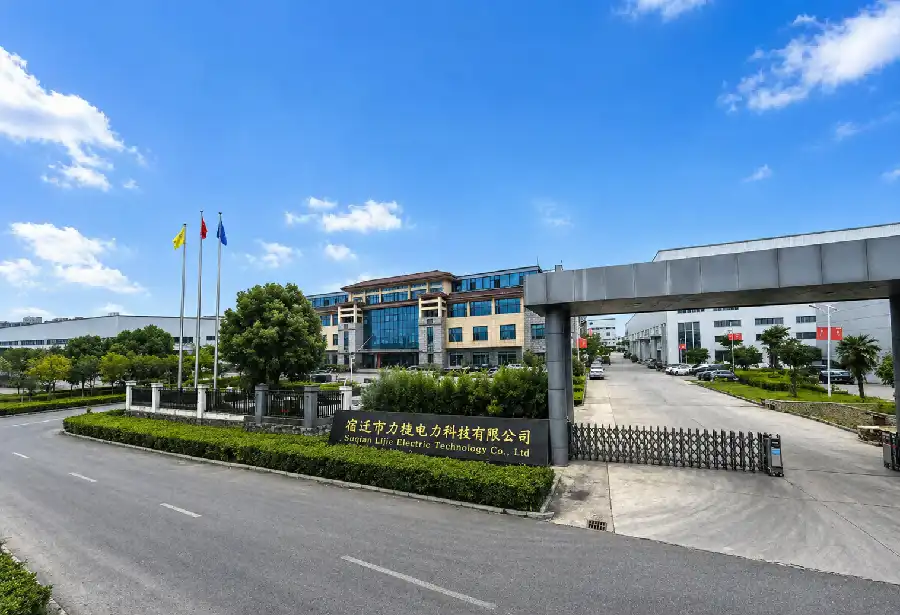
Buying decisions are based on well-defined priorities. We look for suppliers that have stable quality control, follow worldwide standards like ISO 9001 and ASTM D6871, and keep the whole process clear, from production to delivery. The market for natural ester transformers has grown very quickly as utilities and business owners look for better and more environmentally friendly options to mineral oil systems. However, variable product quality is still a big risk. To save money, some companies use lower-quality veggie oils or don't do thorough dielectric testing, which lowers the safety and life of transformers.
Certifications are the first step to reliability. We give more weight to suppliers who are certified to ISO 9001:2015 for quality management. This shows that the production process follows protocols for systematic controls and continuous improvement. Environmental compliance is just as important. Suppliers should show proof that their fluids meet the IEC 62770 standards for natural esters used in electrical equipment. These certifications act as gatekeepers, keeping out vendors who can't follow the rules set by regulators.
Fluids that don't always have the same makeup can be dangerous. Natural esters can be different in how well they handle wetness and oxidation based on the oils they come from and how they were refined. Reliable suppliers test each batch separately and provide detailed technical datasheets that include the fire point, the pour point, the breakdown voltage, and the dissipation factor. We suggest getting sample test results from outside labs to compare what was said about performance to what was actually seen.
Following the rules goes beyond making sure the products are good. Environmental permits, safe handling certifications, and being able to track down raw materials are all signs that a supplier is committed to making products in a responsible way. According to OECD 301B standards, buyers working on projects in environmentally sensitive areas, like hydropower plants or wind farms near protected waterways, should make sure that the fluids meet biodegradability benchmarks of more than 60% degradation within 28 days.
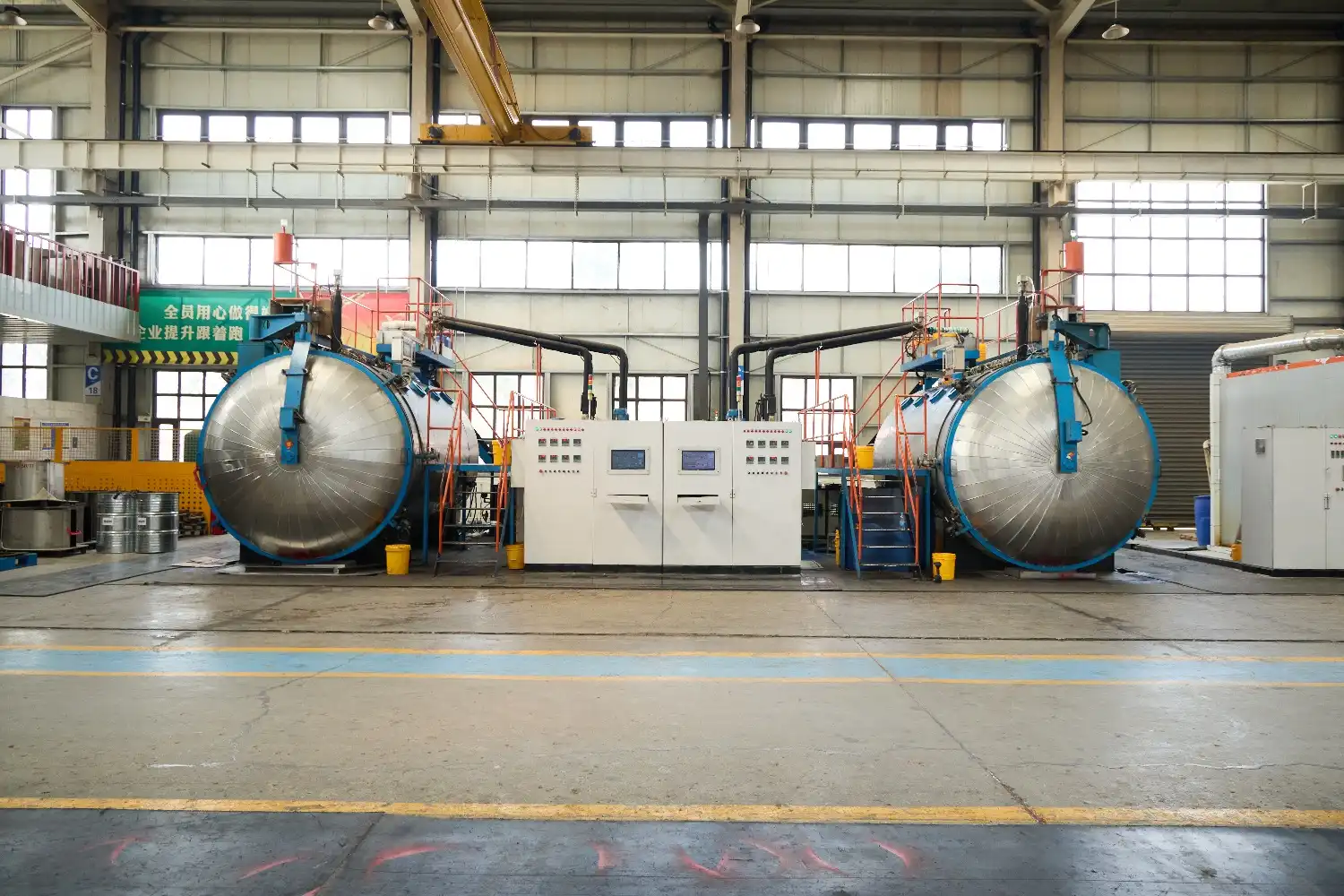
Before you can do a technical review, you need to know how the features of the fluid directly affect the performance of the transformer. Natural esters made from sunflower, rapeseed, or soybean oils usually have fire points higher than 360°C, while mineral oils only have fire points of 160°C. This temperature range makes it possible to place in urban substations and high-rise buildings without having to build a lot of fire control equipment, which saves money on capital costs.
The effectiveness of insulation is based on the dielectric breakdown voltage, and when tested according to ASTM D1816 guidelines, high-quality natural esters from a Natural Ester Transformer Supplier show breakdown voltages above 75 kV, meaning they can work reliably when electrical stress is applied. Natural esters are different from regular oils because they can handle moisture. These fluids can soak up water without losing much of their performance, which dries out cellulose insulation and increases the life of assets by up to 33%. This trait is especially useful in humid places or on remote sites where getting water in is always a problem.
The operational lifetime is affected by thermal stability. Natural esters keep their stickiness and dielectric qualities even when the temperature changes from -25°C to 120°C. This means that they can keep working well even when the weather changes with the seasons. We carefully look at the different grades of viscosity because higher viscosity changes how well it cools. Modern versions find a good mix between being able to start cold and being able to get rid of enough heat during peak loads.
Different uses for transformers need different fluid specifications. Natural esters have a higher overload capacity, which means that the top oil temperature can rise 20°C more than in mineral oil systems. This is good for distribution transformers in green energy setups. This thermal margin supports the changing patterns of generation that are common in wind and solar farms. On the other hand, power transformers used in grid uses need to be stable over a long period of time. To do this, suppliers must show results from rapid aging tests that show the performance will last longer than 30 years.
In places with a lot of people, the benefits of fire safety become very important. K-class rated natural ester fluids get rid of the risk of pool fires, which lets urban substation designs be more compact. We suggest checking the "Less-Flammable" label on UL Classification and FM Approval to make sure it meets NFPA 70E safety rules for the workplace. These certifications affect insurance rates, and facilities that use bio-based dielectrics often see their rates go down.
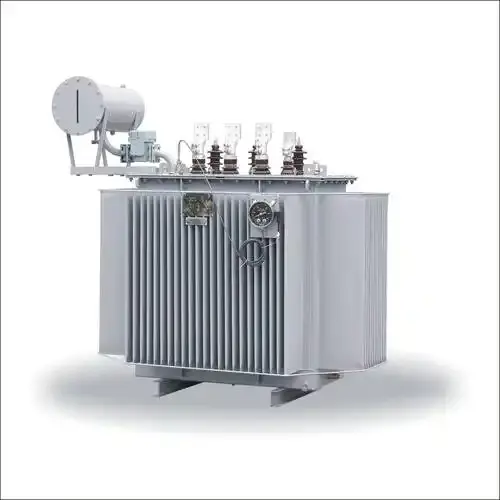
Quality alone doesn't mean a project will be successful. Whether transformers come on time and avoid costly project delays depends on how reliable the supply chain is. We check suppliers' ability to make things, their warehouses, and their logistics networks to make sure they can handle the large orders that come up in utility and industrial procurement.
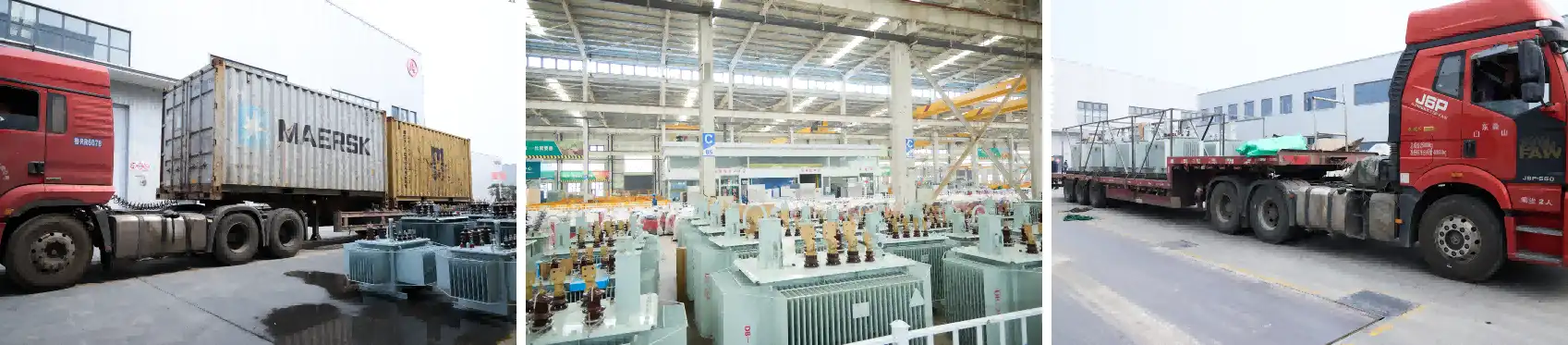
Timelines for projects must match up with manufacturing capabilities. Buyers who are in charge of infrastructure rollouts that last more than one year need sellers who can consistently deliver the same amount of goods every three months or once a year without any quality issues. We look at the size of factories—facilities that are bigger than 200,000 square meters and have their own production lines usually show that they are ready to make bulk supply agreements. Lead times are very important. Reliable providers promise delivery windows of 8 to 12 weeks for standard specs and are clear about their capacity limits for custom formulas.
Order freedom helps with executing a job in stages. Framework deals with staggered delivery dates from suppliers help buyers keep track of inventory costs and storing needs. We like working with partners who can make changes to the design in the middle of a project without breaking the contract. This is because engineering improvements often happen during the building phase.
Tier-one providers stand out because they offer quick expert support. It's very helpful to have application experts on hand who can make site-specific suggestions based on things like ambient conditions, load patterns, and installation limitations. We expect suppliers to offer free sample testing so that buyers can see how well the fluid works in real-world settings before making big purchases.
Service after the sale increases the value of a product, and a Natural Ester Transformer Supplier offering oil analysis programs helps buyers keep an eye on the condition of the fluid throughout the lifecycle of a transformer, spotting patterns of wear and tear early on and finding the best maintenance times. Operational mistakes can be cut down by teaching repair teams the right way to handle and test things. These services show that the supplier cares about building long-term relationships with customers instead of just making sales.
A market's image is based on the stories of many customers. We look at the project profiles of sellers to see proof of successful deployments in applications that meet our needs. Industry qualifications that go beyond ISO standards, like CE marking for European markets or UL listing for installations in North America, prove that a company is technically competent and follows all local rules.
Testimonials from customers can be very useful. Buyers should talk to current clients to find out how quick the supplier is in an emergency, how accurate the technical paperwork is, and how well they keep their delivery promises. Suppliers who get positive feedback from a wide range of customers show that their businesses are reliable in more than just one transaction.
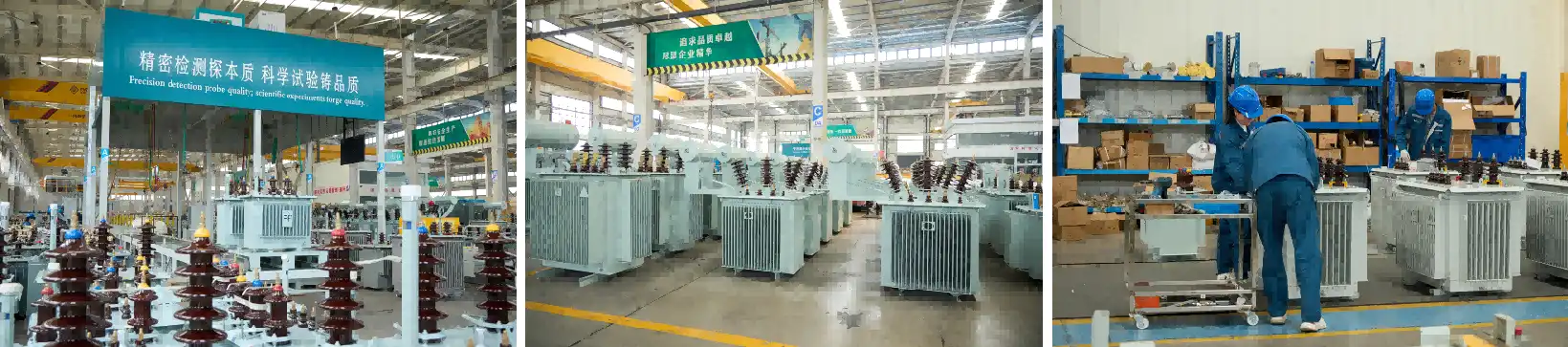
For a financial review to be complete, detailed cost modeling is needed. The unit price is only one part of the total cost of ownership. Natural ester fluids usually cost two to three times as much per liter as mineral oil, but bio-based options are often more cost-effective over their lifetime because they last longer, use less fire protection equipment, and are better for the environment.
Over many years, operational savings add up. Because natural esters can renew cellulose insulation by getting rid of moisture, transformers can last up to 35 years longer, which means that they don't have to be replaced as often. Energy efficiency affects ongoing costs. For example, fluids with lower dielectric loss factors make transformers 0.2-0.5% more efficient by reducing the amount of heat they produce. Even tho these gains are small, they add up to a lot when big groups run all the time.
Logistics costs affect how much a project costs. When working on international projects, suppliers who offer consolidated shipping or regional warehousing cut down on freight costs and make imports easier. We look at different packing choices because returnable containers are cheaper to throw away than drums that are only used once. Storage needs are also important. Because natural esters are stable, they can be kept in warehouses for longer amounts of time without going bad, which gives you more options for your goods.
Good payment terms help with managing cash flow. When project timelines get longer, it's easier to plan finances when suppliers offer net-60 or net-90 terms to long-term customers. Warranty protection against bad materials—we want coverage for 18 to 24 months after delivery, with clear ways to fix products that don't meet standards.
Being able to customize things adds strategic value, and a Natural Ester Transformer Supplier who can change formulations for extreme weather or certain voltage classes makes it possible for designs to be optimized. Buyers who need named fluids for their own transformer lines can benefit from private labeling choices. When these services are combined with competitive prices, they make seller relationships stronger in ways other than just buying and selling goods.
Structured evaluation frameworks keep subjective biases from changing the choice of supplier. Weighted scorecards help us check for technical compliance, certifications, production capacity, low costs, and good customer service. Each factor is given a weight based on how important it is to the project. For example, fire safety standards may be worth 25% of the weight in urban projects but only 10% on industrial sites in the middle of nowhere.
Checking for technical accuracy is the first step in scoring. Suppliers must show test reports from a third party that say the fluid features meet the requirements of IEC 62770. We give scores based on performance margins. Fluids that are 50°C higher than the minimum fire point requirements get higher scores than fluids that are just below the thresholds. The types of certifications that a seller has are important. Suppliers with ISO 9001, ISO 14001, and OHSAS 18001 show that their management systems are complete and don't just focus on quality.
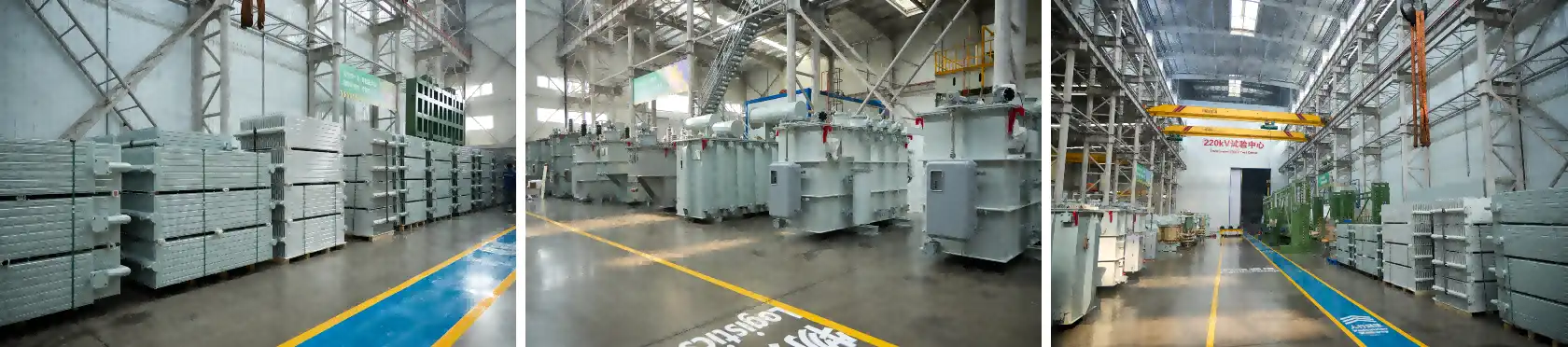
Factory checks are part of the production capacity estimate. Virtual tours of the plant or on-site checks show what can be made, how quality control is done, and what plans are in place for what could go wrong. Suppliers who have redundant production lines in more than one place get good marks, which lowers the risk of a single point of failure. We look at different inventory management systems and prefer suppliers that use ERP platforms that let us see real-time tracking of orders and deliveries.
Total ownership models are used in cost analysis. We figure out the net present value of fluid investments over the 30-year lifecycles of transformers by weighing the upfront costs of the policies against the benefits of not having to do as much upkeep, longer asset life, and higher efficiency. People believe suppliers whose prices are clear and in line with stated market benchmarks. On the other hand, suppliers whose prices are hard to understand make people worry about hidden fees.
Decision frames are based on cases from real life. A big utility company recently switched 500 distribution transformers to natural ester fluids. They chose a provider based on their ability to deliver in bulk and their technical help centers in different regions. Over the course of 18 months, the supplier was able to arrange deliveries across 12 project sites while keeping uniform quality that was checked by outside testing. This was an example of business excellence that went above and beyond what competitors could do. The utility had 98% of deliveries happen on time and no problems with fluids during the first year of operation, which proved their selection criteria.
To find the best Natural Ester Transformer Supplier, you need to weigh technical requirements, certifications, production size, service skills, and prices over the product's entire life. Buyers get the best results when they give priority to providers that show they are ISO compliant, have experience with large-scale projects, provide clear technical paperwork, and offer quick customer service. Changing to bio-based dielectric fluids is an important investment in safety, sustainability, and the long-term performance of assets. This is why evaluating suppliers is so important to the success of the project.
ISO 14001 certifies environmental practices and ISO 9001:2015 certifies quality management systems. IEC 62770 certifications for natural ester fluids and UL/FM approvals for fire safety are some examples of product-specific certifications. CE marking lets you sell your product in Europe, and UL listing meets the needs of people in North America.
Natural ester fluids have fire points higher than 360°C, while mineral oils only have fire points of 160°C. This makes them much less likely to catch fire. K-class ratings get rid of pool fire risks, which lets them be installed in crowded places without huge fire walls and greatly lowers insurance rates.
Standard formulations usually ship 8 to 12 weeks after the order is confirmed. Depending on the testing needs, custom specifications may make the lead time 14 to 16 weeks. Reliable suppliers keep extra stock of common grades so that deliveries can be made faster when project deadlines get tight.
It is possible to retrofill mineral oil units, but compatibility needs to be checked first. Because natural oils have a higher density, seals and gaskets need to be looked at. Before converting, companies that offer retro-fill services check the systems to make sure the insulation materials can handle bio-based fluids.
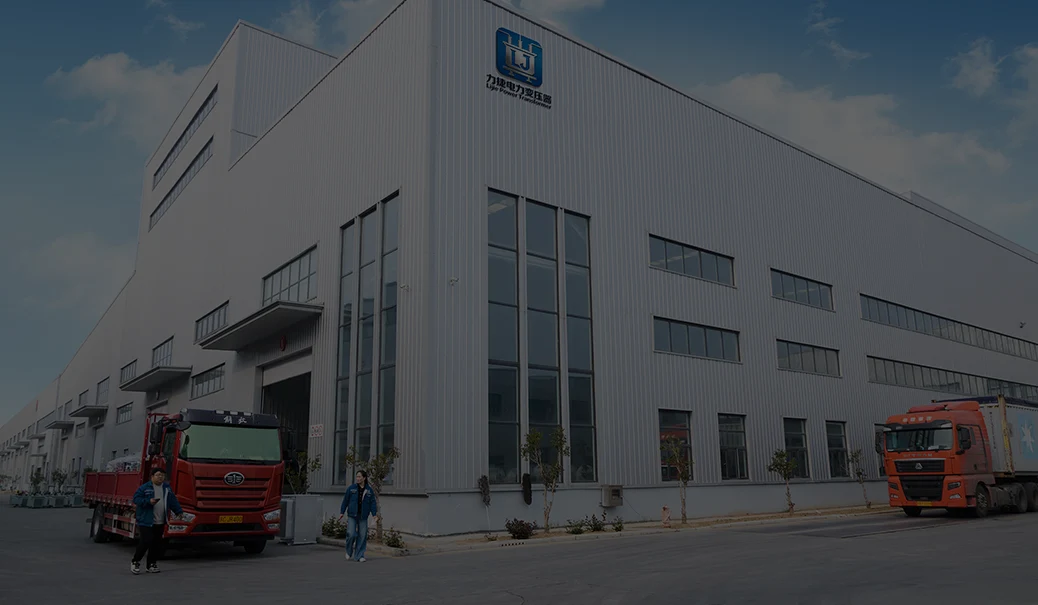
As a reliable Natural Ester Transformer Supplier, Lijie Electric Power Technology Group has both advanced manufacturing skills and a wide range of certifications. Our 500,000-square-meter factories in Xuzhou and Nantong make transformers that meet IEC, CE, and UL standards. They are backed by ISO 9001:2015 quality systems and have a history of exporting to 15 countries. With an annual capacity of more than 5 billion RMB and specialized engineering teams led by PhDs, we support projects from the initial design phase thru service after the sale. Email lijieelectrical@gmail.com to talk about your needs for bio-based dielectric fluid, get technical datasheets, or set up sample evaluations. Please visit lijie-electrical.com to see our full range of environmentally friendly transformer options made for industrial and utility-scale use.
1.International Electrotechnical Commission. "IEC 62770: Fluids for Electrotechnical Applications – Unused Natural Esters for Transformers and Similar Electrical Equipment." Geneva: IEC Central Office, 2019.
2.American Society for Testing and Materials. "ASTM D6871-17: Standard Specification for Natural (Vegetable Oil) Based Dielectric Fluid for Use in Electrical Apparatus." West Conshohocken: ASTM International, 2017.
3.McShane, C.P., Rapp, K.J., Corkran, J.L., Gauger, G.A., and Luksich, J. "Aging of Paper Insulation in Natural Ester Dielectric Fluid." IEEE Transactions on Dielectrics and Electrical Insulation, Volume 13, Issue 2, 2006, pp. 280-288.
4.Tenbohlen, S., and Koch, M. "Aging Performance and Moisture Solubility of Vegetable Oils for Power Transformers." IEEE Transactions on Power Delivery, Volume 25, Issue 2, 2010, pp. 825-830.
5.National Fire Protection Association. "NFPA 70E: Standard for Electrical Safety in the Workplace, Article 130 – Work Involving Electrical Hazards." Quincy: NFPA, 2021 Edition.
6.Wilhelm, H.M., Tulio, L., and Uhren, L. "Environmental Impact Assessment of Transformer Insulating Fluids: Comparison Between Mineral and Natural Ester Oils." Journal of Electrical Engineering & Technology, Volume 10, Issue 4, 2015, pp. 1542-1549.
YOU MAY LIKE
12%20type%20epoxy%20resin%20cast%20transformer.webp)
H15%20type%20three-phase%20fully%20sealed%20distribution%20transformer.webp)
18%20type%20epoxy%20resin%20cast%20transformer.webp)

18%20type%2035KV%20power%20transformer.webp)
%20H15%20Series%20Oil-immersed%20Amorphous%20Alloy%20Transformer.webp)
18%20type%20dry-type%20distribution%20transformer.webp)
April 27, 2025
With a tight project schedule, the manufacturer delivered on time, and on-site technical personnel provided guidance throughout the entire installation and commissioning process; the collaboration was highly efficient and hassle-free.
July 2, 2025
During the preliminary phase, a selection plan was custom-tailored based on the actual site load requirements, resulting in a high degree of parameter compatibility. After-sales support responds within two hours, and ongoing technical support for operation and maintenance is comprehensive; we feel completely confident in a long-term partnership.
November 18, 2025
Deployed as a supporting component for a 35kV grid-connection project at a photovoltaic power station, the equipment operates for an average of 16 hours daily. It demonstrates excellent control over no-load losses, ensures smooth power generation and grid integration, and effectively reduces the station's overall energy consumption.
January 30, 2026
Under the continuous, high-load operating conditions of a factory production line, the equipment maintains stable electrical parameters and exhibits strong overload resistance, thereby guaranteeing an uninterrupted power supply for industrial production.
April 3, 2026
Integrated as a supporting component for a new energy photovoltaic grid-connection system, the manufacturer provided professional technical coordination and timely after-sales support, ensuring seamless adaptation to the specific electrical operating conditions required for grid integration.