April 27, 2025
With a tight project schedule, the manufacturer delivered on time, and on-site technical personnel provided guidance throughout the entire installation and commissioning process; the collaboration was highly efficient and hassle-free.
Aug 25, 2026
Power Transformer efficiency and service life hinge on several interconnected factors: core material quality, winding design precision, insulation integrity, thermal management systems, operating environment conditions, and maintenance protocols. High-grade electrical steel reduces core losses, while proper cooling systems prevent accelerated aging. Consistent monitoring and appropriate loading practices ensure transformers operate within safe thermal limits. Manufacturing excellence, compliance with IEC and IEEE standards, and the choice between oil-immersed or dry-type configurations also significantly influence both energy performance and operational longevity. Understanding these determinants empowers procurement professionals to make informed decisions that balance upfront investment against total lifecycle value.
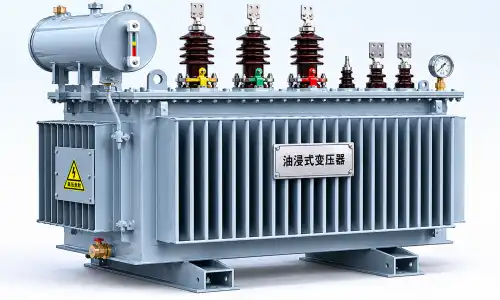
In a Power Transformer, efficiency is a measure of how well electricity moves from the main windings to the secondary windings with little loss. Modern units usually have an efficiency of 97% to 99.7%, but this can vary based on the voltage class and the level of complexity of the design. Even small improvements in efficiency add up to big energy savings over decades of use, which has a direct effect on operating costs and carbon footprints.
Service life is the amount of time something is expected to work before it stops working properly and needs to be replaced. As long as they are used properly, good transformers should last between 25 and 40 years. But lifespan varies a lot depending on thermal cycling, load profiles, environmental stresses, and how well you take care of your equipment. Service life is often determined by the insulation system. This is because temperature and electrical pressures weaken dielectric materials over time, lowering their breaking strength.
Transformers lose energy as heat, which needs to be removed by cooling devices and adds to the cost of running the transformer. It is possible for big sites to save tens of thousands of dollars a year by increasing efficiency by just one percentage point. When utilities manage fleets of distribution transformers, the benefits spread across their networks are greater. Integrators of renewable energy really like high-efficiency units because they help them meet strict sustainability standards and get the most out of their generators.
When a transformer fails too soon, it throws off production plans, costs a lot to replace, and could damage other equipment that is linked. When engineers are building substations for industrial parks or grid owners are making long-term investments in infrastructure, they look for units that have been used before and have been proven to last. A longer service life cuts down on the number of times that capital needs to be bought and on the damage that manufacturing does to the environment by lowering demand and waste production.
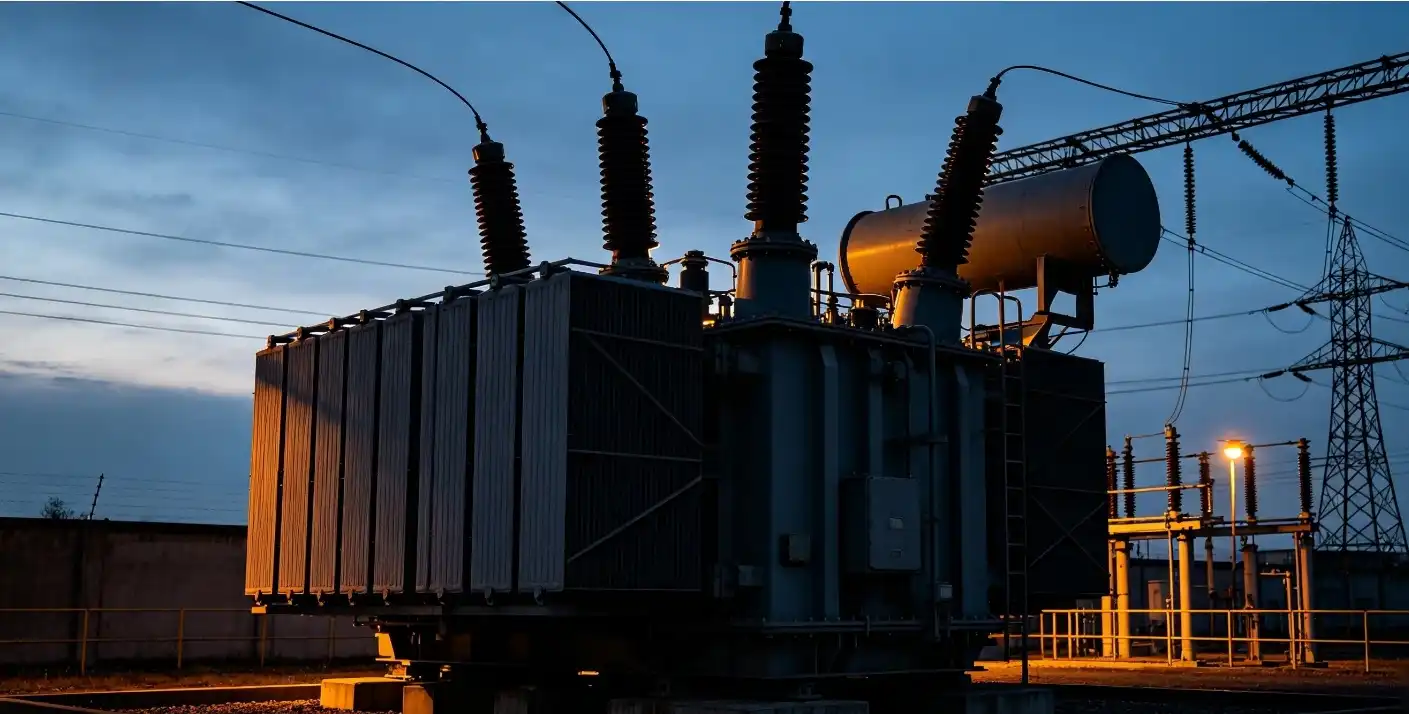
How much energy is lost during change processes is directly related to the choice of materials and the level of complexity of the design. Modern engineering works on several types of loss at the same time, improving magnetic circuits, wire arrangements, and insulating systems.
When copper or aluminum wires are used in the main and secondary windings, they cause resistive losses that are equal to the square of the current. These losses can be cut down with better-polished copper that conducts electricity better. Conductor cross-sectional area balancing keeps material costs low while reducing resistance heating. The shape of the winding affects the patterns of leaky flows and stray losses. Controlled spacing and interleaved winding arrangements cut down on electromagnetic interference and make voltage management better. When manufacturers use advanced finite element analysis during the design process, they can find the best configurations that balance mechanical strength, electrical performance, and thermal management.
Mineral or manufactured insulating oil is used to cool and insulate oil-immersed transformers, which are great for high-capacity uses because they quickly remove heat. Because they are better at cooling, these units usually have slightly higher full-load efficiencies. Since dry-type transformers use solid insulation and air cooling, they don't have the fire risks that come with using flammable liquids. Modern designs that use vacuum pressure to impregnate and cast plastic give competitive economy in lower voltage classes. They work especially well for placements inside, where oil isn't allowed for environmental reasons. Which technology to use depends on the needs of the product, safety standards, and environmental laws.
Knowing how loss works helps procurement teams choose the right transformer technologies. Core losses stay the same no matter how much load is on them. This makes low no-load loss designs perfect for distribution systems that don't have a lot of load. Copper losses change depending on the load current, which makes it important to optimize the conductors in industrial transformers that are highly loaded. Smaller but still important factors are dielectric losses in shielding systems and stray losses from leakage flow. Specifications that cover all types of loss make sure that the system works at its best across all predicted working profiles.
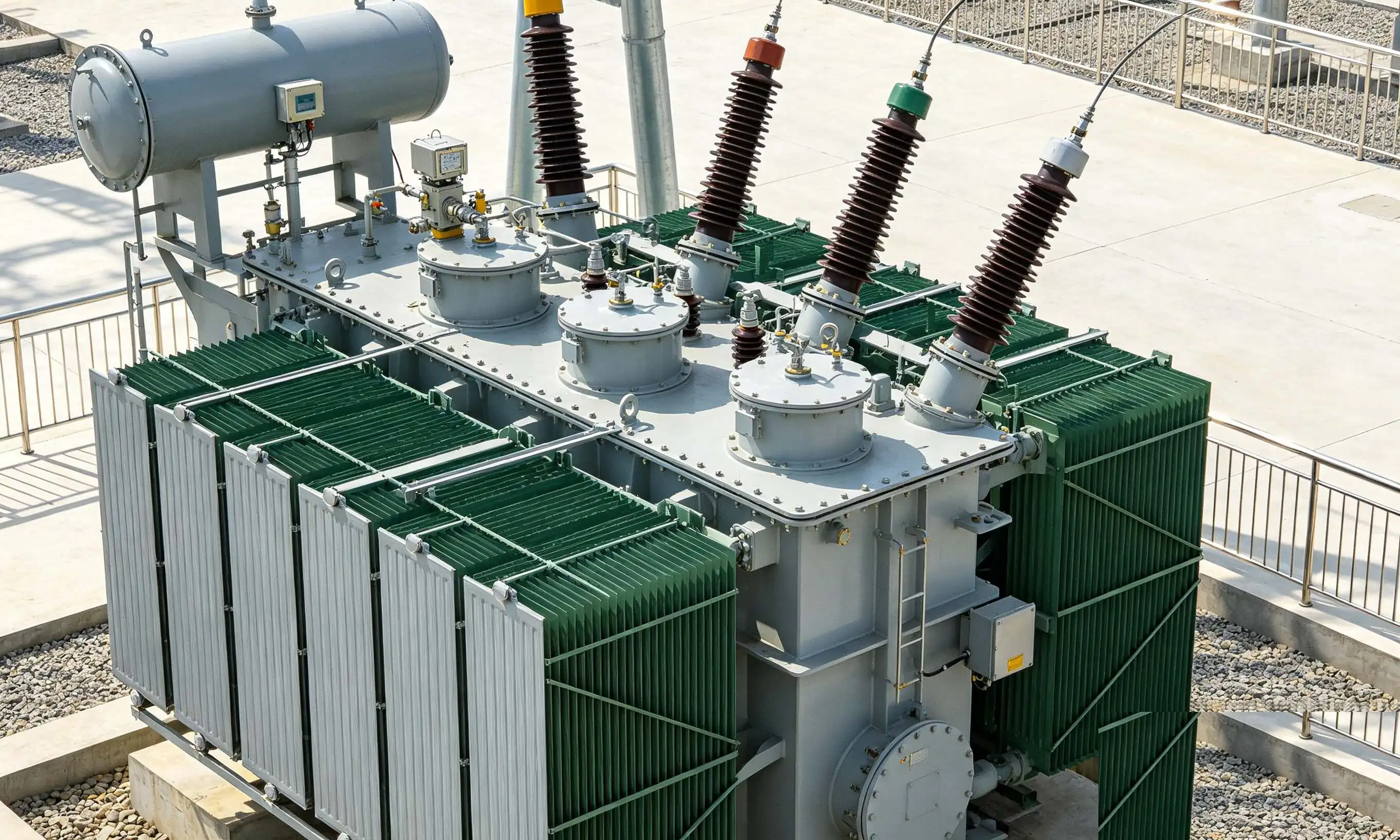
How long something lasts depends a lot on how well it was made, how it is used, and how the world changes over many years. Insulation breakdown is the main way that things age, and heat stress is the main thing that speeds it up.
Regular oil samples and analyzes of dissolved gases can find small problems before they become big ones. Monitoring the moisture content stops insulation from breaking down because of water getting in. Thermographic scans find hot spots that could mean there are problems with the cooling system or the connections. Maintaining the thermal performance of a cooling system includes things like cleaning the radiators and servicing the pumps for forced-air or forced-oil systems. Load management that stops insulation from being overloaded all the time makes it last a lot longer, since aging rates double for every 8 to 10°C rise above the recommended temperature.
Ambient weather has a direct effect on how well cooling works and how much heat is being transferred. Because the lower air density at high altitudes makes convection cooling less effective, the systems need to be derated. The performance of external insulation and the rate of corrosion are affected by the amount of moisture and dirt present. In places where earthquakes are common, strong mounting and adjustable link systems are needed. Installing something correctly according to the manufacturer's instructions, like making sure there are enough clearances, mounting it level, and grounding the electrical wires, stops mechanical stresses and electrical hazards that shorten service life.
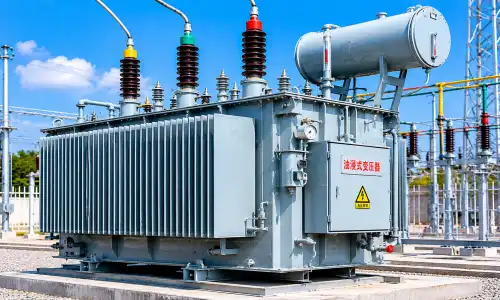
The best value comes from making strategic choices about buying that balance technical requirements with the economics of the whole lifecycle. When engineers and buying managers work together early on in the process of making specifications, the results are better than when they treat transformers like any other commodity.
Oversized transformers don't work as well at low loads because they lose more power due to ongoing core losses. Undersized units get too hot and age faster than they should when they're under normal loads. The right size is determined by a careful load analysis that takes into account peak demands, load growth forecasts, and task cycles. Choosing the right voltage class combines the costs of insulation with the needs of the system design. Specifications for impedance affect fault current levels and the ability to work in parallel. For important uses, custom designs that deal with certain harmonic environments, starting current needs, or unique cooling needs may be worth the extra cost.
For long-lasting items like transformers, the price you pay at first is only a small part of how much it costs to own them. Over 30 years of use, energy losses often exceed the cost of the equipment many times over. Value-based buying decisions are based on a thorough lifecycle cost analysis that takes into account performance in terms of efficiency, expected maintenance needs, and projected energy prices. Premium-efficiency units cost more up front, but they usually pay for themselves in 5 to 7 years by saving money on energy costs. Flexible payment terms and performance guarantees from well-known sellers make planning for capital easier while lowering the risks of buying things.
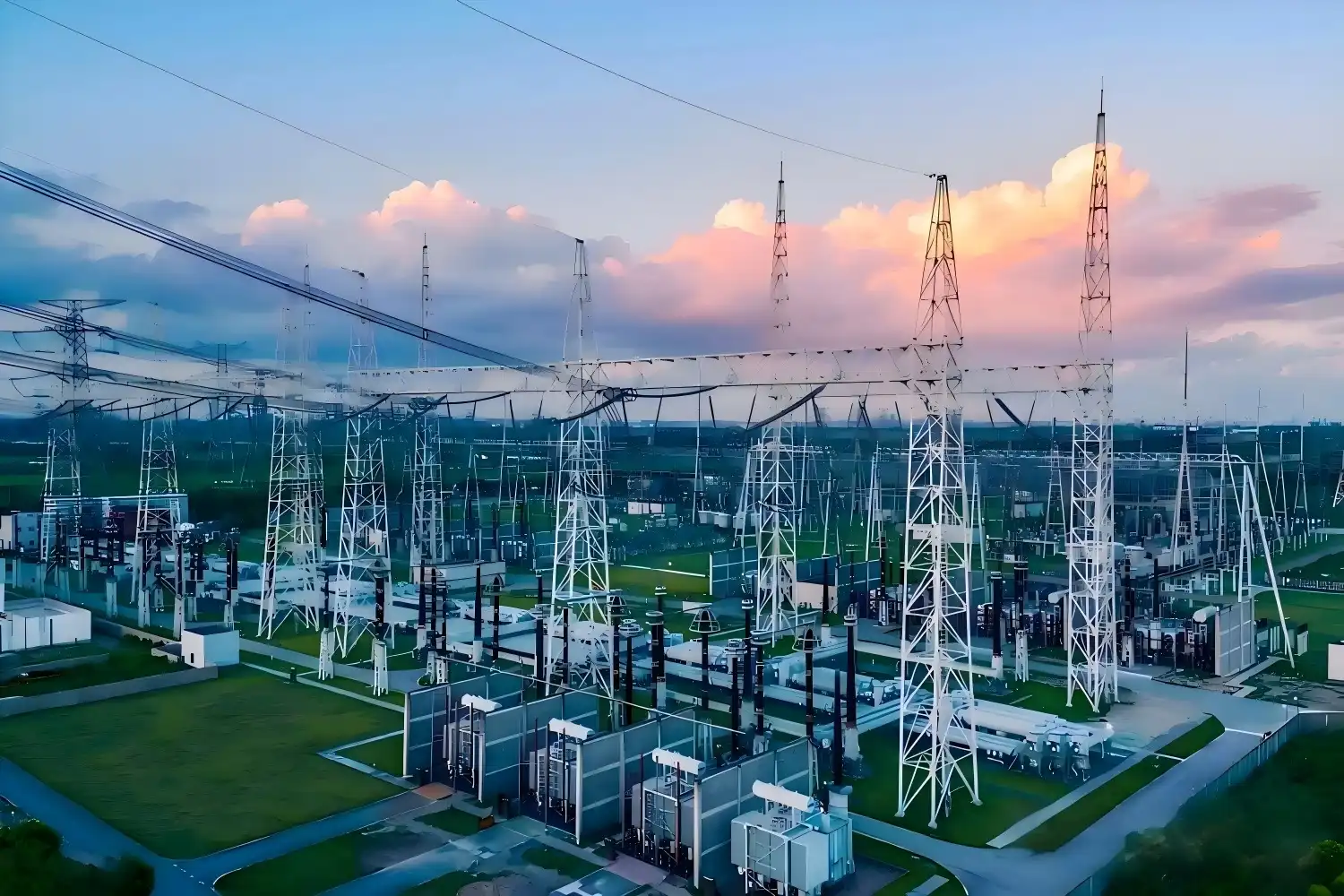
With proactive condition monitoring, maintenance teams can fix problems as they arise, before they lead to failures or a loss of efficiency. Systematic testing protocols give you objective data to help you decide whether to repair or replace something.
When insulation breaks down, readings of insulation resistance go down, and amounts of dissolved gases rise. Overheating can happen when the cooling system fails, when it's overloaded, or when there isn't enough airflow. Temperature monitoring and thermographic inspection can show if this is happening. Moisture entry, which is shown by oil samples having more water and lower breakdown voltage, speeds up the aging process of insulation. Mechanical issues like weak connections, core bolt loosening, or wear on the tap changer cause unique electrical and audio symptoms. When problems are found early on through regular inspections, they don't get worse and cause big failures.
Using megohmmeters to test insulation resistance makes sure that the dielectric between the windings and ground is correct. Tests of the turns ratio show that the windings are continuous and that the tap switch works. Oil analysis that includes dissolved gas analysis, moisture content, acidity, and dielectric strength gives a full picture of the condition of units that are submerged in oil. Power factor tests can find places where insulation is breaking down, and wetness is getting in. Thermal performance and economy claims are checked by load testing in controlled circumstances. Frequency response analysis finds mechanical deformation or winding displacement caused by short-circuit forces or damage to the transportation system.
Asset management choices are based on economic research that compares the costs of repair to the costs of replacement. Transformers with small problems, like broken bushings or tap changers, can usually be fixed for a low cost. Units that have a lot of damage to the windings, problems with the core, or widespread insulation loss should usually be replaced. Estimates of how much service life is left based on the results of the condition assessment are used to make decisions. How easy it is to fix old equipment depends on how easy it is to get important spare parts. Whether quick fixes are enough or a replacement needs to be done right away depends on how important the operation is and what will happen if it is shut down for a long time.
Power Transformers work well and last a long time because of how well they are designed, the materials they are made of, how well they are operated, and how well they are maintained. When procurement workers know about these factors, they can make smart choices that balance technical performance, reliability standards, and cost limitations. High-efficiency designs lower energy costs over many years of use, and strong construction and regular maintenance make them last longer than 30 years. Value delivery is optimized by choosing a strategic supplier, providing detailed specifications that address the needs of the application, and analyzing costs over the product's entire lifecycle. As energy infrastructure changes to include more renewable energy and update the grid, choosing transformers that are both reliable and efficient is becoming more important for utilities, factories, and infrastructure builders who want to run their businesses in a way that is sustainable and doesn't cost a lot.
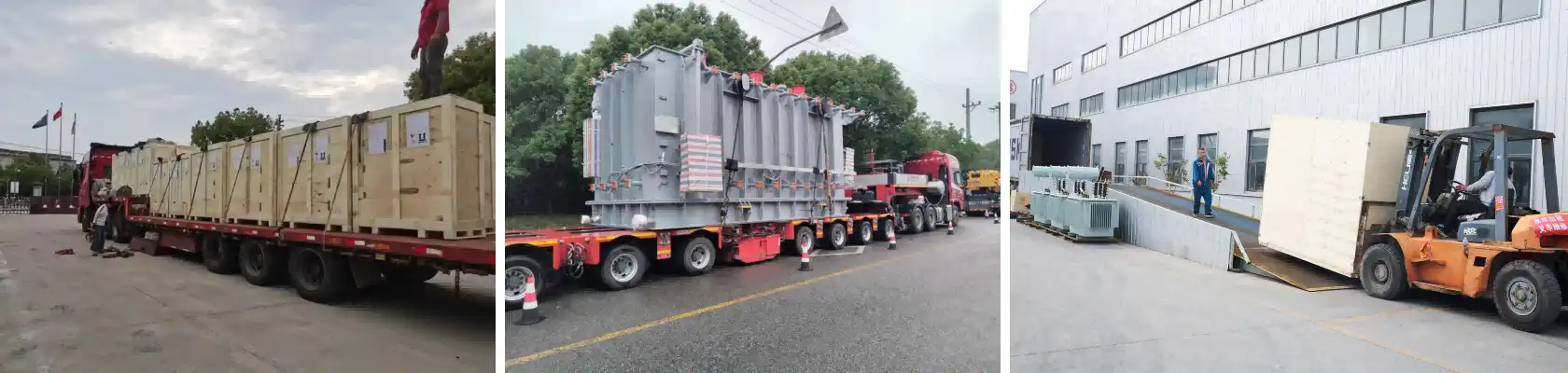
Schedules for comprehensive repair rely on how important the work is and how the machine is running. Most applications only need oil samples and dissolved gas analyzes once a year, but critical units in harsh environments need tests every six months. Every one to two years, thermographic surveys find hot spots that are starting to form. Every year, the cooling system is inspected and cleaned. Load tap changers should be serviced at regular times, usually every three to five years or after a certain number of operations. Utilities often use continuous monitoring systems for condition-based maintenance. These systems change service intervals based on how healthy the equipment is, not on set schedules.
Because they cool better, oil-immersed transformers usually have a slightly higher full-load efficiency, especially when the capacity is above 5 MVA. When both types get the right care, they should last about 25 to 40 years, which is about the same amount of time. For oil-immersed units, the fluid needs to be tested and possibly reconditioned on a regular basis. Dry-type transformers, on the other hand, need to be cleaned and kept in a certain environment from time to time. Dry-type designs work best indoors, where burning liquids aren't allowed for safety reasons. Outdoor substations and high-voltage uses where cost-effectiveness and heat performance are important use oil-filled units most of the time. Instead of choosing based on how long something lasts, it depends on the application needs, safety rules, and environmental factors.
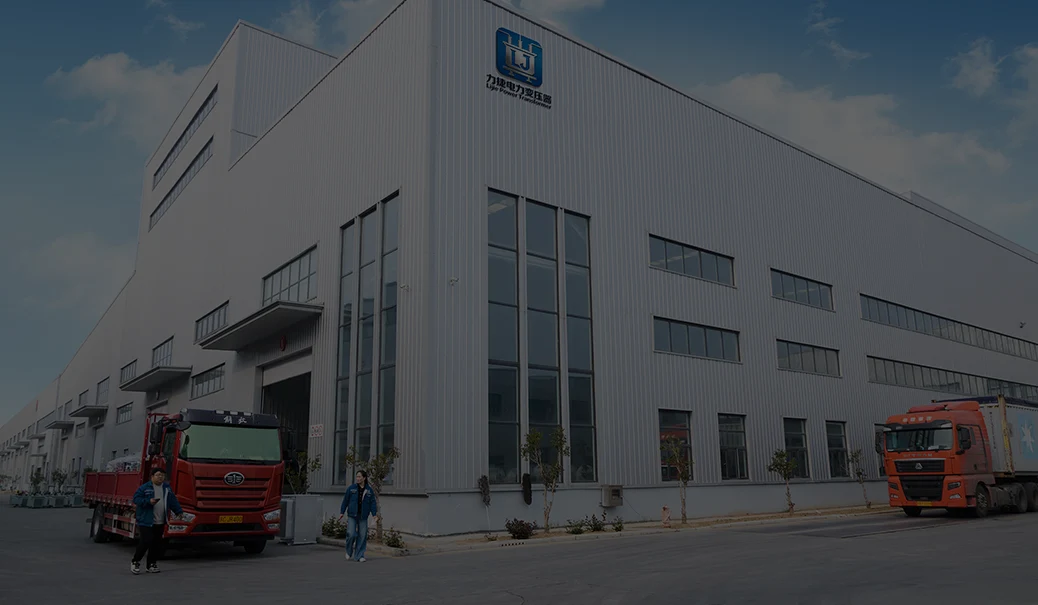
Lijie Electric Power Technology Group has been making things for more than 20 years and has a lot of experience making things for utility, industrial, and renewable energy uses. Our 500,000-square-meter factories in Xuzhou and Nantong use cutting-edge methods to make sure that every Power Transformer meets strict IEC, CE, and UL standards. We can make more than 5 billion RMB a year in Power Transformers, and we have many certifications, including ISO 9001:2015. This makes us a reliable supplier for projects that need both high-quality technology and consistent delivery. Our engineering team, which is made up of more than 160 experts with advanced degrees, can create custom solutions that meet your voltage requirements, efficiency goals, and environmental conditions. Whether you need ultra-high-voltage units for transmission networks or custom designs for industrial processes, we can help. Our performance has been proven through thorough testing and guarantee support. You can email our technical sales team at lijieelectrical@gmail.com or visit lijie-electrical.com to talk about your needs and find out how our skills as a Power Transformer maker can help you reach your infrastructure goals with quality, dependability, and quick service.
1. IEEE Standard C57.12.00-2015, "IEEE Standard for General Requirements for Liquid-Immersed Distribution, Power, and Regulating Transformers," Institute of Electrical and Electronics Engineers, New York, 2015.
2. Harlow, James H., "Electric Power Transformer Engineering," Third Edition, CRC Press, Boca Raton, Florida, 2017.
3. IEC 60076-1:2011, "Power Transformers - Part 1: General," International Electrotechnical Commission, Geneva, Switzerland, 2011.
4. Kulkarni, S.V. and Khaparde, S.A., "Transformer Engineering: Design, Technology, and Diagnostics," Second Edition, CRC Press, Boca Raton, Florida, 2013.
5. Heathcote, Martin J., "The J&P Transformer Book: A Practical Technology of the Power Transformer," Thirteenth Edition, Newnes, Oxford, United Kingdom, 2007.
6. McNutt, W.J. and Johnson, W.M., "Aging of Kraft Paper in Natural Ester Dielectric Fluid," Proceedings of the IEEE International Conference on Properties and Applications of Dielectric Materials, Brisbane, Australia, 2008.
YOU MAY LIKE

13%20type%20epoxy%20resin%20cast%20transformer.webp)


12%20Series%20Dry%20Type%20Transformer.webp)

April 27, 2025
With a tight project schedule, the manufacturer delivered on time, and on-site technical personnel provided guidance throughout the entire installation and commissioning process; the collaboration was highly efficient and hassle-free.
July 2, 2025
During the preliminary phase, a selection plan was custom-tailored based on the actual site load requirements, resulting in a high degree of parameter compatibility. After-sales support responds within two hours, and ongoing technical support for operation and maintenance is comprehensive; we feel completely confident in a long-term partnership.
November 18, 2025
Deployed as a supporting component for a 35kV grid-connection project at a photovoltaic power station, the equipment operates for an average of 16 hours daily. It demonstrates excellent control over no-load losses, ensures smooth power generation and grid integration, and effectively reduces the station's overall energy consumption.
January 30, 2026
Under the continuous, high-load operating conditions of a factory production line, the equipment maintains stable electrical parameters and exhibits strong overload resistance, thereby guaranteeing an uninterrupted power supply for industrial production.
April 3, 2026
Integrated as a supporting component for a new energy photovoltaic grid-connection system, the manufacturer provided professional technical coordination and timely after-sales support, ensuring seamless adaptation to the specific electrical operating conditions required for grid integration.