April 27, 2025
With a tight project schedule, the manufacturer delivered on time, and on-site technical personnel provided guidance throughout the entire installation and commissioning process; the collaboration was highly efficient and hassle-free.
Aug 28, 2026
The rise of renewable energy projects demands smarter, safer electrical solutions. A Natural Ester Transformer Factory specializes in producing transformers filled with biodegradable, vegetable-based insulating fluids that deliver superior fire safety, extended equipment life, and environmental compliance. These advanced units meet the rigorous operational demands of solar farms, wind installations, and energy storage systems while aligning with global sustainability goals and stringent quality standards such as IEC 62770 and ASTM D6871.
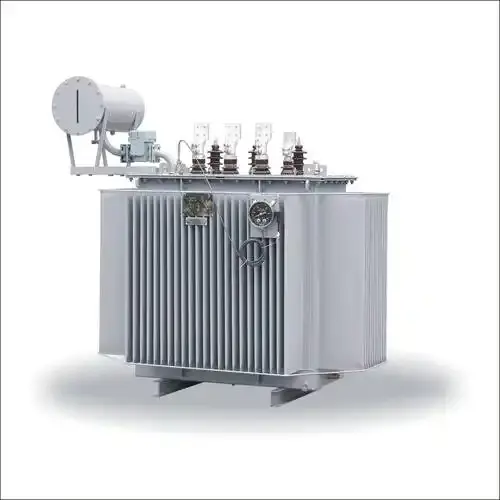
Natural ester transformer oil is a big step forward in the science of insulating fluids. This fluid comes from natural veggie sources like soybean, sunflower, or rapeseed oils and breaks down more than 95% within weeks, while mineral oil takes decades. Its dielectric strength is higher than 75kV under normal testing settings, so it can be used as stable electrical insulation even in places where green energy sources change. With flash points above 300°C and fire points exceeding 360°C, the fluid naturally resists fire. This puts these transformers in the K-class fire safety category, which greatly lowers the risk in populated or environmentally sensitive areas.
Infrastructure for renewable energy has its own set of problems to solve. Solar farms and wind farms are often located in remote areas where it takes longer to get help in an emergency. Concerns about fire are eased by natural ester-filled transformers, which keep their thermal performance stable over a wide temperature range. The fluid's natural cooling qualities help heat escape through convection, so the generator doesn't need complicated cooling systems and doesn't have to be maintained as often over its lifetime.
There are quantifiable benefits to the technical specifications that come out of a specialized manufacturing plant. A unique way that natural ester fluids control moisture is by "water-wicking," which means that the fluid actively pulls moisture from cellulose paper insulation. This method slows down breakdown, which makes paper insulation last five to eight times longer than regular mineral oil systems. As a result, transformers can work reliably for 30 to 40 years with less wear and tear.
When used at temperatures ranging from -40°C to 150°C, thermal stability stays the same. This wide working window is important for renewable systems in a range of climates, from solar panels in the desert to wind farms in the ocean. Because of its thickness, natural ester oil can cool naturally through airflow. This means that forced cooling systems aren't needed in many situations, which saves energy and makes things simpler.
When purchasing managers evaluate transformer dielectric fluids, they rely on electrical performance data to make informed decisions. A qualified Natural Ester Transformer Factory can provide natural ester transformer oils with dielectric breakdown strength that is comparable to or higher than that of mineral oils, depending on the formulation and test conditions. Under IEC 60156 testing, dielectric breakdown strength is commonly evaluated to determine the insulating performance of transformer fluids. The key difference between natural ester and mineral oil is often their aging behavior. Mineral oil can gradually degrade through oxidation, while natural ester fluids may offer greater oxidation stability due to naturally occurring antioxidant compounds in vegetable-based oils. An experienced Natural Ester Transformer Factory can optimize fluid selection and transformer design to support long-term dielectric performance. Working with a reliable Natural Ester Transformer Factory also helps purchasing teams obtain consistent product specifications and appropriate technical documentation. For demanding transformer applications, selecting a capable Natural Ester Transformer Factory can support reliable insulation performance and long-term equipment operation.
Dissolved Gas Analysis (DGA) trends are different for different types of fluids, so analysis baselines need to be changed. During normal operation, natural ester systems tend to produce less ethane and methane, which makes fault signals clearer. This feature makes predictive maintenance programs better because it lets engineering teams spot problems earlier and plan repairs before they happen. This makes the system more available, which is a very important factor for renewable energy projects that have to meet strict uptime requirements as part of power purchase agreements.
The choice about buying goes beyond the initial purchase price. Lifecycle factors, such as efficiency losses, upkeep regularity, and end-of-life disposal costs, must be taken into account when figuring out the total cost of ownership. When compared to mineral oil versions, natural ester transformers usually cost 10-15% more to buy at first. However, practical savings build up in a number of ways.
Lower dielectric losses lead to higher energy efficiency, especially in overloaded situations that happen a lot in green installations where production changes with the weather. Slower insulation aging means that maintenance intervals are longer, which lowers the number of inspections needed and the cost of labor. Environmental compliance costs go down by a lot because natural ester fluids don't need the expensive disposal methods or special containment systems that mineral oils do. When added up over a 25-year operational time, these factors often lead to 8–12% lower total ownership costs. This is a figure that supply chain managers who are under a lot of budget pressure for big infrastructure projects will really relate to.
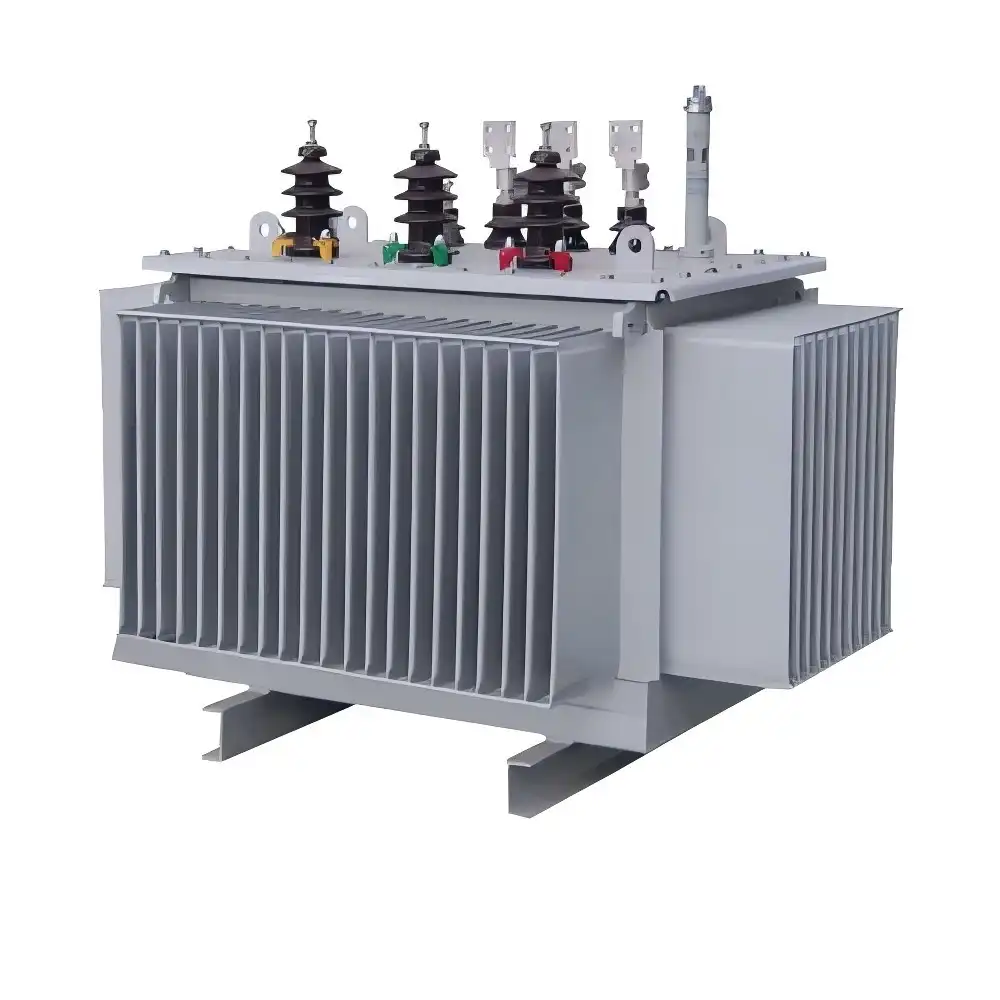
When choosing a manufacturing partner, it's important to carefully look at their technical skills and compliance credentials. The factory should keep its ISO 9001:2015 Quality Management System approval and follow product-specific standards, such as IEC 62770 for natural ester insulation liquids and ASTM D6871 rules. To get into international markets, projects in Europe need to be CE marked, and projects in North America need to be UL certified. This is especially important for EPC companies who work on projects all over the world.
In a specialized center, production quality control follows stricter rules than in regular transformer making. Sealed tank integrity testing makes sure that the airtight covering keeps fluids from polymerizing when they come into contact with air. With Karl Fischer titration, you can accurately measure the amount of moisture in a fluid below 50 parts per million (ppm). This keeps the fluid below the saturation point. Compatibility testing makes sure that paints, adhesives, and internal gaskets don't break down when they come in contact with ester-based fluids. This is an important verification step that keeps parts from breaking down too soon.
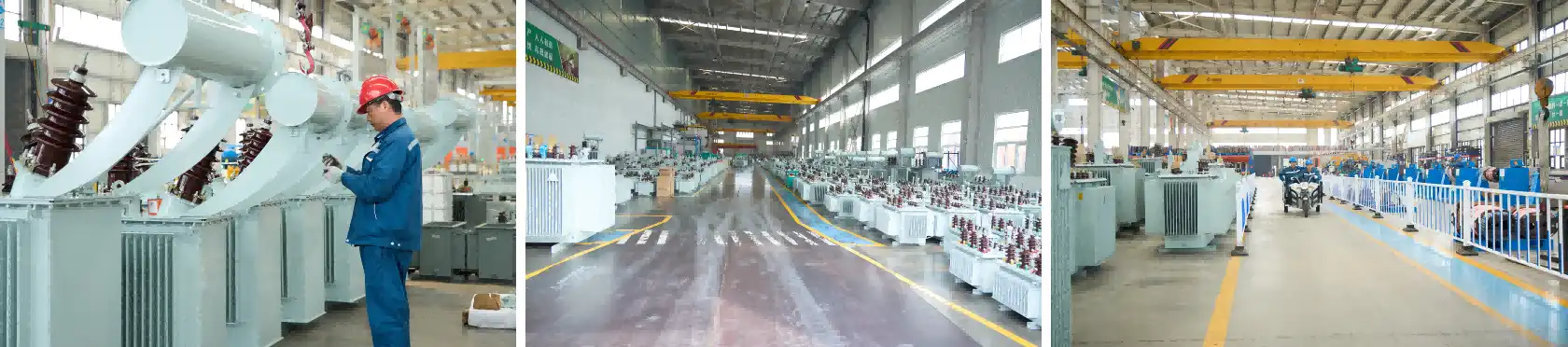
For large renewable energy projects to work, the batches must be consistent, and the delivery dates must be reliable. Check the factory area and yearly production capacity. Facilities that are bigger than 100,000 square meters and have their own natural ester production lines show that they are large enough to handle multi-phase projects. Being able to change voltage values from 35kV for distribution levels to specific setups for solar inverter uses or wind turbine step-up needs makes sure that the technology works with a wide range of project requirements.
When project deadlines get tight, production freedom is important. Manufacturers with engineering teams of more than 150 technical experts can offer quick design changes and technical support while specifications are being made. This ability to work together is useful when putting transformers together with new technologies like battery energy storage systems or hybrid renewable installations, where normal goods need to be changed to work in specific ways.
For ester-filled transformers to have effective repair plans, they need to follow specific steps that are different from those used for mineral oil transformers. During the first two years of operation, dissolved gas analyzes should be done every three months to set baseline gas generation patterns that are unique to natural ester chemistry. Regular Karl Fischer testing for moisture makes sure that the water content stays within the limits, usually below 200 ppm for best dielectric performance.
Because natural ester fluids have different thermal characteristics, temperature monitoring is especially important, and an experienced Natural Ester Transformer Factory can account for these properties during transformer design and manufacturing. Although natural ester fluids can tolerate relatively high operating temperatures, thermal modeling should also consider their higher viscosity at low temperatures. A qualified Natural Ester Transformer Factory can use thermal analysis to evaluate how fluid viscosity may affect heat transfer and circulation under different operating conditions. In cold climates or at high elevations, cold-start procedures may require preheating systems or modified energization processes to ensure proper fluid circulation during initial energization. By working with a capable Natural Ester Transformer Factory, utilities and industrial users can obtain transformer designs that account for temperature, altitude, and climate-related operating conditions. A reliable Natural Ester Transformer Factory can also provide technical guidance on temperature management and cold-start requirements. Selecting the right Natural Ester Transformer Factory is therefore important for maintaining stable thermal performance and reliable transformer operation.
Because natural ester fluids are naturally stable, they require less upkeep than other systems. Acid number testing, which is done once a year, keeps track of oxidation products and helps figure out when fluid cleaning might be needed, which is usually more than 15 years for units that are properly sealed. Monitoring particulate pollution through patch testing finds worn-out seals or internal parts before they damage the system's integrity.
Insulation systems are put under a lot of stress by thermal cycling, which happens a lot in renewable energy applications where transformers' loads change every day based on how much power the sun or wind blows. The water-wicking trait of natural ester actually helps transformers in these situations by drying out the paper insulation all the time while they're running, which stops moisture from getting in during cooling periods. Insulation degradation rates are greatly slowed down by this self-regulating feature, which supports the longer operational lifespans needed for project financial models that span 25 to 30 years.
As electricity infrastructure becomes smarter, it opens up new possibilities for advanced transformer technologies. Natural ester-filled units work perfectly with smart grid tracking systems because they have built-in sensors that keep an eye on temperature, load, and fluid state in real time. This information is used by predictive analytics platforms to find the best ways to load transformers. This makes equipment last longer and increases the amount of renewable energy that can be used during peak generation times.
In response to these needs, a modern Natural Ester Transformer Factory is increasingly developing transformer systems that are compatible with Internet of Things (IoT) monitoring standards. A technologically advanced Natural Ester Transformer Factory can integrate wireless monitoring systems that transmit operational data to centralized platforms, where machine learning algorithms can identify abnormal patterns that may indicate developing faults. This capability is especially valuable for remote renewable energy installations where frequent manual inspections can be expensive and difficult to arrange. By providing intelligent monitoring solutions, a Natural Ester Transformer Factory can help operators identify potential equipment issues earlier and improve maintenance planning. A reliable Natural Ester Transformer Factory can also support remote asset management by combining transformer manufacturing expertise with digital monitoring technologies. For renewable energy projects with demanding maintenance requirements, choosing an experienced Natural Ester Transformer Factory can provide greater visibility into transformer operating conditions and support more efficient long-term asset management.
More work is being done to improve the performance qualities of ester fluid formulas. As new modified ester mixes are being made, they show better low-temperature flow qualities. This means that natural ester transformers can work in more places without the need for extra heating systems. Modern refining methods lower the cost of production while keeping or even improving the dielectric properties. This closes the price gap with alternatives to mineral oil and speeds up market adoption.
Manufacturing capacity increases show that market trust is rising. Large factories are spending money on natural ester transformer lines that can handle more than 10,000 MVA of power each year. This is enough to meet large-scale green deployment goals. Robotic welding, automated winding systems, and computer-controlled vacuum processing are all examples of automated production methods that make sure consistency across large production runs. This addresses the batch stability concerns that purchasing managers have when they sign long-term supply agreements.
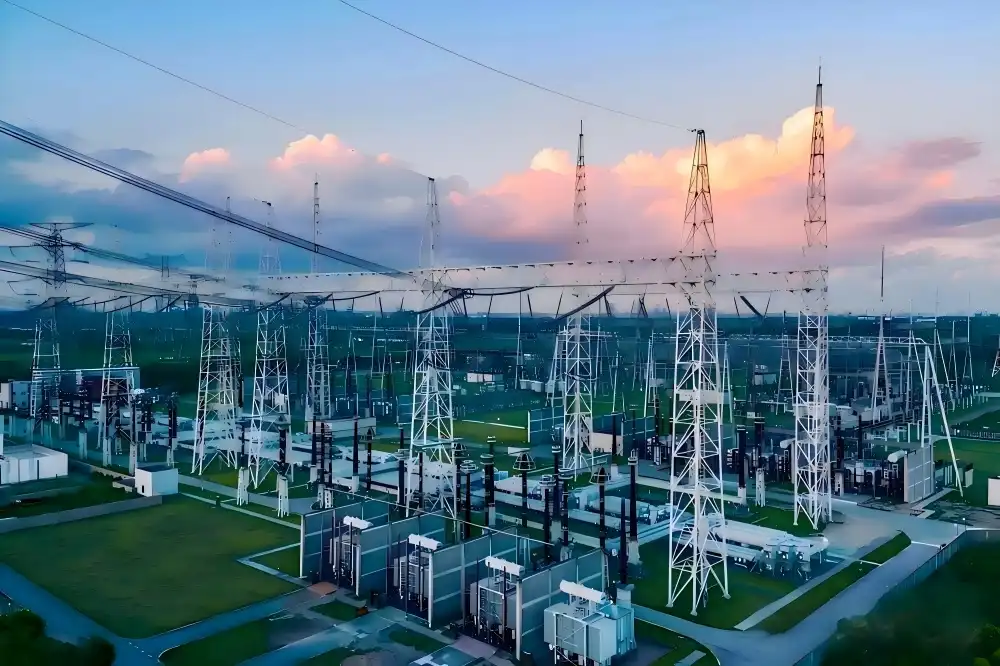
Because of its fire safety advantages, environmental benefits, and potential for long service life, natural ester transformer technology offers clear value for green energy infrastructure. A capable Natural Ester Transformer Factory can combine advanced manufacturing expertise, strict quality control, and international certification requirements to produce reliable natural ester transformer solutions. Choosing the right Natural Ester Transformer Factory is therefore an important procurement decision, especially when projects require consistent quality across large production volumes. An experienced Natural Ester Transformer Factory can also support customized designs, comprehensive testing, and technical requirements for different renewable energy applications. As renewable energy deployment continues to expand worldwide, advanced transformer solutions will become increasingly important. For this reason, electrical engineers, project managers, and procurement professionals planning sustainable energy systems should consider working with a reliable Natural Ester Transformer Factory at an early stage. Establishing a long-term relationship with a qualified Natural Ester Transformer Factory can help support product quality, project reliability, and the future development of sustainable energy infrastructure.
Natural ester transformers are safer around fire because their flash points are higher than 300°C, they break down in nature more than 95% of the time, and they keep insulation from getting wet for longer because they have moisture management qualities. These traits lower environmental liability, lower insurance costs, and help renewable energy projects get the sustainability certifications they need. Because they work well technically and are good for the environment, they are perfect for solar farms and wind systems.
In manufacturing plants, stricter rules are put in place. These include checking the stability of sealed tanks, keeping moisture levels below 50 ppm with Karl Fischer titration, using dissolved gas analysis to set baselines for ester-specific levels, and making sure all internal materials are compatible with each other. These steps go beyond the normal quality control requirements for transformers because they take into account the unique properties of natural ester fluids and how they interact with system parts.
ISO 9001:2015 for quality management, IEC 62770 compliance for natural ester fluids, ASTM D6871 specification compliance, CE marking for European markets, and UL approval for North American uses are some of the most important certifications. Verification of dielectric strength, thermal performance, and biodegradability claims at the product level by certified labs adds to the confidence in the quality of the manufacturing process and technical compliance.
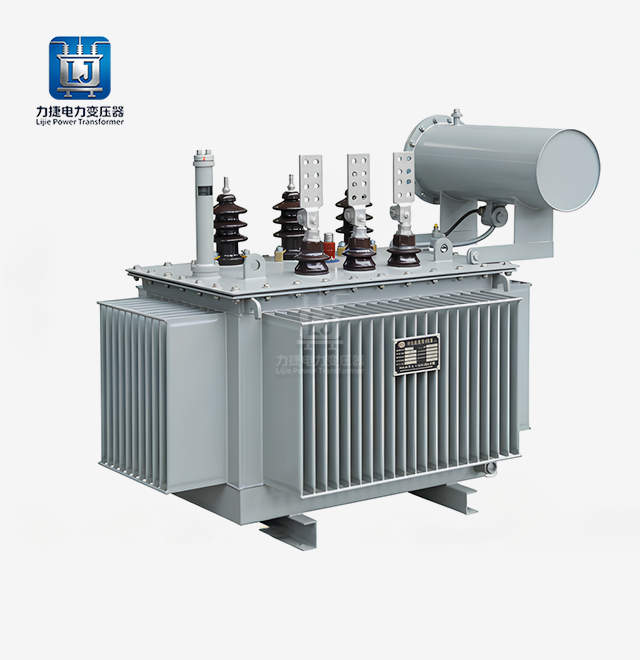
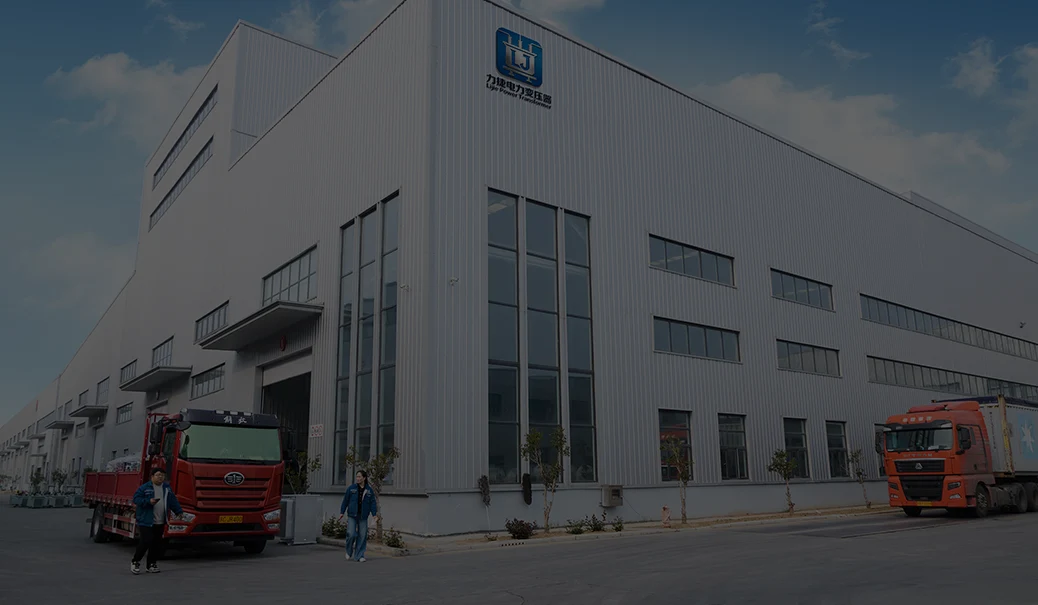
Lijie Electric runs two advanced factories that are a total of 500,000 square meters in size and can make more than 5 billion RMB a year. Our engineering team of more than 160 experts knows how to develop, build, and check the quality of natural ester transformers that meet IEC and ASTM standards. As a Natural Ester Transformer Factory seller, we keep our ISO 9001:2015, CE, and UL certifications up to date and can offer custom solutions for 35kV distribution levels as well as unique designs for solar and wind projects.
Our manufacturing skills allow us to meet large-scale procurement needs with reliable delivery dates and full technical help throughout the entire project lifecycle. Procurement managers, electrical experts, and project developers are welcome to get in touch with our technical team to talk about your unique needs. Visit lijie-electrical.com or email us at lijieelectrical@gmail.com to learn more about how our natural ester transformer solutions can help your renewable infrastructure projects with reliable, eco-friendly technology that comes from decades of making great products.
1. International Electrotechnical Commission. "IEC 62770: Fluids for Electrotechnical Applications – Unused Natural Esters for Transformers and Similar Electrical Equipment." 2013 Edition with Amendments.
2. Institute of Electrical and Electronics Engineers. "IEEE C57.147: Guide for Acceptance and Maintenance of Natural Ester Fluids in Transformers." IEEE Standards Association, 2018.
3. American Society for Testing and Materials. "ASTM D6871: Standard Specification for Natural (Vegetable Oil) Ester Fluids Used in Electrical Apparatus." ASTM International, 2020 Revision.
4. National Renewable Energy Laboratory. "Transformer Technologies for Grid Integration of Renewable Energy: Technical and Economic Assessment." U.S. Department of Energy, 2019.
5. CIGRE Working Group A2.35. "Experiences in Service with New Insulating Liquids." Technical Brochure 436, International Council on Large Electric Systems, 2020.
6. Environmental Protection Agency. "Biodegradable Dielectric Fluids: Environmental Performance and Lifecycle Analysis." EPA Office of Research and Development, 2021.
YOU MAY LIKE

12%20Series%20Dry%20Type%20Transformer.webp)


11%20type%2035kV%20distribution%20transfo_1778137470754.webp)

April 27, 2025
With a tight project schedule, the manufacturer delivered on time, and on-site technical personnel provided guidance throughout the entire installation and commissioning process; the collaboration was highly efficient and hassle-free.
July 2, 2025
During the preliminary phase, a selection plan was custom-tailored based on the actual site load requirements, resulting in a high degree of parameter compatibility. After-sales support responds within two hours, and ongoing technical support for operation and maintenance is comprehensive; we feel completely confident in a long-term partnership.
November 18, 2025
Deployed as a supporting component for a 35kV grid-connection project at a photovoltaic power station, the equipment operates for an average of 16 hours daily. It demonstrates excellent control over no-load losses, ensures smooth power generation and grid integration, and effectively reduces the station's overall energy consumption.
January 30, 2026
Under the continuous, high-load operating conditions of a factory production line, the equipment maintains stable electrical parameters and exhibits strong overload resistance, thereby guaranteeing an uninterrupted power supply for industrial production.
April 3, 2026
Integrated as a supporting component for a new energy photovoltaic grid-connection system, the manufacturer provided professional technical coordination and timely after-sales support, ensuring seamless adaptation to the specific electrical operating conditions required for grid integration.