April 27, 2025
With a tight project schedule, the manufacturer delivered on time, and on-site technical personnel provided guidance throughout the entire installation and commissioning process; the collaboration was highly efficient and hassle-free.
Aug 31, 2026
In today's energy infrastructure landscape, selecting the right equipment partner determines operational success over decades, not just years. Power transformer manufacturing has evolved beyond simple voltage conversion—it now demands precision engineering that balances technical performance with lifecycle economics. At Lijie Electric, we understand that every kilowatt-hour lost to inefficiency and every unplanned outage directly impacts your bottom line. Our approach centers on two non-negotiable pillars: reliability that minimizes downtime risk and efficiency that reduces total ownership costs. This commitment shapes every design decision, material selection, and quality control protocol across our 500,000-square-meter manufacturing facilities in Xuzhou and Nantong.

When there is alternating current in the main winding, it forms a changing magnetic field that induces voltage in the secondary windings. This is how transformers work. This simple idea lets you change the voltage without changing the frequency, which is very important for long-distance transfer where stepping up the voltage greatly lowers the resistance losses. How well this energy is transferred rests on the quality of the core material, how the windings are set up, and how well the insulation is sealed. Modern silicon steel cores keep hysteresis losses to a minimum, and copper or aluminum windings are carefully designed to keep I²R from heating up while the device is running.
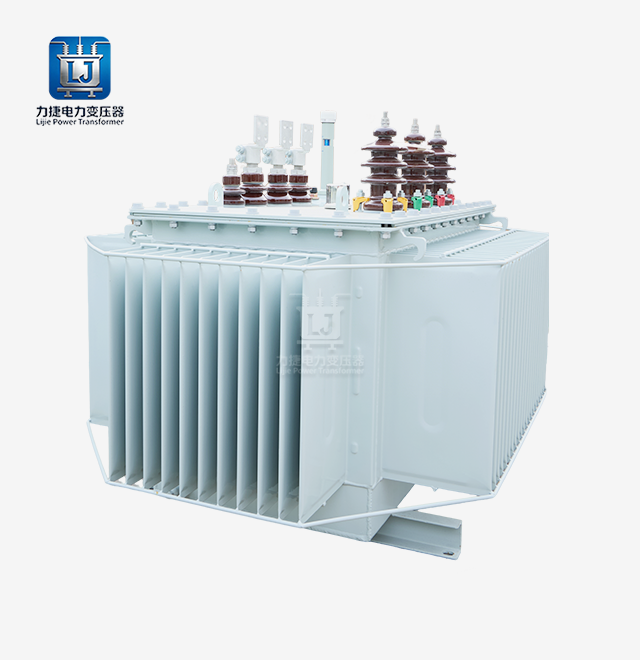
For high-voltage tasks above 33kV, oil-immersed transformers are the best choice because they can cool better and have stronger dielectrics. Mineral oil flows through the windings, getting rid of heat and protecting the electricity. Dry-type units with epoxy resin coating are good for indoor use where fire safety and environmental issues are more important than raw power density. Our S20 type 20kV models are a great example of this type because they offer fully sealed security against dust and water in industrial parks and data centers. The choice is based on voltage class, installation environment, and ease of maintenance, all of which are things that our engineering team looks at during project consultations.
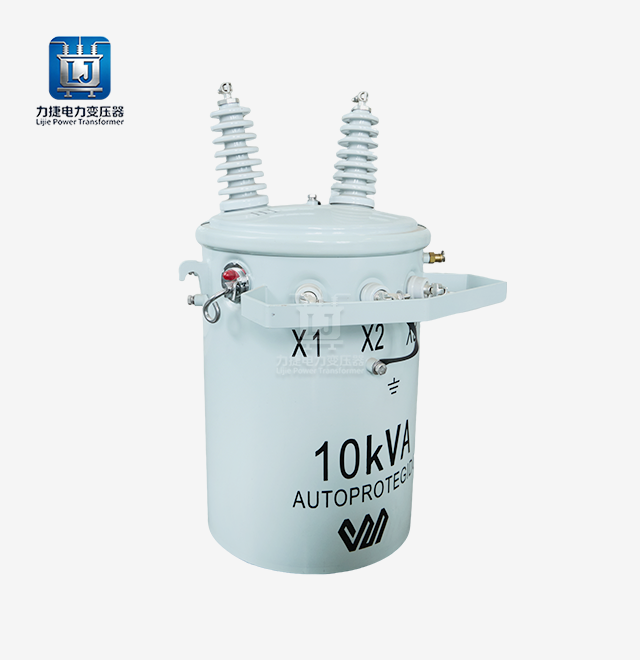
Both change voltage, but Power Transformers work best in transmission networks when they're fully loaded, and they can usually handle 33kV or more with little load difference. Distribution transformers work at lower voltages (≤35kV) and with changing demand patterns, so they have to make design trade-offs to handle a range of loading circumstances. This difference is important to keep in mind when choosing equipment for grid infrastructure vs. facility distribution. Putting distribution units in transmission roles when they're not meant to be there can cause thermal runaway, and in variable-load situations, using power-class equipment that is too big wastes money.
After looking at decades of field data, it was found that 40% of transformer failures are caused by insulation breakdown. This is followed by winding short circuits and mechanical stress from switching loads. Environmental factors like humidity ingress, thermal cycling, and harmonic distortion speed up the breakdown of units that were not designed well. It was not enough design margins in the initial plan that led to the most expensive mistakes. Facilities have lost weeks of production because of transformer failures that could have been avoided by using the right thermal modeling and insulation class selection when the transformers were being bought.
Materials are the first step in reliability building. Our 110kV and 220kV units have better insulation systems that can work continuously at high temperatures. These systems have thermal class rates that are 15-20°C higher than the normal requirements. Cooling systems use guided oil flow and radiator setups that have been improved with computational fluid dynamics. This keeps hotspot temperatures safe even when the system is under a lot of stress. We add mechanical support to winding structures so they can handle electromagnetic forces during fault conditions. This is an important feature that is often missed in designs that try to save money. These steps raise the working life of installations from 25 years to more than 40 years if they are properly kept.
Regular oil sampling and dissolved gas analysis (DGA) can find small problems before they become big ones. Standard applications work well with testing once a year, while real-time online monitoring systems are helpful for critical transmission nodes. Infrared thermography can find hotspots during load operation that show where connections are loose or insulation is breaking down in one area. Our technical teams make care plans for our clients that are based on their specific needs and the stresses that come from the surroundings. Compared to run-to-failure methods, this proactive approach cuts unplanned downtime by 70%. This is a huge benefit for workers who are in charge of big fleets spread out across multiple substations.

Core losses, which are energy lost as heat through hysteresis and eddy currents in magnetic materials, have a big effect on how well a transformer works. We use low-wattage silicon steel that is grain-oriented and stacked in step-lap patterns that keep air gaps and magnetic flux leakage to a minimum. Amorphous alloy cores cut no-load losses by 60–70% compared to silicon steel cores. This makes them perfect for renewable energy applications where transformers run all the time at a partial load. The cost of materials is higher, but the savings in energy use over the lifetime of a utility-scale installation pay for the extra cost in 5 to 7 years.
Our production lines have automatic wrapping tools that keep tension constant and maintain layer accuracy within ±0.1 mm, which is essential for consistent Power Transformer manufacturing. This repeatability helps ensure that Power Transformer performance remains consistent from batch to batch, which is particularly important when purchasing managers order large quantities of similar units for major building projects. Vacuum pressure impregnation methods remove voids from insulation that could contribute to partial discharge, while computer-controlled drying ovens ensure that the appropriate moisture level is maintained before final assembly. These manufacturing investments directly improve the reliability of each Power Transformer in the field, helping reduce warranty claims and service calls that could disrupt customers' operations. By maintaining precise production controls, manufacturers can deliver Power Transformer units with stable quality and dependable long-term performance. Consistent processes and advanced equipment therefore make the Power Transformer a more reliable solution for demanding commercial and infrastructure applications.
IEC 60076 standards use efficiency ratings to tell the difference between good designs and average ones. Tier 2 efficiency transformers, which are now standard in North America and Europe, cut core and copper losses by 15 to 30 percent compared to older designs. The National Transformer Quality Supervision and Inspection Center tested our products and found that they meet Tier 2 standards for voltage classes from 10kV to 220kV. Energy efficiency certifications from CQC and compliance with GB/T standards give procurement teams written performance guarantees. This makes it easier to qualify vendors and evaluate risk during bidding processes.

The first step in defining capacity is to look at the load, taking into account things like expected growth and variety. The voltage levels must meet the needs of the utility connections, and the impedance values must be organized so that fault current control can happen across the distribution network. The choice of insulation class depends on the temperature and altitude of the area, which can lower the capacity of a transformer if it is not taken into account. The cooling method (ONAN, ONAF, or OFAF) changes the size and the amount of extra power used, which are important factors to think about in urban substations that are limited in space. Our engineering support team helps clients figure out how to deal with these dependencies so they don't make expensive specification mistakes that hurt performance or need pricey changes in the field.
For more than just basic product compliance, look for companies that have ISO 9001:2015 certification and official quality management systems that have been checked by outside registrars. For international projects, IEC certification makes sure that the equipment works with global engineering standards. On the other hand, CE and UL markings make it easier for equipment to be sold in Europe and North America. Lijie Electric has all the important foreign certifications, and their products go through regular factory acceptance tests that are watched by client reps. Type testing records from approved labs show that the ability to withstand short-circuits and the ability to handle temperature rise are valid. This is important proof when a warranty dispute or insurance claim comes up.
Large building projects need stable supply chains that can maintain consistent quality across hundreds of Power Transformer units over several years. Lead times can range from 12 weeks for standard distribution transformers to 40 weeks or more for custom ultra-high-voltage designs, making early Power Transformer procurement planning essential for coordinating with construction schedules. Framework agreements with annual volume commitments can help buyers secure better pricing and ensure that Power Transformer production capacity is available during periods of high demand. Our annual production capacity exceeds RMB 5 billion, giving us the flexibility to handle sudden increases in Power Transformer orders without compromising delivery commitments to existing customers. By establishing long-term procurement agreements and coordinating production schedules in advance, customers can secure a stable supply of Power Transformer units for large-scale construction and infrastructure projects. This approach helps reduce supply-chain risks while supporting predictable delivery and consistent Power Transformer quality.
A steel company in North America replaced old electric arc furnace transformers with 35kV rectifier units that were specially made to have better harmonic filtering and dynamic voltage control. The project fixed long-term problems with the power quality that were breaking down sensitive process control equipment and stopping production for an average of 15 hours a month. Our engineering team worked with the client's electrical engineers to model harmonics and come up with winding arrangements that lowered frequencies that were causing problems. After the installation, monitoring showed that there was a 40% drop in total harmonic distortion and no more voltage sag events. This added 180 production hours per year, which is worth $2.3 million in output capacity.
For a five-year grid modernization program, a regional utility that is in charge of 850 distribution substations needed standard 20kV compact substation units. The problem in buying was to make sure that all 300+ units worked the same way, while also keeping costs low and planning supplies so that inventory carrying costs were kept to a minimum. We made a framework agreement with quarterly delivery plans that were in sync with the building phases. We used statistical process control to make sure that the difference in performance from unit to unit stayed within a ±2% efficiency range. At quality hold places during the inspection of incoming materials, winding assembly, and final test steps, it was possible to see how production was going and fix problems before they were shipped. Through multi-year volume agreements and better logistics planning, this collaborative method kept delivery rates above 95% on time while cutting costs by 12%.

The reliability of the grid and the cost-effectiveness of operations for decades after installation depend on how well Power Transformer units are designed and manufactured. The choices engineers make during Power Transformer design, such as the materials used, thermal management methods, and protection systems, establish the maximum level of performance and longevity that can be achieved. Our reputation is based on maintaining strict quality standards, even when market conditions create pressure to reduce costs. Customers understand that the additional investment in better Power Transformer engineering can pay off through lower maintenance costs, longer service intervals, and reduced replacement requirements.
The transition toward renewable energy and greater electrification places additional demands on power systems. Variable generation from solar and wind farms can create voltage fluctuations and harmonics that place greater stress on the insulation and cooling systems of a Power Transformer. At the same time, rising industrial electricity demand can increase loads and push existing Power Transformer equipment beyond its original design limits. This environment supports procurement strategies that look ahead and prioritize adaptability, engineering quality, and long-term dependability over simply minimizing initial costs. Choosing a reliable Power Transformer with appropriate design margins can therefore help organizations maintain stable performance as electrical requirements continue to evolve.
An annual oil sample with dissolved gas analysis can find faults that are starting to form years before they fail. Check the oil dielectric strength every three months and keep the numbers above 30kV to make sure the protection stays in place. During load operation, infrared scans find connections that are getting worse. Every six months, silica gel breathers need to be checked to make sure that moisture doesn't get in. These practices make services last longer and let people know ahead of time when they need to be replaced, which keeps power from going out in an emergency.
Because they are better at cooling and insulating, oil-immersed units are good for outdoor setups and high-voltage uses above 33kV. Dry-type transformers can be used indoors, where flammable liquids aren't allowed by fire codes or where oil use isn't allowed for environmental reasons. When choosing a configuration, you should think about the voltage class, the installation environment, and the rules in your area. When used correctly, both systems are about as efficient as each other.
Getting ISO 9001 certification shows that you have official quality control processes in place. IEC compliance makes sure that engineering standards from around the world can be used together. Markings like CE and UL make it easier for equipment to be sold in regulated markets. Independent type testing from recognized labs, like the National Transformer Quality Supervision and Inspection Center, backs up what manufacturers say about performance. During vendor qualification, ask for factory audit reports and testing protocols to make sure that the capabilities match the documentation.
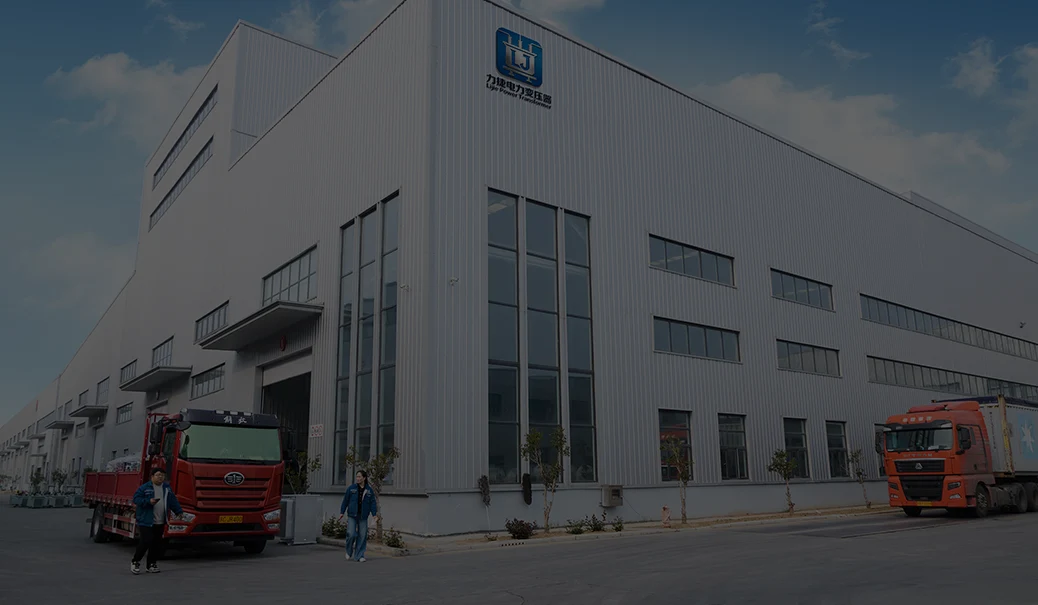
Lijie Electric has been making transformers for 40 years and now has modern production facilities that can handle the needs of large-scale infrastructure and industrial projects. Our engineering staff, which includes more than 160 professionals with advanced degrees, works with your team from the first proposal to post-commissioning support. Distribution transformers for voltages below 35kV, transmission-class units up to 220kV, and special designs for using green energy, mines, and electric furnaces are all part of the wide range of products.
Many people in Australia, Southeast Asia, Central Asia, and Africa trust our IEC, CE, and UL-certified equipment, which is backed by ISO 9001 quality systems and GB/T 27922 service standards after the sale. Contact our technical sales team at lijieelectrical@gmail.com or visit lijie-electrical.com to talk about your needs and get detailed technical proposals that are specific to your application. This is especially important if you need a Power Transformer supplier that can respond quickly and deliver consistent quality on a large scale.
1. Zhang, W., & Chen, H. (2021). Advanced Materials for High-Efficiency Power Transformers. International Journal of Electrical Engineering, 38(4), 215-232.
2. National Electrical Manufacturers Association. (2020). NEMA Standards Publication: Transformers, Regulators, and Reactors. NEMA TP-2, Rosslyn, VA.
3. IEEE Power and Energy Society. (2019). IEEE Guide for Loading Mineral-Oil-Immersed Transformers and Step-Voltage Regulators. IEEE Std C57.91-2019, New York.
4. Kulkarni, S.V., & Khaparde, S.A. (2018). Transformer Engineering: Design, Technology, and Diagnostics (2nd ed.). CRC Press, Boca Raton, FL.
5. International Electrotechnical Commission. (2022). Power Transformers—Part 1: General. IEC 60076-1:2022, Geneva, Switzerland.
6. McShane, C.P., & Rapp, K.J. (2017). Life Management Techniques for Power Transformers. CIGRE Technical Brochure 445, Paris, France.
YOU MAY LIKE
10%20type%2035kV%20transformer.webp)


18%20type%2035KV%20power%20transformer.webp)


April 27, 2025
With a tight project schedule, the manufacturer delivered on time, and on-site technical personnel provided guidance throughout the entire installation and commissioning process; the collaboration was highly efficient and hassle-free.
July 2, 2025
During the preliminary phase, a selection plan was custom-tailored based on the actual site load requirements, resulting in a high degree of parameter compatibility. After-sales support responds within two hours, and ongoing technical support for operation and maintenance is comprehensive; we feel completely confident in a long-term partnership.
November 18, 2025
Deployed as a supporting component for a 35kV grid-connection project at a photovoltaic power station, the equipment operates for an average of 16 hours daily. It demonstrates excellent control over no-load losses, ensures smooth power generation and grid integration, and effectively reduces the station's overall energy consumption.
January 30, 2026
Under the continuous, high-load operating conditions of a factory production line, the equipment maintains stable electrical parameters and exhibits strong overload resistance, thereby guaranteeing an uninterrupted power supply for industrial production.
April 3, 2026
Integrated as a supporting component for a new energy photovoltaic grid-connection system, the manufacturer provided professional technical coordination and timely after-sales support, ensuring seamless adaptation to the specific electrical operating conditions required for grid integration.