April 27, 2025
With a tight project schedule, the manufacturer delivered on time, and on-site technical personnel provided guidance throughout the entire installation and commissioning process; the collaboration was highly efficient and hassle-free.
Aug 31, 2026
When evaluating transformer solutions for large-scale energy infrastructure, choosing the right Step-up Transformer Factory becomes a strategic decision that directly influences project performance, operational longevity, and total lifecycle cost. A Step-up Transformer Factory specializes in engineering electromagnetic induction devices that elevate primary voltage to higher secondary levels, enabling efficient long-distance power transmission while minimizing resistive losses. This guide explores critical technical, manufacturing, and procurement considerations essential for utility operators, renewable energy developers, and EPC contractors seeking reliable voltage transformation solutions for grid integration and industrial applications.

Modern electrical infrastructure is built around voltage raising devices, which change the voltage levels from generator output or limited energy production to levels that can be sent over the power grid. Knowing how these units work and where they provide the most value helps buying teams choose equipment that fits the needs of the project perfectly.
Step-up transformers use electromagnetic induction to move electricity between the primary and secondary windings that are wrapped around a magnetic core. There is a direct link between the voltage ratio and the number of turns between the windings. High-quality units have silicon steel cores and 99.9% oxygen-free copper wires that keep eddy current and hysteresis losses to a minimum. This makes the transformation efficiency over 98.5%. Some important technical factors are voltage ratings between 690V and 500kV, BIL ratings that protect against surges, and cooling systems (ONAN or ONAF configurations) that keep temperatures stable during peak loads.
Voltage elevation equipment is used in three main situations. These transformers raise voltages from 690V wind turbines or 1kV photovoltaic inverters to 33kV or 110kV levels that can be used with the power grid. They are used by utility power plants to raise generator voltage from 11kV to 25kV to extra-high voltage transmission levels of 220kV or 500kV. This makes it easier to send energy across regions. Remote industrial operations, like oil and gas extraction facilities and mine sites, rely on them to send power over long distances from centralized generation hubs to heavy machinery on the edges. They do this while keeping the voltage stable even when the environment is extreme or there is harmonic distortion.
Superior transformer sellers are different from commodity makers because they are better at making things. What Step-up Transformer Factories do to make sure they make good transformers involves production methods, materials used, and quality control rules that all have a direct effect on how reliable equipment is and how long it lasts.
The best manufacturers start by doing a thorough engineering analysis that includes figuring out the electromagnetic forces, thermal gradients, and mechanical stresses that are unique to each application. When buying materials, the focus is on getting high-conductivity copper, premium silicon steel laminations, and cellulose-based insulation systems that can handle long-term thermal cycling. Computer-aided design software finds the best ways to arrange windings so that they meet IEC 60076, IEEE C57.12.00, and area standards for short-circuit resistance, impedance, and losses.
Accurate laminating, stacking, and winding are all parts of core production that must be done in climate-controlled areas to keep dampness out, and a Step-up Transformer Factory implements these controlled processes. The dielectric strength is increased by vacuum impregnation processes, which get rid of air pockets in insulation systems. After the parts are put together, they are put through a lot of tests. These tests check the voltage, measure the resistance of the windings, and check the health of the insulation by measuring dielectric loss (tan delta). Partially discharge testing finds holes inside that could lead to a catastrophic failure. Dissolved gas measurement and moisture content testing are done on units that are submerged in oil. As the last part of factory acceptance testing, lightning impulse models are used to make sure that the surge protection is adequate.
Custom-built transformers are made to fit the specific needs of a project, such as voltage ratios that aren't standard, cooling needs that aren't met by standard methods, or changes needed for extreme climates. To allow for engineering approval and prototype testing, production schedules get longer. Standardized models have shorter lead times and lower costs for uses that match well-known requirements. Manufacturers with a wide range of products in stock can ship standard units within weeks, but it could take several months for unique designs to be shipped after an order is placed.
Certifications like ISO 9001:2015, IEC compliance proof, and CE or UL markings show that the making is consistent and that quality management is strict. Factories with these titles use organized methods for tracking output, keeping track of materials, and always getting better.

Evaluating a supplier means systematically looking at many factors. Partnerships can work or not depending on their production capacity, technical expertise, certification portfolios, price transparency, and logistics capabilities.
The first step in judging technical detail is to look at product lines and customization options. Ultra-high-voltage transformer factories that make transformers with ratings of 500kV or more show advanced engineering skills that can be used on complicated utility projects. Certifications prove the quality of the production process. For example, ISO 9001 certifications confirm quality management systems, IEC product certifications prove agreement with international standards, and CE or UL markings make it easier for regulators in target markets to approve the product. Energy efficiency ratings from groups like the CQC are an independent way to check that performance claims are true.
For big infrastructure projects, continuous bulk delivery is more important than small-batch production. By looking at the manufacturing footprint, workforce size, and annual throughput, you can see if the company has the capacity to meet framework agreements that last for more than one year. Factories with more than one production base and a total area of more than 100,000 square meters usually have the scalability needed for utility-scale buying. Delivery performance history, shown by customer testimonials and reviews from third parties, shows dependability in meeting project deadlines.
The unit price is only one part of the total cost over the period. Transformation efficiency has a direct effect on running costs over the course of 20 to 30 years. Equipment that is 98.8% efficient instead of options that are 98.2% efficient cuts energy waste by 0.6%, which means big saves for utilities. Long-term cost estimates are affected by things like warranty terms, the availability of extra parts, and the need for regular upkeep. Clear price models that break down base tools, extra features, testing procedures, and logistics make it easier to plan a budget and compare vendors.
Structured procurement workflows keep project risks to a minimum, keep costs in check, and make sure that deliveries happen on time to meet construction schedules. Ordering and logistics from Step-up Transformer Factories require coordination and clear technical specifications.
For buying to work well, there must be detailed technical specs that include voltage ratings, capacity needs, preferred cooling methods, environmental conditions, and relevant standards for a Step-up Transformer Factory. When you send detailed questions to several manufacturers, you can compare their engineering approaches, prices, and delivery times. Technical discussions make it clear if customization is possible, how to test it, and what kind of paperwork is needed for regulatory approval in the target countries.
Unit prices, payment terms, shipping schedules, guarantee coverage, and after-sales support are all things that are being negotiated. Framework agreements help projects that need to be delivered in stages over a number of years by locking in prices and making sure that capacity is allocated. The buyer's best interests are protected by clear wording in contracts that spell out acceptance criteria, performance guaranties, and penalty terms. In the order confirmation paperwork, it should say what tests are needed for plant acceptance, how third parties can check the goods, and how they will be shipped.
For international shipments, export paperwork, clearing customs, and freight forwarding all need to be coordinated. Manufacturers who have worked in international markets before can help you figure out how to meet legal standards and plan your processes. Delivery schedules take into account lead times for production, testing, and shipping by sea or land. Post-delivery support, such as installation instructions, help with commissioning, and upkeep schedules, makes tools last longer and work better. Setting up technical support lines and agreements for spare parts supply during buying lowers the risk of operating disruption.

Strategic partnerships with well-known manufacturers provide benefits beyond just providing equipment. When people work together, they can provide continuous expert help, improve products, and provide responsive service.
Manufacturers with a good reputation put a lot of money into research and development to improve insulation, cooling, and energy economy. Facilities that hire more than 160 engineers with PhDs and master's degrees show their dedication to technological progress. Offering a wide range of products, including ultra-high-voltage transformers, specialized industrial units, and green energy solutions, shows that the company can handle a wide range of project types. Being recognized as national high-tech businesses and specialized makers shows that you are good at coming up with new ideas and using technology.
Export networks that are already set up in Australia, New Zealand, Southeast Asia, Central Asia, and Africa show that the company can serve international markets. Having experience working with different types of regulations, weather, and grid designs lowers the risk of a project. Local help from authorized distributor networks cuts down on the time it takes to answer technical questions and take care of repair needs. Potential buyers can learn from case studies of real-life projects like wind farms, solar installations, and utility transmission lines.
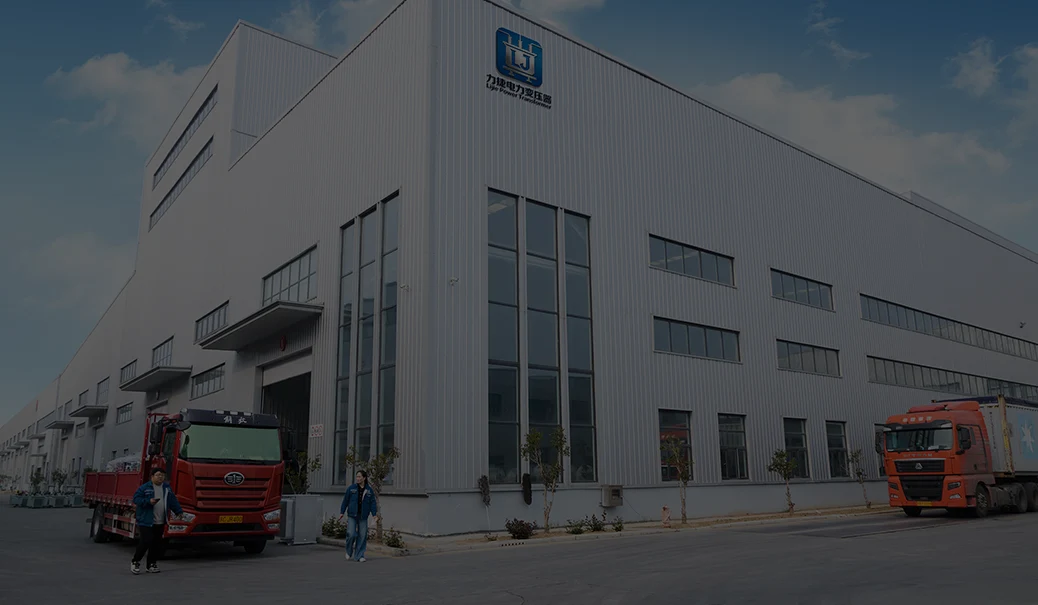
Lijie Electric has two factories that cover a total area of 500,000 square meters and hire more than 2,000 people. This allows us to meet large-scale, long-term supply deals. We sell 110kV and 220kV models, as well as 500kV ultra-high-voltage transformers, as well as electric furnace transformers, rectifier transformers, and mine transformers. All of the units pass tests from the National Transformer Quality Supervision and Inspection Center and have energy efficiency certifications from the CQC, PCCC, and IEC. Our ISO 9001:2015, CE, and UL certifications show that we follow world standards for quality control.

When looking for a manufacturing partner for voltage transformation, you need to find one that strikes a good balance between technical know-how, output scalability, certification reliability, and service commitment, and a Step-up Transformer Factory with these attributes ensures equipment reliability over many decades of use depending on how well it was made, what materials were used, and how well the design was done. Systematic evaluation methods that check for technical skills, look at third-party certifications, and confirm performance records are helpful for procurement teams. Strategic relationships with makers that show leadership in innovation and full after-sales support produce long-term value that goes beyond the initial supply of equipment and enable operating excellence throughout the lifecycles of projects.
Technical competence, shown by ISO 9001, IEC compliance, CE, and UL certifications, production scalability, shown by manufacturing footprint and annual throughput, and delivery reliability, shown by customer references, are the main things that are looked at. Transformation efficiency has a direct effect on operational costs, which is why performance specifications are just as important as unit pricing.
Custom units need special technical analysis, prototype testing, and the buying of special materials. This makes production take several months longer and costs 15–30% more per unit than standard models. Standardized designs use tried-and-true manufacturing methods to get products to customers faster and cheaper. This works well when project requirements match those of existing products.
Most good manufacturers offer 18–24 month warranties that cover problems with the materials or the way the product was made. After-sales support that covers everything includes help with installation, training in upkeep, technical troubleshooting, and deals to supply spare parts. Setting up service level agreements during procurement guaranties quick help, which cuts down on business downtime.
Lijie Electric operates as a specialized Step-up Transformer Factory that makes unique solutions for power systems in utilities, businesses that use green energy, and factories that use electricity. Our engineering team can help you with detailed questions about your project's voltage needs, economy goals, and environmental concerns. We keep complete testing facilities that follow routine, type, and special testing methods to make sure that equipment is reliable and will last for 20 to 30 years. Our export experience on several countries and our range of certifications, such as ISO 9001:2015, CE, UL, and IEC compliance, make it easier for regulators in your target market to approve your products. You can email our procurement specialists at lijieelectrical@gmail.com to talk about technical details, get detailed quotes, or look into long-term supply agreements that fit the needs of your project. You can look at our full line of products at lijie-electrical.com and learn how our production skills can help you reach your infrastructure goals with dependable and effective voltage change solutions.
1.International Electrotechnical Commission. (2018). Power Transformers - Part 1: General Requirements (IEC 60076-1). Geneva: IEC Publications.
2.IEEE Standards Association. (2015). IEEE Standard for General Requirements for Liquid-Immersed Distribution, Power, and Regulating Transformers (C57.12.00). New York: Institute of Electrical and Electronics Engineers.
3.National Renewable Energy Laboratory. (2020). Wind Plant Electrical Systems Integration: Best Practices for Step-up Transformer Specification. Golden, CO: U.S. Department of Energy.
4.Electric Power Research Institute. (2019). Transformer Life Extension: Assessment Methodologies and Diagnostic Technologies. Palo Alto, CA: EPRI Technical Report.
5.International Council on Large Electric Systems. (2021). CIGRE Green Book: Transformer Thermal Modelling and Monitoring. Paris: CIGRE Publications.
6.American National Standards Institute. (2017). ANSI C57.12.90: Standard Test Code for Liquid-Immersed Distribution, Power, and Regulating Transformers. Washington, DC: ANSI Standards.
YOU MAY LIKE




April 27, 2025
With a tight project schedule, the manufacturer delivered on time, and on-site technical personnel provided guidance throughout the entire installation and commissioning process; the collaboration was highly efficient and hassle-free.
July 2, 2025
During the preliminary phase, a selection plan was custom-tailored based on the actual site load requirements, resulting in a high degree of parameter compatibility. After-sales support responds within two hours, and ongoing technical support for operation and maintenance is comprehensive; we feel completely confident in a long-term partnership.
November 18, 2025
Deployed as a supporting component for a 35kV grid-connection project at a photovoltaic power station, the equipment operates for an average of 16 hours daily. It demonstrates excellent control over no-load losses, ensures smooth power generation and grid integration, and effectively reduces the station's overall energy consumption.
January 30, 2026
Under the continuous, high-load operating conditions of a factory production line, the equipment maintains stable electrical parameters and exhibits strong overload resistance, thereby guaranteeing an uninterrupted power supply for industrial production.
April 3, 2026
Integrated as a supporting component for a new energy photovoltaic grid-connection system, the manufacturer provided professional technical coordination and timely after-sales support, ensuring seamless adaptation to the specific electrical operating conditions required for grid integration.