April 27, 2025
With a tight project schedule, the manufacturer delivered on time, and on-site technical personnel provided guidance throughout the entire installation and commissioning process; the collaboration was highly efficient and hassle-free.
Sep 21, 2026
When power plants have trouble with unstable voltage, it affects whole lines, causing damage to equipment, wasted energy, and expensive downtime. An HV transformer, or high-voltage transformer, is the main device that stops these changes and precisely steps up or down voltage levels over ranges usually greater than 36kV and up to 800kV in ultrahigh-voltage situations. If you are in charge of a utility transmission network, a farm that uses renewable energy, or a heavy industrial facility, you need to know how high-voltage transformers control voltage in order to make smart purchasing decisions that protect your assets and your bottom line.
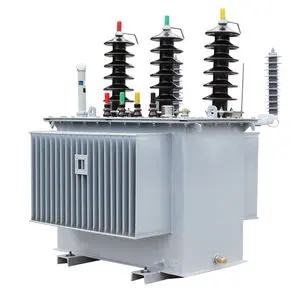
A high-voltage HV Transformer uses electromagnetic induction to send electricity from one circuit to another. This lowers the amount of I²R transmission losses that happen when power is sent over long distances. At power plants, it raises the voltage to transmission levels. At substations, it lowers the voltage so that it can be sent to factories or homes in the region. Because it can work in both directions, it is the most important node in any power generation architecture. Different uses call for different voltage ranges. 110kV and 220kV units are most common in regional distribution, while 500kV and higher are used for national grids and ultrahigh voltage corridors.
Two main types of transformer configurations are used in various operational settings. Mineral or synthetic insulating oil is used to cool and protect oil-immersed units. This makes them perfect for outdoor substations and transmission applications that need high capacity and thermal resilience. Because they use air or resin as insulation, dry-type transformers work well indoors in places where fire safety is important, like industrial parks, commercial buildings, and urban distribution points. Knowing this difference ahead of time saves buying teams a lot of time when they are reviewing specifications.
How well a high-voltage HV Transformer keeps its output stable when the load changes depends on how it is built on the inside. Engineers and purchasing managers should look beyond the numbers on the box to see how the choices made during design affect how well the voltage regulator works in real life.
These are the main design factors that affect how stable the voltage is:
If these design principles are followed, a transformer should be able to keep its control accuracy for 20 to 30 years. Cutting corners on even one thing makes the chance of failure much higher over time.
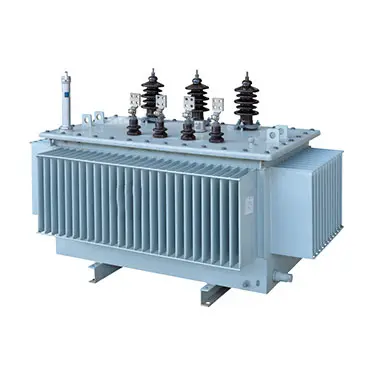
The first step in selection is to look at the load capacity. Engineers have to figure out the maximum demand, the expected growth in load, and the acceptable voltage deviation, which is usually ±5% for industrial uses and tighter bands for infrastructure that is important to the power grid. Impedance voltage is a very important factor here. Lower impedance makes voltage regulation better, but it also makes short-circuit current more likely, so balance is a must.
Aside from technical requirements, procurement managers in charge of big energy or infrastructure projects also have to deal with a different set of pressures. Total lifecycle cost, delivery wait times, and the stability of long-term suppliers all have an effect on project timelines and costs. When you buy directly from a certified HV Transformer manufacturer instead of a distributor, the unit cost is usually lower, customization is easier, and quality compliance makes it easier to see who is responsible for what.
In the U.S. market and on foreign EPC projects, certifications are very important. It is recommended that buyers give more weight to suppliers who have ISO 9001:2015, IEC 60076 compliance, CE, and UL certifications. These aren't just boxes to be checked off by the government; they show that the manufacturing process is followed and the result is reliable, as confirmed by outside testing groups.
Voltage regulation that stays stable over decades depends on following strict maintenance rules. If you don't do regular inspections, small problems with the insulation can get worse and cause whole sections of the grid to go offline.
This is what should be checked during regular maintenance:
Following the guidelines in IEC 60076 and IEEE C57.12.00 standards for quickly fixing problems with overheating and voltage fluctuations protects both the health of the HV Transformer and the equipment further downstream. No matter how big or small the project is, safe installation procedures like proper grounding and surge protection must always be followed.
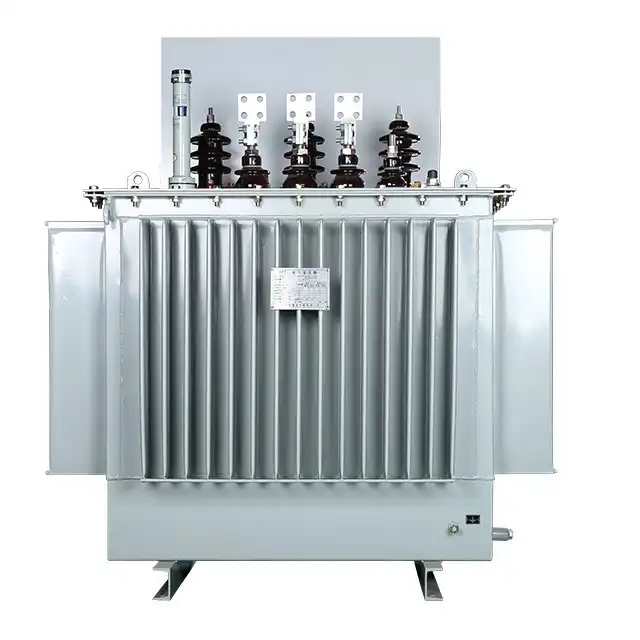
What specification sheets can't show is shown by real deployments. Utility-scale solar farms that connect to national grids have used dry-type transformers rated at 35kV in their indoor switchgear rooms and oil-immersed step-up units to connect to the grid. This is a hybrid approach that saves money and improves performance at the same time. In steelmaking, electric arc furnace transformers regularly handle heavy load cycling and high electromagnetic interference without losing their ability to regulate voltage. This shows how specialized HV Transformer design can meet the needs of different industries.
In the future, IoT-enabled smart transformer technology will change the way servicing is done. Embedded sensors that measure oil temperature, load current, and PD activity in real time make it possible to plan repairs ahead of time, which cuts down on unplanned outages. At the same time, environmentally friendly cooling options like recyclable ester-based dielectric fluids are becoming more popular as stricter sustainability rules are put in place in both the U.S. and European energy sectors.
High-voltage HV Transformers are essential for dependable power generation. They do more than just carry electricity; they also actively control the quality of the grid voltage. How well your infrastructure works over its entire operational lifetime depends on how well you choose the design, keep up with strict inspection schedules, and buy from certified manufacturers. Smart grid technologies and the use of green energy are growing quickly. The transformer you choose today will affect how resilient your system is tomorrow. Invest in quality that has been checked, not just price that is competitive.
High-voltage HV Transformers typically operate at voltages exceeding 36kV. Transmission-grade units range from 110kV to 220kV, while ultra-high voltage models reach 500kV and above.
Core permeability, winding resistance, and impedance voltage collectively determine regulation accuracy. Lower winding resistance and optimized impedance minimize voltage deviation under variable loads.
For U.S. and international projects, require ISO 9001:2015, IEC 60076 compliance, UL listing, and CE marking at minimum. These certifications verify that manufacturing processes and products meet independently audited quality benchmarks.
IEEE C57.104 recommends annual DGA testing for transformers in service, with more frequent sampling if previous results indicated abnormal gas levels or recent operational stress events.
Yes. Transformers for solar and wind applications require design accommodations for harmonic distortion and fluctuating load profiles. Manufacturers like Lijie Electric offer application-specific configurations for renewable energy interconnection.
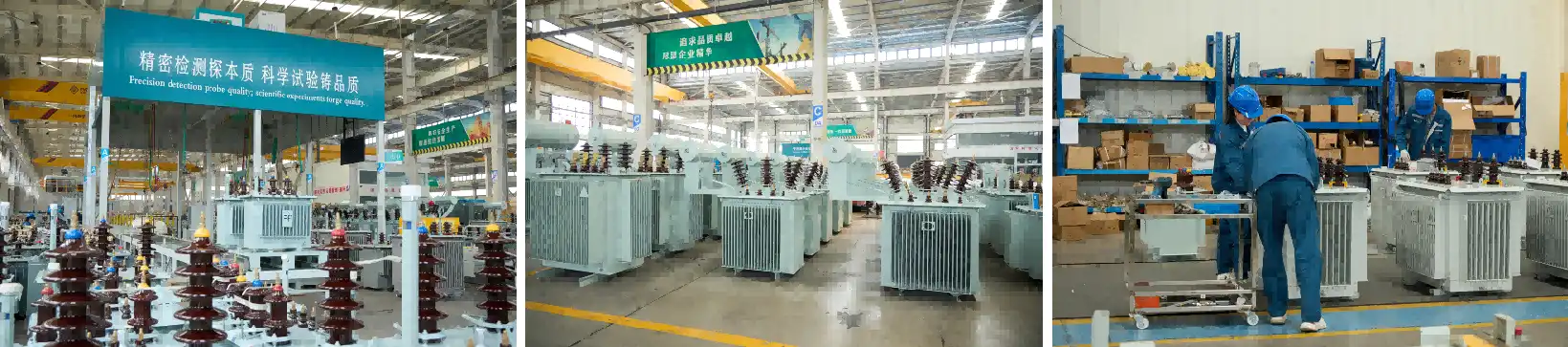
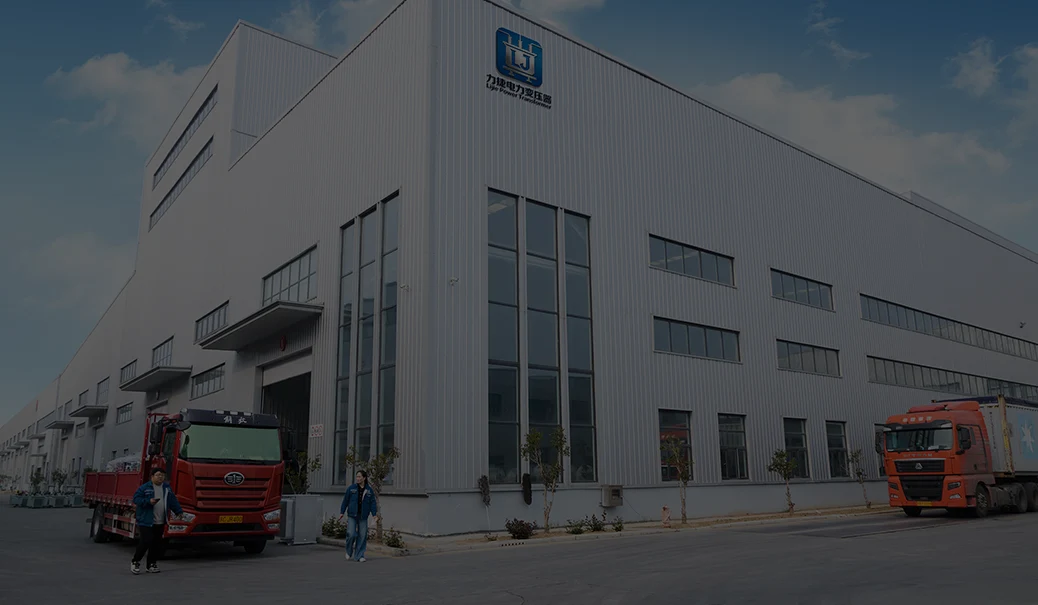
Lijie Electric Power Technology Group manufactures high-voltage HV Transformers from 35kV to 500kV and above, covering oil-immersed, dry-type, amorphous alloy, and specialty configurations—all certified under ISO 9001:2015, IEC, CE, and UL. With 500,000 m² of production capacity across two manufacturing bases and annual sales exceeding 5 billion RMB, we support large-volume B2B orders with reliable lead times and full customization capability. Contact our engineering team today at lijieelectrical@gmail.com or visit lijie-electrical.com for technical specifications and sourcing support.
1. IEC 60076-1:2011 — Power Transformers – Part 1: General, International Electrotechnical Commission, 2011.
2. IEEE Std C57.12.00-2015 — IEEE Standard for General Requirements for Liquid-Immersed Distribution, Power, and Regulating Transformers, IEEE, 2015.
3. IEEE Std C57.104-2019 — IEEE Guide for the Interpretation of Gases Generated in Mineral Oil-Immersed Transformers, IEEE, 2019.
4. Kulkarni, S.V. & Khaparde, S.A. — Transformer Engineering: Design, Technology, and Diagnostics, CRC Press, 2013.
5. Lesieutre, B.C. et al. — "Voltage Regulation in Power Systems with High Penetration of Renewable Energy," IEEE Transactions on Power Systems, 2020.
6. U.S. Department of Energy — Transformers: Basics, Maintenance, and Diagnostics, DOE/NV-10503-1, 2005.
YOU MAY LIKE

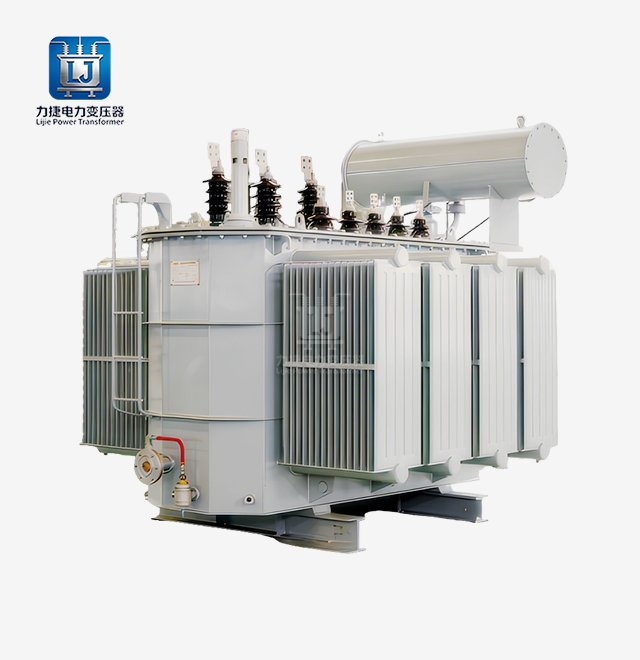
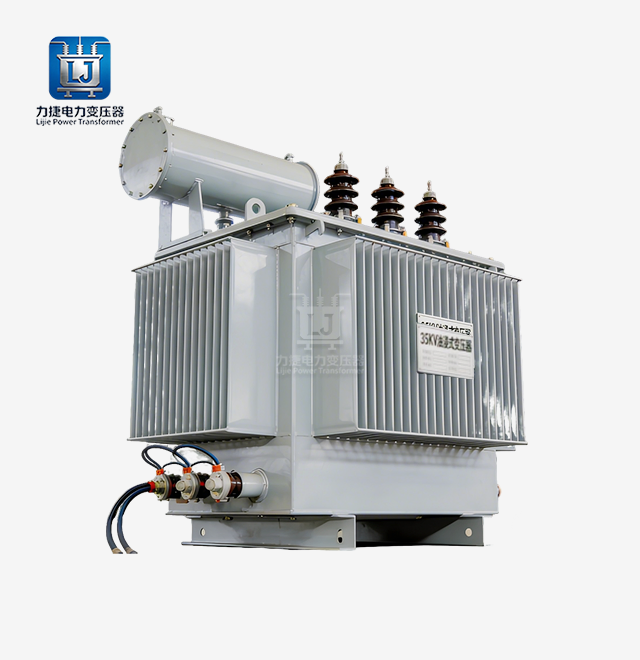
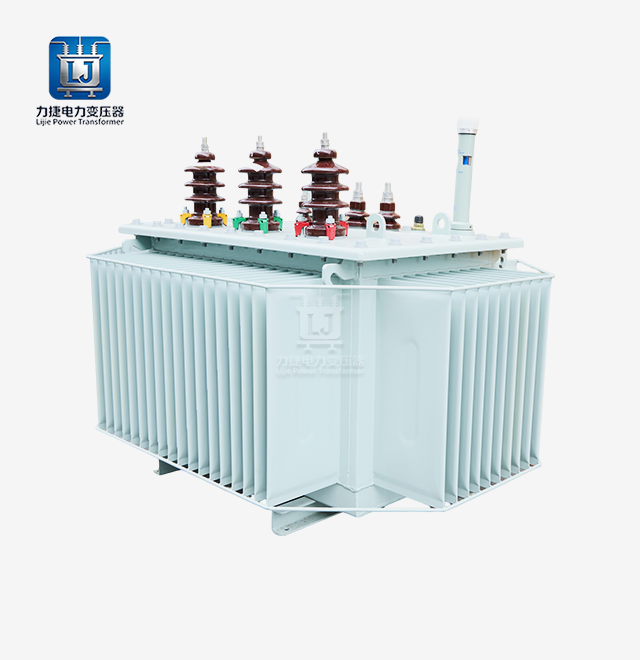


H15%20distribution%20transformer.webp)
18%20type%2035KV%20power%20transformer.webp)
April 27, 2025
With a tight project schedule, the manufacturer delivered on time, and on-site technical personnel provided guidance throughout the entire installation and commissioning process; the collaboration was highly efficient and hassle-free.
July 2, 2025
During the preliminary phase, a selection plan was custom-tailored based on the actual site load requirements, resulting in a high degree of parameter compatibility. After-sales support responds within two hours, and ongoing technical support for operation and maintenance is comprehensive; we feel completely confident in a long-term partnership.
November 18, 2025
Deployed as a supporting component for a 35kV grid-connection project at a photovoltaic power station, the equipment operates for an average of 16 hours daily. It demonstrates excellent control over no-load losses, ensures smooth power generation and grid integration, and effectively reduces the station's overall energy consumption.
January 30, 2026
Under the continuous, high-load operating conditions of a factory production line, the equipment maintains stable electrical parameters and exhibits strong overload resistance, thereby guaranteeing an uninterrupted power supply for industrial production.
April 3, 2026
Integrated as a supporting component for a new energy photovoltaic grid-connection system, the manufacturer provided professional technical coordination and timely after-sales support, ensuring seamless adaptation to the specific electrical operating conditions required for grid integration.