April 27, 2025
With a tight project schedule, the manufacturer delivered on time, and on-site technical personnel provided guidance throughout the entire installation and commissioning process; the collaboration was highly efficient and hassle-free.
Sep 19, 2026
When industrial facilities need reliable, safe, and scalable power delivery, the equipment at the heart of that system matters enormously. A Distribution Box / Pad Mount Transformer is a ground-mounted, tamper-resistant enclosure that consolidates transformation, switching, and circuit protection into one compact unit. By eliminating the need for separate vault construction and exposed live parts, this integrated solution directly addresses the reliability, safety, and space efficiency demands that define modern industrial power distribution. Understanding what makes these units genuinely suitable for heavy-duty applications helps procurement engineers and project managers make decisions they won't regret 20 years later.
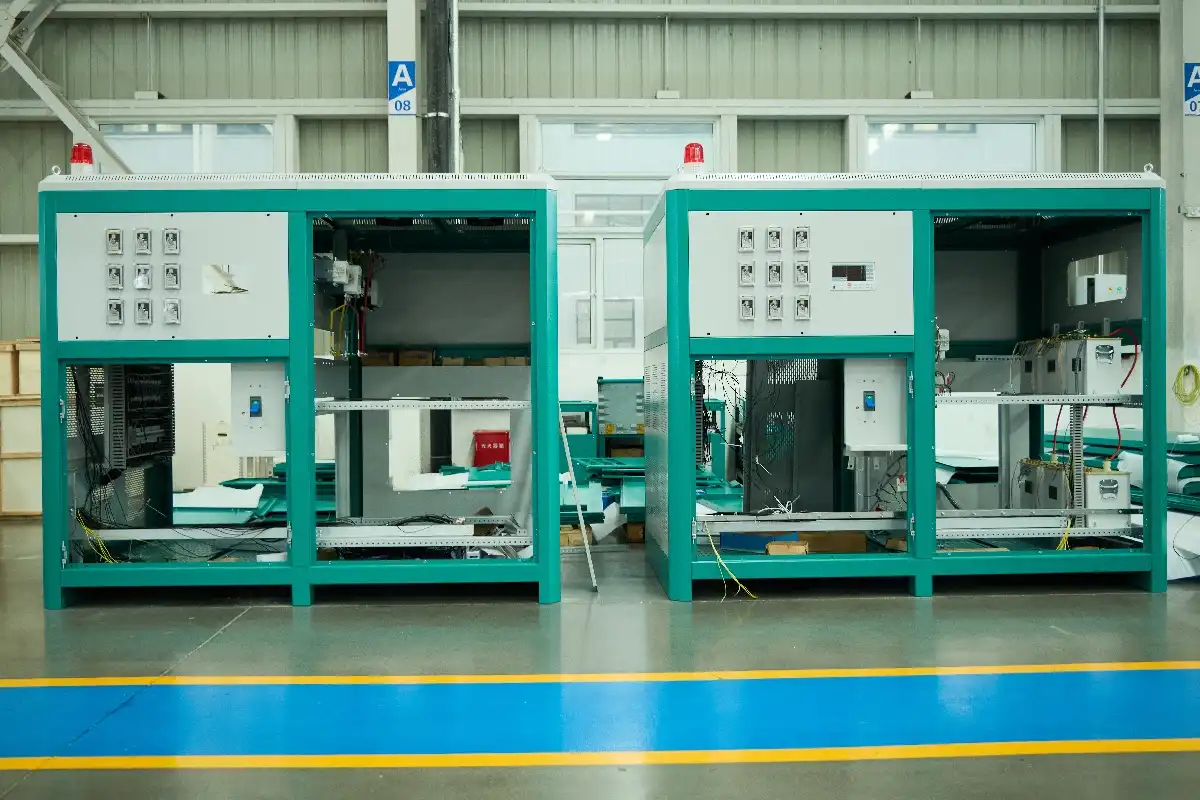
Between the secondary output of a transformer and the load lines further downstream, a distribution box controls and protects the electricity. It is a single box that holds circuit breakers, busbars, sensing parts, and fault protection devices. The distribution box, not a separate transformer, controls how power is distributed across multiple circuits at the same time. This is a very important job in buildings with a lot of motor loads, control systems, and lighting circuits that are all running at the same time.
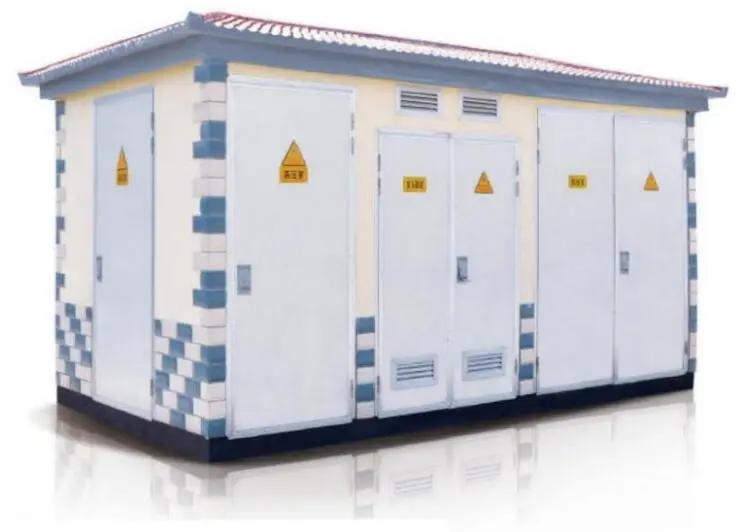
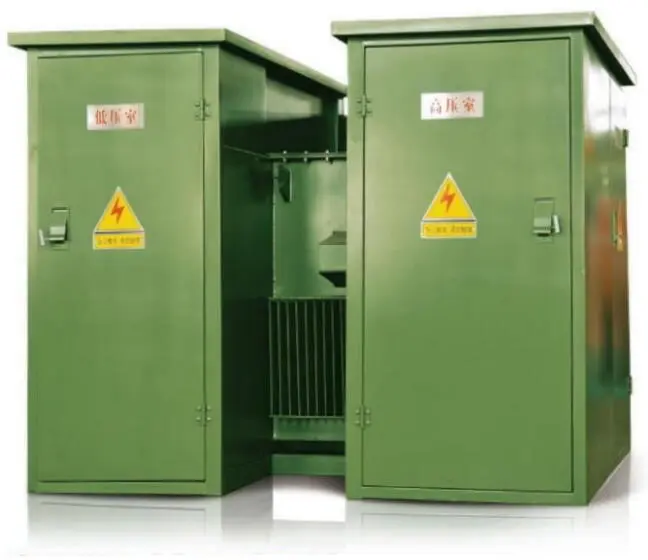
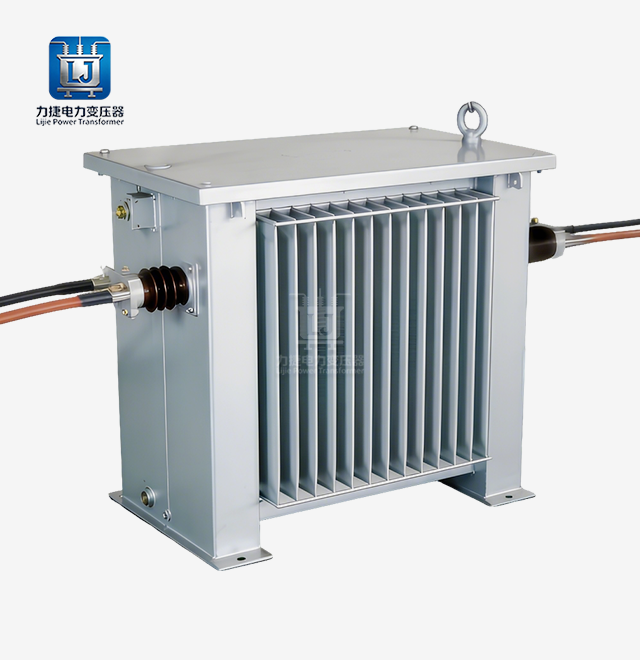
A Distribution Box / Pad Mount Transformer lowers a high primary voltage, usually between 5 kV and 35 kV, to a secondary voltage suitable for industrial applications. By installing a Distribution Box / Pad Mount Transformer on a concrete pad at ground level, operators can eliminate many of the risks associated with overhead lines while reducing the space required for the substation. When integrated with a distribution box, also known as a JP cabinet in Chinese grid terminology, the Distribution Box / Pad Mount Transformer system forms a self-contained power delivery node. This configuration is particularly valuable in steel plants, mines, and chemical factories, where floor space is limited and unexpected power outages can result in losses of six figures per hour. Selecting a properly rated Distribution Box / Pad Mount Transformer can therefore support safer, more compact, and more reliable industrial power distribution.
The way these two parts work together isn't just technical; it's a theory of system design. When engineers plan substation layouts with co-located distribution boxes and pad-mounted transformers, they say it's much easier to route cables and faster to find faults during maintenance windows.
Distribution equipment has to handle a lot of stress in industrial settings. Some important technical factors that determine fit are:
These specs aren't just marketing speak; they're engineering standards that tell you if a unit will last 25 years of use in a mining or chemical processing setting.
The amount of energy a building uses each year is directly related to the temperature rise, load capacity, and no-load loss characteristics of its Distribution Box / Pad Mount Transformer. For example, amorphous alloy transformer cores can reduce no-load losses by up to 70% compared with conventional silicon steel cores, which can have a meaningful effect after ten years of continuous operation. When selecting a Distribution Box / Pad Mount Transformer, buyers should also consider noise levels, especially for facilities located near residential areas or sensitive instrumentation. Although noise performance is often overlooked during procurement, a properly specified Distribution Box / Pad Mount Transformer can help meet site requirements while supporting efficient and reliable power distribution. Evaluating the efficiency, thermal performance, and acoustic characteristics of each Distribution Box / Pad Mount Transformer can therefore improve long-term operating value.
A transformer that lasts 30 years is different from one that breaks down after 12 years because of poor maintenance. Some suggested actions are:
These steps help project managers avoid unplanned downtime that throws off production schedules and keep operational confidence high. In industrial settings, well-maintained distribution equipment always meets or beats the lower end of the 10–30 year service life standard that is usually required by purchase specs.
For a ground-level pad mount system to work, the pad must be made of reinforced concrete and have exact measurements to keep the cage stable. According to NEC Article 450 and any local codes that apply, there must be enough space between things, the right way for cable conduit to be routed, and the right way to connect to facility grounding grids. During the planning phase, the insulation class and weatherproofing requirements for the enclosure should be based on environmental factors such as high temperatures, altitude, and the classification of the seismic zone.
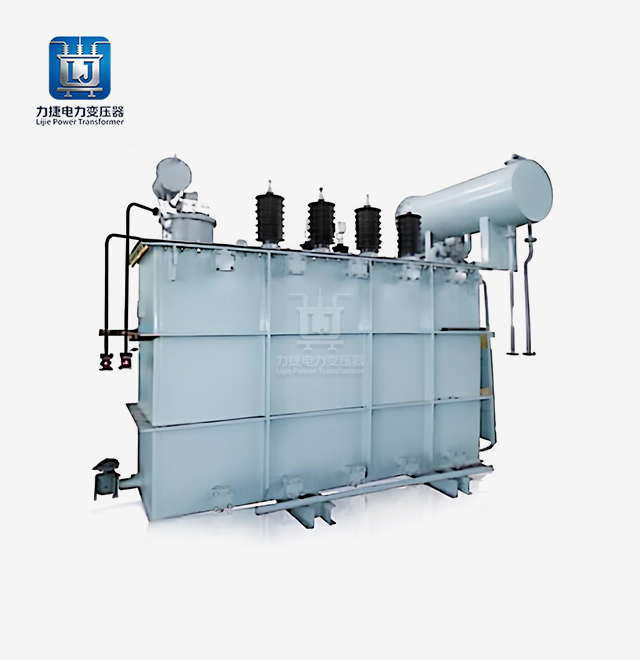
Depending on the application, buyers can choose between pad mount and pole mount configurations, as well as dry-type and oil-filled transformer designs. A Distribution Box / Pad Mount Transformer is well suited to urban industrial parks and green energy sites where safety, appearance, and efficient use of space are important considerations. In rural areas, pole-mounted configurations may still be practical for certain transmission and distribution projects. For high-load outdoor applications, an oil-immersed Distribution Box / Pad Mount Transformer can provide strong thermal performance, while dry-type units are generally more suitable for indoor environments where fire safety is a major concern. Selecting the right Distribution Box / Pad Mount Transformer requires careful consideration of load requirements, installation conditions, safety standards, and available space.
When procurement teams choose a supplier, they always look at how well the rated capacity matches the expected load growth, how well the insulation class matches the ambient operating temperature, how much noise the supplier makes, and how well they've shown they can deliver custom configurations on time. The engineering depth and distribution networks of suppliers like ABB, Siemens, and Schneider Electric are known all over the world. On the other hand, companies like Lijie Electric, which is certified by ISO 9001:2015, IEC 60076, CE, and UL, can offer competitive customization and large-batch supply, which is something that global EPC contractors are asking for more and more.
When buying delivery tools, price alone doesn't always lead to the best choice. A truer picture of value is the total lifecycle cost, which includes the unit price, installation, energy losses, upkeep, and replacement in the end. When it comes to big infrastructure projects, bulk order agreements usually mean better unit economics. But this is only true if the supplier can keep the quality of the manufacturing consistent across the whole batch.
Predictable lead times are also very important. If a supplier can't deliver 50 units by the agreed-upon project date, it causes delays in the civil, mechanical, and commissioning workstreams. Long after the project is finished, the operational investment is protected by warranties that last at least two to five years and are easy to get in touch with for technical help.
In industrial power systems, Distribution Box / Pad Mount Transformer solutions are widely used because they offer precise engineering, meet applicable safety requirements, and provide reliable long-term performance. Every technical requirement, from dielectric testing methods to corrosion protection for enclosures, addresses practical risks that industrial users may encounter. When procurement teams evaluate suppliers of a Distribution Box / Pad Mount Transformer, they consider factors such as certifications, customization capabilities, manufacturing quality, and supply-chain reliability. For large-scale projects, selecting the right Distribution Box / Pad Mount Transformer supplier involves more than comparing the initial unit price, because long-term value also depends on product reliability, technical support, delivery performance, and after-sales service. A trusted Distribution Box / Pad Mount Transformer manufacturing partner can therefore provide greater value throughout the equipment's service life.
In normal industrial settings, a well-made pad mount transformer can work effectively for 25 to 35 years with regular upkeep that includes DGA testing and insulation checks.
As a minimum, procurement engineers should check for ISO 9001, IEC 60076, ANSI/IEEE C57.12.00, CE, and UL certifications.
When compared to silicon steel cores, amorphous alloy cores cut no-load losses by as much as 70%. For industrial buildings that use a lot of energy, this difference adds up to big energy savings over 20 years.
Because dry-type units use solid resin insulation, they are safer for use inside places where fire risk is important. Oil-filled units are better at getting rid of heat, which makes them better for large-scale industrial uses outside.
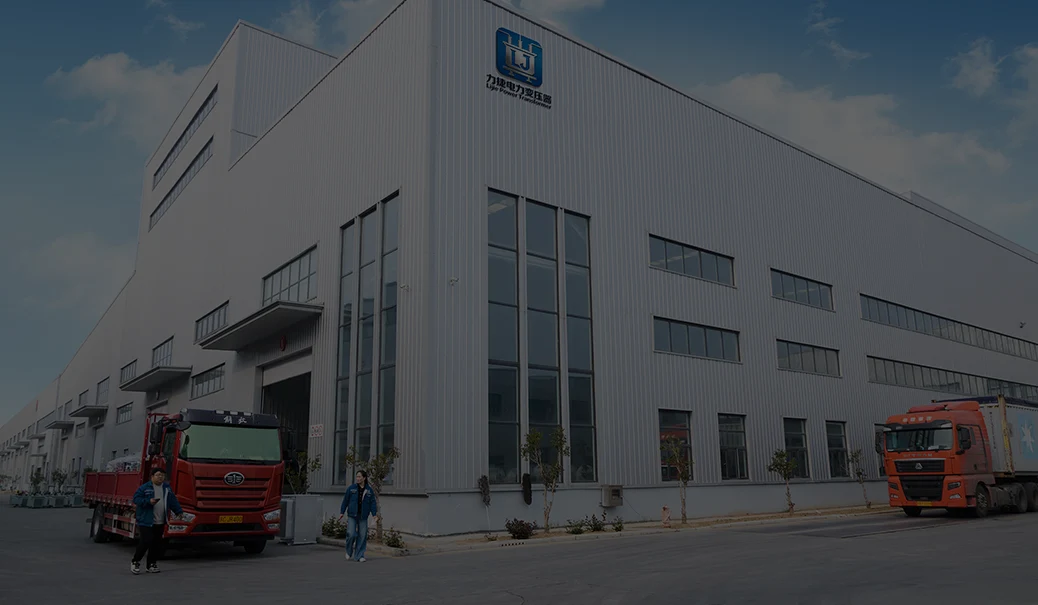
Lijie Electric offers Distribution Box / Pad Mount Transformer options that are approved by ISO 9001:2015, IEC, CE, and UL. These range from 35kV compact substations to custom industrial configurations. As a well-known manufacturer of Distribution Box / Pad Mount Transformer with annual sales of more than 5 billion RMB and exports to four continents, we can help with large-scale project-based purchases and have a track record of on-time delivery. To talk about your project needs, please email our engineering team at lijieelectrical@gmail.com or visit lijie-electrical.com.
1. IEEE Std C57.12.00-2015, IEEE Standard for General Requirements for Liquid-Immersed Distribution, Power, and Regulating Transformers — IEEE, 2015.
2. IEC 60076-1:2011, Power Transformers – Part 1: General — International Electrotechnical Commission, 2011.
3. ANSI C57.12.28-2014, Pad-Mounted Equipment – Enclosure Integrity — American National Standards Institute, 2014.
4. ASTM B117-19, Standard Practice for Operating Salt Spray (Fog) Apparatus — ASTM International, 2019.
5. IEEE Std 141-1993, IEEE Recommended Practice for Electric Power Distribution for Industrial Plants (Red Book) — IEEE, 1993.
6. U.S. Department of Energy, Energy Efficiency Standards for Distribution Transformers: Technical Support Document — DOE, 2013.
YOU MAY LIKE

10%20type%20epoxy%20resin%20cast%20transformer.webp)


April 27, 2025
With a tight project schedule, the manufacturer delivered on time, and on-site technical personnel provided guidance throughout the entire installation and commissioning process; the collaboration was highly efficient and hassle-free.
July 2, 2025
During the preliminary phase, a selection plan was custom-tailored based on the actual site load requirements, resulting in a high degree of parameter compatibility. After-sales support responds within two hours, and ongoing technical support for operation and maintenance is comprehensive; we feel completely confident in a long-term partnership.
November 18, 2025
Deployed as a supporting component for a 35kV grid-connection project at a photovoltaic power station, the equipment operates for an average of 16 hours daily. It demonstrates excellent control over no-load losses, ensures smooth power generation and grid integration, and effectively reduces the station's overall energy consumption.
January 30, 2026
Under the continuous, high-load operating conditions of a factory production line, the equipment maintains stable electrical parameters and exhibits strong overload resistance, thereby guaranteeing an uninterrupted power supply for industrial production.
April 3, 2026
Integrated as a supporting component for a new energy photovoltaic grid-connection system, the manufacturer provided professional technical coordination and timely after-sales support, ensuring seamless adaptation to the specific electrical operating conditions required for grid integration.