April 27, 2025
With a tight project schedule, the manufacturer delivered on time, and on-site technical personnel provided guidance throughout the entire installation and commissioning process; the collaboration was highly efficient and hassle-free.
Sep 18, 2026
Expert voltage step-up transformer manufacturers guarantee reliable voltage conversion through a combination of precision engineering, stringent material selection, and comprehensive quality assurance protocols. A qualified Step-up Transformer Supplier employs advanced design methodologies that incorporate high-permeability grain-oriented silicon steel cores, superior insulation systems rated Class H or F, and rigorous adherence to international standards including IEC 60076 and IEEE C57.12.00. These technical foundations, paired with decades of manufacturing experience and continuous innovation, enable suppliers to deliver transformers achieving 98-99% efficiency while withstanding demanding operational environments across power generation, industrial manufacturing, and renewable energy sectors.
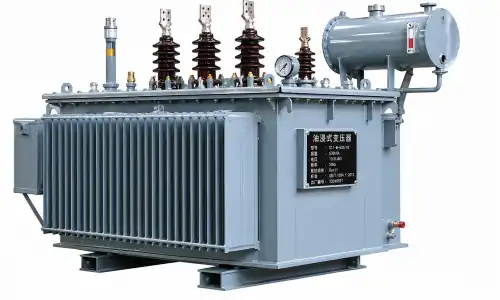
Voltage step-up transformers change low voltage levels to high transfer voltages. They are an important part of efficient power systems. This basic process lowers the flow of current during long-distance power transmission. This lowers resistive losses and makes energy distribution more cost-effective. The basic idea is based on electromagnetic induction, which happens when two magnetically connected coil windings (primary and secondary) create a voltage ratio that is related to the number of turns between them.
The electromagnetic core focuses the magnetic flux, which lets energy move from the primary winding, which receives low voltage, to the secondary winding, which sends high voltage. It is common for industrial uses to change voltages from 480V or 690V to 11kV or 33kV for distribution or 110kV or 220kV or higher for transmission. The number of turns in the coil is directly related to the transformation ratio. For example, a 1:10 ratio increases voltage by ten times while decreasing current by the same amount.
Core-type setups have windings that are wrapped around the vertical legs of the laminated core. This makes them easy to build and keep up. Shell-type designs have windings inside the core structure, which makes them stronger and better at protecting against short circuits. This makes them the best choice for large industrial installations. Customized designs meet specific needs, like harmonic filtering for variable frequency drives, a smaller size for placements with limited room, or better seismic protection for important infrastructure projects. Each configuration works best in a different set of operational and environmental conditions.
When voltage levels are stable, power is delivered steadily over long transmission networks, making a reliable Step-up Transformer Supplier essential for maintaining consistent electrical performance. Stable voltage helps protect sensitive equipment from voltage drops and fluctuations, while integrated monitoring features can identify small problems before they develop into major failures. A qualified Step-up Transformer Supplier can provide optimized core materials and winding designs that reduce no-load and load losses, improving overall energy efficiency. Power companies rely on these transformers to support grid stability, while manufacturing plants use them for process equipment that requires specific voltage levels. Renewable energy installations also depend on a capable Step-up Transformer Supplier to match generator output with grid requirements. Most solar farms boost the 480 V output of their inverters to a 33 kV collection voltage, while wind farms typically transform the 690 V output of their turbines to higher substation transmission levels. Choosing an experienced Step-up Transformer Supplier can help ensure that these voltage conversion systems provide reliable performance, efficient operation, and long-term grid compatibility. A dependable Step-up Transformer Supplier can also provide customized solutions for different renewable energy and industrial applications.
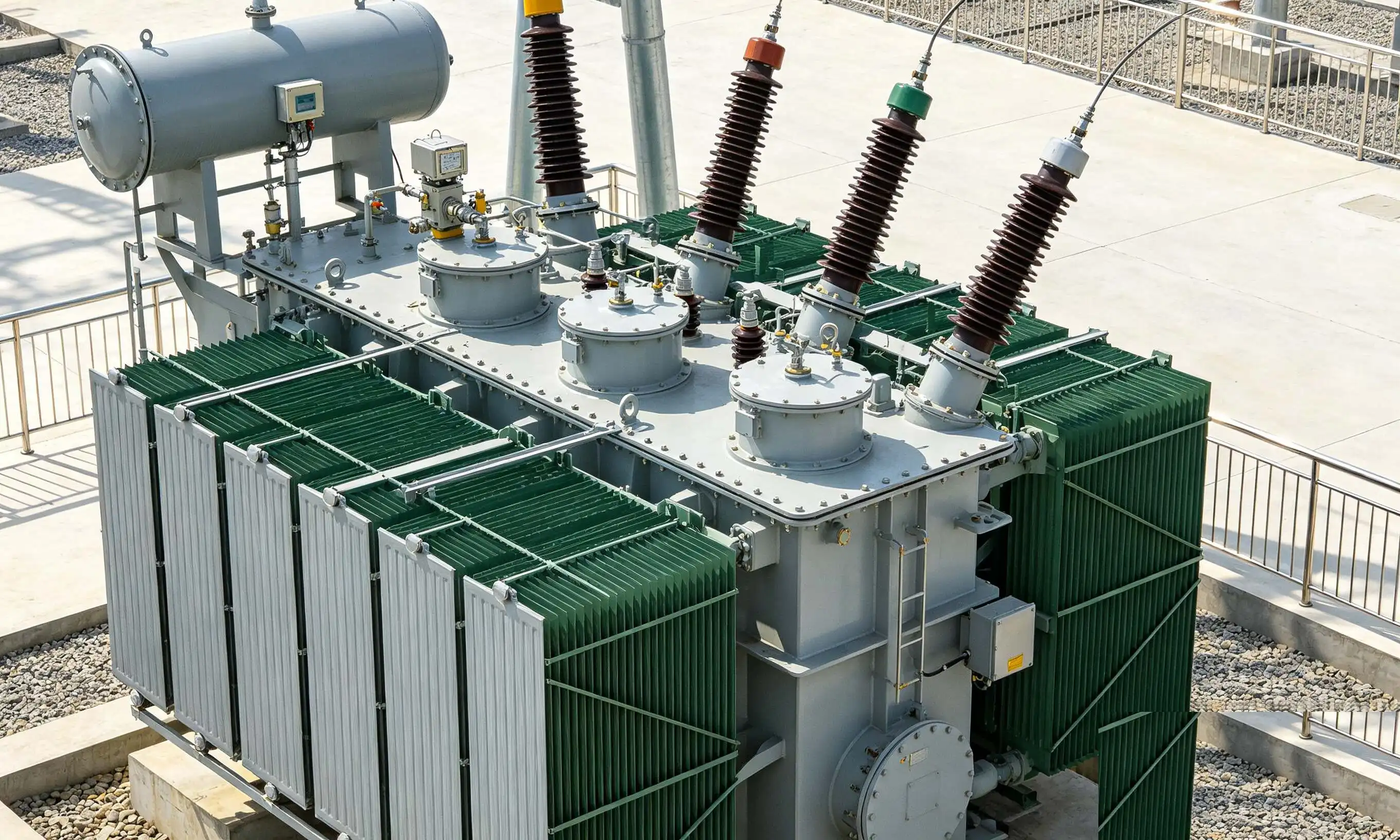
Leading transformer providers are different from commodity companies because they are better at making things. Quality is important from the beginning of the design process all the way through the decades of use. Before making a real prototype, advanced engineering teams use computer software to make models of electromagnetic fields, thermal distribution, and mechanical pressures.
Cold-rolled grain-oriented silicon steel with precise grain alignment is used in superior core materials to keep hysteresis losses below 1 watt per kilogram. High-conductivity electrolytic copper conductors keep their mechanical strength even when they are heated and cooled many times. Insulation systems use aramid paper, epoxy resin composites, and cellulose materials that can work continuously at 180°C (Class H) or 220°C (Class R). These materials have large thermal margins that keep things from wearing out too quickly. Mineral oil formulations that are specially made for liquid-immersed designs offer both good electrical insulation and good heat transfer, which can extend the operating lives beyond 30 years with proper upkeep.
Effective heat absorption stops hotspots from forming, which speeds up the breakdown of insulation. During continuous full-load operation, radiator banks, forced-air cooling systems, and optimized oil circulation patterns keep the temperatures of the windings within the limits set by the design. Advanced thermal modeling during the planning phase finds possible thermal weaknesses before production, which lets the shape be changed to fix the problem. Temperature monitoring systems built into transformers give real-time operational data and send out alerts when thermal limits are getting close.
These engineering approaches address important issues that electrical engineers think about when they look at long-term dependability and quality managers look at how consistent the manufacturing process is. Adding automated production technologies makes accuracy and repeatability even better.
With computer-controlled winding tools, you can get exact turn numbers and layer placement, so you don't have to worry about making mistakes when making coils. Automated vacuum pressure impregnation makes sure that the glue goes all the way through the insulation, filling up any gaps that could cause a partial release. Multiple stages of in-process testing, such as measuring winding resistance, verifying insulation resistance, and evaluating core loss, find problems before the final assembly. As required by IEC 60076, every finished transformer goes through regular tests such as applied voltage testing, measuring partial discharge, checking for temperature rise, and making sure the short-circuit resistance is correct. Type tests and other tests done at approved national labs provide independent confirmation that the design is good and meets international standards.
Responsible providers give detailed practical advice, and a qualified Step-up Transformer Supplier can provide suggested inspection intervals, oil-quality testing methods, and maintenance routines for bushings. An experienced Step-up Transformer Supplier can also support dissolved gas analysis programs that identify early signs of internal problems by detecting specific gas patterns associated with thermal or electrical stress. Infrared thermography performed during operation can reveal abnormal temperature patterns that may indicate core problems or weak connections. A reliable Step-up Transformer Supplier can help customers use these early detection techniques to address potential problems before they become more serious and expensive to repair. This proactive approach helps keep projects on schedule and supports stable operations over the long term. For project managers responsible for large-scale installations, selecting a capable Step-up Transformer Supplier provides greater confidence in technical support and maintenance services. Procurement teams can also evaluate each Step-up Transformer Supplier based on its ability to provide responsive service, practical maintenance guidance, and reliable long-term technical assistance.
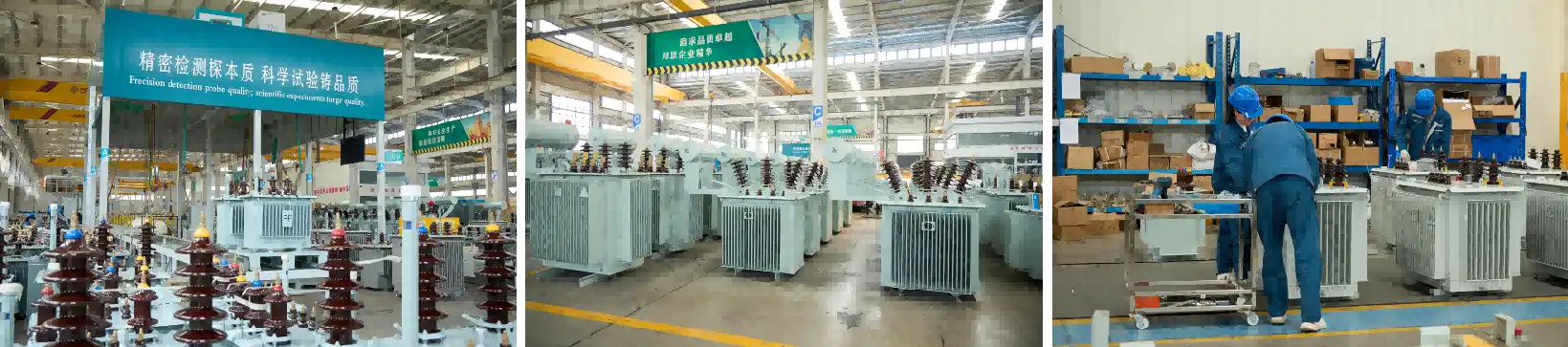
Choosing a supplier is a smart choice that will affect the success of a project for decades to come. The evaluation process looks at more than just the initial purchase price. It also looks at the total lifecycle costs, technical ability, and quality of the partnership.
International licenses are a reliable way to show that a company is good at making things and has a mature quality system. ISO 9001:2015 certification shows that quality management methods are written down and that there is a mindset of continuous growth. Product certificates, such as IEC 60076 compliance, CE marking for European markets, and UL listing for installs in North America, show that the design is good and that the testing was thorough. A market's reputation, built up over years of reliable service, speaks louder than any marketing claims. Referrals from clients in related fields and uses can help you figure out how responsive a supplier is, how good their expert support is, and how long a product lasts. Established suppliers that have been in business for decades show that they are financially stable and want to build long-term relationships with their customers instead of just doing business with them.
The purchase price is only one part of the total cost of owning. Ratings for energy efficiency have a direct effect on running costs. For example, a 10 MVA transformer that works at 80% load and is 1% more efficient would save about $35,000 a year at $0.10/kWh power rates. Dependability impacts the prices of downtime, which in serious situations could be higher than the value of the equipment. When a substation transformer fails and stops work at a steel mill, the company loses more than $100,000 every day. Quality providers clearly show lifetime cost analyzes that show value propositions that go beyond the original capital expenditure. Case studies that show setups that worked well in similar situations help people trust what suppliers say and how they do things technically.
ABB brings Swiss engineering accuracy and large global service networks to projects that involve many countries. Siemens can link transformers with safety and control tools as part of a complete system integration service. Schneider Electric puts a lot of emphasis on digital platforms for connectivity and maintenance planning. Eaton offers unique options for industrial uses that can be easily changed to fit specific needs. Hitachi combines the high quality of Japanese manufacturing with new ideas in amorphous core technology. Knowing the strengths and weaknesses of each manufacturer makes it easier to match their services with the needs of a project and the preferences of the organization. When it comes to logistics, customization, and pricing for certain areas, regional sellers often have an edge over other suppliers.
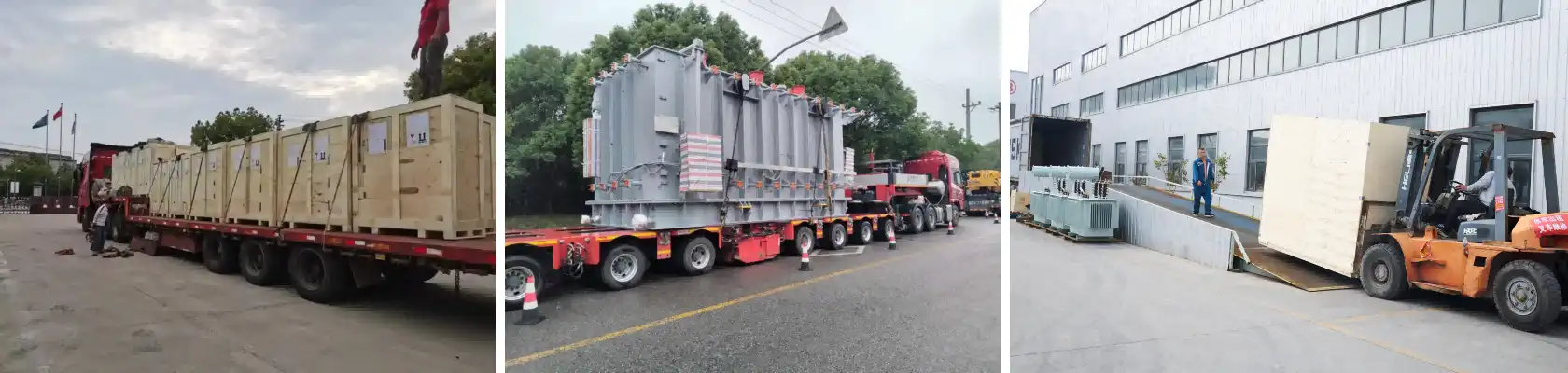
Strategic buying planning improves the performance of the supply chain while lowering the risk of loss. Buying transformers is hard because of all the technical details, international shipping, and long production cycles that take months. To make things easier, people need to follow structured methods and clear communication rules.
Standard distribution transformers usually take 12 to 16 weeks to deliver from the time the order is confirmed, so working with a reliable Step-up Transformer Supplier early in the project can help secure production capacity. Custom designs or high-voltage units, on the other hand, may take 20 to 28 weeks, while production capacity constraints during periods of high demand can extend deadlines even further. Contacting a qualified Step-up Transformer Supplier during the early planning stages helps secure production slots and identify specification changes that may simplify manufacturing. When ordering in bulk, buyers can combine similar units from different project stages, reducing the cost per unit and improving shipping efficiency. A capable Step-up Transformer Supplier may also offer volume-based savings through lower setup costs and more favorable material purchasing arrangements. Establishing pricing and delivery terms for multi-year project portfolios through framework agreements can make repeat purchasing easier while giving the Step-up Transformer Supplier greater visibility into future demand. Building a long-term relationship with a dependable Step-up Transformer Supplier can therefore improve procurement efficiency, cost control, production planning, and delivery reliability.
Strong partnerships involve more than just making purchases. They also involve working together to solve problems and grow as a group. Communication on a regular basis keeps everyone on the same page about project deadlines, changes to specifications, and quality standards. Technical teamwork during the design phase uses the technical knowledge of the provider to make sure that the transformer specs meet the needs of the application and are as cost-effective as possible. Suppliers offer extra services that add value, such as watching factory acceptance testing, supervising installation, helping with commissioning, and training operators. Having access to technical experts who can fix operating problems saves project schedules and investments in equipment. Uncertainty about the project timeline can be dealt with by flexible inventory arrangements, such as consignment stock or staged orders, that don't require extra storage costs or payment delays. These parts of the relationship make it more expensive to switch suppliers, which discourages people from doing so when they can and encourages service improvement all the time.
Lack of clarity in expert paperwork can lead to delays or misunderstandings. Baseline specifications include things like voltage levels, power ratings, impedance needs, cooling methods, and environmental conditions. It's important to be clear about any special needs, like the ability to withstand earthquakes, change in altitude, handle harmonics, or keep noise levels low. Using online platforms, technical question forms, and direct engineering contacts from suppliers helps share information more quickly and easily. Before the order is confirmed, detailed studies of the specifications with the supplier's tech teams find any problems that might arise. This keeps expensive change orders and delivery delays from happening. This proactive method of communication lowers the risk of buying while increasing the efficiency of timelines.
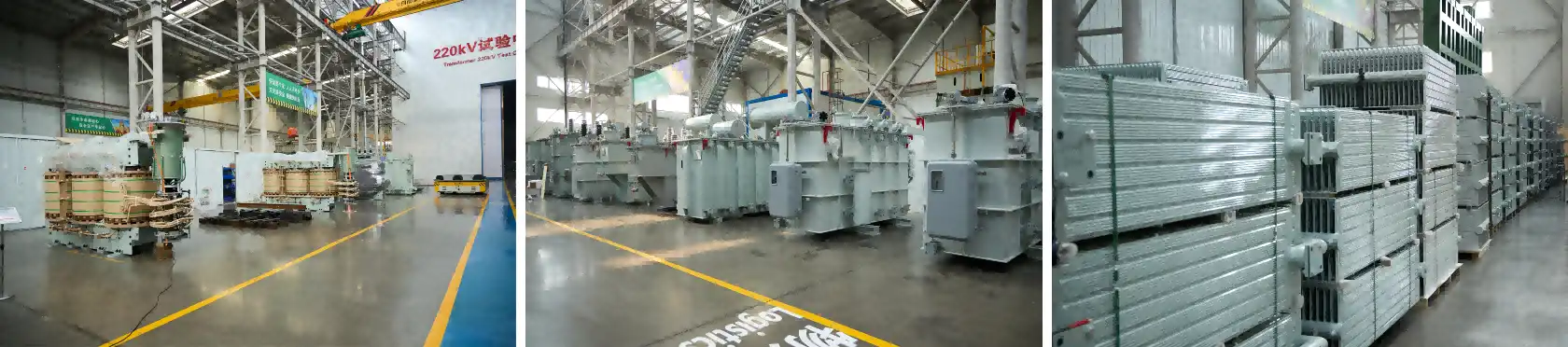
The transformer industry is always changing because of new technologies, new rules about the environment, and new ways of building power grids. Leading suppliers put a lot of money into research and development to stay ahead of the competition and meet new customer needs.
Transformers have Internet-connected sensors that send operational data to cloud analytics platforms, and an experienced Step-up Transformer Supplier can integrate these monitoring technologies into modern transformer systems. These platforms use machine learning algorithms to identify abnormal patterns before they develop into serious problems. Vibration analysis can detect mechanical issues such as winding movement or loose core laminations, while thermal tracking monitors the development of hotspots that may indicate cooling-system problems or overload conditions. A qualified Step-up Transformer Supplier can also support partial discharge monitoring to identify insulation deterioration and enable timely corrective action before failure occurs. These technologies transform maintenance from fixed schedules into condition-based strategies, helping reduce costs while improving operational efficiency. Remote monitoring is especially valuable for distributed installations such as renewable energy substations where frequent on-site inspections may be difficult or expensive. By working with a capable Step-up Transformer Supplier, operators can integrate transformer monitoring with broader business asset-management systems and gain a centralized view of equipment performance. This makes it easier to plan capital investments, allocate maintenance resources, and improve the long-term reliability of each transformer. A reliable Step-up Transformer Supplier can therefore provide both advanced equipment and the digital support needed for modern grid and renewable energy applications.
Eco-friendly transformer designs are becoming more popular because of pressure from regulators and company commitments to the environment. Mineral oil is replaced with biodegradable ester fluids in transformers that are submerged in liquid. This means that spills won't be able to pollute groundwater. Amorphous metal cores cut no-load losses by 70% compared to regular silicon steel, which means they use less energy over many years of use. Manufacturers use responsible material sources to stay away from conflict minerals and unfair labor practices. End-of-life recycling programs get copper, aluminum, and steel back, which cuts down on waste that ends up in landfills. Disclosure and decrease goals for carbon footprints are in line with customer environmental goals. Following changing rules like RoHS limits, REACH rules, and energy efficiency requirements helps keep products on the market and lowers the risk of them becoming obsolete. Procurement professionals who have to balance performance goals with business social responsibility goals will relate to these environmental efforts.
Recent world problems show how vulnerable long supply lines are when they depend on materials coming from a single source or an industry being focused in a few places. Diversified buying methods spread risk across a number of production sites and material sources. Long-lead components like silicon steel, copper conductor, and specialized insulation materials should be kept in stock in case of supply interruptions. Localized manufacturing capabilities make things more responsive while reducing the complexity of logistics and carbon footprint. Digital supply chain platforms let you see what materials are available and how production is going, which lets you manage risks before they happen. These flexible strategies show that the supplier is operationally mature while protecting customer project timelines from outside delays. Strategic partners are different from transactional sellers because they can deal with change.
To achieve reliable voltage conversion, businesses need to choose providers that demonstrate strong technical capabilities, consistent product quality, and a commitment to long-term partnerships. A qualified Step-up Transformer Supplier combines advanced materials, strict testing procedures, and compliance with international standards to ensure that transformers can meet demanding operating requirements over decades of service. Evaluating a Step-up Transformer Supplier based on certifications, market reputation, manufacturing capabilities, and total lifecycle value can support better purchasing decisions while balancing cost and reliability. As the electrical industry moves toward smart-grid architectures and increasingly demanding sustainability standards, an experienced Step-up Transformer Supplier must continue developing new technologies and solutions to meet changing customer requirements. By working with a dependable Step-up Transformer Supplier, businesses can strengthen operational reliability, improve procurement efficiency, and maintain greater strategic flexibility. Selecting the right Step-up Transformer Supplier ultimately creates a long-term foundation for reliable power conversion and sustainable infrastructure development.
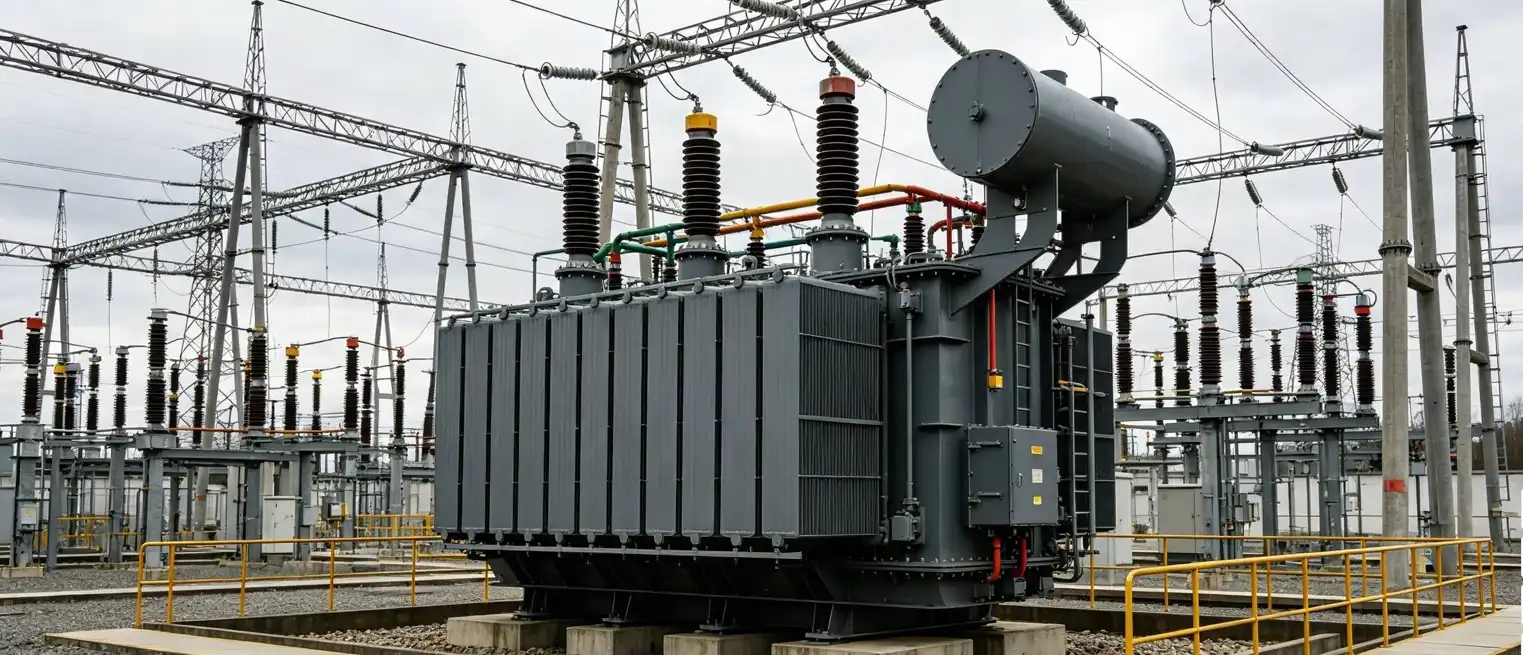
Low-voltage 480V or 690V inputs can be changed to medium-voltage distribution levels of 11kV, 22kV, or 33kV by using industrial voltage step-up transformers. Utility-scale transmission uses voltages of up to 110kV, 220kV, or even 500kV, which makes long-distance power delivery efficient. The exact voltage ratio varies based on the needs of the product and the design of the system.
Transformers from reputable manufacturers will work reliably for 25 to 35 years if they are well taken care of. How long something works relies on how it is loaded, its surroundings, and how well it is maintained. In tough environments, transformers that are constantly loaded to their stated capacity may need to be replaced every 20 to 25 years. In controlled environments, on the other hand, units that are only slightly loaded often last longer than 40 years. Oil analysis, temperature tracking, and regular servicing all help extend the life of a machine.
An important certification is the ISO 9001:2015 quality management system registration, which shows that the process is mature and that there is a mindset of ongoing growth. IEC 60076 compliance, CE marking for European markets, and UL listing for North American installations are some of the product certifications that prove the design is good and the testing was thorough. Energy-saving certifications from well-known groups prove that boasts of performance are true and that regulations are followed.
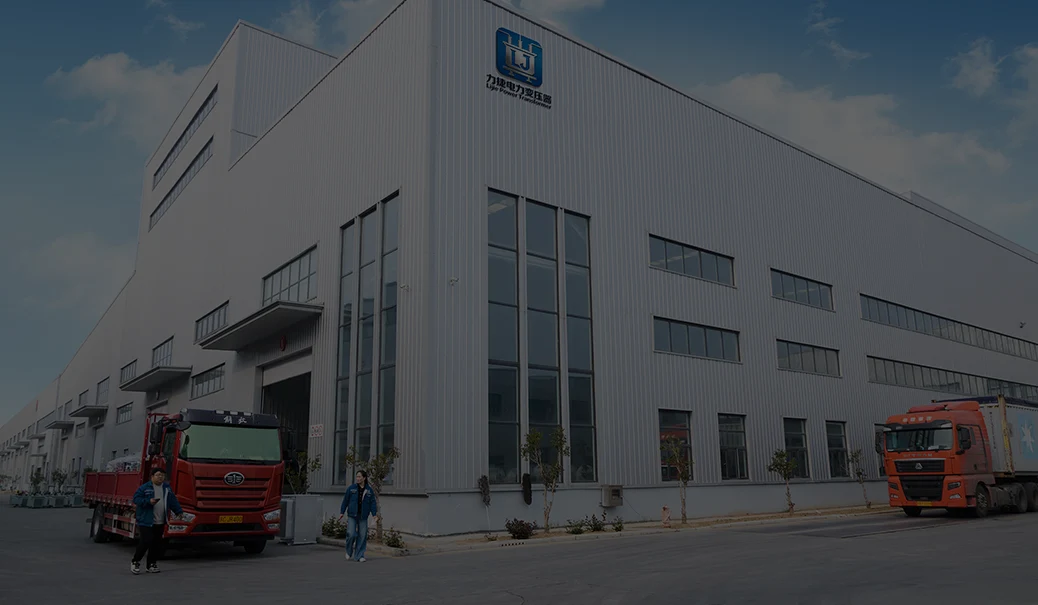
Lijie Electric is ready to help you with your transformer needs as a reliable step-up transformer provider maker with a long history of success and a wide range of certifications. Over 2,000 skilled workers, including 160 engineers with doctoral and master's degrees, work at our two manufacturing bases in Xuzhou and Nantong, which cover a total area of 500,000 square meters. From 35kV distribution units to 500kV ultra-high-voltage systems, we make voltage step-up transformers that meet ISO 9001:2015, IEC, CE, and UL standards. Our production capacity each year is more than 5 billion RMB, and we work on projects in China, other countries, and six continents. Our engineering team can make custom designs that meet your exact needs, whether your project calls for small substations for industrial parks, specialized electric furnace transformers for making steel, or ways to integrate green energy. Email our technical experts at lijieelectrical@gmail.com to talk about your voltage conversion problems and get unique solutions backed by decades of manufacturing experience and a dedication to customer satisfaction.
1. Bean, R. L., Chackan, N., Moore, H. R., & Wentz, E. C. (1988). Transformers for the Electric Power Industry. New York: McGraw-Hill Professional.
2. Harlow, J. H. (Ed.). (2012). Electric Power Transformer Engineering (3rd ed.). Boca Raton: CRC Press.
3. International Electrotechnical Commission. (2011). IEC 60076-1: Power Transformers – Part 1: General. Geneva: IEC.
4. IEEE Standards Association. (2010). IEEE C57.12.00: Standard for General Requirements for Liquid-Immersed Distribution, Power, and Regulating Transformers. New York: Institute of Electrical and Electronics Engineers.
5. Kulkarni, S. V., & Khaparde, S. A. (2017). Transformer Engineering: Design, Technology, and Diagnostics (2nd ed.). Boca Raton: CRC Press.
6. McNutt, W. J., & Blalock, T. J. (2004). Transformer Procurement and Acceptance Testing for Utility and Industrial Applications. IEEE Transactions on Industry Applications, 40(3), 683-690.
April 27, 2025
With a tight project schedule, the manufacturer delivered on time, and on-site technical personnel provided guidance throughout the entire installation and commissioning process; the collaboration was highly efficient and hassle-free.
July 2, 2025
During the preliminary phase, a selection plan was custom-tailored based on the actual site load requirements, resulting in a high degree of parameter compatibility. After-sales support responds within two hours, and ongoing technical support for operation and maintenance is comprehensive; we feel completely confident in a long-term partnership.
November 18, 2025
Deployed as a supporting component for a 35kV grid-connection project at a photovoltaic power station, the equipment operates for an average of 16 hours daily. It demonstrates excellent control over no-load losses, ensures smooth power generation and grid integration, and effectively reduces the station's overall energy consumption.
January 30, 2026
Under the continuous, high-load operating conditions of a factory production line, the equipment maintains stable electrical parameters and exhibits strong overload resistance, thereby guaranteeing an uninterrupted power supply for industrial production.
April 3, 2026
Integrated as a supporting component for a new energy photovoltaic grid-connection system, the manufacturer provided professional technical coordination and timely after-sales support, ensuring seamless adaptation to the specific electrical operating conditions required for grid integration.