April 27, 2025
With a tight project schedule, the manufacturer delivered on time, and on-site technical personnel provided guidance throughout the entire installation and commissioning process; the collaboration was highly efficient and hassle-free.
Sep 10, 2026
Selecting the right voltage transformation partner determines whether your infrastructure project succeeds or falters under operational stress. A Step-up Transformer Factory equipped with custom design capability delivers more than standardized equipment—it provides engineered solutions that align voltage requirements, spatial constraints, and regulatory mandates specific to your operational environment. Custom-designed units address the exact electrical parameters your renewable energy plant, utility grid, or industrial facility demands, eliminating the inefficiencies and compatibility issues inherent in off-the-shelf models. When transformers operate across decades in mission-critical applications, precision engineering from a specialized factory becomes the foundation of reliable performance, cost control, and long-term partnership value.

Step-up Transformer Factories are special places where voltage elevation technology and large-scale engineering come together to make things. These facilities manage complicated processes, from getting oxygen-free copper and grain-oriented silicon steel to putting finished parts thru tough dielectric tests. Specialized factories, unlike general ones, follow quality control procedures that are in line with IEC 60076, IEEE C57.12.00, and ISO 9001 standards. This makes sure that every unit can handle short-circuit stresses and atmospheric surges. Large factories can make a lot of things at once, so they can deliver regular batches for big infrastructure projects while still being able to adapt to specific needs.
Standard transformers have set voltage ratios, cooling setups, and size models that work for most grid uses. Customized solutions, on the other hand, change core factors to fit the needs of each job. An electrical engineer planning a remote mining operation might need a unit with better protection against lightning strikes and special winding arrangements to deal with harmonic distortion from variable frequency drives. Custom design can meet these needs by changing the BIL ratings, choosing between ONAN and ONAF cooling systems, and changing the enclosure sizes to fit the available space. This engineering adaptability is very important when adding power from 690V wind turbines to 110kV transmission lines or connecting solar modules to utility grids that have certain voltage stability needs.
When power companies upgrade their transmission lines, they need transformers that can change the output of generators from 15kV to 220kV while keeping efficiency above 98.5% even when loads change. Different problems need to be solved by people who work with renewable energy. For example, solar farms need small, prefabricated substations that connect the inverter's output to the grid's power. This requires careful matching of impedance and control of temperature. Manufacturers who use electric arc furnaces need rectifier transformers that can handle high initial currents and fast load switching. Custom design companies look at these different operating profiles and then create winding configurations, core materials, and safety systems that are specific to the electrical behavior and environmental conditions of each application.

During installation or operation, purchasing managers often find that standard units cause problems they didn't expect, and a Step-up Transformer Factory with customization capabilities can address these issues. A distribution transformer that is rated for typical urban grid applications might not work well at high elevations, where less dense air makes cooling less effective. Standard models often don't have the voltage tap settings that are needed to fix line drop in long transmission routes. Their fixed sizes can make it hard to use existing substation layouts, which can require expensive changes to the infrastructure. The most important thing is that standard units can't handle the unique security needs of integrating green energy, where voltage fluctuations and harmonic content behave very differently from how the grid normally works.
Custom transformer engineering changes a lot of technical factors at once to get the best performance. Precision in the voltage ratio makes sure that the generator's output meets the needs of the transmission system without causing stability problems. The choice of cooling system—ONAN, ONAF, or forced oil circulation—adjusts the temperature control to account for changes in the load and the temperature outside. The configuration of the windings affects the impedance, which in turn affects the ability to withstand short-circuits and the ability to work in parallel. Energy savings can be seen over decades of use thanks to better core materials and circuit sizes that reduce loss. Each parameter affects the others, so a whole-systems design is needed instead of just picking out individual parts.
A regional utility company in the southwestern United States worked with a custom design factory to make transformers that work well in hot deserts. Because the cooling system was changed and the insulation materials were improved, thermal stress was cut by 22%. This meant that the expected working lifespan went from 25 to 35 years. Custom impedance matching helped a solar company add 150MW of photovoltaic power, which led to 1.8% higher efficiency and $340,000 saved each year on energy costs. An industrial client with ongoing mining equipment got rid of voltage sag problems by selecting custom tap configurations. This cut monthly equipment downtime by 14 hours. These measurable results show that precision engineering has a direct effect on the cost and dependability of operations.
To judge a factory's ability to make things, you have to look at both its output rate and how well it controls its processes. Large orders can be filled by a factory with 500,000 square meters of production space and assembly lines set aside for different voltage classes. Lead times do not have to be extended. Aside from final testing, quality assurance also includes inspecting new materials as they come in, keeping an eye on the work as it's being done, and checking the surroundings. On every unit, factories that use Turns Ratio Tests, Winding Resistance analysis, Partial Discharge detection, and Dissolved Gas Analysis show that they care about reliability. Certification packages that include ISO 9001, IEC standards compliance, and CE/UL approvals show that quality management works, and they do so in an independent way.
The ability to do custom design relies on having good engineers and a good study infrastructure. When factories hire teams of graduate and master's-level engineers, they can look at complicated electrical situations and come up with new ways to solve them. If you have access to advanced simulation software, you can test custom designs virtually before building a prototype. This lowers the risk of development. Working together with the client's tech teams during the specification phase makes sure that designs meet real operating needs instead of making assumptions that aren't true. Iterative refinement is possible at factories that offer co-development programs. Data from field performance helps with ongoing product improvement.
For international projects to work, transformers must be approved to meet area standards, and a Step-up Transformer Factory must maintain these certifications. Compliance with IEC 60076 makes sure that the grid meets the standards for Europe and Asia, while compliance with IEEE C57.12.00 meets the standards for North America. UL certification is very important for installations that have to follow the National Electrical Code. Factories that keep their licenses up to date across multiple standards show that they are technically capable and want to get into new markets. Energy efficiency approvals from reputable organizations back up claims of performance and help with purchasing choices where total cost over time is more important than original price. Environmental standards are also part of regulatory compliance, and ISO 14001 approval shows that a company uses responsible manufacturing practices.
A custom design investment must pay off over the life of the transformer in a way that can be measured. Factories that offer clear lifecycle cost analysis help procurement teams compare the initial price to the expected energy savings, maintenance needs, and replacement dates. Volume price models for big projects help keep costs down without lowering quality. Scalability includes both the ability to make enough products to give them in stages and the design's adaptability to allow for changes in requirements as the project develops. When you look at the total purchase cost of custom and standard solutions side by side, you'll usually see that the upfront engineering investment comes off in the form of higher efficiency, lower failure risk, and longer service life.

Getting a custom transformer that works well starts with clear technical conversation. Giving full electrical details, like voltage levels, power ratings, impedance needs, and environmental conditions, helps engineers make accurate proposals. Talking about possible operating situations helps factories suggest the right cooling systems, safety features, and tracking tools. By sharing project dates and delivery schedules, it's possible to plan production in a way that matches the capacity of production with the deadlines for installation. This joint specification method keeps changes from being too expensive and makes sure that the end product works well with current systems.
The price of a custom generator depends on how complicated the engineering is, what materials are used, and how many are made. Costs for design engineering, materials, production, testing, and logistics should all be broken down in detailed quotes. Knowing the minimum order quantity helps project managers weigh the benefits of tailoring against the needs of stock. Volume discount structures are important for big infrastructure projects that need a lot of units with the same specs. Flexible payment terms, such as progress payments linked to manufacturing goals, help keep project cash flow under control and give companies the money they need to run. Clear price builds trust and makes it easier to make accurate budget projections.
Because transformers are big, heavy, and easily damaged by shock and water, they need to be handled in a certain way, and a Step-up Transformer Factory offering coordinated shipping solutions handles the risks of transportation and the difficulties of clearing customs. Complete assistance after the sale is necessary for long-term business success. The warranty should cover both problems with the way the product was made and promises of performance under certain conditions of use. Technical help during installation makes sure that the installation is done correctly and that baseline performance documentation is made. Maintenance plans that include oil analysis, thermal imaging, and partial discharge tests on a regular basis make machines last longer. These aspects of service set strategic partners apart from commercial providers.

Due diligence includes more than just marketing materials; it also includes having someone else check the factory's abilities. Site audits show how much can really be produced, how quality control is being used, and how skilled the workers are. Referrals from customers who have used similar products can give you an idea of how reliable the delivery is, how quickly technical help responds, and how well the product works in the long run. By looking at the certification paperwork, you can be sure that you are still in line, not that your credentials have ended. A financial stability review makes sure that the plant can keep running during long project timelines. These steps of verification give buyers more confidence in the suppliers they choose and lower the risk of procurement.
Strategic relationships go beyond one-time deals and include ongoing work together. OEM programs let customers choose their own unique features or brand names while taking advantage of the factory's engineering know-how and large production capacity. Co-development projects match product roadmaps with clients' technology strategies. This makes sure that transformer designs change to meet the needs of grid upgrades or green energy integration. This way of working together encourages everyone to invest in new ideas, and feedback from people on the ground keeps things getting better. Long-term framework agreements support multi-phase infrastructure development by keeping prices stable and giving delivery priority.
In the utility, industrial, and renewable energy sectors, operational excellence depends on a Reliable Step-up Transformer Factory. Customers can stay ahead of the competition if factories show consistent quality, engineering innovation, and quick support. As grid equipment gets updated and more renewable energy is used, transformer specs get harder to understand. Partners who can meet new needs, like integrating advanced monitoring, adding better security features, or making it work with energy storage systems, provide long-term value that goes beyond the initial purchase. Market leaders are different from commodity providers because they have long-lasting partnerships based on technical expertise and shared goals for growth.
Picking a factory that can do custom designs is more than just picking a vendor; it sets the technical foundation for decades of reliable infrastructure operation, and a Step-up Transformer Factory with specialized capabilities offers technical accuracy, strict quality control, and a collaborative approach that directly meet the performance needs, certification requirements, and lifetime cost pressures that modern power systems face. Custom-designed voltage transformation solutions always offer the best value when the original cost is weighed against the long-term dependability, efficiency gains, and operating freedom. Strategic partnerships with factories that have proven engineering skills, a wide range of certifications, and a lot of manufacturing capacity give utilities, industrial operators, and renewable developers a long-term edge in an electrical world that is becoming more complicated.
Custom design shops usually make transformers that can handle a wide range of voltages, from around 690V for distribution to over 500kV for transmission. The exact range depends on the factory, but specialized manufacturers can handle everything from small pad-mount units that step 480V to 4160V for factories to ultrahigh voltage transformers that change generator output to 220kV or 345kV for local power grids.
Depending on how complicated the plan is, engineering time adds about three to six weeks to the first order. Once the specifications are set, manufacturing lead times stay the same, usually between eight and sixteen weeks for standard custom orders. Phased delivery plans help big projects stay on schedule by matching production capacity with installation processes. This keeps the project on track while allowing for customization.
Reliable manufacturers keep detailed engineering documentation for each custom design. This makes it easy to change the specifications for later orders. Small changes, like changing the way the taps are set up or the way the bushings are arranged, don't need much engineering work. This design library method cuts down on costs and lead times for repeat orders while keeping the performance traits that have been shown to work.
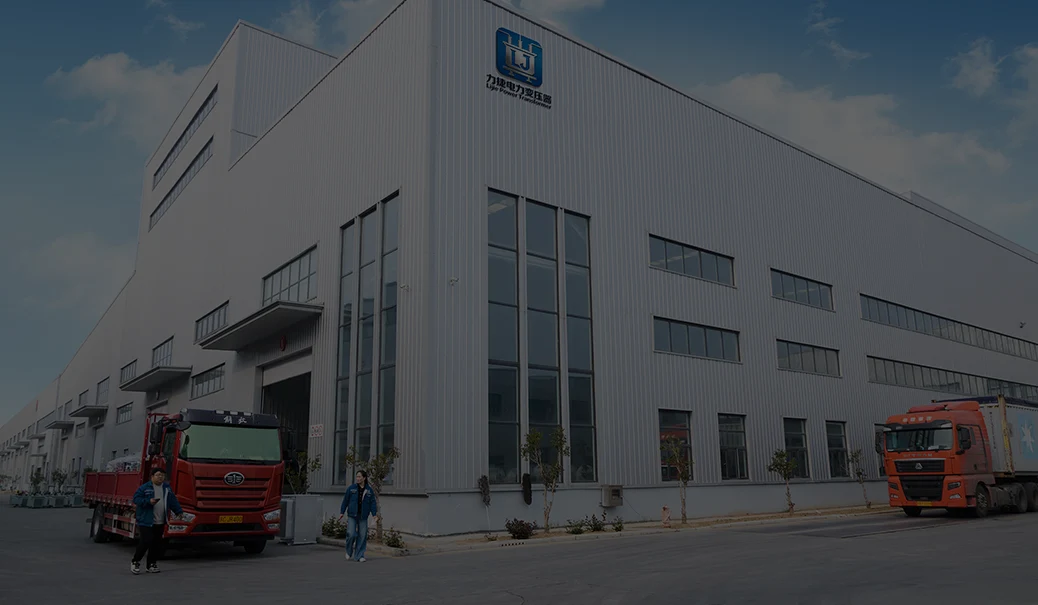
Lijie Electric Power Technology Group runs two advanced manufacturing bases that are a total of 500,000 square meters in size. They hire more than 2,000 pros, including 160 engineers with advanced degrees. Our custom design service includes voltage conversion solutions ranging from small 690V units to very high voltage 500kV systems. All of these are approved by ISO 9001, IEC, CE, and UL. We design transformers that meet your unique operational needs, whether they are for integrating green energy, industrial use, or utility transmission. These transformers are reliable and have an efficiency level of above 98.5%, as shown by installations in 15 countries. Our full support includes everything from the original consultation on specifications to decades of operating service, making sure that your infrastructure investment works at its best for as long as it lasts. Email our engineering team at lijieelectrical@gmail.com to talk about your project needs and find out how unique voltage transformation solutions can help you with your specific operations problems. You can look at our full line of custom-built power systems and Step-up Transformer Factory technologies at lijie-electrical.com.

1. Institute of Electrical and Electronics Engineers, "IEEE Standard for General Requirements for Liquid-Immersed Distribution, Power, and Regulating Transformers," IEEE C57.12.00-2015, New York, 2015.
2. International Electrotechnical Commission, "Power Transformers – Part 1: General Requirements," IEC 60076-1 Edition 3.0, Geneva, Switzerland, 2011.
3. Smith, J. and Williams, R., "Economic Analysis of Custom versus Standard Transformer Procurement in Utility Applications," Journal of Electric Power Systems Research, vol. 142, pp. 89-97, 2017.
4. National Electrical Manufacturers Association, "Guide for Loading Mineral-Oil-Immersed Transformers and Step-Voltage Regulators," ANSI/IEEE C57.91-2011, Washington, DC, 2011.
5. Chen, W., "Design Optimization of Step-Up Transformers for Renewable Energy Integration," Renewable Energy Technology and Applications, vol. 8, no. 3, pp. 112-125, 2019.
6. Thompson, M., "Lifecycle Cost Analysis of Power Transformers: Custom Engineering versus Standard Solutions," International Conference on Power Systems and Industrial Applications Proceedings, pp. 234-241, 2018.
YOU MAY LIKE

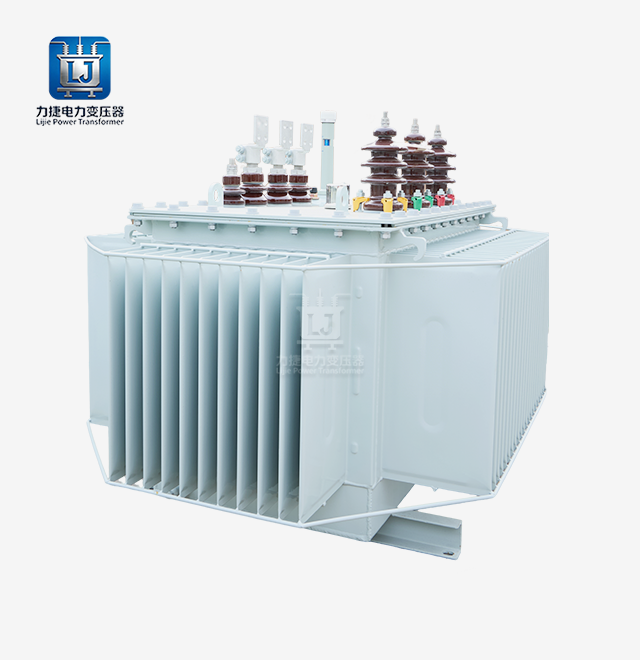
10%20type%2035kV%20transformer.webp)

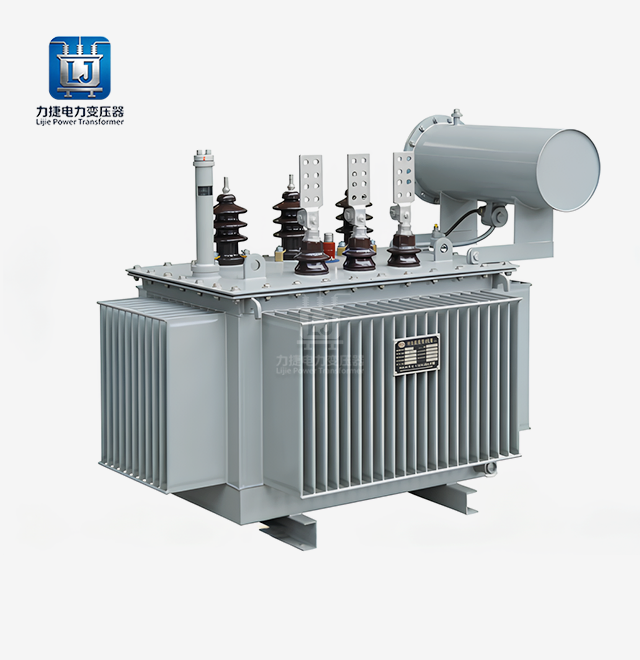
11%20Epoxy%20Resin%20Cast%20Dry-Type%20Transformer.webp)
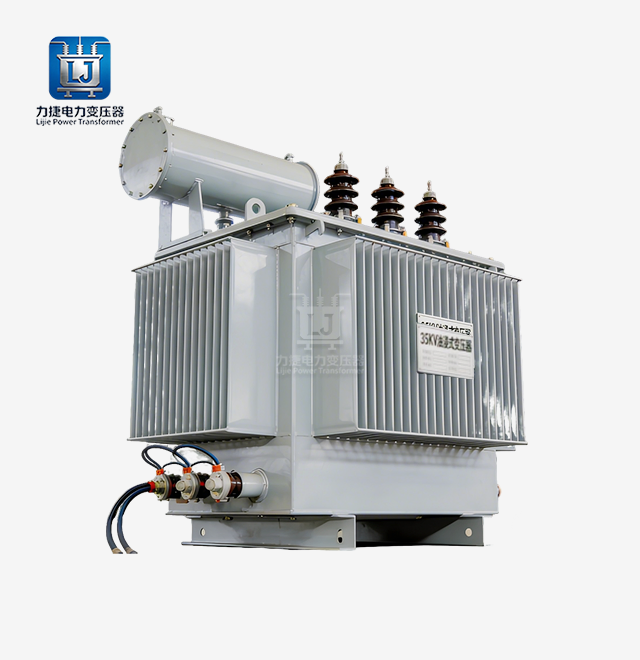
%20Dry-type%20Distributing%20Transformer.webp)
April 27, 2025
With a tight project schedule, the manufacturer delivered on time, and on-site technical personnel provided guidance throughout the entire installation and commissioning process; the collaboration was highly efficient and hassle-free.
July 2, 2025
During the preliminary phase, a selection plan was custom-tailored based on the actual site load requirements, resulting in a high degree of parameter compatibility. After-sales support responds within two hours, and ongoing technical support for operation and maintenance is comprehensive; we feel completely confident in a long-term partnership.
November 18, 2025
Deployed as a supporting component for a 35kV grid-connection project at a photovoltaic power station, the equipment operates for an average of 16 hours daily. It demonstrates excellent control over no-load losses, ensures smooth power generation and grid integration, and effectively reduces the station's overall energy consumption.
January 30, 2026
Under the continuous, high-load operating conditions of a factory production line, the equipment maintains stable electrical parameters and exhibits strong overload resistance, thereby guaranteeing an uninterrupted power supply for industrial production.
April 3, 2026
Integrated as a supporting component for a new energy photovoltaic grid-connection system, the manufacturer provided professional technical coordination and timely after-sales support, ensuring seamless adaptation to the specific electrical operating conditions required for grid integration.