April 27, 2025
With a tight project schedule, the manufacturer delivered on time, and on-site technical personnel provided guidance throughout the entire installation and commissioning process; the collaboration was highly efficient and hassle-free.
Sep 8, 2026
Medium voltage transformers are the unsung workhorses behind every successful renewable energy project. Operating within the 2.4 kV to 35 kV range, a medium voltage transformer bridges inverter output and the utility grid, converting and stabilizing electricity generated from solar panels or wind turbines before it reaches the broader network. Without this critical link, renewable plants would struggle with voltage instability, excessive line losses, and grid compliance failures. In short, these devices are not optional components — they are foundational to safe, efficient, and commercially viable green energy delivery.

Between 2.4 kV and 35 kV, a Medium Voltage Transformer works. It is right in the middle of low-voltage equipment and high-voltage transmission infrastructure. Because of this range, it is perfectly suitable for integrating green energy sources, whose output can range from a 500 kW solar array on a roof to a 200 MW wind farm at sea. The main job of the transformer is electromagnetic induction, which raises or lowers the voltage while keeping galvanic isolation. This keeps sensitive electronics safe from grid transients and surges.
There are two major types of transformers used in renewable energy applications. Which one is chosen affects the safety, cost, and upkeep schedules of the project.
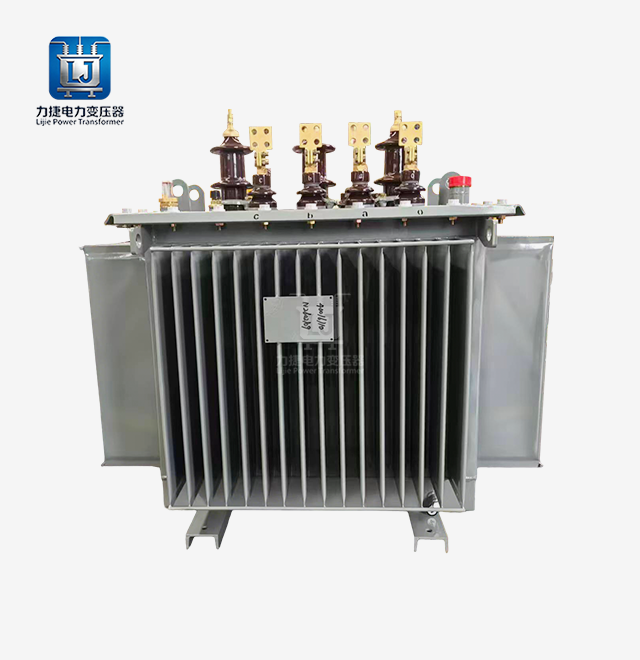
Dry-type transformers don't use any oil because they use cast resin or vacuum-pressure impregnated (VPI) insulation instead. They work really well indoors, in small substations, or anywhere else where there is a risk of fire. The dry-type units made by Lijie Electric are rated up to 35 kV and have CE and IEC certifications. This makes them a good choice for solar farm collection systems and remote wind platforms that are hard to get to for upkeep.
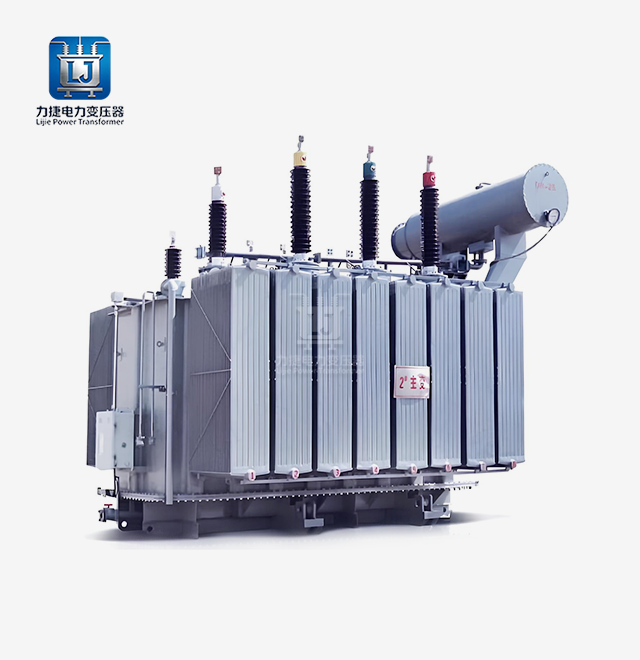
Oil-immersed transformers use mineral oil as both an insulator and a cooler. In general, they are more efficient at the rated load, cost less up front per MVA, and have been shown to last longer in outdoor installations. All of Lijie Electric's oil-immersed types up to 500 kV have been type-tested at the National Transformer Quality Supervision and Inspection Center. This means that engineers can believe the performance data they get instead of guessing.
For example, desert solar parks in areas with a lot of pollution are covered by these two technologies, as are arctic wind systems that have to deal with extreme temperature changes.
Renewable energy sources are naturally unstable. Cloud cover changes how much power the sun gives off, and wind mills are always cycling between partial and full load. Harmonic distortion is when the voltage and current waves are not exactly like a 60 Hz sine wave. This repetitive loading pattern makes them. Unchecked harmonics can cause safe relay trips, speed up the aging of insulation, and raise winding temperatures.
This is directly dealt with by well-designed Medium Voltage Transformers. The units made by Lijie Electric have K-rated winding designs and low-loss silicon steel cores that can handle harmonic stress without getting too hot. The U.S. Department of Energy says that transformer core losses alone waste about 1% to 2% of all the electricity made in the U.S. every year. This number shows how important efficiency ratings like TOC (Total Owning Cost) and no-load loss values are over the course of a 25-year project.
Compliance with IEC 60076 and IEEE C57 standards is more than just a box to be checked. It is a guarantee that the transformer's insulation class, temperature rise limits, and ability to withstand short-circuits have been checked by a third party. Before turning on the power, projects backed by development banks or U.S. utility hookup agreements usually need this paperwork.

A lot of the time, procurement experts don't realize how site-specific the Medium Voltage Transformer pick has to be. If a unit works perfectly in coastal New England, it might rust faster in a solar farm on the high-humidity Gulf Coast, or it might stop working at all at a high-altitude wind site in Nevada, where less dense air makes natural cooling harder.
These are the most important technical factors that must match the needs of your project:
All of these factors together determine whether your transformer performs as well as it should over the full 25–30-year project horizon or starts to fail within the first ten years. A well-sourced procurement is different from an expensive field replacement because it matches them perfectly.
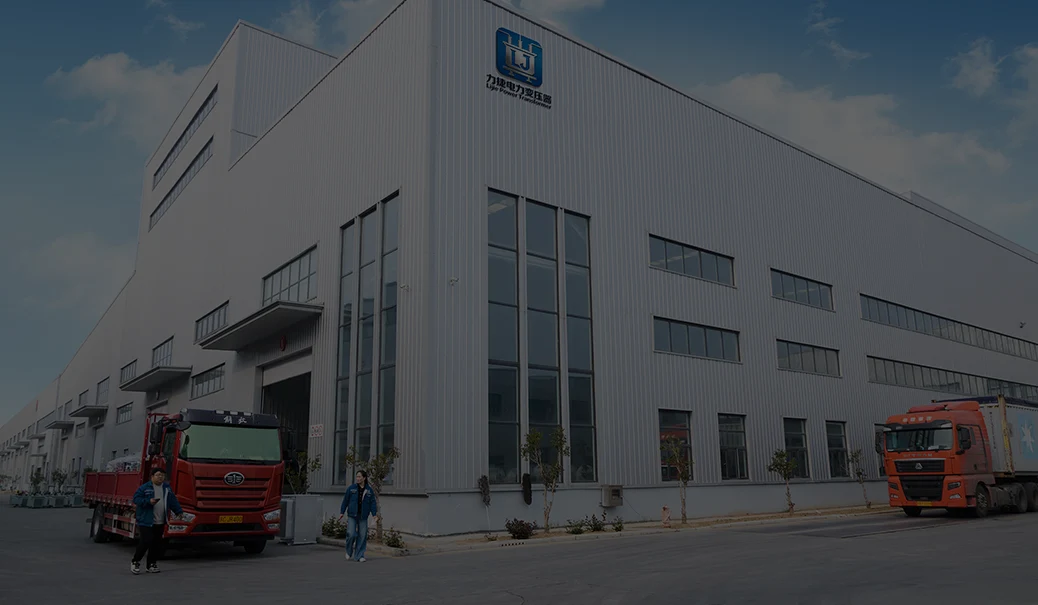
Beyond requirements, the ability of the provider directly affects the risk of the project. Lijie Electric has two factories in Xuzhou and Nantong. Together, they cover 500,000 square meters and make enough every year to support sales of more than 5 billion RMB. The business is certified by ISO 9001:2015, CE, UL, and IEC, and the Wuhan High Voltage Research Institute has tested and approved its goods. This recorded traceability makes the approval process for grid interconnection much easier for EPC companies working in the U.S. market.
Regular maintenance increases the life of transformers and stops unexpected power outages, which are very expensive for renewable energy projects—a single day of downtime on a 50 MW solar farm can mean losing $50,000 to $150,000 in income.
A useful inspection plan should include thermal imaging scans once a year to find hot spots in the windings or connections, dissolved gas analysis (DGA) for oil-immersed units to find insulation breakdown starting, and insulation resistance testing once a year to make sure the dielectric is still intact. Checking the state of the bushings, the integrity of the gaskets, and the working of the cooling fan should also be done every three months.
One case from a U.S. wind farm showed that repairing a worn-out tap changer contact, which was found during a routine DGA review, stopped a catastrophic failure that would have cost 14 times the amount spent on upkeep. Getting preventative care is not an extra cost; it protects your assets.

The price of transformers in 2024 is higher because copper and silicon steel are more expensive, but buying in bulk through long-term framework agreements lowers the cost per unit by a large amount. When large-scale green developers combine transformer supply across multiple project phases instead of buying one at a time for each site, they usually save 8–15% per unit and are more sure of when their orders will arrive.
Lijie Electric supports this way of buying because they can supply in bulk, make configurations that work with different grid power standards, and have experience with export operations for markets from Australia to Kazakhstan. Installation and commissioning services, along with technical support after the sale, lower the risk of integration problems on-site and keep project deadlines.
Medium Voltage Transformers are not just accessories in the infrastructure for renewable energy; they are the backbone of voltage conversion and isolation that determines whether a project meets its financial, generation, and reliability goals. Choosing the right technology, making sure that compliance certifications are valid, and working with a manufacturer that can keep delivering in bulk are all choices that will have an impact on the asset for 25 to 30 years. The technical decisions made during the purchase stage will have long-lasting effects on operations.
Medium Voltage Transformer typically spans 2.4 kV to 35 kV, but some guidelines raise the top limit to 36 kV. Collection grid voltages of 12.47 kV, 13.8 kV, 24.9 kV, and 34.5 kV are the most common in the United States when it comes to connecting renewable energy sources.
Neither is clearly better than the other; the best choice relies on the installation context. Dry units work well in switchrooms and other places that need to be safe from fire. Oil-immersed units, on the other hand, are more cost-effective for big outdoor installations that are easy to maintain.
Need at least ISO 9001, IEC 60076, and, for U.S. projects, IEEE C57 compliance paperwork for test results. When it comes to foreign funding, CE and UL marks are useful.
A well-made unit can usually last between 25 and 35 years with proper maintenance. If the transformer isn't the right size and heat management isn't done, the insulation can wear out faster when green energy sources load and unload.
Lijie Electric is a reliable company that makes Medium Voltage Transformers for renewable energy developers and EPC contractors in the US and around the world. Our dry-type and oil-immersed transformers are designed for solar, wind, and mixed energy systems and have been tested to work well in harsh conditions. They are approved by IEC, CE, and UL. Get in touch with our technical team right away to talk about the details of your project and get a custom purchase quote. We can be reached at lijieelectrical@gmail.com or lijie-electrical.com. Let's work together to make something reliable.

1. U.S. Department of Energy. Renewable Energy Grid Integration Technical Report. 2023. https://www.energy.gov/eere/renewables
2. IEEE Standards Association. IEEE C57.12.00: General Requirements for Liquid-Immersed Distribution, Power, and Regulating Transformers. 2021. https://standards.ieee.org/ieee/C57.12.00/
3. International Electrotechnical Commission. IEC 60076-1: Power Transformers – General. 2023. https://www.iec.ch/homepage
4. U.S. Department of Energy, Office of Electricity. Transformer Energy Efficiency and Loss Reduction. 2022. https://www.energy.gov/oe/transformer-resilience-and-advanced-components-trac-program
5. National Renewable Energy Laboratory (NREL). Interconnection Processes and Procedures for Renewable Energy Systems. 2023. https://www.nrel.gov/grid/interconnection.html
6. Wood Mackenzie. Global Renewable Energy Asset Performance Report. 2024. https://www.woodmac.com/research/products/power-and-renewables/
YOU MAY LIKE

11%20type%2035kV%20distribution%20transfo_1778137470754.webp)
11%20Epoxy%20Resin%20Cast%20Dry-Type%20Transformer.webp)


April 27, 2025
With a tight project schedule, the manufacturer delivered on time, and on-site technical personnel provided guidance throughout the entire installation and commissioning process; the collaboration was highly efficient and hassle-free.
July 2, 2025
During the preliminary phase, a selection plan was custom-tailored based on the actual site load requirements, resulting in a high degree of parameter compatibility. After-sales support responds within two hours, and ongoing technical support for operation and maintenance is comprehensive; we feel completely confident in a long-term partnership.
November 18, 2025
Deployed as a supporting component for a 35kV grid-connection project at a photovoltaic power station, the equipment operates for an average of 16 hours daily. It demonstrates excellent control over no-load losses, ensures smooth power generation and grid integration, and effectively reduces the station's overall energy consumption.
January 30, 2026
Under the continuous, high-load operating conditions of a factory production line, the equipment maintains stable electrical parameters and exhibits strong overload resistance, thereby guaranteeing an uninterrupted power supply for industrial production.
April 3, 2026
Integrated as a supporting component for a new energy photovoltaic grid-connection system, the manufacturer provided professional technical coordination and timely after-sales support, ensuring seamless adaptation to the specific electrical operating conditions required for grid integration.