April 27, 2025
With a tight project schedule, the manufacturer delivered on time, and on-site technical personnel provided guidance throughout the entire installation and commissioning process; the collaboration was highly efficient and hassle-free.
Sep 16, 2026
AI data centers are among the most power-intensive facilities ever built, and managing voltage conversion at scale is not a minor engineering detail—it is a fundamental operational requirement. A Step-down Transformer reduces incoming high-voltage alternating current to the precise lower voltage levels required by servers, GPUs, AI accelerators, and cooling systems. Without reliable voltage transformation, even the most sophisticated AI hardware can become vulnerable to power irregularities, thermal stress, and premature failure. For large-scale data center projects, selecting the right Step-down Transformer is therefore essential for maintaining stable power distribution and protecting critical equipment. This article explores how these devices function, where a Step-down Transformer is applied, and what procurement teams should consider when sourcing them.
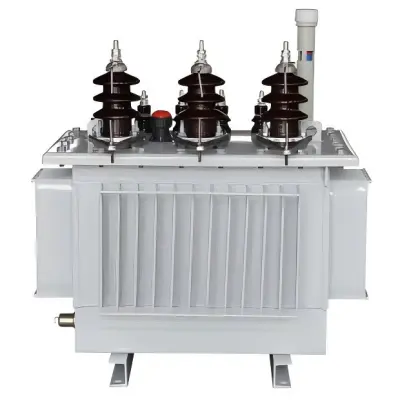
Faraday's Law of Induction says that a step-down transformer works because the primary winding has more turns than the secondary winding. This makes the output voltage lower while increasing the current capacity. Power from the utility company usually comes in at 13.8kV or higher in an AI data center. This is stepped down by the transformer to 480V or 208V, which are then sent to power distribution units (PDUs) and rack-level equipment.
The density of load is what makes this process so important in AI settings. As much as 1MW of power can be used by a single AI training cluster. Modern transformer designs, such as oil-immersed models with ONAN or ONAF cooling and cast plastic dry-type units, can handle this scale while still meeting IEC 60076 standards for efficiency rates above 99%.
Some important building parts for AI data centers are:
Together, these design elements make sure that the transformer works reliably for 20 to 30 years, which is the normal lifespan for enterprise data center infrastructure.
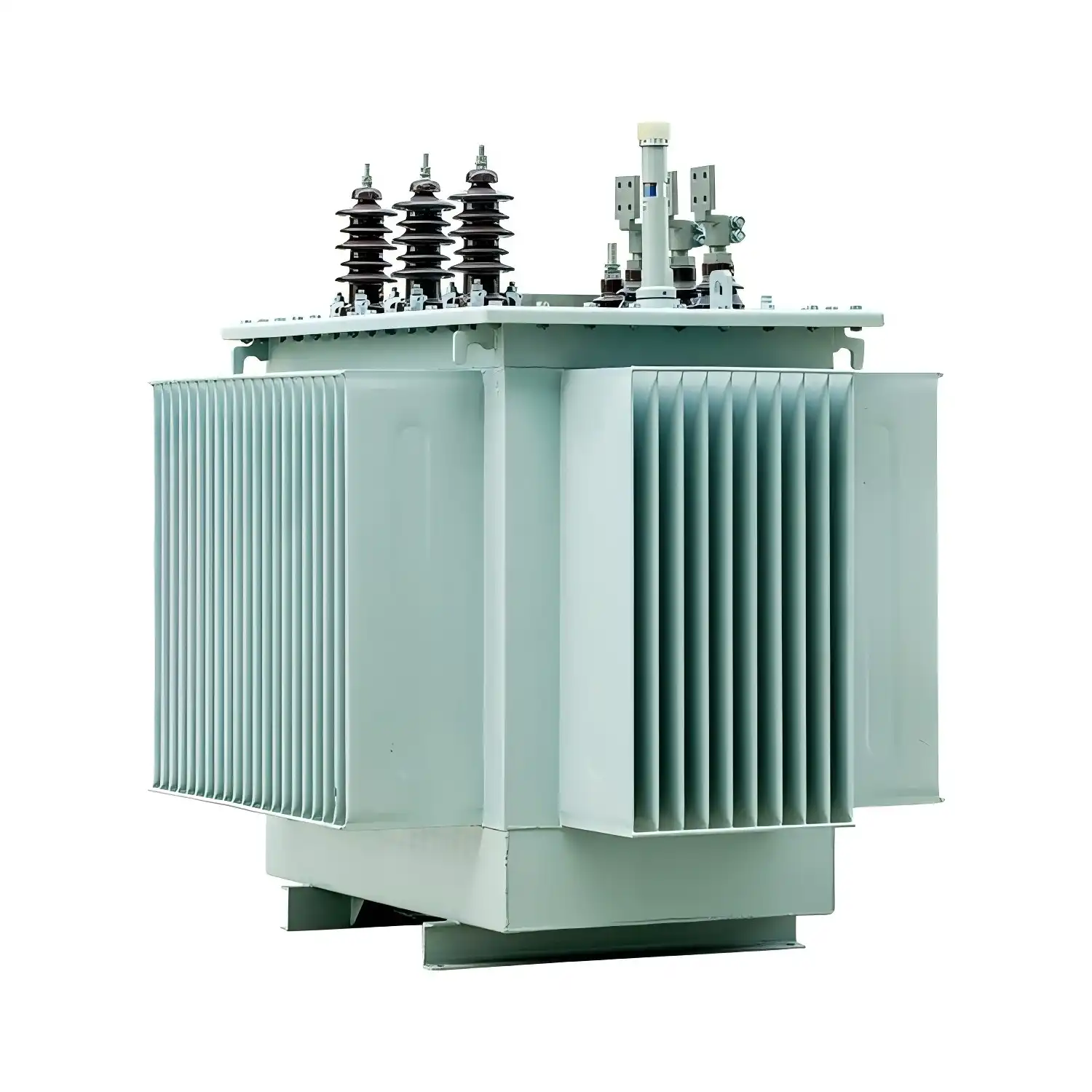
Stabilizing voltage for computer equipment is one of the clearest applications of a Step-down Transformer. A100 and H100 GPU systems from NVIDIA, AMD Instinct accelerators, and specialized AI ASICs all require tightly controlled power at the PDU level. A properly selected Step-down Transformer can reduce incoming voltage to the required level while helping limit electrical disturbances, and an isolation-type transformer can provide galvanic isolation where it is required. For data centers, a reliable Step-down Transformer serves as an important part of the power distribution system and can help protect sensitive AI computing equipment from upstream electrical problems.
Another important feature is integration with uninterruptible power supply (UPS) systems. There are step-down units between the UPS output and the server distribution network. This stops power spikes that could damage memory or storage hardware during switchover events.
In addition to supporting computers, these transformers also help other systems, especially HVAC and precision cooling equipment. According to the U.S. Department of Energy's data center energy efficiency standards, cooling can use 30–40% of all energy used in an AI data center. Stable power delivery to chiller units and cooling towers has a direct effect on the general Power Usage Effectiveness (PUE).
As an example, hyperscale data center owners in the US have put in dry-type distribution transformers with ratings of 2,500 kVA to 5,000 kVA per transformer bank to power AI training floors while keeping PUE goals below 1.3.
Sometimes, procurement engineers look at other options, like buck converters, autotransformers, or switched-mode voltage controllers. Each is good at something different, but in big AI facilities, only a specialized step-down unit can provide the best mix of galvanic separation, load capacity, and thermal robustness.
Buck converters are good at regulating low-power boards, but they introduce harmonic distortion at high power levels and don't have the fault isolation features that protect AI hardware further down the line. Autotransformers are cheaper, but they don't have galvanic isolation, so sensitive electronics are open to noise from the power grid. Isolation transformers fill this gap, but they are usually only qualified for smaller power ranges than what AI data centers need.
A properly rated Step-down Transformer can serve an entire server row or power zone, helping maintain stable voltage, accommodate changes in electrical load, and create a reliable separation between utility infrastructure and high-precision computing equipment. For procurement managers responsible for large AI data center projects, using the right Step-down Transformer can simplify installation and support more efficient power distribution. A well-designed Step-down Transformer can also reduce the complexity of long-term maintenance by providing dependable voltage conversion and centralized power management for critical computing loads.
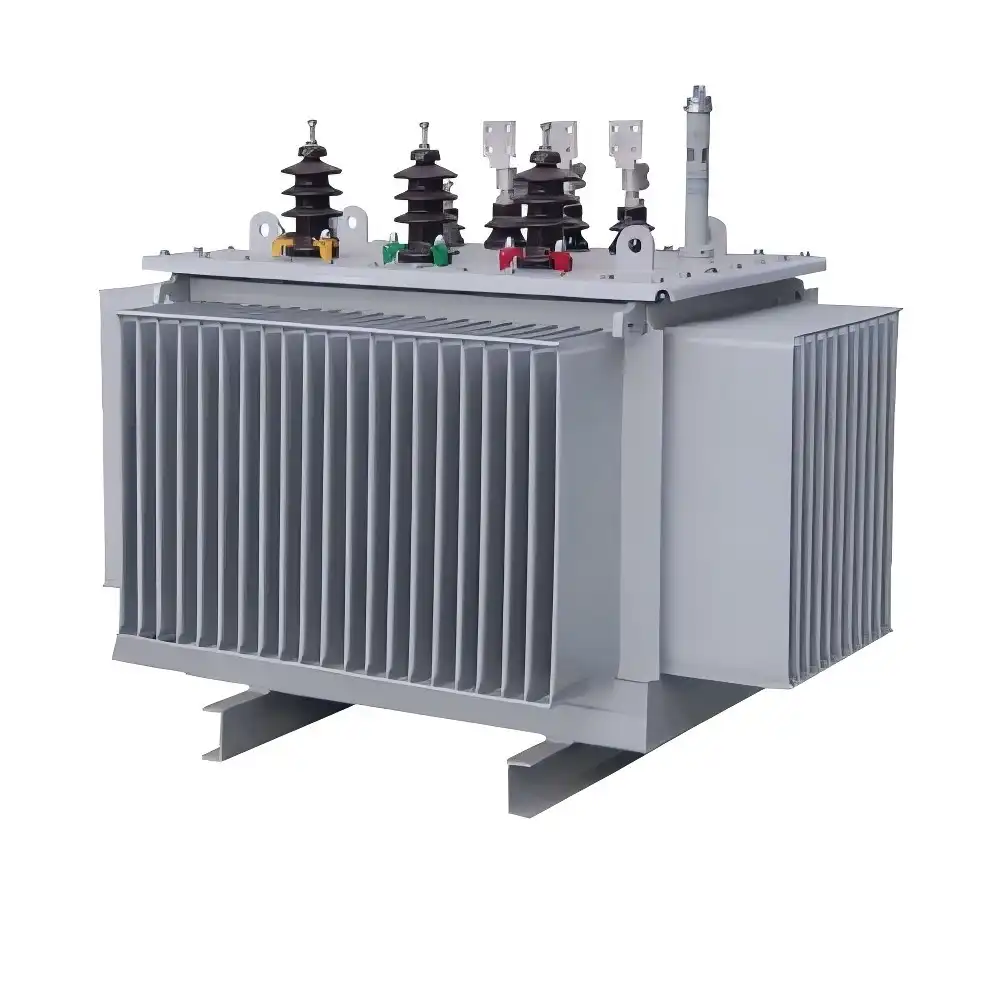
Finding the right unit means matching a number of factors to the plan of the data center. These are the most important:
It's often necessary to customize. AI data centers have irregular shapes, high temperatures, and unique load profiles that need custom impedance values, unique bushing configurations, and small enclosures. Suppliers with their own tech teams and a history of working with data center systems have a big edge in this case.
Don't just look at the unit price when evaluating a supplier. When assessing the total cost of ownership of a Step-down Transformer over 20 years, including no-load losses, load losses, maintenance, and upkeep, a higher-specification Step-down Transformer can often provide better long-term value. For a phased data center project that must become fully operational by a specific deadline, reliable batch supply and on-time delivery of each Step-down Transformer are also critical. Procurement teams should therefore evaluate both the technical performance and supply capabilities of the manufacturer before placing an order.
In AI data centers, the dependability of transformers relies on regular preventive maintenance and knowing how things can go wrong. I suggest using a structured method based on the regular steps below:
As an AI data center operator, you need to make sure that high-heat server exhaust zones are kept at a safe distance, that cable management infrastructure doesn't block the ventilation of transformers, and that the protective relay coordination takes into account the high inrush current characteristics of large transformer banks when they are turned on.
Magnetostriction-related hum is a common problem in places where noise levels are high. However, it can be controlled by using high-quality resin casting and tight core clamping, which are both standard on well-made units.
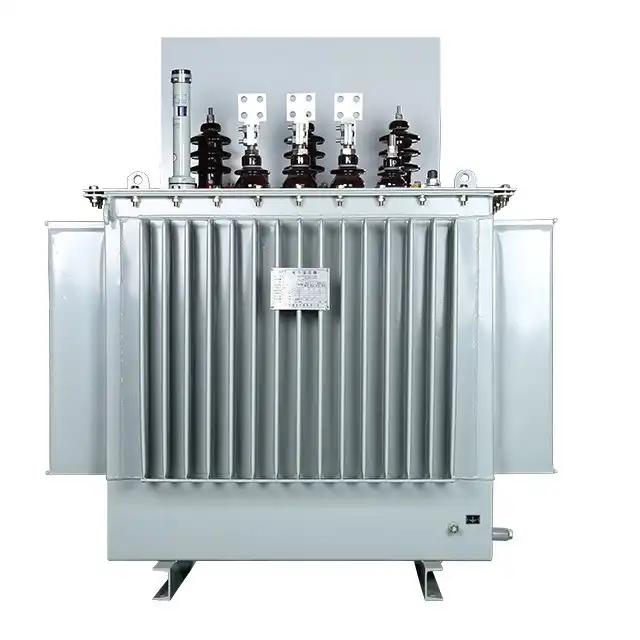
In AI data centers, Step-down Transformer units are not just passive components; they also play an active role in power quality, system resilience, and energy efficiency. Their function becomes increasingly important as the power demands of modern AI workloads continue to evolve. For example, a properly selected Step-down Transformer helps maintain stable voltage for GPU clusters and supports the power infrastructure required by precision cooling systems. Procurement teams can build a technically solid foundation for long-term data center performance by choosing a Step-down Transformer with the appropriate K-factor rating, efficiency certifications, and customized configuration. Selecting the right Step-down Transformer can therefore contribute to reliable power distribution as AI infrastructure scales.
Most AI data centers use transformers that step down from 13.8kV or 4.16kV to 480V or 208V at the distribution level. Specific voltage ratios depend on the utility supply configuration and internal PDU architecture.
High-efficiency units operating above 99% efficiency reduce no-load and load losses substantially. Over a 20-year lifespan, this translates to significant reductions in operating cost and contributes directly to improved PUE metrics.
Yes. Manufacturers can adjust impedance values, tap changer ranges, enclosure dimensions, cooling configurations, and K-factor ratings to match the harmonic load profile and physical constraints of a specific AI data center deployment.
At minimum, look for IEC 60076 compliance, UL listing or CE marking, ISO 9001:2015 quality management certification, and documented energy efficiency certification from a recognized testing authority.
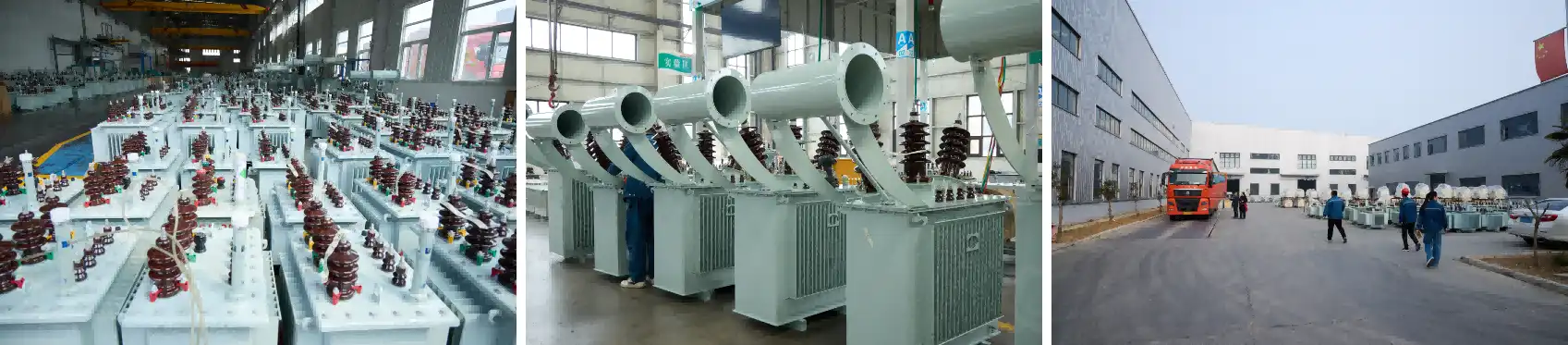
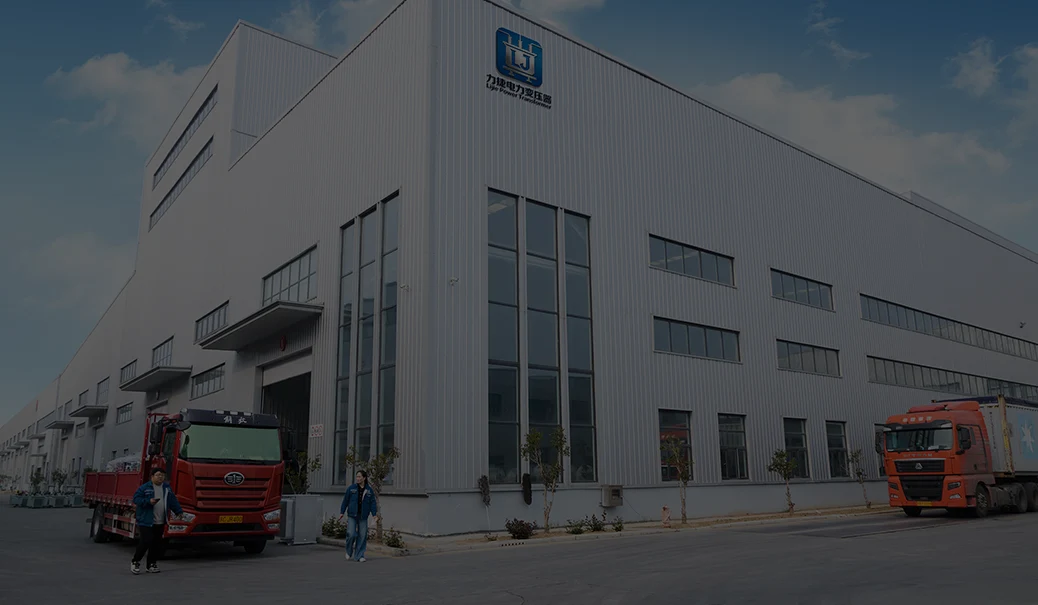
The Lijie Electric Power Technology Group makes a wide range of dry-type and oil-immersed step-down transformers that are designed to work in places with a lot of power. Lijie Electric is a reliable step-down transformer source for big AI and infrastructure projects. They have ISO 9001:2015, CE, UL, and IEC certifications, a yearly output of more than 5 billion RMB, and more than 160 engineers with advanced degrees working on new products all the time. To get a personalized price, email our expert team at lijieelectrical@gmail.com or go to lijie-electrical.com.
1. U.S. Department of Energy — Data Center Energy Efficiency Programs and Guidelines, 2022.
2. IEEE Std C57.12.00 — IEEE Standard for General Requirements for Liquid-Immersed Distribution, Power, and Regulating Transformers, 2021.
3. IEC 60076-1 — Power Transformers — Part 1: General, International Electrotechnical Commission, 2011 (reaffirmed 2023).
4. Lawrence Berkeley National Laboratory — United States Data Center Energy Usage Report, 2016.
5. NEMA Standards Publication TP-1 — Guide for Determining Energy Efficiency for Distribution Transformers, National Electrical Manufacturers Association, 2002.
6. Uptime Institute — Global Data Center Survey Results and PUE Benchmarks, 2023.
April 27, 2025
With a tight project schedule, the manufacturer delivered on time, and on-site technical personnel provided guidance throughout the entire installation and commissioning process; the collaboration was highly efficient and hassle-free.
July 2, 2025
During the preliminary phase, a selection plan was custom-tailored based on the actual site load requirements, resulting in a high degree of parameter compatibility. After-sales support responds within two hours, and ongoing technical support for operation and maintenance is comprehensive; we feel completely confident in a long-term partnership.
November 18, 2025
Deployed as a supporting component for a 35kV grid-connection project at a photovoltaic power station, the equipment operates for an average of 16 hours daily. It demonstrates excellent control over no-load losses, ensures smooth power generation and grid integration, and effectively reduces the station's overall energy consumption.
January 30, 2026
Under the continuous, high-load operating conditions of a factory production line, the equipment maintains stable electrical parameters and exhibits strong overload resistance, thereby guaranteeing an uninterrupted power supply for industrial production.
April 3, 2026
Integrated as a supporting component for a new energy photovoltaic grid-connection system, the manufacturer provided professional technical coordination and timely after-sales support, ensuring seamless adaptation to the specific electrical operating conditions required for grid integration.