April 27, 2025
With a tight project schedule, the manufacturer delivered on time, and on-site technical personnel provided guidance throughout the entire installation and commissioning process; the collaboration was highly efficient and hassle-free.
Sep 16, 2026
When a data center loses power, the consequences ripple far beyond a blinking screen. An MV transformer — operating within the 1 kV to 35 kV voltage range — sits at the heart of every reliable data center power system. It steps down medium voltage supply from the utility grid to levels that servers, cooling units, and UPS systems can safely use. Without a properly specified medium voltage transformer, even the most sophisticated IT infrastructure becomes vulnerable to voltage instability, thermal stress, and unplanned downtime. Understanding how this device works is the foundation of smarter procurement.
Data centers are constantly under pressure to keep their systems online. According to the U.S. Department of Energy, data centers used about 200 billion kWh of energy just in 2022. This number keeps going up as more cloud computing and AI tasks are added. To safely satisfy that hunger, you need a strong voltage step-down design, and the medium voltage transformer is the first part of that process.
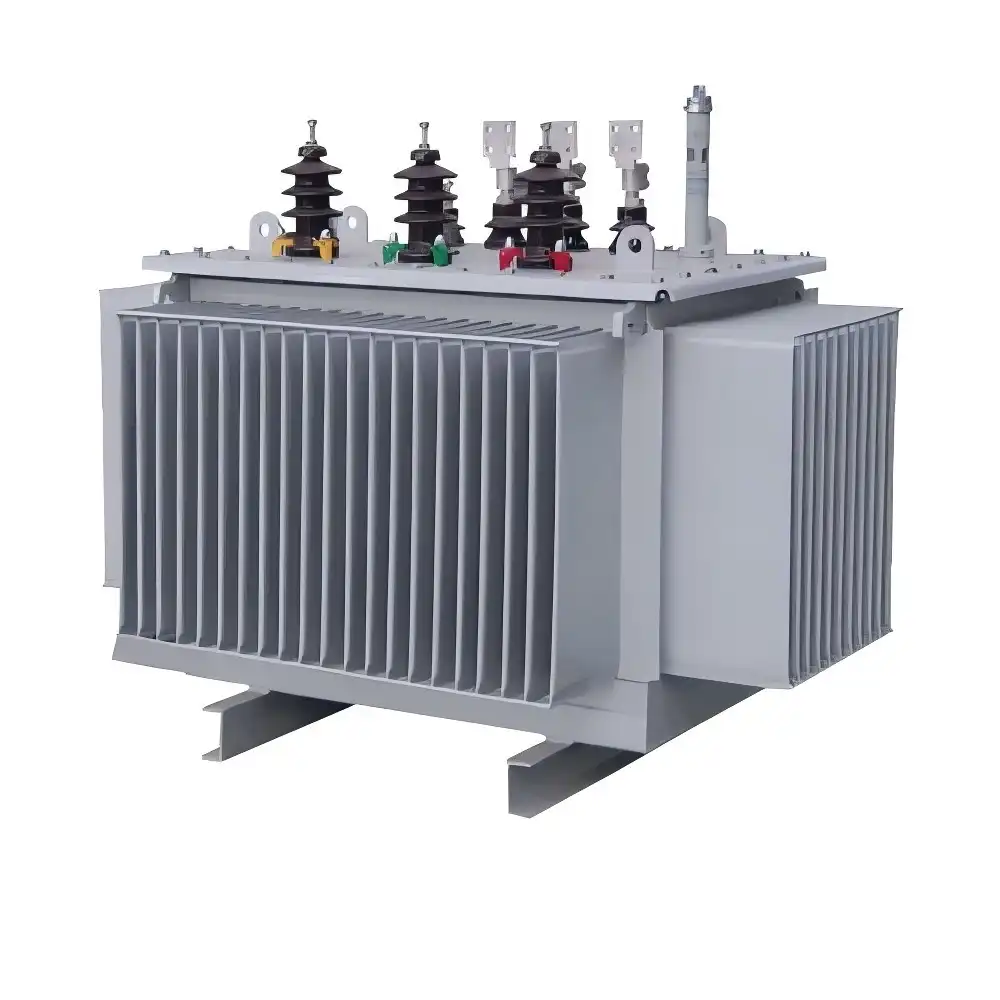
A medium voltage transformer takes a utility supply that is usually between 4 kV and 35 kV and steps it down to 480V or 208V so that it can be sent to power distribution units (PDUs), uninterruptible power supply (UPS) systems, and air handlers in the computer room. The transformer also provides galvanic isolation, which keeps sensitive IT equipment safe from surges and transients that come from the power grid.
Two transformer technologies are used most often in data centers. Cast resin dry-type MV Transformer units are best for indoor installations because they do not require flammable coolant, produce relatively little noise, and are designed to be self-extinguishing in the event of a fire. Oil-immersed models work very well for large outdoor substations, but they present a higher fire risk, making them less suitable for buildings occupied by people. For most urban hyperscale and shared data centers, a cast resin MV Transformer with Class F or H insulation is often the preferred and more code-compliant choice, especially where equipment must handle ambient temperatures above 40°C. Selecting the right MV Transformer can also help data center operators maintain reliable medium-voltage distribution while meeting indoor safety requirements. For projects with demanding power loads, a properly specified MV Transformer provides a practical balance of safety, reliability, and thermal performance.
Data center loads don't stay the same for long. Rapid load changes caused by server virtualization, burst computing, and dynamic cooling tweaks lead to harmonic currents. These harmonics speed up the aging of the insulation and raise the temperature of the windings above what was intended. IEEE C57.110 says that harmonic-rich loads can lower a transformer's real kVA capacity by 15–30% compared to its nameplate rating.
Thermal control that is proactive is a must in this setting. Here are the basic maintenance methods that facility engineers with a lot of experience use:
These steps make the service last much longer than the usual 25 years and make sure that the consistency that data center SLAs require is maintained. Ignoring even one of these steps increases the risk in a way that can't be fully fixed by redundancy design.
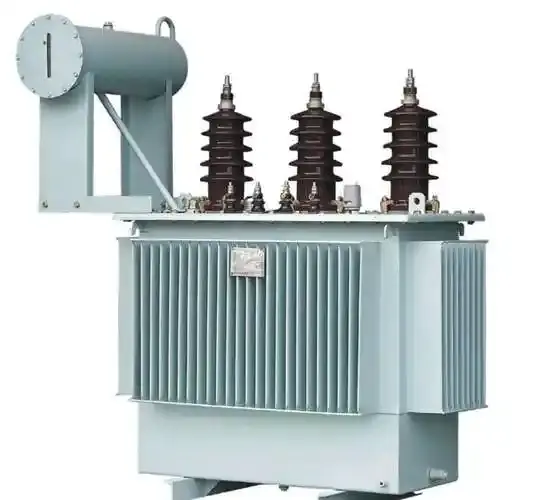
Oil-immersed MV Transformer units provide excellent cooling performance and can handle very high kVA ratings without high upfront costs. At higher capacities, the lifecycle cost per MVA of an oil-immersed MV Transformer can be lower than that of comparable dry-type alternatives. However, these systems require oil containment bunds, regular oil sampling for dissolved gas analysis (DGA), and careful consideration of fire-code requirements. NFPA 70 and local AHJ rules typically restrict where an oil-immersed MV Transformer can be installed inside buildings. For large-scale projects, selecting an appropriately rated MV Transformer and planning the required oil containment and safety measures can help maintain reliable power distribution while meeting applicable installation requirements.
With dry-type plastic units, none of those problems are present. They cost more per kVA up front, but they save money in the long run because they require less maintenance, don't harm the environment, and can fit into small spaces inside. For a 10–50 MVA campus-style data center, the best solution is usually a mix of things: an outdoor oil-immersed unit at the point where the utilities connect, and indoor dry-type step-down transformers in each building or floor.
Global companies like ABB, Siemens, and Schneider Electric have well-known lines of products in both areas. When expert teams look at different ways to buy things, they should look at certifications like IEC 60076, IEEE C57.12.00, and DOE 2016 energy compliance, as well as how well suppliers have delivered in the past and how quickly they can make changes.
There are temperature sensors, partial discharge detectors, and communication modules built into the next generation of medium voltage transformers. These modules send real-time data directly to a Data Center Infrastructure Management (DCIM) platform. With this integration, a device that was once passive becomes an active participant in managing energy across the whole building.
Trending data like winding hotspot temperature, load factor, and harmonic distortion index are analyzed by predictive maintenance algorithms, which then send out alerts before conditions get bad enough to fail. A study released in 2023 in the IEEE Transactions on Power Delivery found that predictive maintenance programs cut down on forced outages caused by transformers by up to 40% compared to maintenance schedules that were based on time. That number is a great return on investment for a hyperscale operator who could lose millions of dollars every hour due to downtime. There is no longer a high-end choice for smart transformer technology; it is quickly becoming the standard for all new data centers.
To find the best medium voltage transformer provider, you need to look closely at their technical compliance, manufacturing capacity, collection of certifications, and responsiveness after the sale. Large data center projects often have multiple shipping dates and design changes, so the flexibility of the provider is just as important as the unit price.
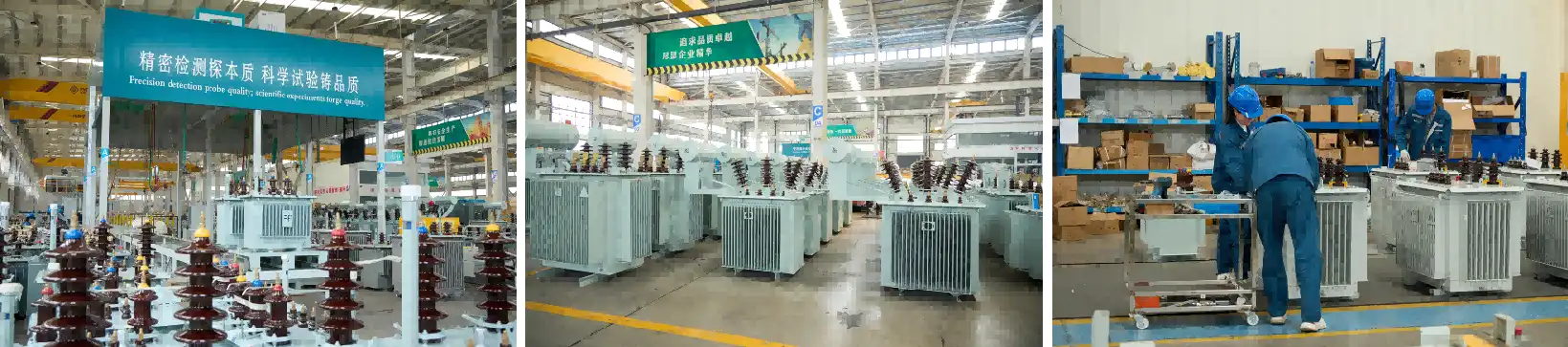
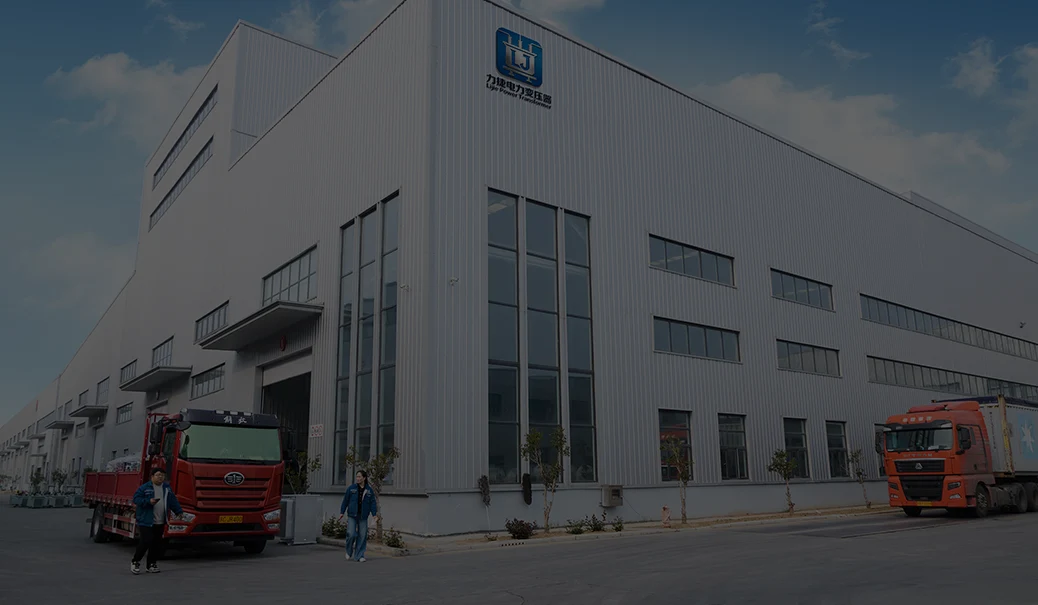
Lijie Electric Power Technology Group has a wide selection of dry-type transformers, oil-immersed transformers, and prefabricated substations with ratings up to 35 kV. They can also make unique designs to fit the needs of each data center. The company Lijie Electric is certified to make MV Transformers and has ISO 9001:2015, CE, UL, and IEC certifications. China's National Transformer Quality Supervision and Inspection Center has also checked and approved its products. With more than 2,000 employees working out of two factories that cover a total of 500,000 square meters and yearly sales exceeding 5 billion RMB, the company has the production depth needed to meet the needs of big, time-sensitive projects. It has an engineering team with more than 160 people who have master's or doctoral degrees and work together on technical issues from the planning stage to the final commissioning. To find custom options, go to lijie-electrical.com or email lijieelectrical@gmail.com.
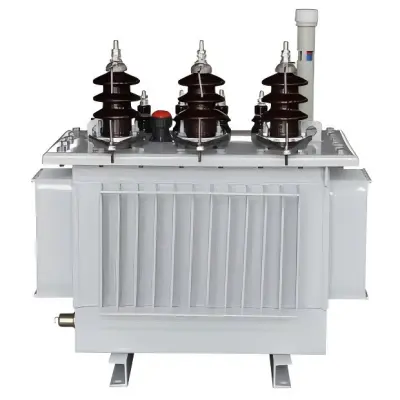
A medium-voltage MV Transformer is not simply another electrical component; it is a critical part of reliable power infrastructure in a data center. Every design choice made at the MV Transformer level can affect the entire building, from voltage reduction and harmonic management to smart monitoring integration. When procurement teams prioritize technical compliance, supplier reliability, and lifecycle cost rather than focusing on unit price alone, they can achieve better uptime performance and a lower total cost of ownership. For large-scale data center projects, investing in a qualified MV Transformer manufacturer with a proven approval record, customization capabilities, and sufficient production capacity can provide a stronger foundation for long-term reliability. Choosing the right MV Transformer supplier is therefore an important step in building a stable and scalable power system.
For a sound maintenance program to work, it needs to use thermal imaging, insulation resistance testing, and harmonic load monitoring. Teams can find early signs of degradation and take action before failures happen by scheduling inspections every six months and doing dissolved gas analysis on oil-immersed units once a year.
Because of fire safety rules and limited room, almost all indoor setups choose dry-type cast resin units. Oil-filled types work best in outdoor primary substations because their high capacity-to-cost ratio makes up for the extra control and upkeep needs.
Lead times depend on the configuration, but standard dry-type units from reputable manufacturers are usually ready in 8–14 weeks. If you send in your specifications early, you can get custom voltage ratios, tap changer setups, and enclosure grades. Lijie Electric can help with large-scale project schedules by planning delivery in stages.
Lijie Electric offers certified MV Transformer solutions that are made to work in mission-critical data centers. We are a reliable MV Transformer seller with certifications from ISO 9001, CE, UL, and IEC. We have a lot of scientific knowledge and can make a lot of transformers at once. Ask for a personalized consultation, a low price, or to talk about a bulk sale today. To start, email our engineering team at lijieelectrical@gmail.com or go to lijie-electrical.com.
1. IEEE Transactions on Power Delivery — Predictive Maintenance Strategies for Power Transformers in Mission-Critical Facilities, IEEE, 2023.
2. U.S. Department of Energy — Data Center Energy Usage Report, DOE, 2022.
3. International Electrotechnical Commission — IEC 60076: Power Transformers Standard Series, IEC, 2011 (revised 2021).
4. IEEE — C57.110: Recommended Practice for Establishing Liquid-Filled and Dry-Type Power and Distribution Transformer Capability When Supplying Nonsinusoidal Load Currents, IEEE, 2018.
5. NFPA — NFPA 70: National Electrical Code, National Fire Protection Association, 2023.
6. Lawrence Berkeley National Laboratory — United States Data Center Energy Usage Report, LBNL, 2022.
April 27, 2025
With a tight project schedule, the manufacturer delivered on time, and on-site technical personnel provided guidance throughout the entire installation and commissioning process; the collaboration was highly efficient and hassle-free.
July 2, 2025
During the preliminary phase, a selection plan was custom-tailored based on the actual site load requirements, resulting in a high degree of parameter compatibility. After-sales support responds within two hours, and ongoing technical support for operation and maintenance is comprehensive; we feel completely confident in a long-term partnership.
November 18, 2025
Deployed as a supporting component for a 35kV grid-connection project at a photovoltaic power station, the equipment operates for an average of 16 hours daily. It demonstrates excellent control over no-load losses, ensures smooth power generation and grid integration, and effectively reduces the station's overall energy consumption.
January 30, 2026
Under the continuous, high-load operating conditions of a factory production line, the equipment maintains stable electrical parameters and exhibits strong overload resistance, thereby guaranteeing an uninterrupted power supply for industrial production.
April 3, 2026
Integrated as a supporting component for a new energy photovoltaic grid-connection system, the manufacturer provided professional technical coordination and timely after-sales support, ensuring seamless adaptation to the specific electrical operating conditions required for grid integration.