April 27, 2025
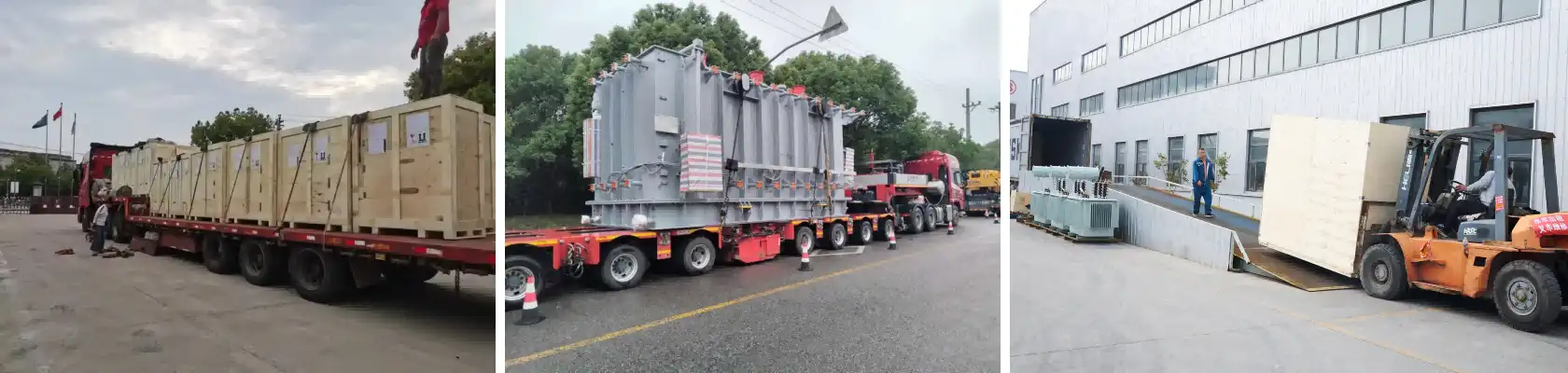
With a tight project schedule, the manufacturer delivered on time, and on-site technical personnel provided guidance throughout the entire installation and commissioning process; the collaboration was highly efficient and hassle-free.
Aug 9, 2026
Choosing the right High Voltage Transformer Supplier requires a methodical evaluation of technical capabilities, certifications, production scale, and post-sales support. Transmission projects demand equipment rated typically from 110kV to 500kV and beyond, where reliability over decades is non-negotiable. The supplier must demonstrate consistent quality across large batches, possess IEC and ANSI compliance, offer customization for voltage levels and cooling systems, and maintain transparent delivery schedules aligned with project timelines to minimize costly delays and operational risks.
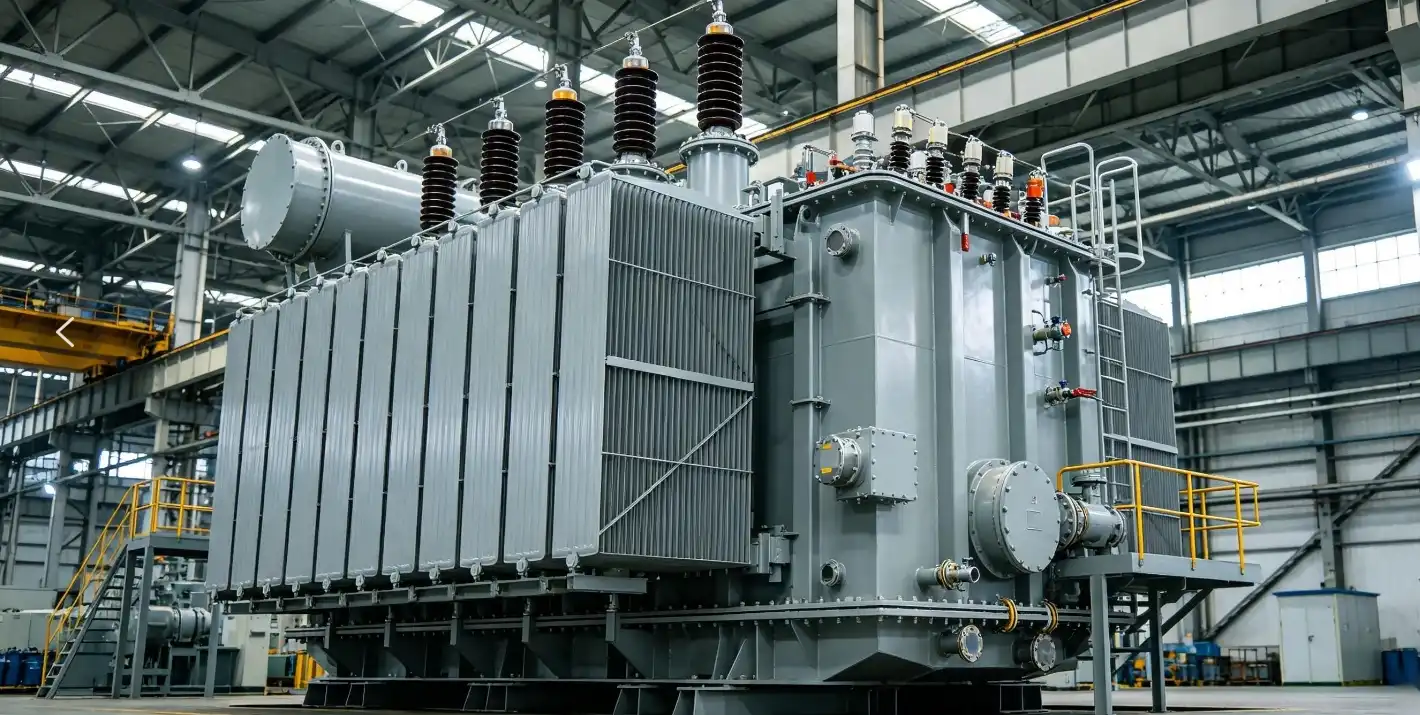
If you don't choose the right High Voltage Transformer Supplier, your transmission project could go off the rails, cost more than planned, or not work at all. This guide is for procurement managers, electrical engineers, project supervisors, and supply chain professionals who work with large-scale infrastructure, integrating renewable energy, and distributing power in factories. When you buy transformers that need to work well for 20 to 30 years, every choice you make about the reliability of the provider, the technical details, and the service promises they make affects the return on your investment and the security of the grid.
Our goal is to give you criteria that you can use instead of just making marketing claims. We look at how choosing a supplier affects project schedules, quality assurance, prices over the lifetime, and following the rules. By using structured review methods and knowing how the market works, you can be sure to work with sellers who meet both your engineering needs and your business goals. This will lower your risks and make your operations run more smoothly.
There are specialised makers, regional distributors, and original equipment manufacturers (OEM) partners in the global market for high voltage transformers. As a reliable High Voltage Transformer Supplier, companies like Lijie Electric design and manufacture their own equipment, allowing them to maintain strict quality control from raw materials to final testing. Distributors act as middlemen and often store products to speed up shipping, but they usually offer fewer options for order customisation. OEMs work together with clients to develop co-branded or application-specific designs that meet the requirements of specialised industries. By understanding these different roles, you can choose the right type of partner for your project based on its complexity, technical requirements, and level of customisation needed.
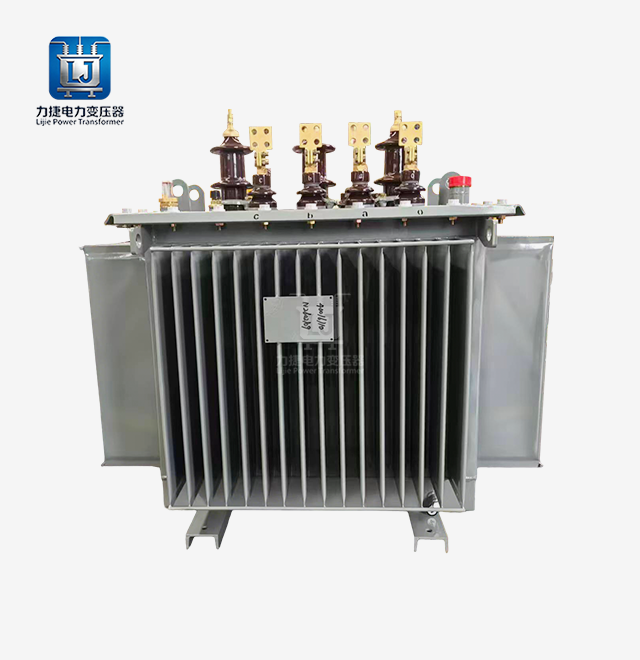
Step-up transformers are used to boost voltage from power plants, step-down transformers are used for distribution networks, and autotransformers are used to keep voltage stable along transmission lines. Voltage rating (110kV, 220kV, 500kV, or higher), power capacity (measured in MVA), insulation class (oil-immersed or SF6 gas-insulated), and cooling methods (ONAN, ONAF, or OFAF) are some of the technical details. Each design choice impacts the size, efficiency, and upkeep schedules, so it is important to make sure that these factors match the grid's needs before engaging a provider.
International standards like IEC 60076, ANSI C57, and IEEE C57.12 make sure that devices from different vendors can work together and are safe. These guidelines spell out how to test for impulse voltage, temperature rise, partial discharge, and the ability to withstand a short circuit. Suppliers that are ISO 9001 certified and have IEC or UL marks on their products show that they follow strict manufacturing controls. Procurement teams should make sure that suppliers have accredited testing labs and send their equipment to be checked by outside groups like the National Transformer Quality Supervision and Inspection Center or the Wuhan High Voltage Research Institute. This is to make sure that the products meet all the rules for both domestic and international trade.
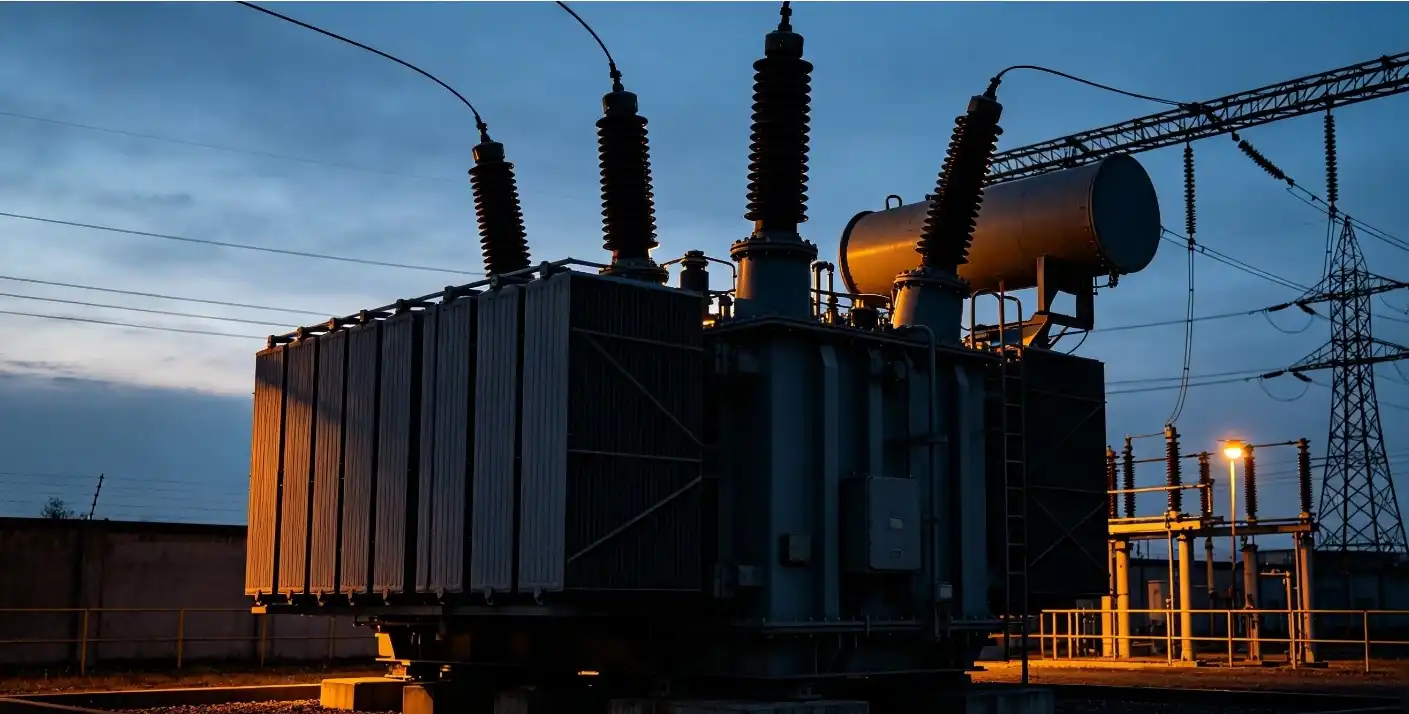
A structured method for screening suppliers focuses on quality checking, the ability to make changes, the speed of delivery, and clear pricing. These four pillars are the basis for making good buying choices that balance technical excellence with making money.
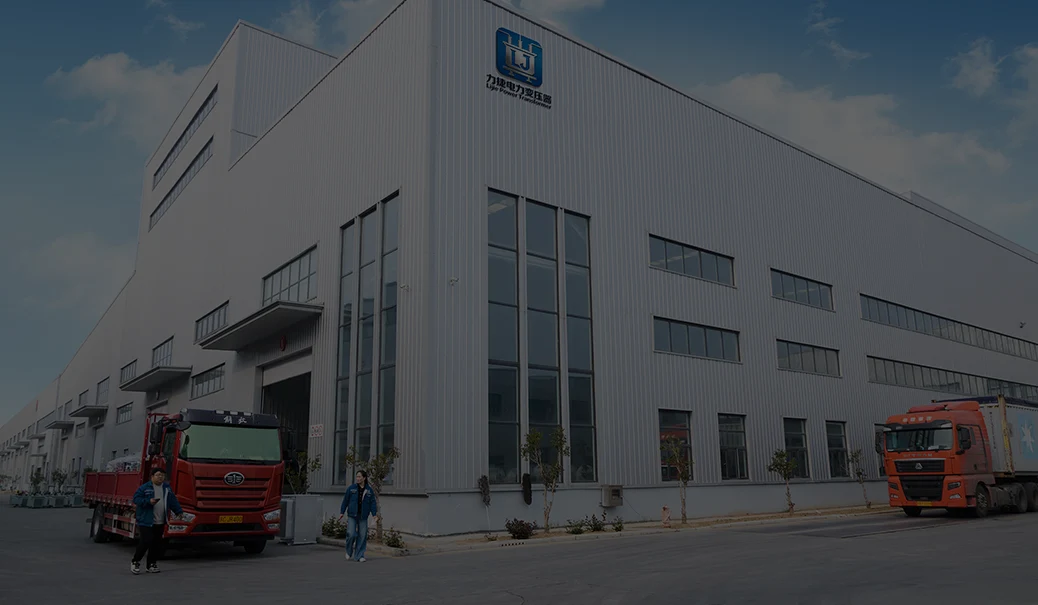
For management systems, ISO 9001:2015 is the standard. For European markets, CE is the standard. For North American use, UL is the standard. For foreign projects, IEC is the standard. Check the High Voltage Transformer Supplier's testing equipment as well as their licenses. Do they follow IEC 60076-3 and do regular, type, and special tests? Can they give you written test results that show how they measured noise level, temperature rise, and short-circuit withstand? Lijie Electric has two research and development (R&D) and production bases that cover 500,000 square meters. They have in-house testing facilities that meet both national and foreign standards. This makes sure that every batch of transformers meets strict performance standards before they are shipped.
Track marks are important. Ask for case studies or references from gearbox projects that have already been done that are similar to yours in size and voltage rating. Suppliers who have worked on systems with 220kV or 500kV electricity show that they are technically mature and know how to handle risks. Performance that stays the same across multiple projects is a sign of dependability, while success that comes and goes could mean that the manufacturing rules aren't working right.
Transmission projects rarely fit standard products from catalogues. You might need special tap changer ranges, custom winding designs, earthquake strengthening, or insulation changes that are based on altitude. A reliable High Voltage Transformer Supplier should offer collaborative design services and have engineering teams with advanced degrees to customize transformers for different grid conditions or the needs of integrating renewable energy. Over 160 engineers with graduate and master's degrees work for Lijie Electric, enabling them to create custom solutions for complex projects such as mine transformers and prefabricated substations for industrial parks.
Technical support goes beyond the design phase. Does the supplier offer on-site help with commissioning, training for maintenance crews, and troubleshooting advice for as long as the equipment lasts? Having quick access to technical experts cuts down on downtime during installation and operation, which protects your project's budget and schedule.
Large gearbox projects need to be able to get a lot of supplies at once without lowering the quality of the supplies. Suppliers with production facilities that have more than 2,000 workers and annual sales of more than 5 billion RMB show the scale needed for multi-phase rollouts. Check to see if they can handle multiple orders at once, keep track of inventory for long-lead parts like silicon steel cores, and keep quality control high across large batches.
Construction milestones must match up with delivery schedules. When transformers are late, they stop whole projects, which costs money and takes longer to make money. Ask for historical data on on-time delivery rates and find out how suppliers handle problems in the supply chain. Companies with two factories, like Lijie Electric's in Xuzhou and Nantong, offer flexibility that lowers production risks and keeps things running even when things go wrong.
The terms of the contract should include promises of performance, penalties for not following through, payment milestones linked to project stages, and ways to settle disagreements. Clear warranty terms spell out what flaws in making are covered, how long claims should be processed, and how to replace or fix the product. Stay away from suppliers whose pricing structures are too vague or too complicated, as this could hide the real costs.
Choosing between domestic and international suppliers depends on how well logistics work, how easy it is to get technology, how competitive prices are, and how well regulations match up.
International suppliers, especially well-known brands from places where transformer industries are well-developed, often have access to cutting-edge technologies like amorphous alloy cores for very low losses or digital monitoring systems for maintenance that can be planned ahead of time. When economies of scale lead to competitive prices, up-front capital costs can go down, especially for orders of a lot of items. But longer shipping times make it harder to plan projects, import duties raise costs, and communication may be slowed down by cultural or linguistic differences.
As a High Voltage Transformer Supplier, Lijie Electric brings together international approval standards (IEC, CE, UL) and extensive sales experience in Australia, New Zealand, India, Southeast Asia, Central Asia, and Africa to fill this gap. This two-in-one feature gives you the technological edge of international suppliers while providing the responsiveness and customisation options that you value in domestic partnerships.
Industry groups like the IEEE Power & Energy Society, trade magazines like Transmission & Distribution World, and third-party B2B platforms that collect buyer feedback are all good places to get an evaluation. Compare information from different sources to find trends in how well things are delivered, how reliable the products are, and how quickly the service is responded to. Going to factories in person is the best way to get first-hand information about how they control production, make sure quality, and train their workers. This gives you trust that goes beyond paperwork.
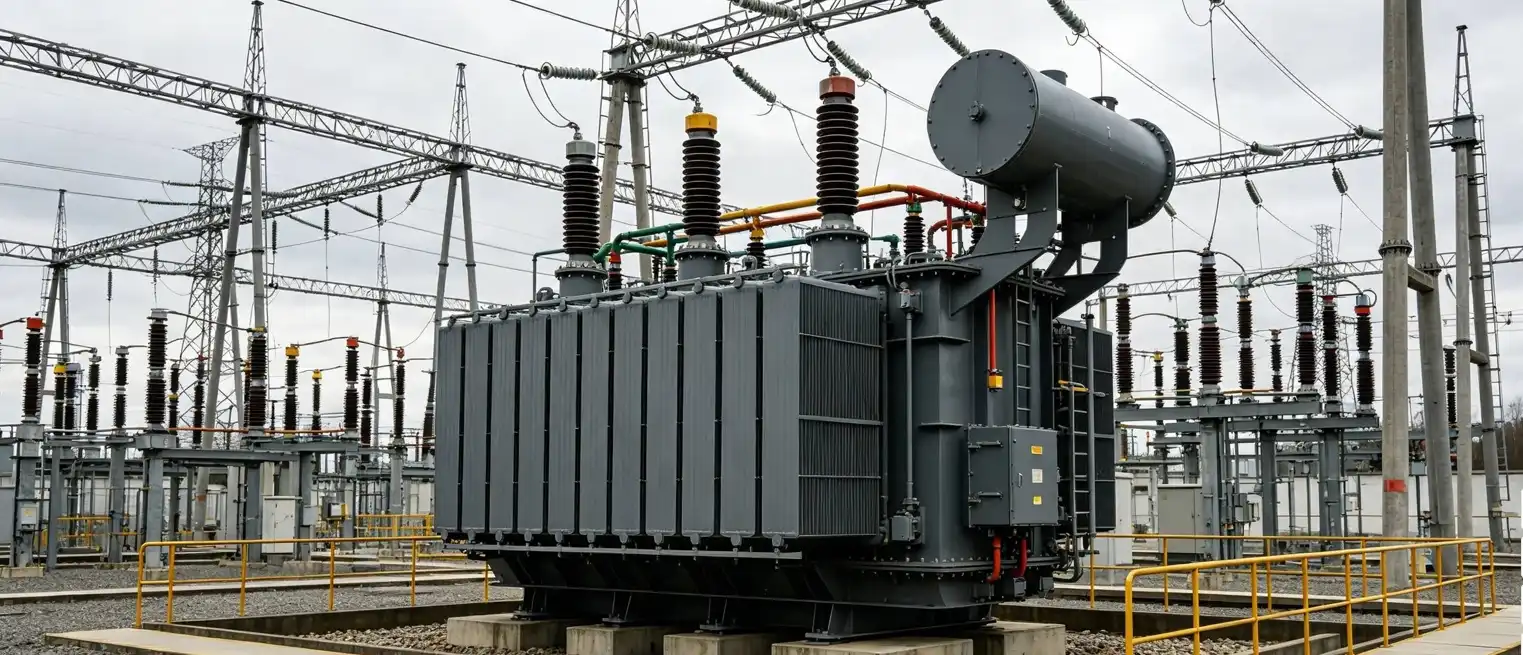
To do effective buying, you must be clear about your technical needs, project timeline, budget limits, and level of risk tolerance before you start contacting High Voltage Transformer Suppliers.
Writing down voltage levels, power capacities, impedance limits, tap changer setups, cooling system choices, and external conditions (height, temperature, and seismic zone) is important. List the standards that must be met (IEC, ANSI, or local utility standards) and the certifications that are expected. Include installation limits like the length and width of the access path, the size of the site, and the availability of a crane. Clear standards help avoid confusion and allow for accurate, comparable offers.
Requests for Quotations (RFQs) should include not only prices but also delivery times, guarantee terms, payment goals, and the scope of the service. Requests for Proposals (RFPs) ask suppliers to offer technical solutions that show they understand the challenges of the project and can be tailored to specific needs. To make scoring clear and fair, give each evaluation criterion a weight, such as 40% for technical compliance, 30% for cost, 20% for delivery, and 10% for after-sales support. Ask for examples from projects that are similar to the one you're looking at, and ask providers to explain how they plan to reduce risk in case of common problems like quality issues or delays in production.
There's more to negotiation than just price. Talk to them about volume discounts for projects that have more than one phase, payment terms that work with the project's cash flow, and performance bonds that protect against not delivering or providing quality that isn't up to par. Make sure you understand intellectual property rights if custom designs are involved. Set up change order processes to handle changes to the scope of work without throwing plans off track. Written contracts should have thorough technical addendums, review processes, acceptance criteria, and ways for disagreements to be taken to the next level.
Partnerships that work best are always talking to each other. Set up regular reviews of progress that include quality checkpoints, manufacturing targets, and coordinating supplies. Assign people from both the procurement and engineering teams as liaisons to make sure that technical questions are answered quickly. As an example, the on-time delivery rate, the failure rate per batch, and the service reaction time are all key performance indicators (KPIs). After the installation is done, do joint reviews to record what was learned, find ways to make future orders better, and find ways to make the product better. Long-term relationships with suppliers based on trust and shared responsibility cut down on transaction costs and make it easier for people to work together to come up with new solutions.
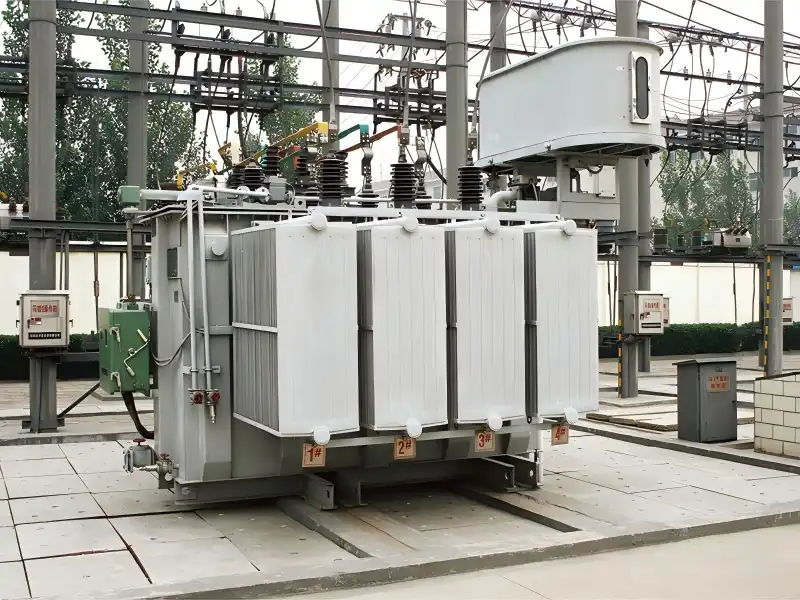
For operations to go smoothly, they need to do regular maintenance, follow strict safety rules, and work together with their suppliers in a strategic way that goes beyond just delivering equipment.
High voltage transformers need to be inspected on a regular basis. These inspections include checking the quality of the oil (dissolved gas analysis for fault finding), checking the condition of the bushings, servicing the tap changer, and using thermal imaging to find hotspots. Suppliers that offer maintenance training programs, preventive maintenance schedules, and remote monitoring integration help operators get the most out of their equipment and keep it from breaking down without warning. Lijie Electric offers full after-sales service that meets the requirements of GB/T 27922-2021. This makes sure that customers get expert support and extra parts for as long as the transformer is in use.
People and property are kept safe by following OSHA rules, NFPA 70E electrical safety standards, and the IEEE C2 National Electrical Safety Code. Suppliers must make sure that their products have enough space between parts, ways to ground them, and the ability to work with safety relays. Safety data sheets for insulating fluids, an arc flash hazard analysis, and emergency response protocols should all be part of the documentation. A supplier's commitment to protecting your workers and keeping up with regulations is shown by how often they do safety audits and compliance updates.
Building long-term relationships with reliable High Voltage Transformer Suppliers can unlock a lot of benefits. When you commit to a certain amount of work over a number of years, you can usually get better prices and earlier production slots. Collaborative innovation programs let people work together to create cutting-edge technologies like eco-friendly insulation fluids or digital twin models that can predict when repairs will need to be done. Stable partnerships lower the costs of buying things, make it easier to renew contracts, and encourage sharing of information that improves the performance of tools. Suppliers who care about your long-term success become true partners, helping you stay ahead of the competition through constant growth and quick service.
When choosing a High Voltage Transformer Supplier for gearbox projects, you need to think about a lot of things, such as professional excellence, production stability, cost-effectiveness, and a commitment to long-term service. Procurement teams can find partners who are a good fit for a project's goals and risk levels by carefully checking partners' certifications, ability to customise, delivery performance, and price clarity. Whether you're focusing on domestic responsiveness or foreign access to technology, organised engagement methods and thorough due diligence will reduce risks and make sure projects are completed successfully. Long-term partnerships based on trust, constant improvement, and working together strategically bring long-term benefits that last well after the initial equipment purchases.
Ask suppliers for real certificates and check the certification numbers with websites like ISO.org, IEC's Certification Management System database, or UL's online verification portal. Independent audits by registered registrars give you even more peace of mind. Site visits to manufacturing facilities let you look at how the quality management systems work in real life, making sure that certifications are based on actual practices and not just following the rules on paper.
Customised transformers with ratings between 110kV and 500kV usually take 6 to 12 months to deliver from the time the order is confirmed, based on how complicated the design is, how long it takes to make the parts, and how busy the production line is. Within 4 to 6 months, standard models with only minor changes may be sent out. Suppliers should give detailed production schedules with checkpoints at key points so that changes can be made ahead of time if delays happen.
Standard guarantees in the industry cover flaws in the making process, problems with the materials, and problems with the workmanship for 24 to 36 months. It might be possible to negotiate for longer guarantees on important parts like tap changers or bushings. Make sure that the steps for filing a warranty claim, the promised reaction time, and whether the warranty covers on-site repair or factory replacement are all made clear so that operating needs are met.
The Lijie Electric Power Technology Group has been helping with transmission projects for over 20 years and has two R&D and manufacturing bases that cover 500,000 square meters. They also have a wide range of products, including 110kV to 500kV ultra-high voltage transformers, dry-type models, oil-immersed units, and prefabricated substations. Our ISO 9001:2015, CE, UL, and IEC certifications show that we are dedicated to quality, and our team of 160+ experts makes sure that we can provide custom solutions for heavy industrial uses, power grids, and integrating green energy. We sell more than 5 billion RMB worth of goods every year and have a presence in Asia, Africa, and Oceania. We offer reliable, low-cost equipment with full after-sales service. Visit lijie-electrical.com or email us at lijieelectrical@gmail.com to set up a meeting, get a detailed quote, and find out why top power companies and EPC contractors choose Lijie Electric as their High Voltage Transformer Supplier for mission-critical transmission projects.
1. IEEE Power & Energy Society. (2021). IEEE Standard C57.12.00-2015: General Requirements for Liquid-Immersed Distribution, Power, and Regulating Transformers. Institute of Electrical and Electronics Engineers.
2. International Electrotechnical Commission. (2020). IEC 60076-1:2011+AMD1:2018 – Power Transformers – Part 1: General. IEC Standards Publication.
3. Ryan, H.M. (2017). High Voltage Engineering and Testing (3rd ed.). The Institution of Engineering and Technology.
4. National Electric Power Research Institute. (2019). Guidelines for Procurement and Quality Management of Ultra-High Voltage Transformers. China Electric Power Press.
5. Kulkarni, S.V., & Khaparde, S.A. (2018). Transformer Engineering: Design, Technology, and Diagnostics (2nd ed.). CRC Press.
6. Harlow, J.H. (Ed.). (2012). Electric Power Transformer Engineering (3rd ed.). CRC Press.
YOU MAY LIKE


%20H15%20Series%20Oil-immersed%20Amorphous%20Alloy%20Transformer.webp)



April 27, 2025
With a tight project schedule, the manufacturer delivered on time, and on-site technical personnel provided guidance throughout the entire installation and commissioning process; the collaboration was highly efficient and hassle-free.
July 2, 2025
During the preliminary phase, a selection plan was custom-tailored based on the actual site load requirements, resulting in a high degree of parameter compatibility. After-sales support responds within two hours, and ongoing technical support for operation and maintenance is comprehensive; we feel completely confident in a long-term partnership.
November 18, 2025
Deployed as a supporting component for a 35kV grid-connection project at a photovoltaic power station, the equipment operates for an average of 16 hours daily. It demonstrates excellent control over no-load losses, ensures smooth power generation and grid integration, and effectively reduces the station's overall energy consumption.
January 30, 2026
Under the continuous, high-load operating conditions of a factory production line, the equipment maintains stable electrical parameters and exhibits strong overload resistance, thereby guaranteeing an uninterrupted power supply for industrial production.
April 3, 2026
Integrated as a supporting component for a new energy photovoltaic grid-connection system, the manufacturer provided professional technical coordination and timely after-sales support, ensuring seamless adaptation to the specific electrical operating conditions required for grid integration.