April 27, 2025
With a tight project schedule, the manufacturer delivered on time, and on-site technical personnel provided guidance throughout the entire installation and commissioning process; the collaboration was highly efficient and hassle-free.
Sep 17, 2026
Industrial facilities should consider a natural ester transformer when fire safety, environmental compliance, and long-term reliability are non-negotiable. Unlike conventional mineral oil units, these transformers use biodegradable vegetable-based dielectric fluid—typically derived from soybean or rapeseed oil—with a fire point exceeding 300°C. This qualifies them as K-class fire-safe installations under IEEE C57.155 and IEC 61039. Facilities operating in environmentally sensitive zones, high-density urban areas, or under heavy thermal loads gain measurable operational advantages. The decision hinges on matching technical requirements with lifecycle value rather than upfront cost alone.
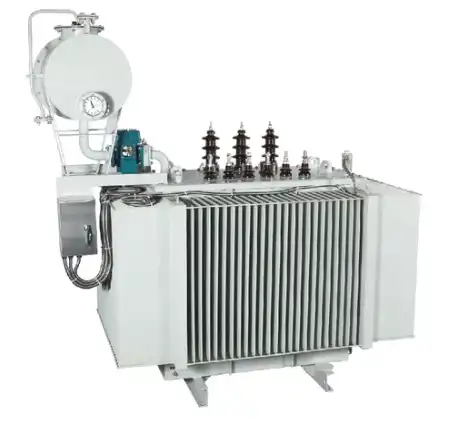
Natural ester dielectric fluid is made from vegetable crops that can be grown again and again, not refined oil. This difference in structure is important for how things work. The dielectric breakdown voltage of the fluid is usually above 35 kV/mm, which makes it a good alternative to mineral oil. More importantly, its flash point is higher than 275°C, and its fire point is higher than 300°C. For comparison, standard mineral oil has flash points of about 160°C and fire points of about 170°C. This difference in temperature limits means that less fire control equipment is needed and building owners pay less for their insurance.
The fluid in a Natural Ester Transformer can absorb water from cellulose insulation about 10 times faster than mineral oil, which may help extend the service life of the insulation. According to a study published in IEEE Transactions on Dielectrics and Electrical Insulation, paper insulation immersed in natural ester fluid ages much more slowly when exposed to the same level of thermal stress. This improved aging performance can support longer insulation life and may contribute to a transformer service life of more than 30 years. For applications where long-term reliability is important, a properly designed Natural Ester Transformer can provide an effective combination of insulation protection and thermal performance. Selecting a Natural Ester Transformer can therefore be a practical option for projects focused on extending equipment life and reducing long-term maintenance requirements.
To pick the best dielectric fluid, you need to look at its electrical performance, how it reacts to heat, how it affects the environment, and its overall cost of ownership. This is how natural ester oil stacks up in these areas:
In many business situations, these efficiency traits make up for the higher cost of getting the fluid. When purchasing teams look at lifecycle economics, they always find that the lower costs of building firewalls, insurance rates, and oil containment structures more than make up for the price difference over a 20-year working period.
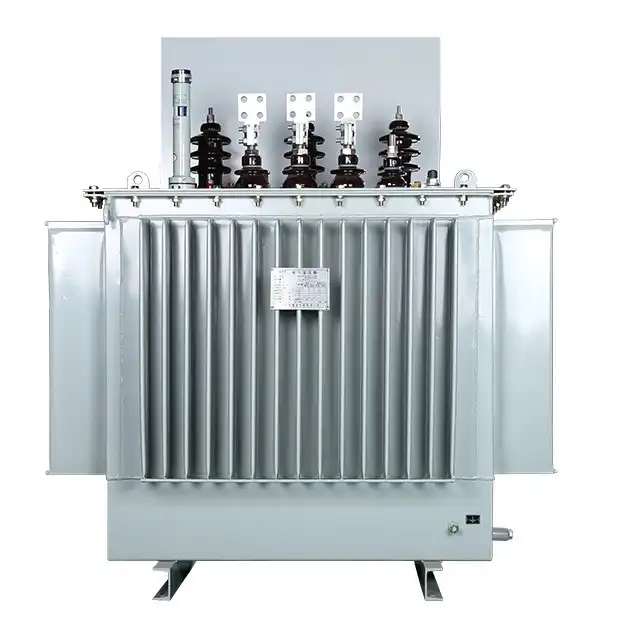
When traditional mineral oil transformers are used in underground distribution vaults, electrical rooms inside buildings, and substations in cities, there is a very high risk of fire. In many places, a Natural Ester Transformer gets rid of the need for blast walls and separate fire suppression systems, which directly lowers the cost of building things. For this reason, more and more data center owners, hospital campuses, and mixed-use real estate investors are using this technology.
There are strict environmental liability risks for offshore wind farms, hydroelectric installations near rivers, mining operations in protected watersheds, and solar farms on farmland. If a mineral oil tank leaks dielectric fluid, it can lead to fines and long-term costs for cleanup. Because vegetable-based transformer fluid breaks down naturally, that type of risk is almost completely eliminated. This is in line with the ESG reporting standards that big investors now carefully look at.
Heavy loads that happen over and over in steel mills, large chemical plants, and data centers put stress on transformer insulation thermally. Because natural ester fluid buffers moisture, it slows down the breakdown of cellulose in these conditions, so the insulation stays in place longer than equivalents made with mineral oil. The higher thermal class compatibility of the fluid is also good for facilities that need small transformer designs or temporary overload capacity.
When purchasing vegetable oil transformers, purchasing managers should give more weight to sellers who can show that they meet ISO 9001, IEC 60076, CE, and UL standards. For both large-volume and framework agreement purchases, it's important to have consistent supplies, written test methods, and quick access to expert support.
Asking for factory acceptance test (FAT) reports, type test certificates from approved laboratories, and proof that a Natural Ester Transformer meets applicable IEEE or IEC standards is an objective way to verify product quality. For a Natural Ester Transformer, procurement teams should review the manufacturer's testing documentation and compliance records before placing a large order. Bulk purchasing strategies that lock in prices and delivery schedules can also reduce the risk of project delays, especially for infrastructure developers managing multiple deployments at the same time. By combining thorough quality checks with reliable supply planning, buyers can select a Natural Ester Transformer that meets project requirements while maintaining predictable costs and delivery timelines.
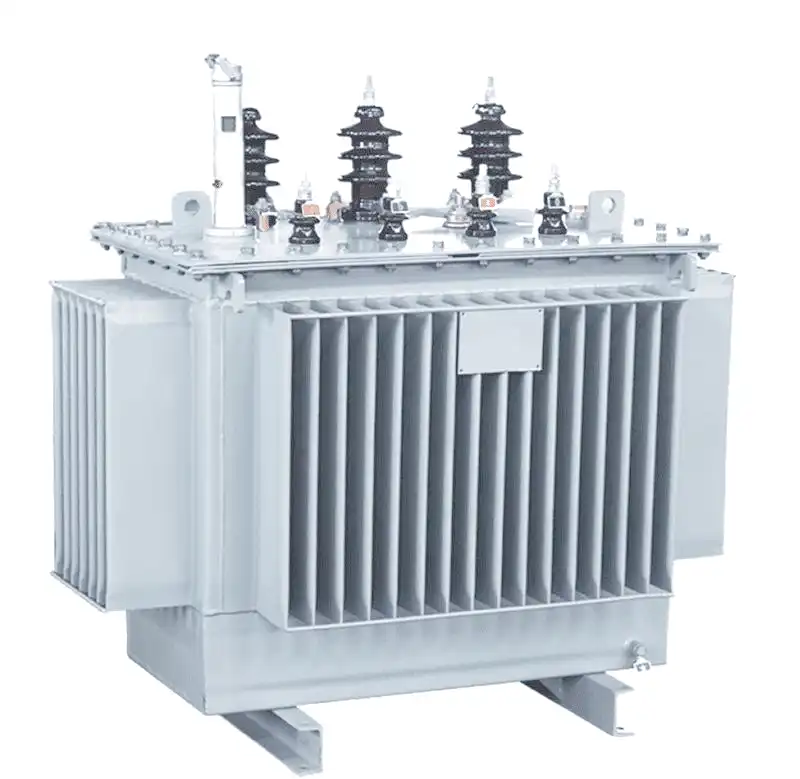
Because it breaks down quickly when exposed to air for long periods of time, natural ester fluid works best in transformer designs with sealed tanks or nitrogen blankets. Facilities should set up regular checks of the oil state that include:
To store fresh fluids, keep them in containers that can't leak and out of direct sunlight and heat sources. Standard dielectric oil safety rules say that people who handle the fluid should wear splash-proof glasses and gloves. When adding mineral oil to an existing unit, which is known as retrofilling, the quantity of leftover mineral oil must stay below 3% by volume to keep the K-class fire-safe ratings.
There are real benefits to using a Natural Ester Transformer when it comes to fire safety, environmental compliance, and the life of insulation, but those benefits are only useful when they are used in the right way. The most obvious use cases are in urban infrastructure, environmentally sensitive areas, and high-load industry settings. The purchasing and engineering teams should look at the total cost over the whole lifecycle, not just the price of the fluid itself. When this technology is used in a way that matches what the business needs, the return on investment is clear and substantial.
Yes. In the retrofilling process, special flushing is used to get rid of any mineral oil that is left over, leaving less than 3% by volume. The transformer's K-class fire-safe grade is maintained when pollution stays below this level. The process needs to be carefully planned and requires technical support from the supplier.
The pour point of natural ester fluids is higher than that of mineral oil. It is usually between -15°C and -25°C. After turning on the transformer, heat production inside it keeps the fluid moving while it is working. In harsh areas, cold-start situations might need extra heating parts or changes to the design.
It costs more up front for the dielectric fluid than for mineral oil. On the other hand, getting rid of fire control systems, paying less for insurance, and having transformers last longer all lower the total cost of ownership over 20 to 30 years of use.
Because natural ester oil can't handle air, it needs to be stored in tanks that are covered or filled with nitrogen. Regular dissolved gas analysis and oxidation stability tests find early signs of wear and tear before they affect the performance of the transformer.
Because the fluid can take in and move around moisture from cellulose insulation, thermal aging is slowed down a lot. According to data from the industry, natural ester-filled transformers usually last longer than 30 years under the same load conditions.
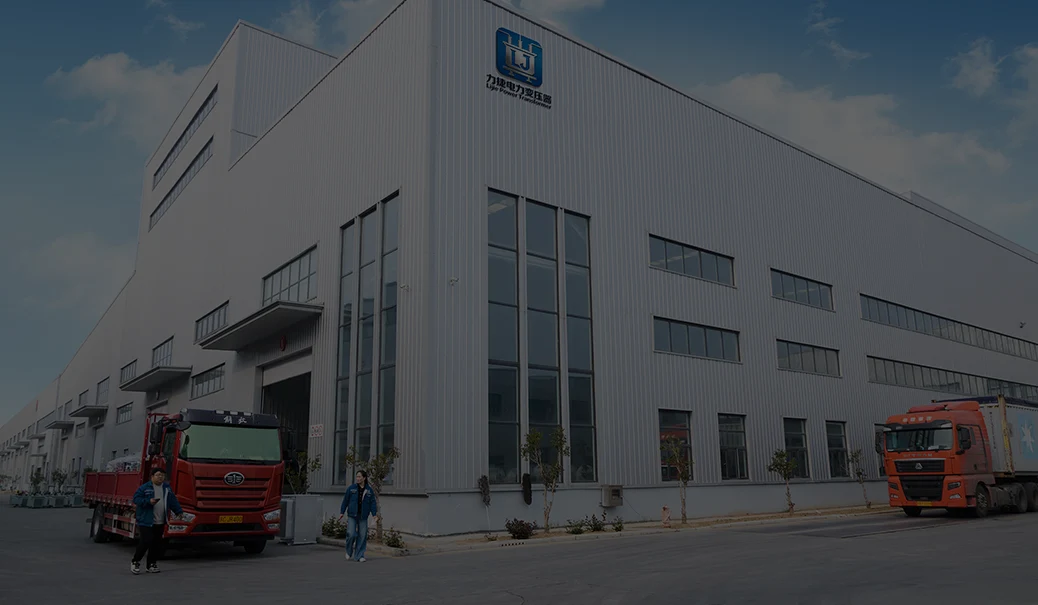
The Lijie Electric Power Technology Group makes approved transformers for voltages ranging from distribution level to 500kV and above. These transformers are fully compliant with ISO 9001, IEC, CE, and UL standards. We are a reliable Natural Ester Transformer supplier that can offer engineering advice, custom specifications, and the ability to deliver large quantities of product. To get a quote or a product specification sheet, email our technical team at lijieelectrical@gmail.com or go to lijie-electrical.com.
1. IEEE Transactions on Dielectrics and Electrical Insulation — Aging of Cellulose Insulation in Natural Ester Fluids, 2010.
2. IEC 61039:2008 — Classification of Insulating Liquids, International Electrotechnical Commission, 2008.
3. IEEE C57.155-2014 — Guide for Interpretation of Gases Generated in Natural Ester and Synthetic Ester-Immersed Transformers, IEEE, 2014.
4. CIGRE Technical Brochure 436 — Experiences in Service with New Insulating Liquids, CIGRE Working Group A2.35, 2010.
5. OECD Guideline 301B — Ready Biodegradability: CO₂ Evolution Test, OECD Guidelines for Testing of Chemicals, 1992.
6. IEC 60076-14:2013 — Power Transformers — Part 14: Liquid-Immersed Power Transformers Using High-Temperature Insulation Materials, International Electrotechnical Commission, 2013.
April 27, 2025
With a tight project schedule, the manufacturer delivered on time, and on-site technical personnel provided guidance throughout the entire installation and commissioning process; the collaboration was highly efficient and hassle-free.
July 2, 2025
During the preliminary phase, a selection plan was custom-tailored based on the actual site load requirements, resulting in a high degree of parameter compatibility. After-sales support responds within two hours, and ongoing technical support for operation and maintenance is comprehensive; we feel completely confident in a long-term partnership.
November 18, 2025
Deployed as a supporting component for a 35kV grid-connection project at a photovoltaic power station, the equipment operates for an average of 16 hours daily. It demonstrates excellent control over no-load losses, ensures smooth power generation and grid integration, and effectively reduces the station's overall energy consumption.
January 30, 2026
Under the continuous, high-load operating conditions of a factory production line, the equipment maintains stable electrical parameters and exhibits strong overload resistance, thereby guaranteeing an uninterrupted power supply for industrial production.
April 3, 2026
Integrated as a supporting component for a new energy photovoltaic grid-connection system, the manufacturer provided professional technical coordination and timely after-sales support, ensuring seamless adaptation to the specific electrical operating conditions required for grid integration.